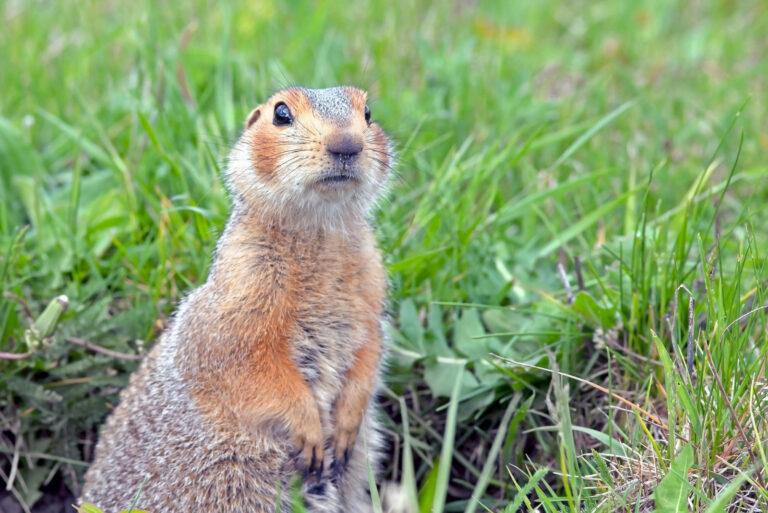
Stop Planting These If Rabbits Keep Visiting Your Garden
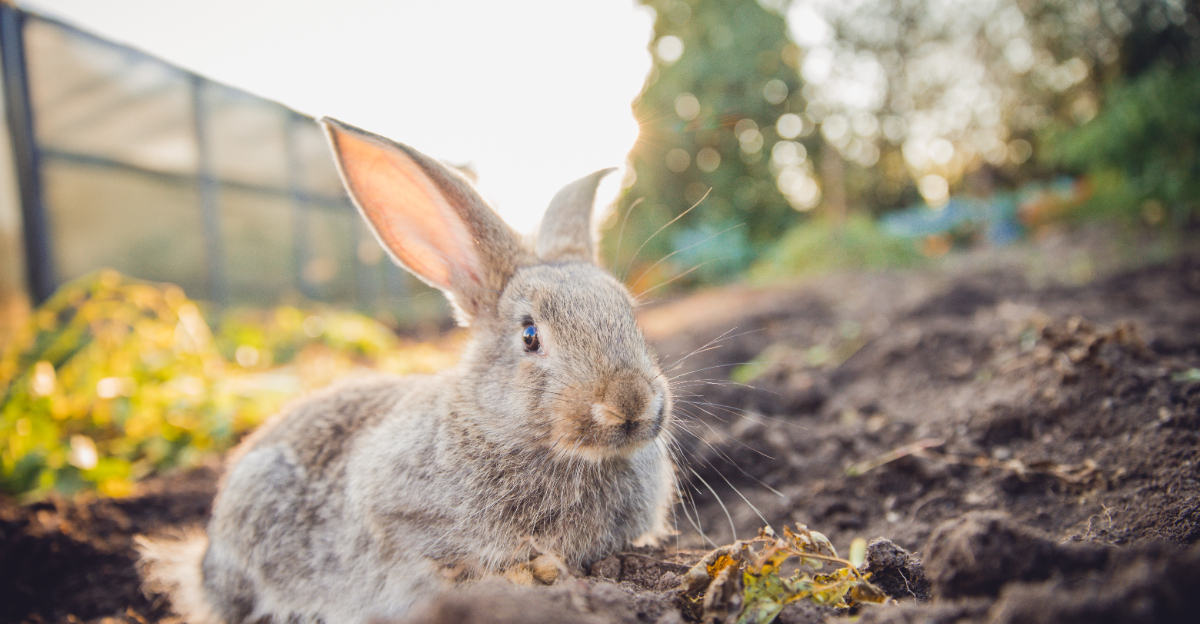
Rabbits do not wait for your permission before stripping a vegetable bed to bare dirt. Overnight, you can lose an entire row of lettuce without a single warning sign.
Gardeners often blame deer or drought, missing the real culprit hopping through your beds at dawn. Certain plants practically invite these visitors back to your yard again and again.
Few people realize how selective rabbits actually are, skipping some crops while devouring others just steps away. Your choices at planting time decide if your garden becomes a target or a fortress.
Specific varieties act like flashing neon signs, pulling rabbits straight toward you from yards away. Others repel them without effort, standing untouched while everything around them disappears.
The plants you choose next could mean the difference between a garden that thrives and one that gets picked clean.
1. Lettuce And Leafy Greens Draw Repeat Nighttime Feeding
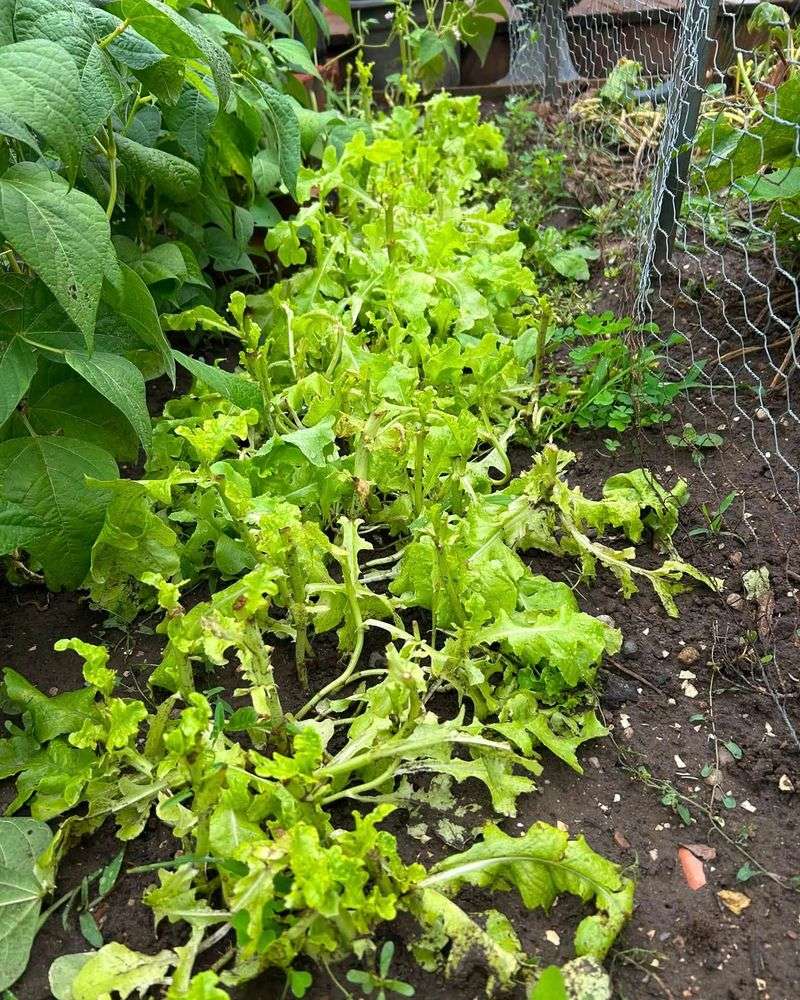
Rabbits found your lettuce, and now they will not stop coming back. Leafy greens are basically an open invitation to nearby cottontails.
Lettuce is soft, water-rich, and requires zero effort for a rabbit to chew through. Spinach, arugula, and kale are equally appealing to these repeat nighttime visitors.
If rabbits keep visiting your garden, leafy greens are often the first reason why. The tender leaves are easy to bite and digest, making them a top target after dark.
A single rabbit can strip several seedlings in one evening. You might not even notice the damage until the next morning when the bed looks strangely bare.
Replanting without protection just restarts the cycle. Once rabbits discover a food source, they return to that same spot night after night with impressive consistency.
Raised beds with wire mesh underneath can slow them down, but determined rabbits will still find a way in. A solid hardware cloth fence buried six inches deep works better than most solutions.
Consider growing lettuce in containers on a deck or porch instead. Moving the food source out of reach is sometimes the simplest and most effective fix available to home gardeners.
Leafy greens are worth growing, but they need serious protection in rabbit-heavy areas. Without it, you are basically planting dinner for the local wildlife every single week.
2. Bean Seedlings Vanish Before The First True Leaves Open
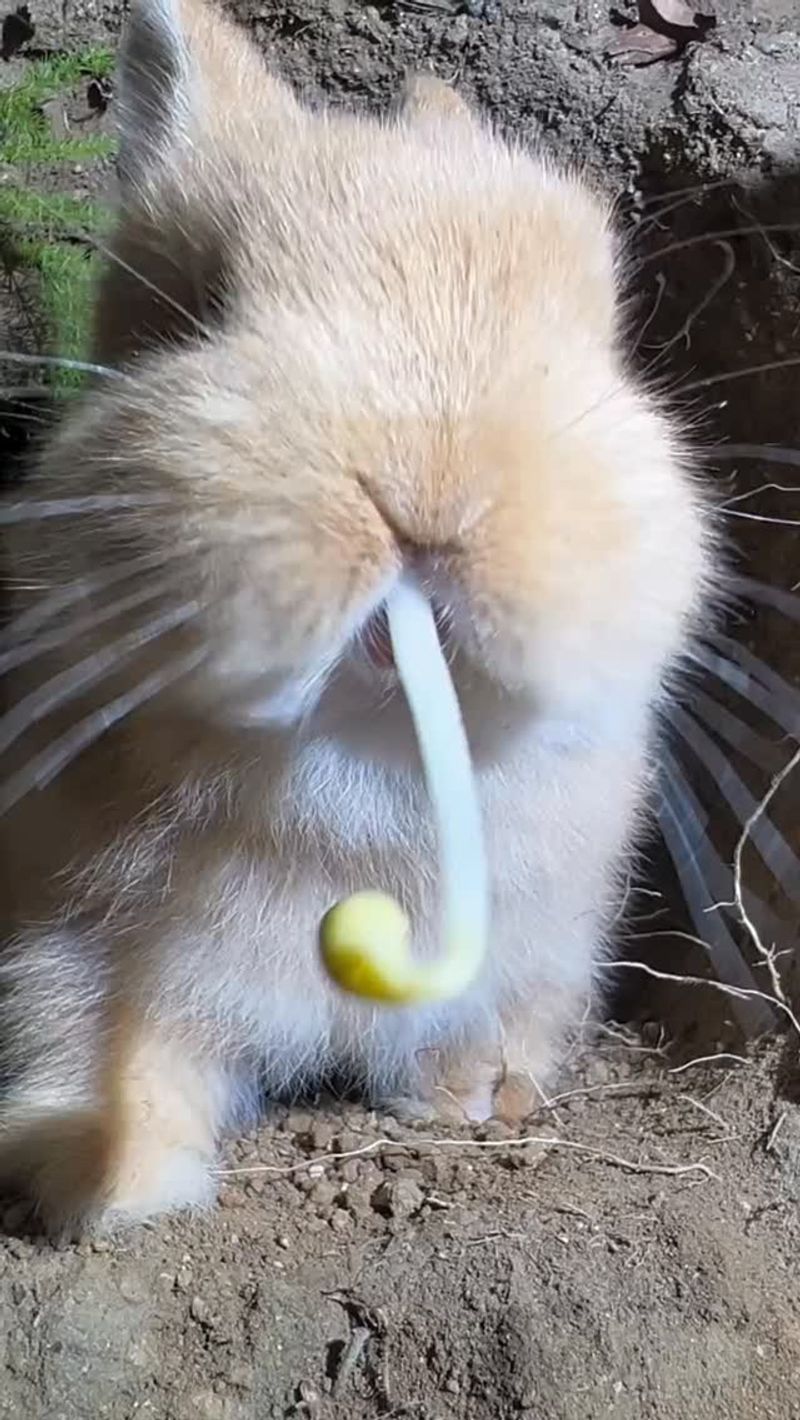
Bean seedlings have a rough time in rabbit territory. They sprout fast, look promising, and then disappear almost overnight before you get a chance to celebrate.
The problem is timing. Rabbits target beans during the most vulnerable stage, right after germination when stems are thin and leaves are barely formed.
At that early point, the whole plant is soft enough to eat in seconds. There is no woody stem or tough texture to slow a hungry rabbit down.
Green beans, pole beans, and bush beans all face the same threat. Even soybeans and edamame planted in home gardens attract the same kind of attention from local wildlife.
Gardeners often blame poor germination when the real culprit is a rabbit working the bed at night. Checking for tiny chewed stems near the soil line tells the real story.
Row covers made from lightweight fabric can protect seedlings during their first few weeks. Once plants get taller and stems toughen up, rabbits tend to move on to easier targets nearby.
Planting beans in a slightly raised bed surrounded by hardware cloth gives them a fighting chance. The investment in fencing pays off quickly when you actually get to harvest what you planted.
Skipping beans altogether might feel like giving up, but protecting them smartly means you get to enjoy the harvest. A little planning upfront saves a lot of frustration later in the season.
3. Peas Are Grazed To The Stem Through Early Growth
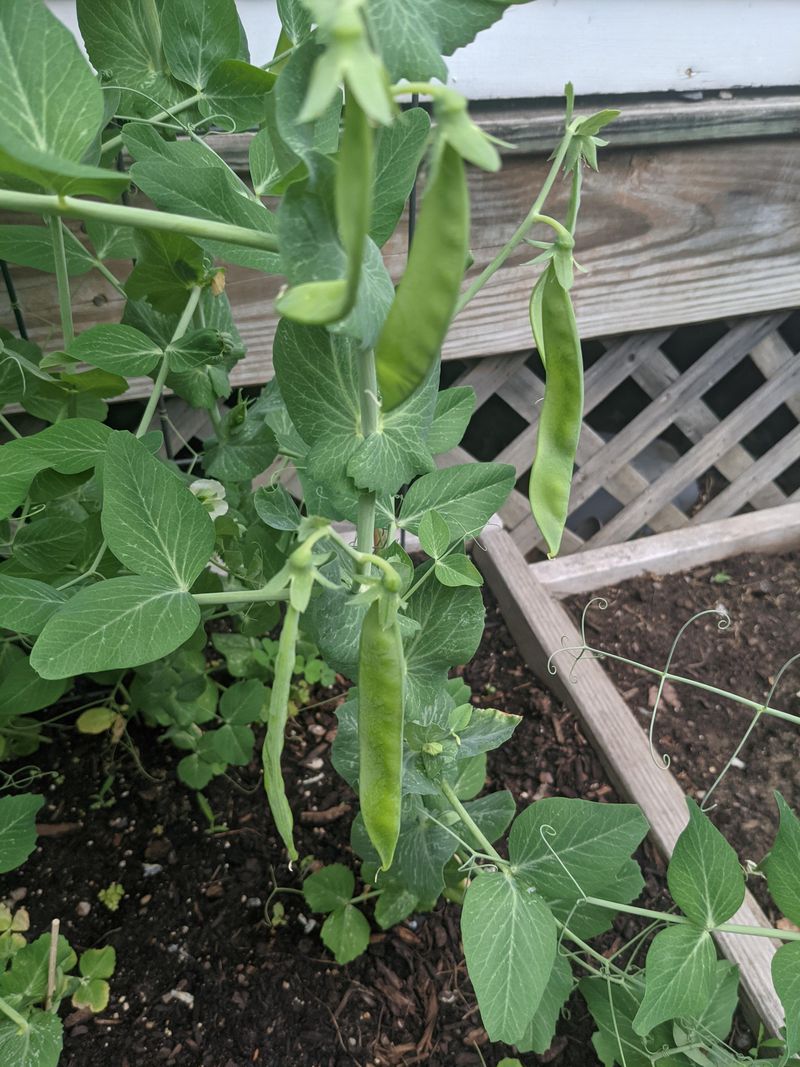
Peas are one of the sweetest crops you can grow, and rabbits know it. The tender shoots taste good even before the pods develop, making them a springtime favorite for foraging wildlife.
Early spring is when this problem hits hardest. Rabbits are hungry after winter, and fresh pea shoots are among the first green things poking out of the cold ground.
The damage pattern is distinctive. Plants get grazed right down to a short stub, leaving behind a clean diagonal cut that looks almost surgical against the soil line.
Snow peas and sugar snaps are especially at risk because of how sweet and soft they are during early growth. Even the tendrils and leaves get eaten before the plant has a real chance.
Gardeners who plant peas in late winter often lose entire rows within days. The timing puts the plants in peak vulnerability right when rabbit activity spikes after cold months.
Wire cloches placed over individual plants can help protect them through the first few weeks. Once the vines climb and the stems get tougher, rabbits tend to shift their focus elsewhere in the yard.
Some gardeners start peas indoors and transplant them when they are bigger and stronger. That extra size gives the plants a head start that makes a real difference in survival rate.
Peas are well worth growing if you give them the right protection early on. Without it, you are planting a snack bar that restocks itself every few days.
4. Beets And Carrot Tops Take Damage Above The Soil Line
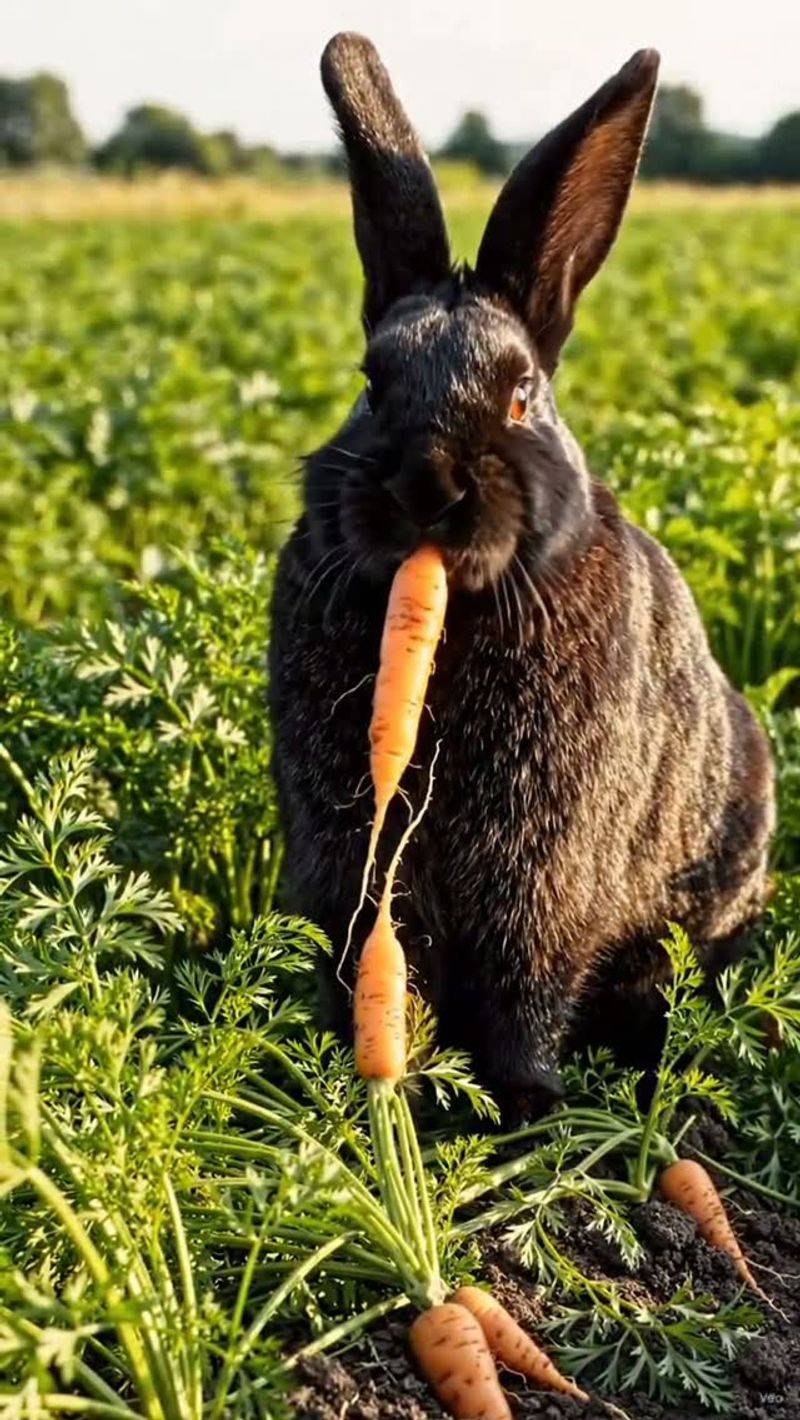
Beets and carrots seem like underground crops, so many gardeners assume they are safe from rabbits. The greens growing above the soil are actually what attracts the most attention.
Carrot tops are feathery, tender, and sweet-smelling. Rabbits find them irresistible, and a row of healthy carrot greens can be stripped bare in a single night.
Beet greens are equally appealing. They are leafy, slightly earthy, and loaded with moisture, which makes them a go-to snack for cottontails cruising the garden after dark.
The root itself usually stays safe underground, but losing all the foliage stunts the plant badly. Without leaves to capture sunlight, the root stops growing and the harvest suffers dramatically.
Many gardeners are confused when they find healthy-looking soil but no greens above it. Checking for small, clean-cut stems is usually enough to confirm rabbits are responsible for the missing tops.
Floating row covers work well for protecting these crops during the growing season. They let in light and rain while creating a physical barrier that most small animals cannot push through.
Planting beets and carrots in raised beds with enclosed sides adds another layer of security. The extra height alone discourages many rabbits from making the climb, especially when easier food is available nearby.
Protecting the tops means protecting the whole plant and the harvest you are working toward. A simple cover now saves a lot of disappointment at the end of the season.
5. Broccoli And Cabbage Transplants Are Stripped In Their First Weeks
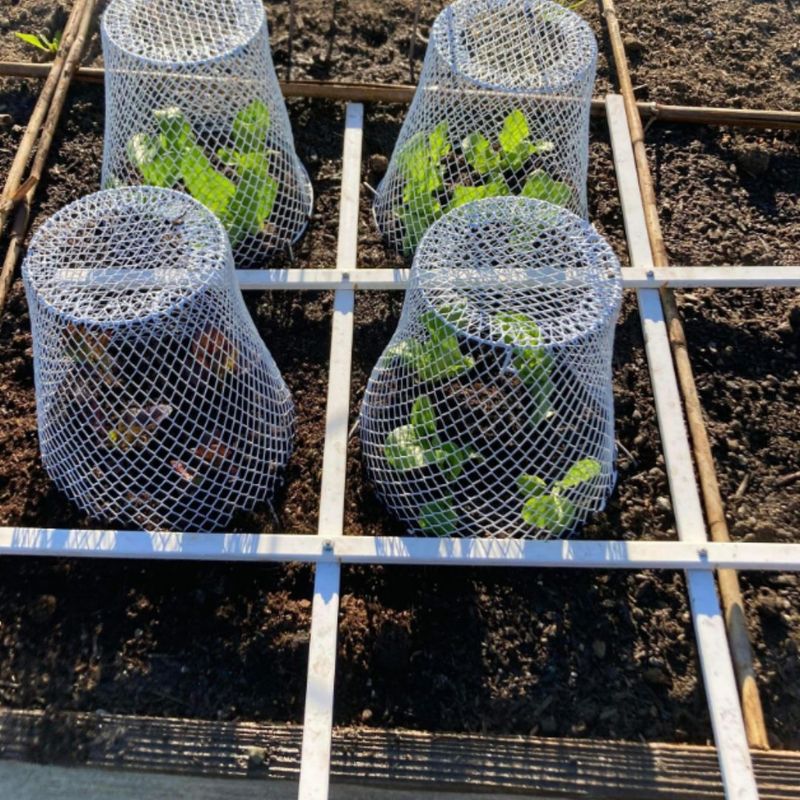
You spent weeks starting broccoli and cabbage indoors, hardened them off carefully, and finally got them in the ground. Then one morning, you walk out to find bare stems sticking up like tiny flagpoles.
Brassica transplants are especially vulnerable right after going in the ground. The stress of transplanting makes them slower to recover from feeding damage, and rabbits seem to sense that weakness.
Broccoli leaves are thick and nutrient-rich, which makes them an attractive meal. Cabbage heads in early formation are even more appealing because the inner leaves are sweet and tightly packed.
Rabbits do not need to eat the whole plant to cause serious harm. Even partial defoliation in the first few weeks can set a transplant back enough to ruin the harvest timing.
Collard greens and Brussels sprouts face the same threat and for the same reasons. Any brassica with broad, low-hanging leaves is basically a self-serve salad bar for local wildlife.
Individual wire cages made from hardware cloth are one of the best defenses for transplants. They are cheap to make, easy to move, and can be reused season after season without much wear.
Spacing plants further apart and keeping the surrounding area clear of weeds can reduce rabbit hiding spots. Less cover near the bed means fewer rabbits feel comfortable approaching in the first place.
Protecting transplants in their first few weeks is the most important window you have. Get that protection in place before the plants go in the ground, not after the damage happens.
6. Hostas Get Chewed To Stubs In Shaded Beds
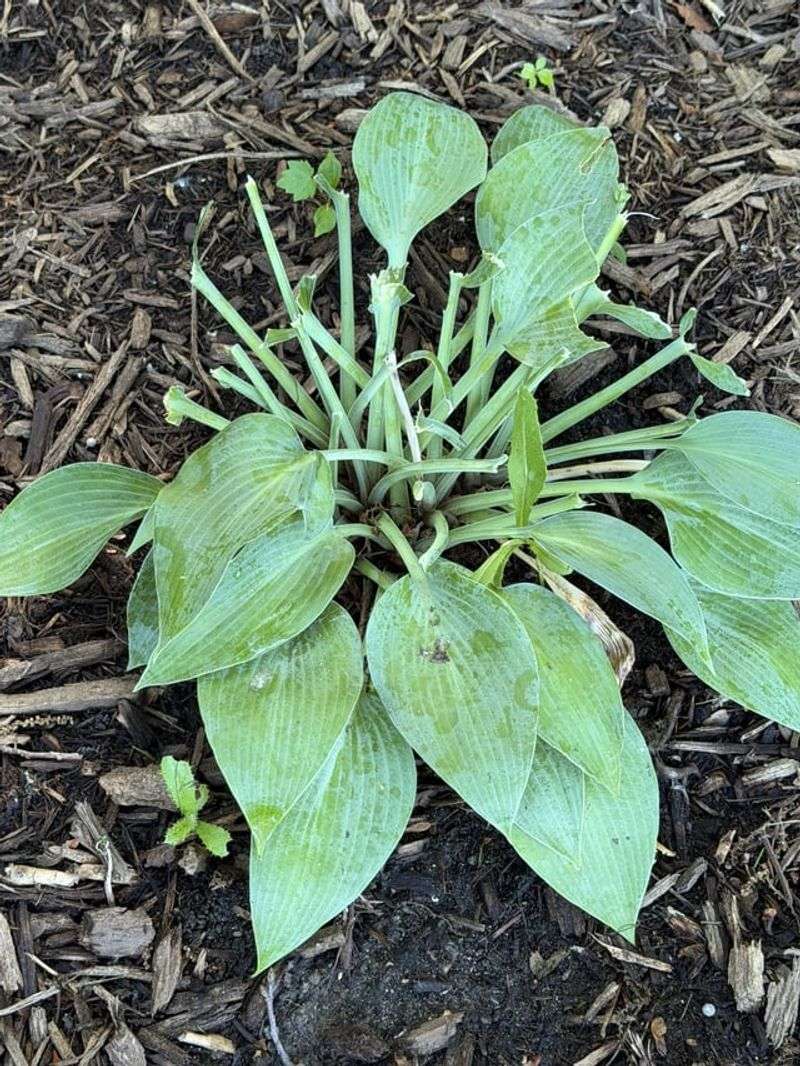
Hostas are one of the most popular shade plants in American gardens, and rabbits love them. What looks like a lush, low-maintenance groundcover to you looks like an all-you-can-eat buffet to a cottontail.
The broad, smooth leaves are easy to bite through and packed with water. That combination makes hostas a prime target, especially during dry stretches when other moisture-rich plants are harder to find.
Shaded beds tend to give rabbits extra cover while they feed. Dense plantings near fences or wooded edges make it easy for them to slip in, eat fast, and disappear before you notice.
The damage often happens overnight and looks dramatic by morning. A plant that was full and lush the evening before can be reduced to a cluster of bare stems by sunrise.
Some gardeners try repellent sprays around the base of hostas. These can work temporarily, but rain washes them away and the treatment needs to be repeated more often than most people expect.
Planting rabbit-resistant companions nearby, like ferns or astilbe, can sometimes shift feeding behavior. Rabbits often prefer the easiest target, so surrounding hostas with less appealing plants may reduce overall damage in the bed.
If you are in a high-rabbit area and hostas keep getting destroyed, switching to ferns as a substitute is worth considering. Ferns offer a similar lush texture without being nearly as attractive to foraging wildlife.
Hostas can recover from moderate damage with time and care. But in a garden where rabbits keep visiting, recovery often just means growing back in time to get eaten again.
7. Tulips And Crocus Lose Buds Before They Open
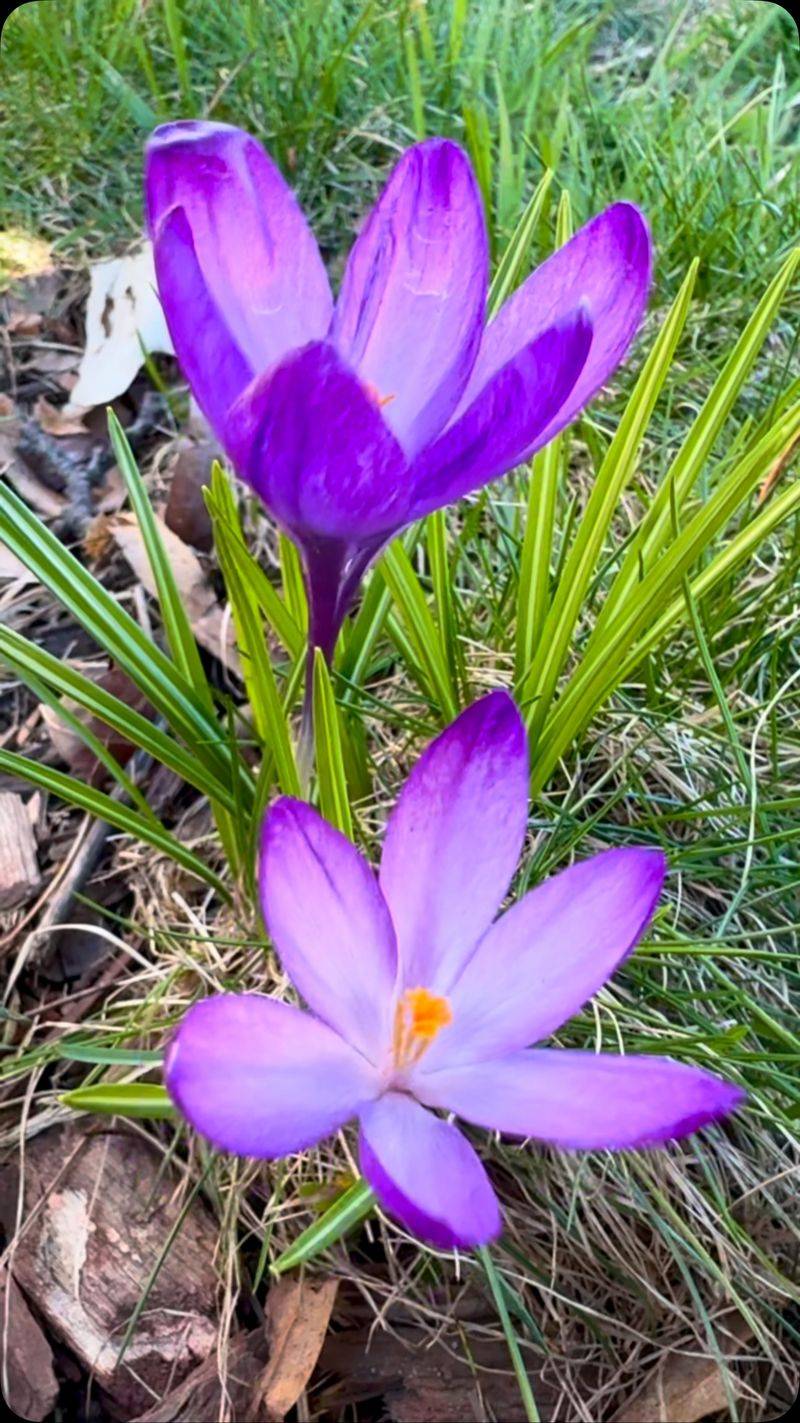
Few things sting more than watching tulip buds disappear right before they open. You waited all winter for that color, and a rabbit ate it in about thirty seconds flat.
Tulips are among the most targeted spring bulbs in rabbit-prone neighborhoods. The tender green shoots that emerge in early spring are sweet and easy to reach, making them an early-season favorite.
Crocus gets hit even earlier because it blooms when almost nothing else is available. Rabbits that have been foraging through thin winter pickings will go straight for crocus the moment it pokes through the soil.
The buds are the most vulnerable part. Rabbits often clip them off cleanly right at the stem, leaving behind a short stalk with nothing on top and a gardener full of disappointment.
Some gardeners try planting daffodils nearby as a deterrent. Daffodils contain compounds that most animals avoid, and mixing them with tulips can sometimes reduce how much attention the bed gets overall.
Wire mesh cages placed over bulb beds in fall can protect emerging shoots through early spring. The mesh needs to be removed before blooms fully open, but it buys crucial time during the most vulnerable weeks.
Repellent granules sprinkled around the bed perimeter can add a second layer of protection. Reapplying after rain keeps the barrier active and helps reinforce the message that this bed is off-limits.
Tulips and crocus are worth the extra effort if you plan ahead. If rabbits keep visiting your garden each spring, protection has to be part of the planting process from day one.
8. Sunflower Seedlings Are Clipped Off At Ground Level
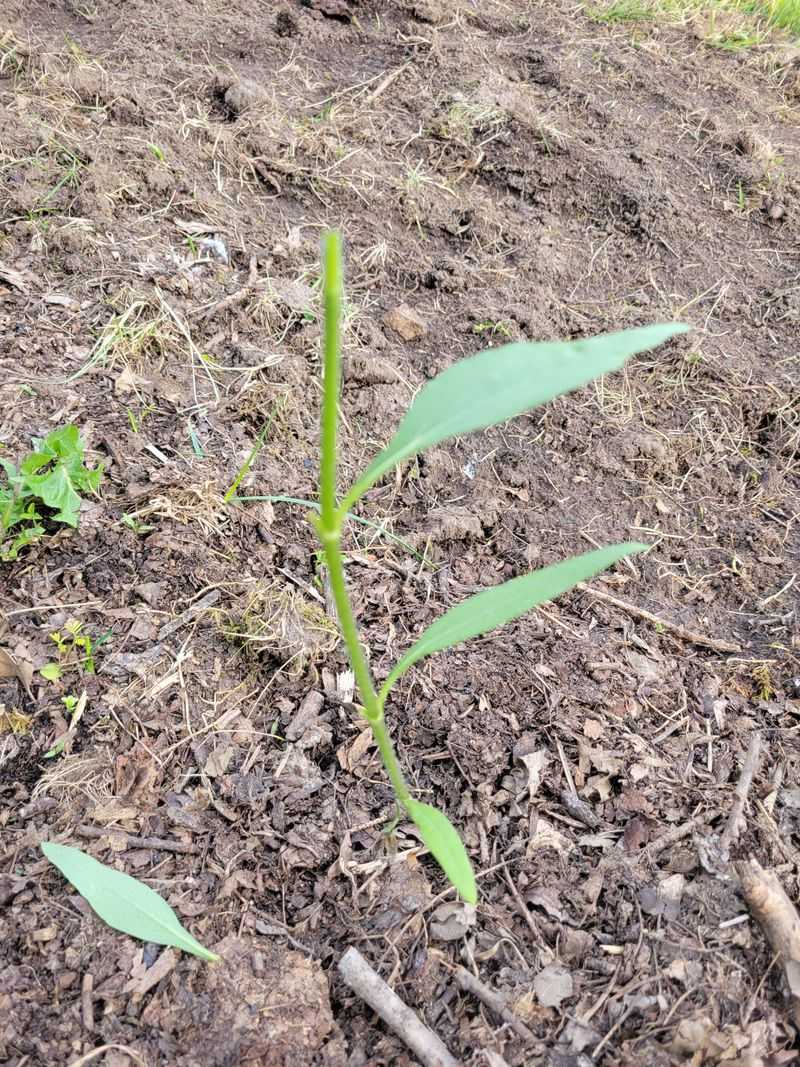
Planting sunflower seeds feels exciting, full of promise and height and summer color. Then the seedlings emerge, and within days, they are gone, clipped off right at the soil like someone took tiny scissors to them.
Sunflower seedlings are among the most frequently rabbit-damaged plants in backyard gardens across the country. The young stems are soft, the leaves are tender, and the whole plant is low enough to reach without any effort.
The cut is always clean and close to the ground. That tidy little snip is the telltale sign of rabbit activity, distinct from the ragged tearing left by other garden pests.
Larger sunflower varieties are not immune either. Even seeds from giant sunflower types get targeted at the seedling stage before the stem has a chance to toughen up and grow tall.
Starting sunflowers indoors and transplanting them when they are six inches or taller gives them a much better shot. At that height, the stem is woodier and less appealing to rabbits looking for a quick bite.
Wire cylinders made from chicken wire placed around individual seedlings can protect them through their first few weeks. Once the plant clears eight to ten inches, most rabbits lose interest and move on to softer targets.
Planting sunflowers in a raised bed with sides at least twelve inches high adds useful protection. Rabbits can jump, but they prefer easy ground-level access when other options are available nearby.
If rabbits keep visiting your garden every season, protecting sunflower seedlings early is a non-negotiable step. A little wire and some planning is all that stands between you and a summer full of blooms.