7 Common Houseplant Problems During March In Texas (Plus Simple Fixes)
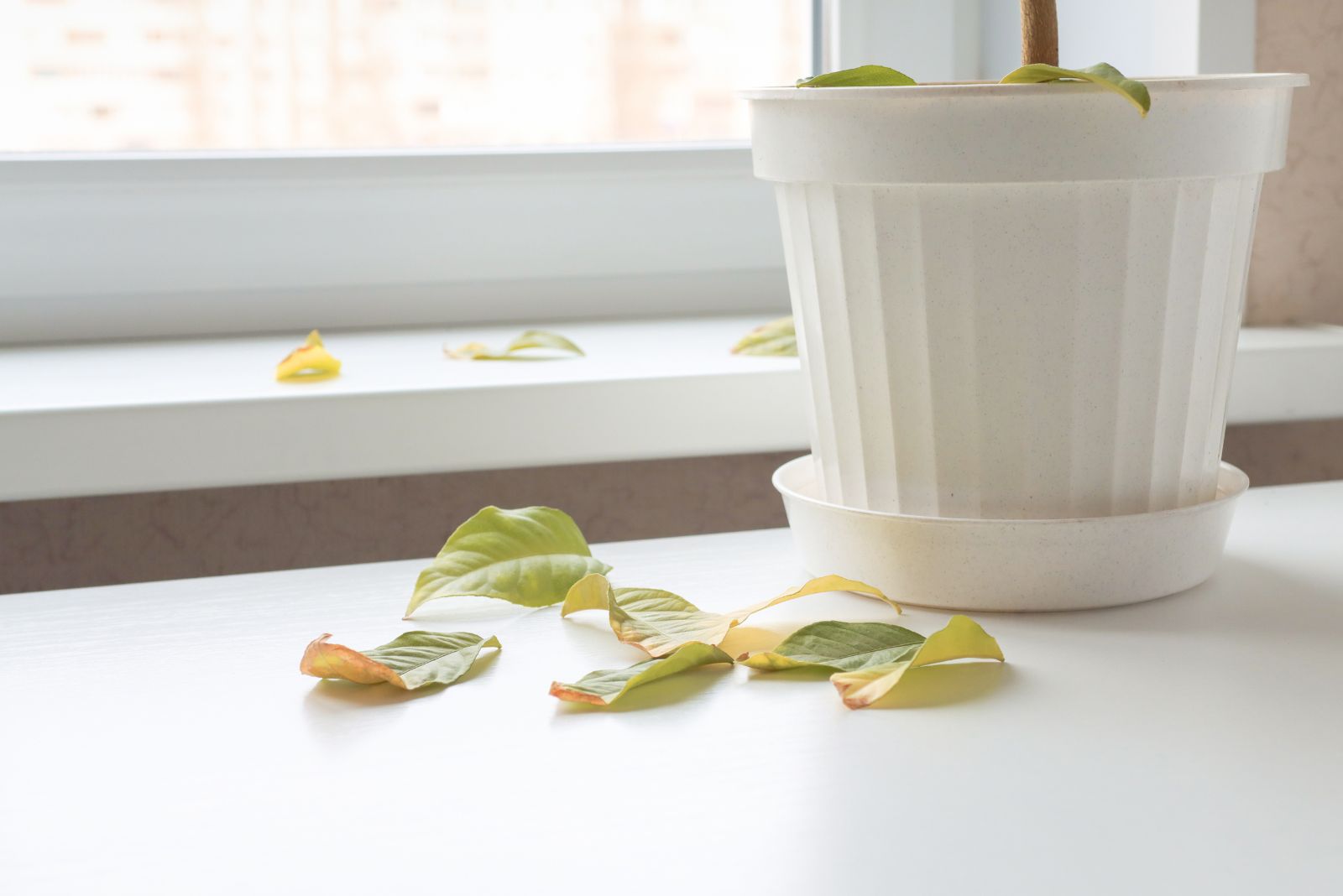
March in Texas is an exciting time for indoor gardeners. The days are getting longer, sunlight is stronger, and many houseplants start showing signs of new growth.
But changes in light, temperature, and humidity can also bring challenges. Plants may droop, develop yellowing leaves, or struggle to grow, leaving gardeners scratching their heads.
Indoor plants are sensitive to even small changes. Overwatering or underwatering, too much direct sun, or sudden temperature swings are common causes of stress in March.
Pests like spider mites, aphids, or fungus gnats can also appear when plants are adjusting to the shift in conditions.
The good news is most of these problems are easy to fix. Simple steps like adjusting watering, moving plants to better light, and inspecting for pests regularly can help your houseplants bounce back.
With a little care, your indoor garden will thrive and look lush as spring begins in Texas.
1. Sudden Leaf Drop From Temperature Swings
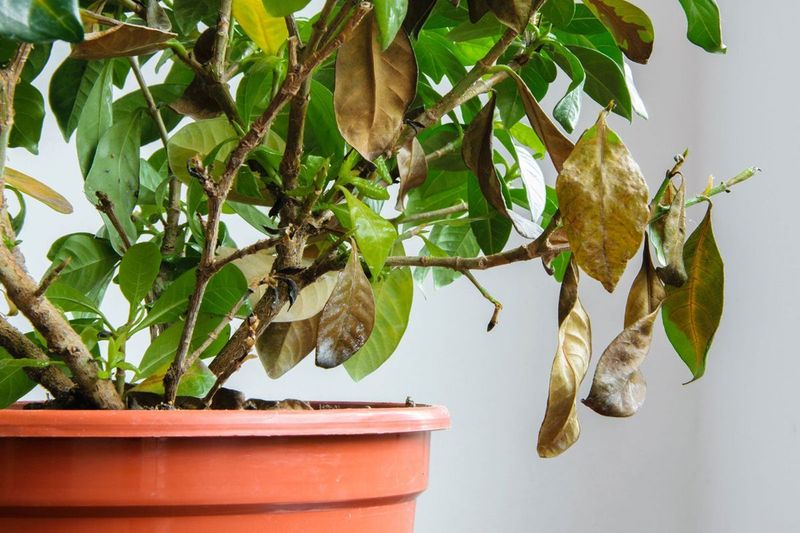
One day it is warm and sunny in Texas, and the next morning you wake up to a surprisingly cool house.
That kind of back-and-forth temperature change is one of the sneakiest reasons houseplants suddenly start dropping leaves in March. Plants are sensitive creatures, and rapid temperature shifts stress them out fast.
In Texas homes, the problem often comes from a few specific sources. Open windows let in cool evening breezes after a warm afternoon.
Air conditioning units kick on unexpectedly during a warmer spell. South-facing windows heat up during the day, then cool down sharply at night.
All of these create what plant experts call cold or heat shock, and your plants respond by shedding leaves to protect themselves.
The fix is simpler than you might think. Start by moving your plants away from drafty windows and air vents.
Keep them in a spot where the temperature stays steady throughout the day and night. Aim for indoor temps between 60 and 75 degrees Fahrenheit, which works well for most common houseplants.
Avoid placing pots directly on cold windowsills or tiled floors, which can also chill roots. If you notice a plant dropping leaves rapidly, check the surrounding area for temperature fluctuations first before assuming something else is wrong.
A simple thermometer placed near your plants can help you track temperature swings. Small adjustments in plant placement can make a huge difference during this unpredictable month in Texas.
2. Overwatering As Plants Wake Up
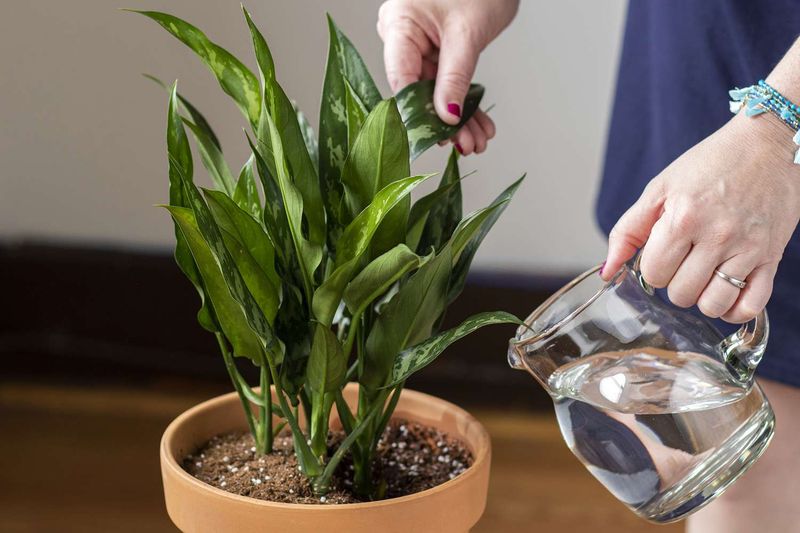
Grab a handful of soil from your plant pot right now. Is it still wet from the last time you watered?
If yes, put that watering can down. Overwatering is one of the most common mistakes people make in March, especially in Texas, where the excitement of spring can make gardeners a little too eager to get growing.
Here is what happens. During winter, most houseplants slow down their growth significantly.
When March arrives, many people assume that spring means it is time to water more. But indoor plants do not follow the calendar.
Growth may still be slow in early March, and the soil stays wet much longer indoors than it would outside. When roots sit in soggy soil for too long, they stop getting the oxygen they need.
Root rot sets in quietly, and by the time you notice something is wrong, the damage is already done.
Checking soil moisture before every watering session is the smartest habit you can build. Push your finger about one to two inches into the soil.
If it still feels damp, wait a few more days. Different plants have different needs, so succulents and cacti need even more drying time between waterings than tropical plants do.
Always make sure your pots have drainage holes at the bottom so excess water can escape freely. Empty saucers after watering so roots are never sitting in standing water.
Building this simple routine in March can protect your Texas houseplants all the way through the growing season ahead.
3. Underwatering From Increased Light
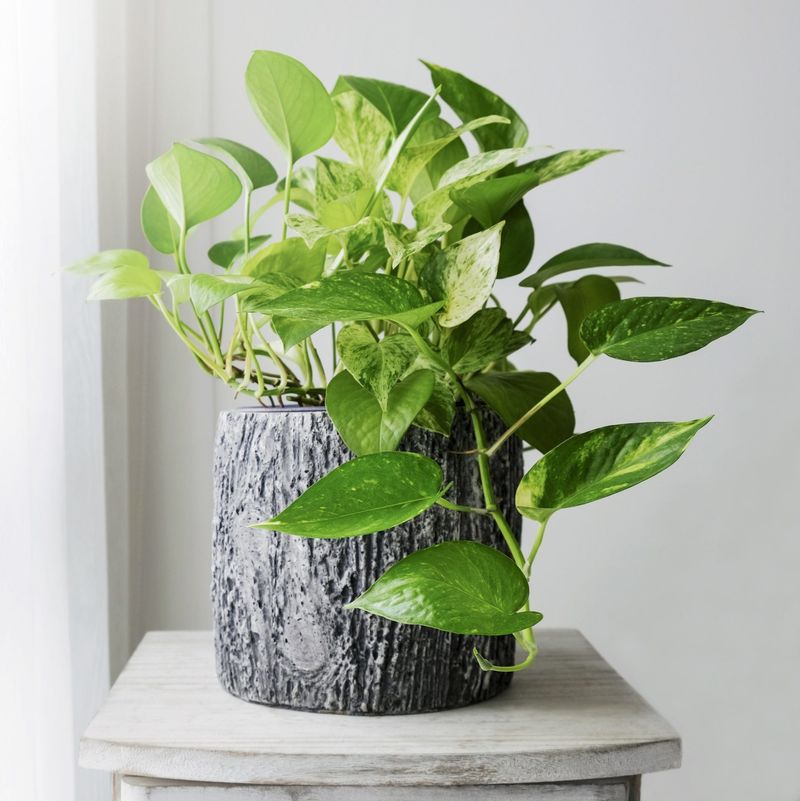
Crispy brown tips on your plant leaves are never a good sign, and in March across Texas, they often mean one thing: your plant is thirstier than you realize. As the days get longer and sunlight gets stronger, plants naturally ramp up their activity.
They photosynthesize more, grow faster, and use water at a much quicker rate than they did during the quiet winter months.
The tricky part is that many plant owners do not adjust their watering habits to match this change. You might still be watering once a week like you did in January, but your plant now needs water more frequently.
Tropical plants like pothos, peace lilies, and ferns are especially sensitive to this shift. Their leaves will start showing stress at the tips first, turning crispy and brown before the problem spreads further up the leaf.
Monitoring your soil more frequently is the best way to stay ahead of this issue. Instead of watering on a fixed schedule, check the soil every two to three days during March.
Gradually increase how often you water as you notice the soil drying out faster. Room temperature water works best because cold water can shock roots.
If your plant sits in a particularly bright spot in your Texas home, it may need water every few days instead of once a week. Small, consistent adjustments are far better than suddenly flooding a dry plant with a huge amount of water all at once.
4. Sunburn From Stronger Spring Light
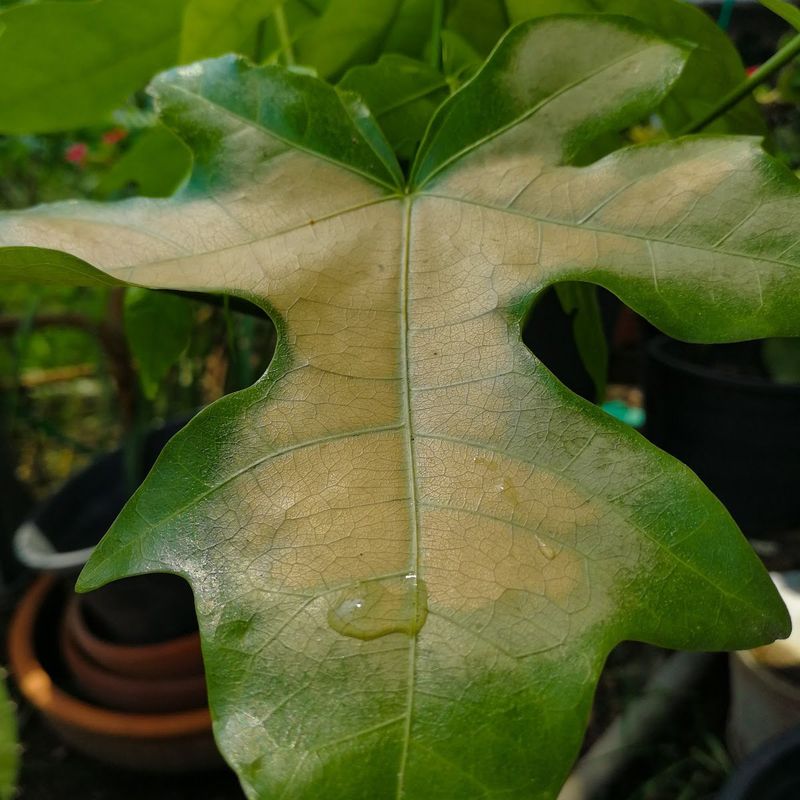
March sunlight in Texas hits differently. After months of soft, low-angle winter light, the sun climbs higher in the sky and sends down much stronger rays.
Most people welcome this, but houseplants that have been sitting comfortably in a window all winter can suddenly find themselves getting too much of a good thing.
South- and west-facing windows are the biggest culprits. The light that streams through these windows in March can be intense enough to bleach or scorch plant leaves.
You will notice pale, washed-out patches or dry, papery spots on leaves that were perfectly healthy just weeks ago. Plants like pothos, snake plants, peace lilies, and most ferns are especially vulnerable because they are adapted to lower light conditions.
Even sun-loving plants can get scorched if they are sitting right up against the glass where heat builds up quickly.
Moving sensitive plants a foot or two back from the window can make a big difference without cutting off their light supply entirely. Another easy solution is hanging sheer curtains over bright windows.
Sheer fabric filters out the harshest rays while still letting in plenty of bright, indirect light that most houseplants love. Rotating your pots every week or two also helps ensure all sides of the plant get even exposure without one side getting burned.
In a state like Texas where spring arrives fast and strong, being proactive about light management in March sets your indoor plants up for a much healthier and happier growing season.
5. Low Indoor Humidity
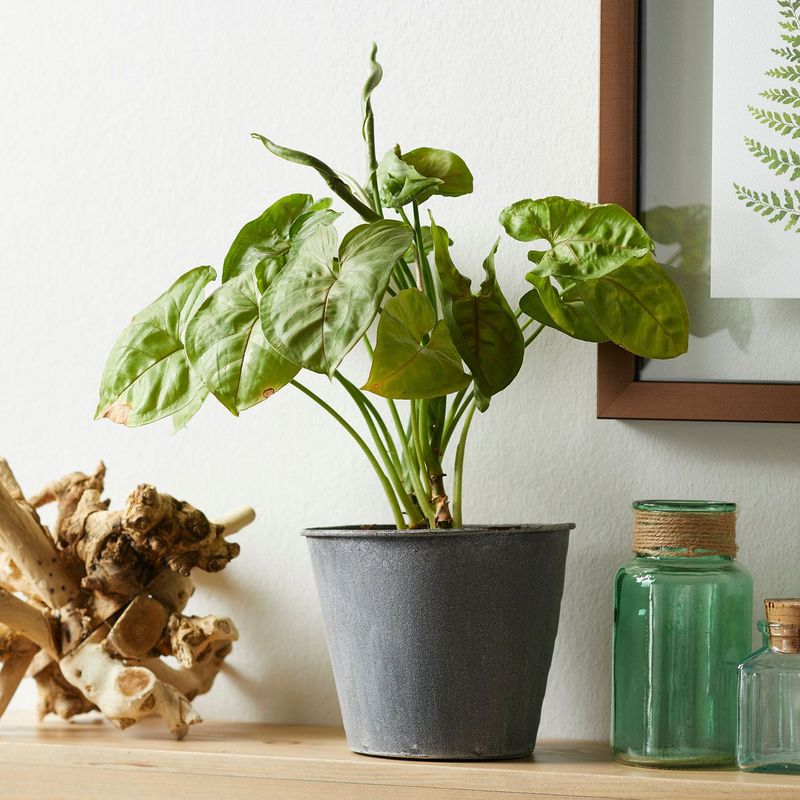
Tropical houseplants basically dream of rainforest conditions, and a dry Texas home in March is about as far from that as you can get.
Even though winter is winding down, heating systems are still running on cooler nights, and early air conditioning use on warmer afternoons pulls even more moisture out of the air. The result is indoor humidity levels that leave moisture-loving plants struggling.
Brown, crispy leaf edges are the most obvious sign that your plants are not getting enough humidity. Drooping leaves on tropical plants like calatheas, anthuriums, and prayer plants are another clue.
These plants evolved in environments where humidity levels stay above 50 percent, and most Texas homes in March sit well below that, especially when HVAC systems are running.
The problem is easy to miss because the soil might feel fine, but the air around the plant is too dry for the leaves to stay healthy.
Grouping plants together is one of the easiest fixes because plants naturally release moisture into the air through their leaves, creating a slightly more humid microclimate. Pebble trays filled with water placed under pots work well too.
As the water evaporates, it raises the humidity right around the plant. For plant lovers with a collection of tropical varieties, running a small humidifier nearby can be a game changer.
Misting leaves occasionally can help in a pinch, but it is not a long-term fix. Consistent humidity is what your plants truly need to look their best this March in Texas.
6. Pest Activity Increasing
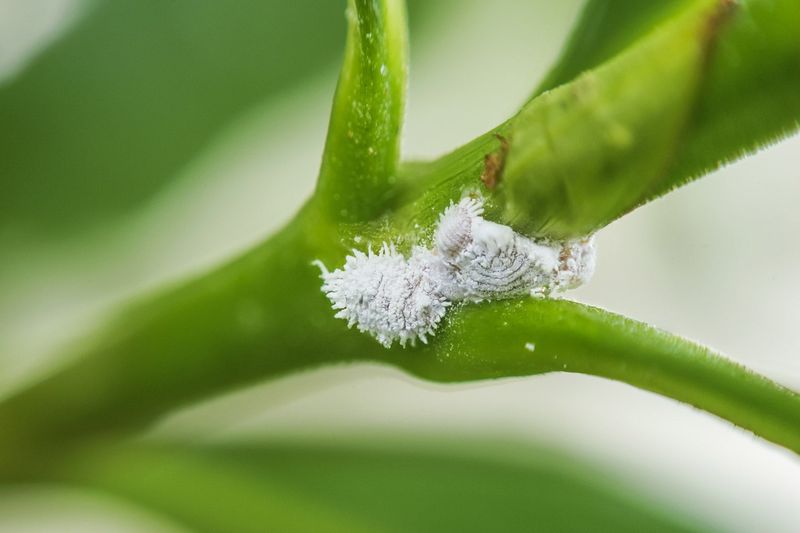
Warmer temperatures have a way of waking up more than just your plants. March in Texas brings rising indoor temps that create the perfect environment for common houseplant pests to multiply fast.
Spider mites, mealybugs, and fungus gnats are the three most frequent troublemakers this time of year, and catching them early is the key to keeping your plants safe.
Spider mites love warm, dry conditions and tend to appear on the undersides of leaves as tiny moving dots with fine webbing. Mealybugs look like small cotton fluff clusters and gather in leaf joints and along stems.
Fungus gnats are those annoying tiny flies that hover around your pots and lay eggs in moist soil, where their larvae feed on roots. All three pests can spread quickly from one plant to another if you are not paying attention.
A single infested plant sitting among a group can turn into a full collection problem within weeks.
Making it a habit to inspect your plants closely at least once a week goes a long way. Flip leaves over and check stems and soil surfaces carefully.
Wiping down leaves with a damp cloth removes dust and early pest populations before they get out of hand. If you spot an infestation, isolate the affected plant immediately to stop the spread.
Insecticidal soap spray is safe, effective, and easy to find at most garden centers across Texas. Apply it thoroughly to all leaf surfaces, repeating every five to seven days until the pests are completely gone.
7. Fertilizing Too Soon Or Too Much
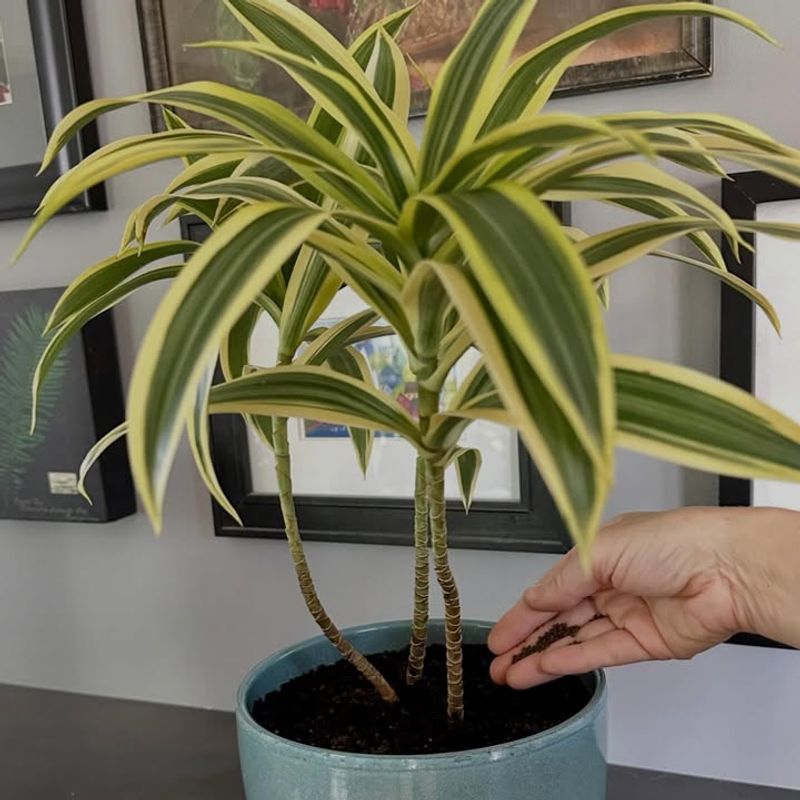
Spring energy is contagious, and it is easy to get excited about helping your plants grow big and fast as March rolls in across Texas.
But reaching for the fertilizer too early or using too much at once is a mistake that can seriously set your plants back instead of pushing them forward. Roots that are not yet actively growing cannot handle a heavy dose of nutrients.
Heavy feeding before a plant has woken up and started producing visible new growth puts unnecessary stress on the root system. Excess fertilizer salts build up in the soil and can actually pull moisture away from roots rather than nourishing them.
You might notice leaf tips turning brown or yellow, or the plant looking more tired and stressed than it did before you fertilized.
Weak, leggy growth can also result from too much nitrogen too soon, as the plant tries to push out fast growth without a strong enough root system to support it.
Patience is your best tool here. Wait until you can clearly see new leaves or stems starting to emerge before you add any fertilizer at all.
When you do start feeding, use a balanced, water-soluble fertilizer diluted to half the recommended strength. Start light and increase gradually as growth picks up through April and May.
Flushing your pots with plain water every month or so helps wash away any salt buildup. Texas gardeners who take a slow and steady approach to spring fertilizing almost always end up with stronger, fuller, and healthier plants by summer.