7 Common Mistakes Florida Gardeners Make With Mango Trees
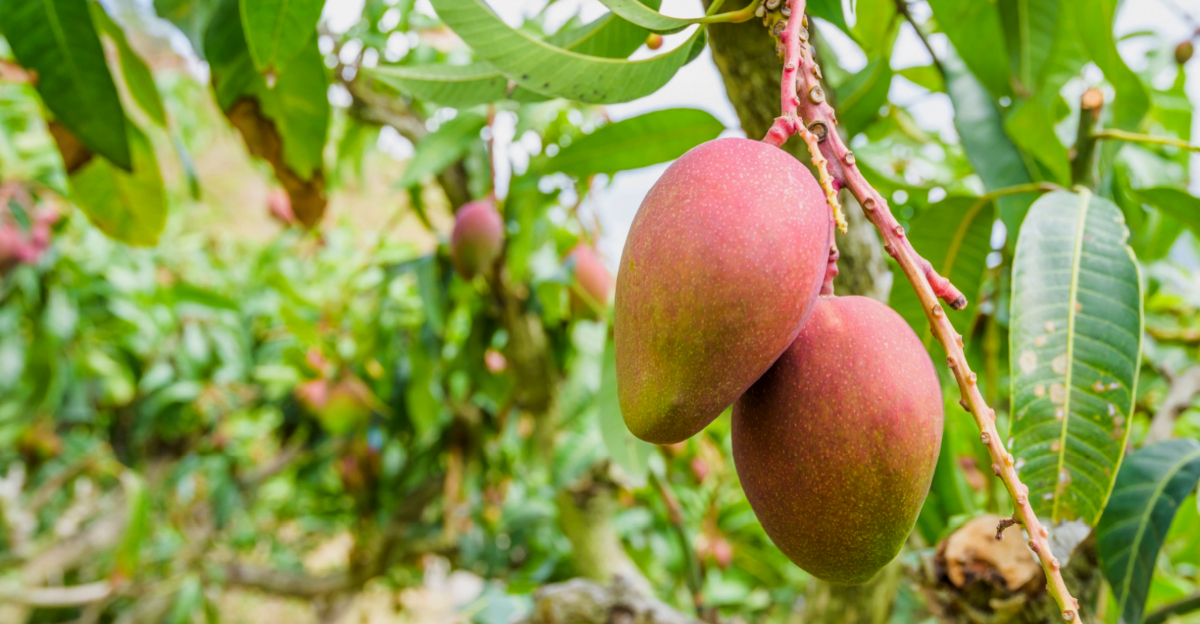
While Florida feels like a tropical paradise, growing these mangos in your own backyard is more than just a “set it and forget it” project.
Between our sandy soils, intense humidity, and sudden summer downpours, a promising sapling can quickly become a source of frustration without the right strategy.
Success comes down to avoiding a few common pitfalls that catch even seasoned local gardeners off guard.
By mastering the basics of placement, irrigation, and pruning, you can bypass years of trial and error.
Getting these details right ensures your tree doesn’t just survive the Florida heat, but thrives and delivers the sweet, heavy harvests you’ve been imagining.
1. Planting Mangoes In Too Much Shade
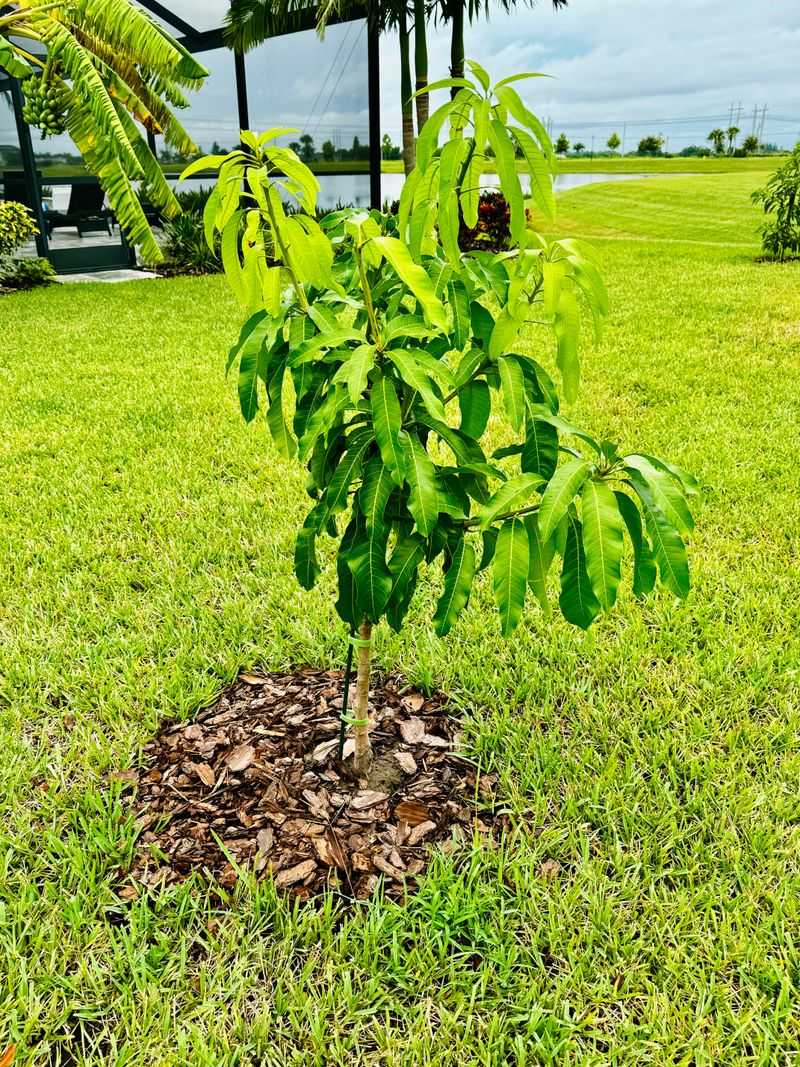
Backyards in Florida can be tricky spaces to work with, especially when large oaks, palms, or privacy hedges already take up a lot of the yard.
When a mango tree gets tucked into a shaded corner to save space, gardeners often wonder later why the tree barely grows or produces little fruit.
Mango trees are sun-hungry plants that need full sunlight to perform their best, and that means at least six to eight hours of direct sun every single day.
Without enough light, a mango tree will put most of its energy into reaching toward whatever sunlight it can find rather than developing a strong root system or producing flower panicles.
Shaded trees tend to grow tall and leggy, with thin branches that struggle to support fruit.
Flowering is often sparse or delayed, and fruit set can be disappointingly low even in years when the weather cooperates.
Before choosing a planting spot in your Florida yard, spend a day observing where sunlight falls and for how long. South-facing and west-facing locations tend to receive the most consistent direct sun throughout the day.
Avoid spots near large shade trees or structures that cast shadows during morning or midday hours, since those are the most critical light periods for tropical fruit trees.
If your yard is already crowded with mature trees, consider removing or trimming back competing vegetation before planting.
Giving a mango tree the full sun it craves from day one sets the foundation for strong growth, healthy canopy development, and reliable fruit production in the seasons ahead.
2. Overwatering Young Trees And Soggy Roots
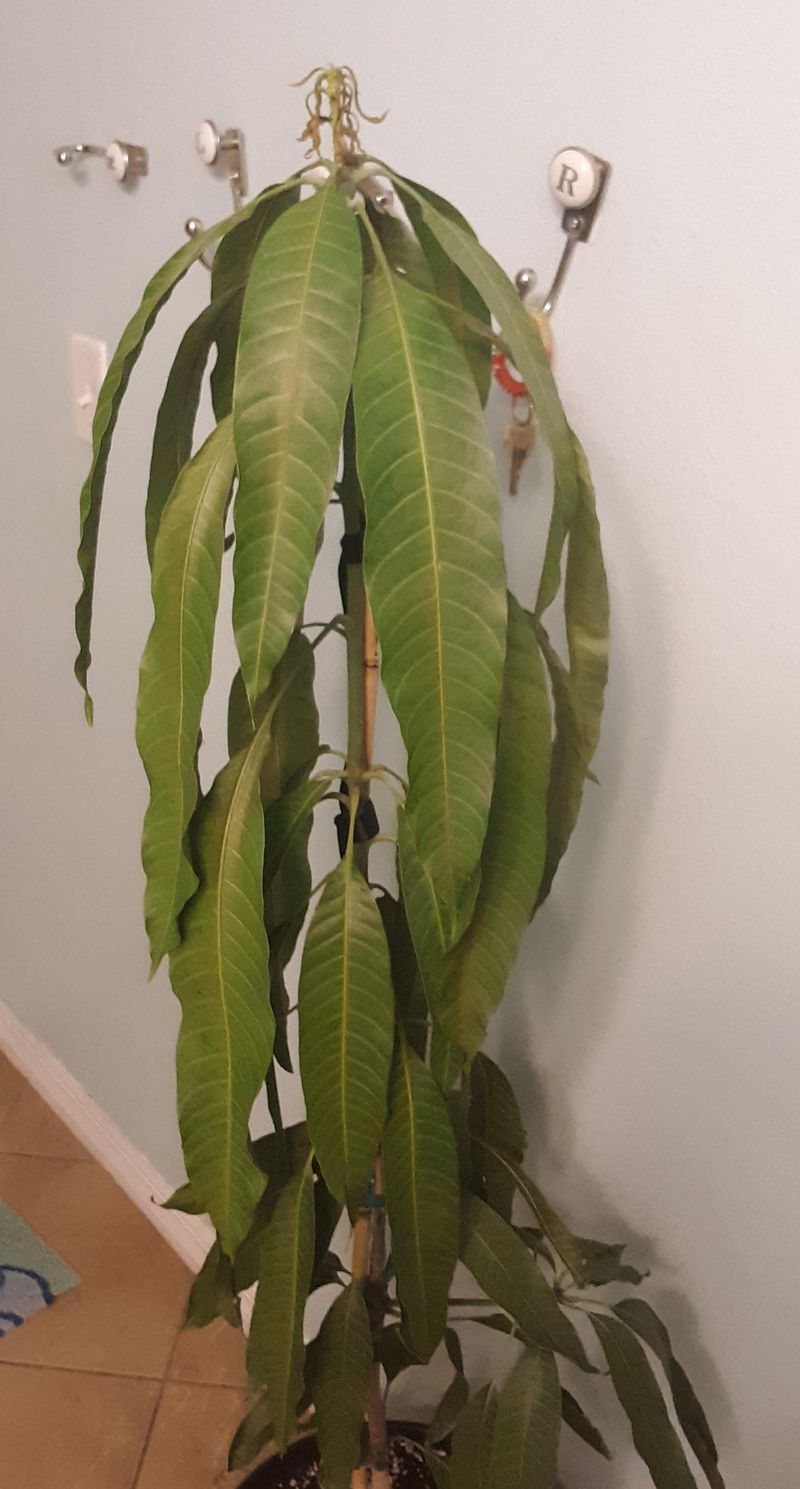
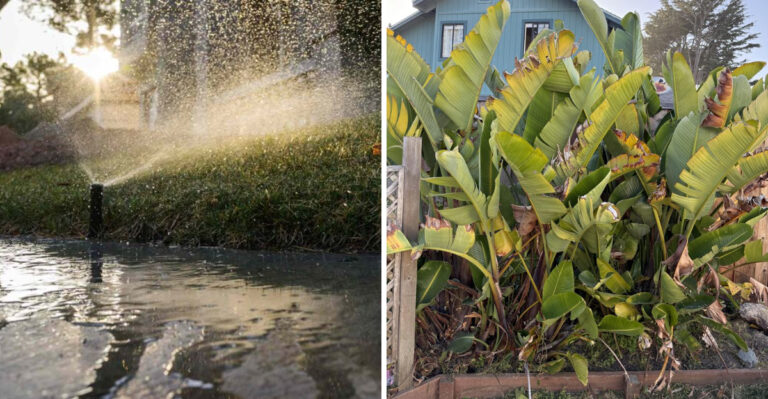
Florida summers bring heavy afternoon thunderstorms that can dump several inches of rain in just a matter of hours, and for newly planted mango trees, that kind of moisture can be overwhelming.
Many new gardeners make the mistake of adding irrigation on top of natural rainfall, not realizing that mango trees are far more tolerant of dry conditions than they are of wet feet.
Consistently soggy soil around the root zone is one of the fastest ways to weaken a young tree.
Mango roots need oxygen just as much as they need water, and when soil stays saturated for extended periods, root function breaks down.
Leaves may begin to turn yellow or drop, and the tree can look stressed even though it is receiving plenty of moisture.
These symptoms often lead gardeners to water even more, which only makes the problem worse.
A smarter approach is to water young mango trees deeply but infrequently. During the first few months after planting, check soil moisture a few inches below the surface before watering.
If the soil still feels damp, wait another day or two. During Florida’s rainy season, which typically runs from June through September, irrigation may not be needed at all for established trees.
Drip irrigation systems work well for mango trees because they deliver water slowly and directly to the root zone, reducing surface runoff and minimizing the risk of oversaturation.
Mulching around the base of the tree also helps regulate soil moisture levels and keeps roots from swinging between too wet and too dry between rain events.
3. Ignoring Proper Soil Drainage
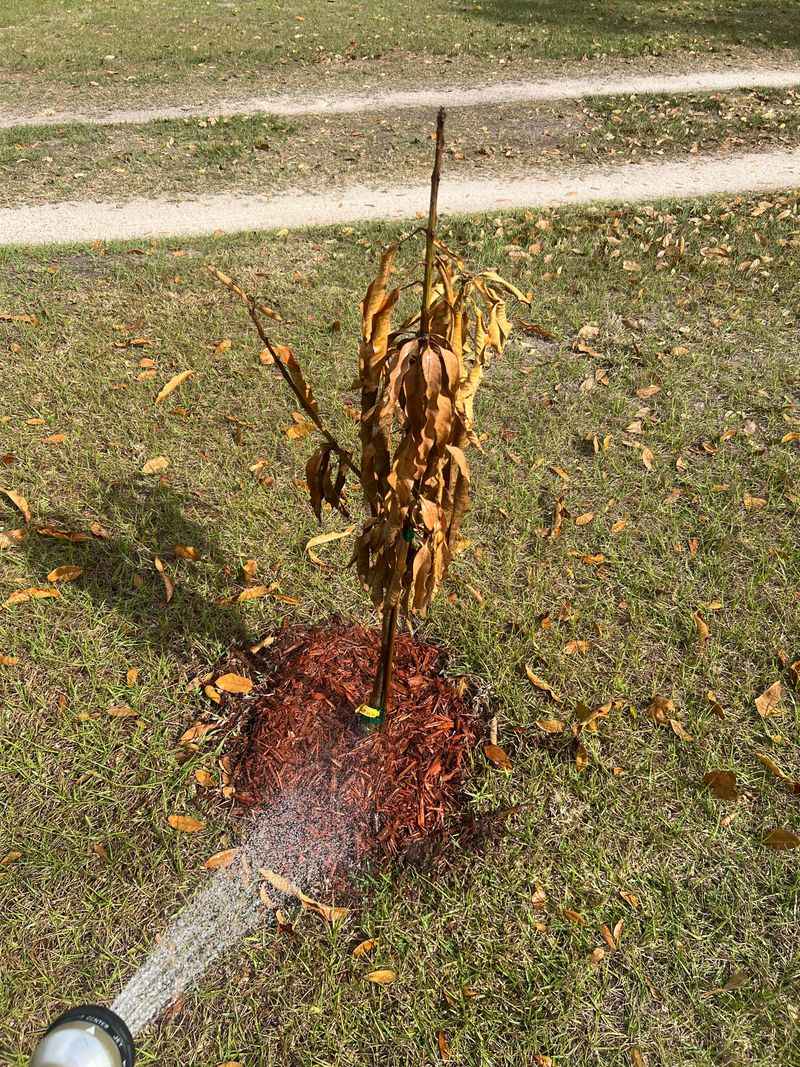
Much of Florida sits on a foundation of sandy, porous soil that drains quickly, but that does not mean every yard has good drainage.
Low-lying areas, compacted spots near driveways, and locations with heavy clay pockets can hold water far longer than surrounding areas, creating conditions that mango roots simply cannot tolerate.
Planting a mango tree without checking drainage first is a gamble that rarely pays off.
One easy way to test drainage before planting is to dig a hole about 12 inches deep and fill it with water. If the water drains away within an hour or two, the drainage is likely adequate.
If water is still sitting in the hole several hours later, that spot needs serious attention before any tree goes in the ground. Raised beds or mounded planting areas can help in spots where drainage is consistently poor.
Amending Florida’s sandy soil with compost or organic matter helps improve its ability to hold some moisture and nutrients without becoming waterlogged.
Work amendments into a wide planting area rather than just the hole itself, since mango roots spread outward much more than they grow straight down.
A broad, loose, well-amended planting zone gives roots room to expand and access the nutrients they need.
In South Florida especially, the water table can be surprisingly high during the rainy season, and even trees planted in otherwise decent soil can experience temporary root saturation.
Planting on a slight mound, just six to twelve inches above grade, is a widely used technique among experienced Florida mango growers to keep roots elevated and well-drained year-round.
4. Pruning At The Wrong Time Of Year
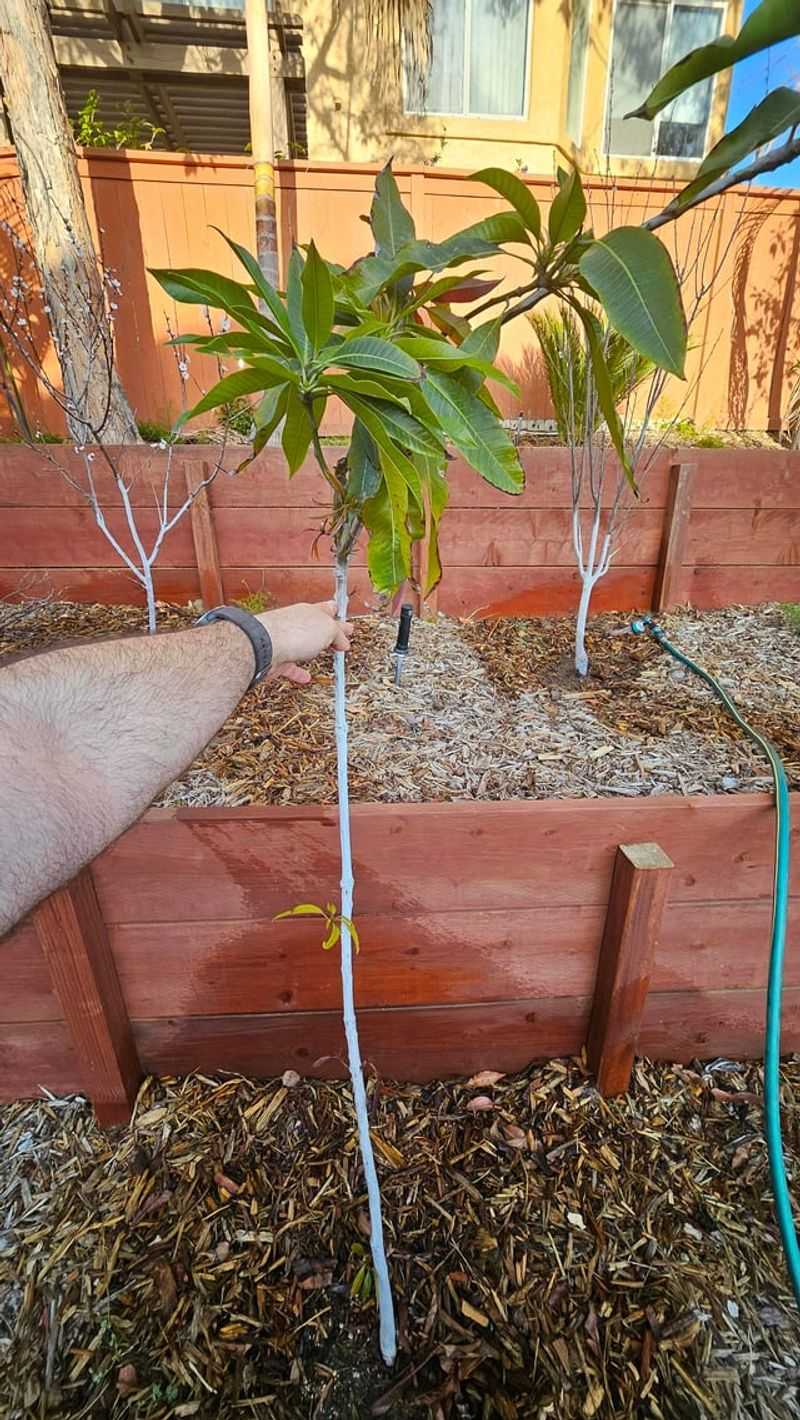
Grab a pair of loppers at the wrong time of year and a mango tree that looked like it was heading toward a great harvest can end up producing almost nothing.
Timing is everything with mango pruning, and many Florida gardeners do not realize that cutting branches at the wrong point in the growth cycle can remove the very buds that would have become next season’s flowers and fruit.
It is an easy mistake to make, especially for those new to growing tropical fruit trees.
Mango trees in Florida typically begin developing flower panicles between November and February, depending on the variety and local temperatures.
Pruning during this window, or just before it, can remove developing buds or stress the tree enough to disrupt flowering altogether.
The best time to prune is right after harvest, usually in late summer or early fall, before the tree begins preparing for its next flowering cycle.
Light shaping cuts to manage canopy size and improve airflow are generally safe during the post-harvest window. Removing crossing branches, deadwood, and branches that dip too close to the ground helps the tree direct energy toward productive growth.
Heavier structural pruning should be done gradually over a couple of seasons rather than all at once, which can cause excessive stress to the tree.
Keeping mango trees at a manageable height through regular post-harvest pruning also makes it much easier to apply sprays, monitor for pests, and harvest fruit without needing tall ladders.
Florida gardeners who develop a consistent post-harvest pruning routine tend to see more balanced canopy growth and more reliable fruiting year after year.
5. Skipping Fertilizer Or Using The Wrong Mix
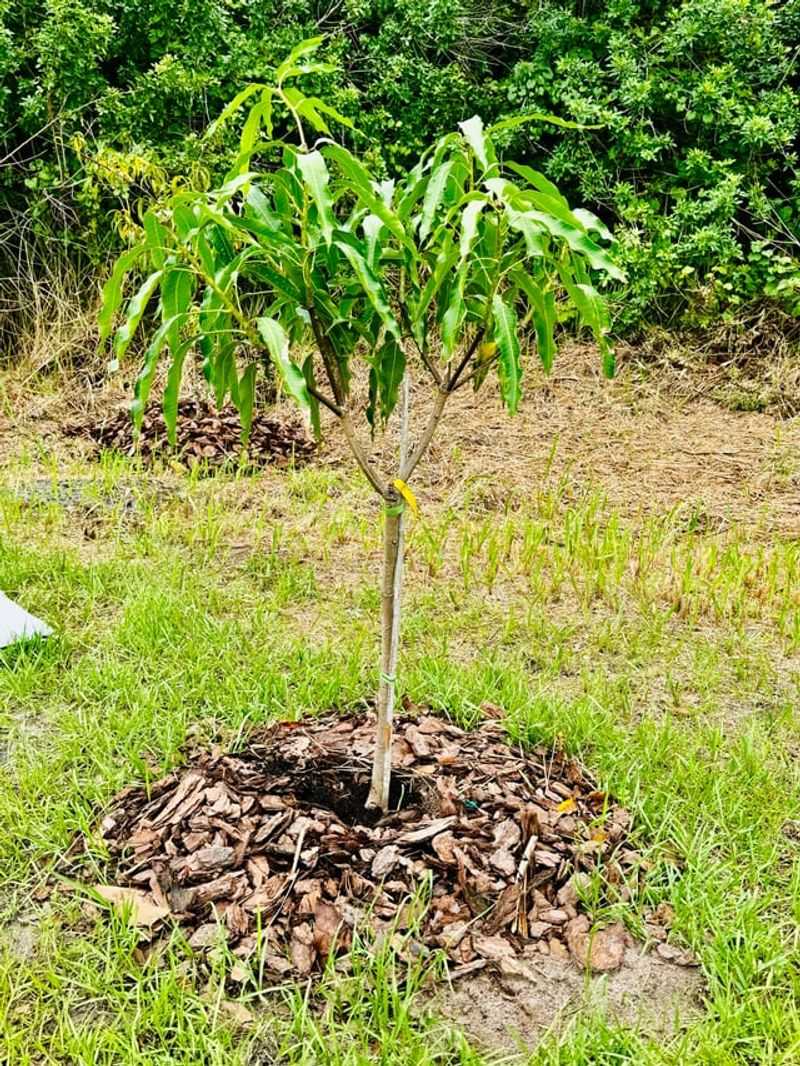
Sandy Florida soils are notoriously low in nutrients, and mango trees planted without a consistent fertilization plan often struggle to reach their full potential.
Some gardeners skip fertilizer altogether, assuming the tree will get what it needs from the soil.
Others grab whatever general-purpose fertilizer is on sale without checking whether it matches what a mango tree actually needs at different stages of growth.
Both approaches can leave the tree underfed or improperly nourished.
Young mango trees benefit from a balanced fertilizer with roughly equal parts nitrogen, phosphorus, and potassium applied every couple of months during the growing season.
As the tree matures and shifts focus toward fruit production, a fertilizer blend with slightly higher potassium content supports better flowering and fruit development.
Excessive nitrogen at the wrong time can push the tree into producing lots of leafy growth instead of flowers, which is frustrating when you are waiting for a harvest.
Micronutrients matter too, and Florida soils are often deficient in elements like magnesium, manganese, and zinc. Yellowing between leaf veins, stunted new growth, and poor fruit quality can all be signs of micronutrient deficiencies.
A fertilizer formulated specifically for tropical fruit trees or mangoes will typically include these trace elements in the right ratios.
Fertilizer should be spread evenly under the canopy and watered in well, avoiding direct contact with the trunk.
During Florida’s rainy season, nutrients can leach through sandy soil quickly, so more frequent light applications tend to work better than a single heavy feeding.
Consistent feeding through spring and early summer gives trees the energy they need heading into flowering season.
6. Neglecting Pest And Disease Monitoring
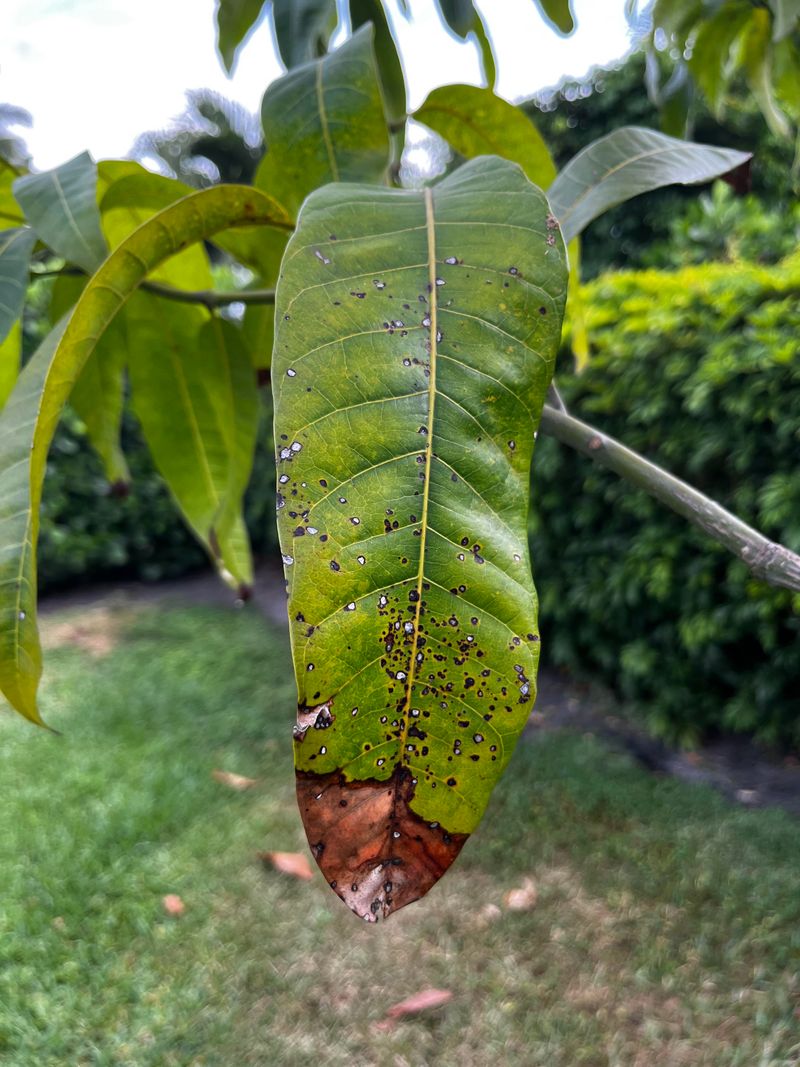
Florida’s warm, humid climate creates ideal conditions for a long list of pests and fungal diseases, and mango trees are not immune. Gardeners who plant a tree and then check in only occasionally may not notice problems until they have already spread significantly.
Regular monitoring is one of the most important habits a Florida mango grower can develop, and it does not have to take much time.
Anthracnose is one of the most common diseases affecting mango trees in Florida, causing dark spots on leaves, flowers, and young fruit. It thrives during wet weather, which means Florida’s rainy season is prime time for outbreaks.
Preventive copper-based fungicide sprays applied at the start of flowering and continued through early fruit development can significantly reduce the impact of this disease on the harvest.
On the pest side, mango bud mites, scale insects, and thrips are frequent visitors in Florida gardens.
Bud mites are particularly sneaky because they are tiny and can cause flower panicles to look deformed or stunted before most gardeners even realize something is wrong.
Horticultural oil sprays applied at the right time can help manage mite populations without harsh chemicals.
Walking around your mango tree every week or two and looking closely at new growth, flower clusters, and developing fruit gives you a chance to catch problems early.
Catching an issue when it first appears means treatment is simpler, less expensive, and more effective.
Florida’s pest and disease pressure is year-round, so staying observant through every season is what separates thriving trees from struggling ones.
7. Crowding Trees Too Close Together
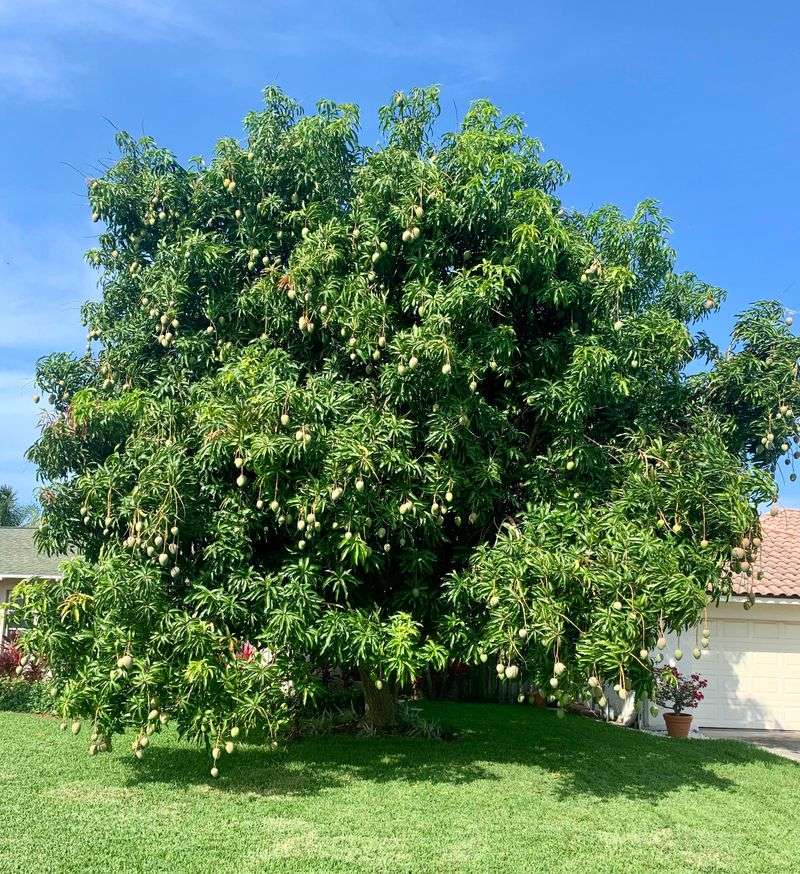
Excitement about growing multiple mango varieties is completely understandable, especially when you visit a nursery and see a dozen tempting options all looking healthy and compact.
The problem is that many gardeners underestimate just how large mango trees can grow in Florida’s favorable climate, and planting them too close together creates a set of long-term problems that are very difficult to undo.
What starts as a tidy row of small trees can become a tangled mess within just a few years.
Standard mango trees can spread their canopies twenty to thirty feet wide at maturity, and even semi-dwarf varieties often reach fifteen feet or more across.
When trees are planted only ten or twelve feet apart, their canopies merge quickly, shading each other out and reducing air circulation.
Poor airflow is a significant issue in humid Florida because it creates the damp, stagnant conditions that fungal diseases love most.
Crowded canopies also make it harder to prune effectively, apply sprays evenly, or harvest fruit from the interior of the tree. Branches from neighboring trees can rub against each other, creating wounds that invite pathogens.
Over time, the weaker tree in a crowded pair tends to decline as the more dominant one takes over light and root space.
Spacing standard mango trees at least twenty to twenty-five feet apart gives each tree room to develop a full, healthy canopy.
Gardeners with smaller yards who want multiple varieties often have better results choosing compact or condo-sized mango cultivars, which can be planted closer together and managed more easily in tight Florida landscapes.