Common Mistakes North Carolina Gardeners Make Starting A Fall Garden In August
Starting a fall garden in August comes with a few common pitfalls that trip up even experienced North Carolina gardeners each year.
Planting too early, before summer heat fully breaks, often causes cool season seedlings to bolt or struggle before ever establishing properly.
Skipping soil preparation is another frequent mistake, since summer crops often leave beds depleted of the nutrients fall vegetables need to thrive.
Overcrowding plants is easy to do when trying to maximize a shorter growing window, but it usually leads to weaker overall growth.
Forgetting consistent watering during germination causes uneven sprouting, especially with August’s lingering heat still drying out topsoil quickly.
Choosing varieties not suited for a shortened fall season often results in disappointing harvests before frost arrives.
Ignoring the specific days to maturity for each crop can lead to planting too late for a full harvest. Avoiding these common missteps sets fall gardens up for a much stronger, more reliable season.
1. Planting Everything On The Same August Date
One of the biggest assumptions gardeners make is treating all of North Carolina like one giant growing zone. The state actually stretches across three very different regions, and each one has its own frost dates, temperatures, and growing windows.
What works in Wilmington in early August will not work the same way in Asheville or even Raleigh.
In the Coastal Plain, gardeners enjoy a longer growing season that often pushes well into November. That means there is more flexibility with planting dates, and some crops can go in later without worry.
The Piedmont sits in the middle, with first frost typically arriving in late October, giving gardeners a moderate but firm deadline to work with.
The Mountains are a completely different story. First frost can arrive as early as mid-September in higher elevations, which means August planting is not optional for many crops.
It is actually urgent. Gardeners in places like Boone or Burnsville need to act fast and choose cold-tolerant varieties that can handle a chill.
Using a single planting date for the whole state ignores all of that. A smart fall garden starts with knowing your specific county’s average first frost date. NC State Extension provides county-by-county frost date guides that are incredibly useful.
Plug in your location, count backward from that date based on each crop’s maturity time, and then you will have a planting schedule that actually makes sense for where you live. Regional awareness is everything in fall gardening.
2. Waiting Too Long To Plant Slow-Growing Crops
August feels hot, and that heat makes it tempting to push planting dates back until things cool off a little. The problem is that slow-growing crops simply cannot afford that delay.
Broccoli, Brussels sprouts, and cauliflower often need 60 to 80 days to reach full maturity, and that math gets tight fast in the Piedmont.
If your first frost arrives around October 25th, and your broccoli needs 75 days, you need transplants or seeds in the ground no later than early August. Every week you wait chips away at that window.
Your North Carolina Garden Changes Every Week. Your Plan Should Too.
Gardening in North Carolina changes quickly throughout the season. Every Friday you’ll receive a simple weekly plan showing exactly what to plant, prune, fertilize, harvest, and protect so you never miss the right timing.
By mid-August, you may already be looking at a race against the cold that your plants simply cannot win.
A lot of gardeners underestimate how slow these crops actually grow. Broccoli does not just pop up and head out quickly.
It goes through several growth stages before producing anything worth harvesting. Rushing that process is not possible, which is why starting on time is the only real solution.
The good news is that these crops actually prefer cooler temperatures, so getting them in the ground during the hottest part of summer is not as counterproductive as it sounds.
They will push through the heat and be perfectly positioned to thrive once September and October arrive. Starting transplants indoors in late July or purchasing them from a local nursery gives you the head start you need.
Waiting for comfortable planting weather in the Piedmont often means missing the window entirely, so mark your calendar and commit to those early August dates.
3. Ignoring Days To Maturity
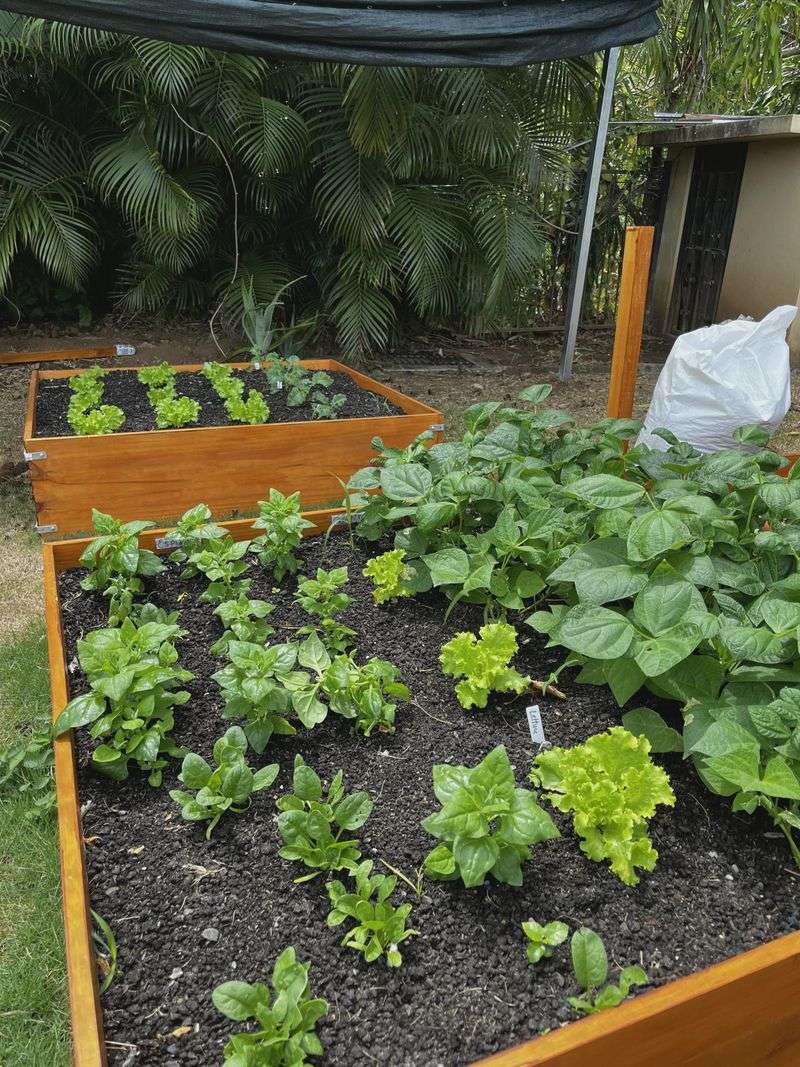
Seed packets hold more information than most gardeners ever actually use. Right there on the back, tucked between the watering instructions and the spacing guide, is a number that can make or break your fall garden: days to maturity.
Skipping over that number is one of the most common and costly mistakes August gardeners make.
Days to maturity tells you exactly how long a crop needs from planting to harvest. If your kale says 55 days and your first frost hits around October 20th, you need to count backward from that date to find your planting deadline.
That puts you at roughly September 5th for a direct-seeded crop. Miss that window, and you might be harvesting nothing at all.
The calculation gets a little more layered with transplants. When you start from transplants rather than seeds, you can sometimes shave a couple of weeks off the timeline, which gives you a bit more flexibility.
But you still need to know the days to maturity to make that call accurately. Guessing is where things go sideways.
Every crop in your fall garden has its own timeline, and they do not all line up neatly. Spinach matures fast.
Cabbage takes its time. Treating them all the same way leads to harvesting some things too late and planting others way too early.
Taking 10 minutes before planting to check each seed packet and map out a simple planting calendar can completely transform your fall garden results. It is one of the simplest planning habits that makes the biggest difference.
4. Using Seeds When Transplants Make More Sense
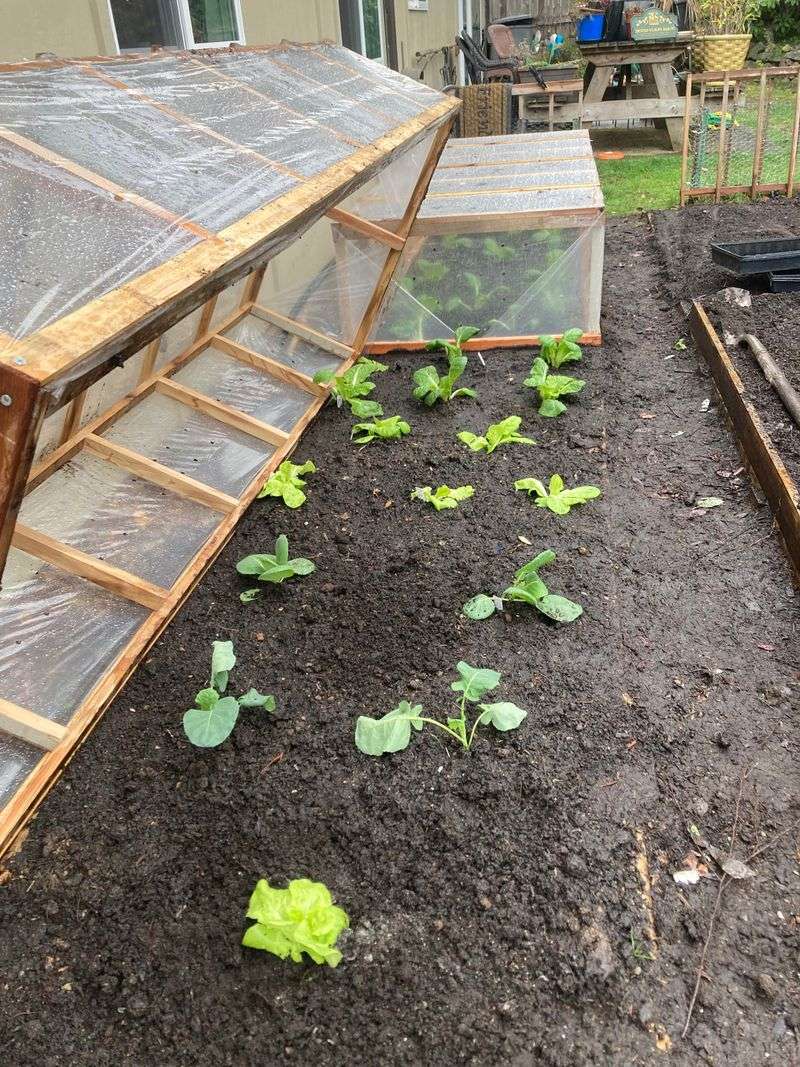
There is something satisfying about growing everything from seed. It feels hands-on, economical, and rewarding.
But when the calendar is already deep into August and your frost date is closing in, planting slow-growing crops from seed can set your entire fall garden up for disappointment. Broccoli, cabbage, and cauliflower are the biggest culprits here.
These vegetables need a significant amount of time to reach harvestable size, and starting them from seed in mid-to-late August in the Piedmont often does not leave enough growing days before the first frost arrives.
Transplants, on the other hand, give you an instant head start of three to six weeks, which can be the difference between a full harvest and a garden full of half-grown plants.
Transplants are widely available at local nurseries and garden centers across North Carolina in late summer. Many gardeners do not realize how easy it is to find quality fall transplants, especially for brassicas.
Picking up a six-pack of cabbage or broccoli starts in early August and getting them straight into the ground is a completely practical strategy.
You can still direct-seed plenty of other crops, like spinach, radishes, turnips, and arugula, because those mature quickly enough that timing is not as critical.
The key is knowing which crops need the extra runway and giving them that advantage through transplants.
Flexibility is one of the most valuable tools a gardener can develop. Matching your planting method to the time available is a skill that pays off every single fall season without fail.
5. Planting Seeds Too Shallow In Hot Soil
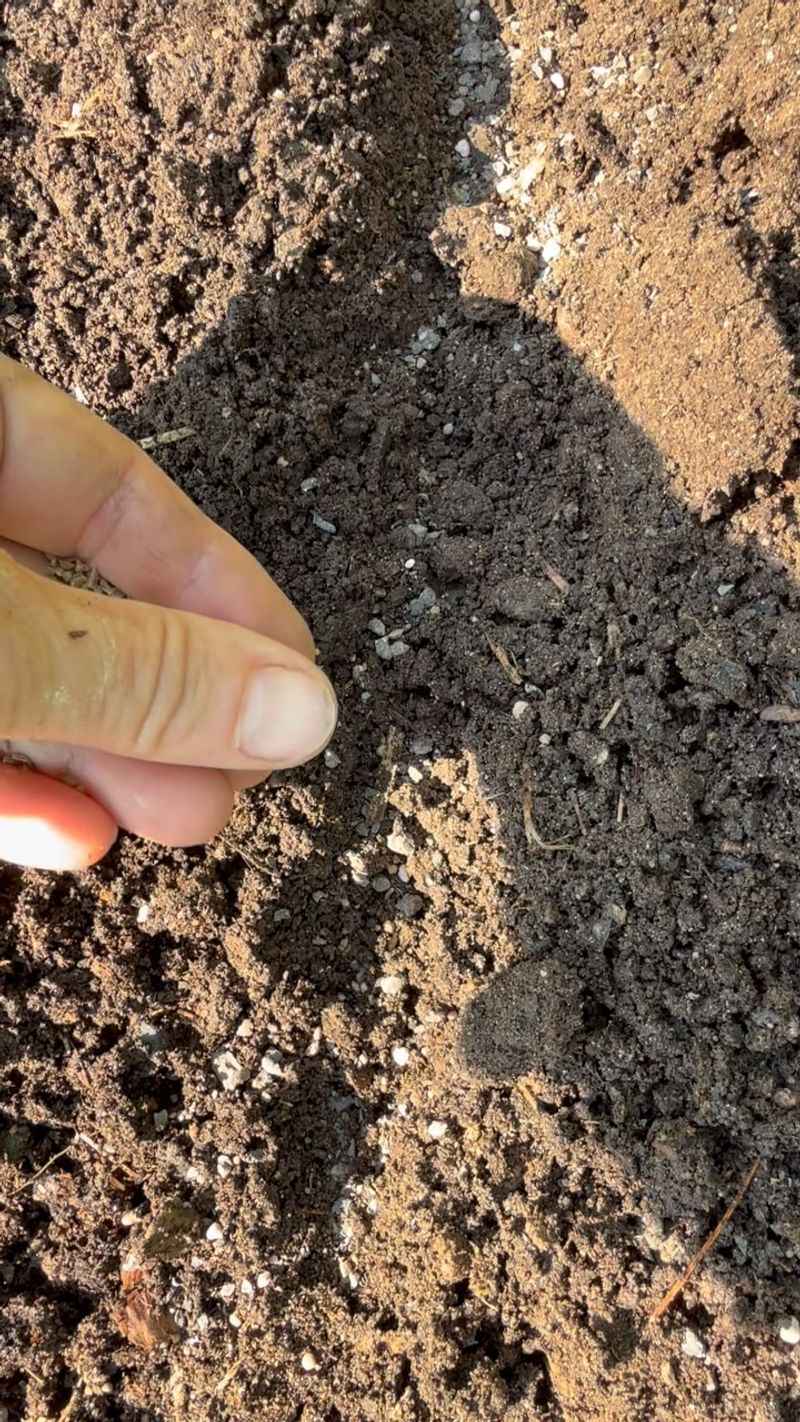
Spring planting rules do not always carry over cleanly into fall. One detail that catches a lot of gardeners off guard is seed depth, specifically how August soil behaves very differently from the loose, moist soil of April or May.
Getting this wrong can mean seeds that never sprout at all. In August, the top inch or two of garden soil in North Carolina gets extremely hot and dry.
Surface temperatures can climb well above what most vegetable seeds can handle, and that intense heat can prevent germination or dry out seeds before they even have a chance to crack open.
Planting at the standard depth listed on the packet sometimes leaves seeds sitting in conditions that are simply too harsh.
Planting seeds slightly deeper than you normally would in spring helps place them in soil that is a bit cooler and holds moisture a little longer. Even an extra quarter to half inch of depth can make a meaningful difference during August heat.
The soil at that slightly deeper level stays more stable and gives seeds a better chance of germinating successfully.
Pairing deeper planting with a layer of light mulch over the seed bed amplifies the effect. Straw or shredded leaves placed lightly over newly seeded areas helps lock in moisture and reduces the soil temperature at the surface.
Some gardeners also use a board or burlap over seeded rows for the first few days to protect against scorching heat, removing it as soon as sprouts appear. Small adjustments like these make a big difference in August germination rates.
6. Letting New Seed Beds Dry Out
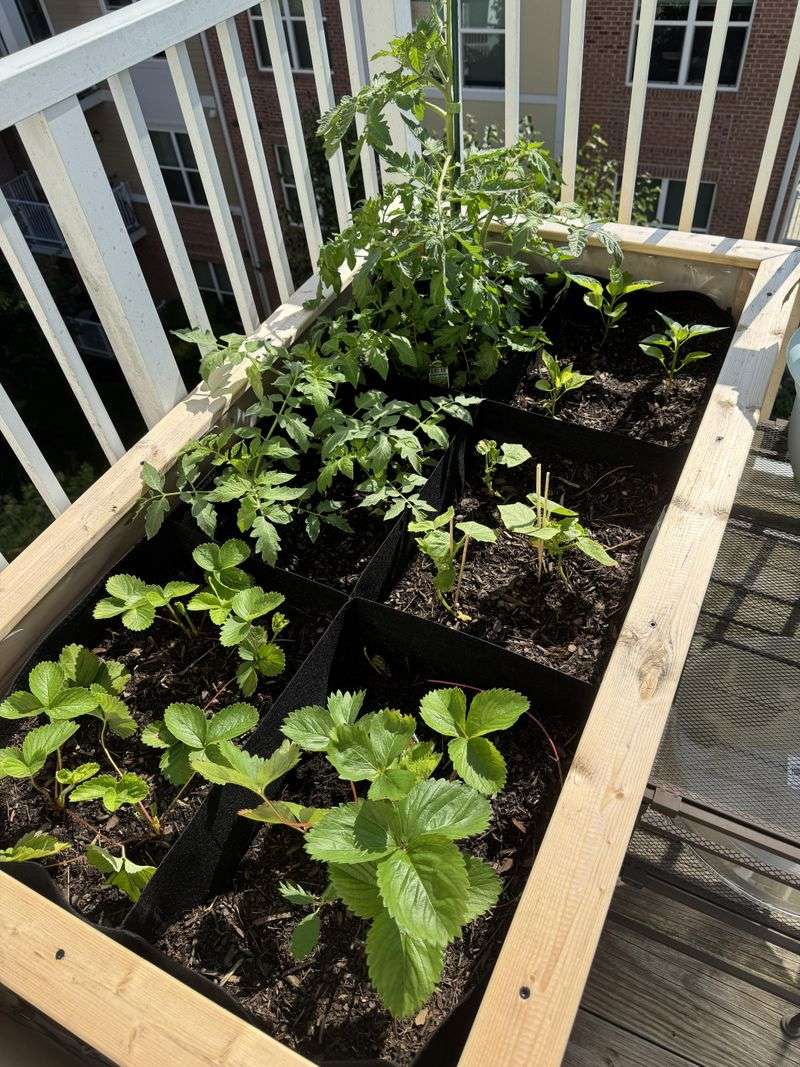
August in North Carolina is not gentle. Temperatures regularly push into the 90s, humidity makes everything feel heavier, and the sun beats down on bare soil with serious intensity.
For newly planted fall seeds, that combination is one of the hardest environments to survive in, especially if watering gets inconsistent.
Seeds need consistent moisture to germinate. It is not complicated, but it is easy to underestimate how quickly August soil dries out.
A seed bed that looks damp in the morning can be bone dry by early afternoon. If seeds go through repeated cycles of wetting and drying before they sprout, germination rates drop sharply and you end up with patchy, uneven stands of seedlings.
The goal during germination is to keep the top layer of soil moist without waterlogging it. Light, frequent watering works better than one heavy daily soak.
Checking the soil twice a day in the first week or two is not exaggerated. It is actually the kind of attention that separates successful fall gardens from frustrating ones.
Mulching freshly seeded beds helps extend the time between watering sessions by slowing evaporation. A thin layer of straw or finely shredded material over the seed bed keeps the surface cooler and retains moisture without smothering emerging sprouts.
Watering in the early morning is also worth building into your routine. It gives moisture time to soak in before the hottest part of the day arrives and pulls it right back out again.
Consistent moisture during those first critical days is the single biggest factor in fall seed success.
7. Starting Every Fall Crop Too Early
Here is a twist that surprises a lot of fall gardeners: not everything needs to go in the ground right at the start of August.
While slow-growing crops like broccoli and cabbage genuinely need that early start, fast-maturing crops can actually suffer if you plant them too soon. Getting the timing wrong in either direction causes problems.
Turnips, for example, mature in about 45 to 60 days depending on the variety. Spinach can be ready in as little as 40 days.
Arugula moves even faster. If you plant these in early August in the Piedmont, they may be ready to harvest in September while temperatures are still warm, which affects flavor and texture in leafy greens especially.
Spinach and arugula both taste noticeably better after a light frost sweetens them up.
Staggering your planting dates based on each crop’s maturity time is the smarter approach. Put your slow crops in early August and save your quick crops for mid-to-late August or even early September.
That way, everything hits its stride at roughly the right time, and you get a longer, more spread-out harvest instead of everything maturing in one big wave.
Thinking of your fall garden as a staggered system rather than a single planting event makes the whole season more productive and enjoyable. You get to harvest continuously instead of scrambling to process everything at once.
Quick crops like radishes can even go in September for a late fall round. Planning your fall garden in layers, by maturity speed, is one of the most satisfying strategies you can build into your routine.