7 Common Mistakes Texas Gardeners Make When Growing Blueberries
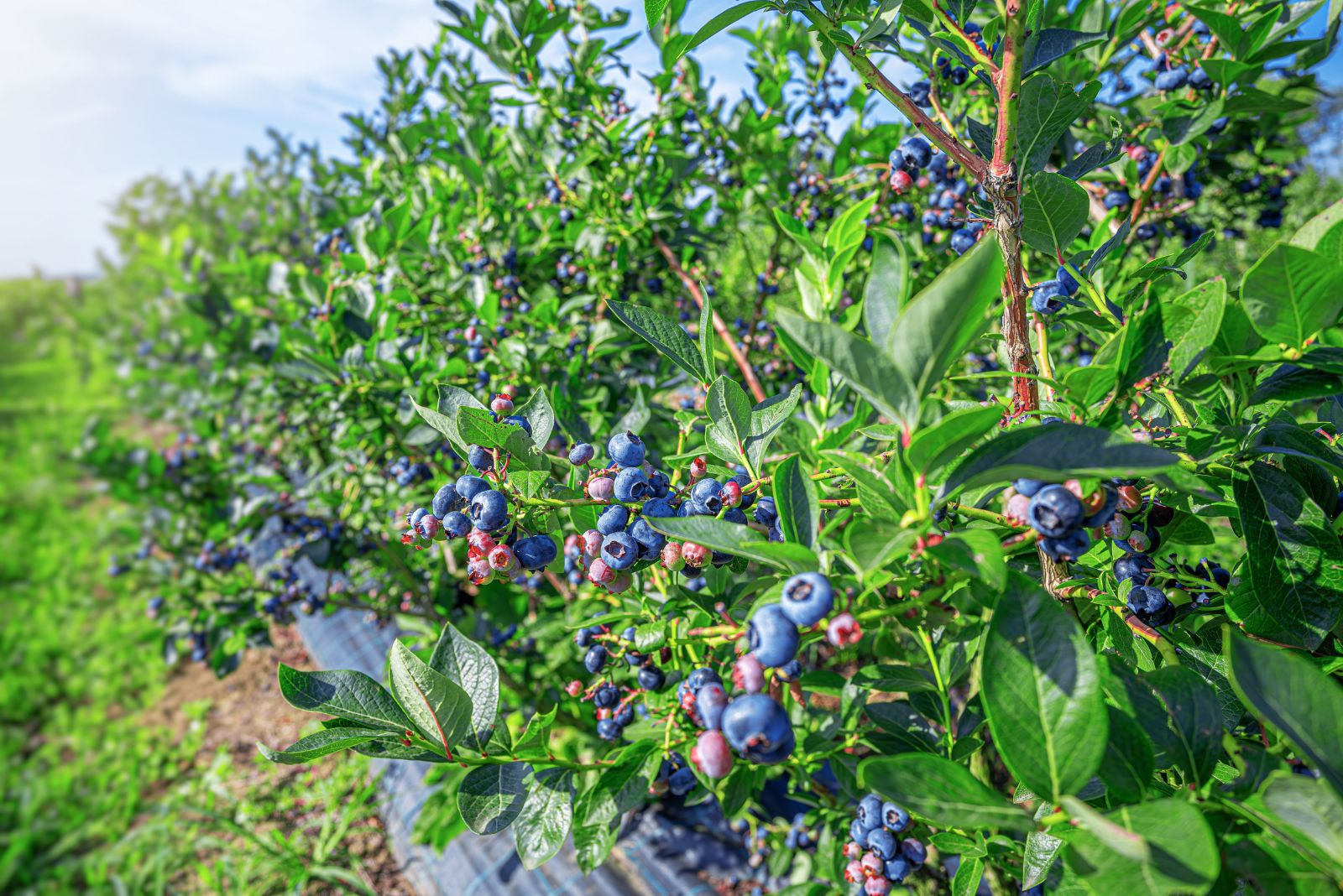
Blueberries have a way of tempting Texas gardeners. The idea sounds perfect: step outside, pick a handful of fresh berries, and feel like the smartest person on the block for growing your own fruit.
Then reality shows up. The plant looks unhappy, the leaves start changing color, the growth slows down, and the berry harvest you imagined never really happens.
That is because blueberries can be a little picky, and Texas is not always the easiest place for them. They need the right soil, the right water routine, and the right growing conditions to truly thrive.
A lot of well-meaning gardeners make the same mistakes without realizing it, often because they treat blueberries like other backyard plants that are much more forgiving.
The good news is that most blueberry problems do not start with bad luck. They usually come from a few common missteps that can be fixed or avoided.
Once you know what tends to go wrong, it gets much easier to grow healthier plants and enjoy better harvests.
1. Planting The Wrong Type Of Blueberry
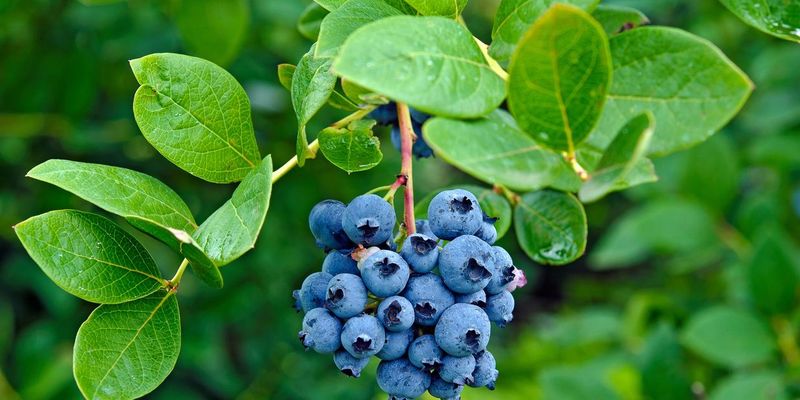
Walk into almost any garden center in Texas and you will find blueberry plants for sale. But here is the catch: not all blueberry varieties are built for Texas weather.
Many gardeners grab the first plant they see without checking whether it can handle the heat, and that is where trouble starts.
Most of Texas needs rabbiteye blueberry varieties. These plants were developed to handle hot summers, mild winters, and the kind of dry spells that are common across the state.
Popular rabbiteye options like Brightwell, Tifblue, and Powderblue are reliable choices for Texas gardeners. They handle the heat much better than northern highbush varieties, which struggle and produce little fruit in warm climates.
Southern highbush varieties can work in parts of East Texas, where the climate is a bit more forgiving. But for Central, North, and West Texas, rabbiteye is almost always the smarter pick.
These plants are tougher, more adaptable, and far more likely to reward you with a solid harvest.
Choosing the wrong variety can lead to years of frustration. Plants may grow slowly, produce almost no fruit, or just look unhealthy no matter what you do.
Before buying any blueberry plant in Texas, always check the label for the variety name. Do a quick search to confirm it is suited for your part of the state.
Spending five minutes on research before planting can save you months of disappointment later.
2. Ignoring Soil Acidity
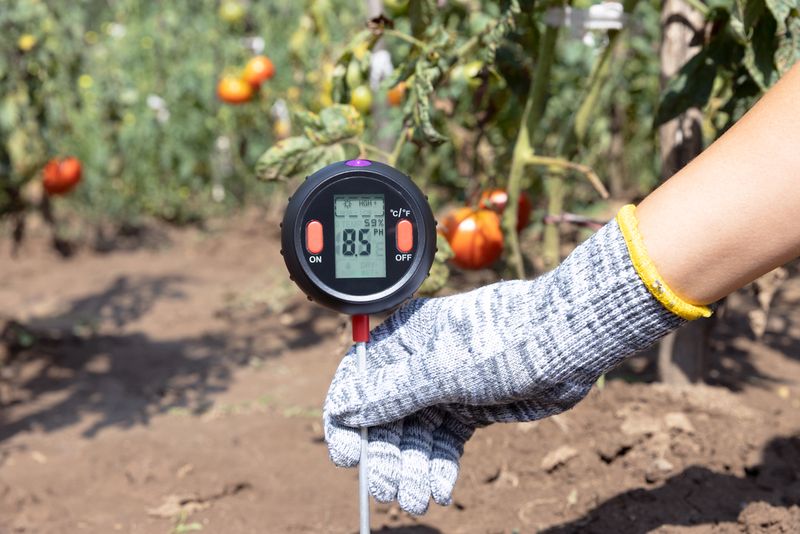
Blueberries are picky about soil in a way that most plants are not. They need acidic soil with a pH between 4.5 and 5.5 to grow well.
If the soil is too alkaline, the plant cannot absorb the nutrients it needs, even if you fertilize regularly. The leaves may turn yellow, growth slows down, and fruit production drops significantly.
Here is the problem for Texas gardeners: most soil across the state leans alkaline, especially in Central and North Texas. The natural pH in many Texas yards falls between 7.0 and 8.5, which is far too high for blueberries.
East Texas tends to have more naturally acidic soil, making it the most blueberry-friendly region in the state.
Testing your soil before planting is a must. Simple pH test kits are available at most garden centers and are easy to use.
If the pH is too high, you can lower it by mixing sulfur into the soil several months before planting. Peat moss and pine bark are also great additions that help create the right acidic environment.
Raised beds filled with a custom acidic mix are a popular solution for Texas gardeners dealing with tough native soil. A blend of peat moss, pine bark, and a small amount of sulfur can create the perfect growing environment.
Keeping a close eye on pH over time is also important, since Texas soil can slowly shift back toward alkaline. Regular testing and adjustments will keep your blueberries happy year after year.
3. Planting In Heavy Clay Or Poorly Drained Soil
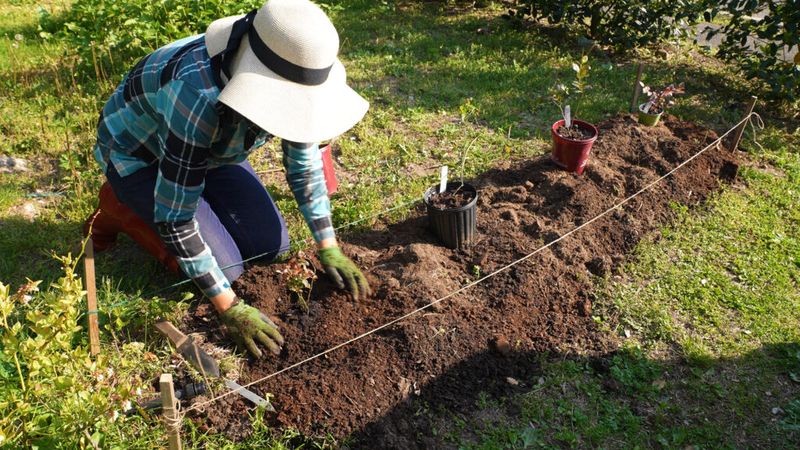
Texas clay soil is notorious among gardeners, and blueberries absolutely cannot thrive in it. Clay holds water for too long, leaving roots sitting in soggy conditions.
Blueberry roots are shallow and delicate, and they need soil that drains well and allows air to move through. Wet, compacted clay creates the perfect conditions for root rot, which can wipe out a plant faster than most other problems.
Even in areas of Texas where the soil is not pure clay, poor drainage is still a common issue. Low spots in the yard, compacted ground from foot traffic, or hard caliche layers just below the surface can all trap water around roots.
If water pools in your garden after rain and takes more than an hour to drain, that is a red flag for blueberry planting.
Raised beds are one of the best solutions for Texas gardeners dealing with clay or drainage problems. Building a raised bed even six to twelve inches above the ground level gives roots the loose, well-draining environment they need.
Fill it with a mix of pine bark, peat moss, and a small amount of coarse sand for excellent drainage and the right acidity.
Large containers are another great option, especially for gardeners with limited space or very challenging soil. Containers allow full control over the growing mix and drainage.
Just make sure any container has plenty of drainage holes at the bottom. Healthy roots lead to healthier plants and better fruit, so getting the soil situation right from the start is one of the best investments you can make.
4. Not Providing Enough Water Or Watering Inconsistently
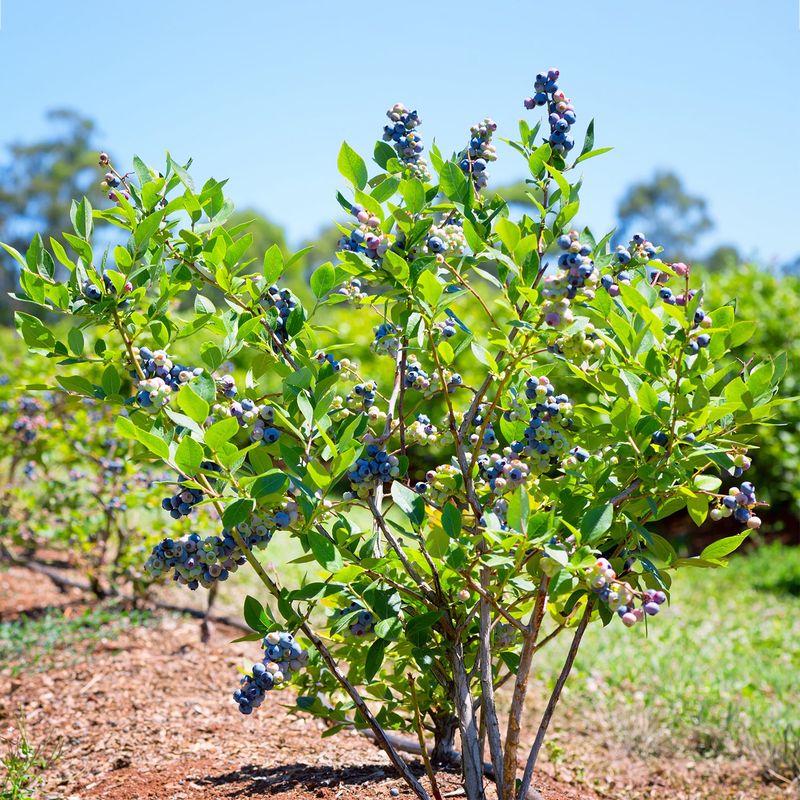
Texas summers are brutal. Temperatures regularly climb above 95 degrees, the sun beats down hard, and the soil can go from moist to bone dry in just a day or two.
Blueberries need consistent moisture to produce good fruit, and irregular watering is one of the most common reasons Texas gardeners end up with small harvests or stressed plants.
When blueberry plants do not get enough water, they show it pretty quickly. Leaves may curl, turn brown at the edges, or drop early.
Fruit may be small, dry, or fall off before it ripens. Young plants are especially vulnerable and can suffer serious setbacks during dry spells if they are not watered regularly.
A drip irrigation system is one of the smartest tools a Texas blueberry grower can use. It delivers water slowly and directly to the root zone, which keeps moisture levels steady without overwatering.
Drip systems also reduce water waste, which matters a lot during Texas droughts and water restrictions. Setting the system on a timer makes it even easier to stay consistent.
During the hottest months, blueberries in Texas may need watering every one to two days. A good rule of thumb is to keep the top few inches of soil consistently moist but never waterlogged.
Sticking a finger an inch or two into the soil is a simple and reliable way to check moisture levels. Pairing consistent watering with a thick layer of mulch will also help the soil hold onto moisture much longer between watering sessions.
5. Planting In Too Much Sun Without Protection
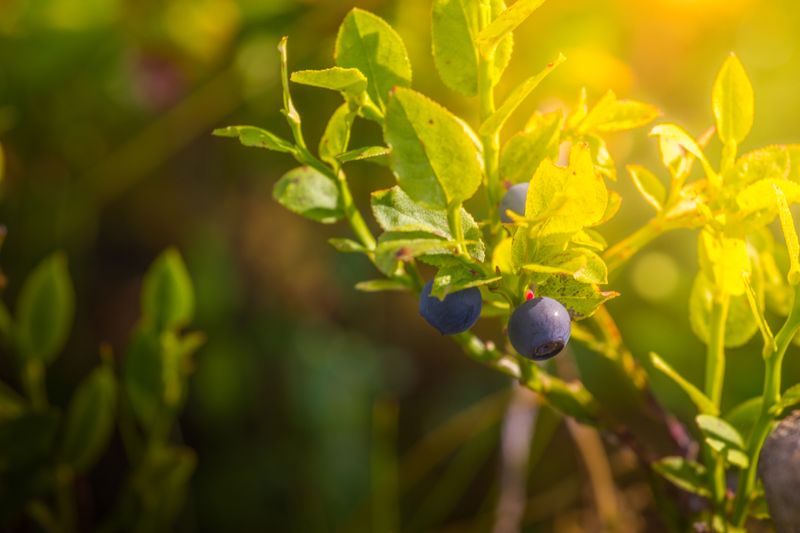
Blueberries need sunlight to produce fruit, but in Texas, too much of a good thing can actually hurt your plants. The afternoon sun in Texas during July and August is intense enough to stress even heat-tolerant plants.
Blueberry leaves can scorch, fruit can shrivel on the bush, and overall plant health can decline when exposed to full-day sun in the hottest parts of the state.
The sweet spot for blueberries in Texas is morning sun with some afternoon shade. Morning sun gives the plant the light it needs for photosynthesis and fruit development.
Then, as the day heats up in the afternoon, a bit of shade from a tree, fence, or shade cloth protects the plant from the most intense rays. This setup tends to produce the healthiest plants and the best yields in warm Texas climates.
Gardeners in East Texas may have more flexibility since the humidity and slightly cooler temperatures in that region make full sun more manageable. But in Central, South, and West Texas, afternoon shade is almost always a smart move.
Shade cloth rated at 30 to 40 percent is a practical and affordable option if natural shade is not available in your yard.
Positioning also matters when planning a new blueberry bed. Placing plants on the east side of a building, fence, or taller shrub can provide natural afternoon shade without blocking morning light.
A little planning before planting goes a long way. Getting the sun exposure right from the beginning helps blueberries stay productive and stress-free throughout the long Texas growing season.
6. Only Planting One Bush
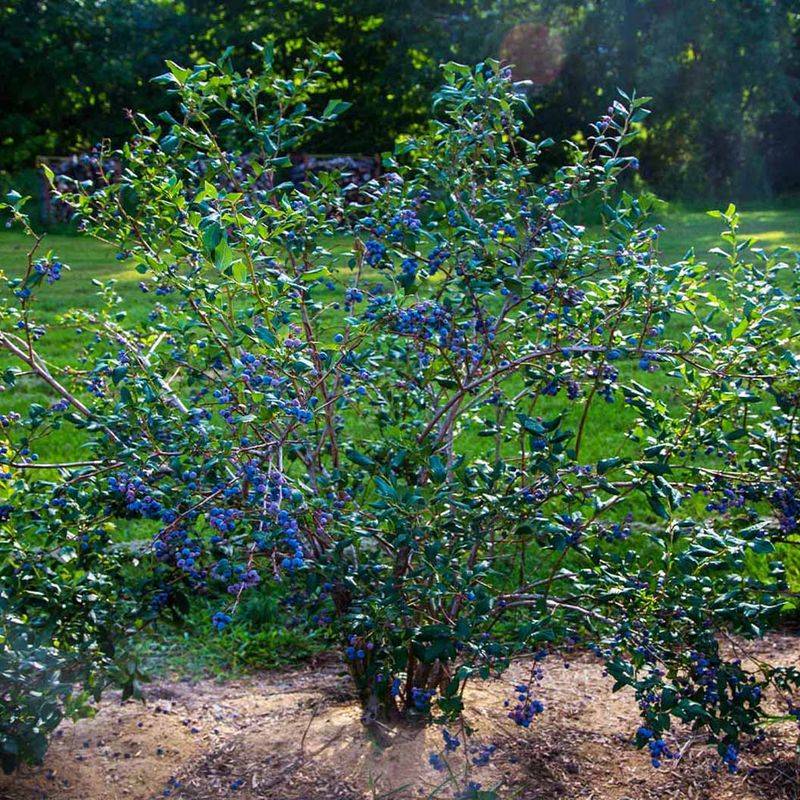
Planting a single blueberry bush and expecting a big harvest is one of the most common rookie mistakes Texas gardeners make. Most blueberry varieties produce far more fruit when they have another compatible variety nearby for cross-pollination.
Bees and other pollinators carry pollen from one plant to another, and when two different varieties are present, the result is usually a much larger and more reliable crop.
A lone blueberry bush might produce some fruit, but the quantity is often disappointing. Some gardeners wait two or three seasons expecting things to improve, not realizing that the plant simply needs a partner.
Planting at least two different varieties that bloom around the same time is one of the simplest upgrades you can make to your blueberry setup in Texas.
For rabbiteye varieties, which are the go-to choice for most of Texas, good pairing combinations include Tifblue with Brightwell, or Powderblue with Premier.
These varieties bloom at similar times, which means pollinators can easily transfer pollen between them. The result is bigger berries, more berries per cluster, and a longer harvest window overall.
The good news is that you do not need a huge yard to grow two bushes. Rabbiteye blueberries can be planted about six feet apart, and they can even be grown in large containers on a patio or deck.
Two healthy, well-matched plants take up surprisingly little space but produce dramatically more fruit than one plant ever could on its own. Think of it as teamwork in the garden, and your blueberries will thank you for it.
7. Skipping Mulch A Big Mistake In Texas
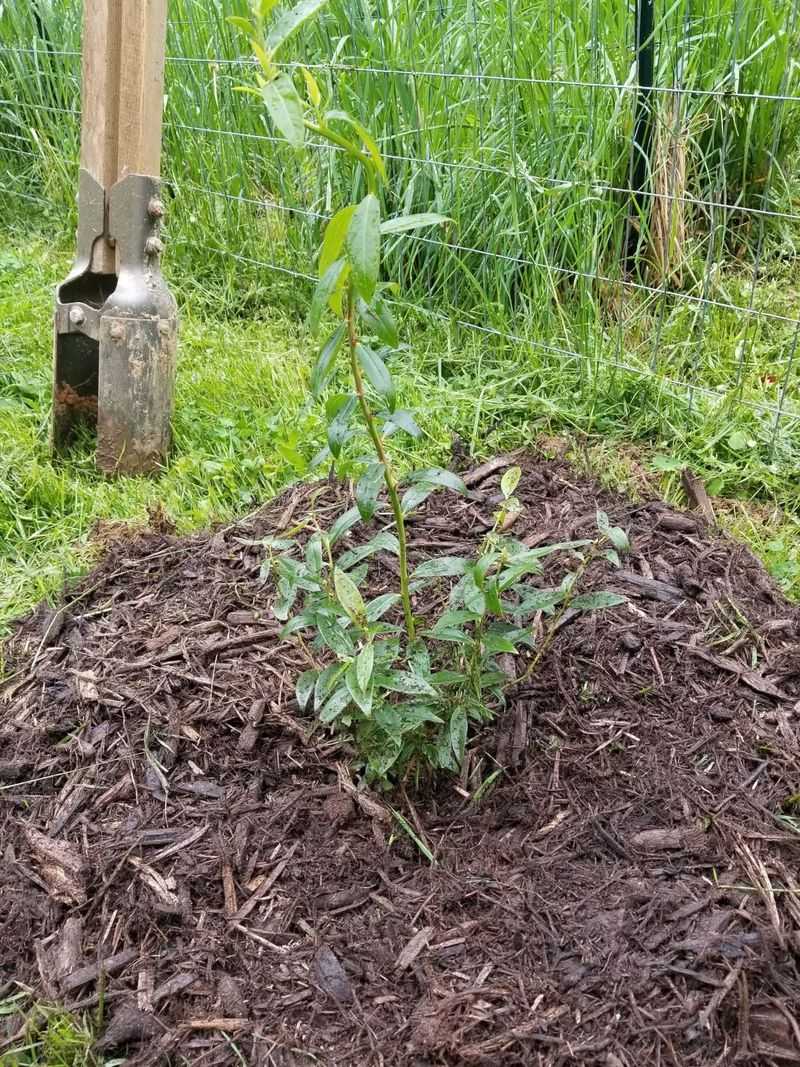
If there is one thing Texas blueberry growers should never skip, it is mulch. Blueberry plants have shallow root systems that sit just a few inches below the soil surface.
Without protection, those roots heat up fast under the Texas sun, dry out quickly, and become stressed even when you water regularly. Mulch acts like a blanket that keeps roots cool, moist, and protected all season long.
The type of mulch you choose also matters. Pine bark, pine needles, and wood chips are all excellent options for blueberries because they break down slowly and actually help maintain soil acidity over time.
Since blueberries in Texas already need careful pH management, using an acidic mulch is a smart two-for-one move. Avoid mulches like hardwood chips or anything treated with lime, as these can raise soil pH and work against your plants.
Apply mulch in a layer about three to four inches deep around the base of each plant. Spread it out to cover the full root zone, which usually extends a foot or two beyond the stem in all directions.
Keep the mulch a few inches away from the main stem to prevent moisture buildup right at the base, which can sometimes lead to fungal issues.
Refreshing the mulch layer once or twice a year is a good habit to get into. As the old mulch breaks down, it loses its insulating power.
In Texas, where summer heat is relentless, keeping that mulch layer thick and fresh can make a noticeable difference in plant health, fruit size, and overall productivity throughout the growing season.