7 Common Mistakes Texas Gardeners Make With Peach Trees
Stop settling for mushy, grocery-store peaches that have traveled thousands of miles just to disappoint you. There’s no gardening win quite like biting into a sun-warmed, dripping-sweet peach plucked straight from your own backyard.
But let’s be real – between our unpredictable spring freezes and that relentless Texas heat, growing stone fruit can feel like an extreme sport.
If your trees are failing to fruit or struggling to survive, it’s not just bad luck – it’s usually a simple fix.
Most Texas growers are unknowingly making the same seven mistakes that sabotage their harvest before it even begins.
Ready to turn your yard into a heavy-yielding orchard that puts the local market to shame? Let’s break down the seven biggest pitfalls standing between you and the perfect Texas peach.
1. Planting In Soggy Spots That Drown Roots
After a heavy summer rain, some spots in your yard may hold water for hours. Those low-lying areas might seem ideal for a tree, but they are risky for peaches.
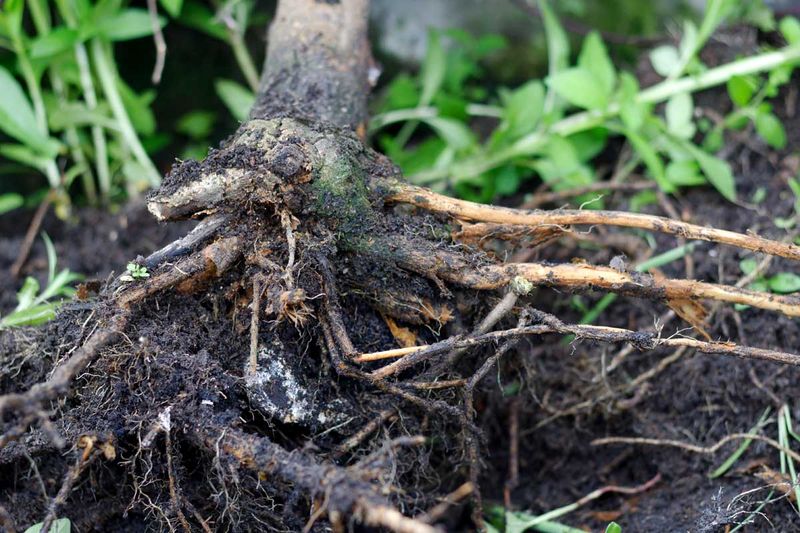
Peach roots need plenty of oxygen, and standing water prevents roots from breathing properly. Saturated soil encourages root rot, often caused by soilborne pathogens, which weakens the tree and reduces fruit production.
Texas soils vary widely, from clay-heavy areas in North Texas to sandy soils in East Texas, so paying attention to drainage is critical. To test a potential planting spot, dig a hole about 12 inches deep, fill it with water, and observe how quickly it drains.
If water lingers for more than a few hours, choose another location, amend the soil with compost, or plant on a slight slope to encourage runoff.
Raised beds are another solution for heavy clay soils, giving roots the drainage they need while keeping them healthy.
Avoid planting near downspouts or in areas where water naturally channels across your yard. Mulching around the base of the tree with organic material like wood chips or shredded bark also helps keep the soil loose and retains moisture evenly.
Proper site selection and preparation ensure healthy roots, which set the stage for a strong, productive tree capable of producing large, juicy peaches for many seasons.
By investing a little time upfront in choosing the right spot, gardeners can prevent years of struggle and enjoy a reliable harvest sooner.
2. Forgetting Chill Hour Needs For Fruit Set
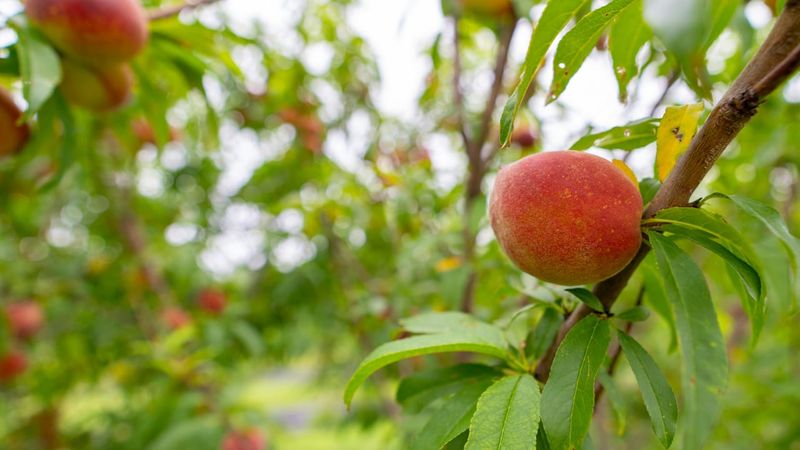
Chill hours are the number of hours during winter when temperatures stay between 32 and 45 degrees Fahrenheit. Peach trees need sufficient chill to break dormancy and produce fruit the following spring.
Texas winters vary widely – the Gulf Coast and South Texas may only get 300 to 500 chill hours, while North Texas and the Panhandle can see more than 1,000.
Planting a variety that requires too many chill hours in a warm area can leave you with abundant blooms but few fruits.
Low-chill varieties like Tropic Snow, Gulf Prince, and Flordastar perform well in southern areas, while mid-chill varieties such as Redhaven and Harvester are better suited for central and northern regions.
Matching the variety to your specific region is essential for successful fruit production.
Buying a tree based only on nursery appearance without considering chill requirements can result in disappointing yields. Proper placement and variety choice ensure flowers set fruit consistently.
Keep in mind that microclimates, such as shaded yards or cold pockets, can slightly affect chill hour accumulation.
By understanding how chill hours work and selecting the right tree, you give your peach tree the best chance to thrive and produce abundant fruit each year, even in areas with warmer winters.
3. Cramping Trees Too Close Together
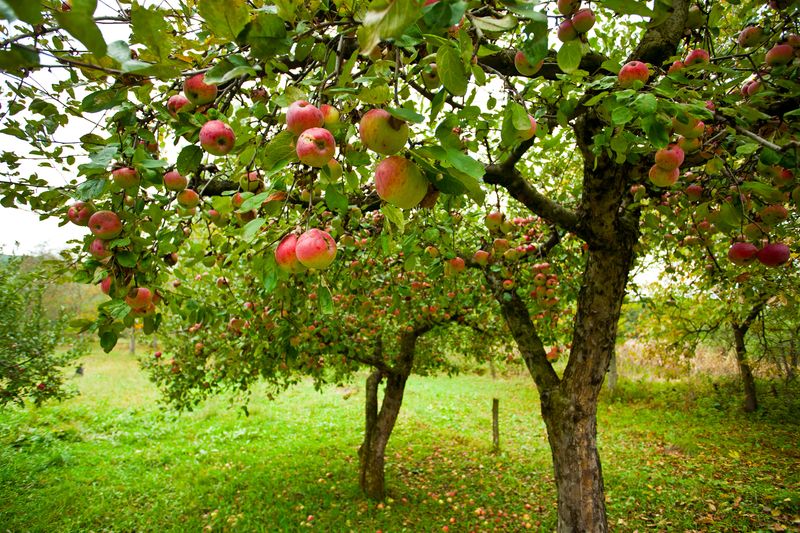
Many gardeners underestimate how large a mature peach tree can grow. Standard trees can reach 15 to 20 feet in height and width, and even semi-dwarf varieties need ample space to thrive.
Crowding trees reduces sunlight and airflow between canopies, creating ideal conditions for fungal diseases like peach leaf curl and brown rot. Limited sunlight also reduces the formation of fruiting spurs, leading to uneven ripening or smaller fruit.
Crowded roots compete for nutrients and water, which weakens the trees over time. Standard spacing of 18 to 20 feet between trees is recommended, while semi-dwarf varieties can be spaced 12 to 15 feet apart.
For smaller yards, consider dwarf varieties that stay 6 to 8 feet tall and can even grow in large containers. Planning tree placement before planting saves frustration and ensures healthy growth.
Use a measuring tape to map your yard and mark each tree’s location. Proper spacing promotes airflow, sunlight penetration, and nutrient availability, which all contribute to stronger growth and larger, more consistent fruit.
Giving trees the room they need from the beginning sets the foundation for a productive orchard that can withstand Texas heat and humidity for many years.
4. Skipping Annual Pruning Sessions
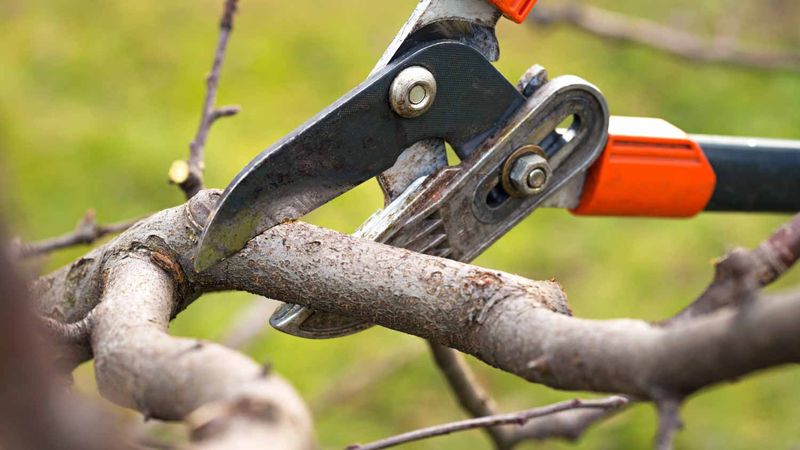
Pruning peach trees can feel intimidating, but skipping it can significantly reduce fruit production and overall tree health. Peach trees produce fruit on one-year-old wood, meaning last year’s growth carries this year’s crop.
Without annual pruning, trees develop dense, old wood that blocks sunlight from reaching the fruiting branches, reducing both size and quality.
The best time to prune is late winter, just before buds begin to swell, typically from late January to early March depending on your region.
Open-center or vase-shaped pruning improves light penetration and airflow throughout the canopy, which helps reduce the risk of fungal diseases common in humid Texas summers.
Remove crossing branches, weak limbs, and unproductive growth, aiming to cut about one-third of last year’s wood.
Using sharp, clean tools reduces the chance of spreading disease from one cut to another. Regular pruning keeps trees manageable in size, encourages new growth, and increases fruit production.
It also makes it easier to monitor your tree for signs of stress or pests. By committing to consistent annual pruning, your peach trees remain strong, healthy, and productive for years, delivering abundant, high-quality fruit in your Texas backyard.
5. Ignoring Pests And Sneaky Diseases
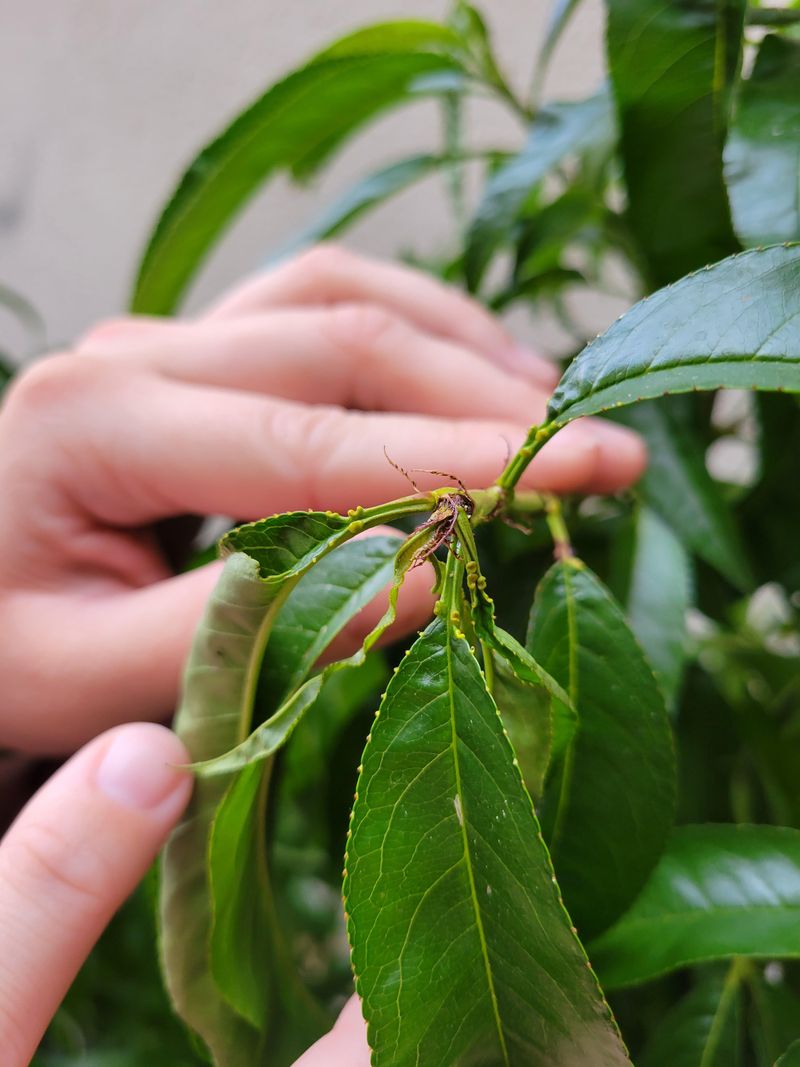
Peach trees in Texas are vulnerable to pests and diseases that can quickly reduce fruit quality and overall yield if left unchecked.
Common fungal diseases include brown rot, which attacks ripening fruit, and peach leaf curl, which causes leaves to distort, redden, and drop early, weakening the tree.
Bacterial spot is another issue, especially during wet springs, and can damage both fruit and foliage. On the pest side, peach tree borers tunnel into trunks and scaffold branches, disrupting the flow of water and nutrients.
Oriental fruit moth larvae attack young shoots and developing fruit, while plum curculio can cause fruit drop if not managed carefully. Proactive care is essential to maintain healthy trees and a reliable harvest.
Remove fallen leaves and mummified fruit promptly, monitor trunks for borers, and keep the area around the tree base clean to reduce overwintering pest habitat.
Fungicide applications during bloom and early fruit development may be necessary in wetter parts of the state.
Regular observation and timely intervention help catch issues early before they spread.
Staying ahead of pests and diseases ensures your peach trees remain strong, productive, and capable of delivering abundant, flavorful fruit throughout the Texas growing season.
6. Overfeeding Or Starving Your Trees
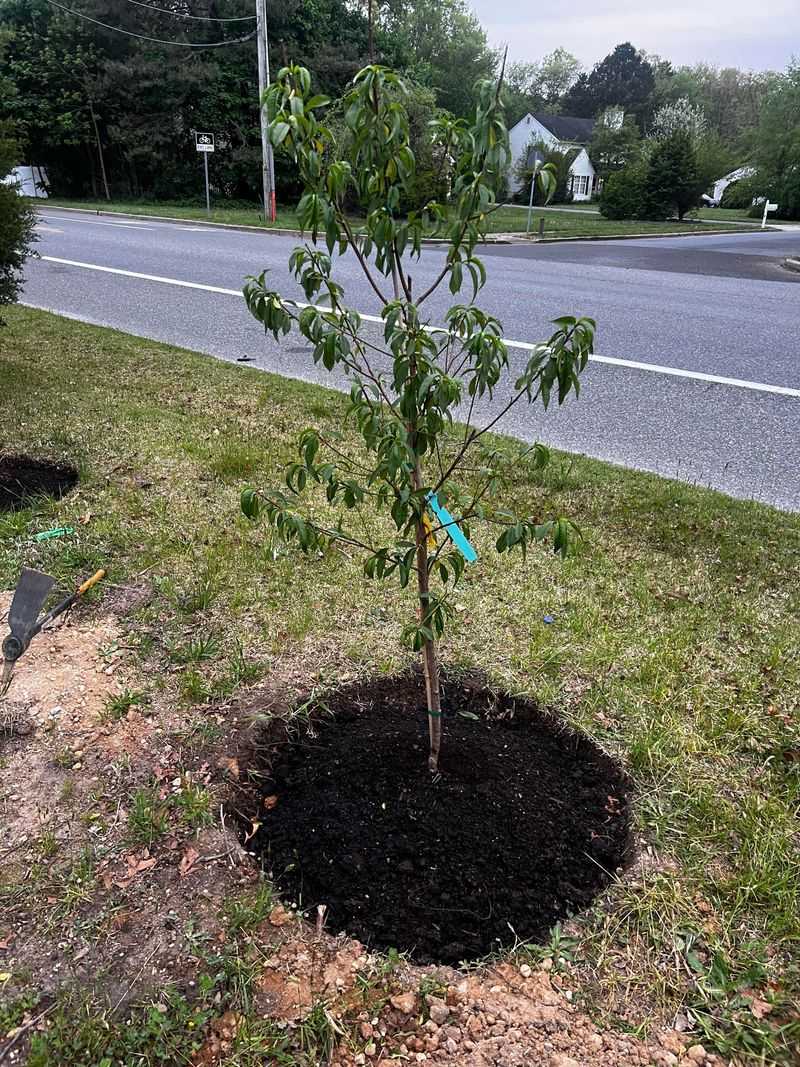
Fertilizing peach trees is straightforward in theory, but both overfeeding and underfeeding can reduce productivity and tree health. Too much nitrogen encourages leafy growth at the expense of flowers and fruit, while too little slows growth and weakens the tree.
Young trees benefit from modest, balanced fertilizer applications to encourage strong root development and canopy establishment. Mature trees require fertilization adjusted to their annual shoot growth, ideally between 12 and 18 inches per season.
Texas soils vary widely – from acidic, sandy soils in East Texas to alkaline, limestone-based soils in the Hill Country – which affects nutrient availability.
Soil testing is the most reliable method to determine what your tree actually needs.
Tests can reveal deficiencies in potassium, phosphorus, zinc, or iron that a standard fertilizer program might miss.
Avoid applying fertilizer after midsummer, because late nitrogen encourages tender growth that cannot harden before fall, increasing stress on the tree.
Monitoring leaf color, shoot growth, and soil health throughout the season allows gardeners to fine-tune fertilization and maintain a consistently productive orchard.
By applying the right nutrients at the right time, peach trees develop strong roots, abundant flowers, and flavorful fruit that thrive in Texas conditions year after year.
7. Watering In Fits And Starts
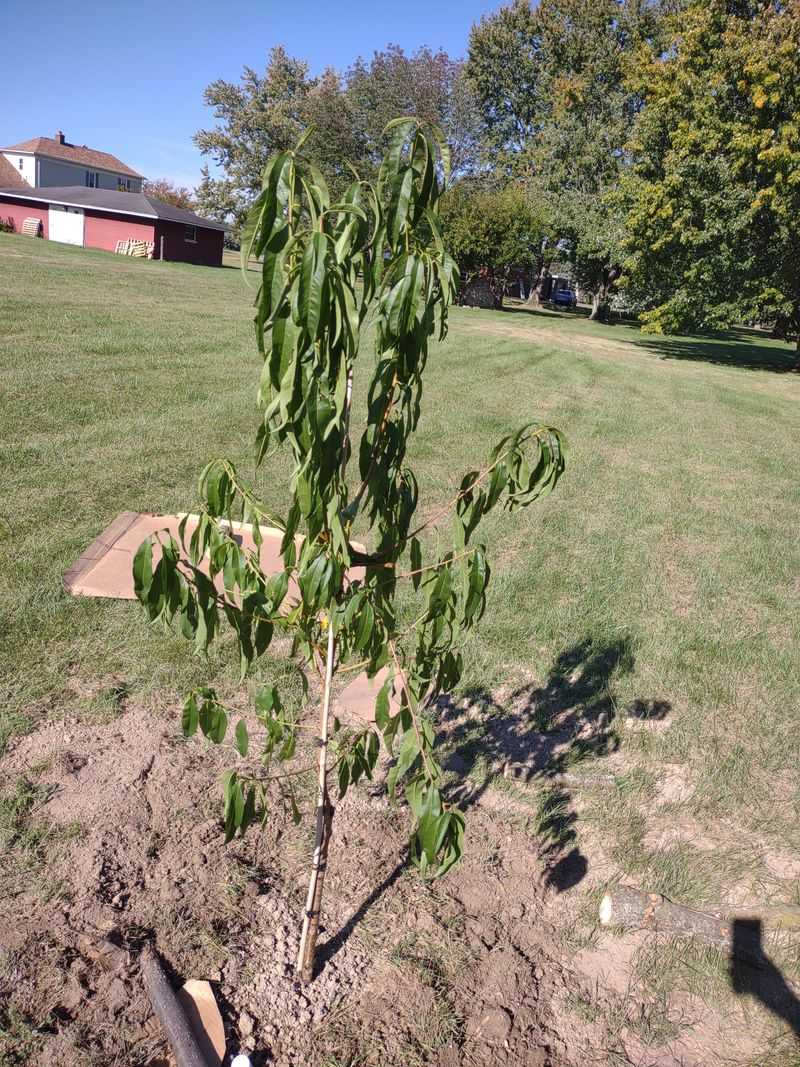
Texas weather swings dramatically from long, dry stretches to sudden, heavy rains, which makes consistent watering a challenge.
Many gardeners respond by watering heavily during drought and then stopping completely after rain, creating boom-and-bust cycles that stress roots and developing fruit.
Inconsistent soil moisture can cause split pits, premature fruit drop, and shallow root systems, leaving trees more vulnerable to drought and heat.
Deep, infrequent watering encourages roots to grow downward in search of moisture, improving long-term resilience.
During the growing season, most peach trees need about one to one and a half inches of water per week, supplied by rainfall or irrigation.
Drip irrigation is especially effective, delivering water slowly to the root zone while keeping foliage dry to reduce disease pressure.
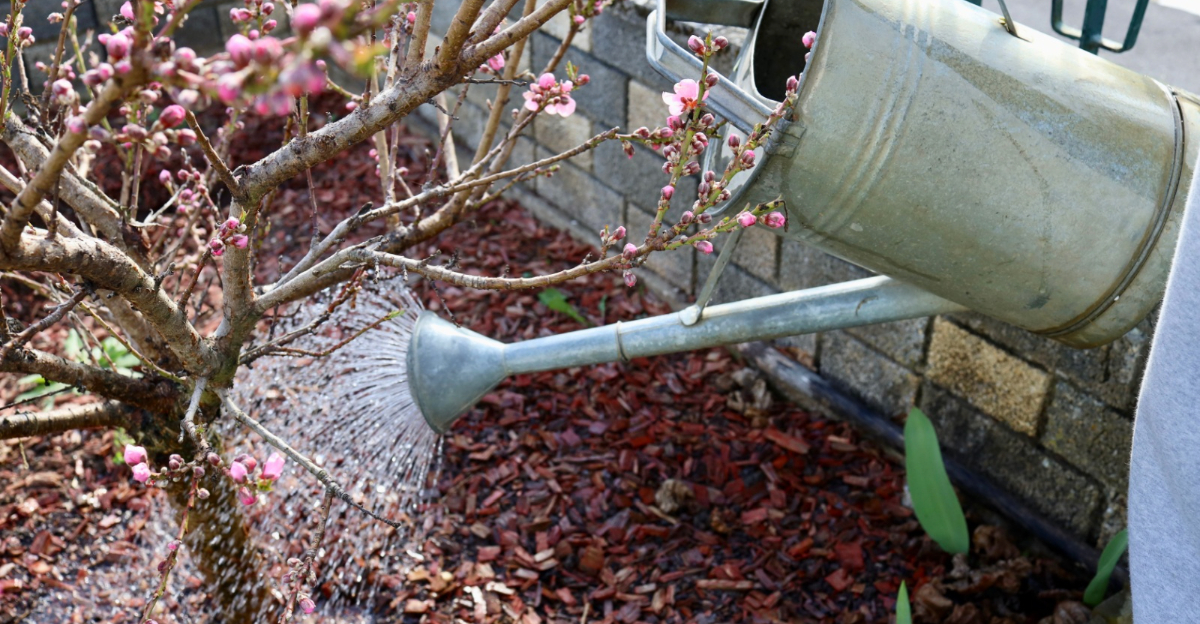
Applying three to four inches of organic mulch around the base of the tree retains moisture and moderates soil temperature. Keep mulch a few inches away from the trunk to prevent rot.
Consistent watering and mulching from bloom through harvest improves fruit size, flavor, and overall tree health. Proper moisture management ensures peach trees establish strong roots and continue to thrive in Texas heat for many seasons.