7 Common Mistakes Texas Gardeners Make With Pear Trees
Texas spring has a way of sneaking up on even the most seasoned gardeners. One moment you’re trimming shrubs, the next you’re eyeing pear trees wondering why last year’s fruit didn’t thrive.
Many homeowners love the idea of growing pears, only to see trees struggle with fewer blossoms or underwhelming harvests.
Pear trees are rewarding, but they come with quirks that can easily trip up gardeners – from choosing the wrong variety to timing pruning incorrectly.
Simple missteps can cost weeks of growth or lead to disappointment when fruit fails to develop as expected.
By understanding common mistakes and how to avoid them, you can help your pear trees flourish and produce healthy, abundant crops.
Knowing what not to do opens the door to smarter care, better yields, and a garden that feels ready for every Texas season.
1. Choosing The Wrong Pear Varieties For Texas Heat And Humidity
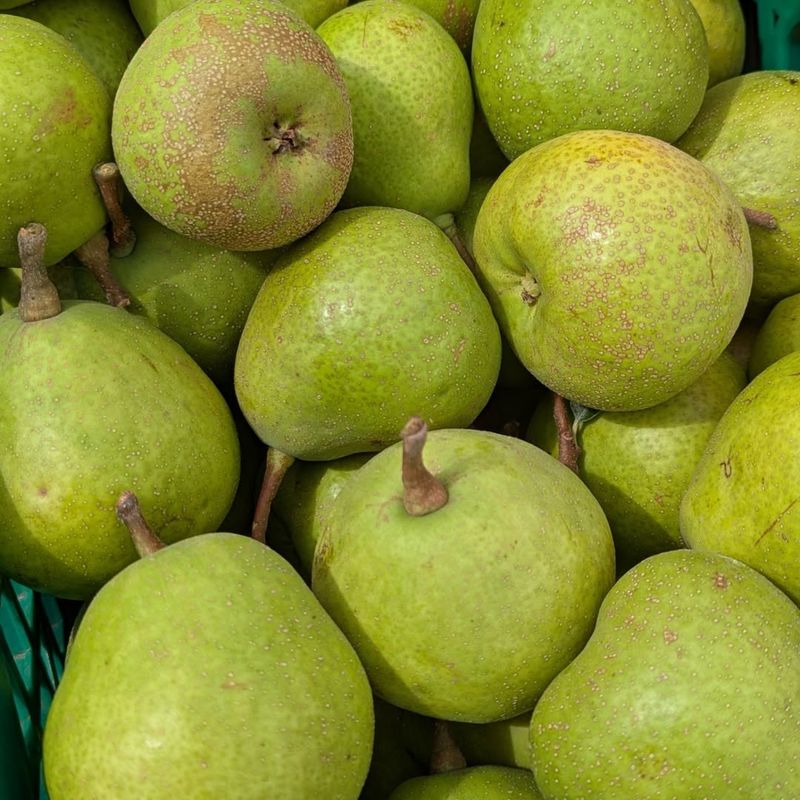
Walk into almost any big-box garden center in Texas and you will likely spot European pear varieties like Bartlett or Bosc sitting on the shelves looking tempting. The problem is that these popular varieties were bred for cooler climates and simply do not perform well across most of Texas.
They need far more chilling hours than our mild winters typically deliver, which means they often struggle to bloom properly and produce little to no fruit, leaving gardeners disappointed when harvest season arrives.
Texas gardeners have much better luck choosing Asian-influenced or hybrid varieties that were specifically developed to handle heat and humidity. Varieties like Orient, Kieffer, Moonglow, and Warren have proven themselves across different Texas regions time and time again.
They are not just heat-tolerant; they are also more resistant to fire blight, which is one of the most destructive diseases pear trees face in this state, affecting both young and mature trees if precautions are not taken.
Before purchasing a tree, check with your local Texas A&M AgriLife Extension office to find out which varieties perform best in your specific county. Texas is a big state, and what works in East Texas may not be the best choice for Central Texas or the Hill Country.
Choosing the right variety from the very beginning saves you years of frustration and gives your tree the best possible chance to flourish. Matching the tree to your local climate is one of the most important factors to consider as a pear grower in Texas.
2. Ignoring Fire Blight Risks That Can Wipe Out Your Tree
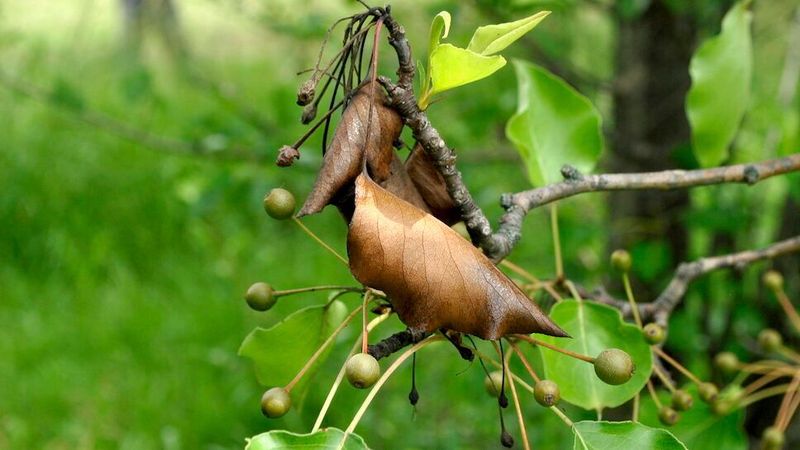
mong the most serious threats to pear trees in Texas is a bacterial disease that can devastate branches and fruit if not managed carefully. It has a reputation for being one of the most damaging bacterial infections that pear trees face anywhere in the South, and Texas is no exception.
The disease is caused by a bacterium called Erwinia amylovora, and it spreads rapidly during warm, wet spring weather, which is exactly the kind of weather Texas gets in abundance. Infected branches look like they were scorched by fire, turning dark brown or black and curling downward in a hook shape, often leaving gardeners scrambling to protect other nearby plants.
One of the biggest mistakes Texas gardeners make is ignoring early warning signs or not taking preventive steps before infection sets in. Over-fertilizing with high-nitrogen fertilizers is a major contributing factor because it encourages the kind of soft, lush new growth that fire blight bacteria love to attack.
Keeping fertilizer applications moderate and balanced goes a long way toward reducing your tree’s vulnerability and helping maintain healthy, resilient growth throughout the season.
When you do spot infected wood, act quickly. Prune out the affected branches at least eight to twelve inches below the visible infection, and always sanitize your pruning tools between cuts using a bleach solution or rubbing alcohol.
Skipping tool sanitation is an easy way to accidentally spread the bacteria to healthy parts of the tree. Copper-based sprays applied during bloom can also help reduce infection rates.
Choosing fire blight-resistant varieties like Orient or Moonglow is still one of the most reliable long-term strategies for Texas gardeners who want to protect their investment and keep their trees productive for many years.
3. Overlooking Chill Hour Needs And Getting Poor Fruit Set

Chill hours might sound like a technical term, but the concept is pretty straightforward. Fruit trees like pears need a certain number of hours where temperatures stay between 32 and 45 degrees Fahrenheit during winter to break dormancy properly and bloom on schedule in spring.
When a pear tree does not get enough of those cold hours, it tends to bloom unevenly, produce very little fruit, or sometimes not fruit at all.
Across much of Texas, especially in South Texas and along the Gulf Coast, winters are simply too mild to satisfy the chill hour requirements of many standard pear varieties. Even in North Texas, chill hours can vary significantly from one winter to the next, making variety selection a gamble if you choose the wrong type.
Gardeners who plant high-chill varieties without checking local averages may experience inconsistent fruit set.
The good news is that Texas A&M AgriLife Extension tracks chill hour accumulations across the state and publishes that data to help gardeners make smart decisions. Low-chill pear varieties bred for Southern climates, including some newer releases designed specifically for Texas conditions, can thrive with far fewer cold hours.
Checking the chill hour requirements listed on a tree’s tag before purchasing is a quick and easy habit that prevents a lot of heartache later. Getting this detail right early on means you are far more likely to enjoy a real, healthy harvest.
It also prevents watching your tree bloom weakly and then produce little to nothing worth picking.
4. Planting Too Deep Or In Poor-Draining Soil
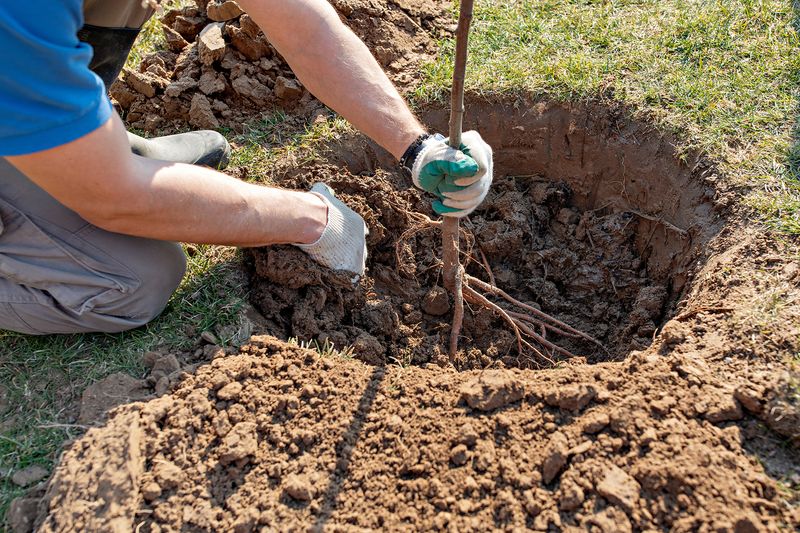
Planting depth is one of those details that seems minor but can have a major impact on a tree’s long-term health. Many Texas gardeners unknowingly bury their pear trees too deep, covering the root flare, which is the spot where the trunk begins to flare outward at the base.
When that area stays buried under soil or mulch, it stays moist and creates conditions where the bark can rot and disease can take hold at the base of the tree.
The root flare should always be visible just above the soil surface after planting. If you are buying a tree from a nursery, check whether the tree was already planted too deep in its container.
Sometimes you need to gently remove the top inch or two of container soil to find where the true root flare is located before setting the tree in the ground.
Poor drainage is an equally serious problem across many parts of Texas, especially in areas with heavy clay soils. Pear trees do not like having their roots sitting in water for extended periods.
Soggy soil drives out oxygen that roots need and encourages root rot. Raised planting beds, amended soil, or choosing a naturally elevated planting spot can all help improve drainage.
Before planting, do a simple drainage test by digging a hole, filling it with water, and watching how fast it drains. If water is still sitting in the hole after several hours, that spot needs drainage improvement or a different location should be chosen entirely for your Texas pear tree.
5. Forgetting To Provide A Compatible Pollination Partner
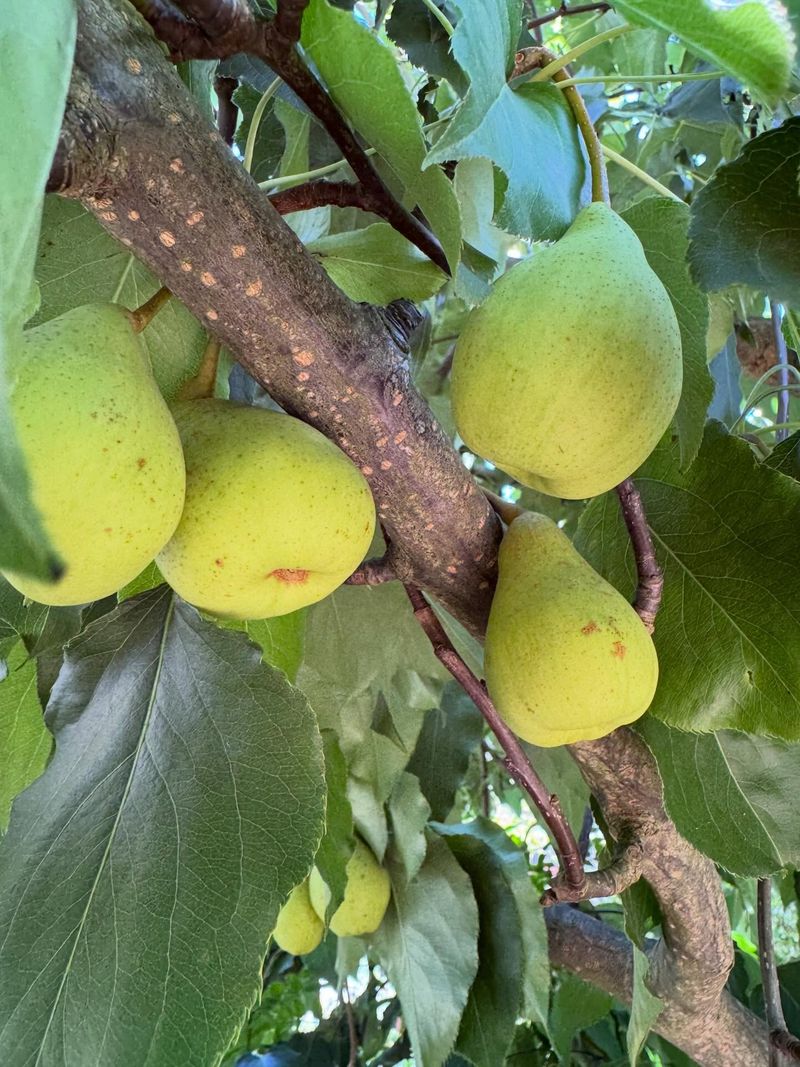
Plenty of Texas gardeners plant a single pear tree, wait patiently for years, and then scratch their heads wondering why it never produces fruit. The answer often comes down to pollination.
While some pear varieties are partially self-fruitful, meaning they can produce a small amount of fruit on their own, most varieties set a far better crop when they have a compatible partner tree planted nearby to cross-pollinate with.
Cross-pollination happens when bees and other insects carry pollen from the blooms of one tree to the blooms of another. For this to work, both trees need to bloom at roughly the same time and be genetically compatible.
You cannot just plant any two pear trees and expect them to work as a pair. For example, Kieffer and Orient are a well-known compatible combination that performs reliably in Texas.
Checking compatibility charts before buying is a step many gardeners skip but really should not.
The two trees do not need to be planted right next to each other, but they should be within about 50 to 100 feet for bees to easily travel between them. If your yard is small, check whether a neighbor has a pear tree nearby, as that can sometimes be enough.
Also, keep in mind that encouraging pollinators by planting flowers and avoiding broad-spectrum insecticide sprays during bloom time helps bees do their job effectively. A thriving pollinator population is one of the most underrated assets a Texas fruit gardener can have working in their favor.
6. Pruning At The Wrong Time Or Too Aggressively

Grab your pruning shears at the wrong time of year and you could do more harm than good to your pear tree. Summer pruning in Texas is particularly risky because the fresh cuts expose new wood during the hottest, most stressful time of year and can also invite fire blight bacteria if any is present in the area.
Fall pruning is another common mistake because it can stimulate new growth right before cold weather arrives, leaving tender shoots vulnerable to frost damage.
The best time to prune pear trees in Texas is during late winter, just before new growth begins in spring. At this point the tree is still dormant, the risk of frost damage to new cuts is lower, and you can clearly see the structure of the tree without leaves in the way.
Light corrective pruning can also be done in early summer after the tree has fully leafed out, but keep it minimal.
Aggressive pruning is another trap that well-meaning gardeners fall into. Removing too much of the tree at once can stress it and may trigger vigorous water sprouts, which are upright shoots that grow quickly from branches.
Water sprouts are highly susceptible to fire blight and do not produce fruit. Focus your pruning on removing crossing branches or weak wood, and anything that blocks good airflow through the canopy.
A light, thoughtful approach to pruning each year keeps your Texas pear tree healthier and more productive over the long run.
7. Neglecting Water And Mulch During Hot Texas Summers
Texas summers are no joke. Temperatures regularly climb above 100 degrees Fahrenheit across much of the state, and that kind of heat puts enormous stress on fruit trees, especially younger ones that have not yet developed deep, extensive root systems.
One of the most common and costly mistakes Texas gardeners make is underwatering their pear trees during summer or watering too shallowly and too often, which keeps roots near the surface instead of driving them deeper into the soil.
Deep, infrequent watering is the approach that works best for pear trees in Texas. Watering slowly and deeply once or twice a week during the hottest months encourages roots to grow downward where soil stays cooler and retains moisture longer.
Drip irrigation systems are an excellent investment for Texas fruit gardeners because they deliver water directly to the root zone without wetting the foliage, which helps reduce fungal disease pressure.
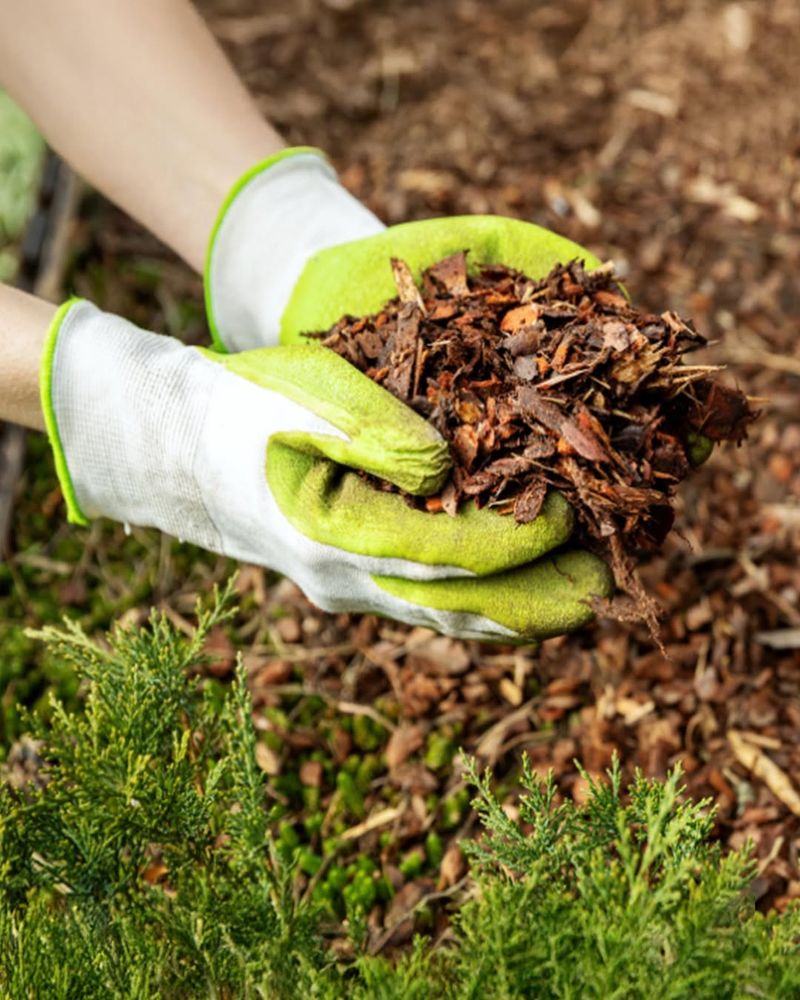
Mulch is a very helpful tool for Texas gardeners during summer, and it benefits pear trees when applied correctly. Spreading a three to four inch layer of wood chips or shredded bark mulch around the base of the tree, keeping it a few inches away from the trunk itself, does several things at once.
It holds moisture in the soil, keeps root temperatures lower, suppresses weeds that compete for water and nutrients, and slowly breaks down to improve soil structure. Skipping mulch during a Texas summer means your tree is working much harder than it needs to just to stay healthy, and that stress shows up in reduced fruit production and slower growth.