10 Common Mistakes Texas Homeowners Make That Attract Moles To Their Yard
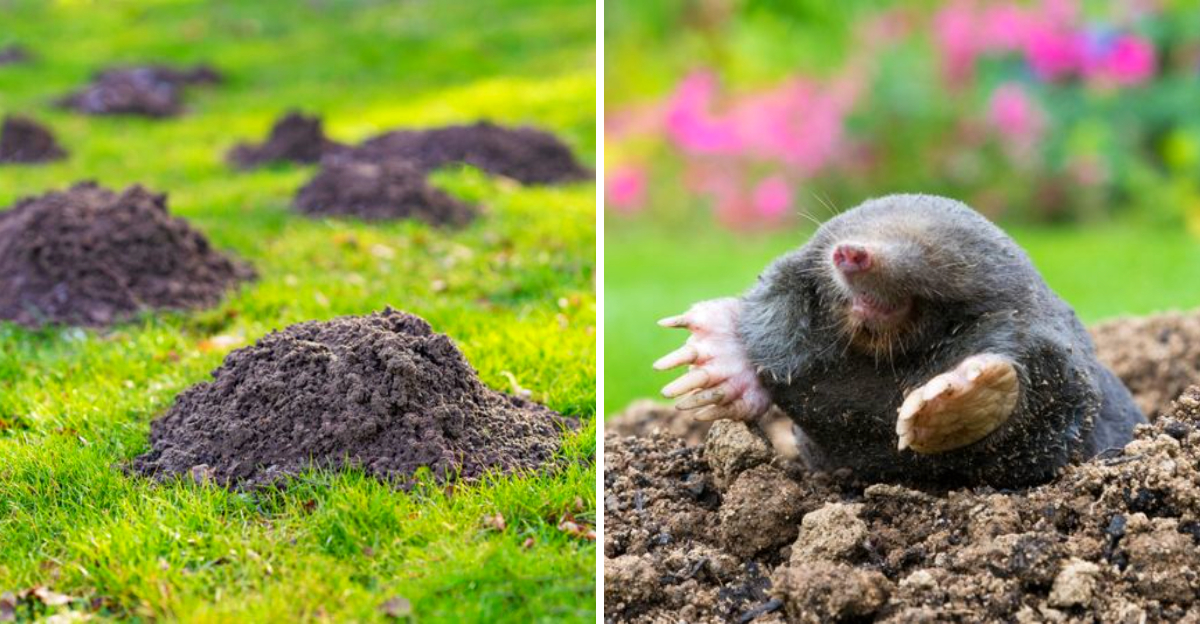
One day your lawn looks smooth and tidy, and the next it’s lined with raised tunnels that seem to appear overnight. Across Texas, that kind of surprise is more common than many homeowners expect.
Clay soils, sandy loam, regular irrigation, and shifting rainfall patterns can quietly create the kind of conditions that support underground activity.
Moles are not after grass or garden plants, but the insects and earthworms living below the surface.
Many everyday lawn care habits can unintentionally make Texas yards more inviting to these visitors.
Understanding what draws them in is the first step toward keeping your lawn looking its best.
1. Overwatering The Lawn
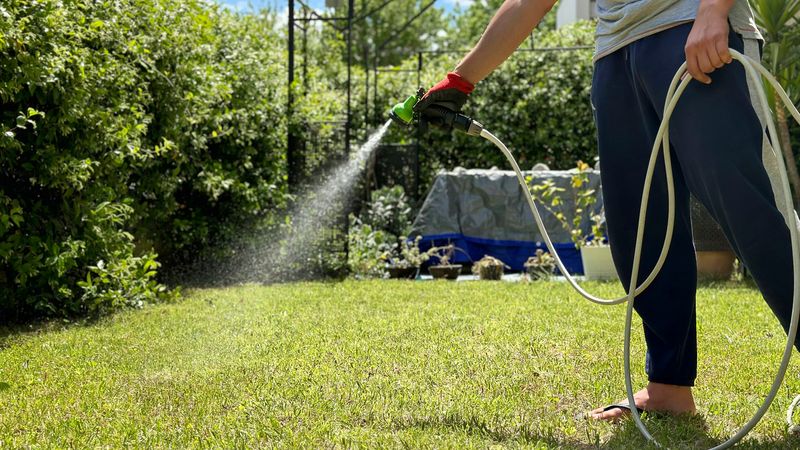
Sprinkler systems set to run too frequently are one of the most widespread lawn care habits across Texas neighborhoods.
When soil stays consistently saturated, it becomes soft, loose, and easy to push through – exactly the kind of environment that makes tunneling feel effortless for a mole searching for food.
In Texas, clay soils found in the Dallas-Fort Worth area and the Hill Country hold water longer than sandy soils along the Gulf Coast.
That moisture retention can create pockets of soft ground that stay workable for extended periods, giving moles a comfortable place to travel and feed.
Most established Texas lawns need far less water than homeowners typically apply. Warm-season grasses like St. Augustine and Bermuda generally do well with about one inch of water per week during the growing season.
Cutting back irrigation frequency and watering deeply but less often encourages grass roots to grow downward while allowing surface soil to dry between sessions.
A simple soil moisture meter can take the guesswork out of your schedule and help you avoid creating the damp, spongy conditions that make your yard far more appealing underground.
2. Encouraging High Grub Populations
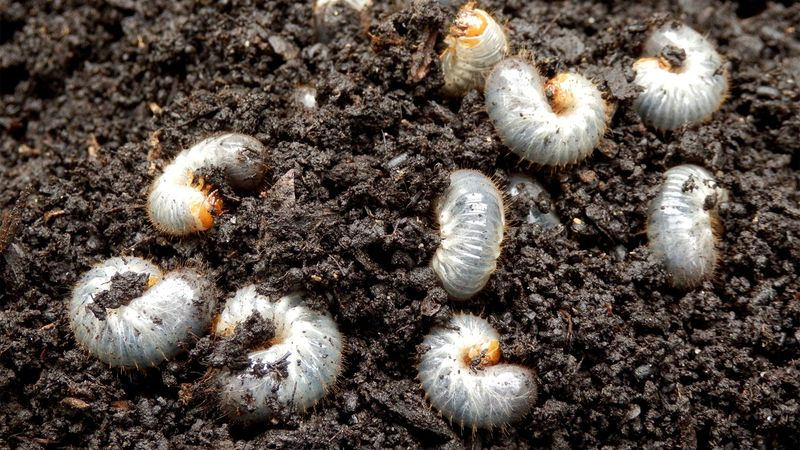
Few things attract moles more reliably than a lawn loaded with white grubs. These soft, C-shaped larvae – the immature stage of beetles like June bugs and masked chafers – are a primary food source for moles across Texas.
When grub populations spike, moles follow the food trail directly into your yard.
Texas summers create ideal conditions for beetle activity. Adult beetles lay eggs in turf during late spring and early summer, and the resulting grubs hatch and begin feeding on grass roots through the warmer months.
Lawns with heavy thatch, consistent moisture, and limited soil disturbance tend to support larger grub populations over time.
Monitoring for grub activity is straightforward. Cut a one-square-foot section of turf about three inches deep and count the grubs present.
Finding more than five to ten grubs per square foot may indicate a level worth addressing. Biological controls such as beneficial nematodes or milky spore can help reduce grub numbers without broadly disrupting the soil ecosystem.
Reducing grub populations is one of the most practical and direct ways to make a Texas lawn less attractive to moles looking for their next meal.
3. Maintaining Constantly Moist Soil
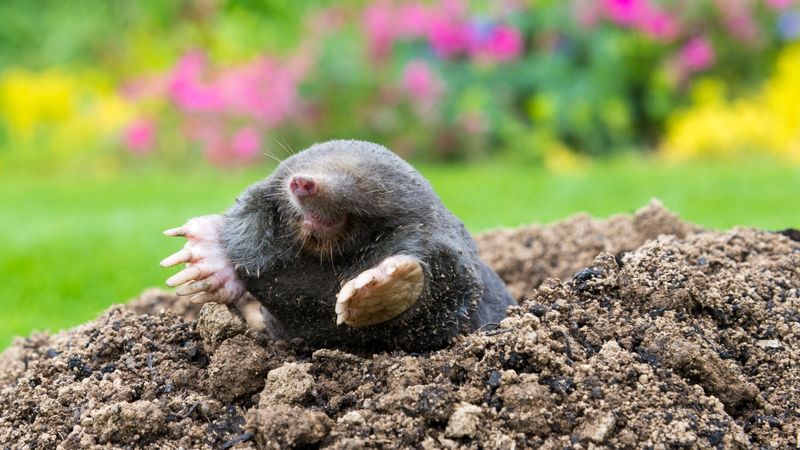
There is a meaningful difference between watering a lawn adequately and keeping the soil in a near-constant state of dampness.
Many Texas homeowners, especially those managing irrigation systems on automatic timers, end up maintaining soil moisture levels that go well beyond what grass actually requires.
Persistently moist soil does two things that benefit moles. First, it keeps the ground soft enough for easy digging.
Second, it supports the earthworm populations that moles actively seek out. Earthworms thrive in consistently damp soil, and where earthworms concentrate, moles tend to follow with little hesitation.
Seasonal rainfall patterns in Texas vary widely. East Texas receives significantly more annual rainfall than West Texas, and Central Texas sits somewhere in between.
Homeowners in wetter regions of the state may need to scale back irrigation dramatically during rainy stretches to avoid compounding soil moisture. Checking local weather data before running irrigation cycles is a practical habit worth building.
Letting the top two inches of soil dry out between watering sessions reduces the welcoming underground environment that moles find so appealing.
Small adjustments to your irrigation schedule can make a noticeable difference in reducing mole-friendly conditions beneath your lawn.
4. Overusing Organic Matter In Lawn Areas
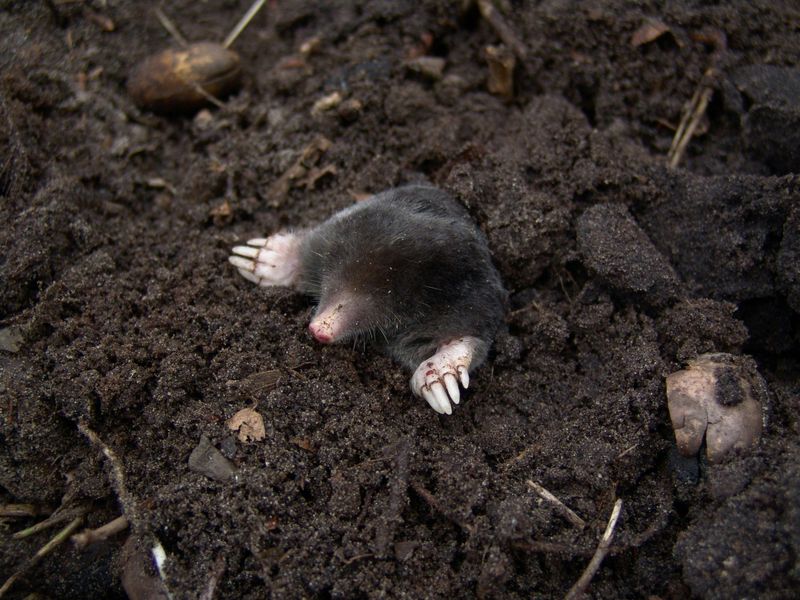
Organic matter plays a valuable role in healthy soil, but applying it too heavily or too broadly across lawn areas can create unintended consequences.
Rich, organic-heavy soil tends to stay moist longer, drain more slowly, and support larger populations of soil insects and earthworms – all of which work in a mole’s favor.
Composted amendments, thick mulch layers, and heavy topdressing applications are popular in Texas gardening circles, particularly among homeowners trying to improve the notoriously heavy clay soils common in Central and North Texas.
While these practices benefit garden beds, applying the same approach uniformly across turf areas can tip soil conditions toward something moles genuinely prefer.
A measured approach works best. Light topdressing with compost – typically no more than a quarter inch – can improve lawn health without dramatically altering the soil’s moisture profile.
Concentrating heavier organic applications in raised beds and border plantings, rather than spreading them across open turf, helps maintain a balance that supports grass without creating an underground buffet.
Paying attention to how quickly soil dries after rain or irrigation gives a useful read on whether organic matter levels are affecting drainage in ways that could be attracting unwanted visitors from below.
5. Ignoring Soil Insect Activity
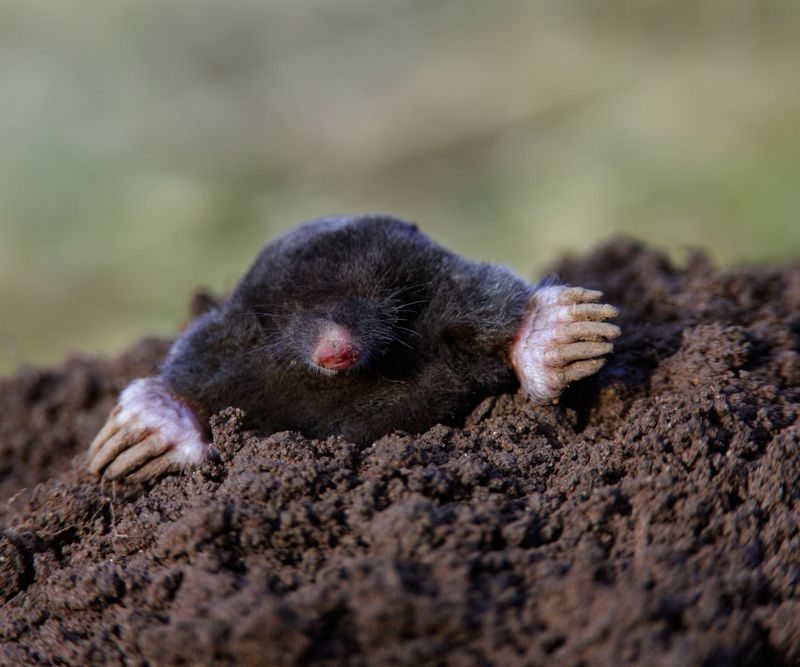
A lawn that buzzes with underground insect life is essentially a well-stocked pantry for a hungry mole. Beyond grubs, moles regularly feed on beetles, ants, millipedes, and various other soil-dwelling insects.
When insect activity goes unmonitored and populations build up over time, the food supply underground becomes substantial enough to support regular mole visits.
Texas lawns are home to a wide variety of soil insects throughout the year.
Fire ants, ground beetles, and chinch bugs are among the more familiar species, but the full community of organisms living just beneath the turf is far broader.
Seasonal shifts in temperature and moisture influence which insects are most active at any given time, and moles adjust their foraging accordingly.
Staying observant about what is happening at soil level is genuinely useful.
Noticing unusual ant mound activity, soft or spongy turf, or areas where grass seems to be thinning without an obvious above-ground cause can all point to elevated insect populations below.
Addressing pest populations through targeted, responsible methods – rather than broad chemical applications that can harm beneficial organisms – helps bring insect levels back to a natural balance that is less likely to draw moles into your Texas yard.
6. Keeping Thick Thatch Layers
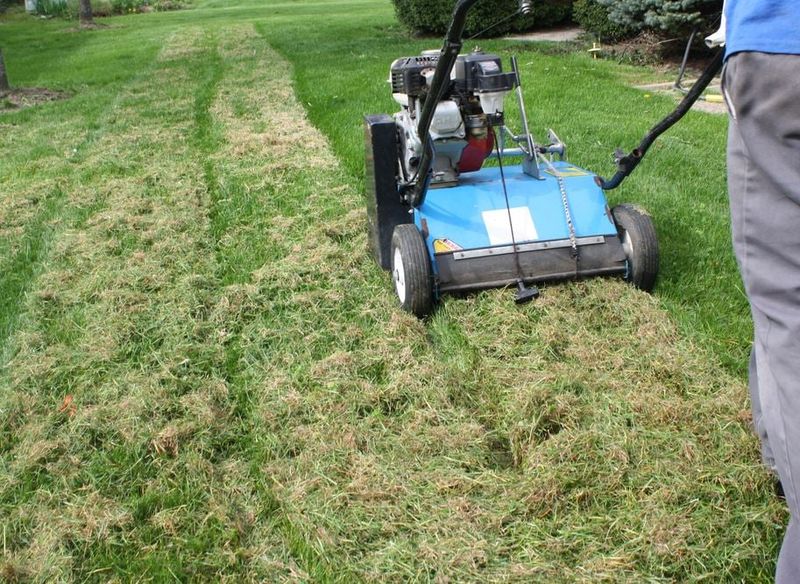
Walk across a lawn with excessive thatch buildup and you might notice a spongy, slightly cushioned feel underfoot.
That texture is a clue that organic debris – dead grass stems, roots, and other plant material – has accumulated between the soil surface and the green grass blades faster than it can break down naturally.
Thick thatch layers create a microenvironment that holds moisture and provides shelter for insects and other small organisms.
For moles, this means both a food source and a buffer zone that keeps soil beneath more consistently damp and workable.
Warm-season grasses like St. Augustine and Zoysia, which are widely used across Texas, are known to build thatch relatively quickly under certain conditions.
Dethatching is a straightforward corrective step.
Using a dethatching rake for smaller areas or a mechanical dethatcher for larger lawns helps expose the soil surface to air and light, which speeds up the breakdown of organic debris and reduces the moisture-retaining effect of thick thatch layers.
Timing dethatching during the active growing season for your specific grass type gives the lawn the best opportunity to recover quickly.
Keeping thatch at a manageable level – generally under half an inch – contributes to a healthier lawn that is less hospitable underground.
7. Creating Shady, Cool Lawn Conditions
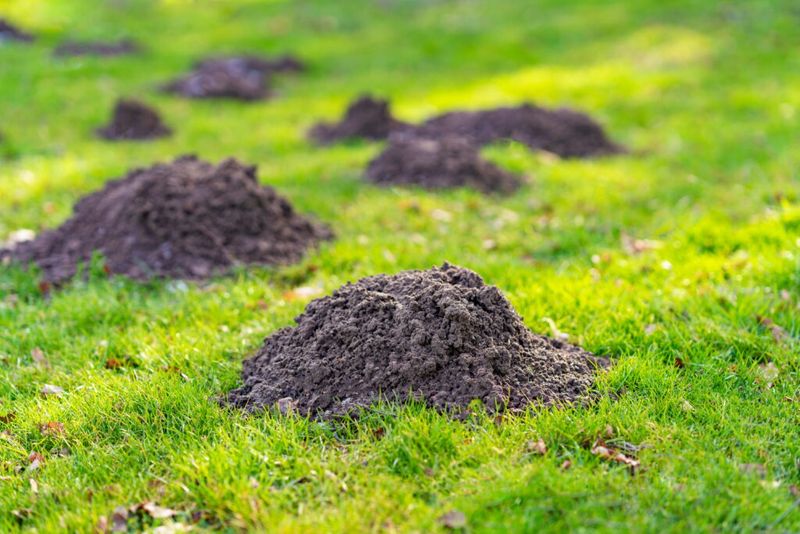
Shade does more than slow grass growth – it changes the entire microclimate of a lawn. Areas that receive limited direct sunlight stay cooler and retain moisture far longer than sun-exposed turf.
In Texas, where summer heat can be intense, shaded sections of a yard can feel like a completely different environment compared to open lawn areas.
Moles tend to prefer foraging in conditions where soil stays workable.
Cool, shaded areas with consistently damp soil tend to support higher concentrations of earthworms and other soil organisms, making them more attractive for underground activity.
If your yard has sections beneath large live oaks, pecans, or other mature trees common across Texas, those areas may warrant closer attention.
Improving light penetration through selective pruning of lower tree branches can help reduce the moisture-retention effect in heavily shaded zones.
Choosing shade-tolerant grass varieties suited to Texas conditions, such as certain St. Augustine cultivars, can also help maintain better turf density in these areas.
Dense, healthy turf tends to support more balanced soil conditions.
Adjusting irrigation separately for shaded areas – rather than running the same schedule across the entire yard – helps prevent the buildup of excess moisture that makes shaded lawn sections particularly inviting underground.
8. Avoiding Any Soil Disturbance
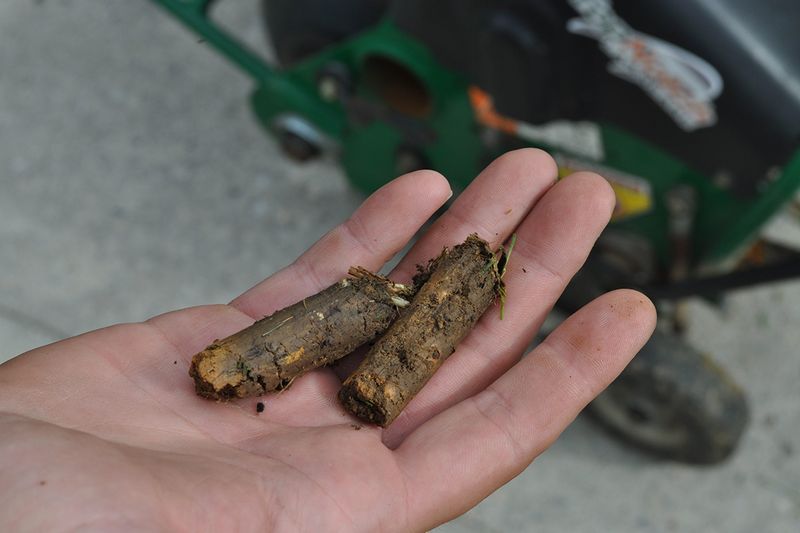
Lawns that go seasons without any meaningful soil disturbance can gradually develop conditions that suit moles quite well.
When soil is never aerated, turned, or disrupted in any way, it tends to compact in some areas while developing soft, undisturbed pathways in others – and soft, undisturbed soil is exactly what moles look for when establishing tunnel routes.
Core aeration is one of the most practical tools available to Texas homeowners managing turf.
Pulling small plugs of soil from the lawn improves drainage, reduces compaction, and disrupts the smooth underground landscape that moles navigate.
In Texas, the best timing for aeration depends on your grass type – late spring for warm-season grasses like Bermuda and St. Augustine tends to work well.
Beyond formal aeration, routine lawn activities such as edging, overseeding bare patches, and even regular mowing contribute to a yard that feels less undisturbed and predictable at ground level.
Moles, while persistent, tend to favor areas where tunneling requires minimal effort and where food sources are reliably concentrated.
A yard that experiences regular, reasonable disturbance is a less predictable and less comfortable foraging environment. Building aeration into your annual lawn care routine is a simple step with benefits that extend well beyond mole prevention.
9. Watering At Night
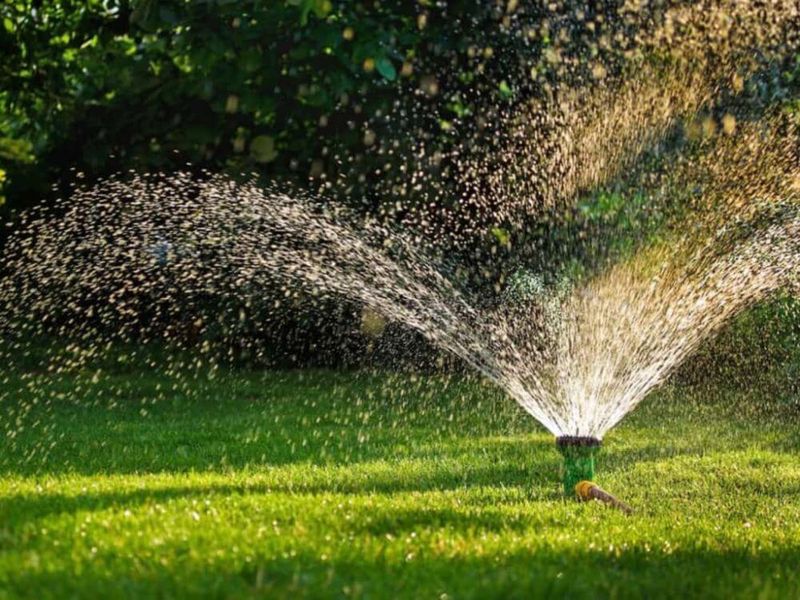
Irrigation timing matters more than many Texas homeowners realize. Running sprinklers at night is a common habit, partly because it feels convenient and partly because cooler overnight temperatures seem like they would reduce water evaporation.
While the evaporation logic has some merit, the trade-off involves leaving soil and turf surface wet for extended overnight periods.
Soil that stays wet from evening through early morning has far less opportunity to dry before the next watering cycle.
Over time, nighttime irrigation contributes to chronically moist soil conditions, especially in Texas regions where overnight humidity is already elevated along the Gulf Coast and in East Texas.
Those damp, soft conditions are exactly what support active earthworm movement near the surface – and earthworms near the surface mean moles are not far behind.
Shifting irrigation to early morning, roughly between four and nine in the morning, gives water time to reach roots effectively while allowing the soil surface and turf to dry out during the day.
This single scheduling adjustment can meaningfully reduce overnight soil moisture levels without sacrificing lawn health.
Many modern irrigation controllers make time adjustments straightforward. Pairing a schedule change with a moisture sensor can further prevent unnecessary watering on days when Texas rainfall has already done the job for you.
10. Misidentifying The Problem
Raised ridges of soil running across a lawn, small mounds of displaced dirt, and sections of turf that feel soft and spongy underfoot are all signs that something is active underground.
The challenge for many Texas homeowners is figuring out exactly what is responsible – and the answer is not always moles.
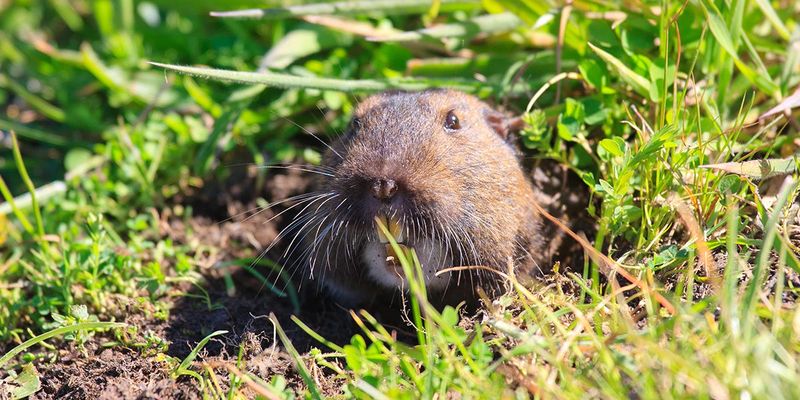
Pocket gophers are common in Texas and create damage patterns that can look similar to mole activity at first glance.
Voles, which are small rodents rather than insectivores, also create surface runways and can be mistaken for moles.
Each animal has different habits, different food preferences, and responds to different management approaches. Treating for moles when gophers are actually present means time, effort, and money spent on the wrong solution.
Taking time to accurately identify the culprit before taking action is genuinely worthwhile.
Mole tunnels typically appear as raised, winding ridges just beneath the turf surface, while gopher activity tends to produce fan-shaped or crescent-shaped soil mounds at tunnel openings.
Examining the shape, location, and pattern of disturbance carefully – and consulting local extension resources when uncertain – helps ensure that your response actually targets the right animal.
Correct identification is the foundation of any effective approach to managing underground activity in your Texas yard.