9 Common Mistakes Texas Homeowners Make When Caring For Holiday Poinsettias
In Texas, poinsettias arrive just as the weather turns unpredictable.
One day it’s warm and sunny, the next a cold front sweeps through, and inside the house heaters kick on full blast.
These dramatic swings are rough on people—but they’re even harder on poinsettias.
Despite their reputation as delicate holiday plants, poinsettias are surprisingly resilient when they’re cared for properly.
The trouble is that many Texas homeowners unknowingly subject them to the exact conditions they hate most: soggy soil, blasting heat vents, cold drafts near doors, and sudden moves from indoors to outdoors.
By the time the leaves begin to curl or drop, the damage is often already done.
If your poinsettias seem to wilt faster every year, it’s not bad luck or poor-quality plants.
It’s a series of small, common care mistakes that quietly add up.
Understanding what poinsettias actually need—especially in Texas’s unique winter environment—can make the difference between a plant that barely survives December and one that stays healthy well into the new year.
1. Overwatering Your Poinsettia Plants
Too much water causes more problems for poinsettias than almost any other care issue Texas homeowners face.
These festive plants prefer their soil to dry out slightly between waterings, which surprises many people who assume more water equals healthier plants.
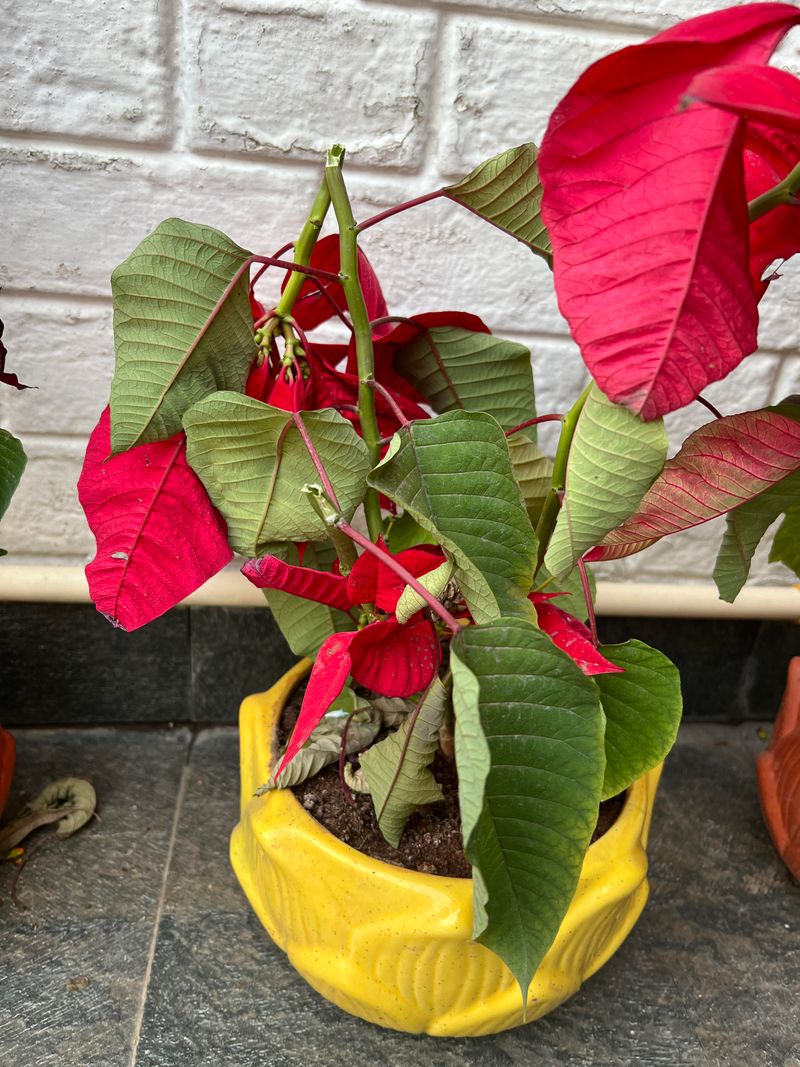
When roots sit in soggy soil, they cannot absorb oxygen properly and begin to rot.
You might notice the leaves turning yellow or dropping off, which signals that your watering schedule needs adjustment.
Texas tap water often contains minerals that can build up in the soil over time, creating additional stress for your poinsettia.
Check the soil with your finger before adding water—if the top inch feels damp, wait another day or two.
Always empty the saucer beneath your pot after watering to prevent roots from sitting in standing water.
A good rule for Texas homes is to water thoroughly once the soil surface feels dry to the touch.
During winter months, poinsettias need less frequent watering than during warmer seasons.
Remember that indoor heating systems in Texas can dry out the air, but that does not mean your plant needs constant watering.
2. Placing Plants In Drafty Locations
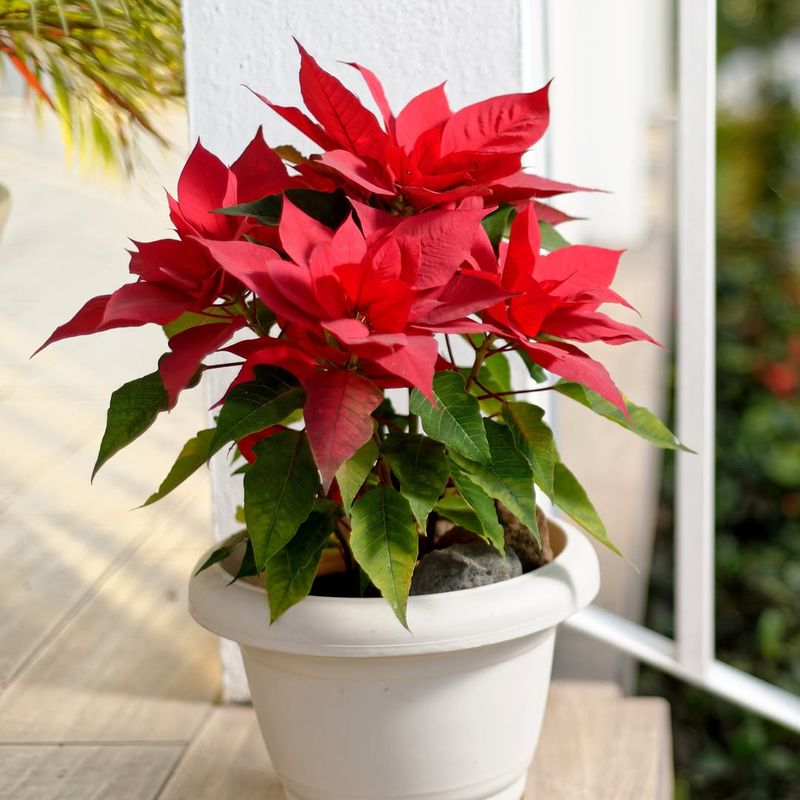
Poinsettias absolutely hate sudden temperature changes and cold drafts that blow across their delicate leaves.
Many Texas homeowners place these holiday beauties near front doors, windows, or heating vents without realizing the damage this causes.
Even though Texas winters are generally mild compared to northern states, cold air still sneaks through doorways and windows.
Your poinsettia might look fine for a few days in a drafty spot, but eventually the leaves will start dropping.
The plant experiences stress each time someone opens a door nearby, letting in a blast of cooler outdoor air.
Heating vents create similar problems by blowing hot, dry air directly onto the foliage.
This causes the leaves to dry out rapidly and lose their vibrant color.
Find a stable location away from exterior doors, windows that open frequently, and HVAC vents throughout your Texas home.
A spot with consistent temperature and no air currents will help your poinsettia thrive.
Consider the traffic patterns in your house and choose a peaceful corner where the plant can enjoy undisturbed conditions.
3. Ignoring Proper Light Requirements
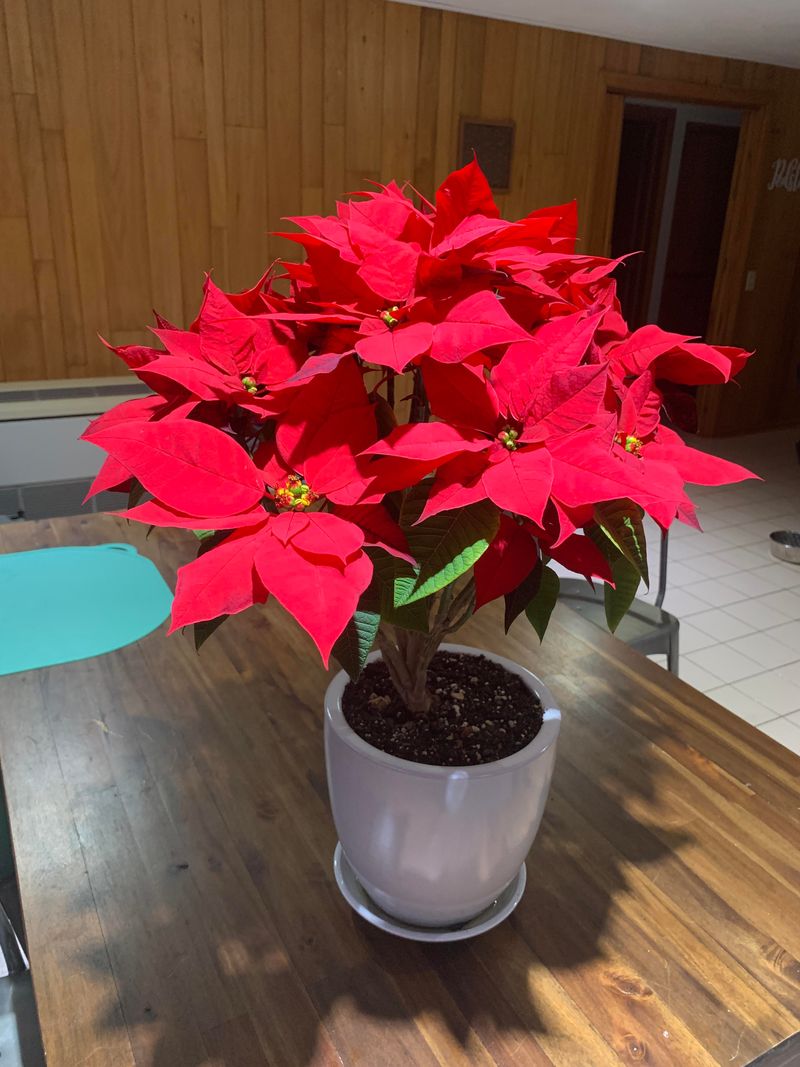
Bright, indirect sunlight makes poinsettias happy and keeps their colorful bracts looking their absolute best.
Without adequate light, these plants become leggy, pale, and lose the brilliant colors that make them so festive.
Many folks in Texas place their poinsettias in dim hallways or on tables far from windows, thinking they just need occasional light.
The colorful parts of poinsettias are actually modified leaves called bracts, not true flowers, and they need plenty of brightness to maintain their hue.
South-facing windows provide excellent light in Texas homes during winter months when the sun angle is lower.
However, direct afternoon sun through glass can sometimes be too intense, even in December and January.
A sheer curtain can filter harsh rays while still providing the brightness your poinsettia craves.
East-facing windows offer gentle morning sun that works wonderfully for these holiday plants.
If your Texas home lacks natural light in certain areas, consider moving your poinsettia to a brighter spot.
Rotate the pot every few days so all sides receive equal light exposure and the plant grows evenly.
4. Exposing Plants To Temperature Extremes
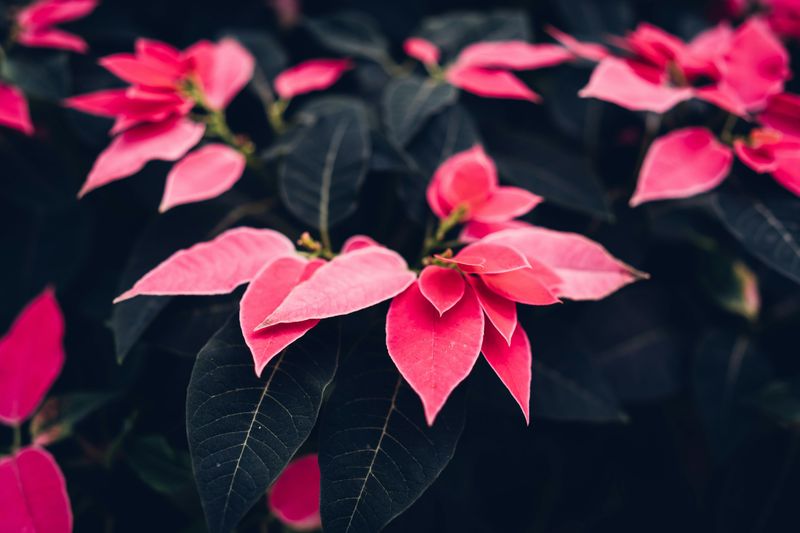
Poinsettias thrive in temperatures between 65 and 70 degrees Fahrenheit during the day and slightly cooler at night.
Texas homeowners sometimes crank up the heat during cold snaps or let temperatures drop too low overnight.
These temperature swings confuse the plant and cause leaves to wilt or drop prematurely.
When you bring a poinsettia home from the store, the trip from the warm shop to your car and then into your house can shock the plant.
Always protect your poinsettia with a sleeve or bag during transport, especially on chilly Texas evenings.
Indoor temperatures that feel comfortable to you are usually perfect for your poinsettia as well.
Avoid placing these plants near fireplaces, space heaters, or radiators that create hot spots in your home.
Similarly, do not let them sit near air conditioning vents during those occasional warm winter days Texas sometimes experiences.
Consistency is the secret to keeping your poinsettia content throughout the holiday season.
A stable environment helps the plant focus energy on maintaining its beautiful appearance rather than struggling to adapt to changing conditions.
5. Using The Wrong Type Of Pot
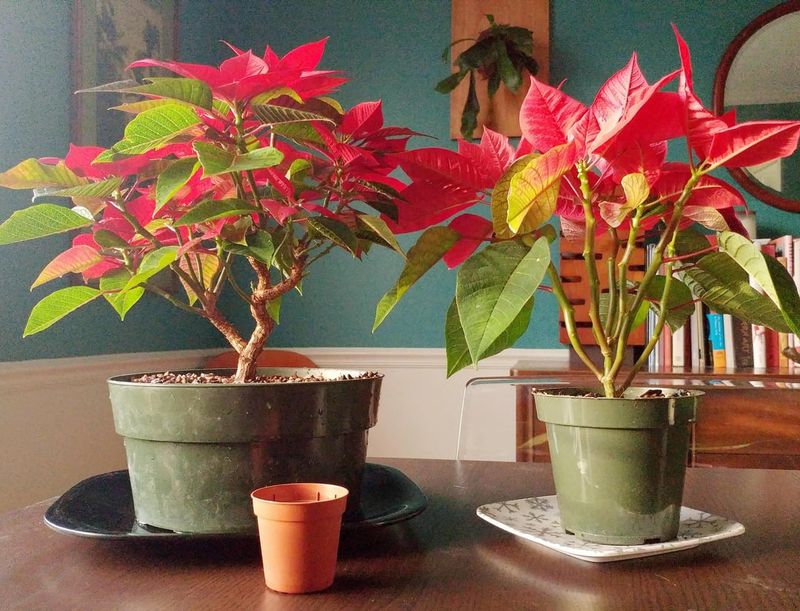
Drainage holes are absolutely essential for healthy poinsettia roots, yet many decorative holiday pots lack this crucial feature.
Texas homeowners often purchase gorgeous ceramic or metallic containers that look festive but trap water at the bottom.
When excess water cannot escape, roots suffocate and rot develops quickly.
The solution is to keep your poinsettia in its original plastic nursery pot and place that inside the decorative container.
This double-pot method allows you to remove the plant for watering, let it drain completely, and then return it to the pretty outer pot.
Never let your poinsettia sit in a saucer filled with water for extended periods.
Some folks in Texas add decorative moss or stones to cover the plain nursery pot, which works perfectly fine.
If you absolutely must transplant your poinsettia into a new container, drill drainage holes in the bottom first.
Terra cotta pots work well because they allow soil to breathe and dry out between waterings.
Remember that proper drainage prevents most of the common problems that plague poinsettias in Texas homes during the holidays.
6. Forgetting About Humidity Needs
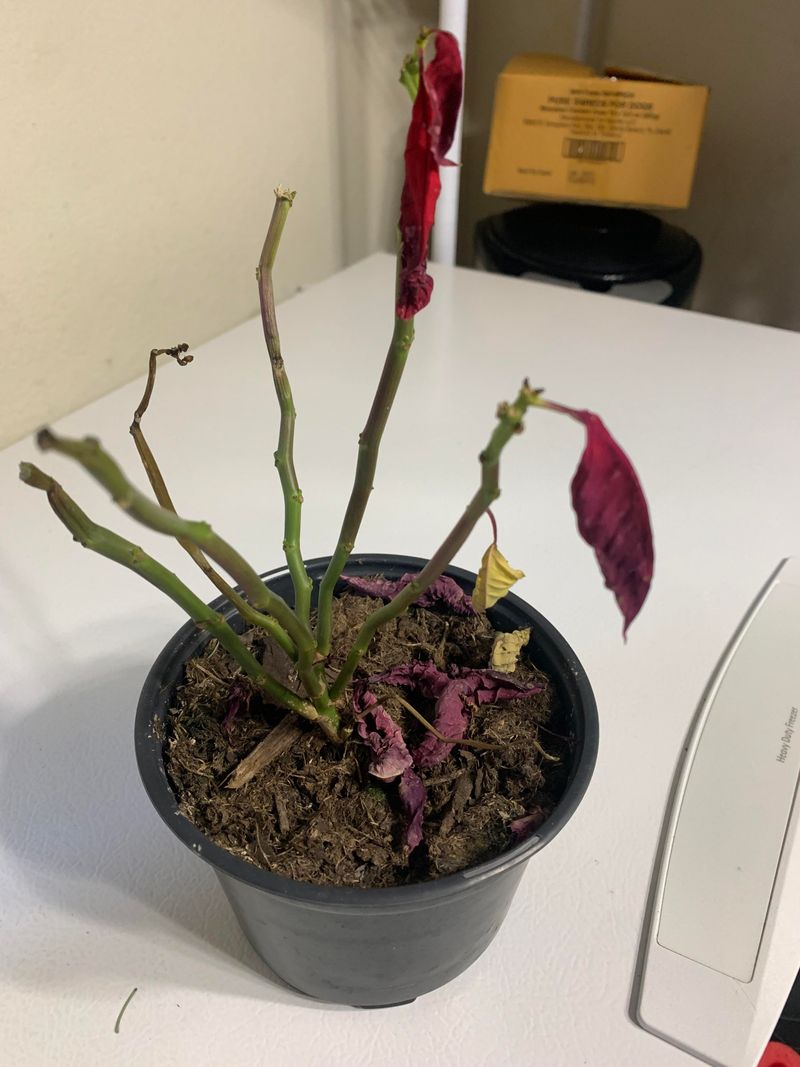
Central heating systems in Texas homes can really dry out the air during winter months, creating a desert-like environment.
Poinsettias prefer moderate humidity levels and struggle when the air becomes too arid.
You might notice the leaf edges turning brown and crispy when humidity drops too low.
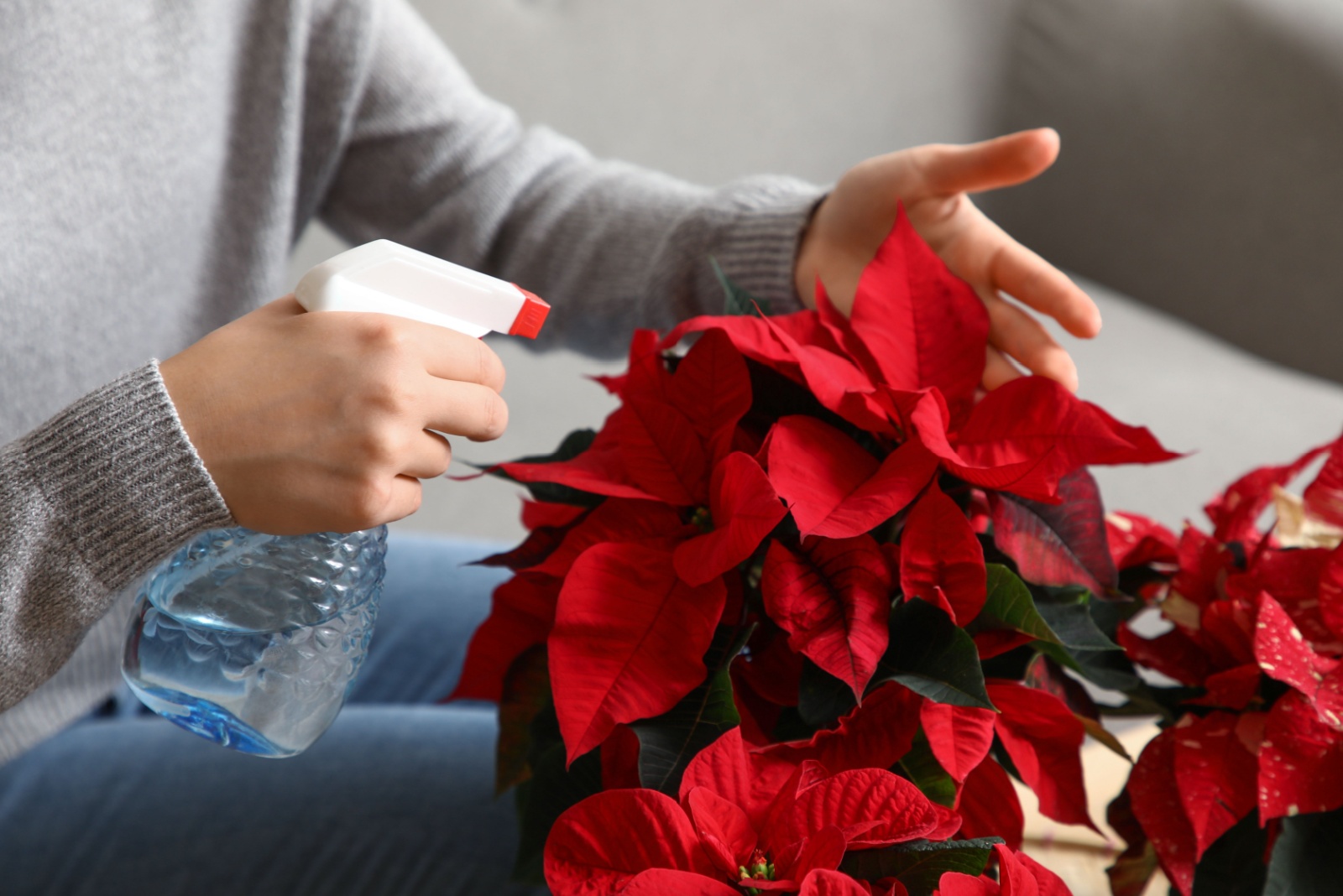
Misting your poinsettia lightly with water a few times per week can help, but avoid soaking the foliage.
A better approach is to place a shallow tray filled with pebbles and water beneath your plant.
As the water evaporates, it creates a humid microclimate around the poinsettia without making the soil soggy.
Make sure the pot sits on the pebbles above the water line rather than in the water itself.
Grouping several houseplants together also increases humidity through their combined transpiration.
Small room humidifiers work wonderfully for maintaining comfortable moisture levels in Texas homes during winter.
Your poinsettia will reward your efforts with healthy, vibrant foliage that lasts throughout the entire holiday season and beyond.
7. Fertilizing At The Wrong Time
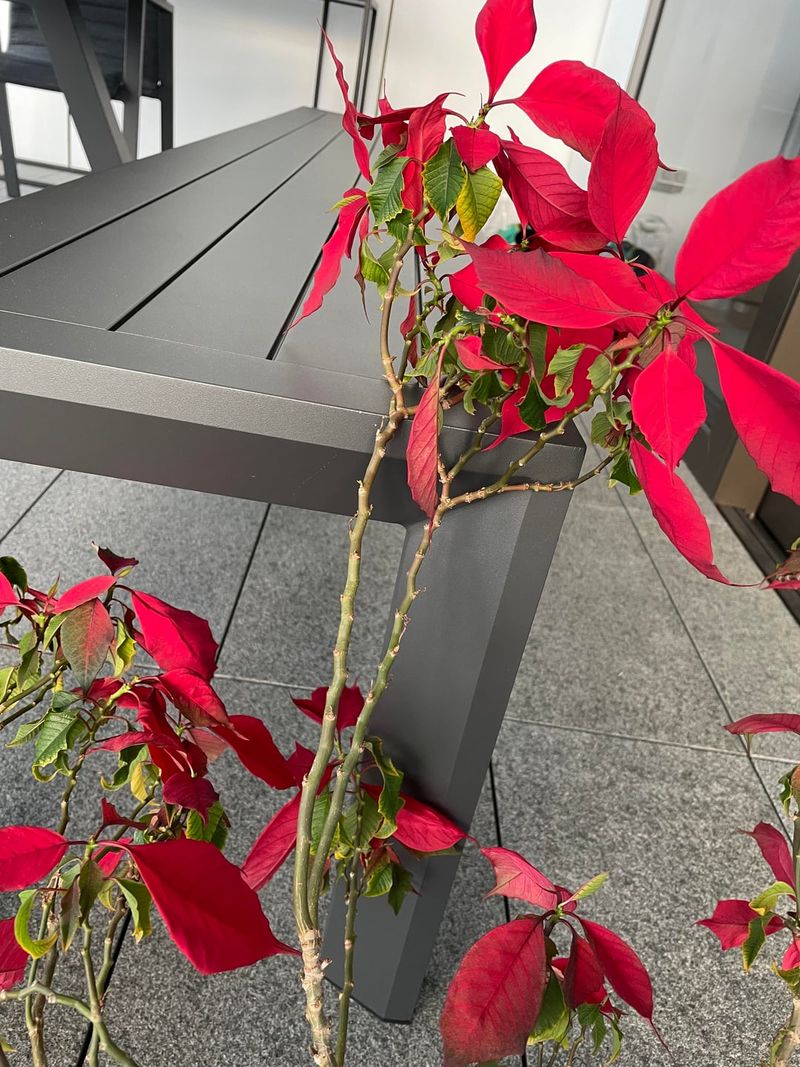
Poinsettias do not need any fertilizer while they are displaying their colorful bracts during the holiday season.
Many well-meaning Texas homeowners think feeding their plant will keep it looking better longer, but this actually causes problems.
During the flowering period, poinsettias are essentially resting and do not actively grow new foliage.
Adding fertilizer at this time can burn the roots and cause unnecessary stress to the plant.
The nursery has already provided all the nutrients your poinsettia needs to look gorgeous through Christmas and New Year.
If you plan to keep your poinsettia after the holidays, you can begin fertilizing in late winter or early spring.
Use a balanced, water-soluble fertilizer diluted to half strength every two weeks once new growth appears.
This feeding schedule supports healthy development as the plant enters its active growing phase.
Texas homeowners who successfully maintain poinsettias year-round know that timing fertilizer applications makes all the difference.
Patience during the holiday display period protects your plant from chemical buildup in the soil and keeps the roots healthy.
8. Keeping Plants In Original Foil Wrap
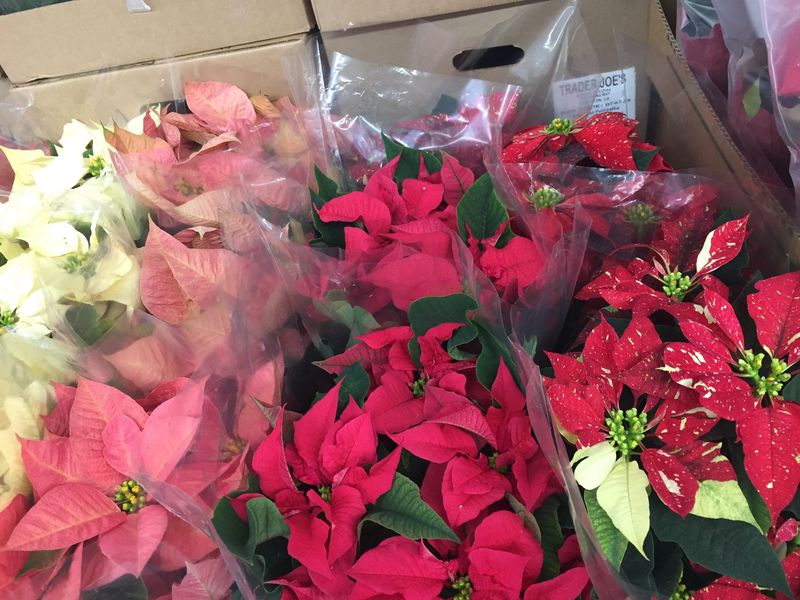
That shiny decorative foil wrapped around your poinsettia looks festive but creates a dangerous water trap at the base.
Most poinsettias come from the nursery with colorful foil or plastic sleeves that prevent proper drainage.
Texas homeowners often leave this wrapping in place throughout the holidays without realizing the harm it causes.
Water collects between the foil and the pot, creating a stagnant pool where roots sit and rot.
The first thing you should do when bringing a poinsettia home is remove or puncture this decorative covering.
If you love the festive look of the foil, poke several large holes in the bottom to allow water to escape.
Better yet, remove the foil completely and place your plant in a proper saucer or decorative cachepot.
This simple step prevents countless problems and helps your poinsettia stay healthy throughout the season.
Many Texas plant lovers learn this lesson the hard way after losing their first poinsettia to root rot.
Taking just a minute to deal with the wrapping when you first bring your plant home saves disappointment later.
9. Neglecting To Check For Pests
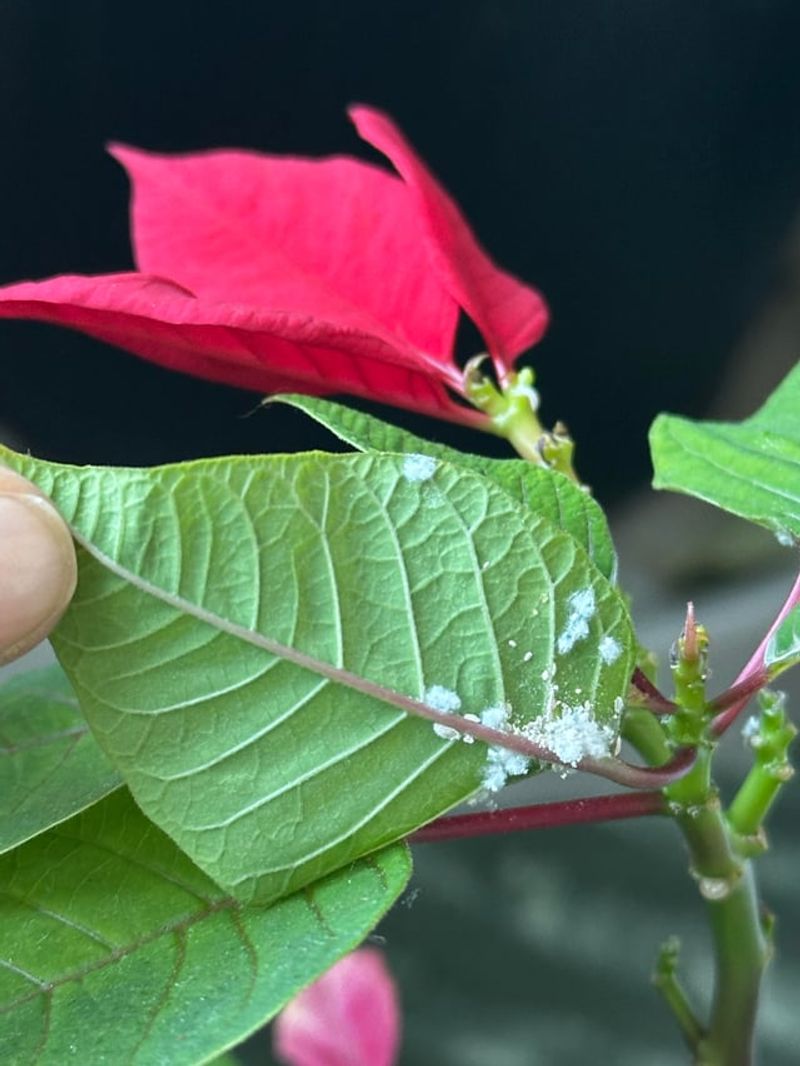
Whiteflies, aphids, and mealybugs love to hide on poinsettia leaves, especially on the undersides where you might not notice them.
These tiny pests can hitchhike home from the garden center and quickly multiply in the warm environment of your Texas house.
Check your poinsettia carefully before purchasing it and examine the leaves regularly after bringing it home.
Look for sticky residue on leaves, tiny white flying insects, or small cottony masses that indicate pest activity.
Early detection makes treatment much easier and prevents the infestation from spreading to other houseplants.
If you spot pests, isolate your poinsettia from other plants immediately to contain the problem.
A gentle spray of water can dislodge many insects, or you can wipe leaves with a damp cloth.
Insecticidal soap works well for treating poinsettias without harsh chemicals that might damage the colorful bracts.
Some Texas homeowners prefer neem oil as a natural treatment option that is safe for indoor use.
Regular inspection takes just a moment but can save your poinsettia from serious damage during the holiday season.