The 10 Plants That Bring Goldfinches To California Gardens
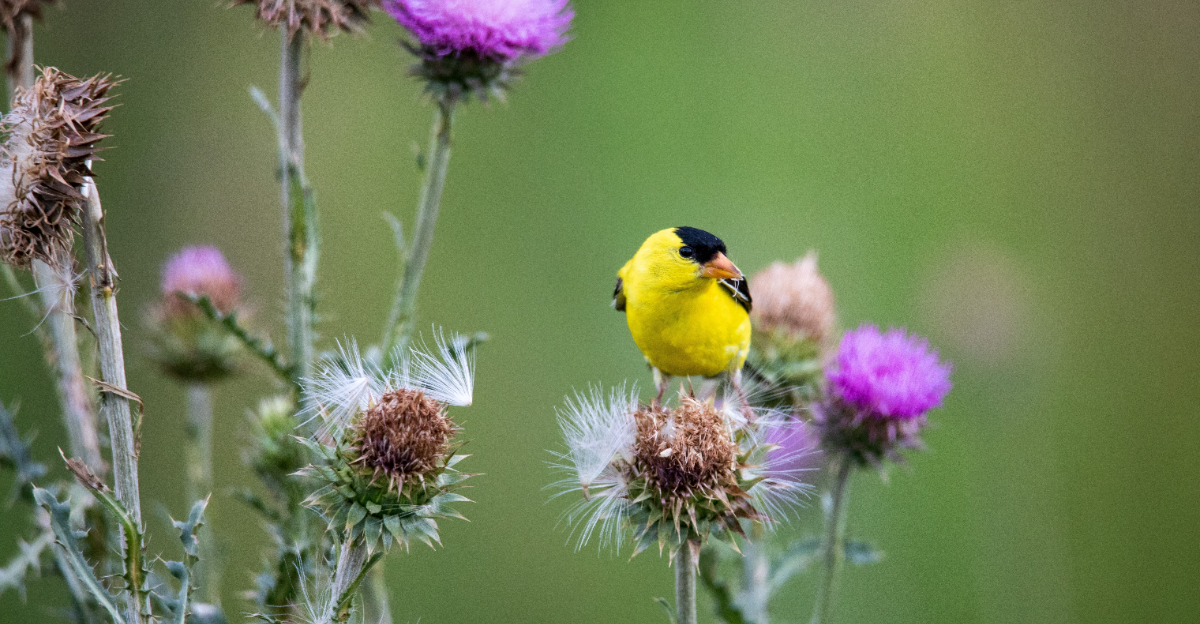
Goldfinches bring a kind of energy to a garden that is hard to miss. They flutter in, cling to seed heads, flash bright color across the yard, and make even a quiet afternoon feel more alive.
If you want to see more of them in your California garden, the plants you grow matter a lot. These little birds are especially drawn to seed-rich flowers and plants that give them food, perching spots, and a reason to keep coming back.
In a state with long growing seasons and plenty of sun, there are lots of beautiful options that do exactly that.
A few smart choices can help turn your yard into a regular stop for goldfinches while adding color, texture, and movement that lasts well beyond spring.
1. Sunflowers
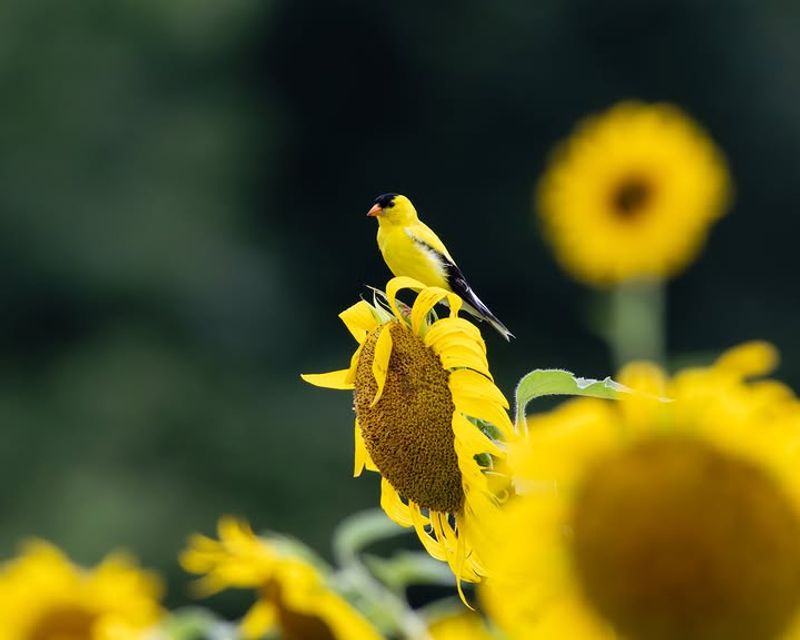
Few sights in a California garden are as cheerful as a goldfinch clinging to a giant sunflower head, picking out seeds one by one. Sunflowers are basically an all-you-can-eat buffet for these birds.
Their large, round seed heads pack hundreds of nutritious seeds that goldfinches go absolutely wild for.
Growing sunflowers is easy, even for beginners. Plant them in a spot with full sun and well-drained soil.
They grow fast and can reach six feet or taller by midsummer. Once the flowers fade and the heads dry out, that is when the real action starts in your California yard.
Leave the spent flower heads on the stalks instead of cutting them down. Goldfinches will visit again and again to feed from them.
You can also grow a mix of varieties, including dwarf types for smaller spaces. Mammoth sunflowers are especially popular because their heads are packed with big, easy-to-grab seeds.
Plant a row along a fence or in a raised bed and watch your garden come alive with color and bird activity all season long.
2. Coneflowers
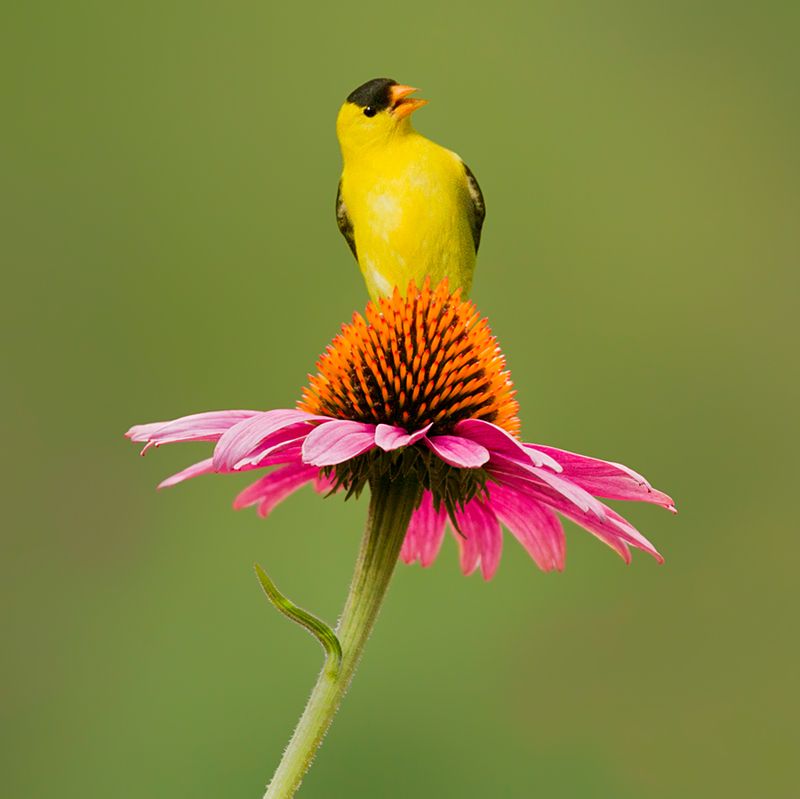
Coneflowers have a reputation for being one of the best plants you can grow if you want goldfinches hanging around your California garden. After the bright purple-pink petals drop, the spiky seed heads stay standing tall.
Those seed heads are exactly what goldfinches are looking for.
Also called Echinacea, coneflowers are tough perennials that come back year after year. They handle the warm California sun well and do not need a lot of fussing over.
Plant them in full sun to partial shade, water them regularly until they are established, and then mostly let them do their thing.
One smart tip is to avoid deadheading your coneflowers at the end of the season. Gardeners who leave the seed heads standing will notice goldfinches arriving in small flocks, especially in late summer and fall.
The birds hang upside down from the spiky cones to pull out seeds, which is honestly one of the most entertaining things to watch from a porch or window. Pair coneflowers with sunflowers and asters for a season-long feeding station that keeps goldfinches coming back to your yard.
3. Asters
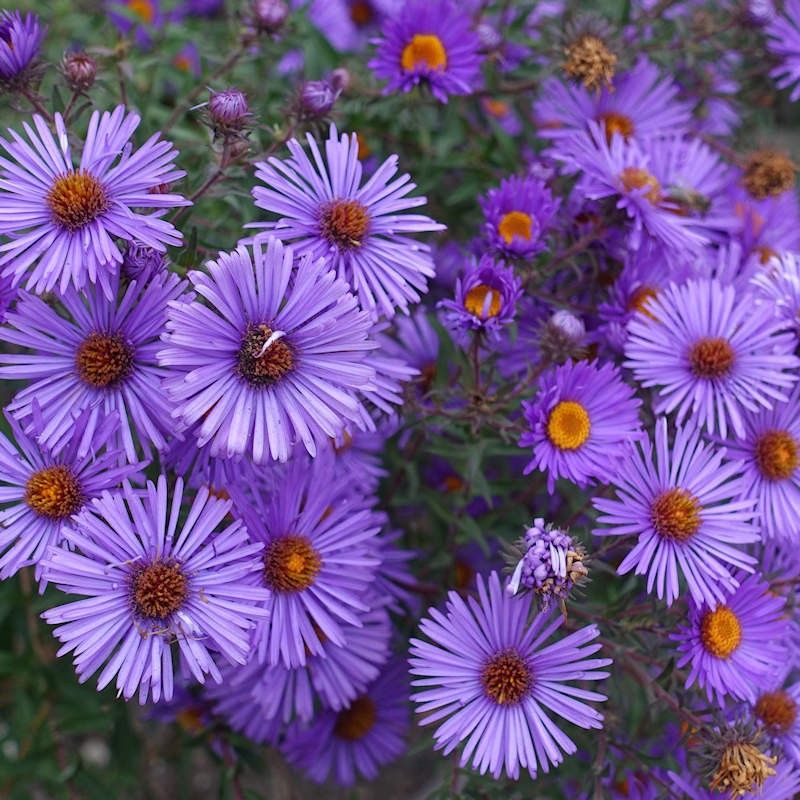
When most flowers are calling it quits for the season, asters are just getting started. These cheerful daisy-like blooms burst into color in late summer and fall, which is exactly when goldfinches need a reliable food source the most.
Your California Garden Changes Every Week. Your Plan Should Too.
Gardening in California changes quickly throughout the season. Every Friday you’ll receive a simple weekly plan showing exactly what to plant, prune, fertilize, harvest, and protect so you never miss the right timing.
If you want birds visiting your California garden well into autumn, asters are a must-have plant.
Asters come in shades of purple, blue, pink, and white. They look beautiful planted in drifts or mixed into a wildflower border.
They prefer full sun and moderate watering, making them a solid choice for many California climates. Once established, they are surprisingly low maintenance.
Here is something worth knowing: asters attract not just goldfinches but also bees and butterflies, so your garden becomes a busy little ecosystem all on its own. After blooming, the seed heads provide a late-season snack that keeps goldfinches around longer than you might expect.
Native aster species tend to be the most attractive to local wildlife, so look for California-friendly varieties at your local nursery. Plant them near coneflowers and sunflowers to create a layered habitat that supports goldfinches from summer through the first cool days of winter.
4. Milkweed
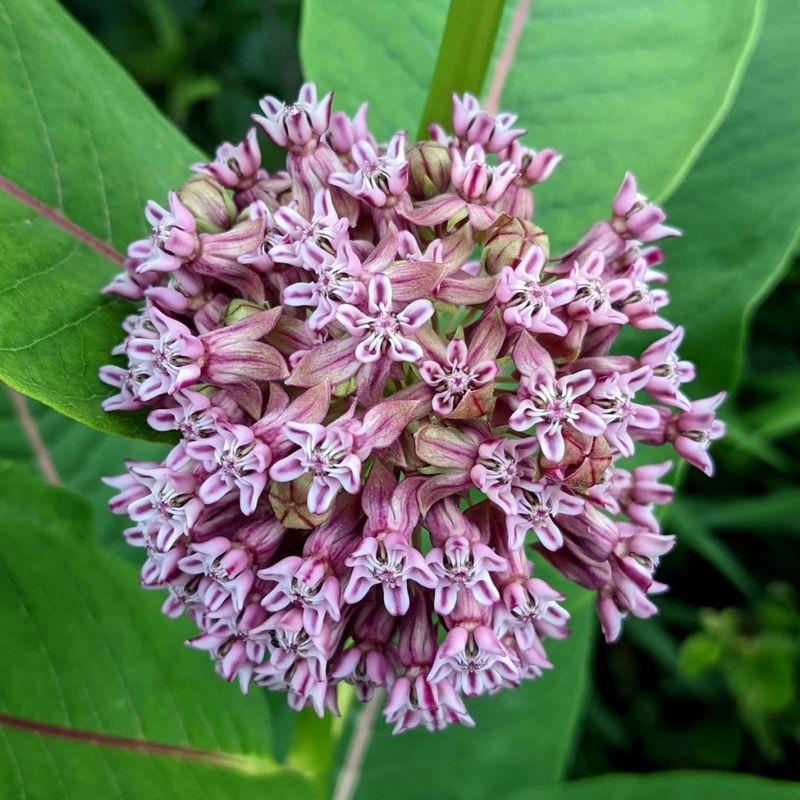
Most people know milkweed as the plant that monarch butterflies depend on, but goldfinches are huge fans too. The fluffy seed fibers inside milkweed pods are like premium nesting material for goldfinches building their cozy little homes.
In fact, goldfinches time their nesting season specifically around when milkweed fluff becomes available.
Milkweed grows well across many parts of California. Native species like narrowleaf milkweed are especially well suited to the local climate.
The flowers bloom in showy clusters of orange, pink, or white, adding real visual interest to any garden bed. Hummingbirds and bees love the flowers too, making milkweed one of the hardest-working plants you can add to your yard.
Plant milkweed in a sunny spot with good drainage and give it room to spread a little. It can grow from seed or from transplants available at native plant nurseries throughout California.
Once established, it comes back reliably each year with minimal care. When the seed pods ripen and burst open in late summer, watch for goldfinches hovering nearby to collect the silky fluff.
It is a fascinating behavior that makes milkweed one of the most rewarding plants to grow for birdwatchers and garden lovers alike.
5. Native Thistles
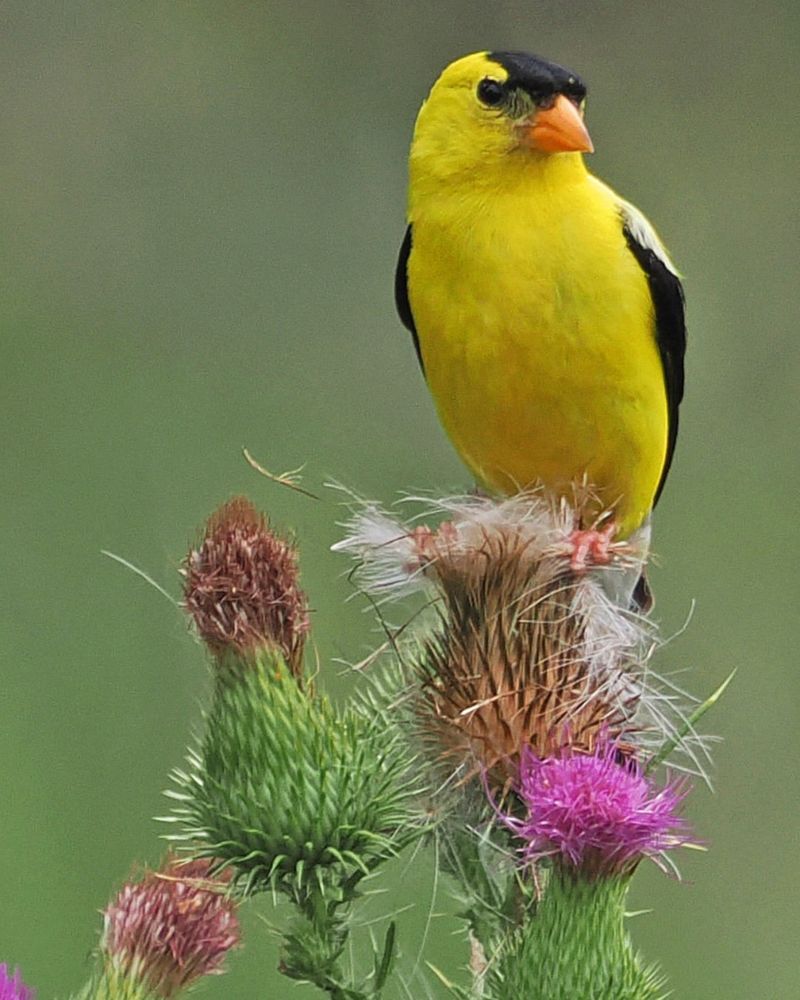
Thistles have a bit of an unfair reputation. Yes, they are prickly.
Yes, they can spread if left unchecked. But native California thistles are genuinely one of the top plants for attracting goldfinches, and many bird enthusiasts consider them essential.
Goldfinches are sometimes called “thistle birds” because of how strongly they are drawn to these plants.
Native thistles produce seeds that goldfinches absolutely love. The birds cling to the spiky flower heads and pull seeds out with impressive precision.
Beyond seeds, the soft fluffy material on thistle seeds is also gathered for nest lining. A single thistle plant can keep a small group of goldfinches busy for days.
If you want to grow native thistles responsibly in California, choose species that are local to your region, like Cirsium occidentale, the cobwebby thistle. These plants are well adapted to California soils and do not spread aggressively the way non-native thistles can.
Plant them in a sunny corner of your yard where they have space to grow without crowding other plants. Pair them with milkweed and coneflowers for a powerful combination that supports goldfinches from spring through late fall.
Your garden will feel wilder and more alive with native thistles in it.
6. Hairy Evening Primrose
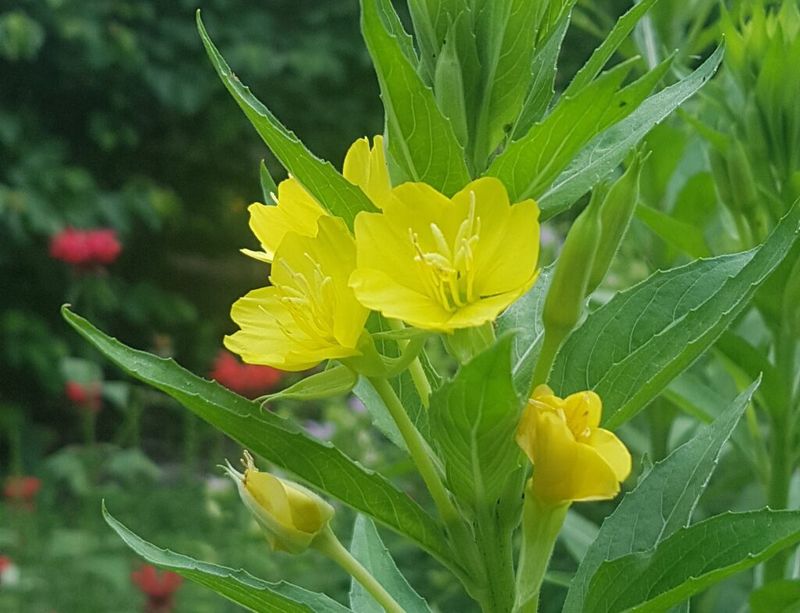
Not every great goldfinch plant is well known, and hairy evening primrose is a perfect example of a hidden gem. This wildflower is native to California and produces cheerful yellow blooms that open in the evening.
Once the flowers fade, the seed pods that form are exactly what goldfinches come looking for.
Hairy evening primrose grows naturally in open fields, roadsides, and disturbed areas across California. In a garden setting, it thrives in full sun with minimal watering once established.
It has a relaxed, natural look that works beautifully in a wildflower meadow garden or along a sunny fence line.
What makes this plant especially interesting is how little attention it needs. Plant it, give it some water to get started, and then step back.
It will self-seed gently and return year after year. Goldfinches show up once the seed pods dry out and split open, pecking out tiny seeds with their pointed bills.
If you are trying to build a California garden that supports local wildlife without a lot of extra work, hairy evening primrose is a smart and satisfying choice. It proves that some of the best plants for birds are the ones that grow almost on their own.
7. Yerba Mansa
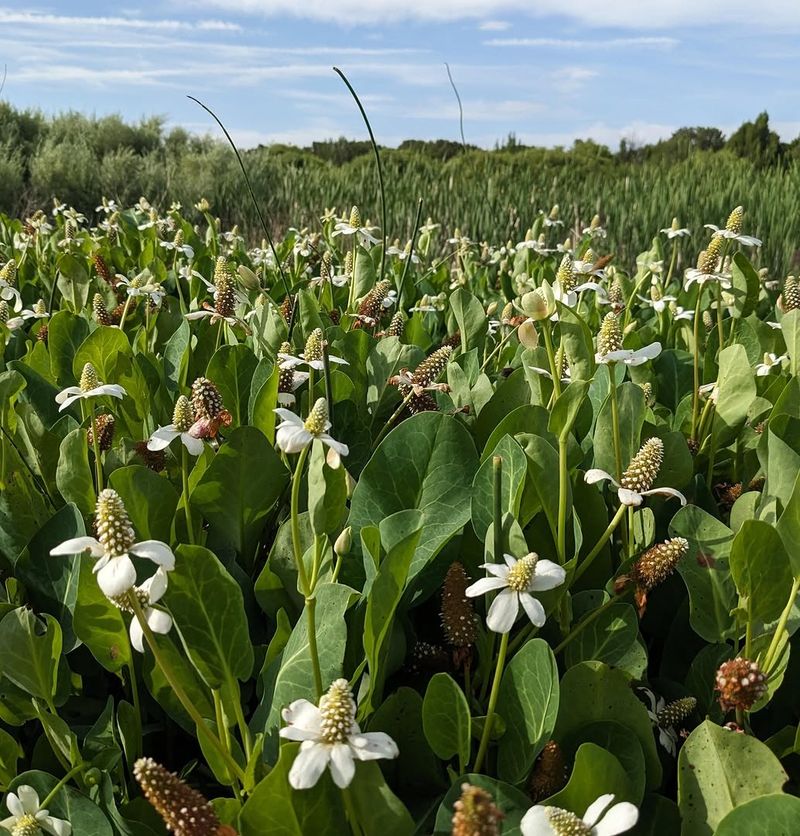
Yerba mansa is one of those plants that California native plant fans get genuinely excited about. It grows in moist, low-lying areas and produces unusual white cone-shaped flowers that stand out in any garden.
After flowering, the seed heads dry into small structures that goldfinches find worth investigating.
This plant does best in spots that stay a little damp, like the edges of a rain garden, a low-lying bed, or near a garden pond. It spreads by runners to form a ground-covering mat over time, which also makes it a great option for erosion control in wet areas of your California yard.
Yerba mansa has a long history of use in traditional medicine by Indigenous communities in the American Southwest and California, which makes growing it feel like connecting to something meaningful. For goldfinches, though, the appeal is purely practical: seeds and shelter.
The dense mat of foliage also provides low cover that small birds appreciate. If your garden has a soggy corner that nothing else wants to grow in, yerba mansa might be the perfect solution.
It handles the wet conditions beautifully and rewards you with interesting flowers, spreading greenery, and the occasional goldfinch dropping by to check things out.
8. Fiddleneck
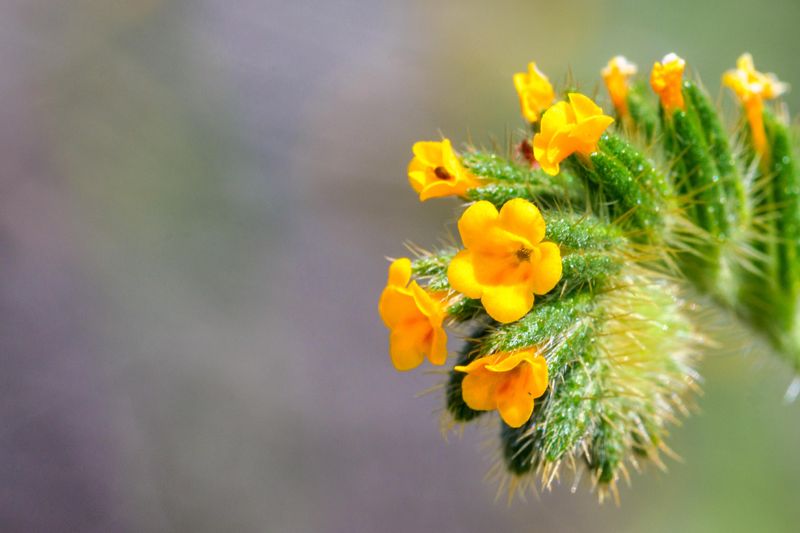
Fiddleneck is one of those wildflowers that grows so naturally in California that you might have walked past it a hundred times without knowing its name. Its curling flower stems look just like the neck of a fiddle, which is exactly how it got its memorable name.
This cheerful annual blooms in spring and produces tiny seeds that goldfinches eagerly seek out.
You will find fiddleneck growing wild in fields, roadsides, and open chaparral areas throughout California. In a garden, it works beautifully as part of a wildflower seed mix or planted in a sunny, well-drained bed.
It grows fast, blooms early in the season, and fills gaps between other plants with a relaxed, natural charm.
Because it is an annual, fiddleneck completes its full life cycle in one season, setting seed and then fading away. But those seeds are the whole point when it comes to goldfinches.
As the plant dries out in late spring and early summer, birds move in to harvest the tiny seeds from the curling stems. Scatter some seeds in a sunny patch of your California yard this fall and expect a lovely spring show followed by a steady stream of goldfinch visitors.
It is a low-effort, high-reward plant for any bird-friendly garden.
9. Purple Sage
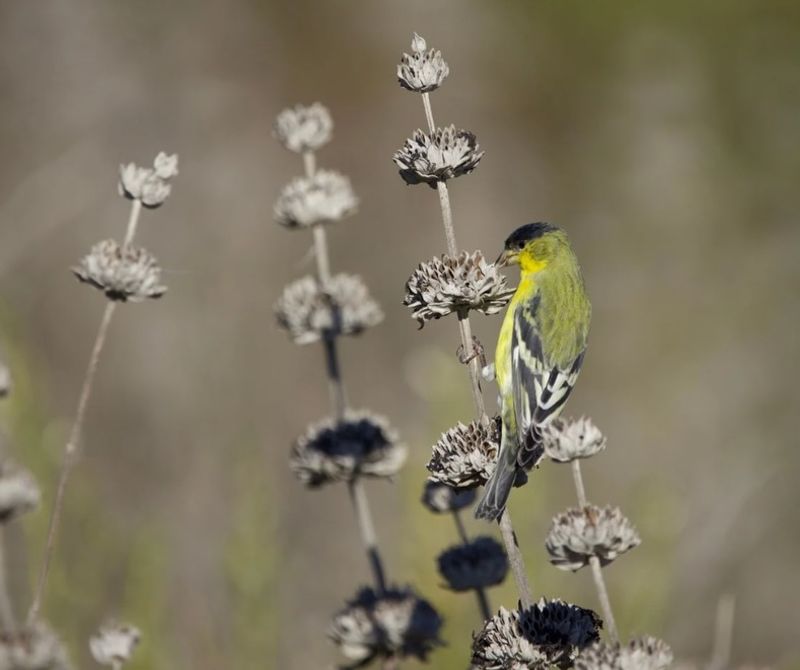
Purple sage is one of those California natives that does far more in a garden than just look beautiful. This fragrant shrub is known for its soft gray-green foliage and airy spikes of purple blooms, but it also plays a valuable role in supporting wildlife.
As the flowers fade, they leave behind seeds that can appeal to small birds, including goldfinches looking for natural food sources in dry, open landscapes.
For goldfinches, purple sage adds another layer of interest to a garden that already supports pollinators and other birds. Its branching shape offers light cover and perching spots, while its drought tolerance makes it an easy fit for California yards that need to stay attractive through long, dry summers.
It works especially well in sunny borders, native plant beds, and water-wise landscapes where it can spread naturally.
Growing purple sage is a simple way to make a California garden feel more connected to the local environment while giving goldfinches another reason to stop by.
10. Coulter Snapdragon
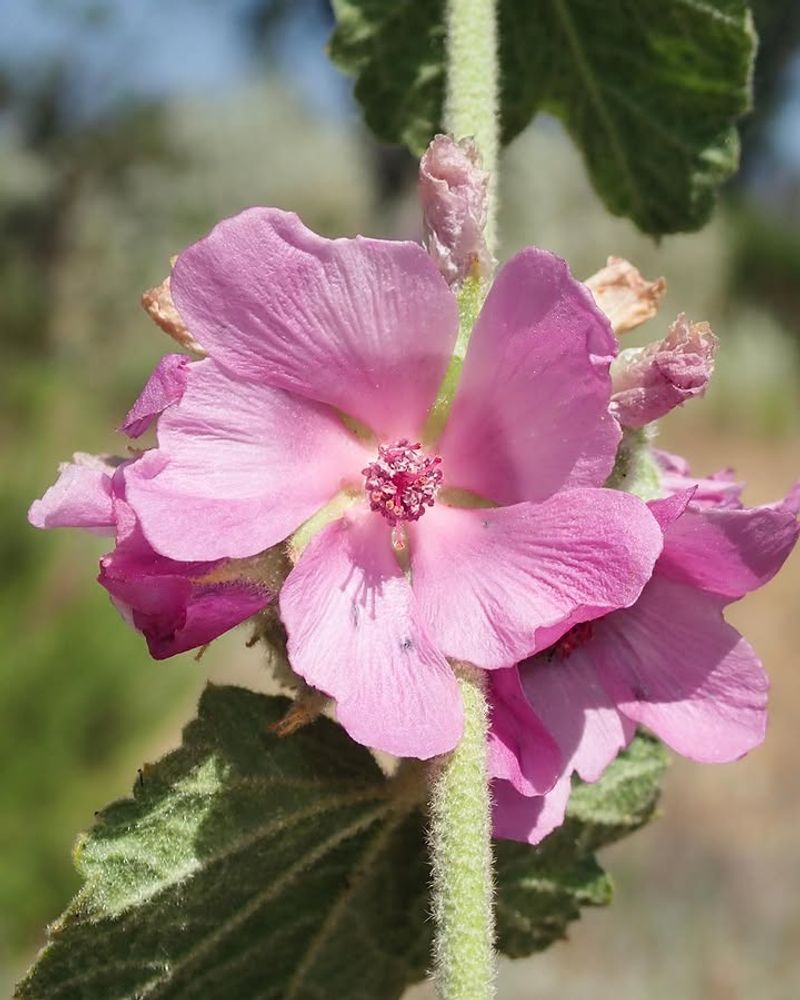
Coulter snapdragon is a native California wildflower that deserves a lot more attention than it gets. Related to the common garden snapdragon but entirely wild at heart, this plant produces delicate pink and white tubular flowers on slender stems.
It grows naturally on rocky hillsides and open slopes throughout parts of California.
After flowering, Coulter snapdragon sets small seeds that are part of the natural diet of many seed-eating birds, including goldfinches. It fits naturally into a California native plant garden, a rock garden, or any sunny, well-drained spot where you want a bit of wild charm.
It tends to be a short-lived perennial or annual depending on conditions, but it self-seeds reliably in the right spot.
Growing Coulter snapdragon connects your garden to the broader California landscape in a meaningful way. It supports not just goldfinches but also native bees that visit the flowers for nectar.
Because it is adapted to California’s dry summers and mild winters, it needs very little supplemental watering once established. If you enjoy the idea of a garden that feels like a piece of the wild California hillside brought home, Coulter snapdragon is a wonderful plant to add.
Watch for goldfinches picking through the dry seed pods on warm fall afternoons.