9 Container Garden Ideas For Florida Patios And Tiny Yards That Actually Work
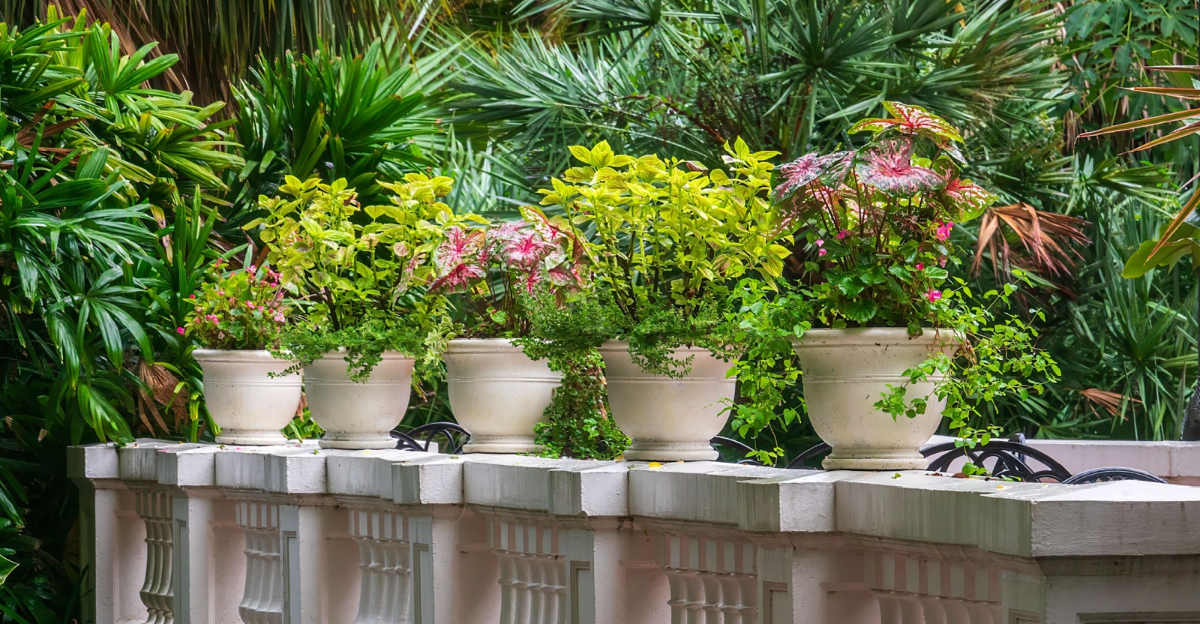
Florida heat, sudden storms, and sandy soil stop many people from gardening. Yet this climate can grow lush plants in very small spaces.
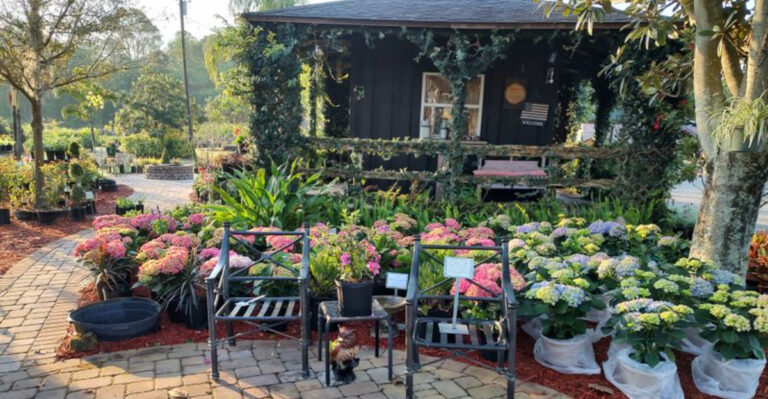
A few well placed containers can turn a plain patio into a colorful, living retreat. Tropical flowers thrive in warmth and bloom for months.
Fresh herbs grow just steps from your kitchen. Compact vegetables produce in pots without needing a large yard.
Pollinator friendly plants attract butterflies and hummingbirds, bringing movement and life to every corner. Simple plant choices and basic care keep containers healthy through every season in Florida.
Small spaces can feel greener, brighter, and more alive than many big yards. Most people feel surprised by how much beauty and food a handful of containers can produce.
The real question now is simple. How much could your own small space grow with the right setup?
1. Tropical Color That Never Stops Blooming
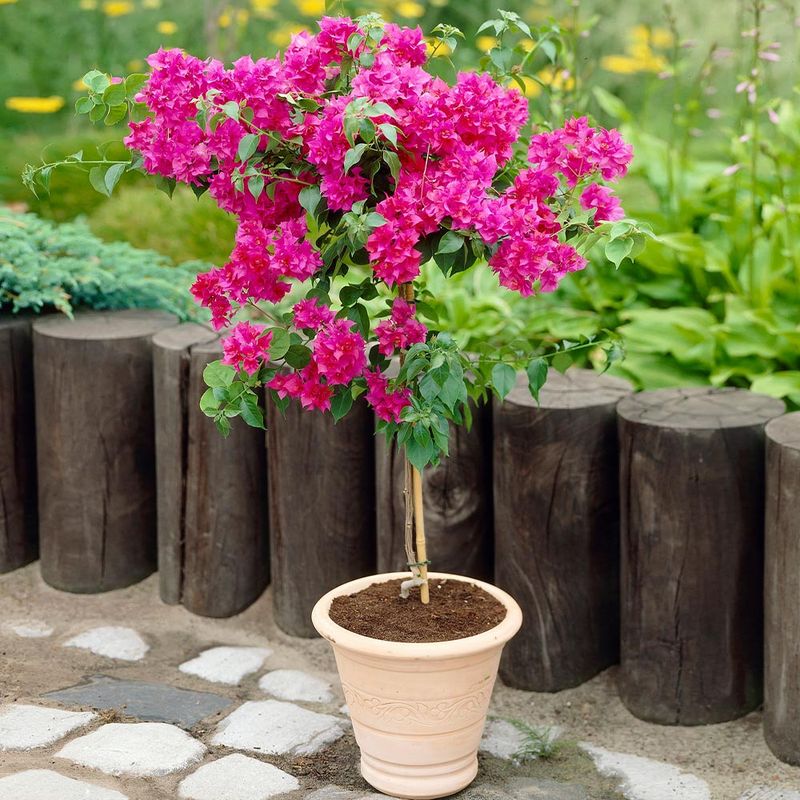
Florida sunshine creates the ideal conditions for tropical flowers that bloom month after month. Pentas, hibiscus, and bougainvillea thrive in containers and reward you with constant color.
These plants love the heat and humidity that might stress other flowers.
Choose containers at least 12 inches deep with drainage holes at the bottom. Mix potting soil with compost to keep roots healthy and fed.
Water daily during hot months since containers dry out faster than ground beds.
Pentas attract butterflies and hummingbirds to your patio, adding movement and life to your space. Hibiscus flowers come in stunning shades of red, orange, pink, and yellow.
Bougainvillea cascades beautifully over pot edges, creating a waterfall effect of papery blooms.
Feed your tropical bloomers every two weeks with liquid fertilizer during growing season. Pinch back stems occasionally to encourage bushier growth and more flowers.
Group containers together for a lush, garden look even in the smallest spaces.
These plants handle Florida’s summer storms well and bounce back quickly. Rotate pots occasionally so all sides get equal sun exposure.
Your patio will stay bright and cheerful all year with these reliable tropical performers.
2. Fresh Herbs Right Outside Your Door
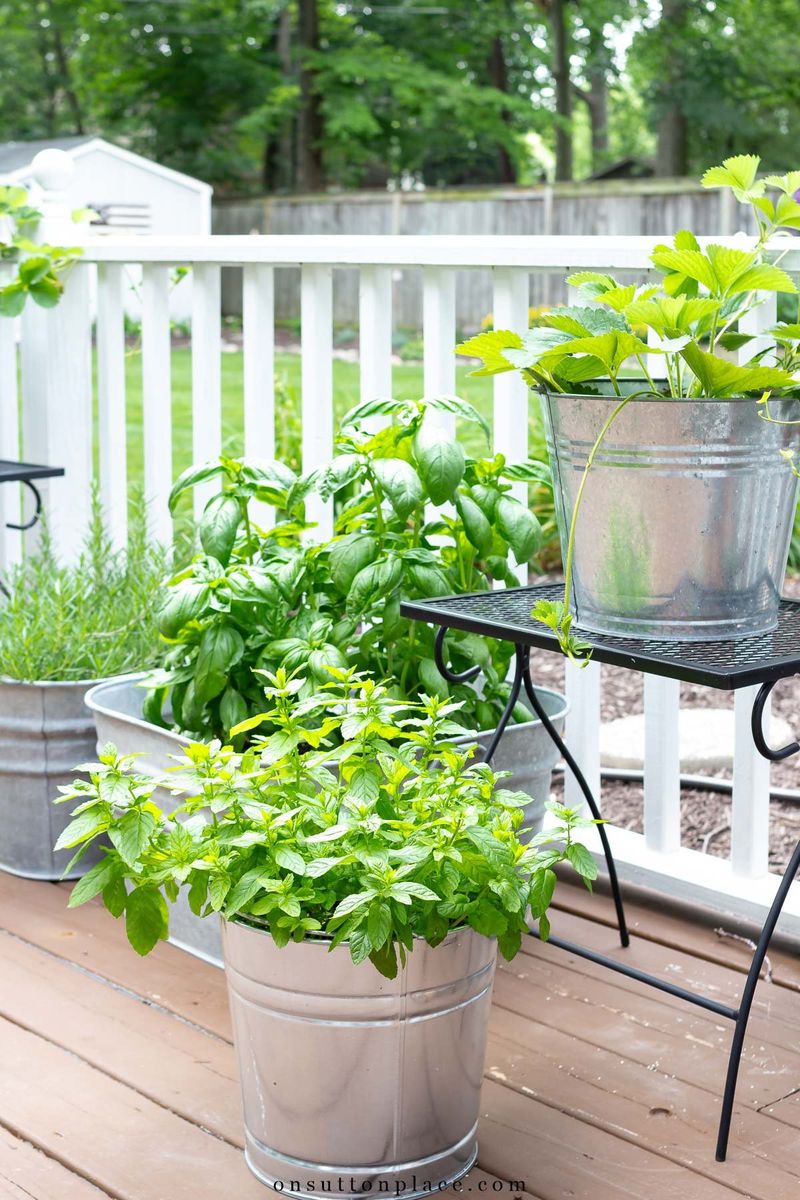
Growing your own herbs in containers means fresh flavors are just steps from your kitchen. Basil, rosemary, thyme, oregano, and cilantro all grow beautifully in Florida pots.
You’ll save money and enjoy better tasting meals with herbs you pick yourself.
Place herb containers where they get morning sun and afternoon shade during summer months. Most herbs need about six hours of sunlight daily.
Use well draining potting mix since herbs hate soggy roots.
Basil grows like crazy in Florida heat and humidity. Plant new basil every few weeks for a constant supply since it grows quickly.
Rosemary and thyme prefer drier conditions, so let their soil dry between waterings.
Cilantro grows best during Florida’s cooler months from October through March. Plant parsley in partial shade for tender leaves.
Mint spreads aggressively, so containers keep it under control while giving you plenty for tea and cooking.
Harvest herbs regularly to encourage bushy growth and prevent flowering. Pinch off flower buds when they appear to keep leaves flavorful.
Group herb pots together on a small table or plant stand for easy access and attractive display.
3. A Space Saving Vertical Garden
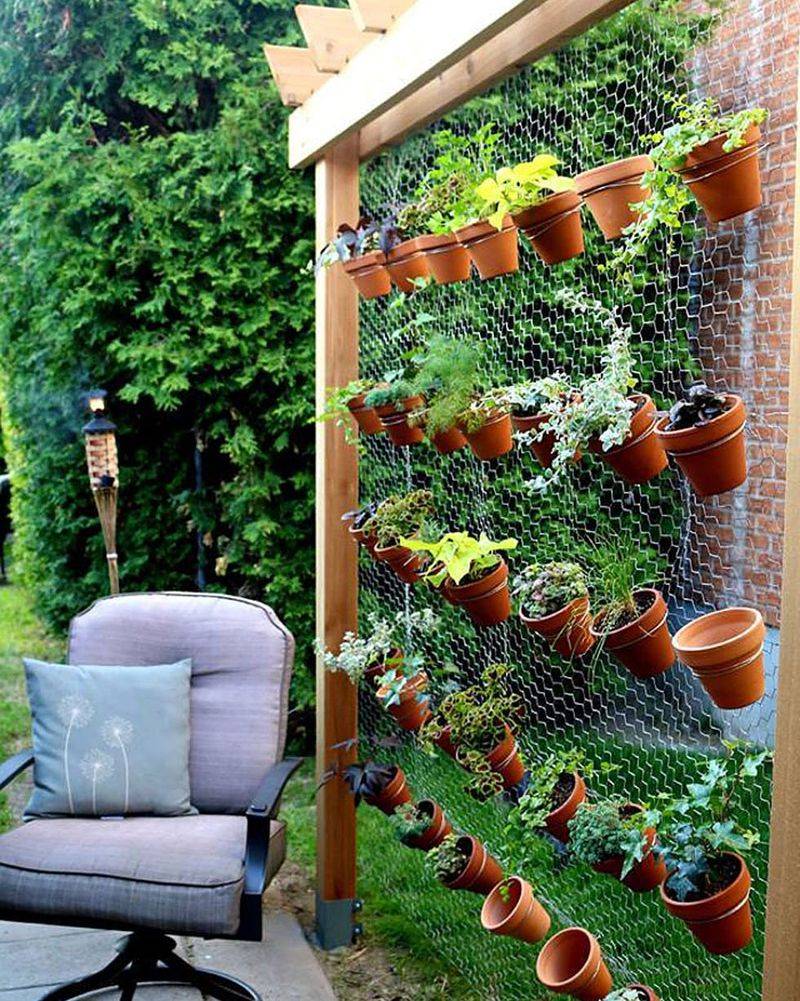
When floor space runs out, grow upward instead. Vertical gardens use wall mounted planters, hanging pockets, or stacked containers to maximize every inch.
Perfect for narrow balconies and tiny patios where traditional pots won’t fit.
Wall planters with multiple pockets work wonderfully for shallow rooted plants like ferns and small flowers. Mount them on fence posts, exterior walls, or patio railings.
Make sure your structure can support the weight when soil is wet.
Pothos, philodendron, and spider plants cascade beautifully from vertical arrangements. These tough plants handle Florida humidity perfectly and need minimal care.
Add colorful impatiens or begonias in shadier pockets for extra interest.
Watering vertical gardens requires attention since upper pockets dry faster than lower ones. Install a drip irrigation system or water from top to bottom, letting excess flow down.
Check moisture levels daily during hot weather.
Vertical setups also provide privacy screening and help cool your patio by blocking afternoon sun. They turn blank walls into living artwork.
Rotate plants occasionally if one side gets more light than the other for even growth across your display.
4. Brighten Shady Corners With Lush Greenery
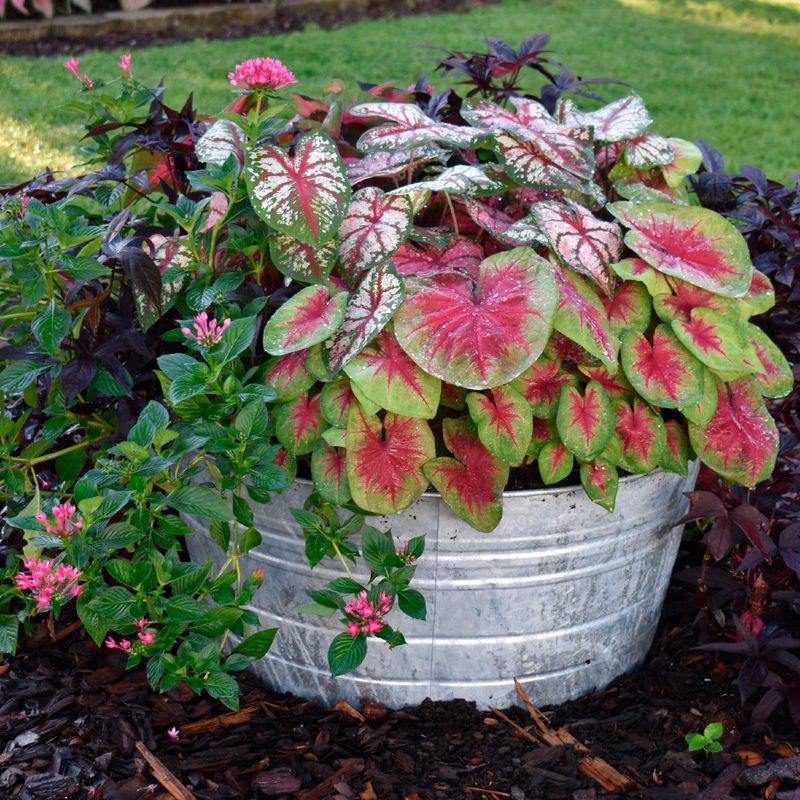
Not every patio gets full sunshine, but shady spots can still burst with life. Caladiums bring incredible color to Florida shade with their painted leaves in pink, red, and white patterns.
Ferns add feathery texture that softens hard patio surfaces.
Boston ferns and asparagus ferns thrive in containers under covered patios or beneath trees. They appreciate Florida’s humidity and need consistent moisture.
Mist them occasionally during dry spells to keep fronds fresh and green.
Caladiums grow from bulbs and perform best during warm months. Their huge heart shaped leaves create tropical drama in containers.
Plant bulbs in spring after soil warms up for stunning displays through summer and fall.
Coleus offers another shade loving option with leaves in purple, lime green, burgundy, and orange. Pinch back growing tips to create full, bushy plants.
Mix different coleus varieties in one large container for a living bouquet effect.
Shade containers need less water than those in sun, but don’t let them completely dry out. Use moisture retaining potting mix to help maintain even dampness.
These plants prove that shady corners can be just as beautiful as sunny spots on your Florida patio.
5. One Bold Container Big Tropical Impact
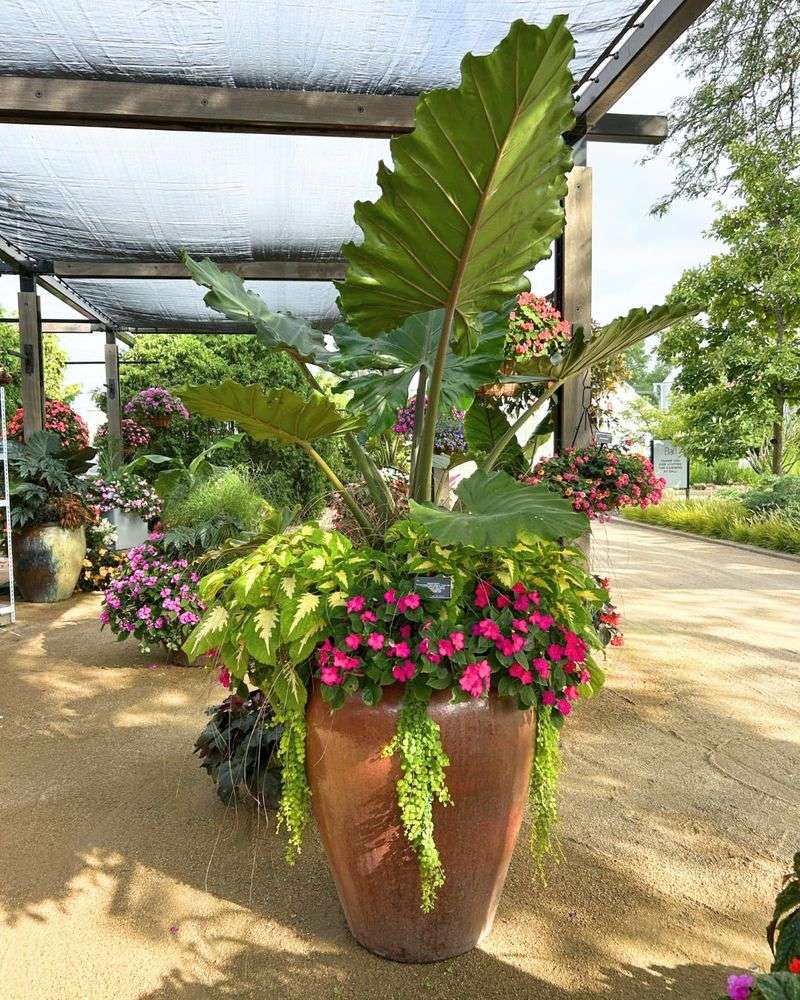
Sometimes one spectacular container makes a stronger statement than many small pots. Choose a large, eye catching planter and fill it with a dramatic tropical specimen.
Bird of paradise, elephant ears, or a dwarf banana plant create instant wow factor.
Large containers need to be at least 20 inches across for substantial plants. Heavy ceramic or resin pots work best since they won’t blow over in Florida storms.
Make sure your chosen spot can handle the weight once soil and plant are added.
Elephant ears grow massive leaves that can reach three feet across in Florida’s climate. They need rich soil and plenty of water to support their impressive foliage.
Place them where their bold texture can be admired from multiple angles.
Bird of paradise eventually produces stunning orange and blue flowers that look like exotic birds. Young plants focus on leaf growth first, so be patient.
Their architectural form adds sophistication to any patio setting.
One statement container anchors your outdoor space and gives other smaller pots something to relate to. Position it near your seating area or entry point where guests will notice it immediately.
This design trick makes even tiny patios feel intentional and well planned.
6. Grow Your Own Food In Small Spaces
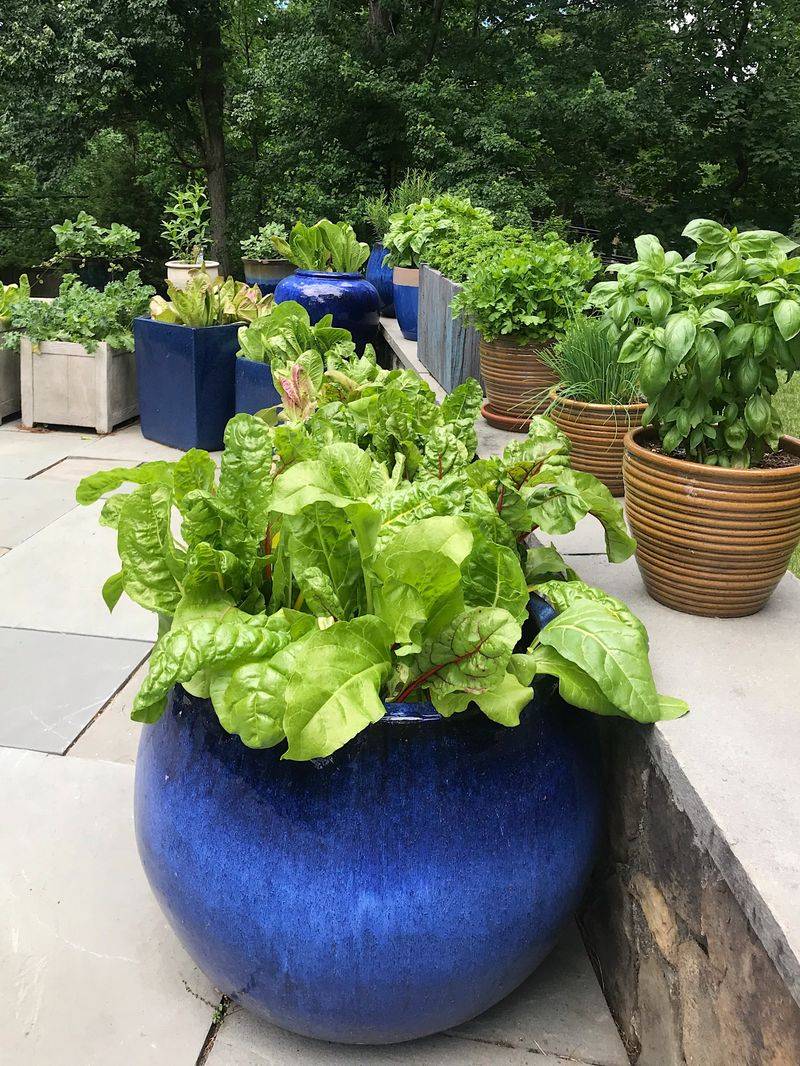
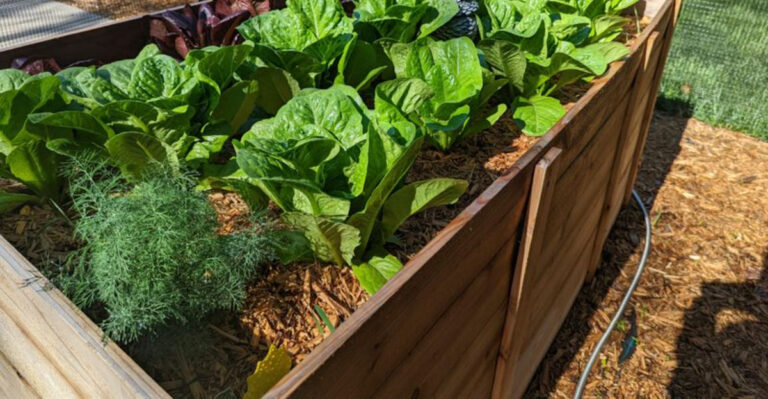
You don’t need a big yard to enjoy homegrown vegetables. Cherry tomatoes, peppers, lettuce, and bush beans all produce well in containers on Florida patios.
Nothing tastes better than food you grew yourself just steps from your kitchen.
Tomatoes need large containers, at least five gallons per plant, with sturdy stakes or cages for support. Choose heat tolerant varieties bred for Florida like ‘Phoenix’ or ‘Florida 91’.
Plant tomatoes during spring and fall for best results.
Peppers love Florida heat and produce heavily in containers throughout warm months. Bell peppers, jalapeños, and banana peppers all work beautifully.
Give each plant its own 5 gallon container filled with nutrient rich potting mix.
Lettuce and other greens grow best during cooler months from October through March. Plant seeds every two weeks for continuous harvests.
Keep greens in afternoon shade during warmer weather to prevent bitter flavors.
Container vegetables need regular feeding since frequent watering washes nutrients away. Use slow release fertilizer at planting time, then supplement with liquid fertilizer every two weeks.
Harvest regularly to encourage more production and enjoy the freshest possible flavors from your tiny edible garden.
7. Hanging Baskets That Spill With Color
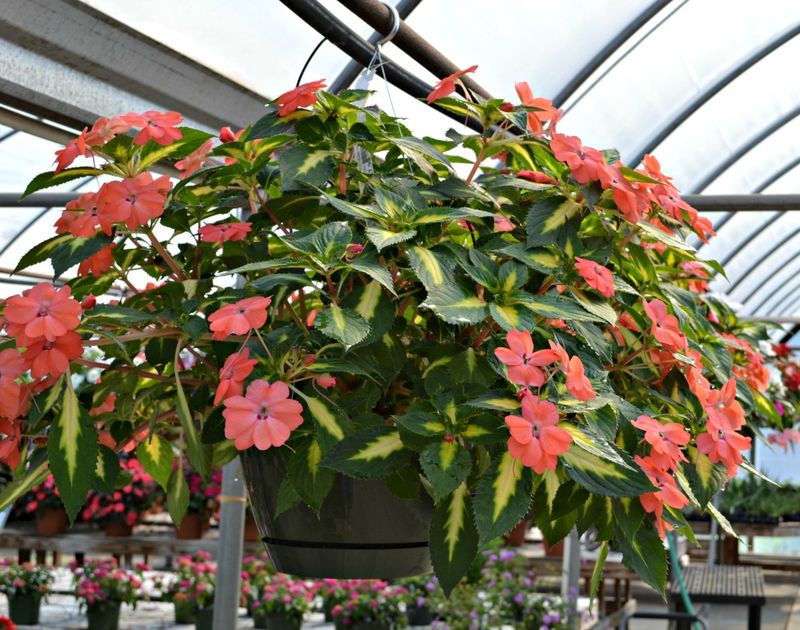
Hanging baskets add color at eye level and above, making small spaces feel fuller and more alive. Petunias, calibrachoa (million bells), and trailing verbena bloom constantly in Florida sunshine.
They turn ordinary patios into flower filled retreats.
Use sturdy hooks rated for wet weight since hanging baskets get heavy after watering. Install them on porch beams, pergolas, or shepherd’s hooks placed around your patio.
Space baskets where you can reach them easily for watering and deadheading.
Million bells produce hundreds of tiny petunia-like flowers in every color imaginable. They handle heat better than regular petunias and need less maintenance.
Combine different colors in one basket for a cheerful mixed bouquet effect.
Add trailing plants like sweet potato vine or bacopa to spill over basket edges. These fillers create fullness and soften the container’s hard edges.
Purple sweet potato vine contrasts beautifully with bright flower colors.
Hanging baskets dry out quickly in Florida heat and may need water twice daily during summer. Check them every morning and evening by feeling the soil.
Fertilize weekly with diluted liquid plant food to keep flowers coming strong all season long.
8. Turn Your Patio Into A Pollinator Haven
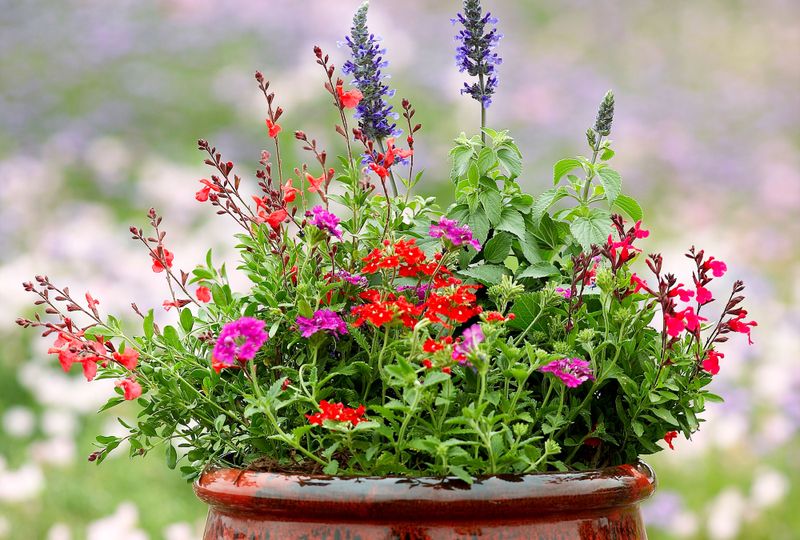
Butterflies, bees, and hummingbirds bring magic to outdoor spaces. Container gardens filled with pollinator friendly plants create a wildlife sanctuary right on your patio.
Native Florida plants like milkweed, salvia, and lantana attract beneficial insects while adding beautiful color.
Milkweed is essential for monarch butterflies who lay eggs only on these plants. Several milkweed species grow well in Florida containers.
Their clusters of flowers also attract many other butterfly species looking for nectar.
Salvias produce tall flower spikes in red, purple, blue, and white that hummingbirds absolutely love. These tough plants handle Florida heat without complaint.
Deadhead spent blooms to encourage more flowers throughout the growing season.
Lantana comes in sunset color combinations and blooms nonstop in Florida sunshine. Butterflies flock to its clustered flowers.
This nearly indestructible plant tolerates heat, drought, and neglect while still looking gorgeous.
Group several pollinator plants together for maximum impact since butterflies and bees notice larger flower displays more easily. Avoid pesticides completely in your pollinator containers.
Watching butterflies dance between your pots adds entertainment and helps Florida’s struggling pollinator populations at the same time.
9. Low Effort Succulents For Sunny Spots
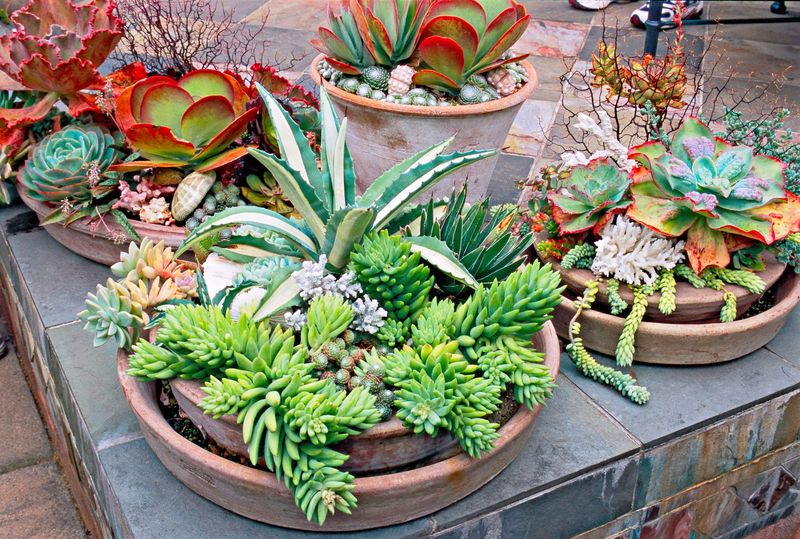
Succulents offer incredible variety with minimal care requirements. Agave, aloe, and sedum thrive in Florida’s sunny spots and forgive occasional neglect.
Their sculptural forms and unexpected colors add modern style to container displays.
These water storing plants need excellent drainage, so use cactus potting mix or add extra sand to regular potting soil. Terra cotta pots work perfectly since they allow excess moisture to evaporate through the sides.
Water only when soil is completely dry.
Agave creates dramatic spiky rosettes in shades of blue, green, and variegated cream. Smaller varieties fit beautifully in containers.
Their architectural form makes a bold statement with zero fuss required.
Aloe plants produce useful gel inside their leaves and send up tall flower stalks in orange or yellow. They multiply readily, creating baby plants around the base that you can separate and pot up.
Aloe handles full Florida sun without burning.
Mix different succulent types in shallow bowls for living art that needs attention just once a week. These tough plants survive vacation neglect and bounce back from mistakes.
Perfect for busy people who want beautiful containers without constant maintenance demands on their time.