8 Corn Belt Gardening Tricks That Work In Iowa Suburban Yards
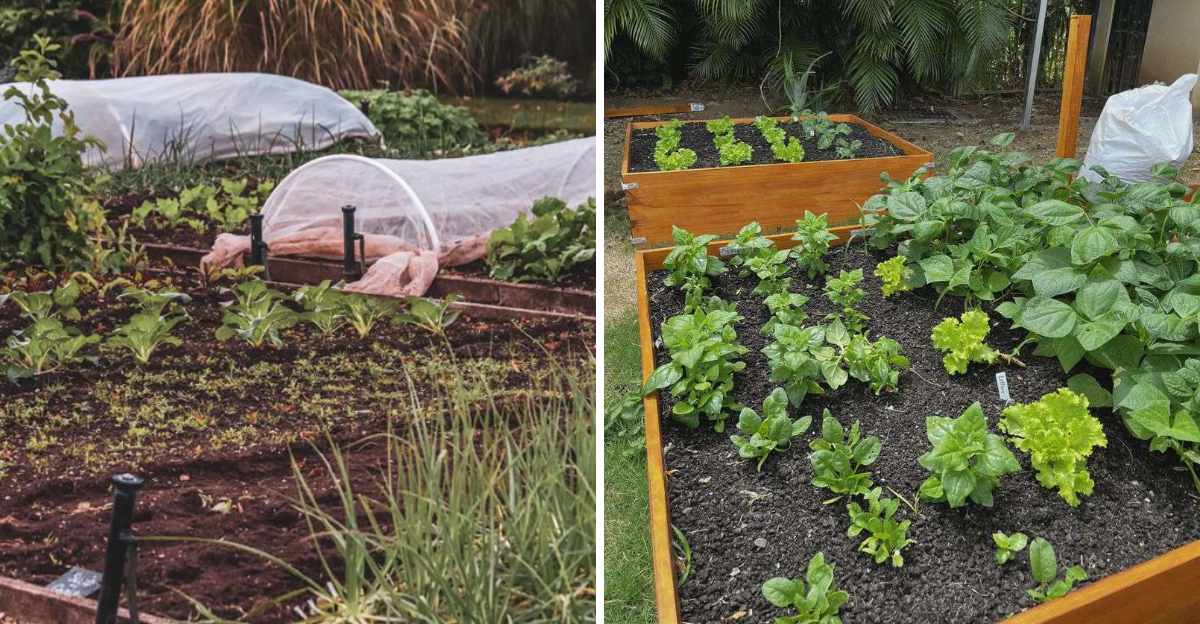
Iowa suburbs sit on some of the richest dirt in the country, yet that same heavy clay can turn a weekend project into a wrestling match. Add gusty spring winds and a season that flips from frost to furnace fast, and backyard gardening here starts to feel like its own sport.
Corn Belt farmers solved these exact problems decades ago, long before raised beds and drip irrigation became trendy. Their fixes were practical, low cost, and built for exactly this kind of soil and climate.
The trick is borrowing those field-tested habits and shrinking them down to backyard scale. A few smart adjustments to how you plant, water, and protect your soil can turn a stubborn suburban lot into a plot that produces far more than expected.
These eight tricks pull directly from that farming playbook, adapted for smaller spaces and casual gardeners.
1. Amend Clay Soil With Compost
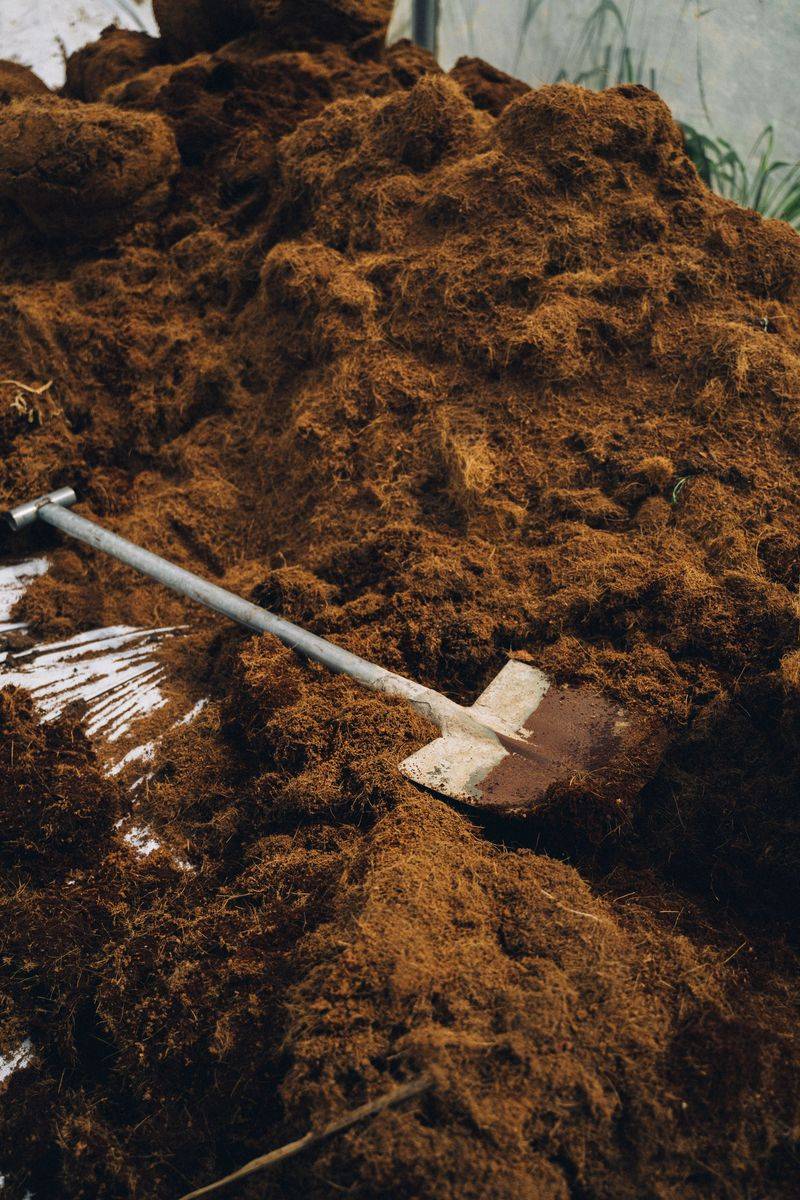
Clay soil is the uninvited guest at every Iowa gardener’s party. It clings to your boots, cracks in summer heat, and drains about as well as a parking lot.
Compost is the fix that farmers in this region have trusted for generations. Adding organic matter breaks up that sticky clay structure and gives roots room to breathe and spread.
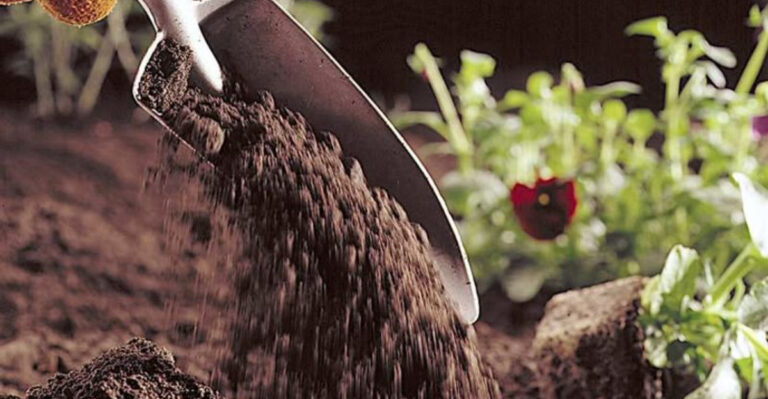
Start by spreading a three-inch layer of finished compost over your bed. Work it in with a garden fork at least eight inches deep for best results.
The magic happens slowly but surely over a full season. Earthworms move in, soil structure improves, and suddenly water drains the way it should.
You can source compost from a local garden center or start your own pile with kitchen scraps and yard waste. Either way, your plants will thank you loudly come harvest time.
Mixing in a handful of aged manure alongside compost gives an extra nutrient boost. Chicken and cow manure both work well for suburban garden beds.
Repeat this process every spring to keep building healthy, workable soil. One season of improvement is good, but consistent effort creates far stronger growing ground over time.
Gardening tricks like this one are simple but powerful. Healthy soil is the foundation every thriving suburban garden is built upon.
2. Build Raised Beds For Better Drainage
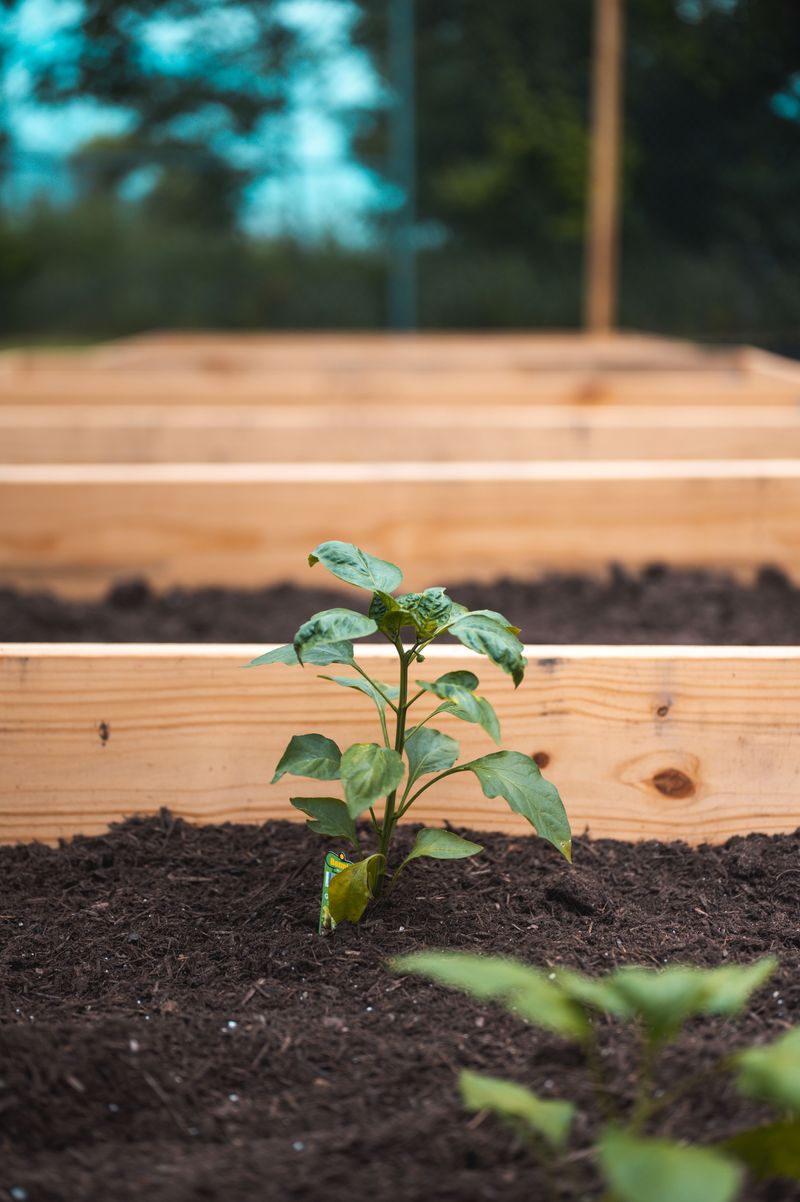
Soggy roots quietly stall plant growth in flat suburban yards. Raised beds put you in control of drainage from day one.
When you lift your planting area even six inches off the ground, water moves through much more freely. Plants get oxygen around their roots instead of sitting in a muddy swamp after every rainstorm.
Cedar and pine boards are both solid choices for building your frames. Cedar resists rot naturally, making it a smart long-term investment for your outdoor space.
Fill your raised beds with a mix of topsoil, compost, and a little coarse sand. That blend drains fast, warms up early in spring, and stays loose all season long.
Suburban lots often have compacted subsoil from construction equipment that ran over the ground years ago. Raised beds let you skip that problem entirely by creating fresh growing space above the trouble zone.
Your Iowa Garden Changes Every Week. Your Plan Should Too.
Gardening in Iowa changes quickly throughout the season. Every Friday you’ll receive a simple weekly plan showing exactly what to plant, prune, fertilize, harvest, and protect so you never miss the right timing.
You can place them on grass, gravel, or even concrete patios with a weed barrier underneath. Flexibility is one of the biggest advantages raised beds offer to suburban gardeners.
A bed that is four feet wide lets you reach the center from either side without stepping in. That keeps your soil from compacting again under your own weight.
Once you build your first raised bed, the drainage difference is hard to ignore. Good drainage is not a luxury in the Midwest, it is a necessity.
3. Loosen Heavy Soil With Sand

Picture trying to push a straw through a brick wall. That is what it feels like for plant roots trying to grow through untreated heavy soil.
Coarse sand added to dense ground creates tiny air pockets between soil particles. Those pockets let water drain, roots spread, and beneficial organisms move freely through the earth.
The key word here is coarse. Fine playground sand can actually make your clay soil worse by filling gaps instead of opening them up.
Look for builder’s sand or horticultural sand at your local garden supply store. These grades have the right particle size to genuinely improve soil texture and structure.
Mix sand in at a ratio of roughly one part sand to two parts existing soil. Going heavier on the sand does not speed up improvement, it just wastes material and money.
Combine your sand application with compost for the best possible outcome. Sand opens the structure while compost feeds the biology living inside that structure.
Spread the sand evenly across your bed before working it in with a tiller or fork. Patchy application leads to uneven drainage, which creates its own headaches later in the season.
This trick is especially useful in newly developed suburban neighborhoods where topsoil was scraped away during home construction. Getting that biological richness back takes time, but sand gives you a strong structural head start.
4. Rotate Crops Every Few Years

Planting tomatoes in the same spot every single year is a recipe for shrinking harvests and frustrated gardeners. Soil gets tired, pests settle in, and disease builds up fast.
Crop rotation is one of the oldest Corn Belt farming strategies around. Moving plant families to fresh spots breaks pest cycles and keeps nutrients balanced without heavy chemical input.
Group your plants by family before you plan your layout each spring. Tomatoes, peppers, and eggplant all belong to the same family and should move together as a group.
Legumes like beans and peas actually add nitrogen back into the ground. Plant them where heavy feeders like corn or squash grew last year for a natural fertility boost.
A simple three-bed rotation system works beautifully in most Iowa suburban yards. Rotate through nightshades, legumes, and root vegetables on a three-year cycle for consistent, healthy results.
Keeping a simple garden journal makes rotation planning much easier from year to year. Sketching out what grew where takes five minutes and saves you a lot of guessing come spring.
Some gardeners worry that rotation means less variety, but the opposite is actually true. Rotating encourages you to try new crops in each zone, which keeps the garden exciting and productive.
Tricks like rotation work just as powerfully in a small suburban plot as on a 500-acre farm. Healthy soil biology is the reward waiting at the end of every rotation cycle.
5. Use Windbreaks Against Prevailing Winds
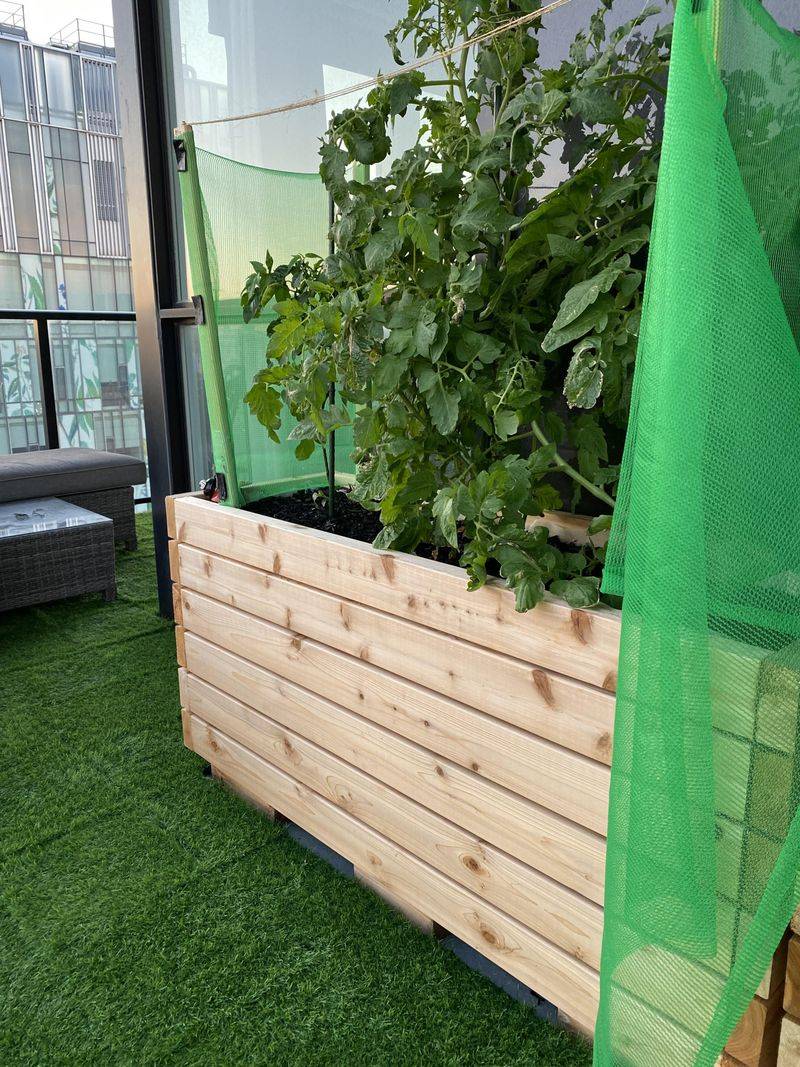
Midwest winds are not gentle suggestions. They snap young stems, dry out soil in hours, and can topple a tomato cage like it was made of toothpicks.
Farmers in this region learned long ago to plant windbreaks on the west and northwest sides of their fields. That same logic applies perfectly to your suburban backyard garden.
Evergreen shrubs like arborvitae or juniper make excellent living windbreaks. They grow dense, stay green all year, and provide habitat for beneficial birds that eat garden pests.
A solid fence can also serve as an effective barrier, especially for smaller yards with limited planting space. Just make sure it does not create a wind tunnel effect by being too narrow.
Position your windbreak so your garden beds fall within about ten times its height on the downwind side. That distance lets the barrier slow wind without creating too much shade over your plants.
Prevailing winds in the central part of the country typically blow from the northwest in winter and southwest in summer. Knowing that helps you choose the smartest placement for your barrier.
Even a temporary burlap screen staked along the windward side of young seedlings makes a big difference. Protection during the first few weeks after transplanting can determine if a plant thrives or struggles.
A well-placed windbreak does not just protect plants, it creates a warmer microclimate that extends your growing season naturally. That is one of those quiet wins that seasoned suburban gardeners absolutely swear by.
6. Extend The Season With Cold Frames
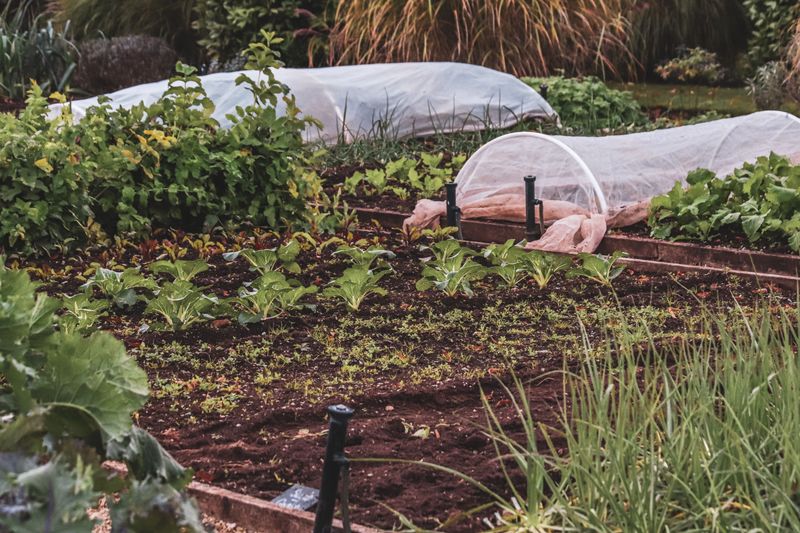
Frost dates in the Midwest can feel like a moving target that plays games with your planting schedule. Cold frames give you the power to start earlier and finish later than nature intended.
A cold frame is basically a low box with a clear lid that traps solar heat around your plants. Think of it as a mini greenhouse that costs a fraction of the price and takes up almost no space.
Old storm windows propped over a simple wooden frame work perfectly for this purpose. Many gardeners find discarded windows at salvage yards or through neighborhood buy-nothing groups for free.
Place your cold frame against a south-facing wall or fence to capture maximum winter sun. That reflected warmth from the wall adds several extra degrees inside the frame on cold nights.
Spinach, kale, and lettuce thrive inside cold frames well before the last frost date. You can be harvesting fresh greens while your neighbors are still waiting to plant their first seeds.
Prop the lid open slightly on warm sunny days to prevent overheating inside the frame. Seedlings can cook surprisingly fast when temperatures spike on a bright March afternoon.
In fall, cold frames let you keep harvesting greens weeks after the first frost hits the open garden. That extended window adds real value to every square foot of your suburban growing space.
Season extension is one of those gardening tricks that feels almost like cheating. Once you try it, going back to a standard planting window feels completely unnecessary.
7. Pair Plants Through Companion Planting
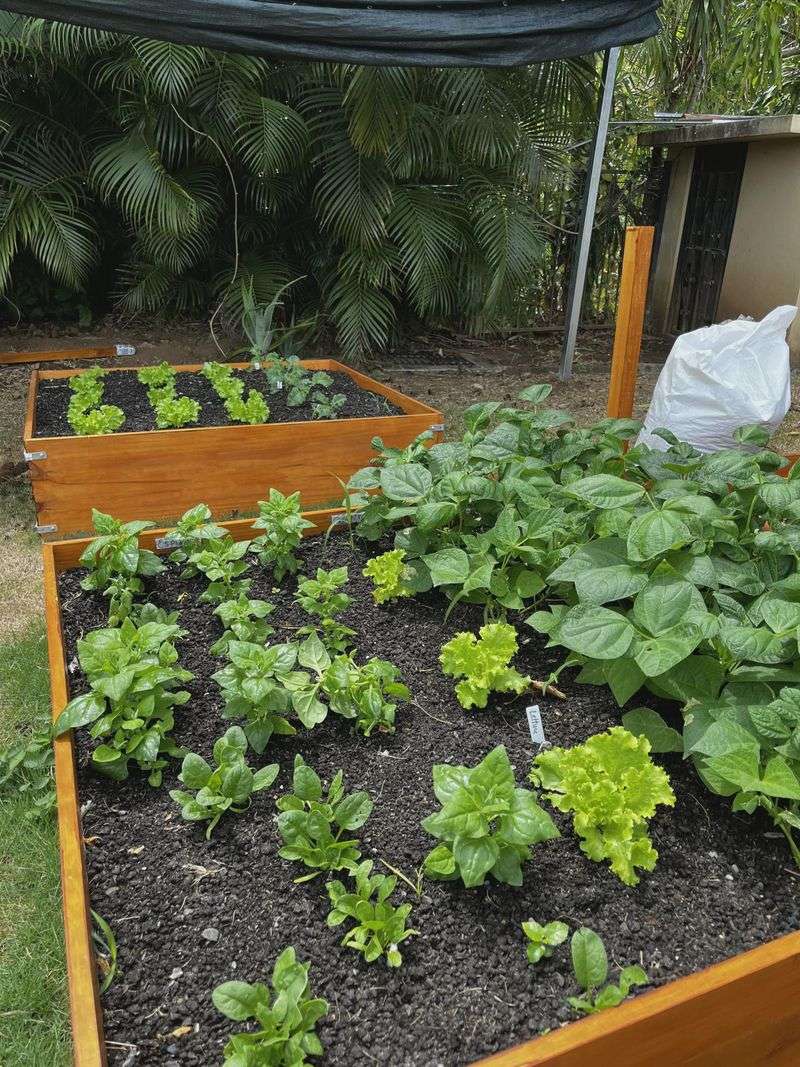
Some plants are simply better together, like a great team that makes everyone around them perform at a higher level. Companion planting is the gardening strategy built on exactly that idea.
Farmers across the Corn Belt have long paired plants to maximize space and reduce pest pressure naturally. The famous Three Sisters combination of corn, beans, and squash is the most iconic example from this region.
Corn provides a pole for beans to climb while beans fix nitrogen that feeds the corn. Squash spreads wide below, shading out weeds and keeping the soil cool and moist underneath.
Marigolds planted near tomatoes are a suburban garden classic for very good reason. Their scent can help confuse aphids and nematodes, reducing pest pressure without chemical spray.
Basil and tomatoes grow well together above ground and are said to improve each other’s flavor. The flavor-boosting science is debated, but the visual combination alone is worth planting.
Avoid pairing plants from the same family too closely together in one bed. Close relatives often share the same pests and diseases, which concentrates problems rather than spreading them out.
Tall plants like sunflowers can provide afternoon shade for heat-sensitive crops like lettuce during summer. Strategic placement turns one plant’s shadow into another plant’s relief from scorching afternoon sun.
Companion planting rewards observation and curiosity more than any other garden technique. Pay attention to what thrives side by side, and your suburban garden will keep getting better every single season.
8. Time Tomato Transplants By Region
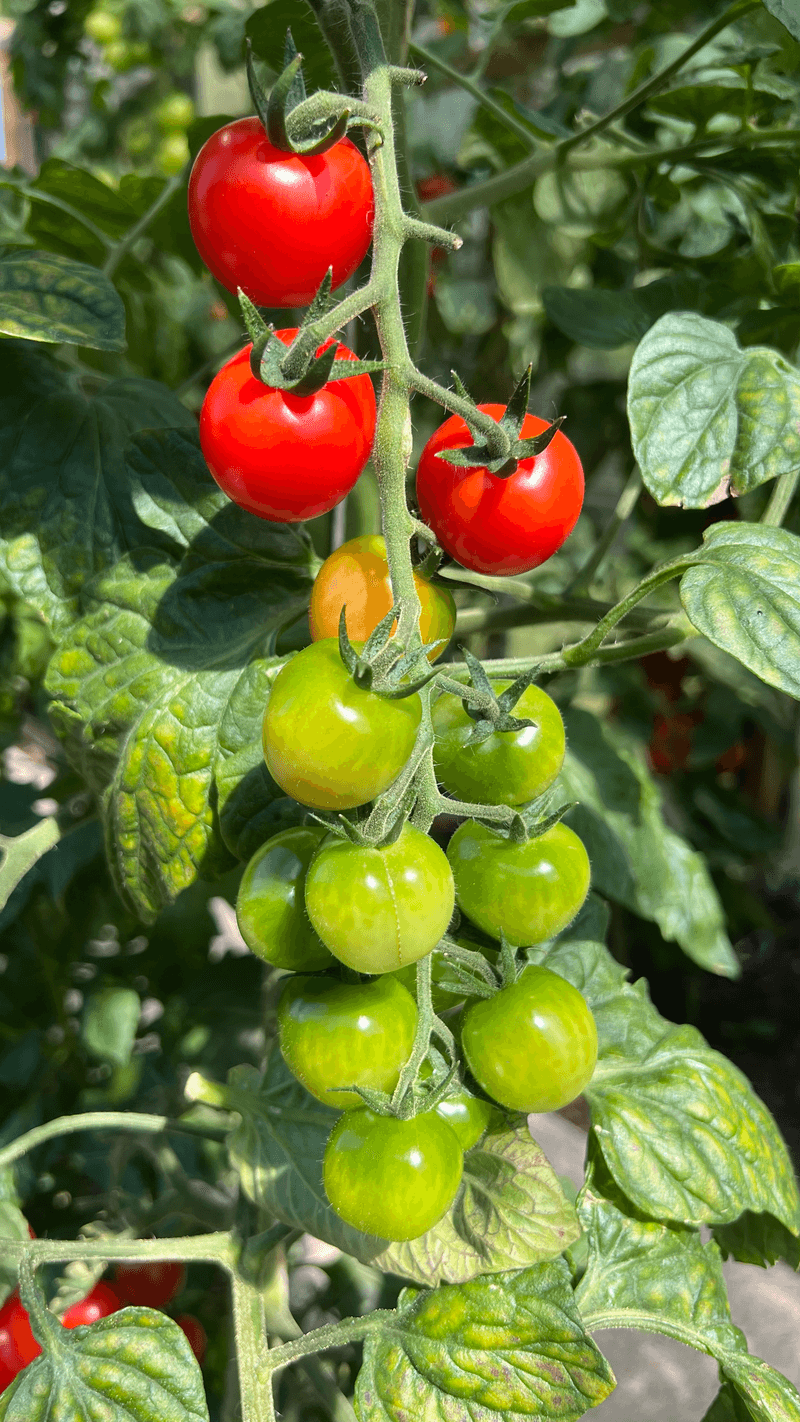
Tomatoes are dramatic plants that sulk when transplanted too early and struggle when put in the ground too late. Getting the timing right is the single biggest factor in a strong harvest.
In central and northern parts of the state, the last frost date typically falls between late April and mid-May. Most experienced gardeners wait until at least two weeks after that date before transplanting.
Soil temperature matters just as much as air temperature for tomato success. Aim for ground that holds at least 60 degrees Fahrenheit consistently before putting transplants in the bed.
A cheap soil thermometer from any garden center takes the guesswork out of this decision completely. Stick it four inches deep in the morning for the most accurate reading of what your roots will actually feel.
Hardening off your transplants before moving them outside is a step many beginners skip and then regret. Set them outside in a sheltered spot for a few hours each day over one full week before planting.
That gradual exposure toughens the stems and conditions the leaves for direct sun and outdoor wind. Skipping this step often leads to transplant shock that sets plants back by several weeks.
Southern suburban areas of the state can often transplant a week or two earlier than northern counterparts. Local extension offices publish frost date charts that are tailored specifically to your county and zip code.
Corn Belt gardening tricks like regional timing are what separate a so-so tomato season from a truly legendary one. Plant at the right moment and the rest of the season practically takes care of itself.