Do These 10 Things When Your Iowa Squash Begins To Fruit
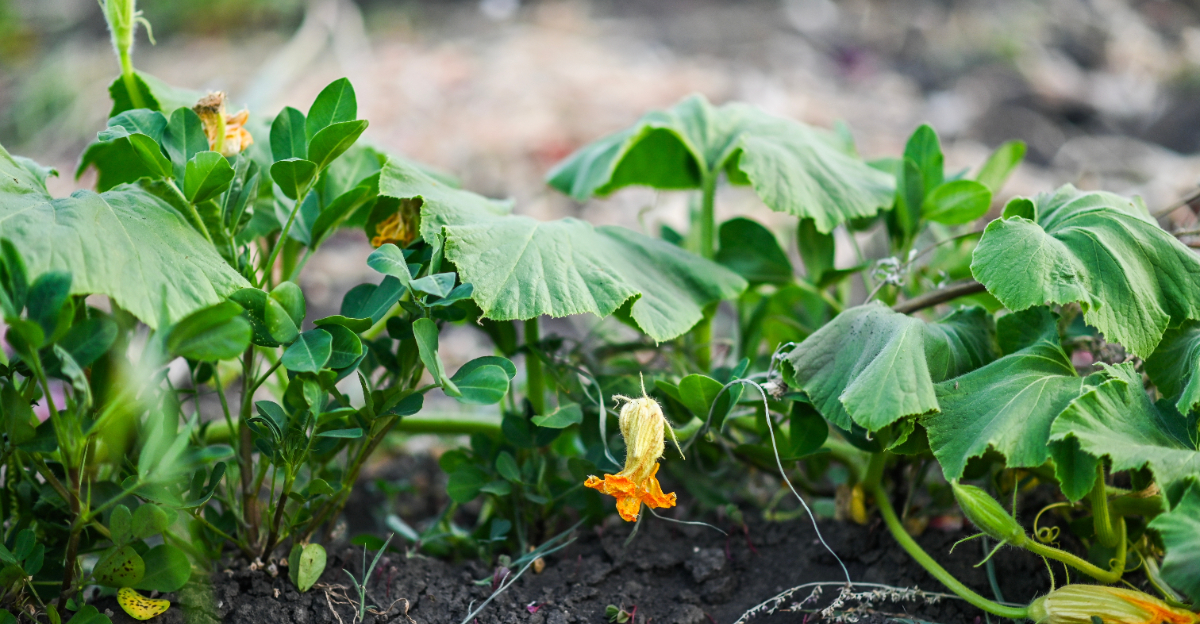
Three small butternuts materialise from under the leaves, and just like that, the season turns. You have waited through weeks of flowers and nothing, and the garden has finally made good on its promise.
Touch the nearest one: skin still pale, all that sweetness still ahead of it. That moment changes how seriously you take the fruiting stage.
Iowa heat and humidity create ideal squash conditions, but they also invite the problems that unravel everything fast. Pests move in quietly.
Rot starts from the bottom up. Lose focus now and you lose the harvest.
Butternut, acorn, zucchini: each variety needs real attention right now. Your plants are putting everything into those fruits.
Give them what they need, and by August your kitchen counter will be buried in the best squash you have ever grown. Do the work today.
The squash will do the rest.
1. Switch To Phosphorus And Potassium Fertilizer
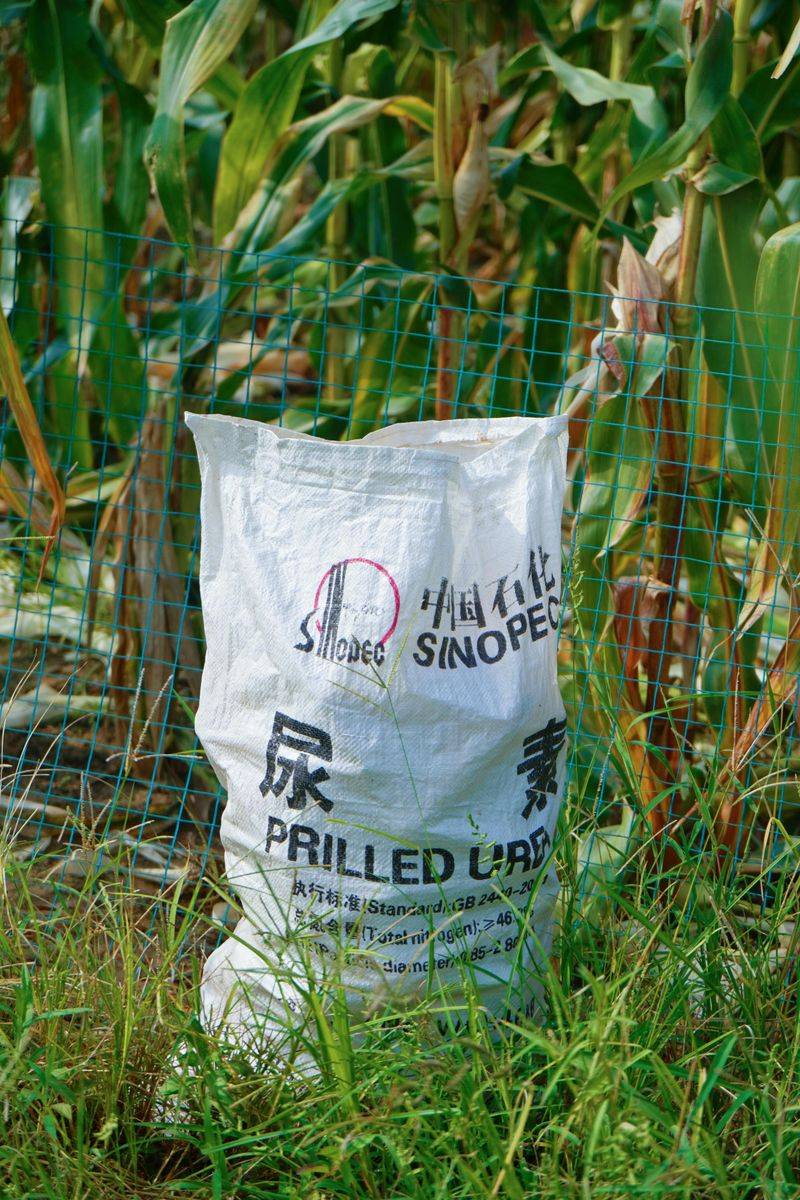
Your squash just shifted jobs, and your fertilizer needs to shift with it. When fruiting begins, the plant stops prioritizing leafy growth and starts pouring energy into developing those heavy fruits.
Feeding it nitrogen-heavy fertilizer at this stage is like giving a marathon runner a sugar rush at mile twenty.
Phosphorus supports root strength and fruit development, while potassium helps the plant move sugars efficiently into each squash.
Together, they form the perfect tag team for a productive harvest. Look for a fertilizer labeled with numbers like 5-10-10 or 0-15-15 at your local garden center.
Iowa squash plants respond noticeably when given the right fuel at the right time. Apply according to package directions, usually every two to three weeks, and always water after feeding.
Avoid over-fertilizing, since too much of anything can burn roots and stress the plant. Switching your fertilizer at the right moment is one of the smartest moves a home grower can make.
Your fruits will be better developed and more likely to store well through fall. Get this step right, and everything else gets a little easier.
2. Water At The Base Only
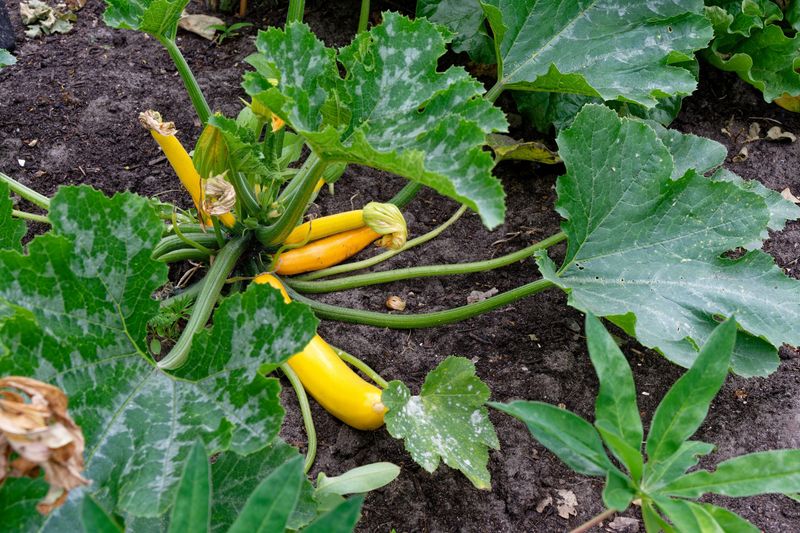
Wet leaves invite fungal problems. Squash plants are already prone to powdery mildew, so every splash counts.
Once your Iowa squash begins to fruit, how you water matters just as much as how often you water.
Keeping moisture off the foliage is one of the simplest habits that separates thriving gardens from struggling ones. Aim your hose or watering can directly at the soil, right at the base of the stem.
Soaker hoses and drip irrigation systems are excellent tools for this exact purpose. They deliver water slowly and precisely, letting the roots absorb moisture without splashing leaves or fruits.
Morning watering is ideal because any accidental splash on leaves has time to dry before nightfall.
Evening watering leaves plants damp overnight, which welcomes mold and disease right when your fruits are most vulnerable. A simple routine adjustment here protects weeks of hard work.
Consistent base watering also encourages roots to grow deeper, making plants more resilient during dry Iowa stretches.
Your Iowa Garden Changes Every Week. Your Plan Should Too.
Gardening in Iowa changes quickly throughout the season. Every Friday you’ll receive a simple weekly plan showing exactly what to plant, prune, fertilize, harvest, and protect so you never miss the right timing.
Deep roots mean a more self-sufficient plant that bounces back faster after heat waves. Train yourself to water low and slow, and your squash will reward you generously.
3. Mulch Around The Base
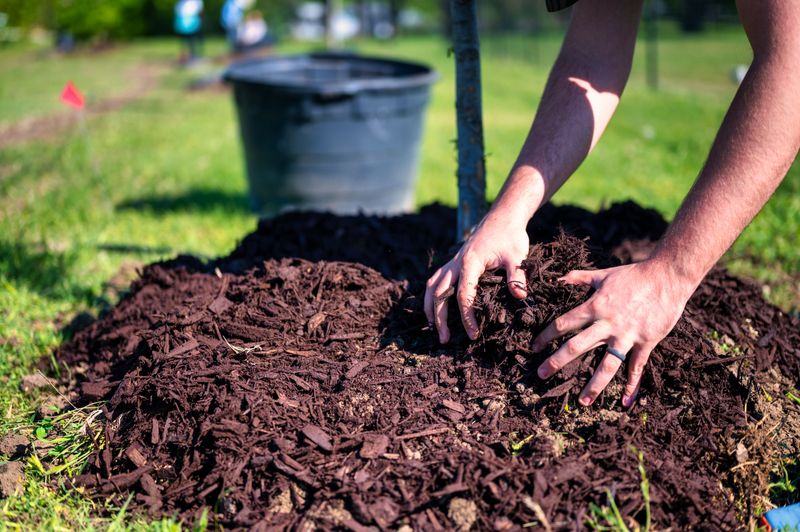
Bare soil in a squash patch is wasted opportunity. Mulching around the base of your plants does three powerful things at once: it holds moisture in, keeps soil temperature steady, and suppresses weeds that compete for nutrients.
For Iowa squash that’s just begun fruiting, this step can noticeably improve your final harvest size. Straw is a classic choice and works beautifully around squash.
It’s lightweight, easy to spread, and breaks down slowly enough to last the whole season. Wood chips and shredded leaves are also solid options if straw isn’t available nearby.
Spread mulch about two to three inches deep, keeping it a few inches away from the main stem to prevent rot. A thick ring of mulch acts like insulation for the soil, buffering against both heat spikes and sudden cool nights.
Those temperature swings in late Iowa summer can stress plants at exactly the wrong moment. Mulch also reduces how often you need to water, which saves time and conserves a resource your fruits desperately need right now.
Less weeding, less watering, and better fruit quality from one simple step. If your garden beds are still bare, grab a bale of straw and get to work today.
4. Scout Daily For Vine Borers And Cucumber Beetles
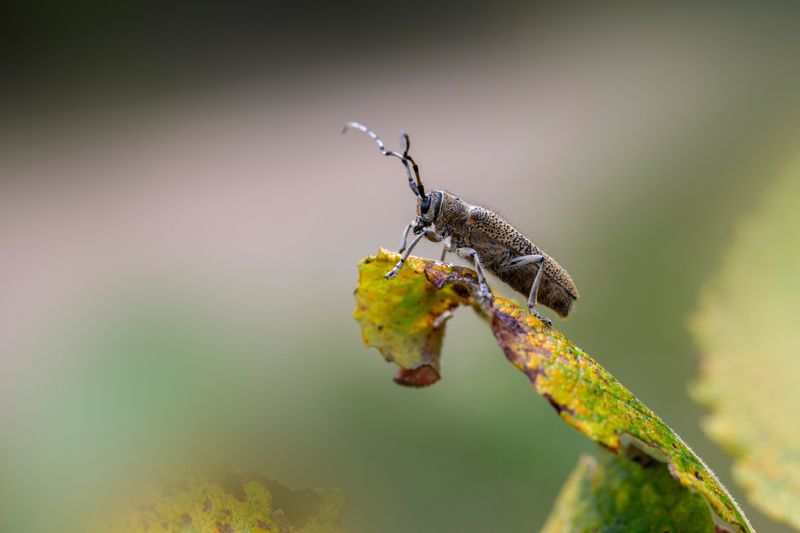
Squash vine borers work fast and quiet. One can hollow out a healthy stem before you even notice it.
These pests are Iowa squash growers’ biggest challenge during the fruiting stage. Building a daily scouting habit now is the single best form of pest control you have.
Vine borers lay tiny, flat, reddish-brown eggs on stems near the base of the plant. Cucumber beetles show up as yellow-green insects with black stripes or spots, feeding on leaves and spreading bacterial wilt.
Both are sneaky, and both cause damage that compounds quickly if left unchecked. Walk your garden every morning with fresh eyes and a close look at stem bases, leaf undersides, and new growth.
Bring a small container with soapy water to drop beetles into as you find them. Catch problems early and you can act before the damage becomes impossible to reverse.
Scouting is free, takes less than five minutes, and saves plants that would otherwise be lost. Think of it as your daily garden check-in, a quick conversation between you and your plants.
What you find today shapes what you harvest next month.
5. Crush Squash Bug Egg Clusters On Leaf Undersides
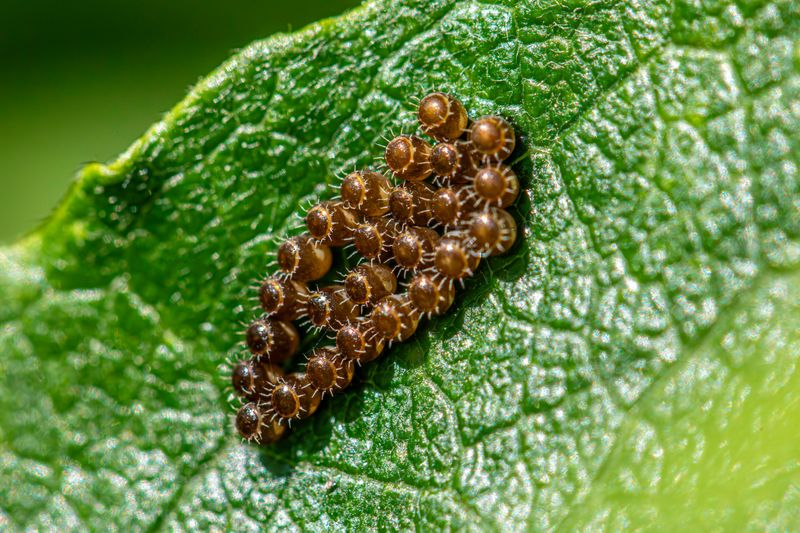
Flip a squash leaf over and you might find a tidy cluster of shiny bronze eggs staring back at you.
Squash bugs lay their eggs in precise rows on leaf undersides, and those eggs hatch into nymphs that feed in groups, draining plant sap fast.
Spotting them early and acting immediately is the most effective approach available to home growers. No spray required here.
Simply press the eggs firmly between your fingers or scrape them off with a butter knife into soapy water.
It feels almost too simple, but manual removal of egg clusters is genuinely one of the most reliable methods for keeping squash bug populations in check. Consistency is what makes it work.
Check every large leaf, especially older ones lower on the plant, since squash bugs prefer shaded, protected spots.
Nymphs are easier to manage than adults, so catching eggs before they hatch saves significant trouble down the road. Adults are harder to manage and can overwinter in garden debris to return next season.
Making this part of your daily Iowa squash scouting routine keeps infestations from exploding.
A few minutes of egg-crushing now protects weeks of fruit development ahead. Your future self will thank you for not skipping this step.
6. Place Straw Or Cardboard Under Fruits
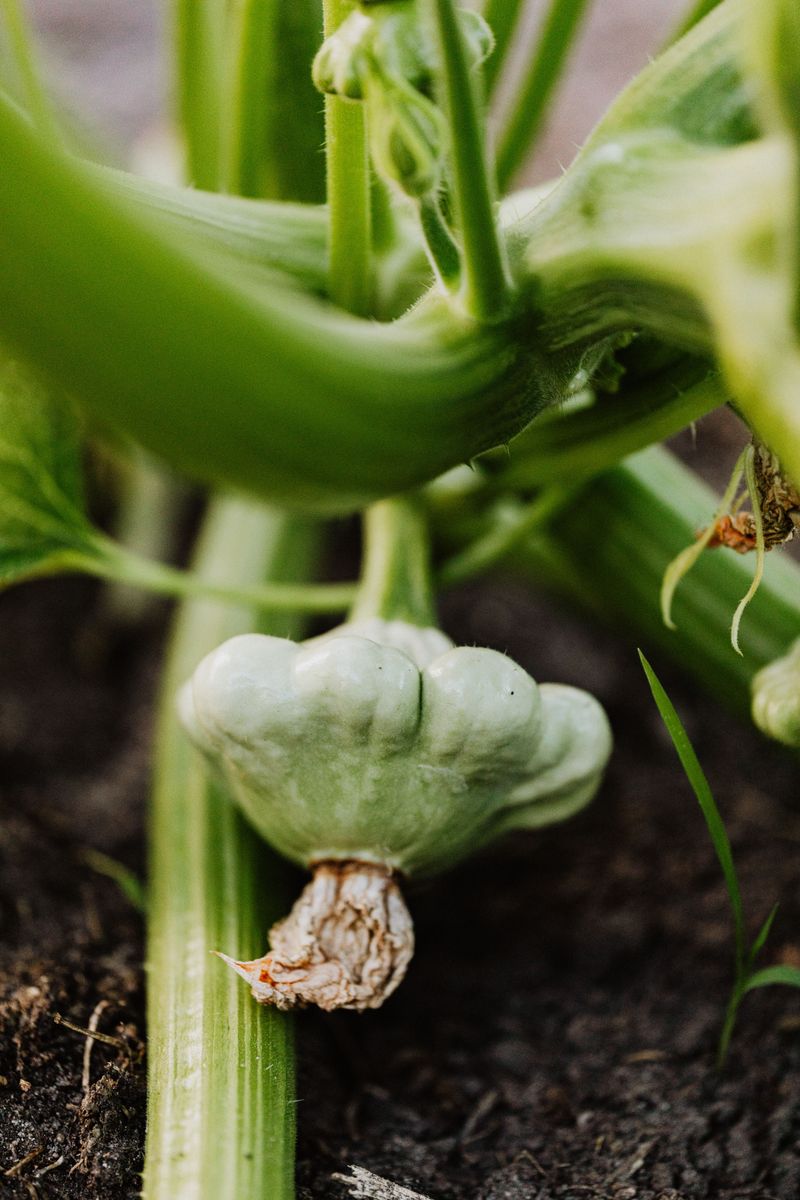
Damp soil and squash skin are a bad combination. Ground contact during Iowa’s humid summers creates perfect conditions for rot, mold, and slug damage.
Slipping something dry and breathable under each developing fruit is a small move with a big payoff.
Straw works wonderfully for this purpose since it elevates the fruit just enough to improve airflow beneath it.
Flattened cardboard pieces are another practical option that many gardeners already have on hand. Either choice breaks the direct contact between the fruit skin and the moist earth below.
Fruits that sit on wet soil often develop soft, discolored spots on their undersides that make them unsuitable for storage. Even a thin layer of protection keeps the skin intact and the flesh firm all the way through.
This matters most for winter squash varieties that you plan to cure and store for months. Place your straw or cardboard when fruits are still small, around the size of a tennis ball, so they develop properly from the start.
Adjust the padding as fruits grow larger and heavier throughout the season. This one habit alone can rescue squash that would otherwise spoil before you ever get to taste them.
7. Remove Damaged Or Misshapen Fruits
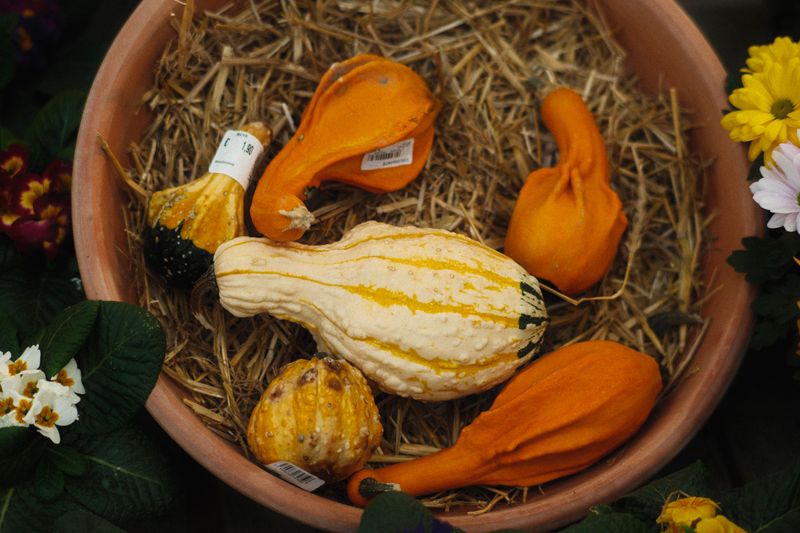
Holding onto every squash your plant produces sounds generous, but it actually works against you. A damaged or misshapen fruit pulls energy and water from the plant without ever becoming something worth eating.
Removing these early redirects that energy toward fruits that have a real chance of maturing beautifully. Look for fruits with soft spots, unusual curves, or signs of pest feeding on the skin.
Any squash that was poorly pollinated often shows up as narrow at one end and swollen at the other. These lopsided fruits rarely improve with time and are best removed cleanly with a sharp knife or pruners.
Snip the stem rather than pulling, since yanking can damage the vine and introduce stress to nearby fruits. Drop removed fruits into a compost pile away from your garden to avoid attracting more pests to the immediate area.
A clean cut and a clean removal keeps the plant focused and the garden tidy. Iowa squash plants have a limited energy budget during the fruiting season, and every choice you make either spends or saves that budget.
Fewer, healthier fruits always beat a long list of mediocre ones. Editing your harvest early is how you end up with squash worth showing off at the end of summer.
8. Water Deeply But Infrequently
Roots follow water. Water shallow, and your plants will stay fragile and drought-prone all season.
Deep, infrequent watering pushes roots down into the soil where moisture is more stable and temperatures are cooler.
This simple shift in technique builds plants that can handle Iowa summer heat without wilting every afternoon. Aim to water thoroughly once or twice a week rather than giving a light sprinkle every day.
The goal is to wet the soil to a depth of at least six to eight inches each time. A simple way to check is to push a finger or a thin stick into the soil after watering to see how far the moisture reached.
Sandy Iowa soils drain fast and may need watering twice a week during peak heat. Heavier clay soils hold moisture longer and may only need one deep session per week.
Knowing your soil type helps you adjust your schedule without guessing. Inconsistent moisture leads to misshapen fruits and cracking, undoing weeks of patient work.
A steady, deep watering rhythm keeps fruits developing smoothly from start to finish. Master this rhythm and your Iowa squash will grow with a confidence that shows in every harvest.
9. Trim Foliage Blocking Airflow
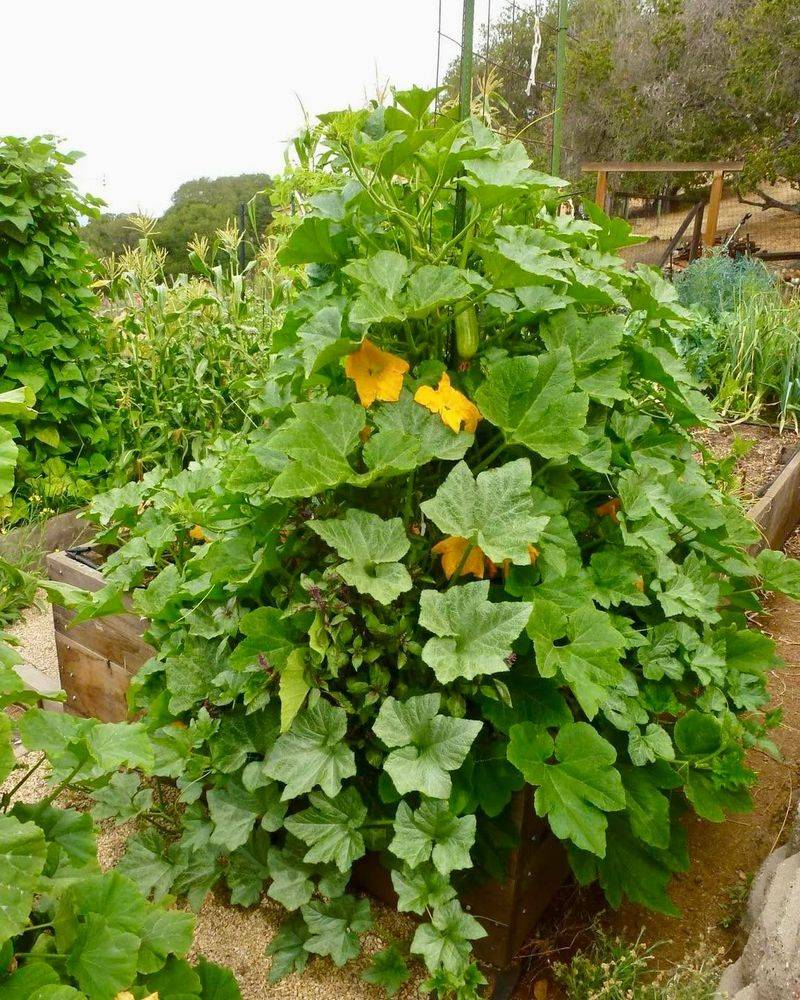
Squash leaves can grow enormous, and a dense canopy feels impressive until it starts causing problems.
Poor airflow between leaves creates humid pockets where powdery mildew and other fungal issues thrive.
Once your Iowa squash begins to fruit, opening up the plant a little helps protect both the foliage and the developing fruits below.
Focus on removing leaves that are yellowing, damaged, or pressed tightly against the soil.
Also trim any large leaves that are shading fruits to the point where they cannot ripen properly in the sun.
A clean pair of pruning shears or sharp scissors makes the job quick and reduces the risk of tearing the plant.
Do not go overboard with trimming since leaves are how the plant captures sunlight and feeds itself.
Removing no more than one-third of the foliage at any one time keeps the plant productive while still improving circulation.
Spread trimming sessions out over a week or two if the plant is particularly overgrown.
Better airflow also means less moisture sitting on leaf surfaces overnight, which directly reduces fungal pressure.
Think of it as giving your garden a haircut, just enough to refresh and breathe, not a full shave. A well-ventilated plant is a resilient plant heading into the final stretch of the season.
10. Check Fruits Daily For Size Changes
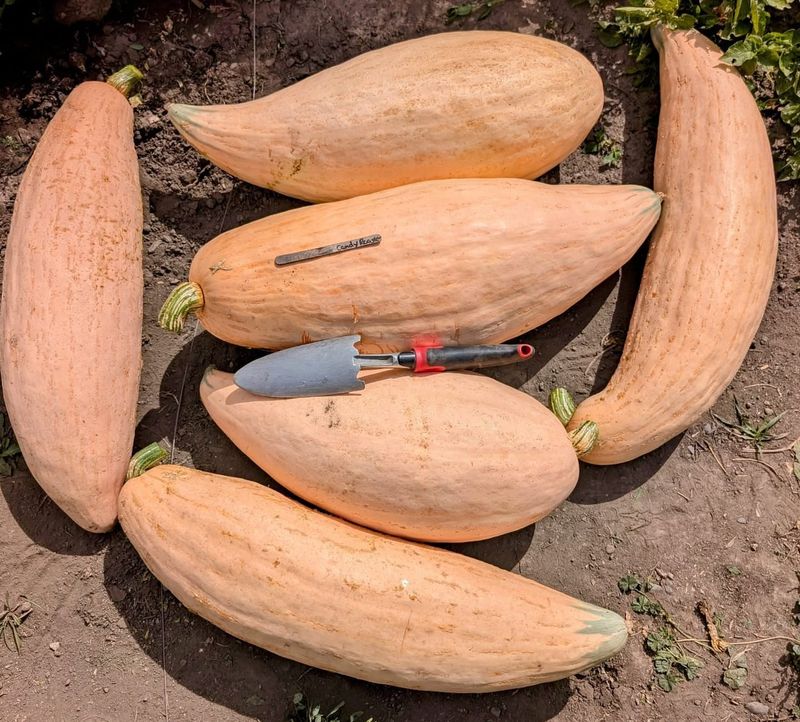
Blink and you miss it. Squash can go from perfect to overblown in forty-eight hours.
Once your Iowa squash begins to fruit, daily size checks become one of your most important garden habits.
A fruit that looked small yesterday can be ready to harvest tomorrow, especially during a hot, humid stretch.
Each variety has its own ideal harvest size, so get familiar with what your specific squash should look like when ready.
Zucchini is best at six to eight inches, while acorn squash should feel heavy and have a deep color change. Butternut squash is ready when the skin resists a fingernail and the tan color deepens uniformly.
Leaving fruits on the vine too long signals the plant to slow production, since it believes its reproductive job is done. Harvesting promptly encourages the plant to set more fruits and keep the season going longer.
More frequent harvests from a healthy plant means more food on your table through late summer and into fall. Keep a small basket or bag nearby during your daily garden walks so you can harvest right on the spot.
Fresh squash picked at peak ripeness has a flavor and texture that store-bought produce simply cannot match. Check daily, harvest boldly, and let your Iowa squash give you everything it has got.