10 Creatures Florida Residents Are Not Allowed To Remove From Their Property
I still remember the first time I spotted a tiny turtle slowly making its way across my Florida lawn. My instinct was to move it to a quieter spot, but a quick check taught me something surprising.
In Florida there are creatures you are not allowed to remove from your property, even when they wander where you do not expect them. Many homeowners are unaware of this until they face fines or warnings that could have been avoided with a little knowledge.
From certain turtles to protected birds and small mammals, these animals have special status under state and federal guidelines.
Learning which backyard visitors you must leave alone helps you care for your yard responsibly, stay on the right side of local rules, and appreciate the wildlife that shares your space.
Understanding these regulations before you act could save you time, money and a lot of confusion down the road.
1. Gopher Tortoises: The Underground Architects
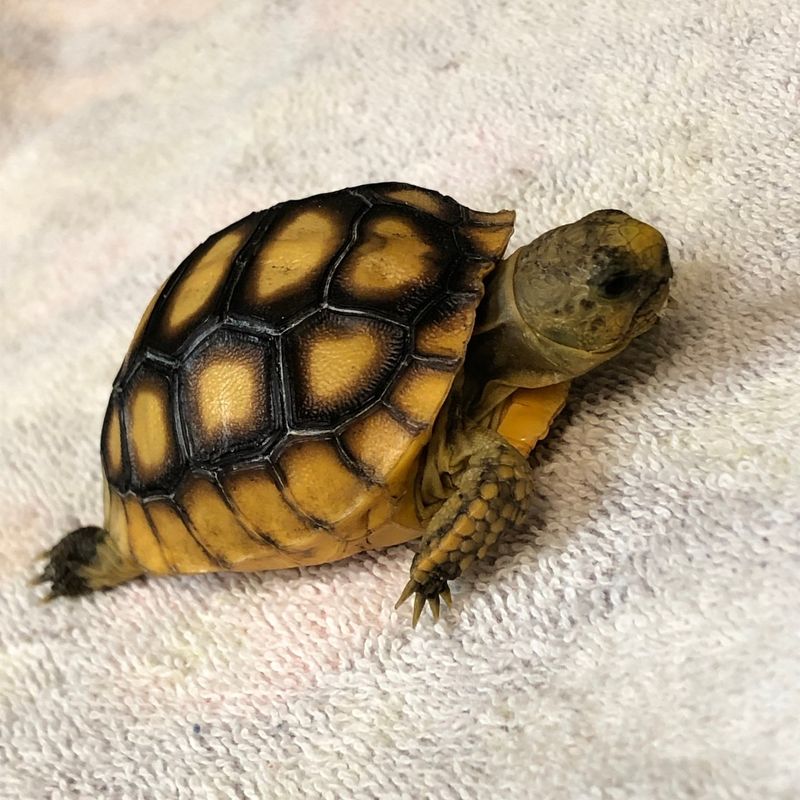
Gopher tortoises are more than slow-moving reptiles; they are true ecosystem engineers. By digging extensive burrows in sandy soils across Florida, they create safe havens for over 350 other species, including snakes, lizards, frogs, small mammals, and even invertebrates.
These burrows provide protection from extreme heat, predators, and occasional wildfires, making them essential to maintaining local biodiversity.
Legally, gopher tortoises are protected under state law, and relocating them without a proper permit is strictly prohibited.
Their populations have declined by over 80% in recent decades due to habitat loss, road mortality, and human interference, making every individual critically important.
Homeowners encountering a tortoise slowly crossing a yard should simply allow it to continue undisturbed, while minimizing disturbances around burrows.
Efforts to protect tortoise habitats include preserving native scrub and sandhill areas, reducing development impacts, and educating the public about the species’ ecological role.
Encouraging natural landscapes rather than manicured lawns around burrow sites helps support not just tortoises but the hundreds of species that depend on them.
By respecting these underground architects, Florida residents actively contribute to conserving one of the state’s most valuable and legally protected reptiles, ensuring the survival of complex, interconnected ecosystems.
2. Bald Eagles: America’s Protected Symbol
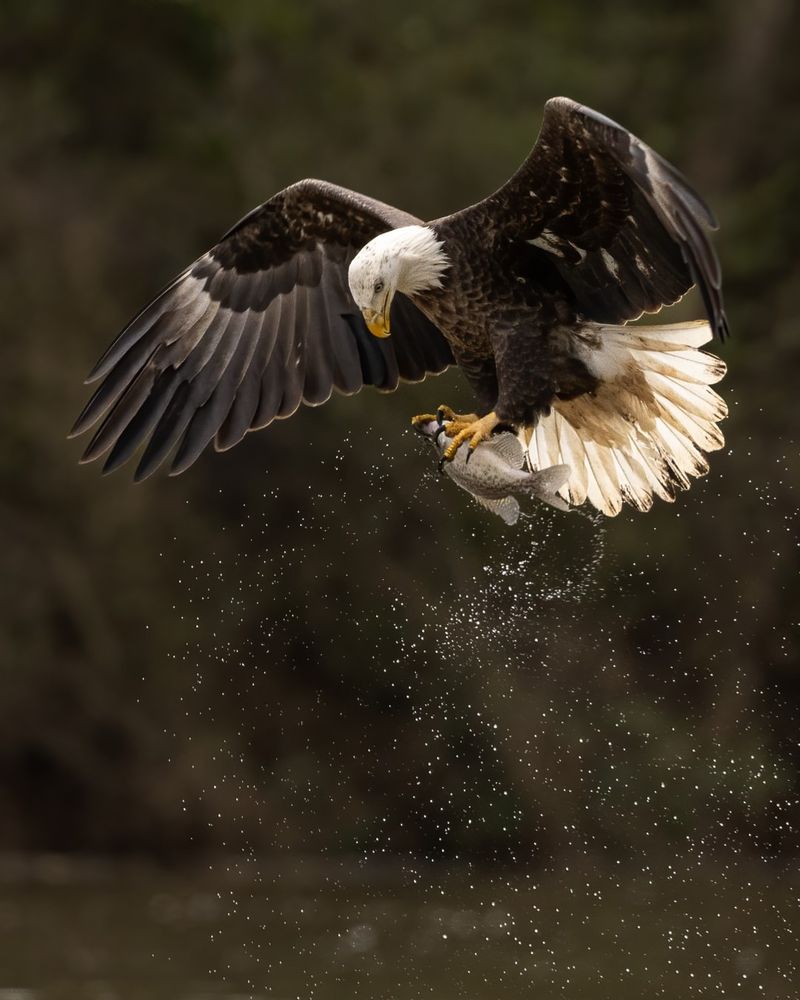
Bald eagles, the iconic national bird of the United States, are magnificent creatures with wingspans reaching seven feet. Their populations suffered catastrophic declines during the mid-20th century due to DDT exposure, habitat loss, and hunting.
Following decades of conservation efforts and legal protections, including the Bald and Golden Eagle Protection Act, bald eagles have made a dramatic recovery.
In Florida, homeowners who spot these majestic birds nesting on their property are encountering a federally protected species.
Disturbing a nest, handling eggs, or attempting to relocate the birds carries serious legal consequences, including fines and potential criminal liability.
Bald eagles are highly territorial and often return to the same nesting site year after year, making their continued presence a sign of a healthy ecosystem.
Homeowners should maintain a respectful distance, avoid loud noises near nests, and consult the Florida Fish and Wildlife Conservation Commission if eagles establish nesting sites nearby.
Supporting tree preservation, avoiding pesticide use, and leaving natural buffers around waterways enhances habitat quality.
Sharing sightings with citizen science programs can also aid conservation. By understanding and respecting bald eagles, Floridians participate in protecting a national symbol and fostering biodiversity in their own backyards.
3. Florida Panthers: Endangered Wanderers
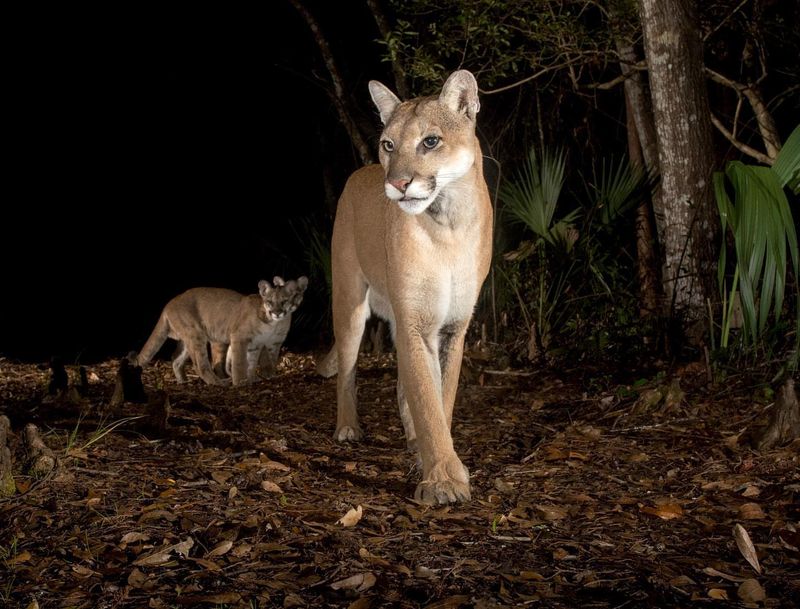
With fewer than 230 individuals remaining in the wild, Florida panthers are one of North America’s most critically endangered large mammals.
These elusive cats roam the forests, swamps, and rural landscapes of southern Florida, occasionally venturing near human residences.
Panthers are federally protected under the Endangered Species Act, making it illegal to harass, harm, or attempt to relocate them. Despite their fearsome reputation, panthers typically avoid human contact, and attacks are extremely rare.
Homeowners who encounter a panther on their property should maintain distance, keep pets and children inside, and immediately report sightings to local wildlife authorities or the Florida Fish and Wildlife Conservation Commission.
These majestic predators play an essential ecological role by controlling populations of deer, feral hogs, and smaller mammals, helping maintain balanced ecosystems.
Protecting their habitat from urban encroachment, roads, and development is critical to the species’ survival.
Educational outreach encourages coexistence, teaching residents the importance of maintaining panther corridors and limiting activities that could stress or displace these rare cats.
By appreciating and respecting Florida panthers, humans contribute to conserving one of the state’s most iconic and endangered predators while ensuring the ecological integrity of southern Florida landscapes.
4. Manatees: Gentle Giants Of Florida Waters
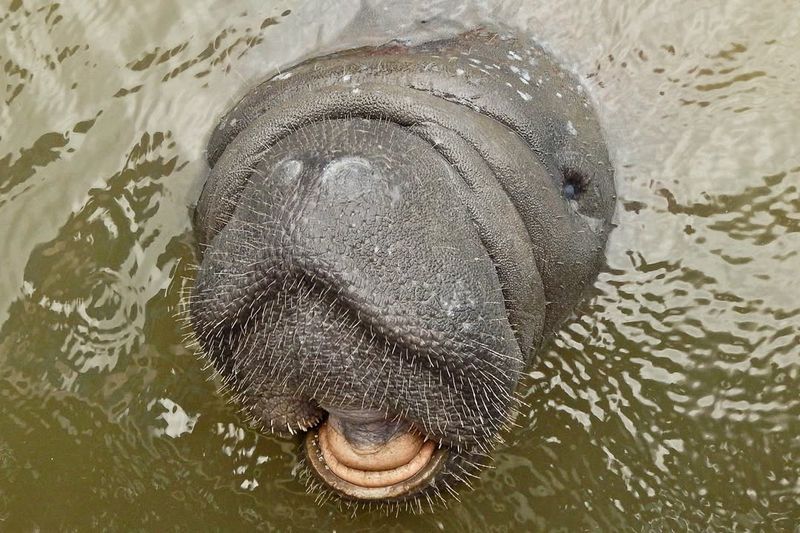
Manatees, often called sea cows, are large, slow-moving marine mammals that inhabit Florida’s rivers, canals, and coastal waters. These gentle giants can weigh over 1,000 pounds and are recognized for their curious, docile nature.
Federally protected under both the Marine Mammal Protection Act and the Endangered Species Act, manatees face numerous threats, including boat strikes, habitat loss, and cold stress during winter months.
Homeowners with waterfront property may occasionally see these iconic animals gliding along canals or resting near docks.
It is strictly illegal to harass, feed, or attempt to remove manatees from natural habitats. Human interaction can stress the animals, disrupting their feeding and migration patterns.
To protect manatees, property owners should maintain slow boat speeds, avoid creating high wakes near shallow waters, and minimize underwater noise from motors. Observing from a distance ensures both human safety and manatee well-being.
Public education campaigns encourage communities to report injured or distressed manatees to the Florida Fish and Wildlife Conservation Commission.
By creating safe environments along waterways, Floridians support manatee recovery while enjoying the unique opportunity to witness one of the state’s most beloved marine species in their natural habitat.
5. Burrowing Owls: Tiny Ground-Dwelling Neighbors
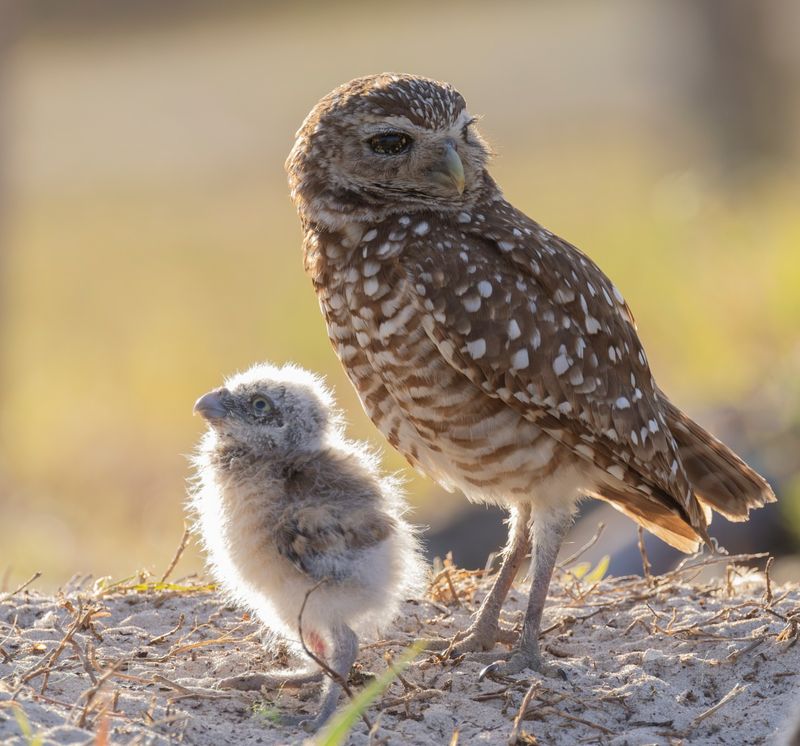
Standing only about nine inches tall, burrowing owls are small, charismatic birds that create homes underground in abandoned gopher tortoise burrows or other suitable cavities.
In Florida, they are considered a species of special concern, and their burrows receive legal protection year-round, including during nesting seasons.
These owls are often seen in Cape Coral, Marco Island, and other open landscapes where their colonies thrive. Their presence benefits humans by helping control insects, rodents, and other small pests.
Despite their size, burrowing owls are resilient and alert, often perching near their burrows to scout for predators.
Homeowners discovering burrows should leave them undisturbed, avoid loud activity near nesting sites, and enjoy observing these birds from a distance.
Installing fences or other barriers is discouraged unless permitted, as it may prevent owls from accessing their homes. Conservation organizations often monitor burrowing owl populations, marking burrows with stakes or tape to prevent accidental disturbance.
Educating neighbors about the species’ ecological importance promotes coexistence. By preserving burrowing owl habitats on private properties, Floridians contribute to sustaining a rare native species while supporting biodiversity and maintaining the balance of local ecosystems.
6. Sea Turtles: Beach-Nesting Protected Reptiles
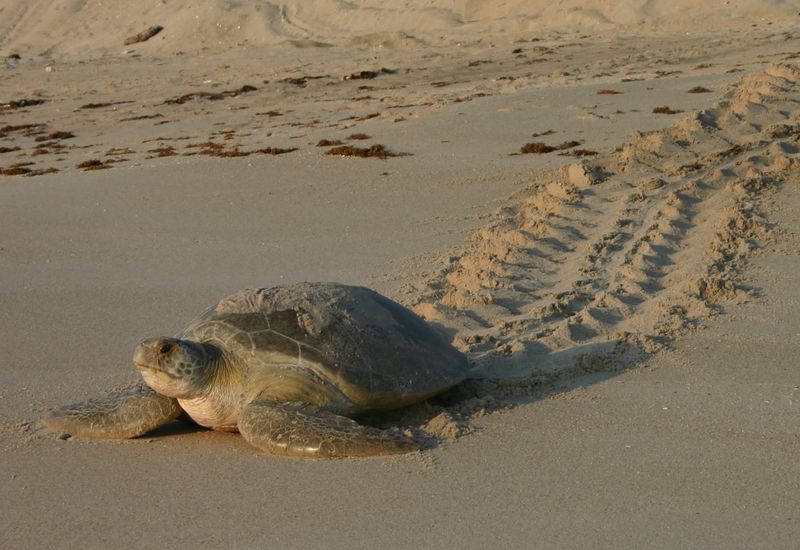
Sea turtles are ancient reptiles that return to Florida beaches annually to nest, often on the very sands where they hatched decades earlier.
Species like loggerheads, green turtles, and leatherbacks are all federally protected, with strict state regulations governing their interactions.
Nesting season typically runs from May through October. Homeowners along coastal areas may encounter marked nests, eggs, or hatchlings, all of which are illegal to disturb, relocate, or handle without proper authorization.
Artificial lighting on beaches can disorient nesting females and newly hatched turtles, leading them away from the sea and reducing survival rates.
To mitigate this, coastal property owners are encouraged to turn off or shield lights during nesting season, avoid using flash photography, and maintain vegetation buffers where possible.
Volunteers and conservation groups often patrol beaches to monitor nests, relocate at-risk clutches safely, and educate the public. Protecting these nesting sites ensures that hatchlings successfully reach the ocean, maintaining the species’ life cycle.
By observing sea turtles responsibly, Floridians contribute to conservation efforts that preserve biodiversity, support marine ecosystems, and allow future generations to witness the miracle of these ancient creatures returning to their birthplace year after year.
7. American Alligators: Florida’s Iconic Reptiles
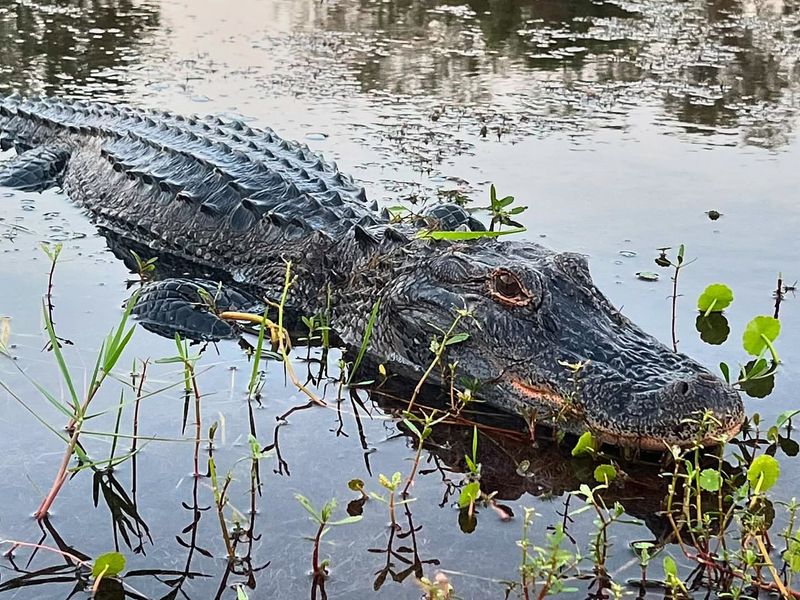
American alligators are emblematic of Florida’s freshwater ecosystems, ranging from lakes and rivers to swamps and wetlands.
Once listed as endangered due to overhunting and habitat loss, their populations have rebounded, though they remain protected under state law.
Homeowners may encounter alligators on residential ponds, golf course water hazards, or marshy areas. Small alligators, typically under four feet in length, pose little risk and often move along naturally without intervention.
Attempting to handle, relocate, or feed alligators is illegal and dangerous. Larger alligators or those displaying aggressive behavior require professional management through the Florida Fish and Wildlife Conservation Commission’s Nuisance Alligator Program, accessible via the hotline at 866-FWC-GATOR.
Alligators play a crucial ecological role as apex predators, controlling populations of fish, amphibians, and other wildlife. Homeowners can reduce conflicts by maintaining secure fences, avoiding feeding wildlife near ponds, and keeping pets away from water’s edge.
Observing from a safe distance allows residents to coexist with these prehistoric reptiles while supporting the health of Florida’s aquatic ecosystems.
Education about alligator behavior is essential to preventing accidents and promoting respect for this vital native species.
8. Sandhill Cranes: Tall, Elegant Protected Birds
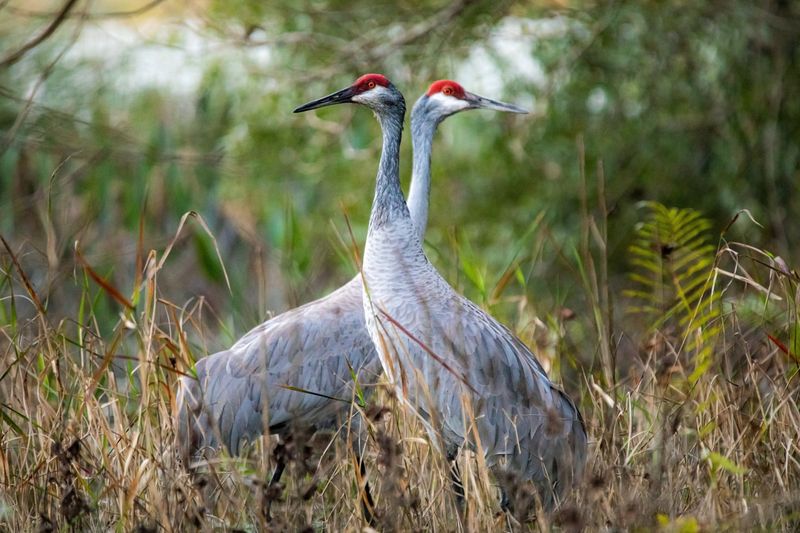
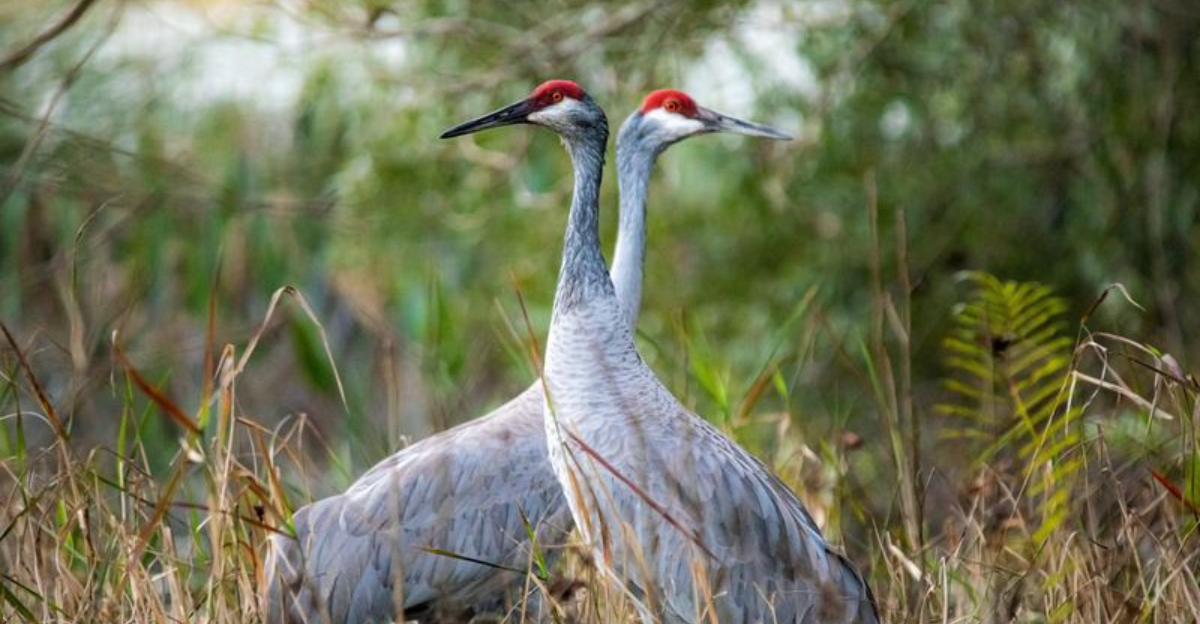
Sandhill cranes are among North America’s most striking birds, standing nearly four feet tall with long legs, slender necks, and distinctive red foreheads.
In Florida, they are protected under the Migratory Bird Treaty Act, which prohibits harassment, harm, or relocation of these birds without proper authorization.
Cranes often forage in wetlands, fields, and open pastures, feeding on seeds, insects, and small vertebrates. Their loud, bugling calls echo across marshes, alerting observers to their presence and signaling communication within family groups.
Homeowners may encounter these birds on farmland or suburban landscapes, where they can create temporary disruptions while foraging.
While their feeding might occasionally disturb gardens or crops, sandhill cranes play a critical role in maintaining ecological balance by dispersing seeds and controlling insect populations.
Observing them from a distance is not only safest for humans and pets but also prevents undue stress on the birds. Property owners should avoid approaching nests during breeding season, minimize disturbances in areas where cranes gather, and refrain from providing food.
Creating buffer zones near wetland edges, allowing natural vegetation to flourish, and educating neighbors about crane behavior supports both conservation and coexistence. These majestic birds embody Florida’s unique biodiversity and enrich the landscapes they inhabit.
9. Eastern Indigo Snakes: Beneficial Predators
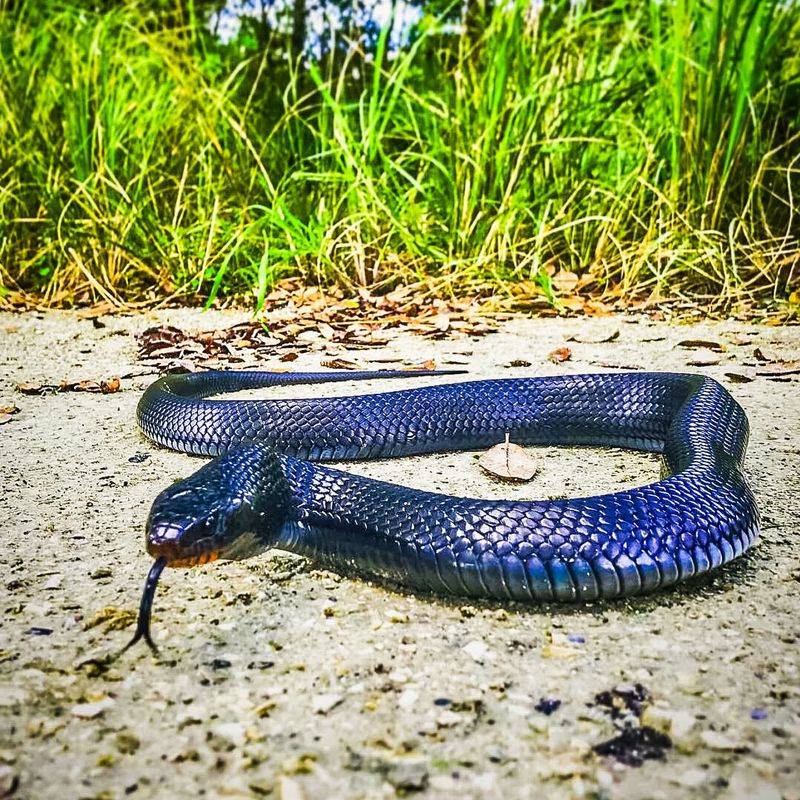
The eastern indigo snake is the longest native snake in North America, capable of reaching lengths over eight feet.
Federally protected as a threatened species, these non-venomous snakes are important predators in Florida’s ecosystems, controlling populations of rodents, rabbits, and venomous snakes such as rattlesnakes.
They inhabit dry pine forests, sandhill habitats, and scrubby areas, often using gopher tortoise burrows for shelter and thermoregulation. Their glossy blue-black coloration and docile nature make them easily identifiable yet harmless to humans and pets.
Homeowners may encounter indigo snakes in backyards or near conservation areas, and their presence is a positive indicator of local ecosystem health. It is illegal to harm, capture, or relocate these snakes without proper permits.
Interfering with them can threaten recovery efforts and disrupt predator-prey dynamics. People should observe from a distance, leave indigo snakes undisturbed, and secure pets in outdoor areas.
Supporting habitat preservation through native plant landscaping, avoiding pesticide use, and maintaining natural debris provides essential shelter for these snakes.
Education is crucial—understanding the ecological role of eastern indigo snakes encourages coexistence and helps protect Florida’s biodiversity while appreciating one of the state’s most remarkable reptilian residents.
10. Florida Scrub-Jays: Rare Endemic Songbirds
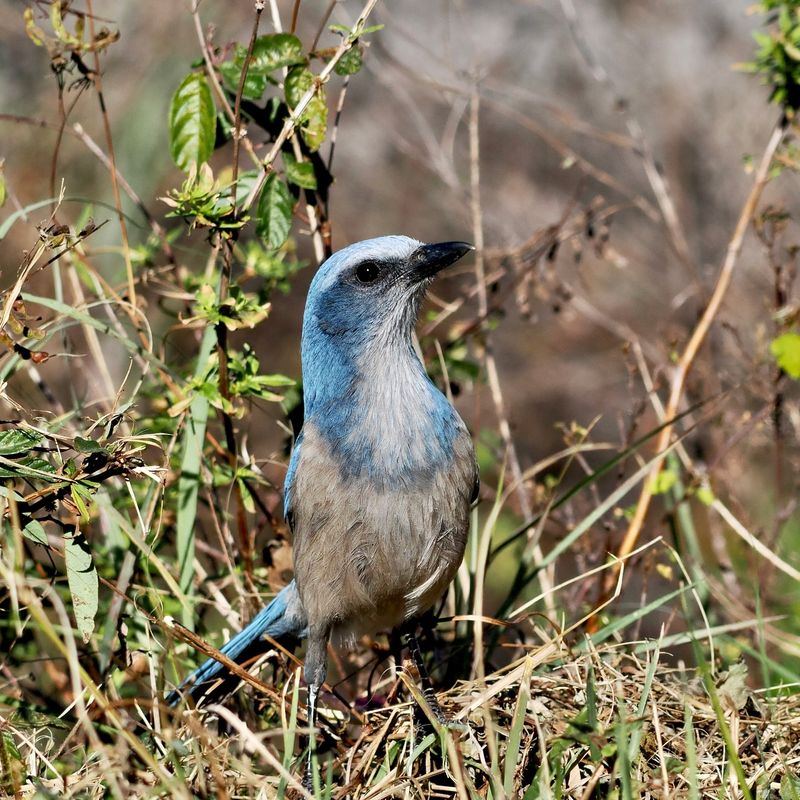
Florida scrub-jays are strikingly bright blue birds endemic to Florida, found only in scrubby oak and pine habitats. These intelligent, social songbirds are federally threatened due to habitat destruction, fragmentation, and urban development.
Unlike many birds, scrub-jays are territorial and rely on scrub patches with open sandy soil for nesting, foraging, and caching acorns. Their curious behavior sometimes brings them close to humans, but feeding or handling these birds is illegal and can harm their survival.
Property owners who find scrub-jays nesting or visiting their land have the rare privilege of observing a species that exists nowhere else on Earth.
To support scrub-jay populations, homeowners can plant native scrub oaks, maintain open sandy patches, and avoid landscaping practices that destroy natural habitat.
Removing invasive plants such as Brazilian pepper or non-native ground covers ensures suitable breeding and feeding areas remain intact. Conservation programs often involve nest monitoring and habitat restoration, which homeowners can participate in under guidance.
Protecting scrub-jays contributes not only to preserving Florida’s unique biodiversity but also to maintaining vital ecological processes, including seed dispersal and pest control. Watching these intelligent birds provides a lasting connection to Florida’s natural heritage.