7 Crops Florida Gardeners Should Plant During A Waxing Moon In March
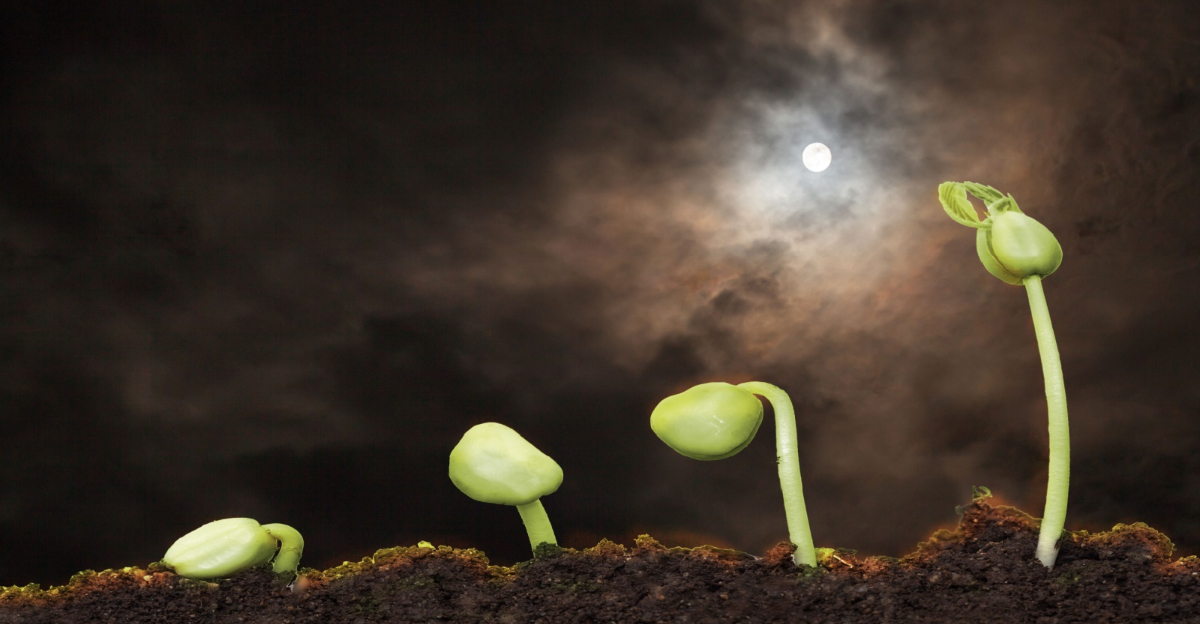
March is one of the most exciting months for Florida gardens, as warming soil and longer sunny days signal it is time to plant warm-season vegetables.
Many gardeners like to follow the moon, particularly the waxing phase, which occurs every month and is traditionally associated with planting above-ground crops.
In March, the waxing moon begins with the new moon on March 18, continues as a waxing crescent through March 19–24, and progresses to first quarter on March 25, offering a natural cue for sowing beans, corn, cucumbers, squash, zucchini, and tomatoes in Florida.
While lunar influence on growth is not scientifically proven, planting during the waxing moon adds a sense of rhythm and intention to the garden.
Combined with warm soil, full sun, and consistent watering, March plantings take advantage of Florida’s long growing season, giving seedlings a strong start and helping gardeners enjoy productive, colorful, and thriving vegetable beds.
1. How The Waxing Moon Influences Above-Ground Crop Planting In Florida

For centuries, gardeners have looked skyward to decide when to sow seeds, and the waxing moon has long been part of that rhythm.
Rising from new to full, the waxing phase is traditionally linked to crops that produce harvestable parts above ground, such as leaves, pods, fruits, or ears.
The idea is that increasing moonlight and gravitational influence help seedlings push upward and establish strong foliage.
In Florida, the waxing moon in March coincides perfectly with the start of warm-season planting.
As soil temperatures rise and frost risk fades, gardeners in North, Central, and South Florida can take advantage of this natural window to sow beans, corn, cucumbers, and other above-ground crops.
Following the lunar rhythm does not replace essential practices like soil preparation, adequate sun, and consistent watering, but many gardeners find it adds a sense of timing and intention to their planting routines.
While science has yet to fully explain any physiological effect of moon phases on plant growth, using the waxing moon as a guide remains a long-standing tradition that pairs well with Florida’s spring climate.
Gardeners who combine lunar timing with good soil, sun, and water often report stronger early growth and more enthusiastic seedlings, making March a particularly satisfying month to begin the warm-season garden.
2. Bush Beans Fit Well Into Florida’s Early Spring Planting Window
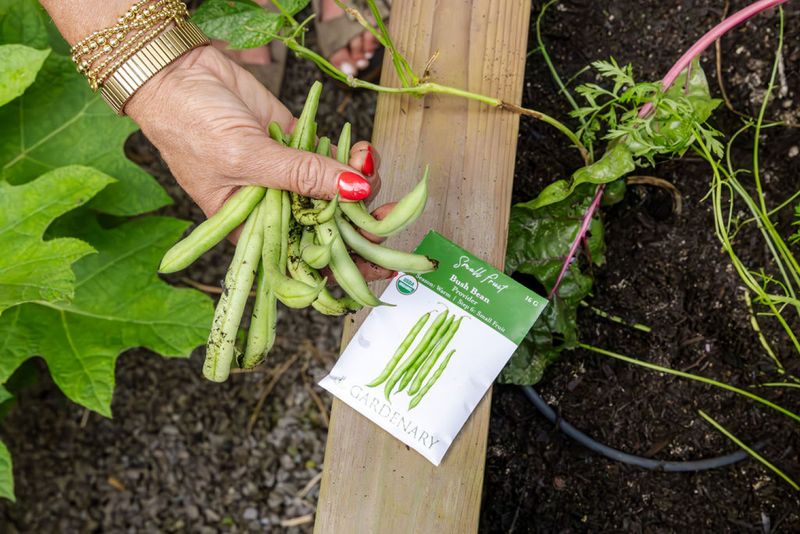
The first warmth of Florida’s spring can coax bush beans to sprout quickly, rewarding gardeners with tender, crisp pods within weeks.
Bush beans are a favorite for home gardens because they grow without trellises, making them easy to plant and harvest in compact spaces.
Seeds should be planted directly into well-drained soil enriched with organic matter, roughly one inch deep and spaced three to four inches apart in rows.
Row spacing of about 18 to 24 inches allows airflow between plants, helping reduce humidity-related issues like fungal leaf spots.
Beans thrive in full sun and prefer consistent soil moisture without becoming waterlogged, which can be a concern during Florida’s humid spring mornings.
Planting during the waxing moon may align with periods when the above-ground parts of the plant are traditionally thought to grow most vigorously, supporting strong leafy growth and pod development.
In South Florida, gardeners often start in early March, while North Florida planting can wait until mid-March when soil temperatures stabilize around 60–65°F.
Bush beans generally reach harvest in about 50 to 60 days. Regularly picking pods encourages continued production throughout the season.
By planting a few rows together, gardeners create a small “landing zone” for pollinators and maintain a steady supply of fresh, nutrient-rich beans for meals.
3. Sweet Corn Brings Height And Classic Garden Appeal In March
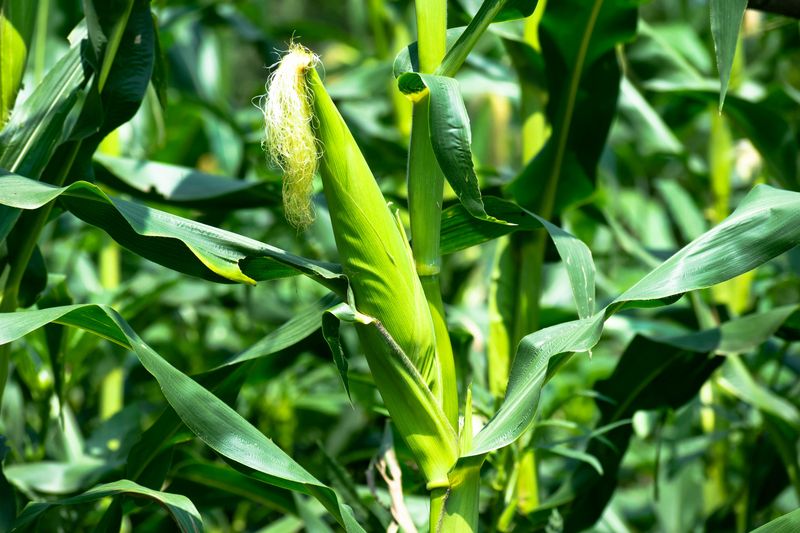
There’s something satisfying about walking past a row of sweet corn, stalks swaying in the spring breeze, knowing a fresh harvest is just weeks away.
Sweet corn thrives as a warm-season crop in Florida when soil temperatures reach at least 60°F, making March the ideal month to sow seeds in most regions.
Seeds are typically planted about an inch deep and spaced roughly 12 inches apart, with rows set 30–36 inches apart to provide room for tall stalks and good air circulation. Full sun encourages vigorous growth and helps develop robust ears.
Because Florida soils are often sandy, regular fertilization and organic matter incorporation improve nutrient availability during the season.
Corn grows well when planted in blocks rather than single rows to promote better pollination. Water consistently during tassel formation and ear development to reduce stress and improve yield.
March plantings in South Florida can begin earlier than in North Florida, allowing gardeners across the state to time harvests from late spring into early summer.
By aligning the planting with the waxing moon, gardeners follow a traditional guideline for above-ground crops, giving their corn seedlings a perceived boost in early growth.
With proper soil, sun, and moisture, sweet corn adds height, color, and a nostalgic touch to any Florida vegetable garden.
4. Cucumbers Grow Fast As Florida’s Spring Weather Warms Up
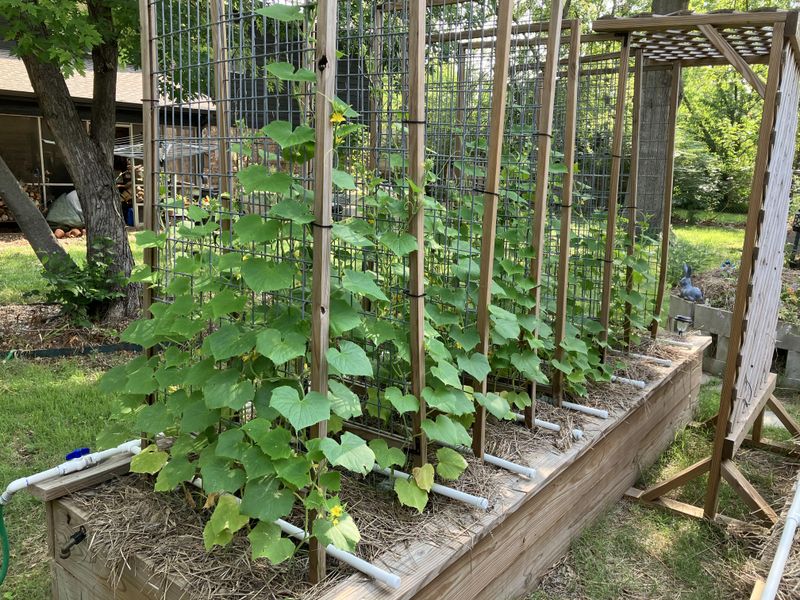
As the sun strengthens and temperatures climb in Florida, cucumber vines start spreading quickly, producing tender, crisp fruit in a relatively short time. Cucumbers are considered an above-ground crop, which makes them a natural fit for the waxing moon planting tradition.
Direct-seeding cucumbers about half an inch to an inch deep in full sun allows roots to establish while seedlings emerge rapidly.
Space plants roughly 12 inches apart, and provide a trellis or cage to keep vines and fruit off the ground, reducing the risk of rot or fungal disease common in Florida’s humid spring climate.
Sandy soils enriched with compost help retain moisture and nutrients for consistent growth.
Cucumbers thrive when watered at the base to avoid wetting foliage. Uneven watering can lead to bitter fruit, so maintaining steady soil moisture is essential.
South Florida gardeners can often plant in early March, while North Florida may benefit from waiting until mid-March when soil warms consistently.
With regular harvesting, cucumber vines continue producing fruit throughout the season. Grouping several plants together creates a small, productive patch that attracts beneficial insects while providing a steady supply of fresh, garden-grown cucumbers.
5. Summer Squash Gets Off To A Strong Start In Florida Gardens
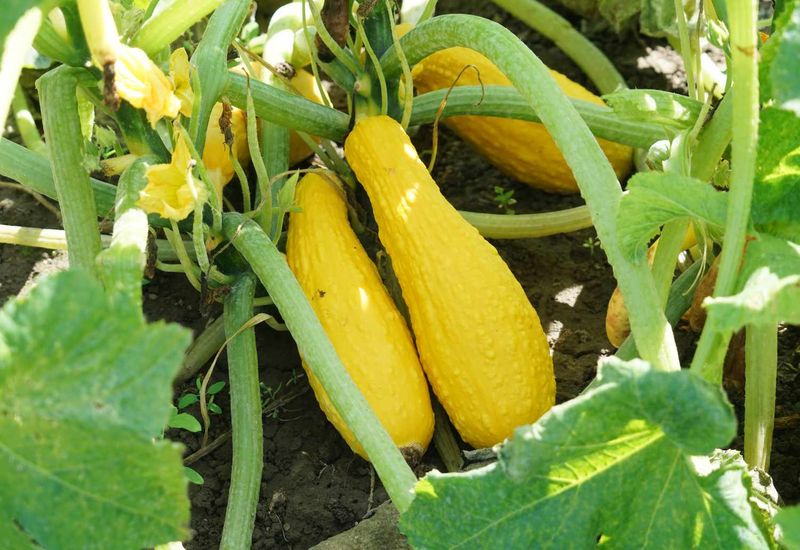
By March, Florida gardens are usually warm enough for summer squash to take off, producing large leaves and vibrant fruits in just a few weeks.
As an above-ground crop, summer squash aligns with the waxing moon tradition, which favors plants producing harvestable shoots or fruits above soil level.
Seeds or transplants grow best in sunny locations with well-drained soil enriched with compost or organic matter. Plant in hills or rows spaced 24–36 inches apart, giving sprawling leaves room to expand and airflow to reduce fungal problems.
Water consistently at the base while avoiding wetting foliage, which can encourage mildew in Florida’s humid spring.
Harvest begins in about 50 to 65 days, depending on the variety. Picking fruits early encourages additional production throughout the season.
Central and South Florida gardeners can plant in early March, while North Florida planting may wait until mid-March to ensure soil temperatures are suitable.
Large, sun-catching leaves and early fruiting make summer squash a favorite among gardeners looking for reliable, productive crops.
Combining careful soil preparation, watering, and the waxing moon planting rhythm helps squash establish quickly and thrive in Florida gardens.
Pinching off early flowers can help young plants focus on root and leaf development for stronger growth. Mulching around the plants helps keep the soil cool and retains moisture during Florida’s sometimes hot March days.
Companion planting with crops like corn or beans can also provide partial shade or improved soil fertility for squash beds.
6. Zucchini Brings Big Leaves And Quick Spring Growth
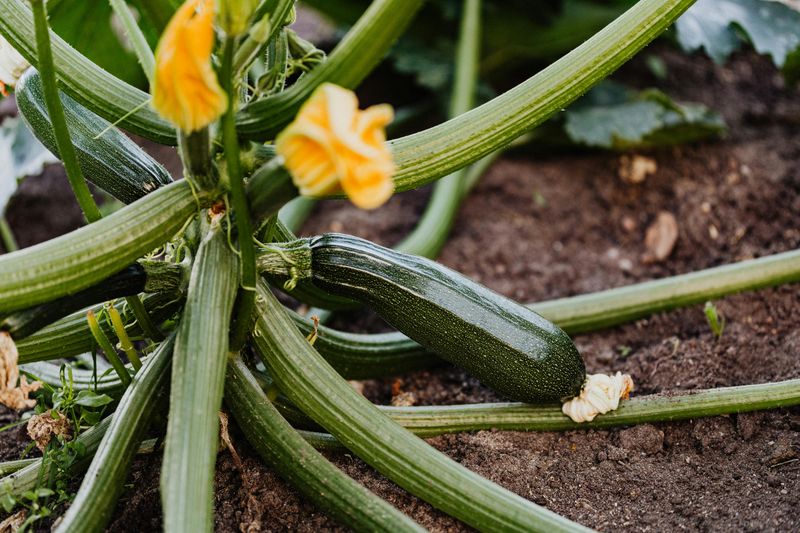
Florida’s long, sunny days in March create perfect conditions for zucchini to grow quickly, producing flavorful fruits and broad leaves that shade the soil.
Like summer squash, zucchini is an above-ground crop that aligns with traditional waxing moon planting guidance.
Plants should be spaced 24–36 inches apart in full sun with well-drained, enriched soil. Large leaves require room to spread, and consistent soil moisture is critical during flowering and fruit development.
Overhead watering should be avoided to reduce disease risk, while light mulch can help retain moisture and cool the root zone.
South Florida gardeners often plant zucchini in early March, while North Florida gardeners may wait until soil warms later in the month.
Harvest typically occurs 45–55 days after planting, with fruits best picked around six to eight inches long to encourage continuous production.
By planting during the waxing moon, gardeners follow a traditional guide for above-ground crops, potentially encouraging vigorous initial growth and healthier foliage.
Zucchini’s fast growth, combined with Florida’s spring warmth, makes it a satisfying and productive choice for home vegetable gardens.
Zucchini plants benefit from light fertilization as flowers appear to support larger, more consistent fruits. Providing trellises for certain vining varieties can improve airflow and reduce fungal risks.
Keeping an eye out for common pests, like squash bugs or aphids, ensures the plants remain healthy throughout the spring season.
7. Tomatoes Benefit From Florida’s Early Warm-Season Planting Window
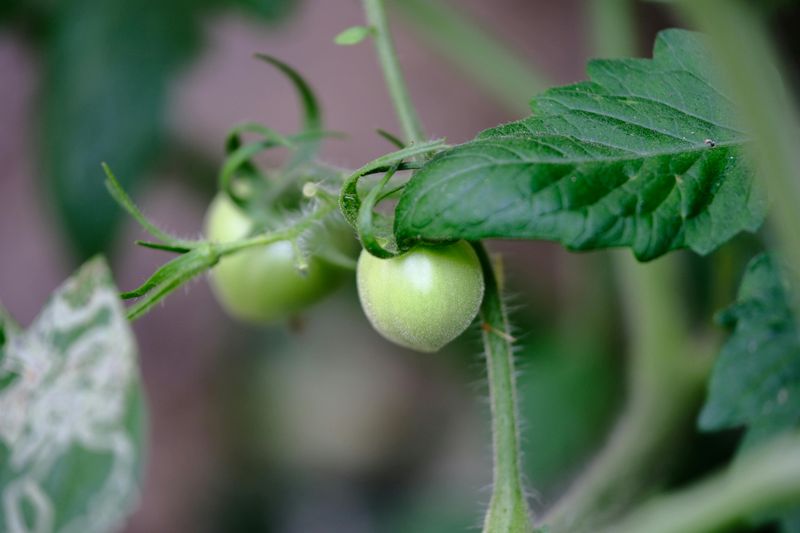
Warm spring temperatures in Florida make March an ideal month to set out tomato transplants.
Tomatoes produce fruit above ground, fitting naturally into the waxing moon tradition that favors leafy and fruiting crops during the growing phase of the lunar cycle.
Transplants are more reliable than seeds in March, allowing plants to establish quickly. Space plants 24–36 inches apart and provide sturdy cages or stakes at planting.
Full sun and well-drained soil are crucial for healthy growth and strong fruit production. Water consistently to prevent blossom drop and reduce fruit cracking, especially in Florida’s variable spring weather.
South Florida gardeners can plant in early March, while North Florida may wait until mid-March to ensure soil warmth. Depending on the variety, harvest can begin 65–80 days after transplanting.
Aligning planting with the waxing moon is a traditional practice intended to encourage early growth in above-ground crops.
Combined with proper soil, watering, and sunlight, tomatoes can quickly become the centerpiece of a productive spring garden in Florida.
Adding a layer of mulch around the base helps maintain even soil moisture and keeps fruit clean. Pruning lower leaves improves air circulation and reduces the risk of fungal diseases in Florida’s humid climate.
Fertilizing lightly once flowers set encourages continued fruit production, keeping tomato plants productive throughout the spring and early summer.