Cucumber Varieties That Handle Florida Humidity
Growing cucumbers in Florida can feel like a bit of a gamble some seasons. Everything looks great at first, then the humidity kicks in, and suddenly plants start struggling in ways that are hard to ignore.
Leaves spot, vines weaken, and harvests do not always live up to expectations.
The issue is not just heat, it is that constant moisture in the air that creates perfect conditions for problems to spread. Some cucumber varieties simply are not built for it, which is why they tend to fade out faster than you would expect.
Choosing the right type from the start can make a noticeable difference. There are varieties that hold up better, keep producing longer, and handle Florida’s conditions without as many setbacks.
1. Marketmore 76 Reliable Yields In Tough Conditions
Back in the 1970s, plant breeders at Cornell University set out to create a cucumber that could stand up to some of the most stubborn diseases in the garden. The result was Marketmore 76, a variety that has earned a loyal following among Florida gardeners for decades.
Its reputation for toughness is well-deserved, and once you see it thrive in Florida’s sticky summer heat, you will understand why so many growers keep coming back to it season after season.
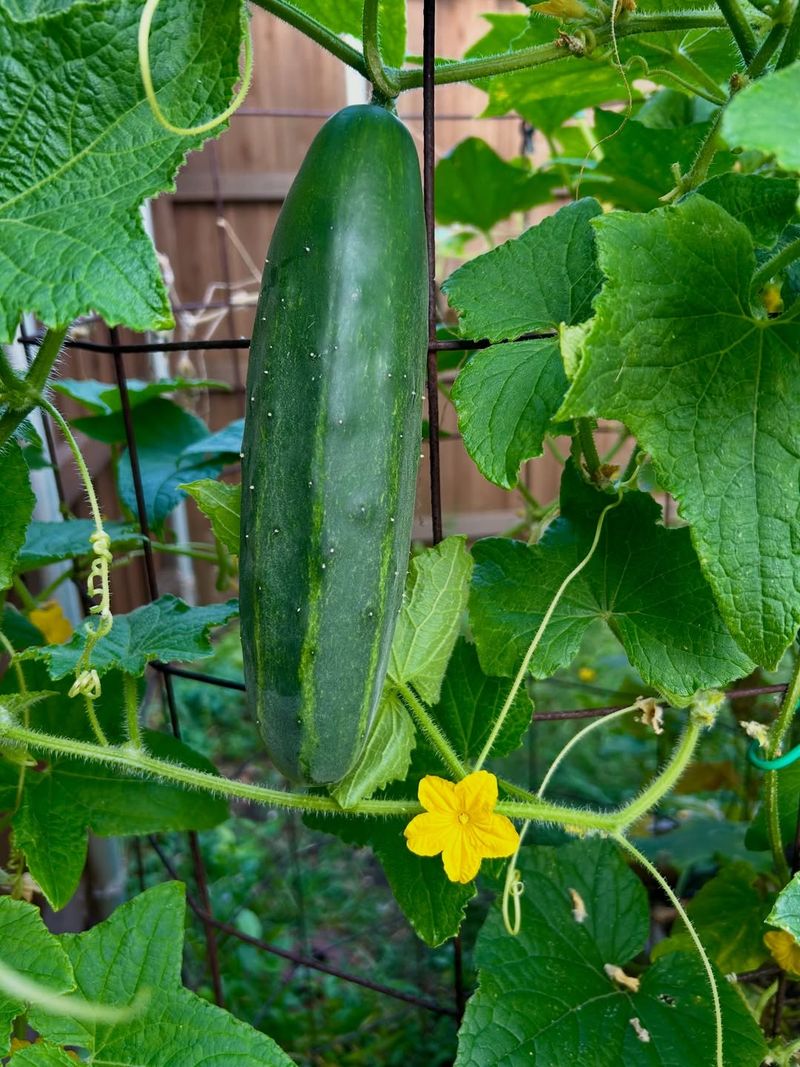
Marketmore 76 produces dark green, straight cucumbers that typically grow between 8 and 9 inches long. The skin is smooth and firm, making these cucumbers excellent for slicing and serving fresh.
Florida’s high humidity creates the perfect breeding ground for diseases like downy mildew and powdery mildew, but Marketmore 76 carries strong resistance to both. That means fewer headaches for gardeners who are already dealing with the state’s unpredictable weather patterns.
One of the best things about growing Marketmore 76 in Florida is how well it handles the heat without sacrificing fruit quality. The vines are vigorous and can spread quickly, so giving them a sturdy trellis or cage helps keep the garden tidy and the fruits off the ground.
In Florida, where soil moisture can be high and ground contact often leads to rot, trellising is a smart move.
For best results, plant Marketmore 76 in well-drained soil with plenty of organic matter mixed in. Florida’s sandy soils can dry out fast between rain showers, so adding compost helps retain just enough moisture without waterlogging the roots.
Consistent watering early in the morning also reduces the chance of fungal issues by keeping the foliage dry through the hottest part of the day.
Marketmore 76 is widely available at Florida garden centers and online seed retailers, making it an easy first choice for both beginners and experienced growers looking for reliable results in the Sunshine State.
2. Straight Eight A Classic With Crisp Flavor
Ask any longtime Florida gardener about classic cucumber varieties, and Straight Eight is almost guaranteed to come up in the conversation. This variety has been a garden staple since the 1930s, winning an All-America Selections award and earning a permanent spot in the hearts of home growers across the country.
In Florida, where the climate can push even hardy plants to their limits, Straight Eight continues to deliver consistent, beautiful fruits that are hard to beat.
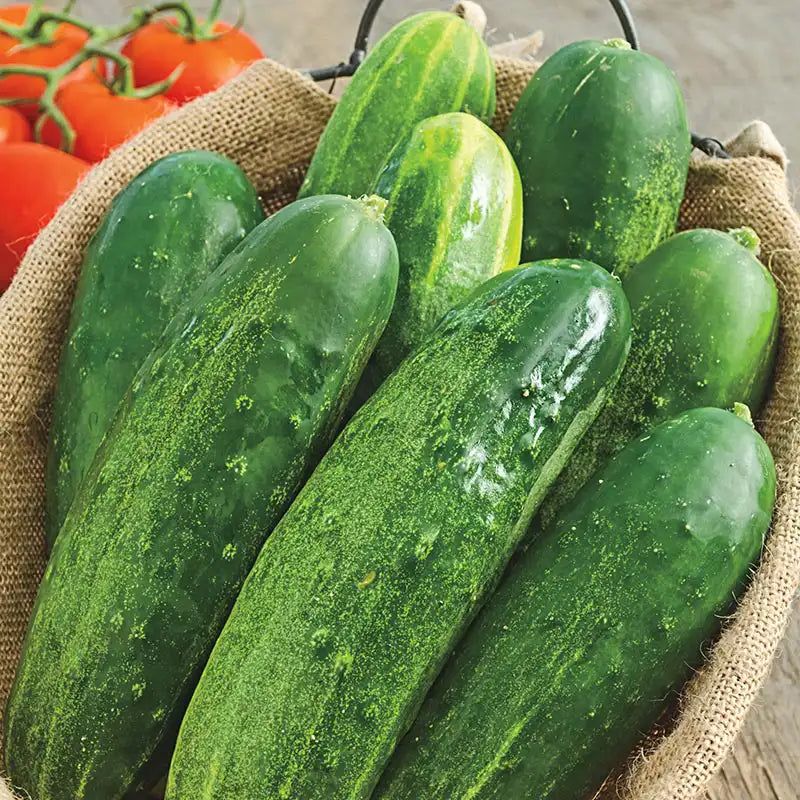
True to its name, Straight Eight grows cucumbers that are nearly perfectly cylindrical, reaching about 8 inches in length with smooth, medium-green skin. The flesh is crisp, mild, and slightly sweet, making it one of the most satisfying slicing cucumbers you can grow.
Florida gardeners love it not just for its looks but for how well it handles the state’s oppressive humidity and frequent summer rainstorms.
Straight Eight has some disease tolerance but is not known for strong resistance to downy mildew and powdery mildew. The vines are productive and tend to pump out fruit quickly once they get going, which is great news for gardeners who want a steady supply throughout the growing season.
In Florida, the best planting windows are late winter through early spring and again in the fall, when temperatures are slightly more manageable.
Spacing is important with Straight Eight because good airflow between plants helps reduce moisture buildup on the leaves, which in turn lowers the risk of disease. Planting in raised beds or on trellises is a popular approach among Florida growers for this exact reason.
Mulching around the base of the plants also helps regulate soil temperature and moisture, both of which can swing wildly in Florida’s unpredictable weather.
Straight Eight seeds are easy to find at most Florida nurseries and through online seed companies. If you want a reliable, time-tested variety that brings both beauty and performance to your Florida garden, this classic cucumber is a smart pick.
3. Poinsett 76 Built For Heat And Disease Resistance
Developed specifically with the Southeast in mind, Poinsett 76 is one of those varieties that feels like it was custom-made for Florida gardeners. Bred by Clemson University and later improved to create the 76 version, this cucumber was designed to handle the exact kind of hot, muggy conditions that Florida throws at plants all summer long.
It is no surprise that Florida Cooperative Extension programs have recommended it to home gardeners for years.
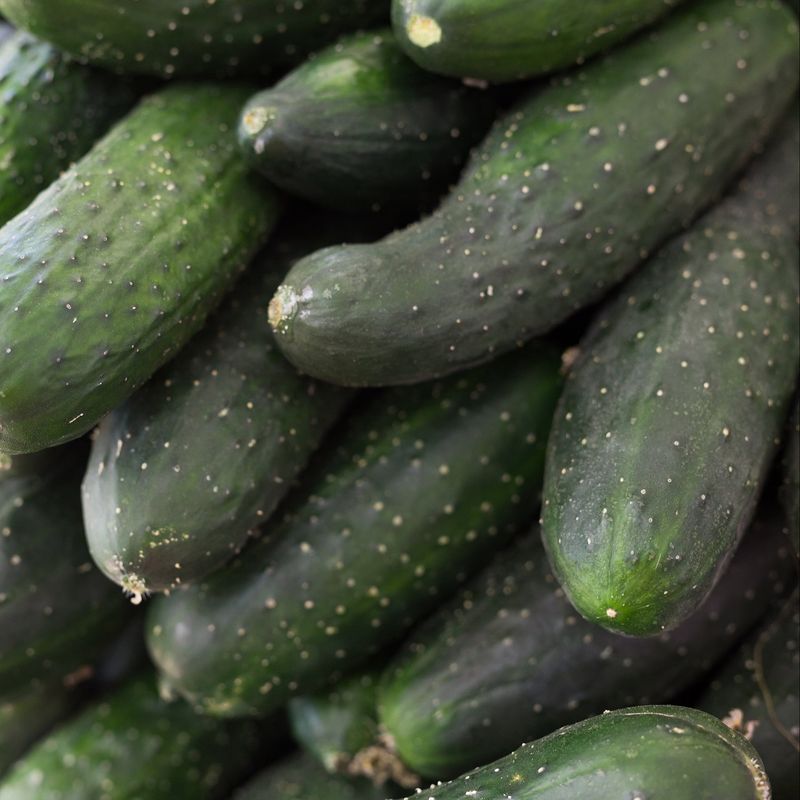
Poinsett 76 produces medium-green cucumbers with a slightly bumpy, warty skin texture that sets it apart visually from smoother slicing types. The fruits typically grow to about 7 inches long and have a firm, crunchy texture that holds up well in salads and fresh dishes.
More importantly for Florida growers, this variety carries strong resistance to angular leaf spot, anthracnose, downy mildew, powdery mildew, and scab, making it one of the most disease-resistant options available in the state.
Florida’s humid air creates a near-constant threat of fungal and bacterial diseases, and having a cucumber variety that can shrug off so many of them is genuinely valuable. Poinsett 76 thrives in both spring and fall planting seasons in Florida, and with proper care, it can produce heavily for several weeks before the heat becomes too extreme.
Gardeners in South Florida may find the fall season especially productive for this variety.
When planting Poinsett 76 in Florida, choosing a sunny spot with at least 6 to 8 hours of direct sunlight daily is key. The plants prefer well-drained soil and do not respond well to sitting in waterlogged conditions, which can be a challenge after Florida’s frequent afternoon thunderstorms.
Raised bed gardening is a popular solution that many Florida growers use to manage drainage effectively.
Poinsett 76 seeds are available through several online retailers and some local Florida garden centers. For gardeners who want maximum disease protection without sacrificing fruit quality, this variety is a top contender.
4. Ashley A Florida Favorite For Humid Gardens
Some cucumber varieties seem almost made for the South, and Ashley is one of them. Released in 1956 by Clemson University, Ashley was bred with hot, humid climates in mind from the very beginning.
Florida gardeners who have struggled with cucumbers wilting or falling to disease in the summer heat often find that Ashley is the variety that finally works for them. It carries a kind of toughness that is hard to find in more delicate cucumber types.
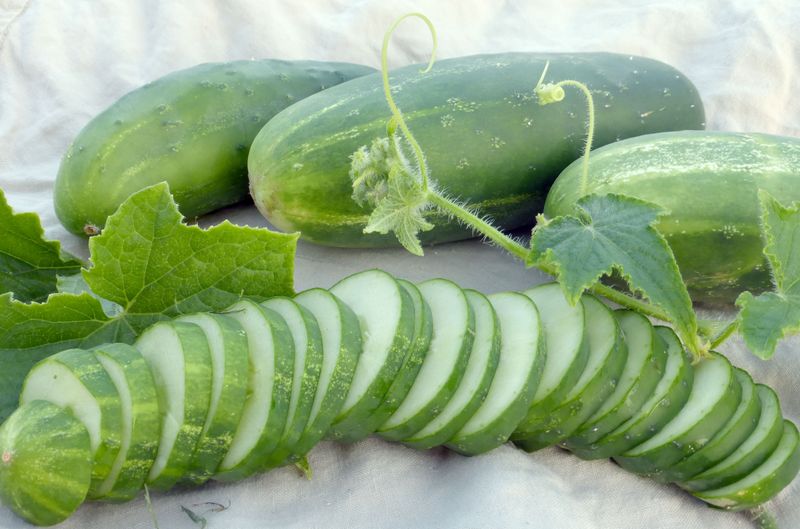
Ashley produces dark green, slightly tapered cucumbers that grow to about 7 to 8 inches long. The skin has a faint white spine that fades as the fruit matures, and the flesh inside is crisp and refreshing.
One of Ashley’s standout features is its strong resistance to downy mildew, which is arguably the most destructive disease facing cucumber growers in Florida’s wet, humid summers. That resistance alone makes Ashley worth serious consideration for any Florida garden.
Beyond disease resistance, Ashley is known for its heat tolerance. While many cucumber varieties slow down or stop producing when temperatures climb into the upper 90s, Ashley keeps going with impressive determination.
In Florida, where summer temperatures regularly hit extreme levels, having a variety that does not tap out early in the season is a real advantage for gardeners counting on a full harvest.
Planting Ashley in Florida works best when done in late winter or early spring before the peak summer heat sets in. Starting seeds indoors about two to three weeks before transplanting outside gives the plants a healthy head start.
Once established, Ashley vines grow vigorously and benefit from a trellis or vertical support to keep the fruits clean and the plants well-ventilated.
Regular watering at the base of the plant, rather than overhead, helps keep the leaves dry and reduces the chance of fungal problems. Ashley seeds are available from several seed companies that specialize in Southern and Florida-friendly vegetable varieties.
5. Dasher II Fast Growing With Strong Production
If productivity is your priority, Dasher II might just become your favorite cucumber in the Florida garden. This high-yielding hybrid variety was developed to produce an impressive number of fruits over a relatively short growing period, making it a favorite among both home gardeners and small commercial growers across the state.
When the season is short and the heat is relentless, having a cucumber that hits the ground running is everything.
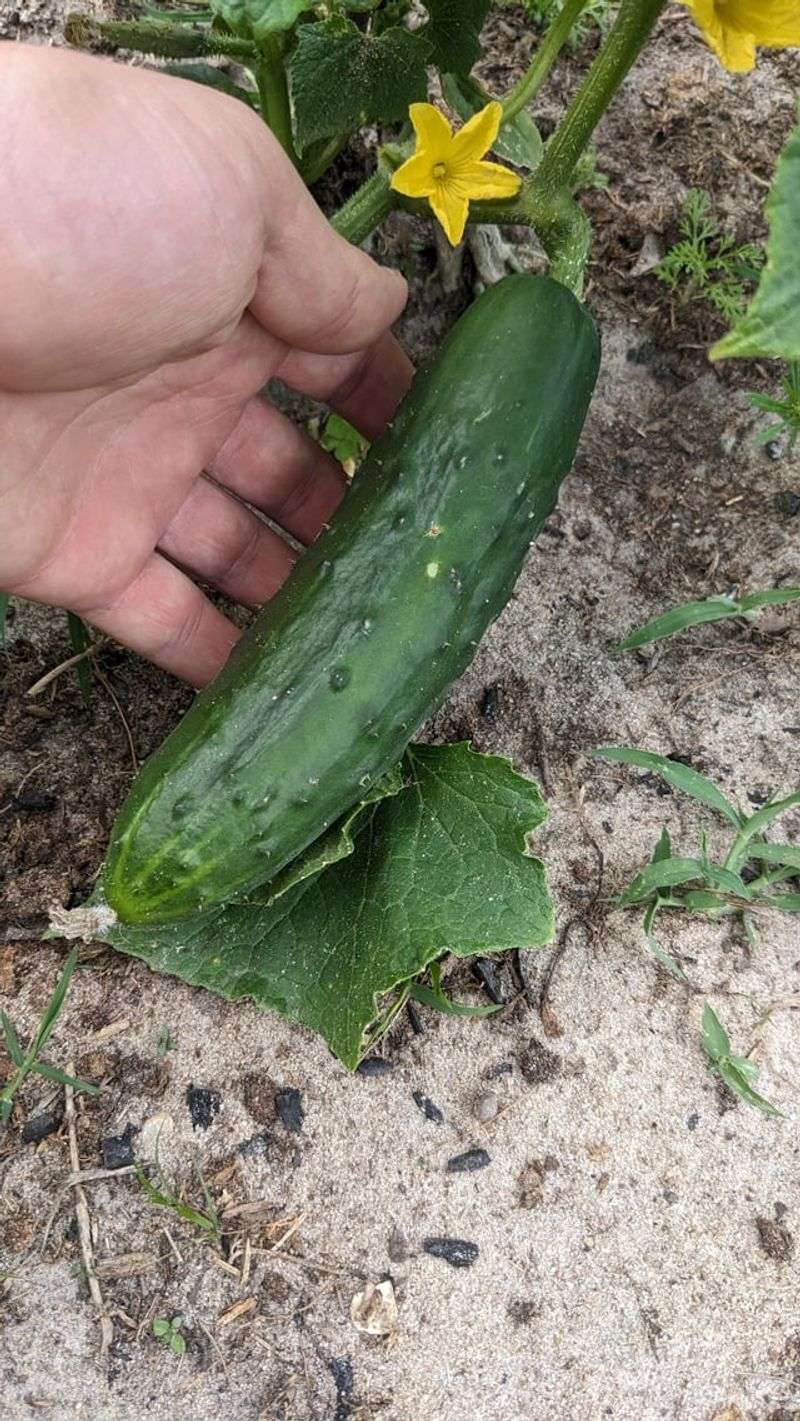
Dasher II produces uniform, dark green cucumbers that typically reach 8 to 9 inches in length. The fruits have a smooth, glossy skin and crisp white flesh that tastes clean and mild.
Florida gardeners appreciate how consistently straight and attractive the cucumbers come out, which makes them ideal for farmers markets and home kitchens alike. The variety also holds well on the vine without becoming bitter too quickly, which can be a problem with some cucumbers in Florida’s fast-moving heat.
Disease resistance is another strong point for Dasher II. The variety carries resistance to angular leaf spot, anthracnose, cucumber mosaic virus, downy mildew, powdery mildew, and scab.
In Florida, where all of these issues can show up during a single growing season, that level of built-in protection is a major advantage. Growers who have switched to Dasher II often report spending far less time managing disease problems compared to other varieties.
Planting Dasher II in Florida during the spring or fall seasons gives it the best chance to thrive. Warm soil temperatures of at least 65 degrees Fahrenheit encourage quick germination, and the plants establish themselves relatively fast.
Like most cucumbers, Dasher II benefits from consistent moisture and a layer of mulch to keep the soil from drying out between Florida’s sporadic rain events.
Vertical growing on a trellis is highly recommended for Dasher II in Florida because it improves air circulation and keeps the heavy fruit load off the ground. Seeds are widely available online and at local garden centers throughout Florida.
6. Sweet Success Smooth Skins And High Yields
Not every cucumber lover wants to deal with the bitterness that sometimes sneaks into homegrown cucumbers, and that is exactly where Sweet Success shines. This All-America Selections winner was bred to produce long, smooth, nearly seedless cucumbers with a mild, sweet flavor that is noticeably different from many standard garden varieties.
For Florida gardeners who want something a little more refined from their backyard harvest, Sweet Success delivers in a big way.
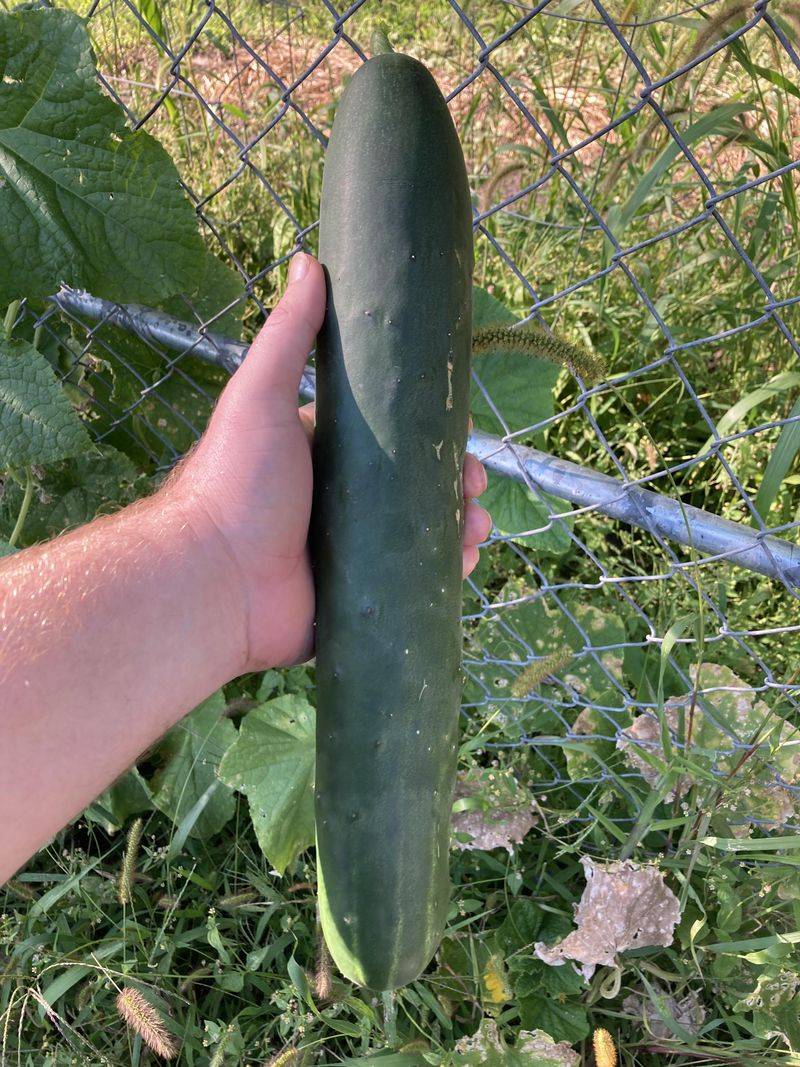
Sweet Success is a burpless type, meaning it is bred to have lower bitterness, though cucurbitacin levels can still vary with growing conditions. The fruits grow to about 12 to 14 inches long with thin, tender skin that does not need peeling.
In Florida’s heat, the plants stay productive and the fruits maintain their sweet flavor even as temperatures rise through the spring and summer months.
One of the most appealing aspects of Sweet Success for Florida gardeners is its parthenocarpic nature, meaning it can set fruit without pollination. This is a practical benefit in Florida, where rainy weather or a lack of pollinators can sometimes interfere with fruit development.
Gardeners growing in screened enclosures or greenhouses, which are common in parts of Florida, will find this trait especially useful.
Growing Sweet Success in Florida requires a sturdy trellis because the long fruits can become heavy and need support to grow straight and clean. The vines are vigorous and respond well to regular feeding with a balanced fertilizer, which helps maintain productivity throughout the season.
Florida’s sandy soils benefit from added compost or slow-release fertilizer to keep the plants well-nourished.
Watering consistently and avoiding wetting the foliage are good practices for keeping Sweet Success healthy in Florida’s humid environment. Seeds and transplants are available at many Florida garden centers as well as through online seed retailers.
For anyone who wants a cucumber that tastes as good as it looks, Sweet Success is a genuinely rewarding choice for Florida gardens.