Cutting Back Lantana After The First Frost Is A Mistake Georgia Gardeners Should Avoid
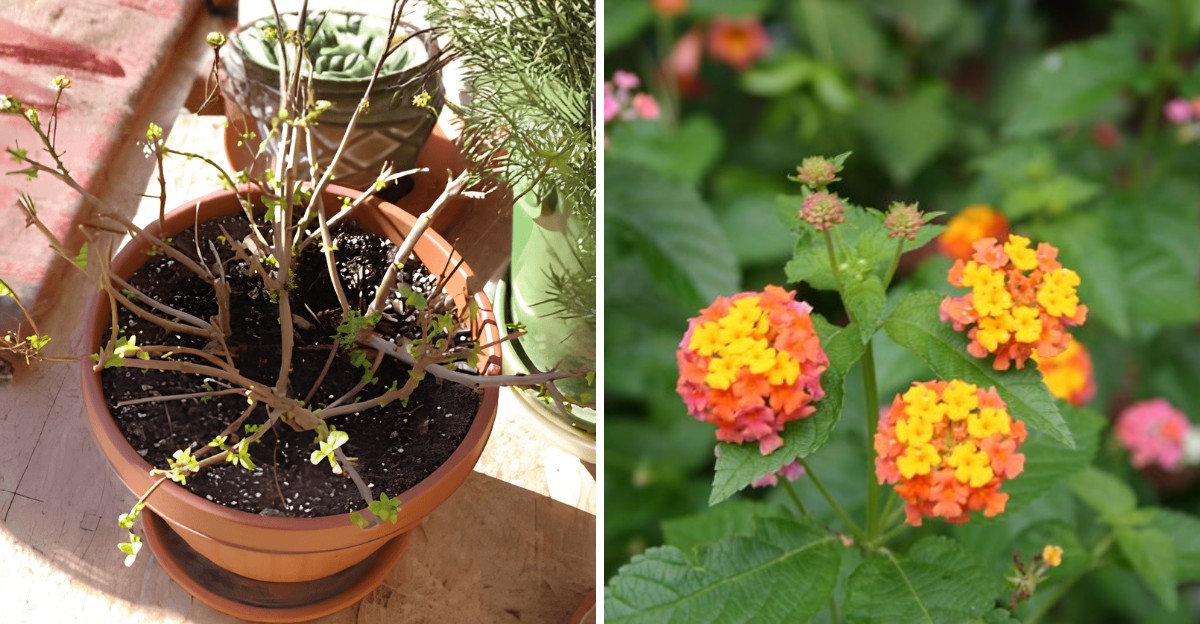
Those blackened, crispy stems you want to chop after a cold snap are working as a winter blanket. I find that oddly charming, because the ugliest part of the bed is quietly doing the most important job.
Across much of Georgia, this butterfly favorite acts like a perennial. The top growth gives up after a hard freeze, yet the roots and crown below stay alive and ready to sprout again.
Cut too soon, and you remove the shelter guarding that crown.
I understand the itch to tidy up. A frosted bed looks scraggly, and fall cleanup feels productive.
You may be surprised how much better your plants handle winter when you leave them alone.
Beneath that tangle of brown twigs, the plant is waiting for warmer days. The trick is knowing when it’s finally safe to grab your pruners.
1. Those Frost-Nipped Lantana Stems Are Doing More Than You Realize
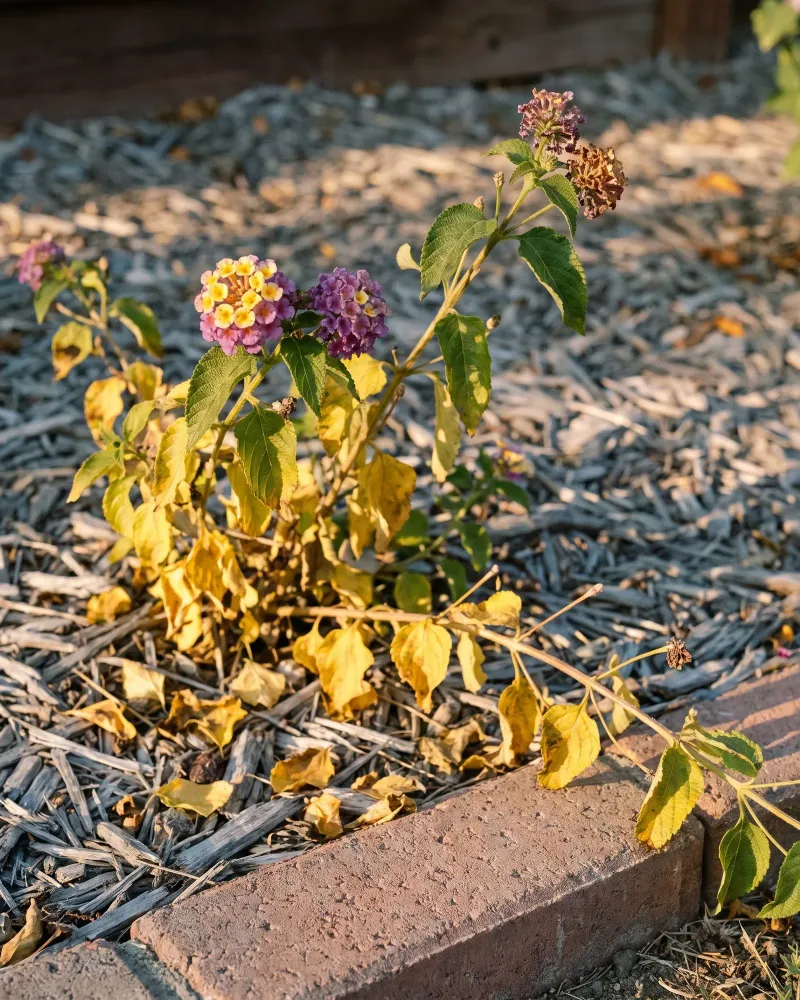
Ugly does not mean useless. After the first frost, lantana stems turn brown or black, and the leaves curl into sad little crisps.
Most of us see that and want it gone.
Underneath that mess sits the crown, the spot where stems meet roots. Spring growth starts right there.
The old stems trap a bit of air, catch fallen leaves, and help shield the crown from the sharper freezes that often arrive in January.
Gardeners in North Georgia face lows in the teens during some winters, while the coast stays much milder. In both places, that leftover growth adds a layer of protection you get for free.
Fresh cuts also matter. Woody lantana stems are partly hollow or pithy, and an open wound near the base can let cold rain soak in.
Moisture sitting on a chilled crown raises the risk of rot.
I like to think of those stems as a scruffy winter coat. Nobody would win a fashion contest wearing it, but it keeps the important parts safer.
Leaving it in place costs you nothing except a little patience and a slightly messy bed for a few months. Your plant will thank you later with healthy new sprouts.
2. Wait For Green Lantana Shoots Before Making The Big Cut
Spring is the answer. Experts, including longtime Georgia garden writer Walter Reeves, suggest holding off on major lantana pruning until late winter or early spring, once the danger of frost passes.
For most of the state, that window falls in March or April. South Georgia gardeners can often start a few weeks earlier.
Folks in the mountains and upper Piedmont may need to wait until mid-April, since late cold snaps are common there.
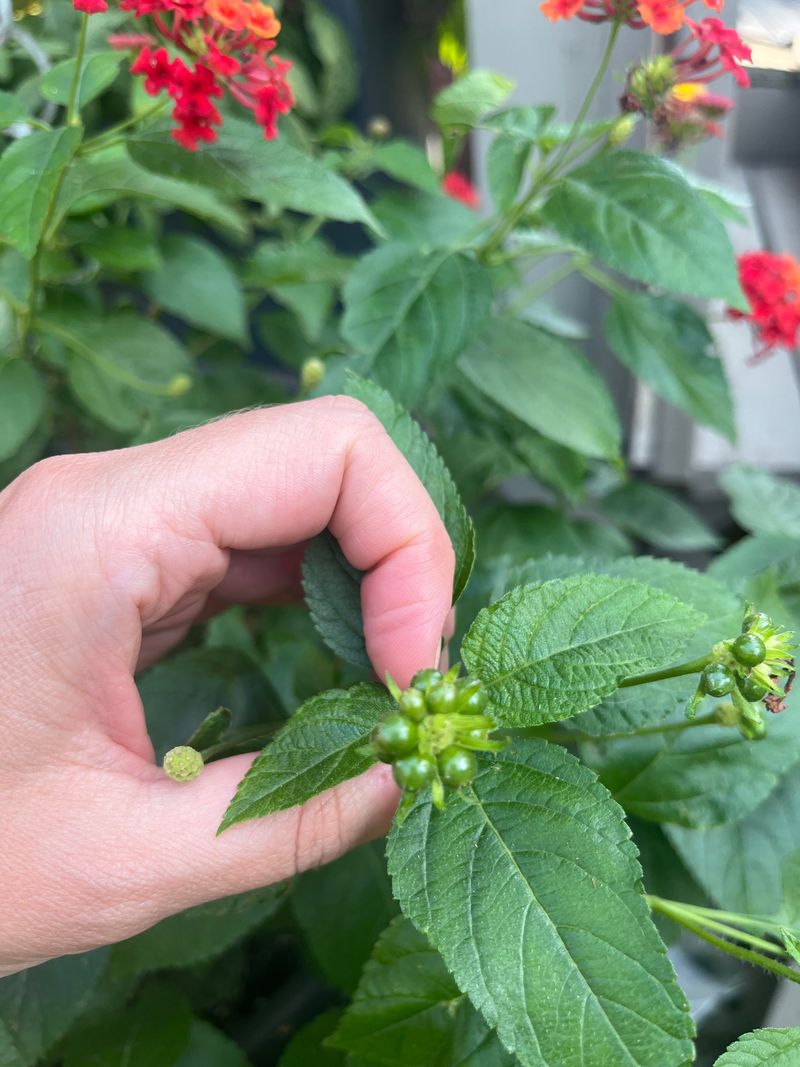
The best signal comes from the plant itself. Look closely at the base for small green shoots or swelling buds.
Once you spot them, you know the crown made it through, and you can see exactly where living growth begins.
Pruning before that point is guesswork. You might cut into healthy wood or trigger tender new sprouts right before a surprise freeze.
A single cold night in late March can scorch soft growth and set your plant back weeks.
My advice is simple. Mark a reminder on your calendar for mid-March, then go outside and check.
If the base still looks bare, give it another week or two. Lantana often wakes up later than other perennials, so a slow start is normal and not a sign of trouble.
3. Cutting Lantana Back To 6 To 12 Inches Sparks A Flush Of Blooms
Flowers show up on fresh stems, not old wood. That simple fact explains why a firm spring haircut leads to a bigger, bushier lantana by summer.
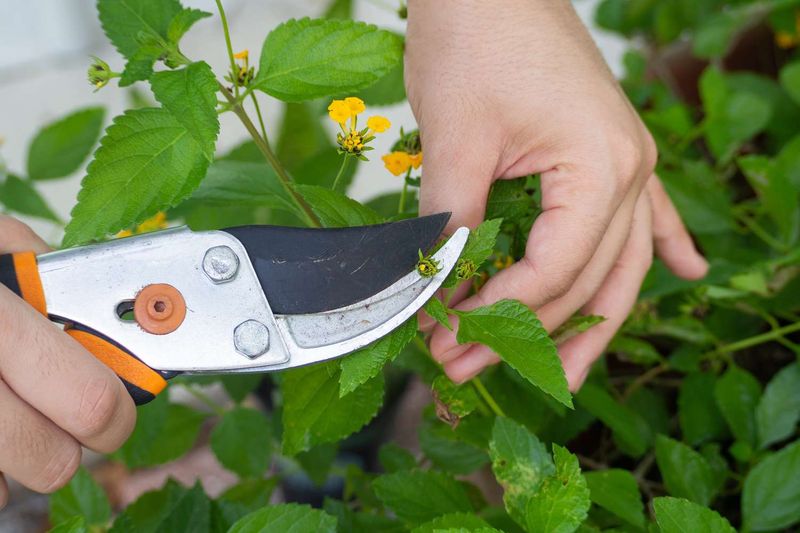
Once green shoots appear, cut the plant back to about 6 to 12 inches above the ground. If your lantana stayed fairly healthy through a mild winter, you can trim it by roughly one-third instead.
Either way, the goal is clearing out tired woody stems.
Use clean, sharp bypass pruners. Make each cut just above a set of buds or new leaves, and remove any stems that look hollow, brittle, or blackened all the way through.
Toss that debris instead of leaving it in the bed.
A hard cut may feel harsh the first time you try it. Trust me, the plant handles it well.
Lantana grows quickly once soil warms, and within a few weeks you should see a thick mound of leaves forming.
Lighter trims during summer help too. Snipping back leggy stems by a few inches in July can encourage another wave of color.
Just stop pruning heavily by late summer so the plant can settle down before cooler weather returns.
4. Soggy Winter Soil Is A Bigger Lantana Threat Than Cold Alone
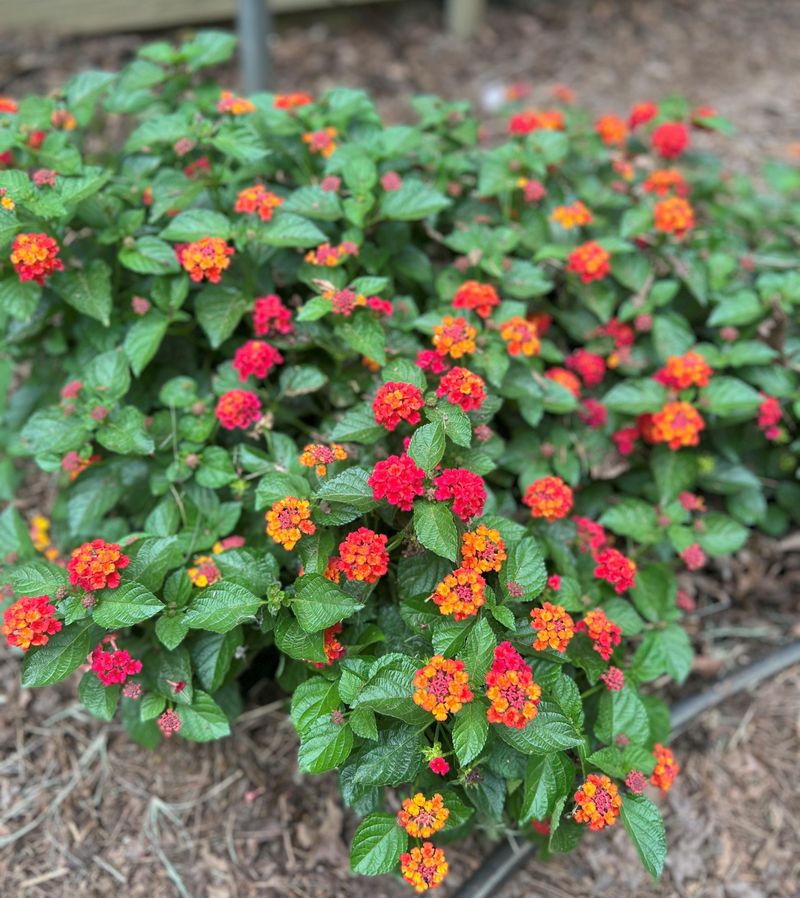
Cold gets the blame, but wet feet cause plenty of winter losses. Lantana handles dry spells like a champ.
Heavy, waterlogged soil during chilly months is another story.
Georgia winters bring lots of rain, and that famous red clay holds onto moisture. When roots sit in cold, soggy ground for weeks, they struggle to breathe and become more prone to rot.
A freshly cut crown makes the problem worse by giving water an easier way in.
Good drainage is your best defense. If your lantana grows in a low spot where puddles linger, consider moving it to a raised bed or a gentle slope next spring.
Mixing compost into clay at planting time also helps water move through.
Mulch helps, but use it wisely. A few inches of pine straw or shredded leaves around the base can buffer temperature swings.
Just keep thick mulch from piling directly against the stems, where it may hold too much dampness.
Skip winter watering for in-ground plants unless you hit an unusual dry stretch. Rain usually covers it.
Honestly, lantana tends to prefer a little neglect over too much kindness during these quiet months.
5. Miss Huff Lantana Earns Its Reputation In Colder Georgia Yards
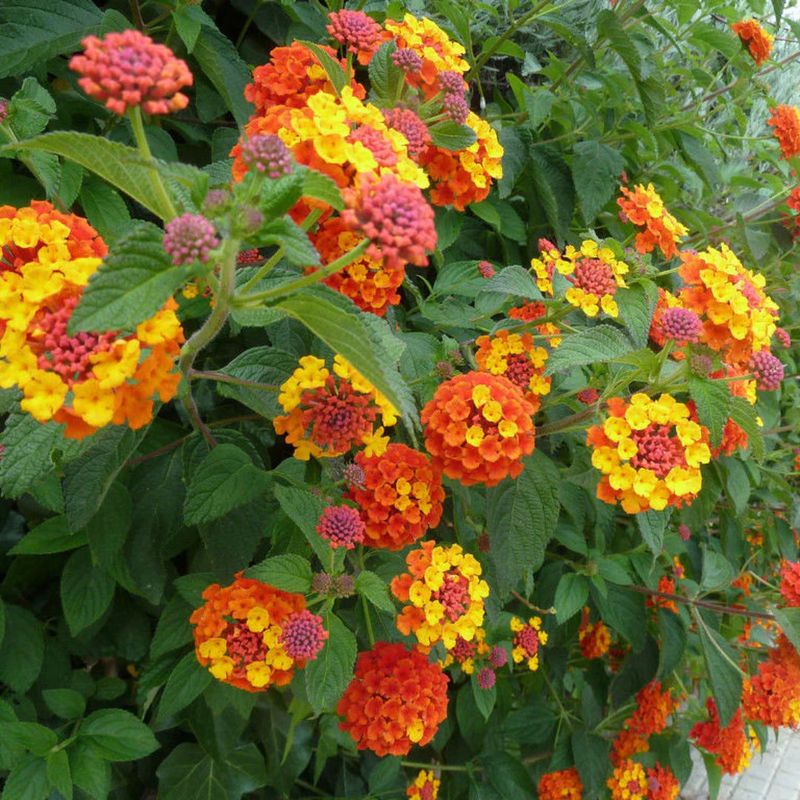
Some lantanas shrug off winter better than others, and ‘Miss Huff’ sits near the top of that list. This old Southern favorite reportedly traces back to a garden in Georgia, which feels pretty fitting.
It is widely rated hardy into zone 7, so it often returns even in parts of North Georgia where other types struggle. The plant grows big, too, sometimes reaching five feet or more by late summer.
Its orange, pink, and yellow flower clusters pull in butterflies all season.
Other dependable choices include ‘New Gold’ and ‘Chapel Hill’ selections. Many trailing types sold in hanging baskets are less cold tolerant and may act like annuals farther north.
One caution deserves mention. Common lantana, Lantana camara, can spread aggressively in warm areas, and it is considered invasive in Florida.
Sterile or low-seed cultivars like ‘New Gold’ are a smarter pick for coastal and South Georgia gardens.
Check plant tags before buying. A label listing cold hardiness and seed production tells you a lot.
Picking the right variety means less worry each fall and more reliable color when summer heat rolls back around.
6. Potted Lantana Needs A Different Winter Game Plan
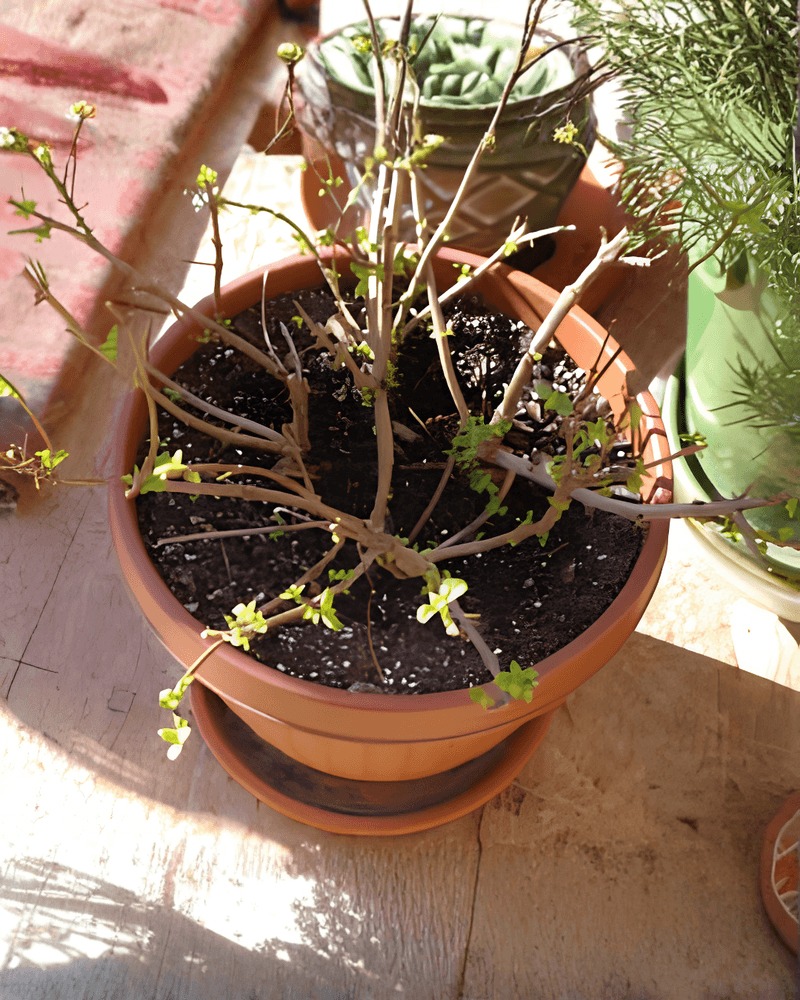
Containers change the rules. Roots in a pot lack the insulation of surrounding soil, so they feel cold much more sharply than plants growing in the ground.
In colder parts of the state, moving potted lantana into a protected spot is a smart move. An unheated garage, enclosed porch, or cool spare room works well, as long as temperatures stay above freezing.
A window with some indirect light helps.
Prepare the plant ahead of time. Ease up on watering and stop feeding several weeks before your area’s typical first frost.
That slowdown nudges the plant toward rest, and you can trim it lightly to fit the space.
During winter, water sparingly. Give just enough to keep the soil from turning bone dry, maybe once every few weeks.
Leaves may drop, and that is perfectly normal for a resting lantana.
Bring it back outside gradually in spring. Wait until nights stay above about 55 degrees, then start with a few hours of shade before moving it into full sun.
Once it adjusts, prune any weak growth, resume regular watering, and add a balanced fertilizer to kick off the season.
7. Fall Cleanup Around Lantana Beds Can Still Happen The Smart Way
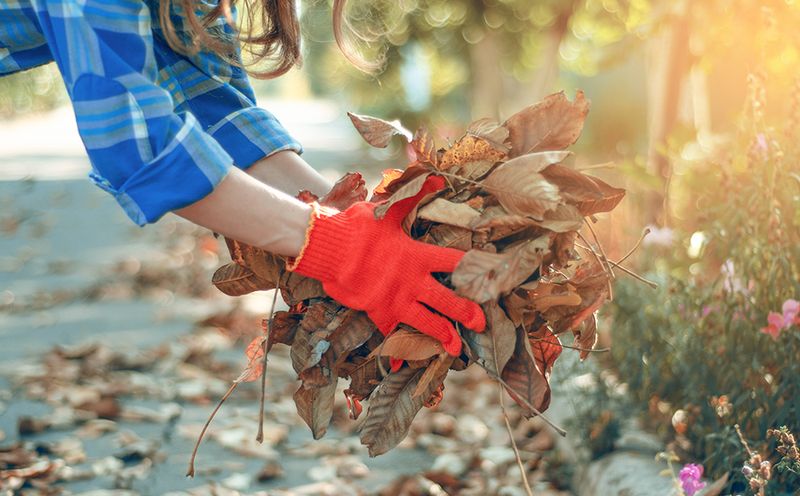
Tidy gardeners, I hear you. A messy bed can drive you a little crazy all winter.
Luckily, you can clean up nearby without hurting your lantana.
Start by pulling weeds around the plant. Cool-season weeds like henbit and chickweed love Georgia winters and grow fast.
Removing them now means fewer seeds later.
You can also snip off a few stems that flop onto walkways or look truly broken. Keep this light, though.
Leave most of the plant standing and avoid cutting anywhere near the crown.
Fallen leaves from nearby trees can stay loosely around the base as natural insulation. Rake away any thick, matted layers that might trap water against the stems.
Fluffy beats soggy every time.
Edging the bed and refreshing the mulch around its outer edges makes the whole area look cared for. That crisp border tricks the eye, and suddenly the brown stems seem intentional rather than forgotten.
Bonus perk: those standing stems and leftover seedheads give small birds and helpful insects some winter shelter. A slightly wild corner supports backyard life.
I’ve grown to enjoy watching wrens poke around the twigs on frosty mornings.
8. Patience With Your Lantana Pays Off In Butterfly Season
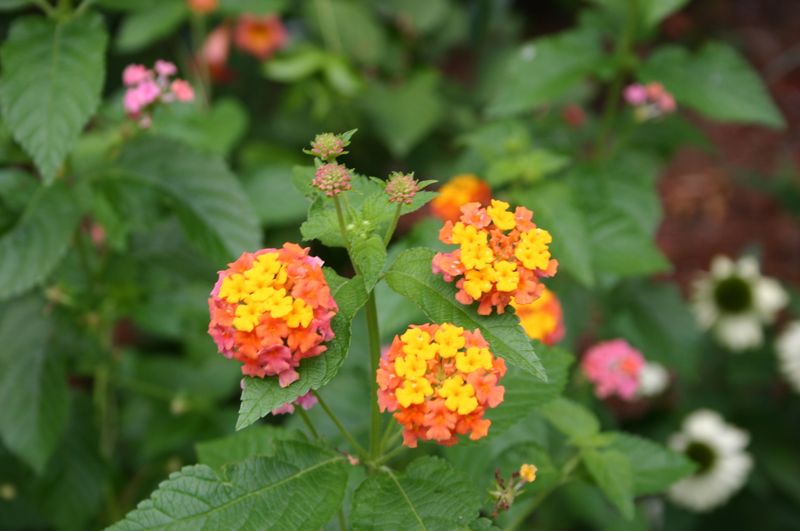
Summer makes the wait worthwhile. A lantana left alone through winter and pruned at the right time usually comes back fuller, stronger, and loaded with blooms.
Here is a quick plan to follow. Leave frosted stems standing through winter.
Check the base in March, prune to 6 to 12 inches once green shoots appear, then feed lightly and water during dry spells.
Do not panic if growth seems slow. Lantana loves heat and often lags behind other perennials in spring.
Some plants show no green until late April, especially after a cold winter in North Georgia. Scratch a stem gently with your fingernail, and green tissue underneath means it still has life.
If nothing appears by late May, the plant likely did not survive. That happens sometimes after severe freezes.
Replace it with a hardier variety suited to your area and try again.
Once those blooms open, the payoff arrives fast. Swallowtails, skippers, and hummingbirds flock to the nectar-rich clusters right through fall.
Watching that buzz of activity in July, you will be glad you resisted those pruners back in November. A little restraint now creates a much brighter garden later.