Digging A Hole For A New Tree In Georgia Seems Harmless – The Law Says Call First
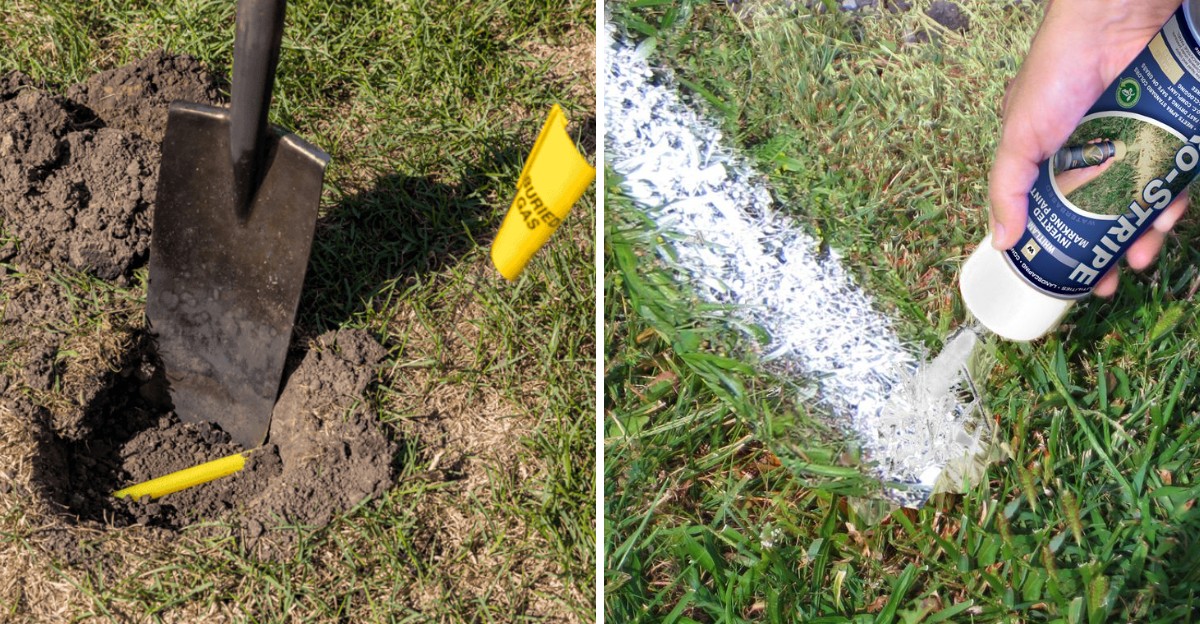
Buried utility lines can sit only a few inches under your lawn. The grass on top looks exactly like the rest of the yard, so you would have no clue.
Gas pipes, power cables, fiber lines, and water lines crisscross yards all over Georgia. A typical tree hole runs about as deep as a root ball, and that is plenty deep enough to snag one of them.
I can’t imagine the sinking feeling of a shovel clanking into something that hisses or sparks. You’d be facing a mess, a repair bill, and maybe a very unhappy street full of neighbors without internet.
The twist surprises plenty of gardeners. State law treats this simple backyard chore with the same caution as a construction site.
One free step can help you avoid a costly mistake before your shovel ever touches the ground.
1. Your Tree Planting Shovel Falls Under A Surprising Georgia Law
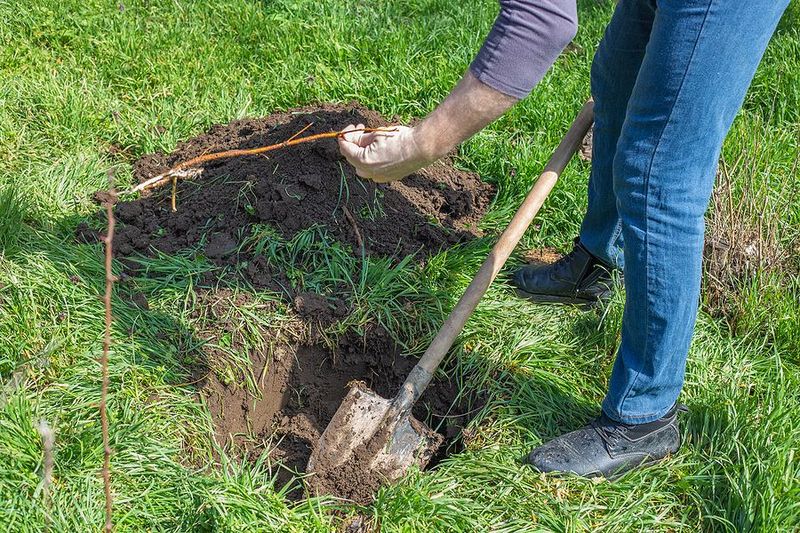
Most of us picture a backhoe when we hear the word excavation. The Georgia Utility Facility Protection Act, found in O.C.G.A.
Title 25, Chapter 9, takes a much wider view than that.
Under this law, moving earth to install something in the ground counts as digging. Georgia 811, the state’s one-call center, says anyone who digs should contact them first, and that includes homeowners with a spade and a new dogwood.
Planting trees, setting fence posts, and building raised beds with deep footings all fit the bill.
Why so strict for a single tree? Because the space under a typical yard is busier than most people realize.
Natural gas service lines, buried electric cables, phone and fiber lines, water pipes, and sewer laterals often run right through front lawns on the way to the house.
I find it oddly comforting that the rule applies to everyone equally. A big contractor and a weekend gardener play by the same playbook, and the playbook is simple.
Treat your tree hole like a real dig. It deserves the same quick check a utility crew would make, and the next section shows you how easy that check really is.
2. One Free Call To 811 Comes Before The First Shovelful

Three little digits do the heavy lifting here. Dial 811 from anywhere in Georgia, or file a request online at Georgia811.com, and the service costs you nothing.
Timing matters most. You need to submit your request at least two full business days before you dig, not counting the day you call.
Weekends and legal holidays don’t count, so a Friday afternoon request won’t clear the way for a Saturday planting party.
Georgia 811 does not send anyone to your yard itself. Think of it as a friendly switchboard that passes your request to every utility company with lines in your area.
Those companies then send their own locators to mark what they own.
Have a few details ready when you call:
Your street address and nearest cross street. A clear description of where in the yard you plan to dig.
The type of work, such as planting a tree.
Before you start, check the status of your ticket through the Georgia 811 positive response system. It shows whether each utility has marked its lines or reported nothing in your area.
If a company hasn’t responded yet, hold off on the shovel until it does.
3. Those Colorful Flags And Paint Lines In Your Yard Have Meanings
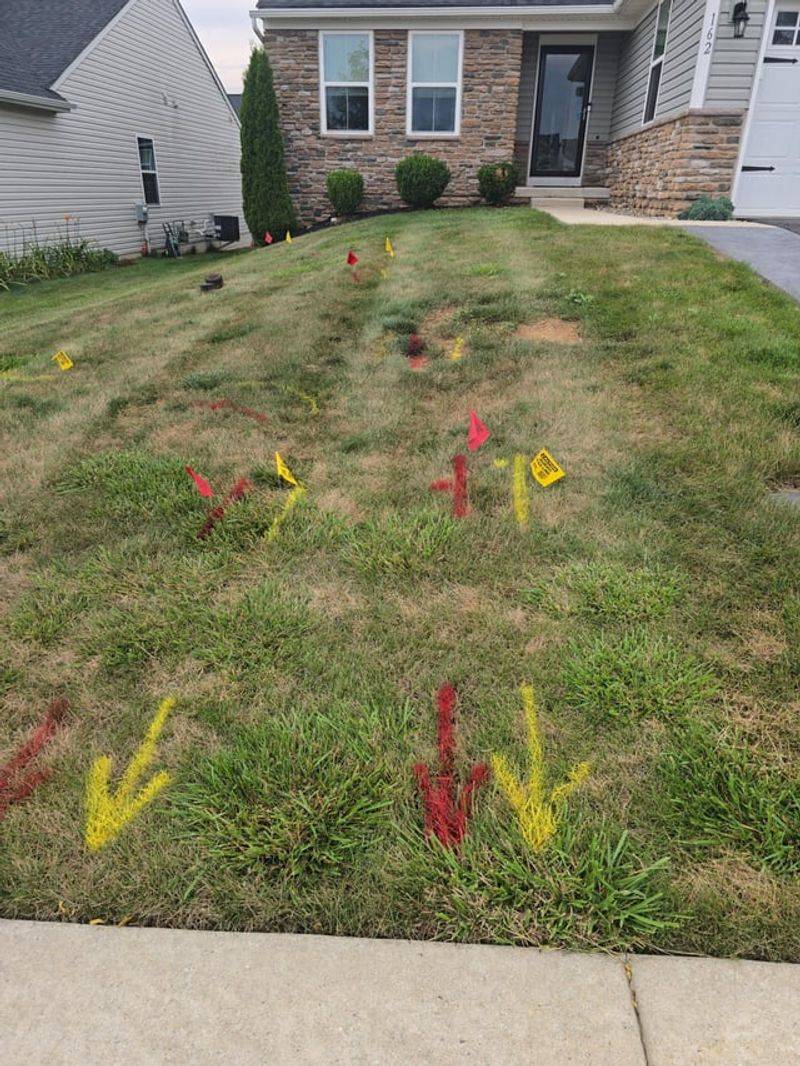
Waking up to a lawn dotted with little flags feels a bit like a surprise party nobody announced. Each color follows a national code from the American Public Works Association, and learning it takes about two minutes.
Red means electric power lines and cables. Yellow marks gas, oil, or steam lines, which deserve extra respect.
Orange shows communication lines like phone, cable TV, and fiber internet.
Blue points to drinking water. Green marks sewer and drain lines.
Purple flags reclaimed water or irrigation lines from a utility, while pink shows temporary survey marks.
White paint is special because it comes from you, not the utilities. More on that handy trick later.
Keep in mind that a mark shows the approximate location, not an exact X on a treasure map. The flag or paint line usually traces the general path of the buried line, and the real pipe may sit a little to either side.
Personally, I snap a few photos of the marks the day they appear. Rain, mowing, and curious kids or dogs tend to move flags around, and a photo saves you from guessing later.
4. Hand Digging Within 18 Inches Of The Marked Utility Lines
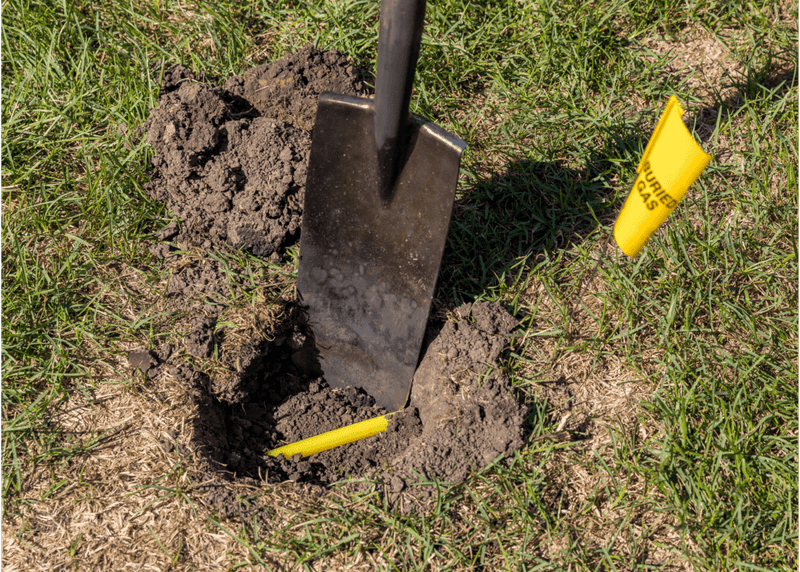
A measuring tape might be the most underrated planting tool you own.
Georgia law generally requires special care within 18 inches of the outside edges of a marked underground utility, including the use of appropriate nonmechanized excavation methods.
Inside that zone, gentle hand tools are the way to go. Use a round-point shovel carefully, or better yet, loosen soil with a trowel and pull it back slowly.
Avoid power augers, tillers, and stabbing motions that could punch through a plastic gas line.
Honestly, the smartest move is shifting your tree a few feet away. A tree trunk keeps growing wider, and roots spread far past the drip line over the years.
Planting right on top of a gas or water line sets up headaches for both you and the utility company down the road.
Watch for warning signs as you dig. Bright plastic warning tape, a layer of sand, or a smooth pipe surface means you have found something.
Stop right there and leave it alone. If you nick or scrape any line, even slightly, call the utility owner.
If you smell gas, hear hissing, or see sparks, move away quickly and call 911 from a safe distance.
5. Skipping The Call Can Mean Repair Bills And Steep Fines
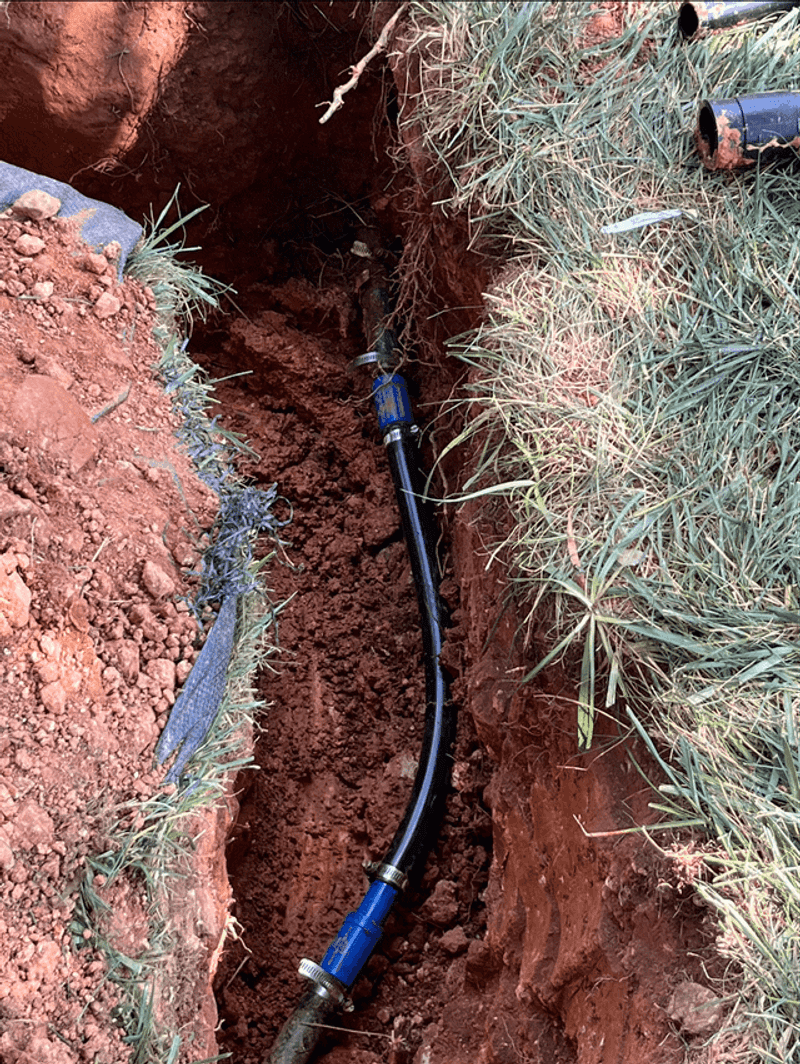
Saving two days of waiting sounds tempting until you see the invoice. When a homeowner damages an underground line without a valid locate request, Georgia law can hold that person responsible for the repair costs.
Those bills add up fast. Emergency crews, specialty parts, overtime labor, and service restoration for an entire block can run far higher than the price of your new tree, and much higher than most gardeners expect.
Fines are part of the picture too. The Georgia Public Service Commission enforces the dig law and can issue civil penalties, with amounts reaching up to $10,000 per violation in serious cases.
Some violators are offered training instead of a fine, but nobody wants to roll those dice.
Then come the safety concerns, which matter far more than money. Striking a gas line can cause leaks and fires, and cutting an electric cable can cause serious injury.
Neighbors feel it as well. One snapped fiber line can knock out internet for dozens of homes, and a broken water line can leave a whole street dry.
A free phone call looks like a pretty great bargain next to all that.
6. Sprinkler Pipes And Yard Lighting Wires Won’t Get Flagged
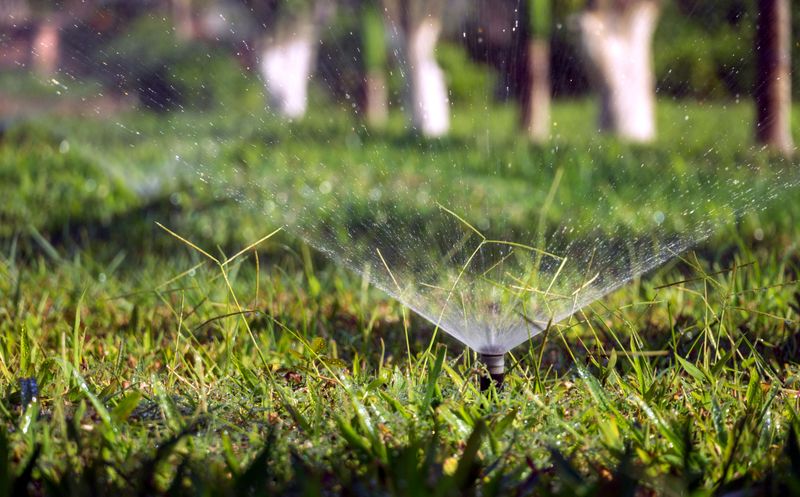
Plenty of folks are shocked to learn that 811 marks only part of what lies under their grass. Utility companies flag the lines they own, which usually stop at the meter.
Everything on your side of that meter is typically your job to find. Common private lines include:
Irrigation pipes and sprinkler heads. Low-voltage landscape lighting wires.
Power lines running to a detached garage, shed, or pool pump.
Propane lines from a tank you own also fall into this group, along with septic lines and drain fields. Gas lines feeding an outdoor grill or fire pit count too.
So how do you find them? Start with old paperwork, such as house plans, septic permits, or irrigation installer receipts.
Trace visible clues like sprinkler heads, light fixtures, and outdoor outlets, since lines often run in fairly straight paths between them.
If you have a lot of buried extras, a private utility locating company can scan your yard for a fee. It costs money, but it is cheaper than repairing a crushed propane line.
Septic owners should take special care. Tree roots love the moisture in drain fields, so keep new trees well away from that area.
7. Picking A Tree That Plays Nice With Power Lines And Sewer Pipes

Calling 811 protects what lies below today, but the tree you choose decides what happens twenty years from now. A cute sapling can turn into a giant that tangles with wires and pipes.
Look up before you plant. Georgia Power and local electric cooperatives recommend keeping tall trees well away from overhead lines and choosing small trees, usually under about 25 feet at maturity, for spots near wires.
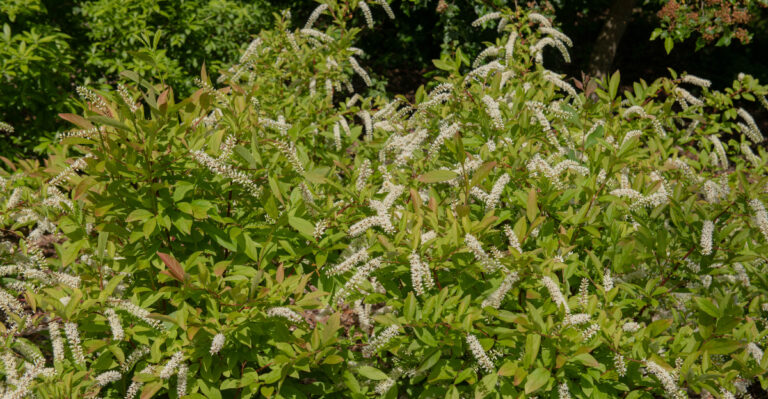
Good native picks for tight spaces include eastern redbud, fringetree, and serviceberry. American hornbeam and possumhaw holly are also tidy choices that stay manageable.
Save the big shade makers, like oaks and tulip poplars, for open areas with plenty of room in every direction. Their roots spread wide, often well past the branch tips.
Underground matters too. Roots naturally seek moisture, and older clay or cast iron sewer pipes with small cracks can attract them.
Keep thirsty, fast-growing trees away from sewer laterals and septic systems. A little distance now spares you a costly plumbing call later.
I love planning this way because it feels like a gift to my future self. The right tree in the right place just quietly thrives.
8. Mark Your Planting Spot In White Paint And Plan The Perfect Tree Hole
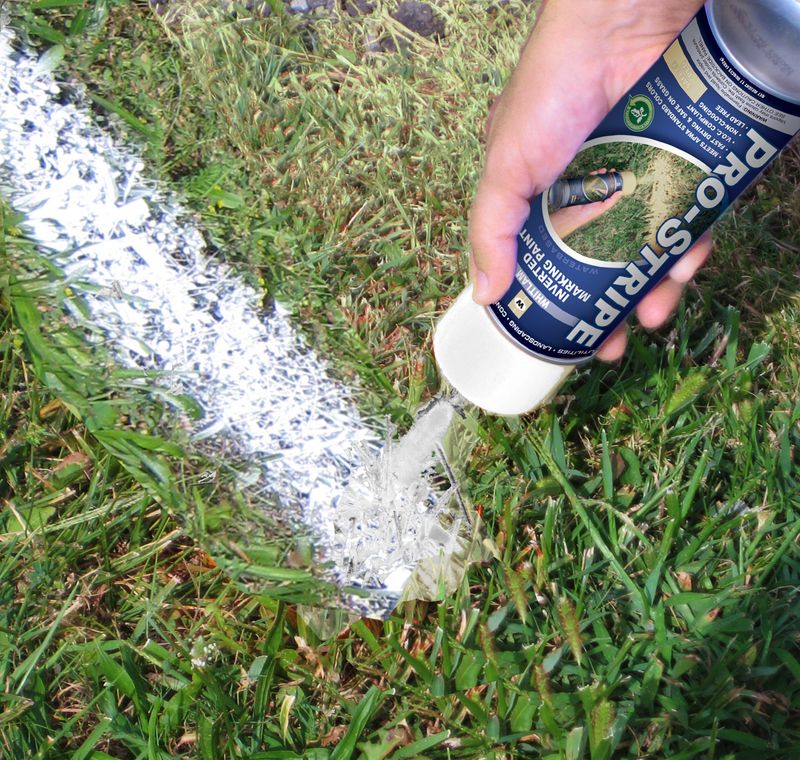
A can of white marking paint might be the friendliest thing you bring to this project. Outlining your planting spot in white before the locators arrive shows them exactly where you plan to dig.
That small step helps crews focus on the right area. It also saves you from flags scattered across the whole yard when you only need one hole.
Timing helps as well. UGA Extension notes that fall and early winter are prime planting seasons across much of Georgia, since cooler air and warm soil help roots settle in before summer heat.
Once your marks clear, the hole itself deserves some care. Dig it two to three times wider than the root ball but no deeper.
The top of the root ball should sit at or slightly above ground level, especially in heavy red clay.
Keep an eye on the calendar after you call. A Georgia locate ticket stays valid for a limited window, typically 30 days, so request fresh marks if your plans drag on or the paint fades.
Call, mark, wait, then dig wide and shallow. Your new tree gets a safe start, and you get to enjoy the shade with zero surprises.