Dandelion Greens vs. Kale: What the USDA Calcium Numbers Really Show
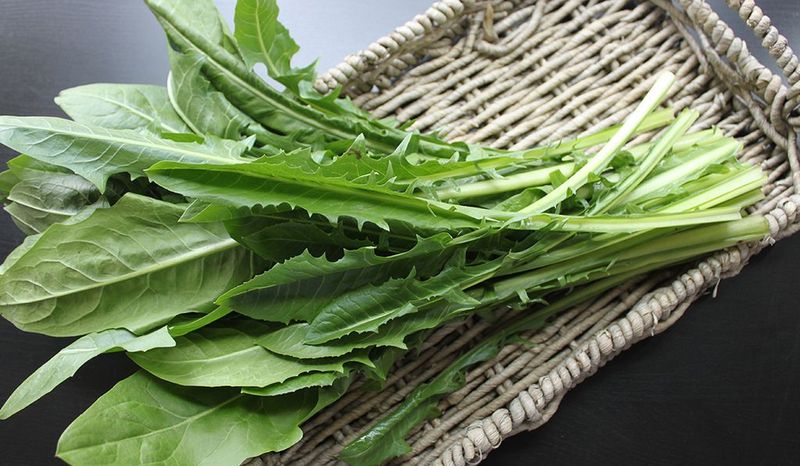
Dandelion greens get a lot of attention for their calcium, and some claims say they beat kale. The truth depends on which numbers you look at.
Nutrition data can change from one database entry to the next. Here is what the figures say, what they leave out, and how to handle the plant with care if you ever meet it.
One USDA comparison puts dandelion ahead of kale
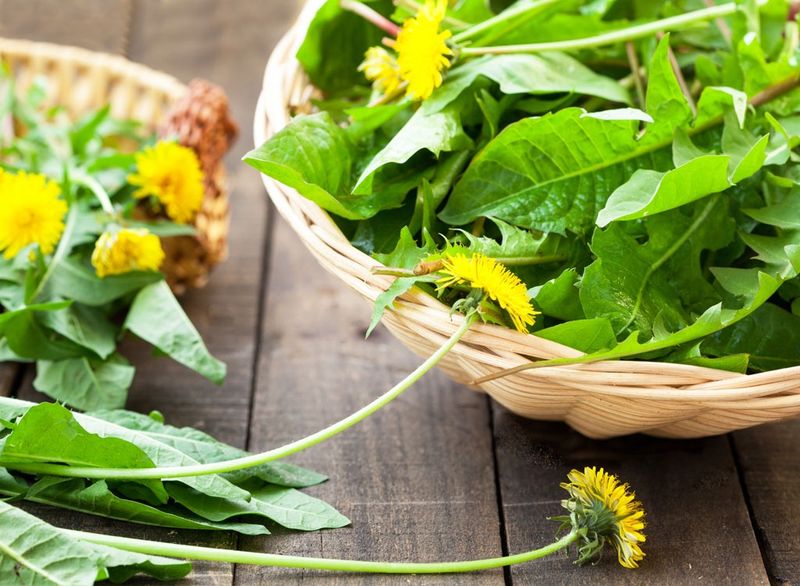
Here is the comparison behind the buzz. In the USDA’s older SR Legacy dataset, raw dandelion greens list 187 mg of calcium per 100 g.
The raw kale entry in the same dataset lists 150 mg per 100 g.
On those two lines, dandelion comes out ahead. Notice the fine print, though.
Both numbers are for raw greens, measured by weight, and both come from one particular USDA dataset.
That makes this a dataset-specific result, not a rule you can count on every time. A single pair of entries cannot tell you that dandelion always carries more calcium than kale.
Think of it as one snapshot, useful for context but too narrow to settle the question. The next section shows what happens when a different kale entry enters the picture.
Different kale data produce a different comparison
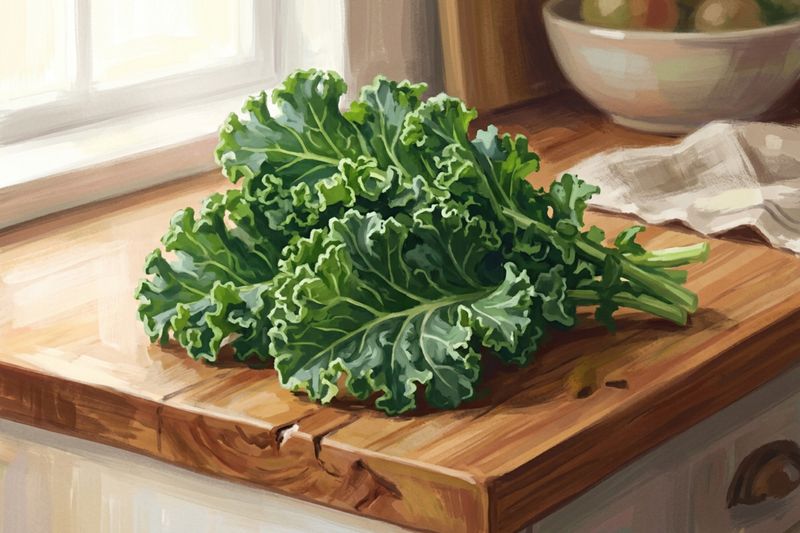
Swap in a newer kale entry and the story flips. USDA’s Foundation Foods record for raw kale lists 254 mg of calcium per 100 g.
That is well above the 187 mg listed for dandelion greens in SR Legacy.
So which kale number is right? Both are real entries, but they come from different data vintages and different sampling.
Neither one is a controlled, side-by-side test of dandelion against kale.
USDA notes that FoodData Central holds several data types, so more than one record can exist for a single food. Plants also vary with soil, variety, and harvest time.
The practical takeaway is simple: treat any dandelion-versus-kale claim as tied to the dataset it came from, not as a universal ranking.
Deep roots do not explain the leaf calcium figure
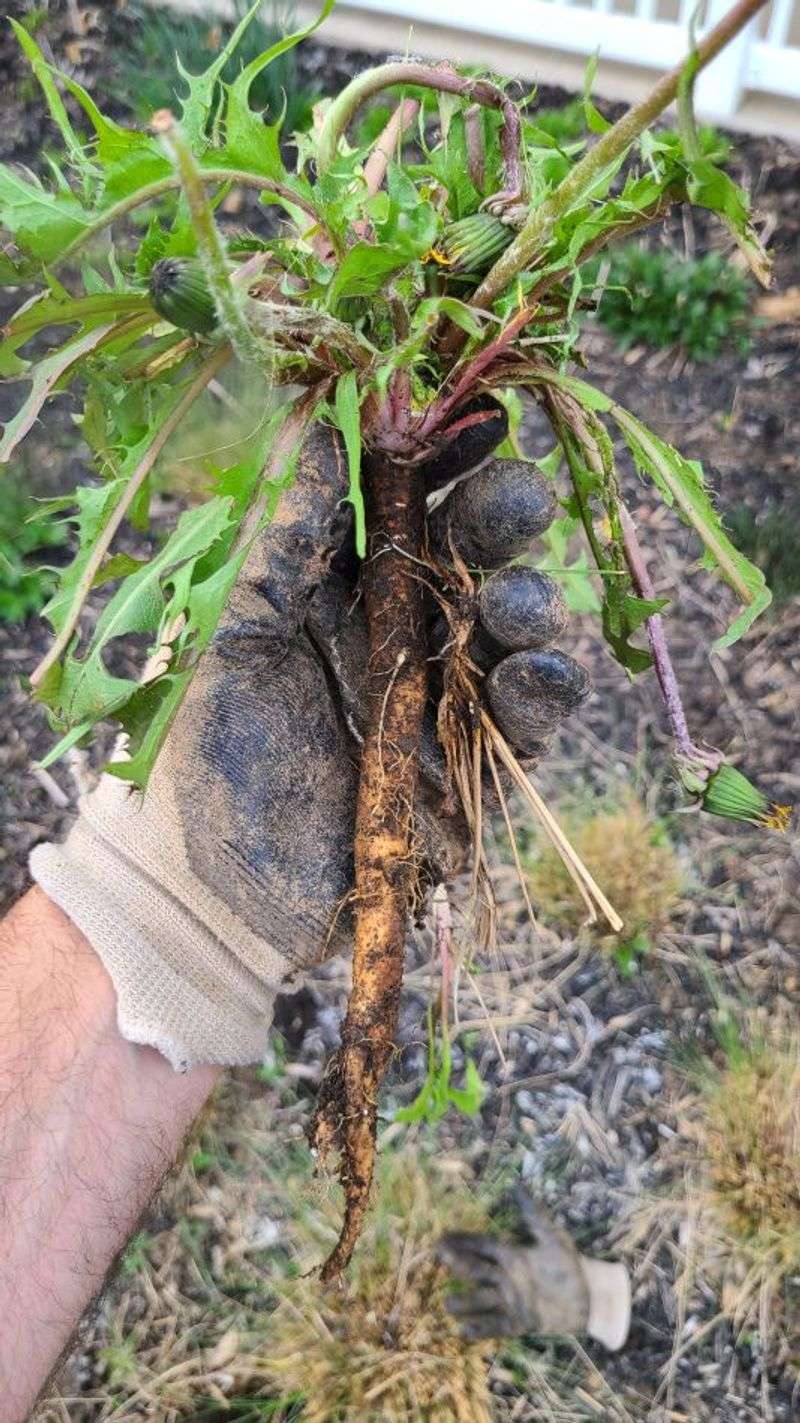
Common dandelion really does have a deep taproot. The University of Arizona’s Yavapai County plant database describes it as deep-taprooted, which is why pulled plants often snap and regrow.
It is tempting to link that root to calcium in the leaves. That link is not proven.
A PNAS study on nutrient uptake by deep-rooted plants looked at other species in a particular ecosystem, so it cannot show that dandelion roots cause its leaf calcium.
Root depth is a fact about the plant. Calcium in the leaf is a separate measurement from a food database.
Treating the first as the explanation for the second is a guess, and it does not make dandelion nutritionally better than kale.
A serving provides calcium, but measures and absorption matter
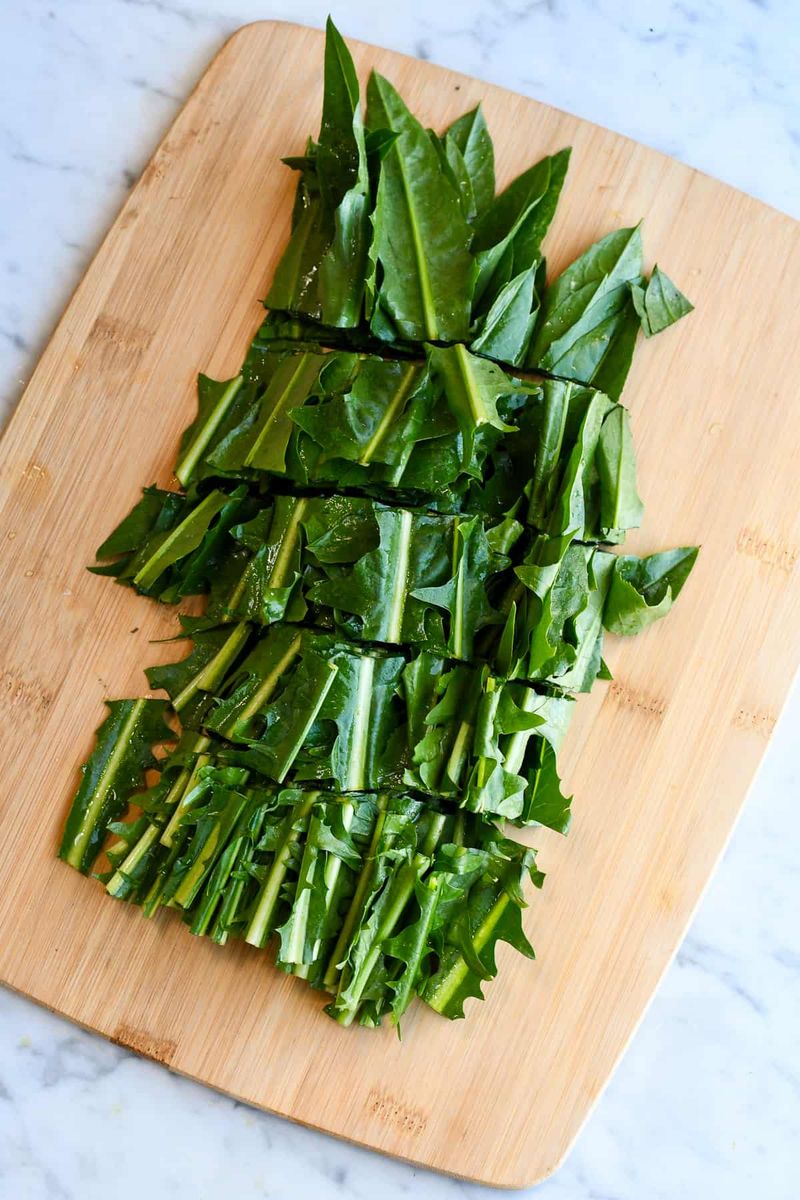
Per-100-g numbers are lab-style units, and nobody eats exactly 100 g by habit. A nutrition source lists about 103 mg of calcium in one cup of chopped raw dandelion greens, roughly 8% of the adult Daily Value.
Your Arizona Garden Changes Every Week. Your Plan Should Too.
Gardening in Arizona changes quickly throughout the season. Every Friday you’ll receive a simple weekly plan showing exactly what to plant, prune, fertilize, harvest, and protect so you never miss the right timing.
Keep that cup figure apart from the 187 mg per 100 g number, since a cup’s weight depends on how tightly the greens are packed.
Calcium is useful, but modest here. Even the 100 g figure is only about 14% of the 1,300 mg Daily Value.
Listed calcium is also not the same as absorbed calcium. The NIH Office of Dietary Supplements notes that absorption varies by food and that kale is among the vegetables absorbed about as well as milk.
The sources here do not show the same for dandelion, so a bigger number on a label does not guarantee more calcium reaches your body.
A Yavapai County record does not describe every Arizona yard
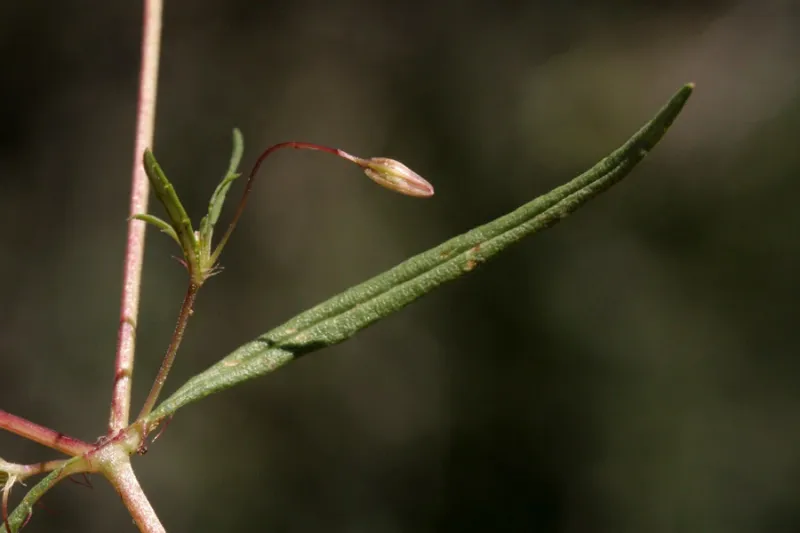
Arizona details here come from one place: the University of Arizona’s Yavapai County Native and Naturalized Plants database. It is a county resource, not a statewide survey, so its notes should not be stretched to every part of Arizona.
The entry for common dandelion calls it an introduced plant. It ties the plant to riparian habitat and damp low places, with a listed elevation range of 2,500 to 9,000 feet.
That description does not say dandelion grows in every Phoenix or Tucson yard, and it says nothing about how often residents pull it. It also does not make dandelion a native, drought-adapted, or water-wise choice for low-desert landscapes.
Where it appears, expect moisture to be part of the story.
Identify and harvest greens with care
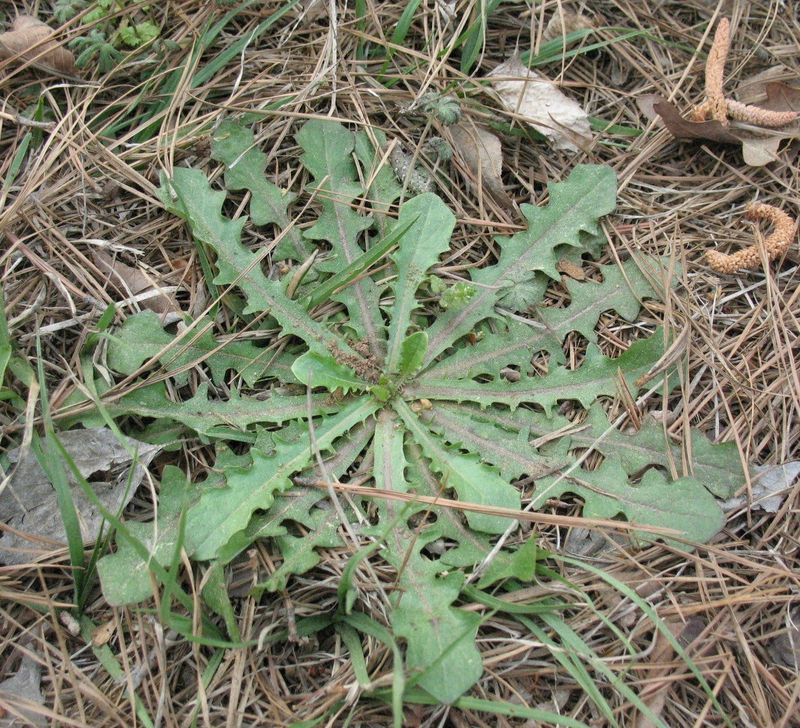
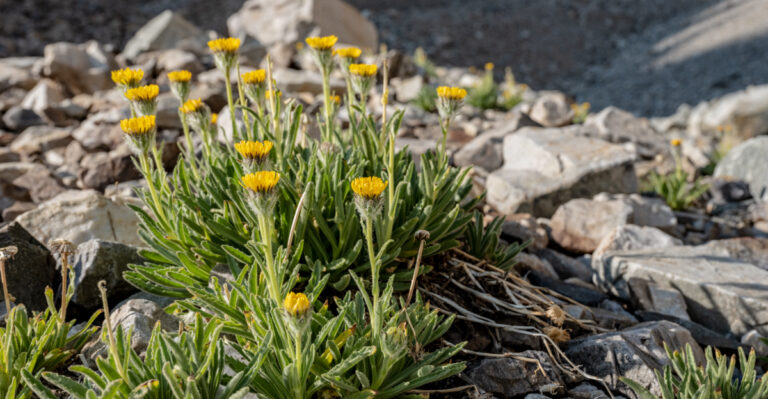
Start with identification. Yavapai County’s plant database describes a basal rosette of deeply lobed leaves, solitary yellow flower heads, and outer flower bracts that bend downward, per its common dandelion entry.
A yellow flower alone is not enough, since other plants look similar. Never eat a lookalike you cannot name.
Choose harvest spots carefully. Skip any place that may have been treated with herbicide or sits near roads where contamination is possible, and wash every leaf.
Extension guidance says leaves can be eaten raw or cooked.
Food amounts are one thing, and supplements are another. NCCIH says ordinary food amounts are likely safe, but larger supplemental doses are less understood, and evidence for health effects is very limited.
Dandelion greens can add some calcium to a plate. Whether they beat kale depends on which dataset you pick.