Dark, Dramatic Indoor Foliage Plants Taking Over Texas Homes This Winter
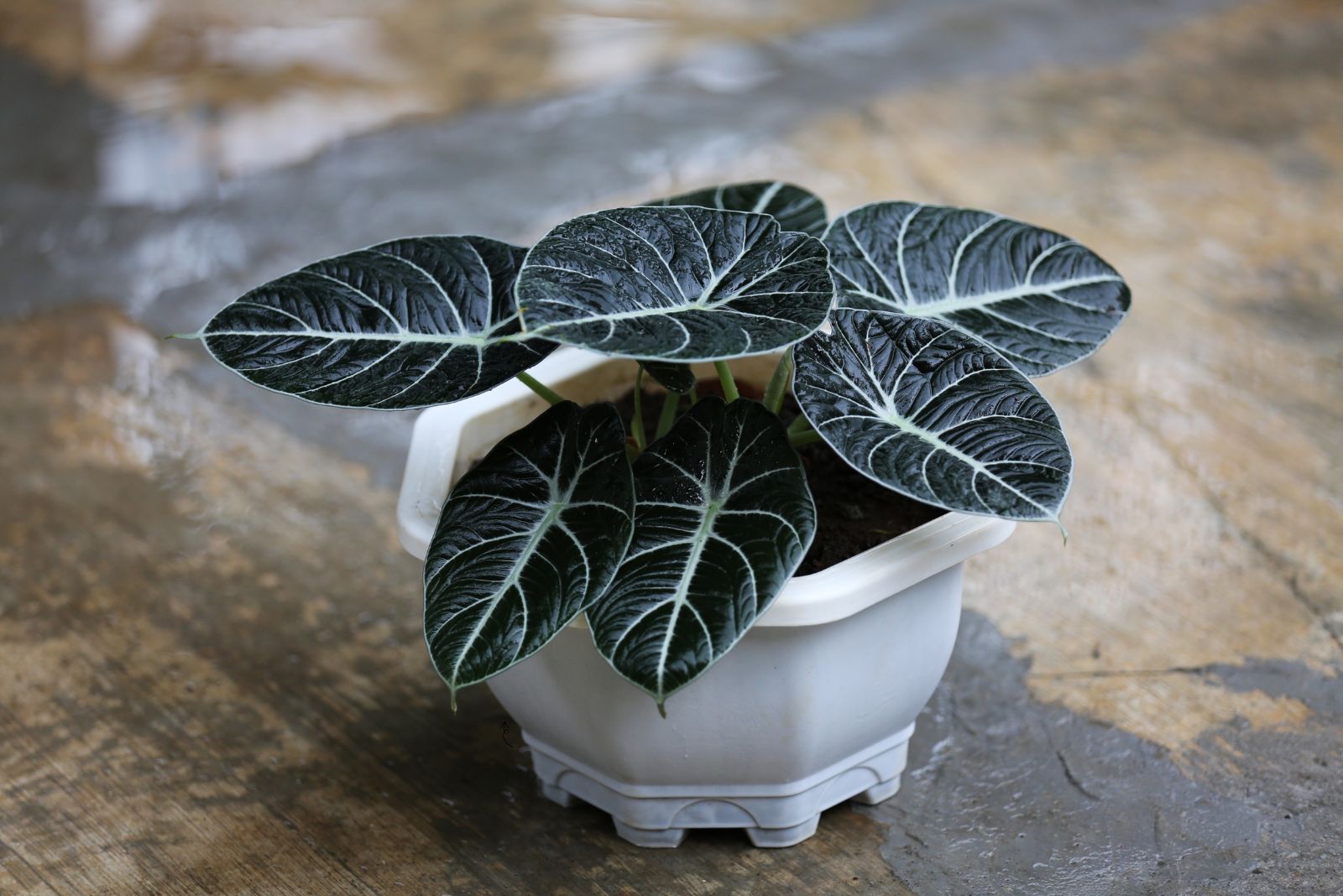
This winter, Texas homes are going bold, moody, and beautifully green. Bright summer blooms are stepping aside as dark, dramatic foliage plants steal the spotlight indoors.
Think deep green leaves, rich burgundy tones, and striking textures that instantly make any room feel cozy and stylish. These statement plants are not just surviving winter, they are thriving in it, turning ordinary corners into lush, eye catching spaces.
Texas plant lovers are embracing the vibe, mixing low light champions with sculptural favorites that love indoor life during cooler months. And the best part?
Many of these stunning plants are surprisingly easy to care for, even if you are not a plant expert. Ready to give your home a fresh seasonal look without a full makeover?
Let’s explore the dark, dramatic indoor foliage plants everyone in Texas is falling in love with this winter and why they deserve a spot in your space right now.
1. Raven ZZ Plant
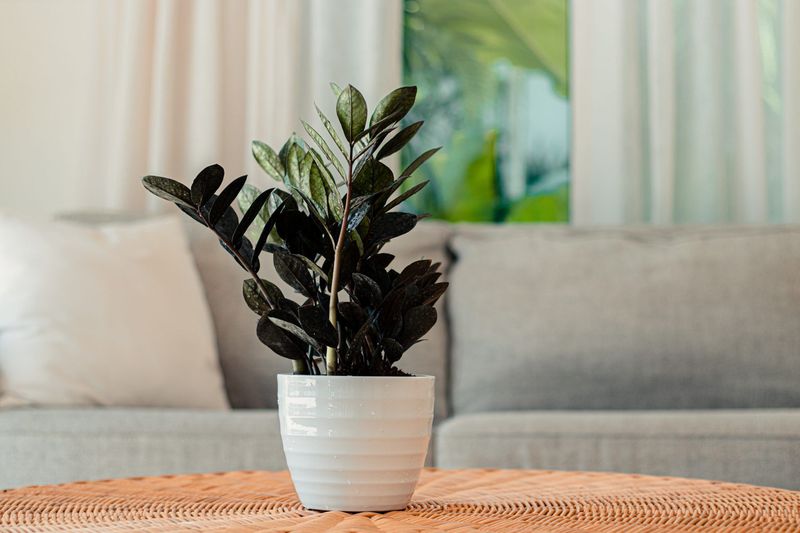
Walking into a room with a Raven ZZ Plant feels like discovering a secret garden hiding in plain sight. The leaves start out bright green when they first emerge, then gradually deepen into an almost black shade that catches everyone’s attention.
This transformation happens slowly over several weeks, giving you a front-row seat to one of nature’s coolest color shows right in your Texas home.
What makes this plant absolutely perfect for busy households is its ability to handle neglect like a champion. You can forget to water it for weeks, and it will still look amazing.
The thick, waxy leaves store water efficiently, which means you only need to water every two to three weeks during winter months. If you travel frequently or simply forget about your plants sometimes, this one forgives you every single time.
Light requirements are incredibly flexible too. While it grows faster in bright indirect light, it tolerates low-light corners better than most houseplants.
Many Texas homeowners place theirs in north-facing rooms or hallways where other plants would struggle. The glossy surface of the leaves reflects whatever light is available, making even dim spaces feel more alive.
Maintenance involves nothing more than occasional dusting and very infrequent watering. Root rot becomes a concern only if you overwater consistently, so err on the side of underwatering.
The plant naturally stays compact and upright without needing any pruning or staking. Pet owners should note that ZZ plants are toxic if ingested, so keep them away from curious cats and dogs who like to nibble on greenery.
2. Burgundy Rubber Plant
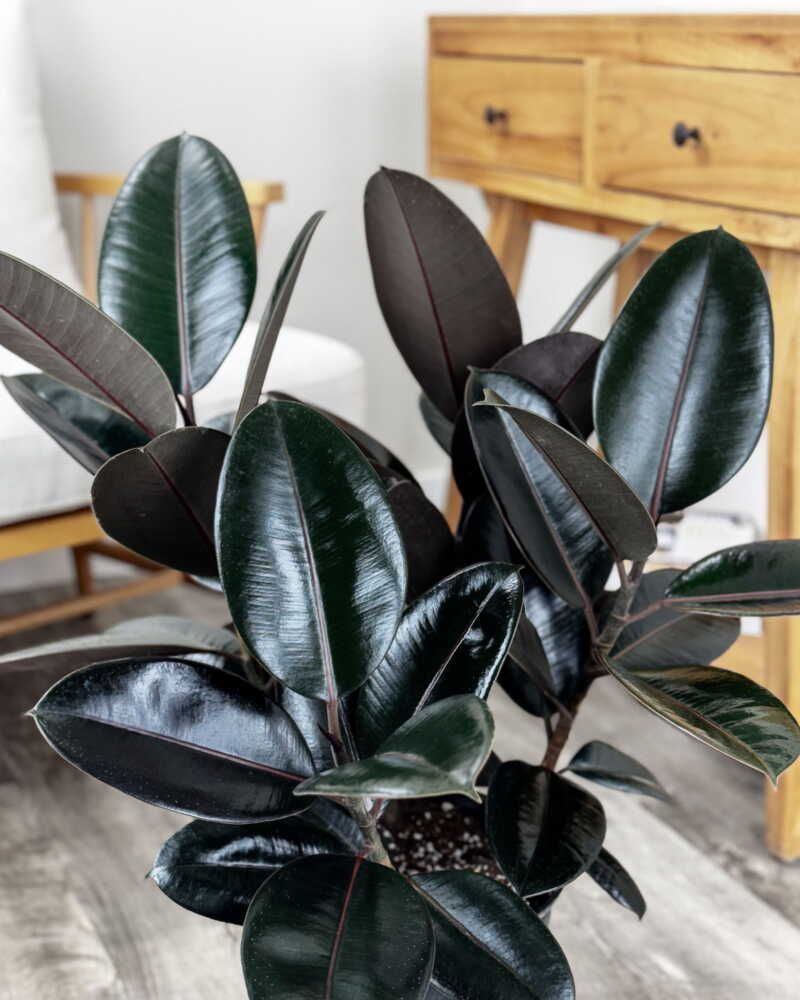
Picture a plant that looks like it belongs in a fancy botanical magazine but actually thrives with minimal effort. Burgundy Rubber Plants deliver exactly that combination.
Their oversized leaves come in shades ranging from deep wine to almost chocolate brown, depending on light exposure. Each leaf has a glossy finish that makes it look perpetually healthy and well-cared-for, even when you have not touched it in days.
These plants grow vertically rather than spreading out, making them ideal for Texas homes where floor space comes at a premium. A single plant can reach several feet tall while occupying only a small footprint.
Place one in a corner, and suddenly that space becomes a focal point. The dramatic foliage creates visual height without overwhelming smaller rooms or crowding furniture.
Caring for a Burgundy Rubber Plant requires establishing a simple routine and sticking to it. Water when the top two inches of soil feel dry, usually once weekly during winter in most Texas homes.
They prefer bright indirect light but adapt to medium light situations surprisingly well. Direct afternoon sun through west-facing windows can scorch the leaves, so position yours a few feet back from intense light sources.
One quirky trait these plants have is their tendency to grow new leaves from the top while occasionally dropping older bottom leaves. This is completely normal and not a sign of distress.
Simply remove fallen leaves and enjoy watching new growth emerge. Wipe the leaves monthly with a damp cloth to remove dust and keep that signature glossy appearance. The plant rewards this minimal care with steady growth and stunning year-round color.
3. Black Velvet Alocasia
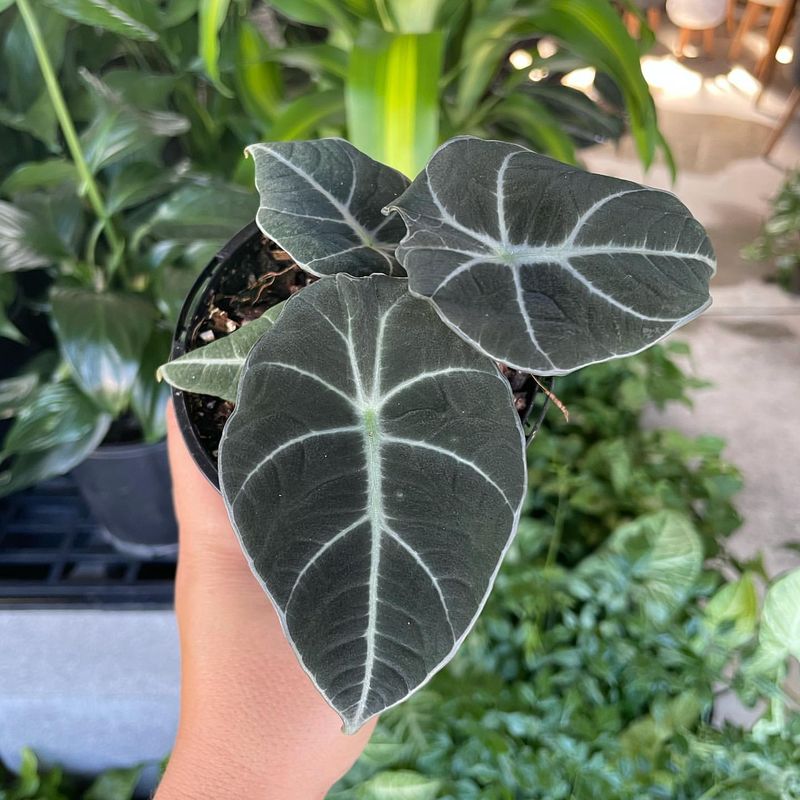
Imagine running your fingers across fabric so soft it feels like a dream, then discovering that texture exists on a living plant. Black Velvet Alocasia delivers that exact experience.
The leaves feel like genuine velvet to the touch, with a deep purple-black color that makes the bright white veins stand out like lightning against a night sky. This contrast creates a natural work of art that changes how people think about houseplants.
Size-wise, this plant stays relatively compact compared to other Alocasias. Individual leaves rarely exceed six inches across, making it perfect for desks, shelves, or small side tables throughout your Texas home.
Despite its small stature, the visual impact rivals plants three times its size. The unique coloring and texture draw the eye immediately, turning any surface into an intentional design moment.
Growing conditions need a bit more attention than some other plants on this list, but nothing too demanding. These tropical beauties appreciate consistent moisture without soggy soil.
Water when the top inch feels dry, usually every four to six days in heated Texas homes during winter. They crave humidity, so consider placing yours in a bathroom with a window or using a small humidifier nearby.
Low humidity causes brown leaf edges that detract from the plant’s otherwise perfect appearance.
Light preferences lean toward bright indirect situations. Too much direct sun bleaches the dark coloring and damages the delicate leaves.
Too little light slows growth to a crawl and can cause the plant to decline gradually. Find a spot near an east-facing window or a few feet from a south-facing one.
The plant will reward proper placement with steady new leaf production and that signature velvety texture that makes everyone want to touch it.
4. Philodendron ‘Black Cardinal’
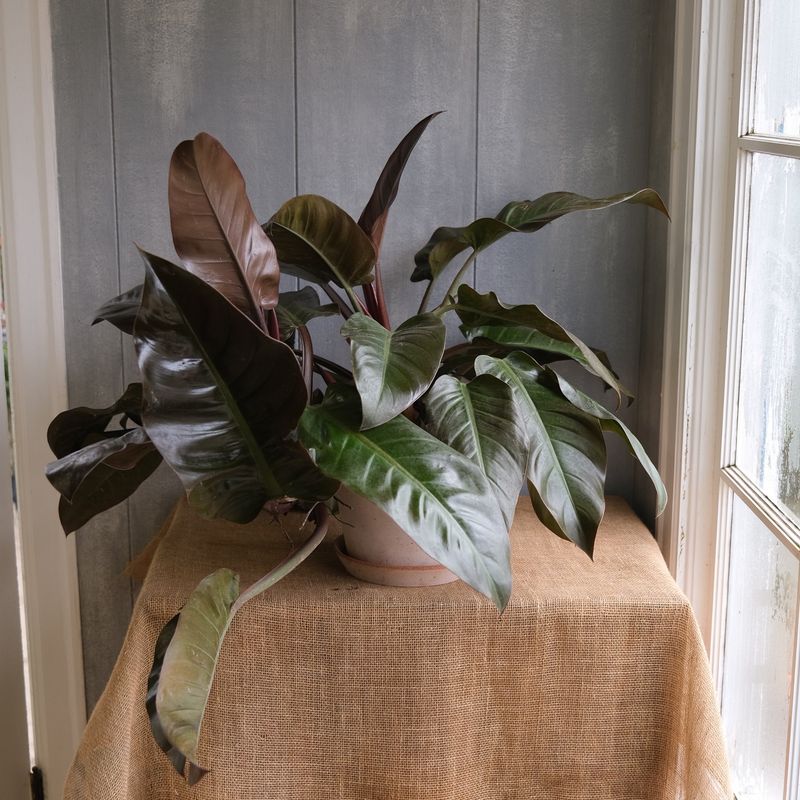
Some plants grow wild and sprawling, but Philodendron ‘Black Cardinal’ takes a different approach entirely. This variety grows in a tight, self-heading clump that looks like a perfectly arranged bouquet.
New leaves emerge bright red before maturing into deep burgundy-black shades that seem to absorb light rather than reflect it. The color progression alone makes this plant worth growing, giving you multiple shades on the same plant simultaneously.
Texas homeowners love this philodendron because it maintains a manageable size without constant pruning. Unlike vining philodendrons that take over entire walls, Black Cardinal stays compact and upright.
A mature plant might reach two feet tall and wide, making it suitable for coffee tables, plant stands, or kitchen counters. The clustered growth habit creates fullness without requiring multiple plants grouped together.
Care requirements fall into the easy category, which explains why this variety shows up in homes across Texas. Water when the soil feels dry an inch down, typically every five to seven days during winter months.
The plant tolerates occasional missed waterings better than overwatering, so when in doubt, wait an extra day. Medium to bright indirect light keeps the plant happy and encourages that stunning dark coloration.
Lower light causes the leaves to turn more green than burgundy, reducing the dramatic effect.
Temperature preferences align perfectly with typical indoor conditions. Keep your Black Cardinal away from cold drafts near doors or windows during winter cold snaps.
Room temperatures between 65 and 80 degrees work perfectly. The plant rarely needs fertilizer during winter months when growth naturally slows.
Come spring, a monthly feeding with diluted houseplant fertilizer supports new leaf production and maintains vibrant coloring throughout the growing season.
5. Philodendron ‘Rojo Congo’
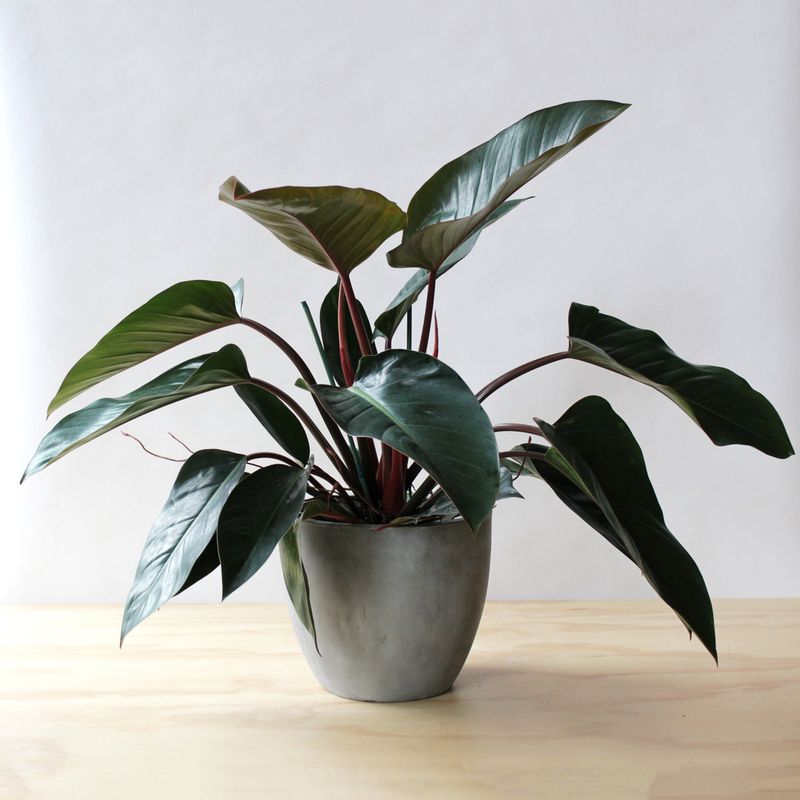
Bold personalities deserve bold plants, and Philodendron ‘Rojo Congo’ brings exactly that energy. The leaves emerge in shades of deep red that would make a sunset jealous, then mature into dark burgundy with hints of chocolate brown.
Each leaf can reach ten inches long, creating substantial presence without needing a massive plant. The rosette growth pattern arranges leaves in a circular display that looks intentional and artistic from every angle.
Structural integrity sets this philodendron apart from its vining relatives. The thick central stem supports leaves that stand upright rather than trailing or climbing.
This makes Rojo Congo ideal for floor placement next to furniture or in corners where vertical interest matters more than horizontal spread. Many Texas homeowners use this plant as a living sculpture that adds dimension to flat wall spaces.
Growing conditions mirror those of other easy-care philodendrons, which means success comes naturally. Check soil moisture weekly and water when the top inch feels dry to the touch.
During Texas winters with indoor heating running, this usually means watering every six to eight days.
The plant signals thirst by slight leaf drooping, but waiting for this sign too often stresses the plant unnecessarily. Establishing a regular schedule prevents stress and keeps foliage looking its absolute best.
Lighting needs lean toward the brighter side compared to some philodendrons. While it survives in medium light, the stunning red tones fade to muddy green-brown without adequate brightness.
Position yours near windows with sheer curtains or in well-lit rooms where natural light fills the space throughout the day. Avoid direct afternoon sun, which can scorch leaf edges despite the plant’s love for brightness.
With proper light, each new leaf emerges in that spectacular red shade that makes this variety so special.
6. Calathea ‘Medallion’
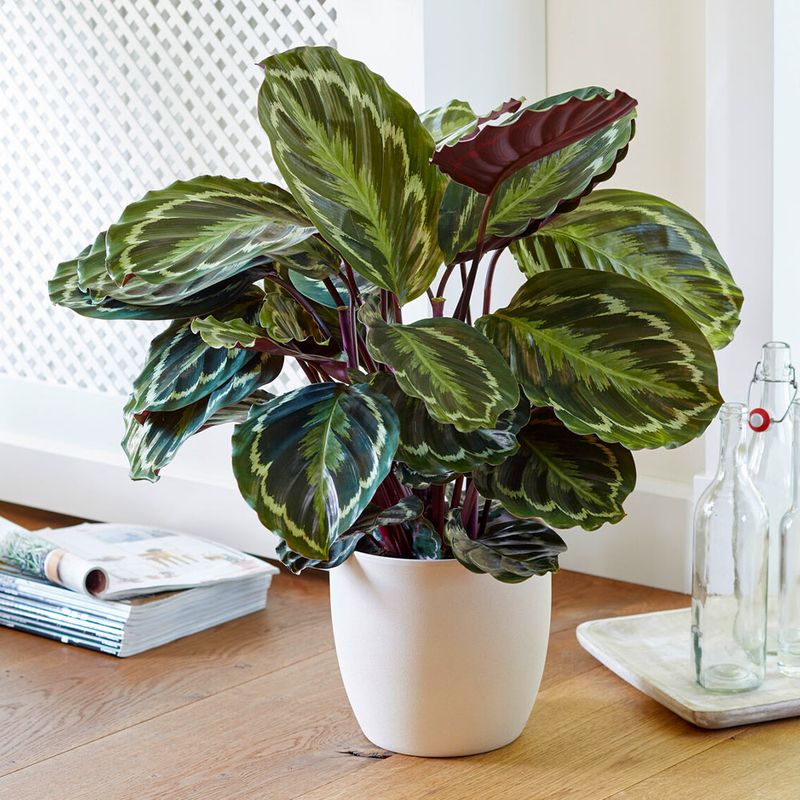
Nature creates some incredible patterns, but few match the artistic design found on Calathea ‘Medallion’ leaves. The top surface displays dark green backgrounds decorated with pink and cream brushstrokes that look hand-painted by an artist.
Flip a leaf over, and you discover deep purple undersides that add another layer of drama. This plant essentially gives you two color schemes in one, depending on how light hits the leaves throughout the day.
Movement adds another fascinating dimension to this plant’s appeal. Calatheas perform a daily routine called nyctinasty, where leaves fold upward at night and open again each morning.
This natural behavior means your plant looks different at 8 AM versus 8 PM. Many Texas plant owners find themselves checking on their Medallion morning and evening just to watch this transformation happen.
The gentle rustling sound of moving leaves adds unexpected life to quiet rooms.
Humidity requirements deserve honest discussion because these plants originated in tropical rainforests. They struggle in the dry air that heating systems create during Texas winters.
Brown leaf edges almost always indicate humidity problems rather than watering issues. Solutions include grouping plants together to create a microclimate, using pebble trays filled with water beneath the pot, or running a small humidifier nearby.
Bathrooms with windows often provide naturally higher humidity that keeps Calatheas thriving.
Watering needs consistent attention without becoming waterlogged. The soil should stay lightly moist but never soggy or bone dry.
This usually translates to watering every four to five days with small amounts rather than weekly drenching. Filtered or distilled water prevents brown leaf tips caused by minerals in tap water.
Place your Medallion in medium to bright indirect light, avoiding direct sun completely. With proper care, this plant rewards you with stunning foliage that constantly catches attention and starts conversations.
7. Dark Aglaonema
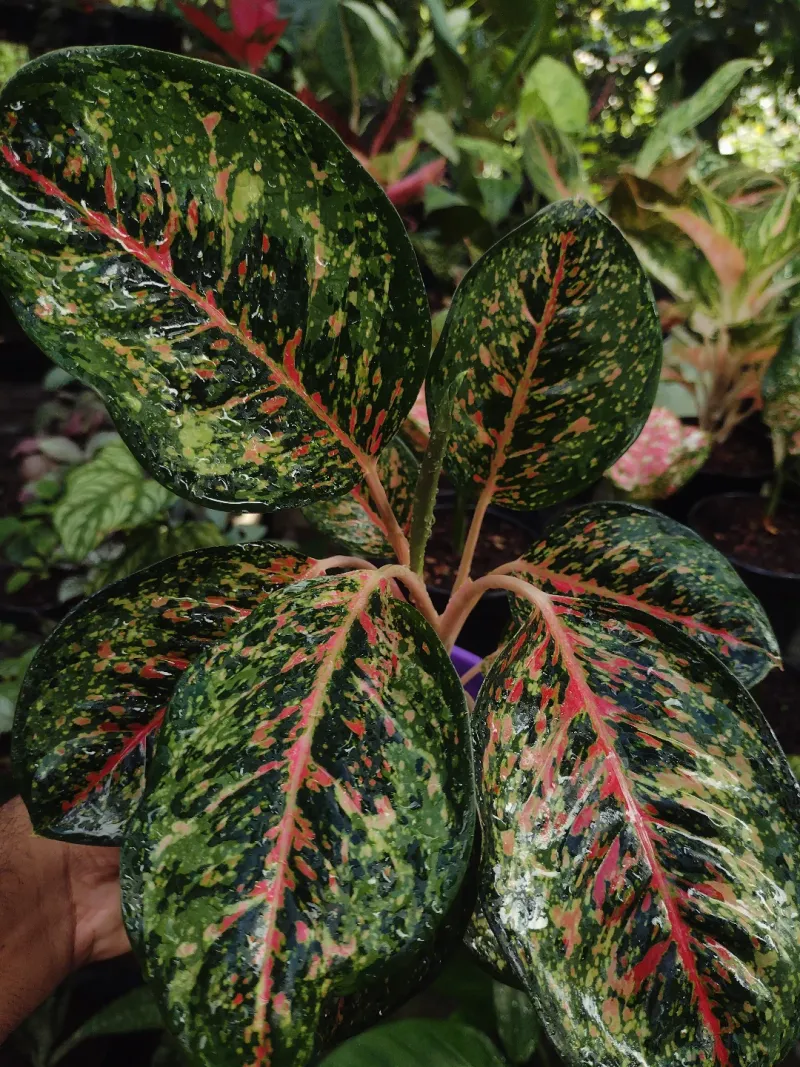
Reliability matters when choosing houseplants, and Dark Aglaonema varieties deliver that quality consistently. These Chinese Evergreens come in several cultivars featuring deep green backgrounds splashed with burgundy, pink, or red patterns.
Some varieties lean heavily burgundy while others show subtle red veining through dark green leaves. Regardless of specific variety, all share incredible tolerance for less-than-perfect conditions that would stress other plants.
Low-light performance makes Dark Aglaonema especially valuable for Texas homes with limited natural light. North-facing rooms, interior offices, or spaces far from windows all work perfectly fine.
While brighter light intensifies the red and pink tones, these plants genuinely thrive in conditions that would cause most houseplants to decline rapidly.
This adaptability explains why you see them in shopping malls, airports, and office buildings where lighting conditions challenge typical plants.
Watering routines stay simple and forgiving. Let the soil dry out partially between waterings, usually every seven to ten days during winter months.
The thick stems and roots store moisture efficiently, providing a buffer against occasional neglect. Overwatering poses more risk than underwatering, so always check soil moisture before adding water.
Yellow leaves typically signal too much water rather than too little, making diagnosis straightforward when problems arise.
Growth rate stays moderate, meaning your plant maintains its shape and size without constant maintenance. Older leaves naturally yellow and drop occasionally as new growth emerges from the center.
Simply remove these aging leaves to keep the plant looking fresh. Dark Aglaonemas rarely need repotting more than every two to three years, and they actually prefer being slightly rootbound.
This slow growth combined with extreme tolerance makes them perfect starter plants for anyone new to houseplants or ideal additions for experienced collectors who want reliable beauty without fuss.