December Garden Checklist For Texas For Warm Days And Cold Nights
Gardening in Texas during December is a bit like dancing with two left feet—just when you think you’ve got the rhythm, the weather changes the tune.
One day feels warm enough to grill on the patio, and the next has your plants shivering like a goat in a hailstorm.
But don’t let the back-and-forth fool you: winter in Texas is a prime time to set your garden up for success.
With warm days nudging plants awake and chilly nights slowing them down, your yard sits at the crossroads of opportunity and risk.
A well-timed checklist can make the difference between a garden that sails smoothly into spring or one that fizzles out before the New Year fireworks.
Whether you’re protecting tender annuals, adjusting watering schedules, or preparing soil for the months ahead, December is your chance to get ahead of the weather’s mood swings.
Let this guide help you stay one step ahead—no matter what tricks the Lone Star winter has up its sleeve.
Monitor Nightly Lows And Cover Tender Plants When Temperatures Dip Below Freezing

Texas winters are famous for their unpredictability, and December showcases this trait perfectly.
One afternoon you might be enjoying 70-degree sunshine, and by midnight, the thermometer plummets to the mid-20s.
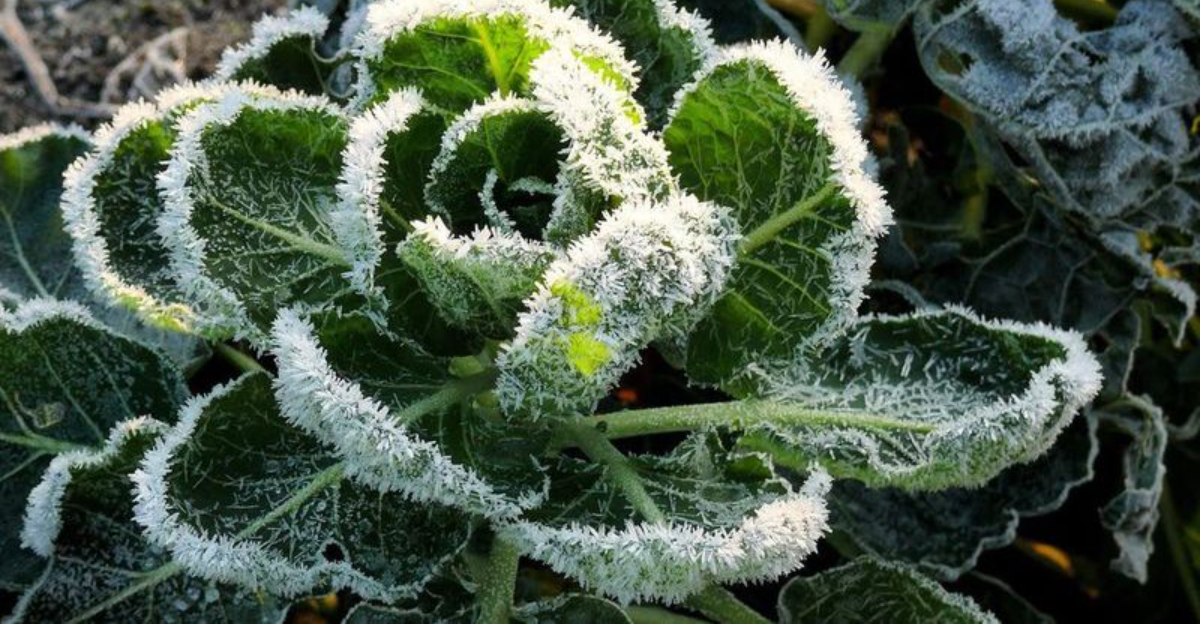
Your tender tropical plants, citrus trees, and delicate perennials can suffer serious damage in just a few hours of freezing conditions.
Keep a reliable outdoor thermometer in your garden and check weather forecasts daily.
When temperatures are predicted to drop below 32 degrees Fahrenheit, take action before sunset.
Frost cloths work best because they allow moisture to escape while trapping heat near the ground.
Old bed sheets, blankets, or burlap sacks also provide adequate protection in a pinch.
Avoid using plastic directly on foliage, as it can cause more harm than good when leaves touch the cold surface.
Drape your coverings all the way to the ground and secure them with stakes, rocks, or bricks to prevent wind from blowing them away.
Remove covers once morning temperatures rise above freezing so plants can breathe and photosynthesize properly.
This simple routine can save you from losing beloved plants to sudden cold snaps that characterize Texas December nights.
Use Warm Days To Prune Away Damaged Branches But Avoid Heavy Pruning Of Spring Bloomers
December’s pleasant afternoons offer perfect opportunities for light garden maintenance.
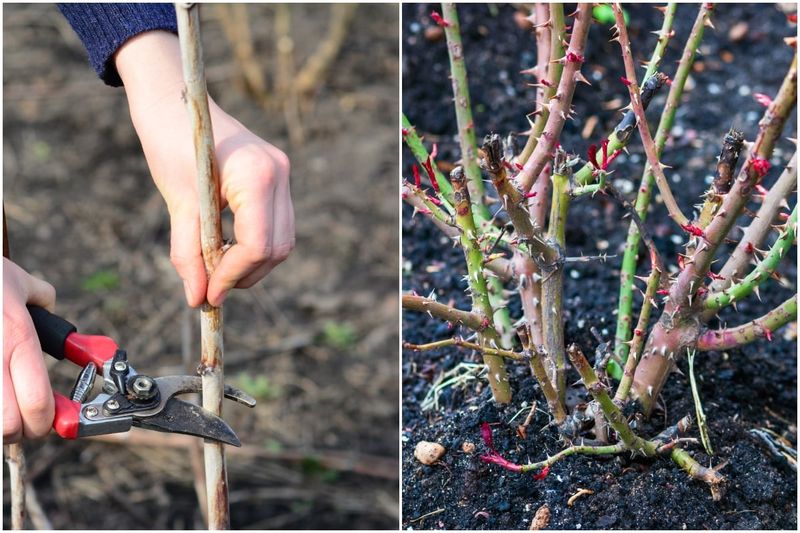
Grab your pruning shears and tackle any damaged, diseased, or unsightly branches that need attention.
Removing problem growth improves air circulation and helps plants direct energy toward healthy tissue.
However, timing matters tremendously when it comes to pruning different plant types.
Spring-blooming shrubs like azaleas, forsythia, and lilacs have already set their flower buds for next season.
Heavy pruning now means sacrificing those beautiful spring blooms you have been anticipating.
Stick to removing obviously compromised branches and leave major shaping for right after flowering ends in late spring.
Roses, crape myrtles, and summer bloomers can handle more aggressive December pruning since they flower on new growth.
Clean cuts heal faster than ragged tears, so keep your tools sharp and sanitized between plants.
Make cuts at a slight angle just above a bud or branch junction to encourage proper healing.
Warm December days in Texas provide ideal conditions for this work since you and your plants are both comfortable.
Your garden will look tidier immediately, and plants will respond with vigorous growth when spring warmth arrives.
Refresh Mulch Around Shrubs And Perennials To Stabilize Soil Temperatures
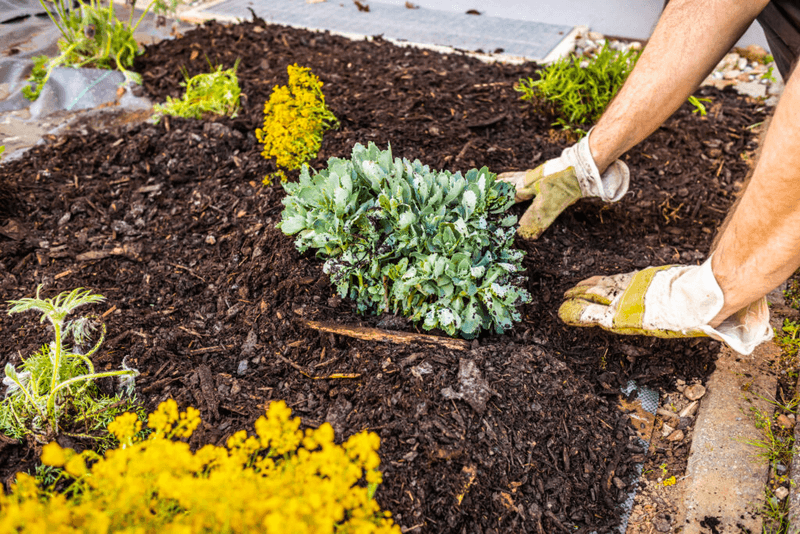
Mulch serves as nature’s temperature regulator for your garden soil.
A proper layer acts like a cozy blanket, preventing the rapid temperature swings that stress plant roots during Texas winters.
Aim for a 2 to 3-inch layer around shrubs, perennials, and even annual beds.
Organic options like shredded bark, pine needles, or compost work beautifully while gradually improving soil quality as they decompose.
December’s warm spells make spreading mulch much more pleasant than doing it during summer’s scorching heat.
Pull existing mulch away from plant stems and tree trunks to prevent rot and pest problems.
Create a donut shape rather than a volcano around the base of trees and shrubs.
Fresh mulch also suppresses winter weeds that try to take advantage of mild temperatures and seasonal rains.
The insulation effect works both ways, keeping soil warmer during cold nights and cooler during unseasonably warm days.
This temperature stability allows roots to function more efficiently without the stress of constant fluctuation.
Moisture retention is another major benefit, as mulch reduces evaporation during those surprisingly dry Texas winter weeks.
Your plants will thank you with stronger root systems and more vigorous spring growth when the season changes.
Plant Cold-Hardy Vegetables Like Kale Spinach Onions And Garlic During Warm Spells
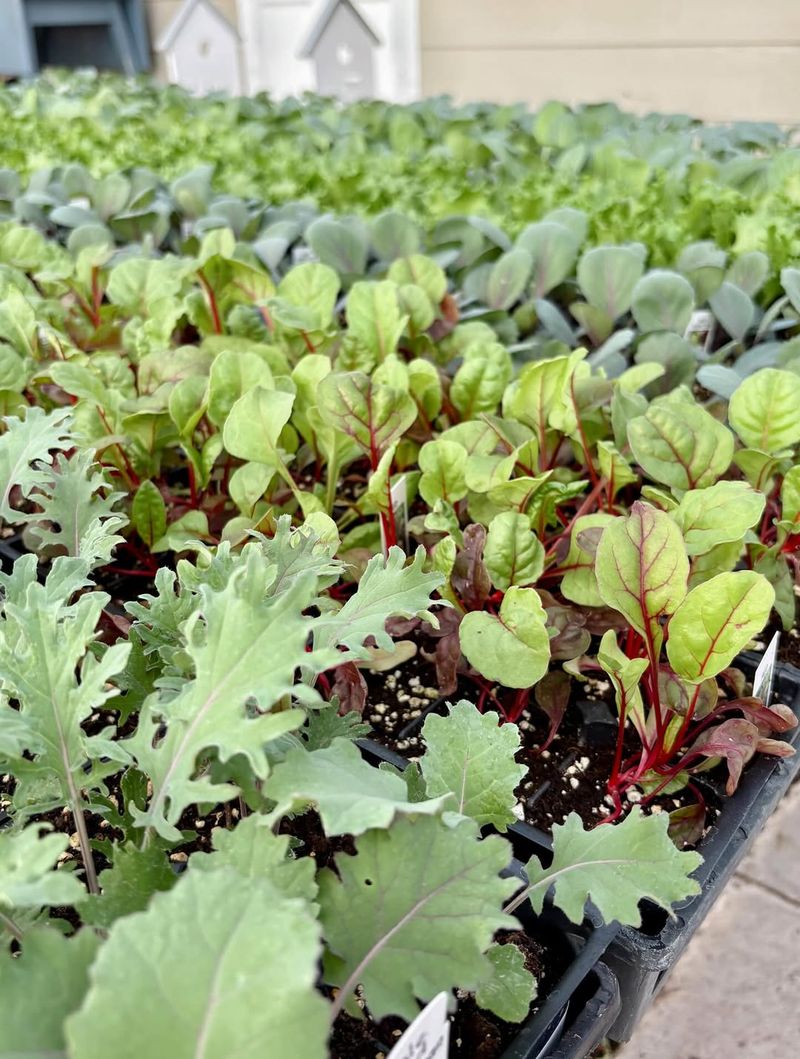
Many gardeners mistakenly believe that winter means the vegetable garden shuts down completely.
Texas proves this assumption wrong with its mild winter stretches perfect for cool-season crops.
Kale, spinach, lettuce, and other leafy greens actually prefer cooler temperatures and taste sweeter after light frosts.
December’s warm days provide excellent planting windows when soil is still workable and not frozen solid.
Onion sets and garlic cloves need several months of cool weather to develop properly, making December ideal for getting them established.
These crops will grow slowly through winter and explode with growth when spring warmth arrives.
Choose varieties specifically bred for cold tolerance to ensure the best results.
Prepare your vegetable beds with compost or aged manure to give plants a nutritious foundation.
Water new transplants thoroughly and consider using row covers during the coldest nights for extra protection.
Root vegetables like carrots, radishes, and turnips also thrive when planted during Texas December warm spells.
Fresh homegrown salads in January and February become reality when you take advantage of December planting opportunities.
Your winter garden can be just as productive as your summer one with the right crop selection and timing.
Water Plants Deeply Before A Freeze To Help Insulate Roots
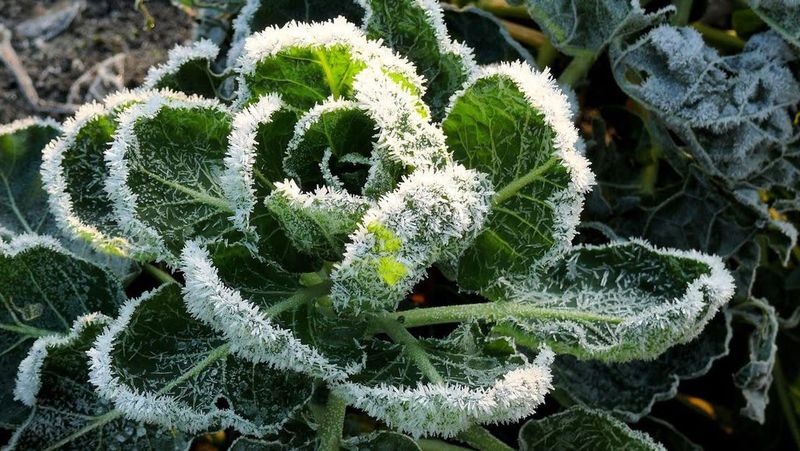
Science reveals a surprising truth about protecting plants from cold weather.
Moist soil actually holds and radiates heat much more effectively than dry, parched ground.
When a freeze is forecast within the next 24 hours, give your garden beds, shrubs, and trees a thorough soaking.
Water acts as an insulator for root systems, helping them maintain a more stable temperature throughout the coldest hours.
Focus on the root zones rather than wetting foliage, which could freeze and cause additional damage.
Apply water slowly so it penetrates deep into the soil rather than running off the surface.
This technique works especially well for established trees, foundation plantings, and perennial beds that you cannot easily cover.
The moisture in the soil releases heat gradually during the night, creating a slightly warmer microclimate around plant roots.
Container plants benefit even more from this practice since pots dry out faster and provide less natural insulation.
Just remember to water during the warmer afternoon hours, not right before sunset when temperatures start dropping rapidly.
This pre-freeze watering strategy has saved countless Texas gardens from cold damage and costs nothing but a bit of planning and water.
Check For Winter Pests Such As Aphids Or Whiteflies During Warm Afternoons
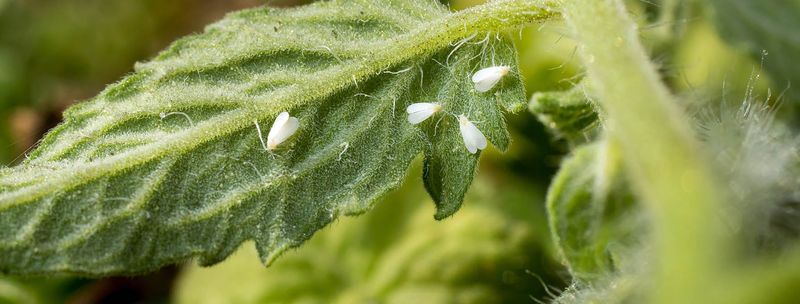
Pests do not always disappear just because the calendar says December.
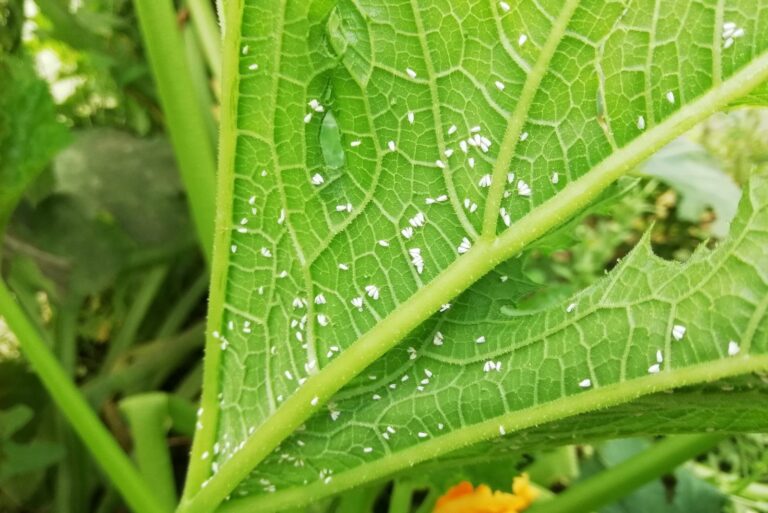
Texas warm spells create perfect conditions for aphids, whiteflies, and other soft-bodied insects to multiply rapidly.
These opportunistic creatures take advantage of mild temperatures to continue feeding and reproducing on your plants.
Inspect the undersides of leaves carefully during warm afternoons when pest activity peaks.
Look for clusters of tiny insects, sticky honeydew residue, or yellowing foliage that indicates feeding damage.
Early detection makes control much easier than waiting until populations explode.
A strong spray from your garden hose often dislodges many pests without requiring any chemicals.
Insecticidal soap or neem oil provides effective organic control for stubborn infestations.
Apply treatments during the warmest part of the day when insects are most active and products work best.
Beneficial insects like ladybugs and lacewings remain active during mild Texas winters and provide natural pest control.
Avoid broad-spectrum pesticides that eliminate these helpful allies along with the problem insects.
Regular monitoring becomes your best defense against winter pest problems that catch many gardeners by surprise.
A few minutes of inspection each week can prevent minor issues from becoming major headaches.
Fertilize Winter Annuals Lightly To Support Cool-Season Growth

Your winter annuals work hard to provide color during the coldest months of the year.
Pansies, violas, snapdragons, and ornamental cabbage deserve a little nutritional boost to keep them blooming beautifully.
Light feeding during December supports their growth without encouraging the excessive tender foliage that freezes easily.
Choose a balanced, water-soluble fertilizer diluted to half the recommended strength for winter applications.
Apply fertilizer during warm afternoons when plants are actively growing and can absorb nutrients efficiently.
Avoid fertilizing right before a predicted freeze, as new growth stimulated by feeding becomes more susceptible to cold damage.
Slow-release granular fertilizers work well for winter annuals since they provide steady nutrition over several weeks.
Scratch granules lightly into the soil surface around plants and water thoroughly to activate them.
Container plantings benefit especially from regular light feeding since frequent watering leaches nutrients from potting soil.
Well-fed winter annuals produce more flowers, maintain better color, and resist stress from temperature fluctuations.
The difference between fed and unfed plants becomes obvious by mid-winter when properly nourished specimens continue blooming vigorously.
This simple maintenance task takes just minutes but delivers months of improved garden performance and visual appeal.
Protect Irrigation Systems By Insulating Exposed Pipes Before Extreme Cold Arrives

Texas gardeners often forget about irrigation system protection until disaster strikes.
Exposed pipes, backflow preventers, and above-ground irrigation components are vulnerable to freezing damage during Arctic blasts.
Water expands when it freezes, cracking pipes and fittings that can cost hundreds or thousands of dollars to repair.
December’s mild days provide the perfect opportunity to weatherize your system before extreme cold arrives.
Foam pipe insulation from hardware stores slips easily over exposed pipes and faucets.
Insulated faucet covers protect outdoor spigots and hose connections from freeze damage.
Wrap backflow preventers with insulation blankets designed specifically for these devices.
Disconnect and drain garden hoses, storing them in a garage or shed until spring.
If your system has a manual drain valve, empty the lines before the first hard freeze arrives.
Some irrigation controllers include a rain/freeze sensor that automatically shuts off the system when temperatures drop too low.
Consider upgrading to one of these smart controllers if you experience frequent winter freezes in your area.
Taking preventive measures now saves you from emergency repairs during the coldest weather when plumbers charge premium rates.
Your future self will appreciate the foresight when neighbors are dealing with burst pipes and flooding.
Use Warm Days To Divide And Transplant Hardy Perennials While They Are Dormant
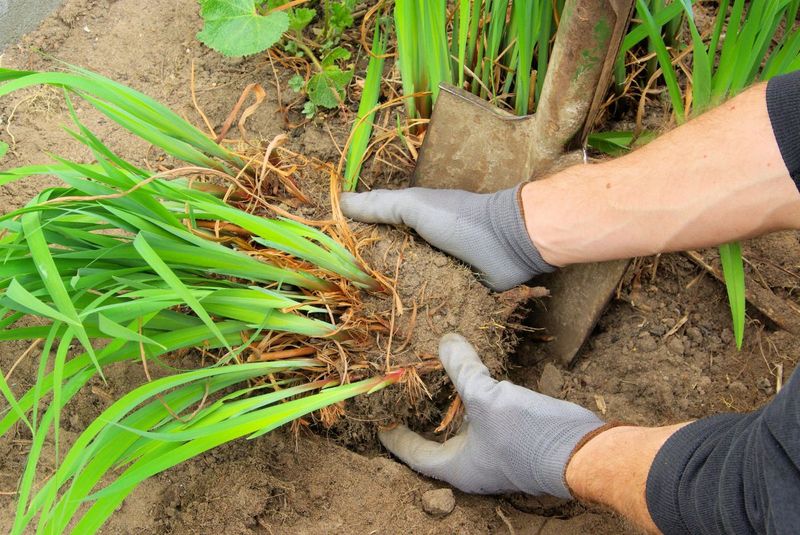
Dormant perennials tolerate division and transplanting much better than actively growing plants.
December’s combination of warm working days and cool nights creates ideal conditions for moving established perennials around your garden.
Daylilies, hostas, ornamental grasses, and many other hardy perennials benefit from division every few years.
Overcrowded clumps produce fewer flowers and develop weak growth in their centers.
Dig around the entire root mass carefully, lifting the clump with as much soil attached as possible.
Use a sharp spade or garden fork to separate the clump into smaller sections with healthy roots and growth points.
Each division should have at least three to five growth buds for best results.
Replant divisions at the same depth they were growing previously, firming soil around roots to eliminate air pockets.
Water transplants thoroughly and apply a layer of mulch to help them settle in.
Dormant roots establish themselves slowly throughout winter without the stress of supporting active foliage.
By spring, your divisions will be ready to produce vigorous new growth and abundant flowers.
This December work multiplies your plant collection for free while rejuvenating tired specimens that have outgrown their spaces.
Check Soil Moisture Weekly Since Winter Drought Is Common Despite Cool Weather
Cool temperatures trick many gardeners into thinking their plants need less water during winter months.
Reality tells a different story, especially in Texas where winter rainfall can be surprisingly scarce.
Plants continue absorbing moisture through their roots even when temperatures drop and growth slows.
Evergreen shrubs, trees, and winter annuals particularly need consistent moisture to stay healthy.
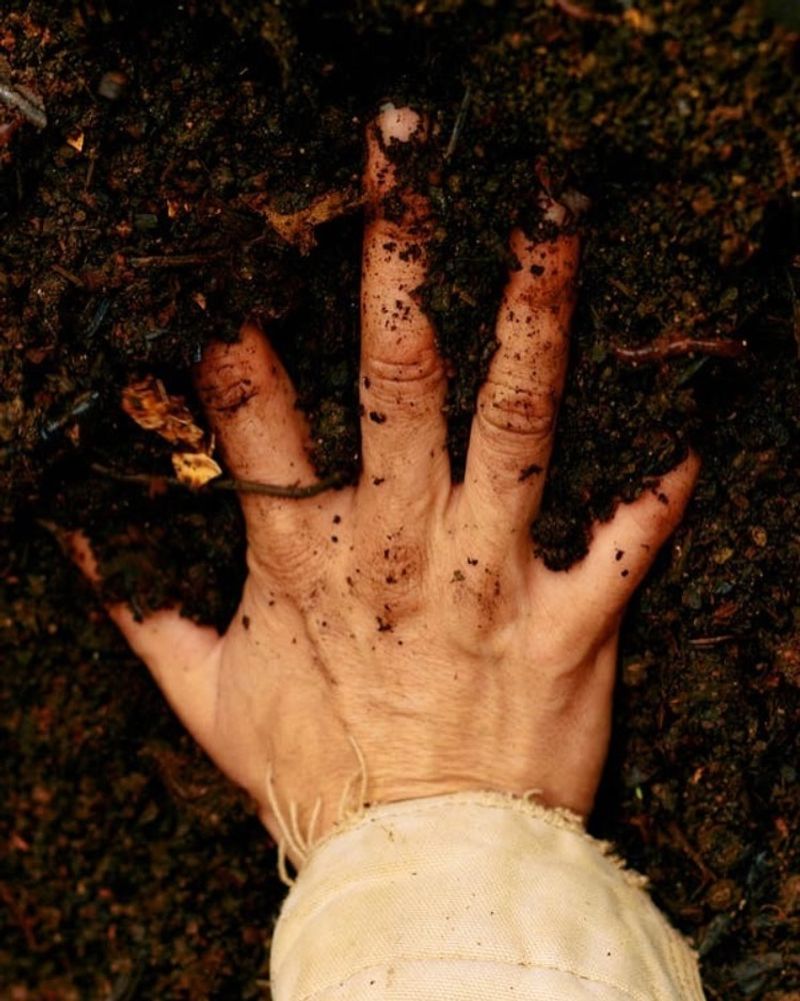
Check soil moisture weekly by sticking your finger two inches deep into the ground near plant roots.
If soil feels dry at that depth, your plants need water regardless of what the thermometer says.
Winter winds and occasional warm spells accelerate moisture evaporation from soil surfaces.
Water during the warmest part of the day so excess moisture on foliage can evaporate before nighttime temperatures drop.
Focus on root zones rather than wetting leaves unnecessarily, which can encourage fungal problems.
Container plants dry out faster than in-ground plantings and may need water twice weekly even in December.
Newly planted trees and shrubs require especially careful monitoring since their root systems have not fully established.
Consistent moisture helps plants survive cold snaps better and emerge healthier when spring growth begins.
Do not let cool weather lull you into neglecting this essential garden task.