Deer In Your Yard? 9 Smart Things To Do In Virginia (And 3 Costly Mistakes To Avoid)
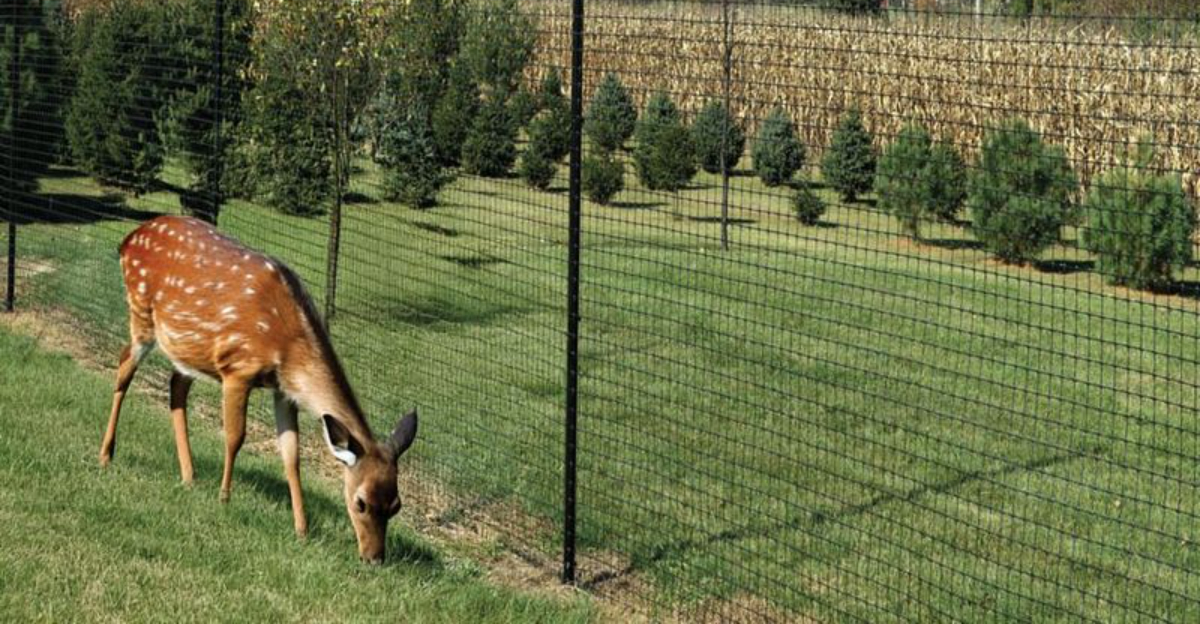
In Virginia, deer are charming—until they treat your yard like an all-you-can-eat buffet.
One quiet evening is all it takes for carefully planned landscapes to disappear overnight.
Frustration follows fast, often leading homeowners to make costly, ineffective decisions.
Deer are adaptable, persistent, and surprisingly bold. Outsmarting them requires strategy, not guesswork.
The right actions can protect your yard long-term, while the wrong ones waste money and make the problem worse.
These nine smart steps help Virginia homeowners coexist with deer without surrendering their gardens.
Just as important are the three common mistakes that almost always backfire.
When you understand how deer think and behave, you stop reacting—and start controlling the situation.
1. Choose Deer-Resistant Native Plants For Virginia
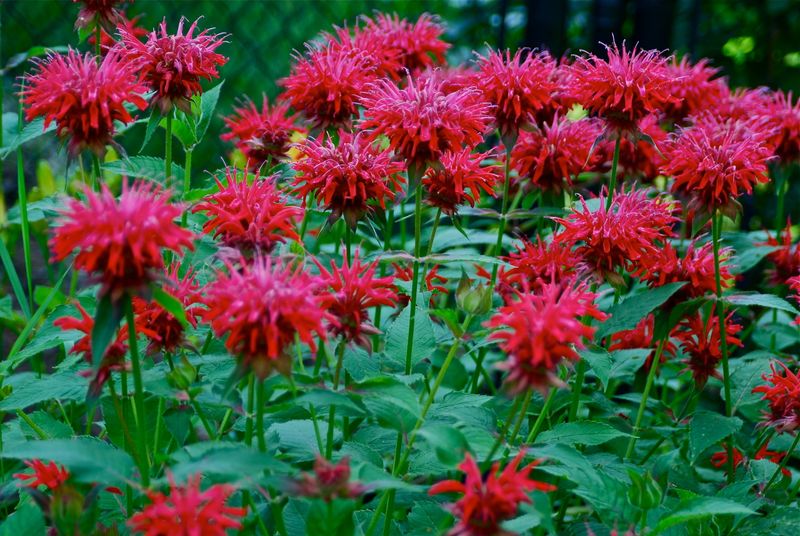
Starting with the right plants makes all the difference when deer regularly visit your property.
Native Virginia plants that deer naturally avoid give you the best foundation for a beautiful landscape that stays intact season after season.
Consider adding species like Virginia sweetspire, which produces fragrant white flowers that deer typically ignore while attracting beneficial pollinators to your yard.
Black-eyed Susans offer bright yellow blooms throughout summer and fall, providing color without becoming deer snacks.
Catmint works wonderfully as a border plant with its aromatic foliage that deer find unappealing.
Native ferns like Christmas fern and autumn fern thrive in shady areas where deer might browse but contain compounds that make them unpalatable to wildlife.
Deer avoid plants with strong scents, fuzzy textures, or bitter tastes, so incorporating herbs like lavender, rosemary, and sage adds both culinary value and natural protection.
These strategic choices reduce your reliance on expensive deterrents and fencing while creating a sustainable landscape adapted to Virginia’s climate.
Starting smart with plant selection saves money, time, and frustration compared to constantly replacing damaged favorites.
Your garden becomes naturally resilient when you work with nature rather than against it.
2. Use Strategic Plant Placement To Reduce Browsing
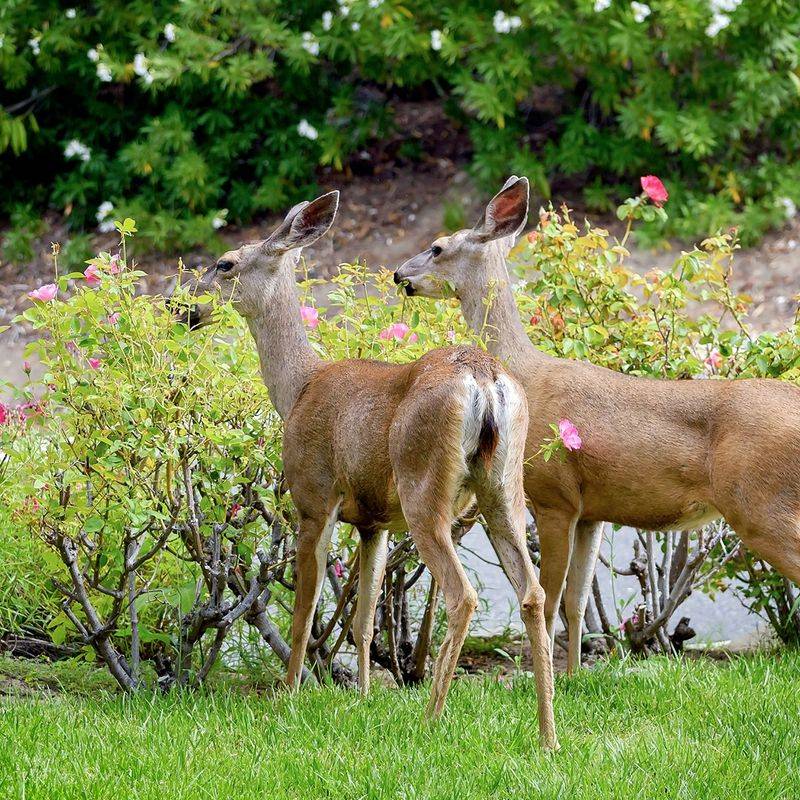
Where you place your plants matters just as much as which varieties you choose.
Deer feel more vulnerable when approaching structures, so positioning your most tempting plants near your house, deck, or patio creates a natural safety buffer.
Roses, hostas, and other deer favorites survive better when planted within fifteen feet of your home where human activity and scent naturally deter browsing.
Creating borders using less palatable plants acts like a defensive perimeter around your garden’s treasures.
Boxwood, barberry, and ornamental grasses make excellent outer layers that discourage deer from venturing deeper into your landscape.
Think of your yard in zones, with the most deer-resistant plants forming the outermost ring and gradually transitioning to more vulnerable species closer to your living spaces.
This layered approach works particularly well in Virginia’s suburban areas where deer travel along predictable routes between wooded areas and residential properties.
Placing tall, sturdy plants along these pathways redirects deer movement away from your prized specimens.
Strategic placement costs nothing but thoughtful planning, yet it dramatically reduces damage compared to random planting patterns.
Your landscape becomes both beautiful and functional when you consider deer behavior during the design phase.
3. Install Fencing That Actually Works Against Deer
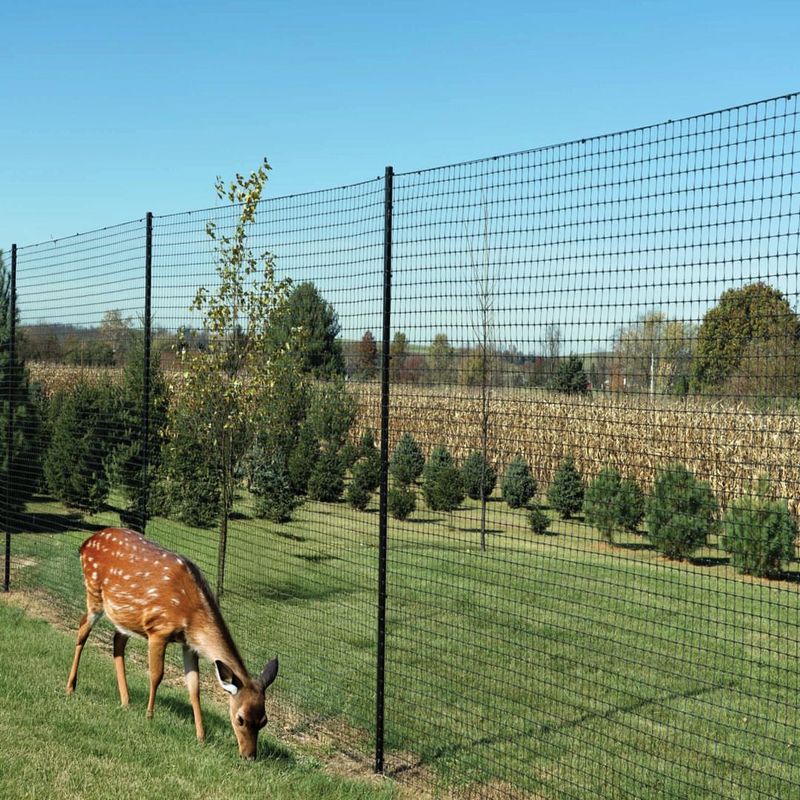
Proper fencing remains the most reliable long-term solution for keeping deer out of specific garden areas.
Virginia deer can easily jump fences under six feet tall, so effective barriers need to reach at least eight feet high to prevent jumping.
Black polypropylene mesh fencing becomes nearly invisible from a distance while providing solid protection, making it popular in residential neighborhoods where aesthetics matter.
Metal wire fencing works equally well and lasts longer, though it costs more initially and shows more prominently in your landscape.
Electric fencing offers another option, using mild shocks to train deer to avoid your property without causing harm.
These systems work best when baited with peanut butter to encourage initial contact, teaching deer to associate your yard with unpleasant sensations.
Angled fencing designs confuse deer by creating depth perception challenges they prefer to avoid rather than attempt.
Installing fence posts every eight to ten feet ensures stability against wind and accidental contact.
Budget between fifteen hundred and five thousand dollars for professional installation depending on your yard size and chosen materials.
Quality fencing represents a significant upfront investment but eliminates ongoing costs of replacing damaged plants year after year.
4. Rotate Deer Repellents To Prevent Habituation
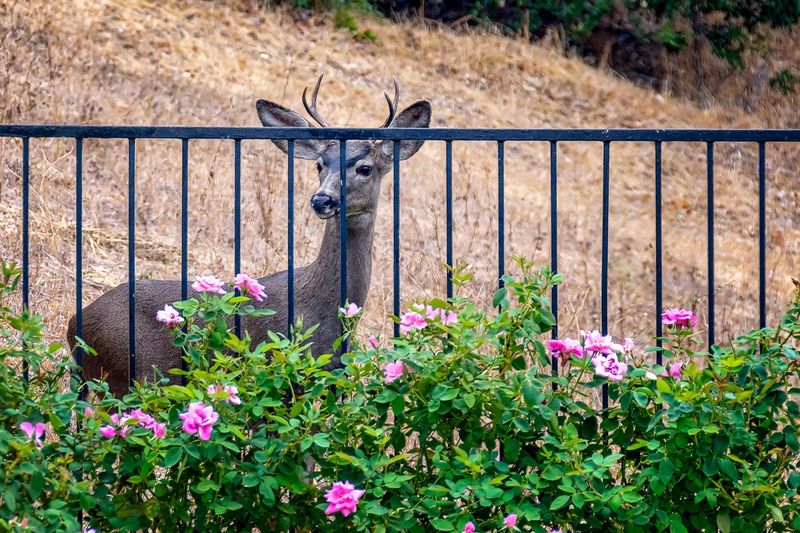
Repellents work temporarily, but deer are smart animals that quickly learn to tolerate unpleasant smells and tastes when food is scarce.
Rotating between different products every three to four weeks prevents deer from becoming accustomed to any single deterrent.
Scent-based repellents containing predator urine, garlic, or putrid egg solids trigger deer’s natural fear responses, making them avoid treated areas.
These work best during spring and summer when alternative food sources are plentiful and deer can easily choose to browse elsewhere.
Taste-based repellents containing bitter compounds like denatonium benzoate or capsaicin make plants unpalatable without harming the deer or your garden.
Apply these products directly to foliage, reapplying after rain or heavy watering to maintain effectiveness.
Combining both scent and taste repellents creates multiple deterrent layers that prove more effective than using either type alone.
Weather conditions significantly impact repellent performance, with rain washing away protective coatings and requiring more frequent applications during Virginia’s humid summers.
Keep at least three different repellent types on hand to rotate systematically throughout the growing season.
This strategy costs more than using a single product but dramatically improves results by preventing deer from adapting to your defense methods.
5. Plant In Dense Groupings Instead Of Isolated Specimens
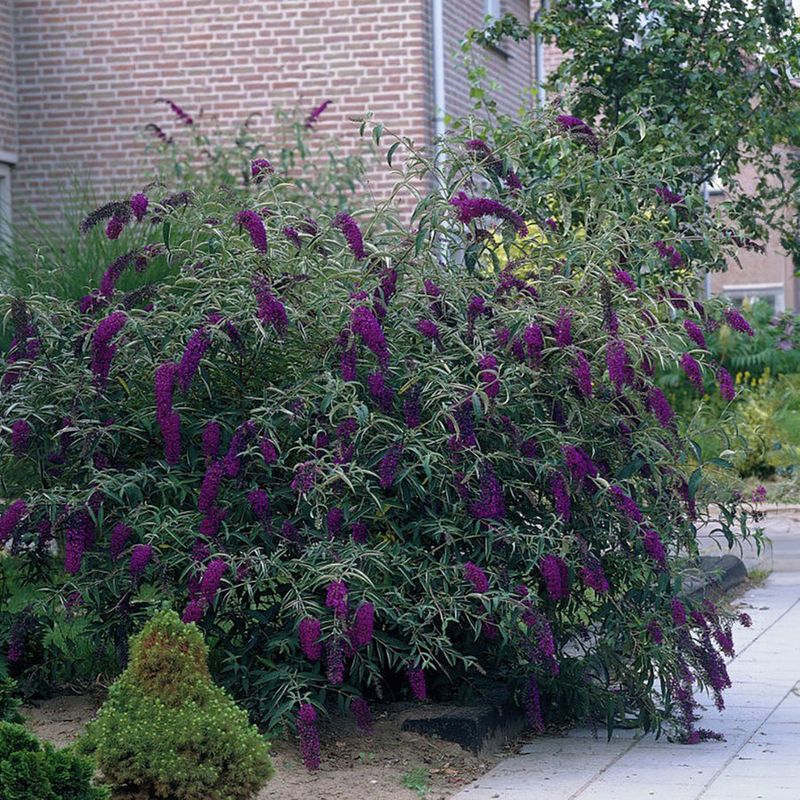
Mass planting creates visual confusion that makes individual plants less obvious targets for browsing deer.
When you plant fifteen hostas together rather than spacing them individually throughout your yard, deer encounter a substantial mass that seems less approachable than isolated specimens.
This grouping strategy works because deer prefer easy browsing where they can quickly sample various plants while maintaining awareness of their surroundings.
Dense plantings force deer to commit more time in one location, increasing their vulnerability to predators and making the feeding opportunity less attractive.
Combine this technique with mixed species groupings where deer-resistant plants surround more vulnerable varieties, creating protective clusters throughout your landscape.
For example, plant a group of daylilies surrounded by catmint and Russian sage, making deer work harder to reach the preferred plants.
This approach works particularly well in Virginia’s suburban yards where space allows for generous plantings rather than sparse specimen arrangements.
Dense groupings also improve your garden’s visual impact, creating bold sweeps of color and texture that look professionally designed.
Your plants grow healthier when grouped according to their water and sunlight needs, making this strategy beneficial beyond just deer protection.
Smart grouping transforms your landscape into a less inviting buffet while enhancing overall beauty.
6. Use Motion-Activated Deterrents In High-Traffic Areas
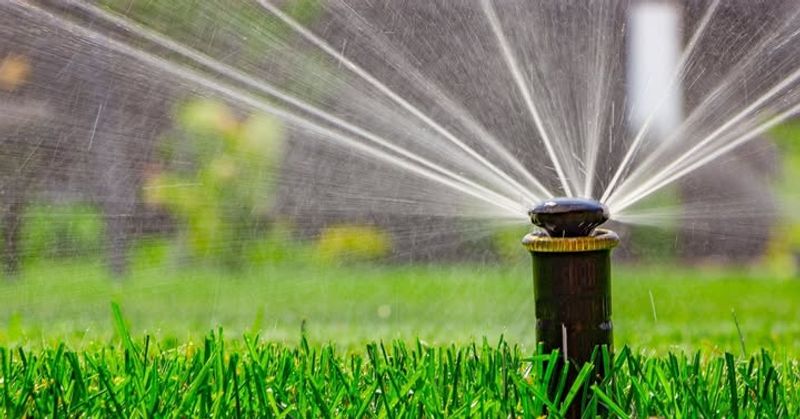
Technology offers effective solutions for protecting specific garden areas without permanent barriers or constant manual intervention.
Motion-activated sprinklers detect deer movement through infrared sensors and release sudden bursts of water that startle animals without causing harm.
These devices work exceptionally well near vegetable gardens, rose beds, or other high-value plantings where you want focused protection.
Deer quickly learn to avoid areas where they experience unexpected water blasts, creating lasting behavioral changes after just a few encounters.
Position sprinklers to cover entry points where deer typically enter your yard, maximizing effectiveness while minimizing the number of devices needed.
Battery-powered models offer flexibility for placement anywhere in your landscape without requiring electrical outlets or complicated wiring.
Motion-activated lights provide another option, though deer adapt more quickly to light than to water, making lights less effective for long-term deterrence.
Ultrasonic devices that emit high-frequency sounds show mixed results, with some homeowners reporting success while others find them ineffective.
Effectiveness decreases during winter when deer face food scarcity and become more willing to tolerate deterrents for access to nutrition.
Combining motion-activated devices with other strategies creates comprehensive protection that addresses deer behavior from multiple angles simultaneously.
7. Time Planting To Avoid Peak Deer Feeding Periods
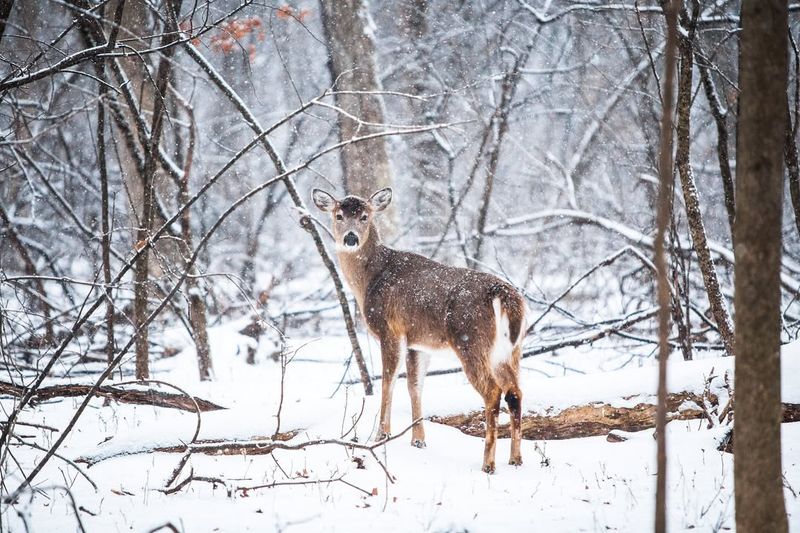
Understanding seasonal deer behavior helps you schedule planting activities when new additions face the lowest browsing pressure.
Late spring and early summer offer the best planting windows in Virginia because natural food sources are abundant and deer focus less on garden plants.
Avoid fall planting when possible, as deer increase feeding activity to build fat reserves before winter, making new plantings especially vulnerable.
Winter represents the highest risk period when snow covers ground vegetation and deer desperately seek any available food sources, including plants they normally avoid.
New plantings need time to establish strong root systems before facing serious browsing challenges, so giving them several months of growth during low-pressure periods significantly improves survival rates.
Spring-planted specimens develop enough foliage and structure by fall to better withstand some browsing without experiencing total loss.
Container-grown plants allow flexibility in timing since you can hold them in protected areas until optimal planting conditions arrive.
Consider the specific plant’s growth cycle when scheduling installation, ensuring it has adequate time to establish before entering dormancy or facing seasonal stress.
This timing strategy costs nothing but planning yet dramatically reduces the frustration of watching new investments disappear overnight to hungry deer.
Patience in timing pays dividends through higher survival rates and healthier long-term growth.
8. Maintain A Clean Yard That Doesn’t Attract Deer
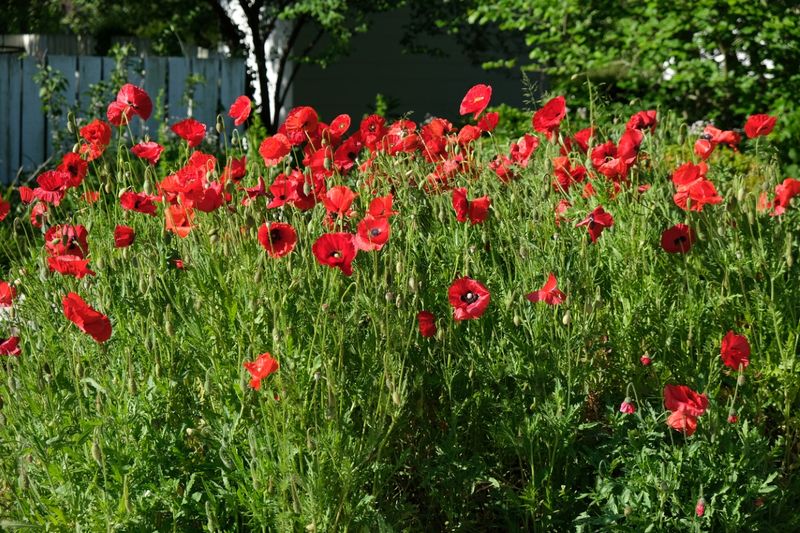
Simple housekeeping habits make your property less appealing to deer looking for easy meals and comfortable browsing environments.
Fallen fruit from apple, pear, or crabapple trees acts like a dinner bell, drawing deer from surrounding areas and encouraging them to explore your entire landscape.
Promptly collect dropped fruit and consider removing problem trees if deer pressure becomes unmanageable in your specific location.
Overgrown edges and unmowed areas provide cover where deer feel safe while feeding, so maintaining clear sightlines reduces their comfort level.
Deer prefer browsing near escape routes into wooded areas, so keeping boundary areas trimmed and visible makes your yard feel more exposed and risky.
Birdfeeders and seed spillage attract deer along with birds, so position feeders away from gardens or switch to feeder designs that minimize ground scatter.
Standing water sources like decorative ponds, birdbaths, or low spots that collect rainwater provide drinking opportunities that encourage deer to linger longer.
Compost piles containing food scraps emit odors that attract deer, so use enclosed composters or locate open piles far from vulnerable plantings.
Regular mowing, edge trimming, and debris removal create an environment where deer feel exposed rather than secure, naturally reducing the time they spend in your yard.
These maintenance practices improve your property’s appearance while simultaneously making it less hospitable to browsing wildlife.
9. Learn Virginia Deer Behavior Before Making Big Changes
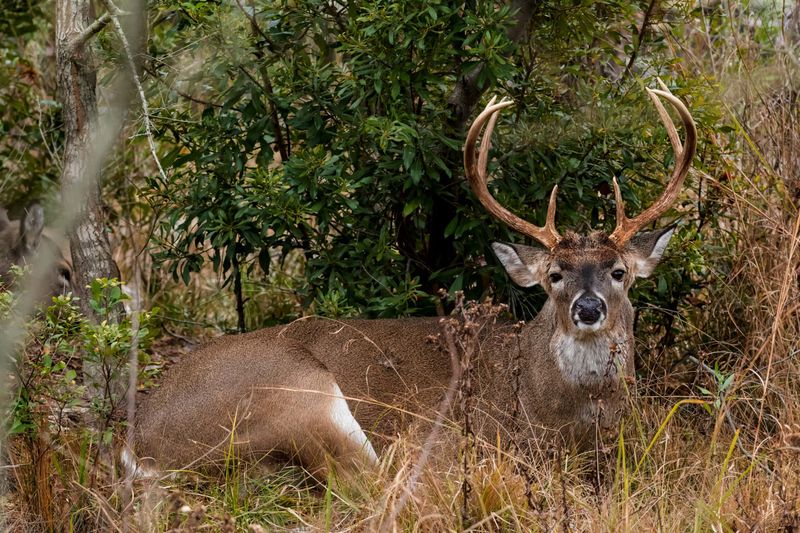
Investing time to understand how deer think and move through your specific area prevents costly mistakes and wasted effort on ineffective solutions.
Virginia’s white-tailed deer follow predictable seasonal patterns, with behavior changing dramatically between spring fawning season, summer feeding, fall mating, and winter survival modes.
Spring brings does seeking safe areas for fawning, making them less aggressive in their feeding but more territorial about specific locations.
Summer feeding focuses on lush green growth, with deer preferring tender new shoots and flowers over tougher mature foliage.
Fall mating season creates erratic behavior as bucks establish territories and does face increased nutritional demands, leading to more aggressive browsing patterns.
Winter desperation drives deer to consume plants they normally avoid, rendering many deterrent strategies less effective during these challenging months.
Local deer populations develop specific travel corridors between bedding areas and feeding zones, so observing these patterns helps you position defenses strategically.
Trail cameras reveal exactly when and where deer enter your property, providing concrete data for decision-making rather than guesswork.
Understanding that deer are creatures of habit allows you to predict problems before they occur and implement preventive measures rather than reactive repairs.
This knowledge-based approach saves money by directing resources toward solutions that address actual deer behavior in your specific situation.
10. Planting Deer-Resistant Plants Without Backup Protection
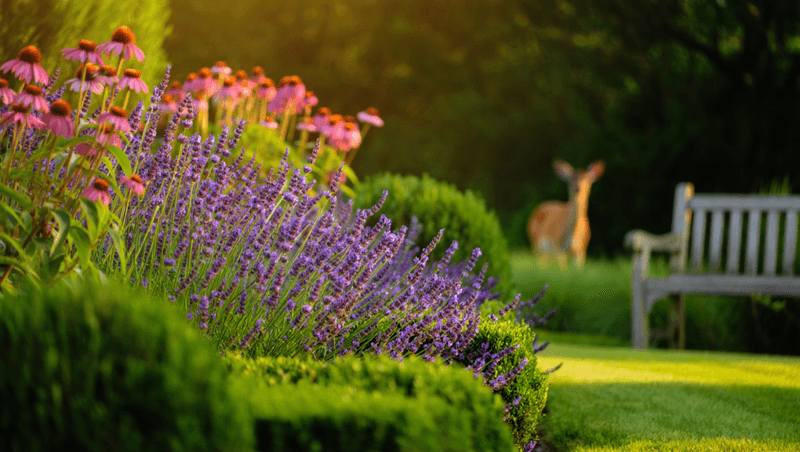
No plant is truly deer-proof when animals face hunger or limited options, yet many homeowners learn this expensive lesson after repeated losses.
Garden centers and online sources label countless plants as deer-resistant, creating unrealistic expectations that lead to disappointment and financial loss.
Deer-resistant simply means deer prefer other options when choices are available, not that deer will never browse these plants under any circumstances.
During harsh winters or drought conditions when preferred food becomes scarce, deer consume plants they typically ignore, leaving your supposedly safe landscape damaged.
Relying solely on plant selection without implementing additional protective measures sets you up for frustration when hungry deer eventually test your garden.
The cost of repeatedly replacing expensive perennials and shrubs quickly exceeds the investment in proper fencing or comprehensive deterrent systems.
Young plants of any species attract more deer attention than mature specimens, so even resistant varieties need extra protection during their vulnerable establishment period.
Local deer populations develop different preferences based on available food sources in your specific area, making national deer-resistant lists unreliable for Virginia-specific situations.
Combining resistant plant choices with physical barriers, repellents, and strategic placement creates redundant protection that actually works.
Learning to layer multiple strategies prevents the costly cycle of planting, watching deer browse, and replanting the same areas repeatedly.
11. Using Cheap Or Too-Short Fencing
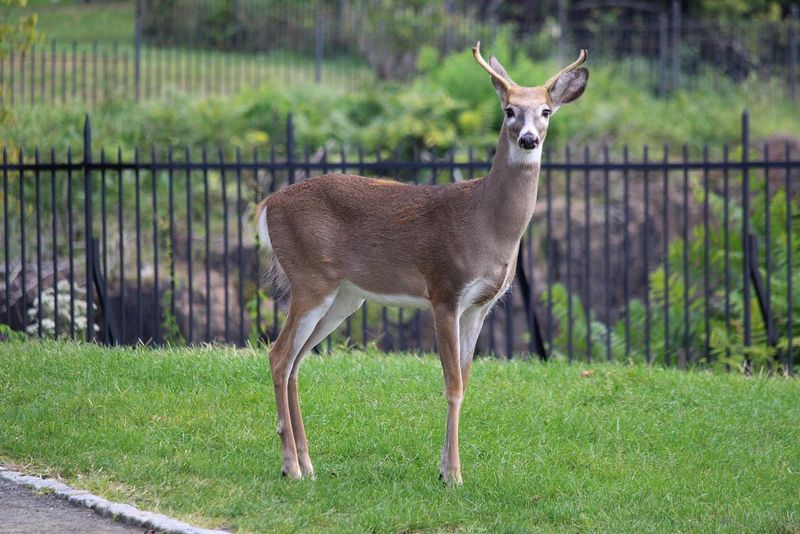
Cutting corners on fencing represents one of the most expensive mistakes Virginia homeowners make when addressing deer problems.
Four-foot decorative fencing looks attractive and costs less initially, but deer easily jump these barriers, rendering your investment completely worthless.
Many homeowners install inadequate fencing, watch deer jump over within days, then face the difficult decision of accepting failure or spending more to upgrade.
Removing failed fencing and installing proper barriers costs significantly more than doing the job correctly the first time, both in materials and labor.
Cheap plastic netting tears easily, sags between posts, and degrades quickly in Virginia’s sun and weather, requiring replacement every few years.
Flimsy fence posts bend or break when deer test barriers, creating gaps that compromise your entire perimeter and require emergency repairs.
Inadequate fencing gives homeowners false confidence, leading them to plant expensive specimens inside supposedly protected areas only to watch deer destroy them.
The emotional frustration of watching deer defeat your barriers compounds the financial loss of damaged plants and failed infrastructure.
Professional fence installers see these upgrade requests constantly from homeowners who initially chose budget options over effective solutions.
Investing in proper eight-foot fencing with quality materials and professional installation prevents this costly cycle of failure, replacement, and disappointment.
12. Ignoring The Problem Until Major Damage Occurs
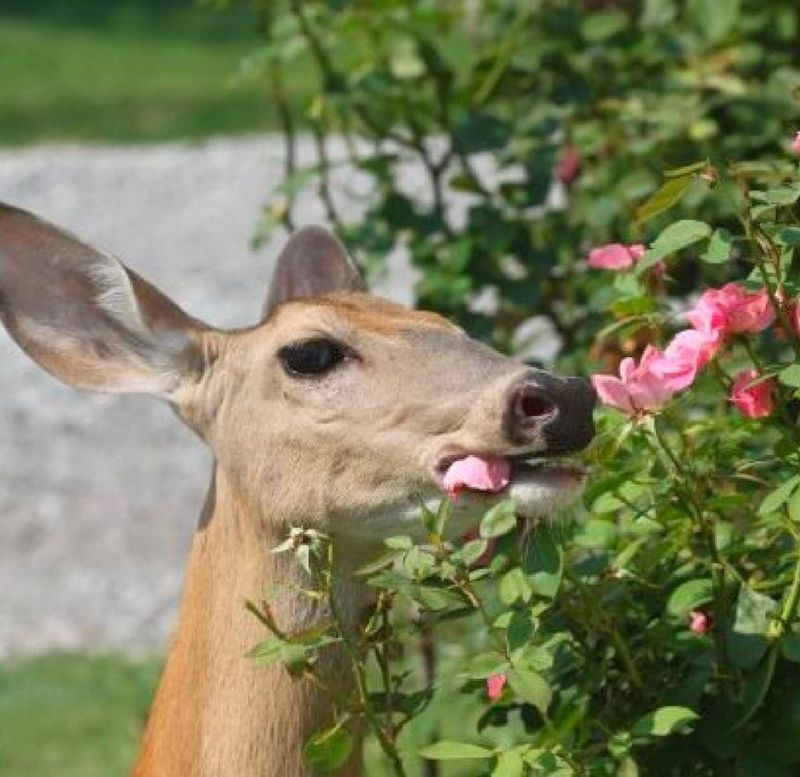
Procrastination turns manageable deer browsing into landscape devastation that requires thousands of dollars and years to repair.
Many homeowners notice occasional deer damage but delay taking action, hoping the problem will resolve itself or remain minor.
Deer populations rarely decrease on their own in suburban Virginia, and once animals establish feeding patterns in your yard, they return consistently with increasing frequency.
Early intervention with simple deterrents costs far less than replacing mature shrubs, trees, and perennial gardens after years of accumulated damage.
Established plants that suffer repeated browsing often develop stunted growth patterns or structural problems that never fully recover even after protection is implemented.
Valuable specimen trees damaged by buck rubs during mating season may require removal and replacement, costing hundreds or thousands depending on size.
Waiting until your landscape reaches crisis level means starting over with new plantings rather than protecting existing investments.
The psychological toll of watching years of gardening work disappear creates stress that affects your enjoyment of your outdoor spaces.
Property values suffer when landscapes appear neglected or damaged, making deer problems a financial concern beyond just replacement costs.
Taking immediate action when you first notice deer activity prevents the downward spiral of increasing damage, mounting costs, and diminishing returns on your landscape investment.