Desert Globemallow: Deep Roots, Pollinator Habitat, and What Caliche Still Demands
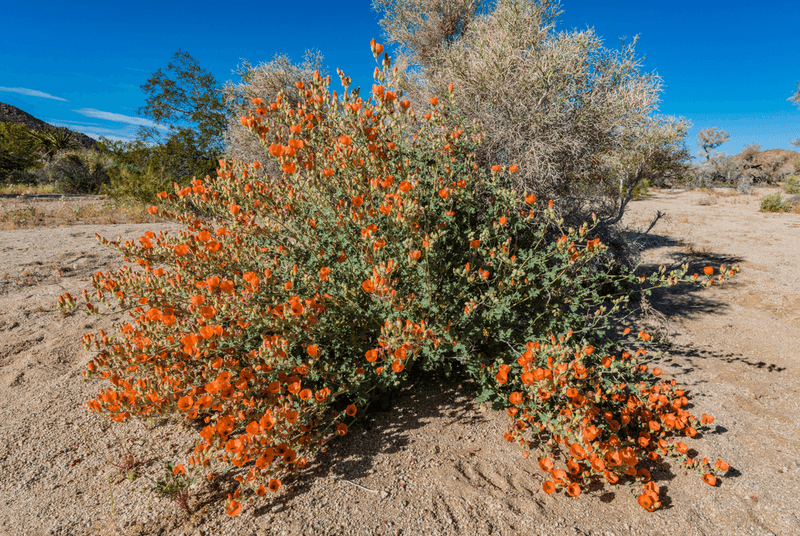
Desert globemallow lights up Arizona yards with glowing orange blooms, even when the summer heat is brutal. Gardeners often hear that its roots punch through hardpan and fix the ground around them.
The real story is more useful, because it tells you where to plant it and what it can actually do for bees and butterflies. Here is what is known, and what to check before you dig.
A reported root depth does not prove caliche penetration
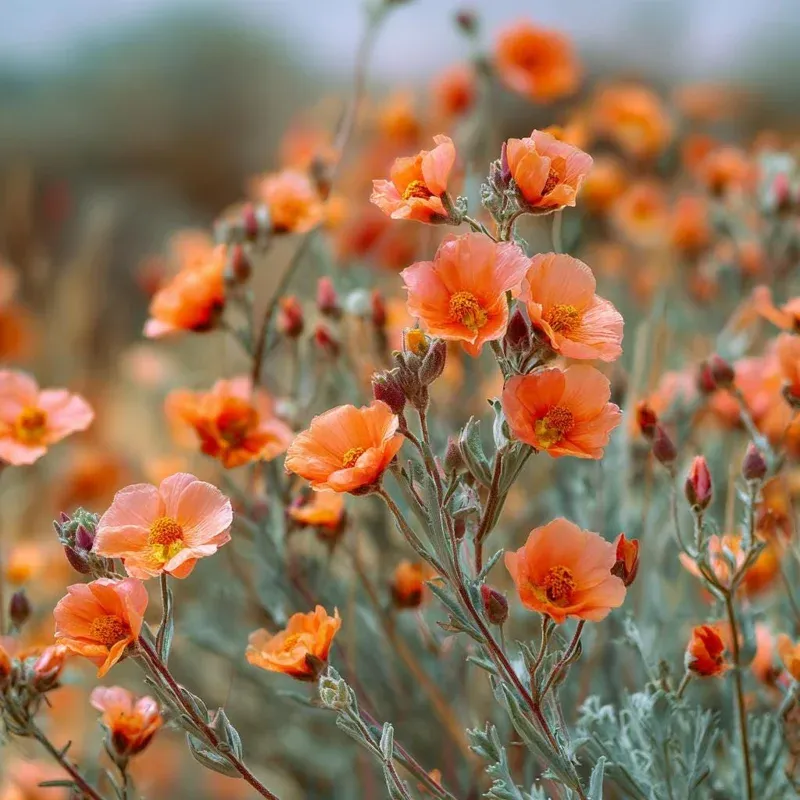
Desert globemallow, Sphaeralcea ambigua, is a native perennial with orange flowers that shows up along Arizona roadsides and in tough desert yards. One Arizona native plant society profile reports that its roots may reach about three feet below ground.
That number is a reported depth, not a test of what roots do inside a solid layer. Nothing in that report shows the roots penetrate, fracture, or loosen caliche.
It only tells you how far roots may travel, and roots travel easily through loose soil.
Arizona extension guidance on caliche says tightly cemented caliche can be impenetrable to plant roots. So desert globemallow is not established as a hardpan breaker, and it should not be planted with that job in mind.
One more caution: the name globemallow covers several Sphaeralcea species. This article sticks to S. ambigua, and a similar species such as Sphaeralcea emoryi should not be assumed to behave the same way.
Caliche makes drainage a planting-site question
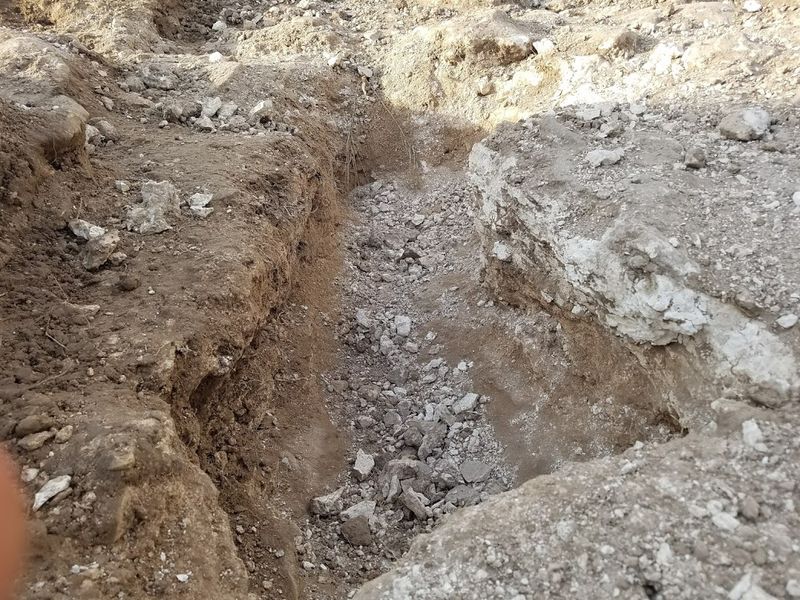
Where a cemented layer sits under your yard, the big question is water, not roots. Tightly cemented caliche can restrict both root growth and the way water moves downward.
A plant sitting in a hole that holds water can struggle no matter how tough the species is.
If your planting spot sits over solid caliche, break through the layer where that is practical. Then fill the hole with water and watch it.
If the water is still standing hours later, the spot needs more work or a different location.
A reported root depth does not erase this barrier. Three feet of possible reach means little if the top foot sits on a hard shelf that water cannot cross.
Think of the hole test as a quick reality check before any plant goes in.
Skip the sulfur. Extension guidance does not recommend sulfur additions for desert plant species, and a desert-adapted plant like this one does not need soil acidified.
Drainage and site conditions are the fixes worth your effort.
Its documented wildlife value is habitat support
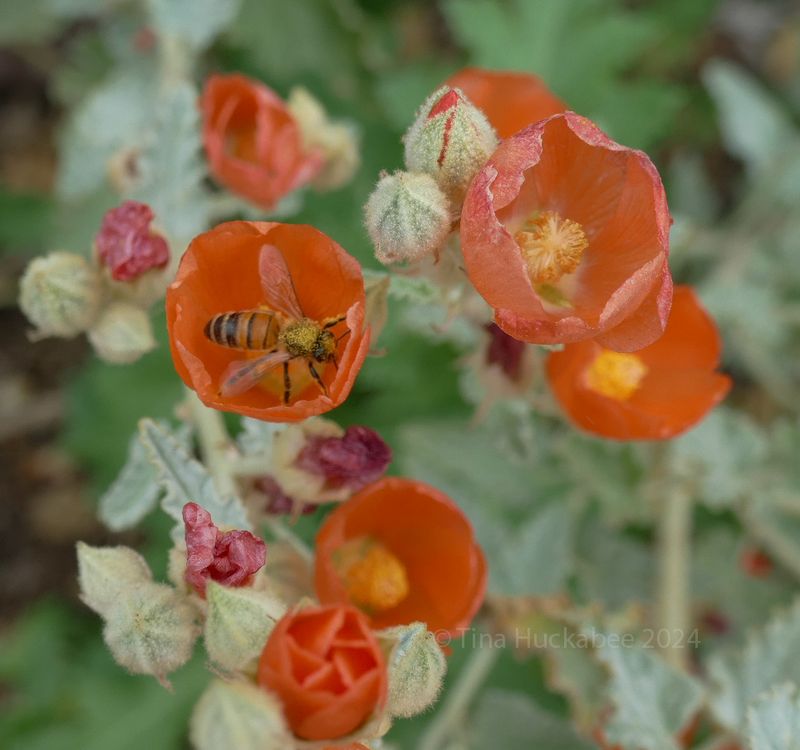
Here is the benefit with real backing. The USDA plant guide identifies desert globemallow as habitat for native bees and for common checkered skipper butterflies.
Habitat is the key word. It means the plant offers something these insects can use, such as flowers and a place in their life cycle.
It does not mean every yard will see a parade of visitors.
What shows up at your plants depends on the neighborhood, the season, nearby water, and what else is blooming. A single clump on a bare lot may get few visits, while a planting mixed with other natives has better odds.
Your Arizona Garden Changes Every Week. Your Plan Should Too.
Gardening in Arizona changes quickly throughout the season. Every Friday you’ll receive a simple weekly plan showing exactly what to plant, prune, fertilize, harvest, and protect so you never miss the right timing.
So treat globemallow as one useful piece of a wildlife-friendly yard, not a guarantee. Plant it, watch the blooms on a warm morning, and see who comes.
Any bee or butterfly you spot is a bonus, and you cannot promise bigger pollinator numbers from one plant.
Restoration use is not proof of soil rebuilding
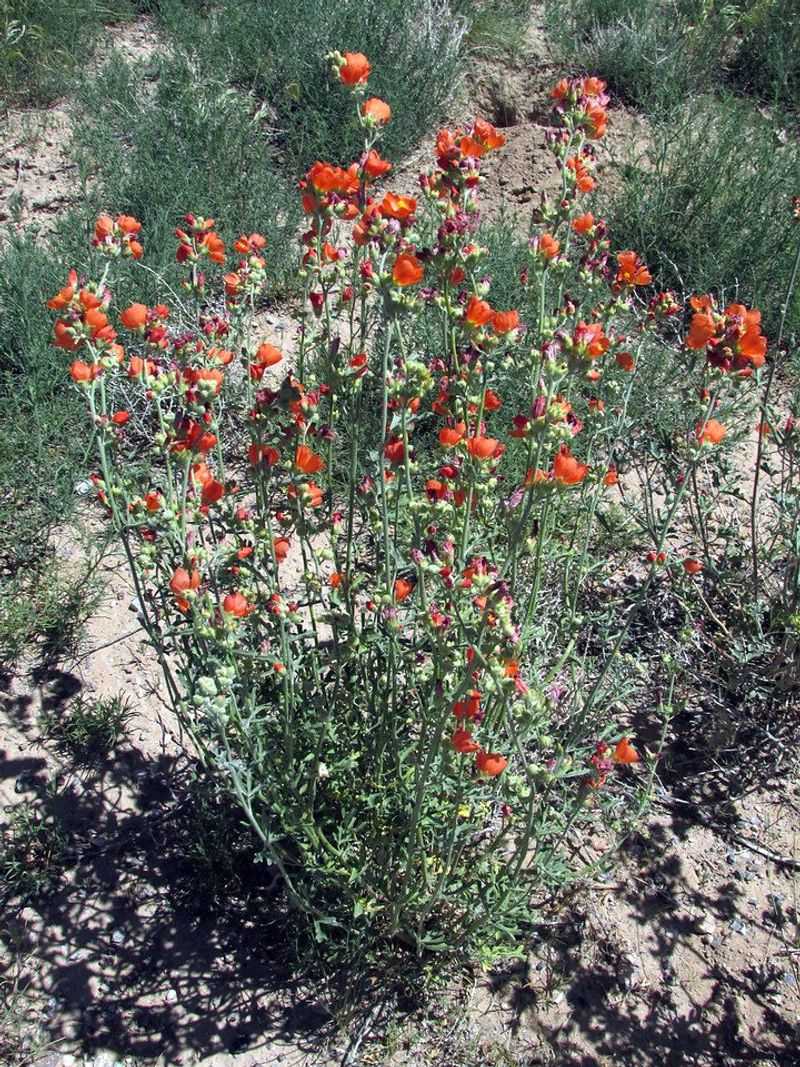
Land managers do use this plant. It is described as useful in revegetation and erosion-control projects, including on disturbed sites where the ground has been scraped or worn bare.
That is a solid credential. A plant that establishes in rough conditions and covers ground can be a sensible pick when the goal is getting native vegetation back.
Still, using a plant to restore a site is different from showing that it builds soil. No source reviewed shows that desert globemallow adds organic matter or improves the soil right around it.
Nobody has measured that effect for this species, so it stays an open question rather than a selling point.
There is also no proven root-driven mechanism to point to, and it is better not to invent one. If you want better soil in your beds, base that plan on things you can see and test, like compost on the surface and good drainage.
Let globemallow earn its place for what it is documented to do: cover ground and support pollinators.
Choose a sunny site and allow time for establishment
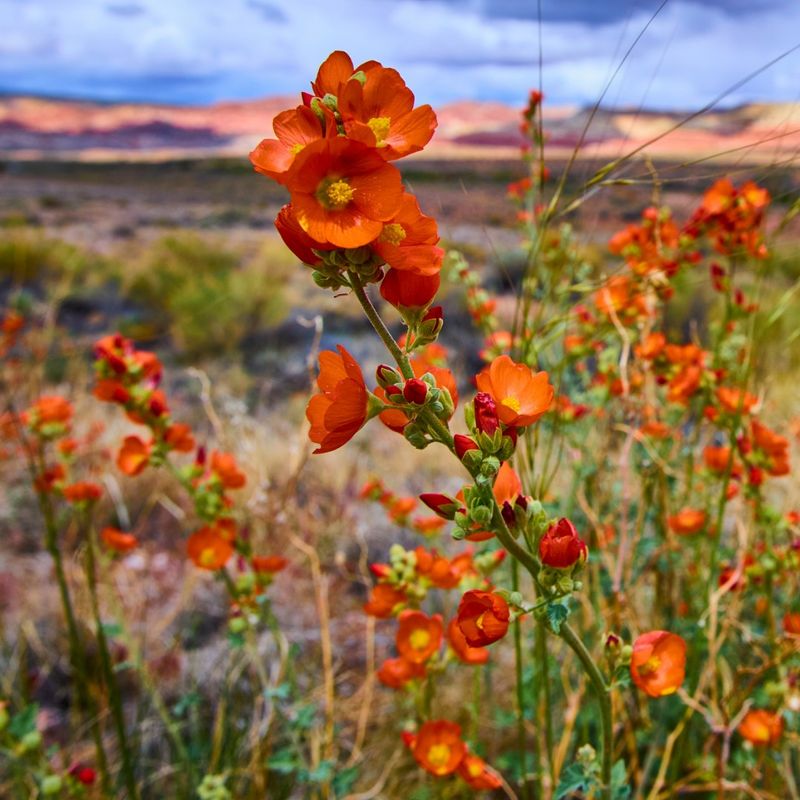
Give it full sun. Guidance for this species says it does well in a range of soil types as long as drainage is adequate, which brings the earlier hole test back into play.
Once established, desert globemallow can survive on natural rainfall. Note the word established.
A new transplant has small roots and needs regular irrigation while it settles in, so do not call it a plant that never needs water.
After that first stretch, water becomes optional in some places and helpful in others. Extra water may increase flowering, but local conditions matter, so there is no fixed schedule here.
Watch the plant. Wilting leaves and few buds are clues that it wants a drink, while yellowing and soggy soil mean back off.
Timing matters too. For low-desert Pima County, a local October gardening guide suggests planting desert mallow among other perennials and gradually reducing irrigation for new native and desert-adapted plants.
That is fall guidance for that area, not a calendar for the whole state. The University of Arizona species portal also lists it as a native Arizona plant, if you want to confirm it suits your region.
Seed starting can be less predictable
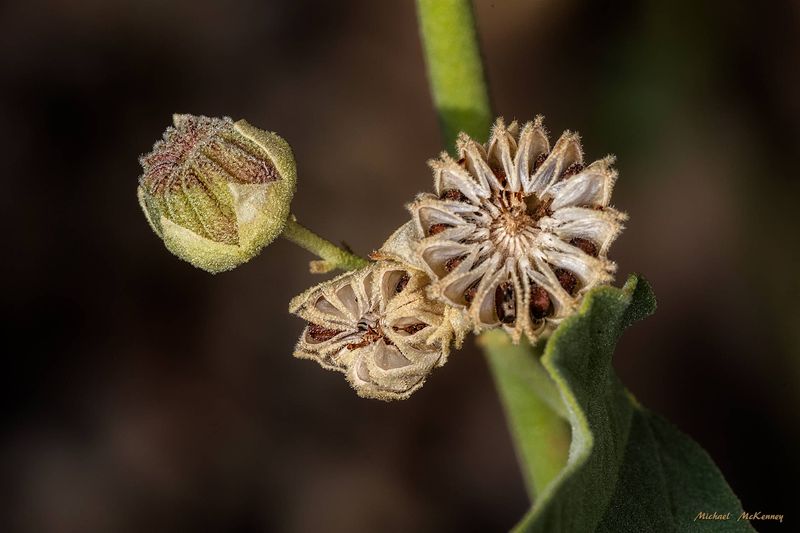
Growing from seed sounds simple, but results can vary. The USDA guide recommends sowing about one-quarter inch deep.
Seed sown in fall may germinate over winter and grow in spring.
The seeds have a tough coat that water may not pass through easily. The guide warns that this can lead to poor germination and says scarification, which means scratching or nicking the coat, may help.
A germination trial from Arizona extension shows how much this can matter. Seed with no treatment had 0% germination, while seed given scarification plus cold-moist stratification reached 35%.
That is one particular test, so treat it as a hint and not a promise.
Plan for a few surprises. The plant may also reseed itself, which is nice in a wild corner but could mean extra seedlings to pull in a small garden.
Pick a spot with room, and be ready to move or remove volunteers.
Choose it for the benefits the evidence supports
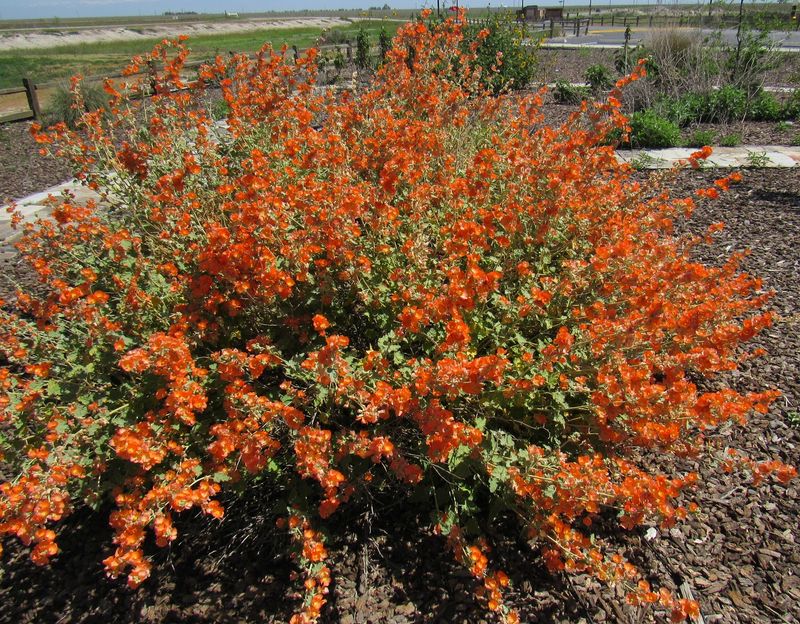
Desert globemallow earns a spot in a low-desert yard for habitat and for its record in restoration work. Nothing shows that it breaks caliche or rebuilds soil around itself.
So before you plant, test the drainage, pick a sunny spot, and be ready to water it while it settles in.
A plant does not need superpowers to be worth growing. Bright blooms in July heat are enough.