4 Different Plants Called Jasmine And How To Grow Them In Texas
If a Texas nursery has ever left you wondering which jasmine is actually which, you are definitely not the only one.
The name gets used for several very different plants, and that is where the confusion starts.
Some climb, some spread, some flower in winter, and some are much better suited to Texas heat than others. What looks like a simple plant choice can turn into a frustrating mismatch if you bring home the wrong one.
The good news is that once you know which jasmine you are dealing with, caring for it gets much easier.
Understanding the differences can help you choose the right plant, avoid disappointment, and keep your Texas garden looking strong in every season.
1. Star Jasmine Fills Texas Gardens With Fragrant White Blooms
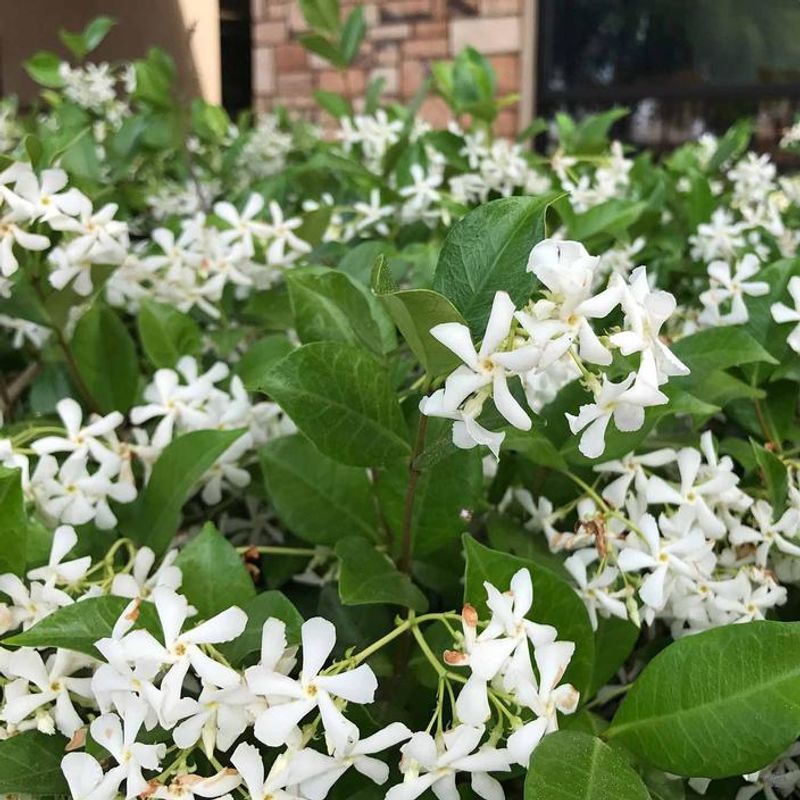
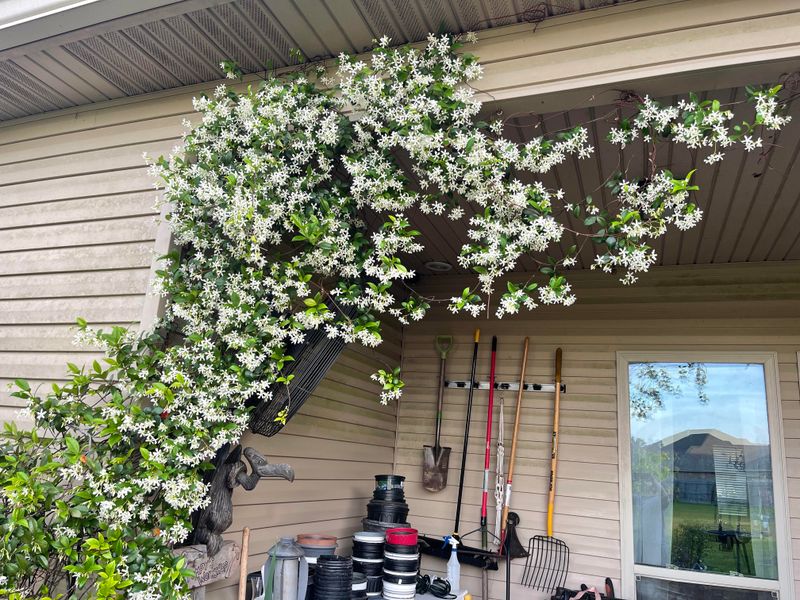
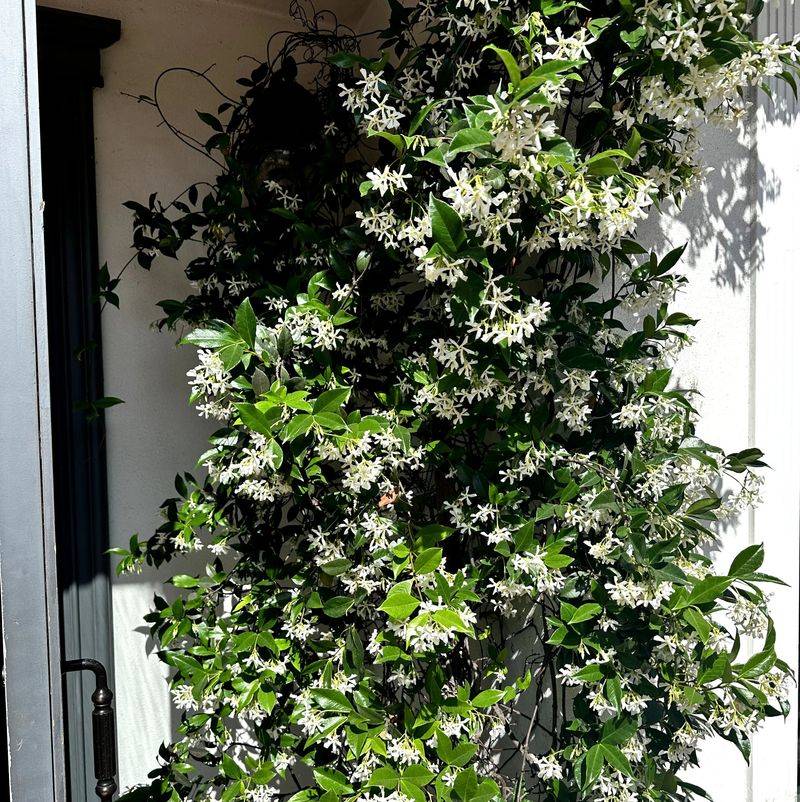
Few plants stop visitors in their tracks the way star jasmine does when it blooms across a Texas fence in late spring. The clusters of small, pinwheel-shaped white flowers release a sweet, heady fragrance that carries across an entire yard.
Botanically known as Trachelospermum jasminoides, this evergreen vine is not a true jasmine at all, but Texans have called it jasmine for generations, and the name has stuck.
Star jasmine grows vigorously in USDA zones 7 through 10, which covers most of Texas from the Hill Country down through the Gulf Coast. It performs beautifully in full sun or partial shade.
In South Texas and along the coast, afternoon shade helps protect it from the most intense summer heat. In North and Central Texas, a spot with morning sun and some afternoon shelter works well.
Once established, star jasmine is surprisingly drought tolerant, though deep watering every week or two during dry summers keeps it looking lush.
It climbs trellises, fences, and arbors with ease, and it can also work as a groundcover on slopes.
Planting in well-draining soil enriched with compost gives it the best start. Young plants benefit from regular watering during the first growing season while roots establish.
After that, this vine rewards low-maintenance gardeners with reliable fragrance and glossy evergreen foliage year-round.
2. Asiatic Jasmine Creates A Dense Low Growing Carpet
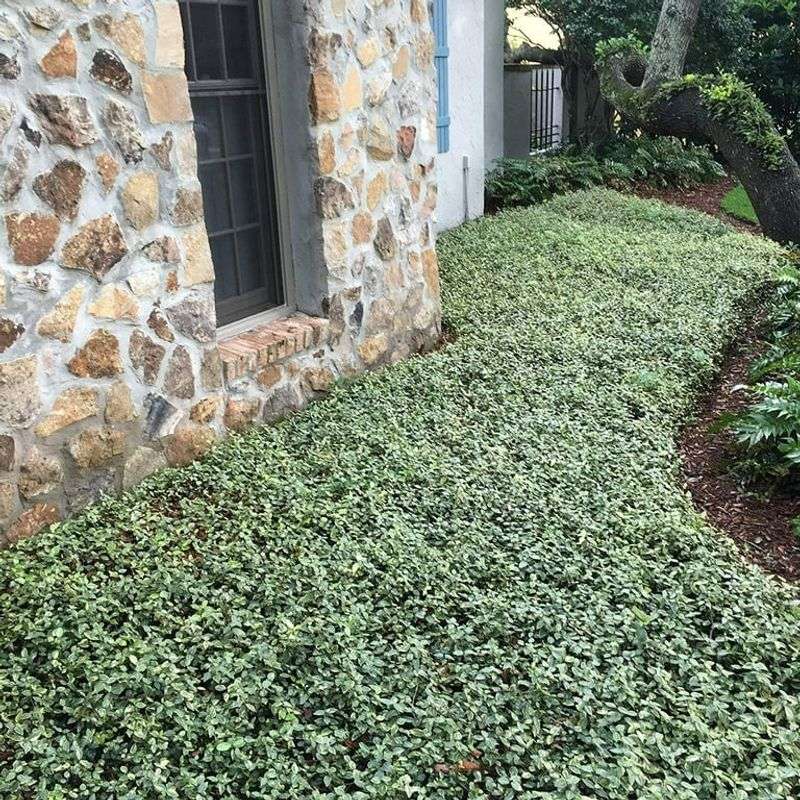
Walk through almost any established Texas neighborhood and you will likely spot Asiatic jasmine blanketing the ground beneath oak trees where grass refuses to grow.
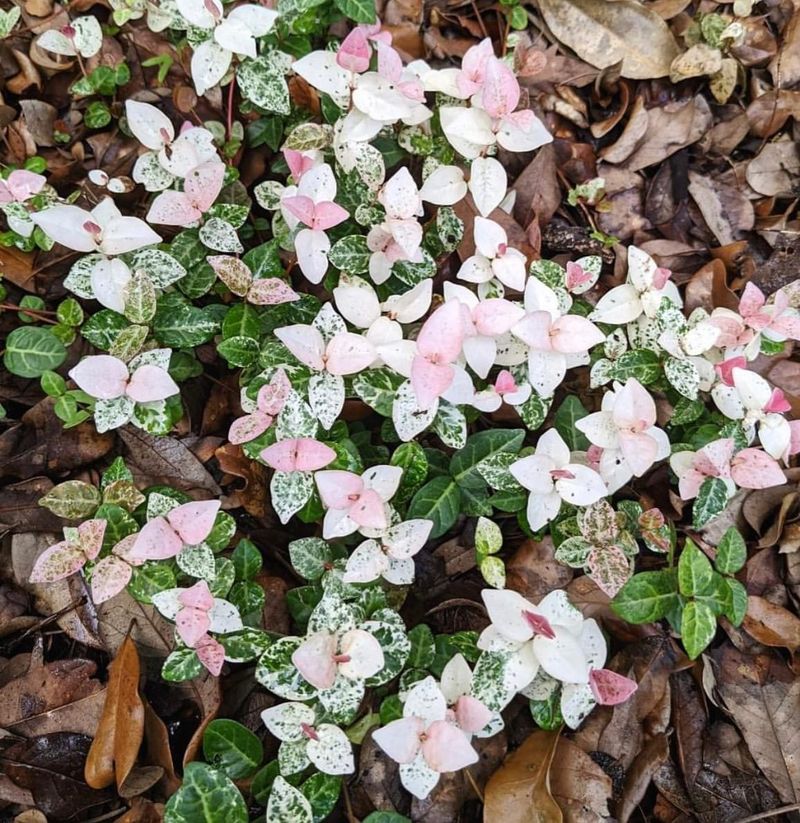
This low-growing evergreen groundcover, Trachelospermum asiaticum, is closely related to star jasmine but behaves very differently.
Rather than climbing, it spreads horizontally, forming a dense, weed-suppressing mat that stays green through most Texas winters.
Asiatic jasmine thrives in USDA zones 7 through 10 and handles the Texas climate exceptionally well. It tolerates heat, humidity, and moderate drought better than many groundcovers.
Partial to full shade is ideal, making it a popular choice for areas under large trees where sunlight is limited.
It can handle full sun in cooler parts of North Texas, but in Central and South Texas, too much direct afternoon sun can scorch the foliage.
The plant rarely blooms noticeably, so its appeal is primarily its reliable, glossy foliage and its toughness. It works well for erosion control on slopes and as a lawn substitute in shaded spots.
Soil drainage matters, as standing water can cause root problems. Amending heavy clay soil with compost before planting improves drainage significantly.
New plantings need regular watering for the first season, but established Asiatic jasmine is quite resilient. An occasional mowing or trimming with a string trimmer keeps it neat and encourages fresh, compact growth each year.
3. Winter Jasmine Brightens Cool Season Spaces With Yellow Flowers
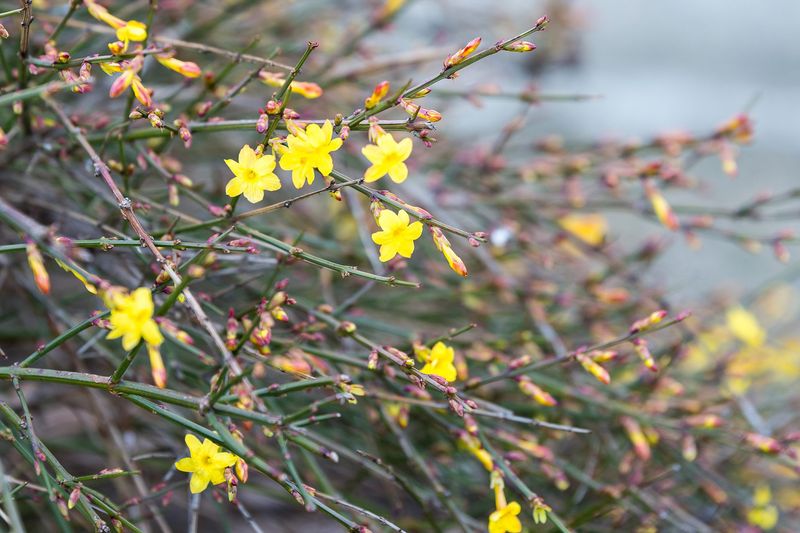
When most of the Texas garden looks bare and tired in January or February, winter jasmine shows up with cheerful yellow blooms on leafless green stems, offering color at a time when almost nothing else is flowering.
Jasminum nudiflorum is a true jasmine, native to China, and it has a deciduous, sprawling habit that surprises gardeners who expect it to look like its evergreen cousins.
Hardy in USDA zones 6 through 10, winter jasmine handles cold snaps that would trouble other plants on this list. North Texas gardeners especially appreciate its cold hardiness.
The arching stems can be trained along a low fence or wall, allowed to cascade down a retaining wall, or left to sprawl as a groundcover on a slope.
It does not twine or cling the way climbing vines do, so some light tying to supports is helpful if you want vertical coverage.
Full sun encourages the best bloom production, but partial shade is acceptable. Well-draining soil is important since winter jasmine does not appreciate soggy roots.
Watering needs are moderate, and established plants handle dry spells reasonably well.
Unlike star jasmine, the flowers of winter jasmine are not fragrant, but their bright yellow color more than compensates for that.
After blooming finishes in early spring, the green stems leaf out and the plant fades into the background until the following winter season brings another cheerful display.
4. Carolina Jessamine Climbs With Early Native Color
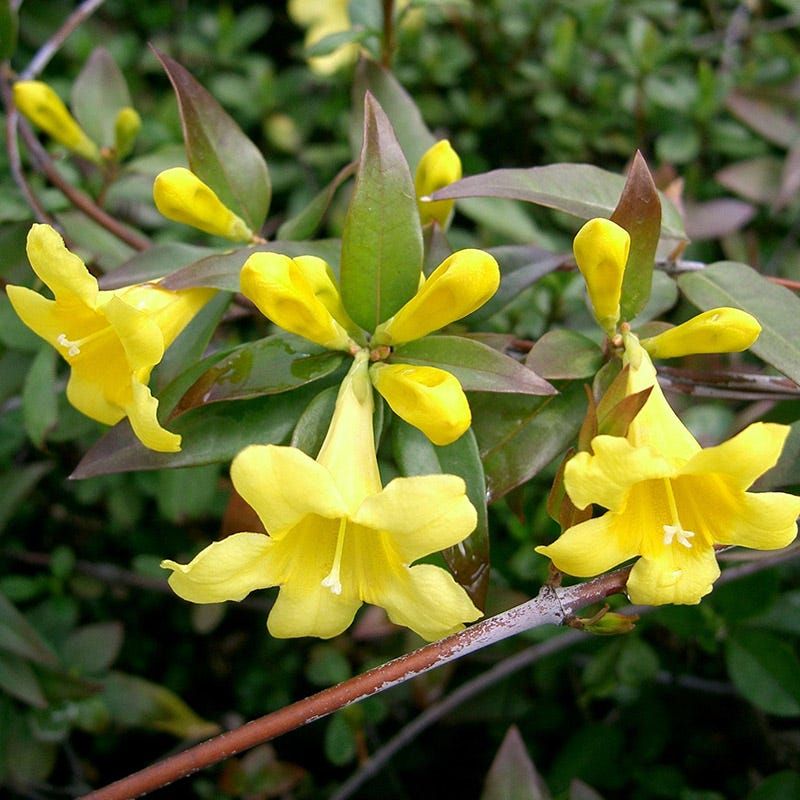
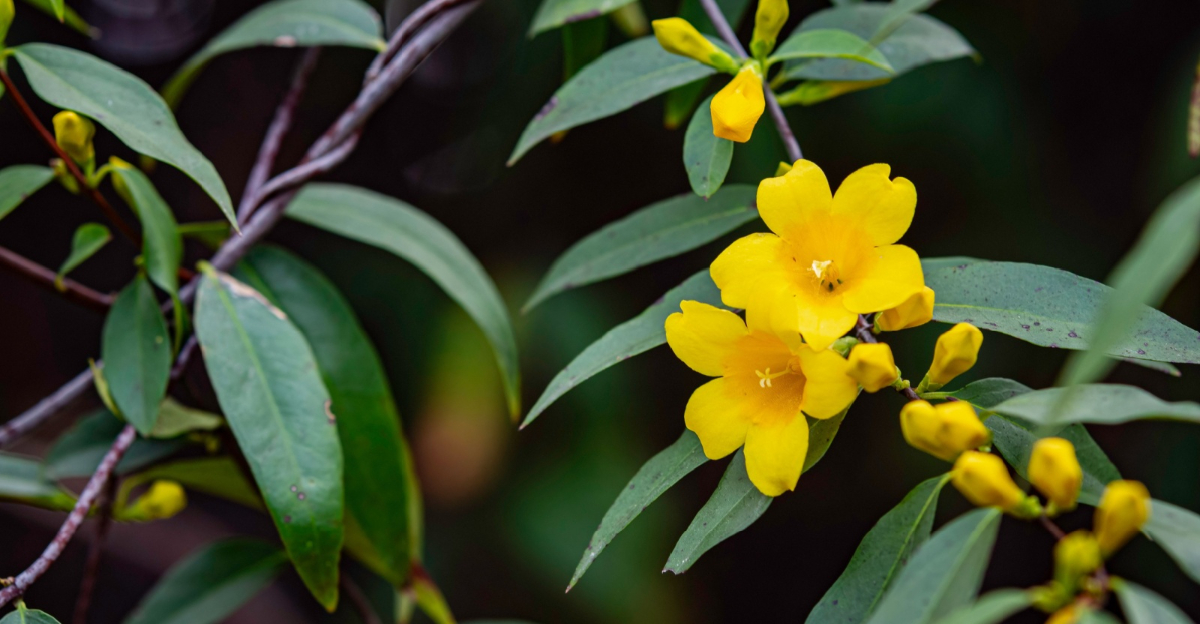
Across East Texas and into the Piney Woods, Carolina jessamine is often the first vine to burst into color each spring, draping fences and treetops with clusters of bright yellow, trumpet-shaped flowers before most other plants have woken up.
Sometimes called Carolina jasmine, Gelsemium sempervirens is the only plant on this list that is actually native to the southeastern United States, including eastern Texas.
It thrives in USDA zones 7 through 10 and is especially well suited to East Texas, where the higher humidity and acidic soils match its native habitat. In Central and North Texas, it grows well with some afternoon shade protection.
The vine climbs by twining and can reach 10 to 20 feet when given a sturdy support like a fence, trellis, or arbor. The glossy evergreen foliage looks attractive even when the plant is not in bloom.
Carolina jessamine prefers well-draining, slightly acidic soil and regular moisture, though established plants handle moderate dry periods. Full sun to partial shade suits it well, with more shade needed in the hotter western parts of Texas.
One important note for households with children or pets: all parts of this plant are toxic if ingested, so placement matters.
The fragrant yellow blooms attract early-season pollinators, including bees, making it a valuable addition to any native or wildlife-friendly Texas garden planting scheme.
5. Match Each Jasmine To The Right Texas Region And Exposure
Texas is a big state with wildly different growing conditions, and what works beautifully in Houston may struggle in Amarillo or Midland.
Matching the right jasmine to the right region is one of the most practical steps a Texas gardener can take before buying a single plant.
Getting this right saves time, money, and a lot of guesswork during the growing season.
Star jasmine performs well across most of Central, South, and East Texas. It appreciates afternoon shade in South Texas where summer temperatures regularly push past 100 degrees Fahrenheit.
Asiatic jasmine is similarly adaptable but truly shines in East and Central Texas, where shade from large trees is common. In the hot, sunny western parts of the state, it needs careful placement to avoid leaf scorch.
Winter jasmine is the most cold-hardy option and suits North Texas and the Panhandle region well, where hard freezes are more frequent.
Carolina jessamine is a natural fit for East Texas and the Piney Woods, where the climate most closely mirrors its native range.
In all regions, sun exposure plays a major role in plant success. South-facing walls and open beds receive the most intense sun, while north-facing spots and areas under tree canopies stay cooler and shadier.
Taking a few minutes to observe how sun moves across your yard before planting makes a noticeable difference in how well any of these plants establish and thrive.
6. Give Each Type The Soil Drainage And Water It Prefers
Soil conditions in Texas range from heavy black clay in North Texas to sandy loam in East Texas to rocky limestone in the Hill Country, and none of these jasmines will perform their best if planted into poorly draining ground without some preparation.
Good drainage is the single most important soil factor for all four of these plants.
Roots sitting in waterlogged soil lead to weak, struggling plants that never reach their potential.
In clay-heavy areas, mixing several inches of compost into the planting bed before installing any of these plants improves both drainage and soil structure noticeably.
Raised beds or bermed planting areas also help in spots where standing water is a persistent problem.
Star jasmine and Carolina jessamine both appreciate compost-enriched soil with consistent moisture during their first growing season, after which they become more self-sufficient.
Asiatic jasmine tolerates occasional dry conditions once established but benefits from deep watering during extended summer droughts. Winter jasmine is the most tolerant of lean soils but still needs reasonable drainage to avoid root problems.
For all four types, watering deeply and less frequently encourages roots to grow deeper into the soil, which builds long-term drought resilience.
Drip irrigation or soaker hoses work especially well for jasmines planted along fences or trellises, delivering water directly to the root zone without wetting foliage unnecessarily during humid East Texas summers.
7. Train Vining Jasmines And Shape Groundcovers The Right Way
Getting jasmine to grow where you want it, rather than where it decides to go on its own, takes a little early guidance. For the climbing types, the first season is the most important time to establish the direction and structure you want.
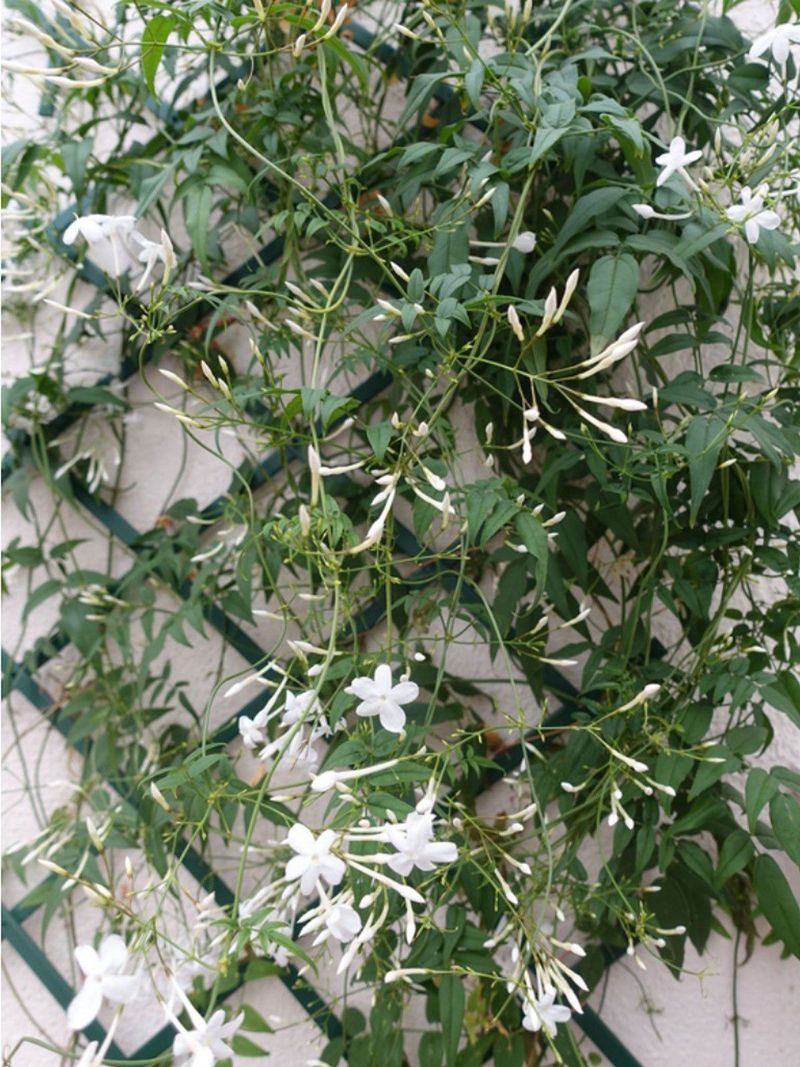
Star jasmine and Carolina jessamine both twine and climb with enthusiasm once they get going, and training them early prevents a tangled mess later.
Weaving young stems through trellis openings or tying them loosely to wire supports with soft garden ties gives the vines a clear path to follow.
Check ties periodically to make sure they are not cutting into thickening stems as the plant grows.
For arbors and pergolas, spreading stems horizontally along horizontal supports encourages more lateral branching and, in the case of star jasmine, more blooming along the length of the structure.
Winter jasmine does not twine, so its long arching stems need to be tied or pinned to supports if vertical coverage is the goal.
Left unsupported, it naturally cascades, which makes it an excellent choice for spilling over retaining walls or down slopes.
Asiatic jasmine as a groundcover benefits from occasional edging to keep it from creeping into lawn areas or flower beds.
A sharp spade or edging tool run along the border twice a year keeps it contained and looking intentional rather than invasive. Consistency with shaping pays off quickly.
8. Prune At The Right Time To Keep Plants Full And Blooming
Pruning at the wrong time is one of the most common reasons Texas gardeners end up with jasmine that looks scraggly or skips a bloom cycle.
Each of these four plants has a different bloom time, and that timing should guide when you reach for the pruning shears.
Cutting at the right moment encourages dense, vigorous regrowth and protects next season’s flower buds.
Star jasmine blooms on growth from the previous season, so the best time to prune is right after the spring bloom finishes, typically in late May or June in most Texas regions.
Trimming at this point gives the plant the entire summer to put on new growth that will carry next year’s flowers.
Avoid heavy pruning in late summer or fall, which removes developing buds.
Winter jasmine should be pruned immediately after its late winter bloom ends, before new growth begins in earnest. Cutting back the long, arching canes by about one-third encourages fresh stems and a tidier shape.
Carolina jessamine benefits from a light trim after spring flowering to keep it manageable and promote branching.
Asiatic jasmine as a groundcover can be mowed or string-trimmed in late winter before new growth emerges, which refreshes the foliage and keeps the mat compact.
Using clean, sharp tools for all pruning tasks reduces the risk of spreading disease between plants in your garden.