Direct-Sowing Vegetables In July For A Bigger New York Fall Harvest
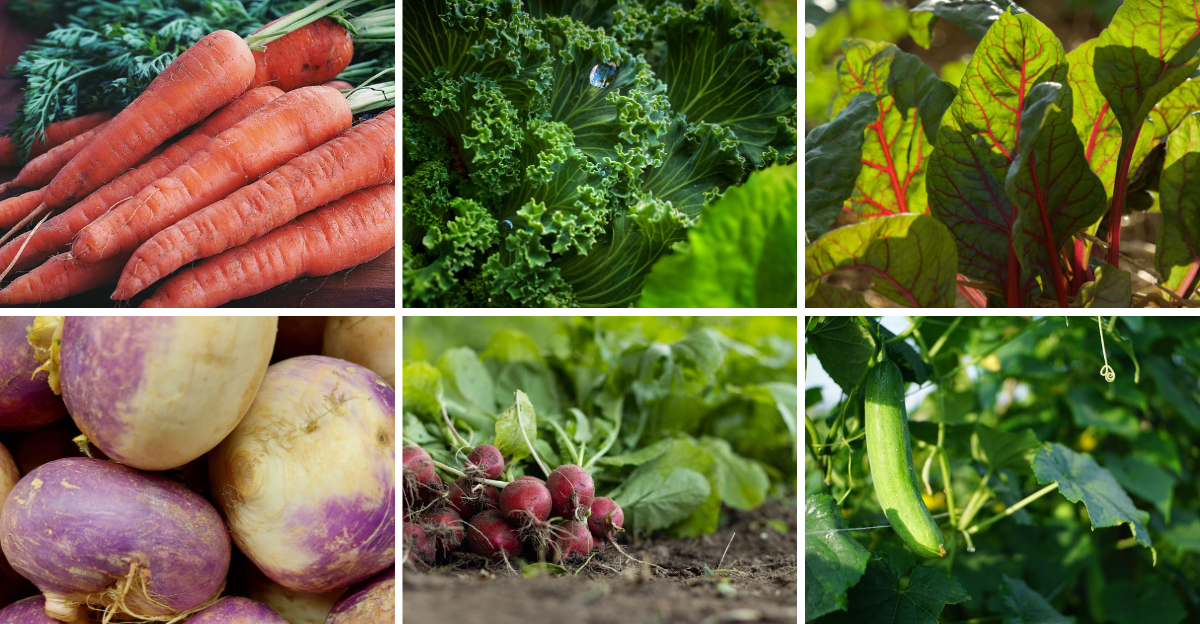
July in New York doesn’t feel like a season winding down, it feels like one quietly gathering momentum. While most gardeners are busy admiring their tomatoes, the sharpest ones are already eyeing the calendar for what comes next.
Direct-sowing right now sets the stage for a harvest that stretches deep into autumn, long after the first jacket weather sets in.
The trick isn’t planting more, it’s planting smarter. Certain crops thrive on the shrinking daylight and cooling soil that fall brings, rewarding gardeners who time their seeds just right.
Miss the window, and you’re left with bare beds by September. Hit it, and October turns into a second growing season entirely.
This is the point in the year where a little planning pays off in a big way, turning a modest summer garden into a fall harvest worth bragging about.
1. Bush Beans
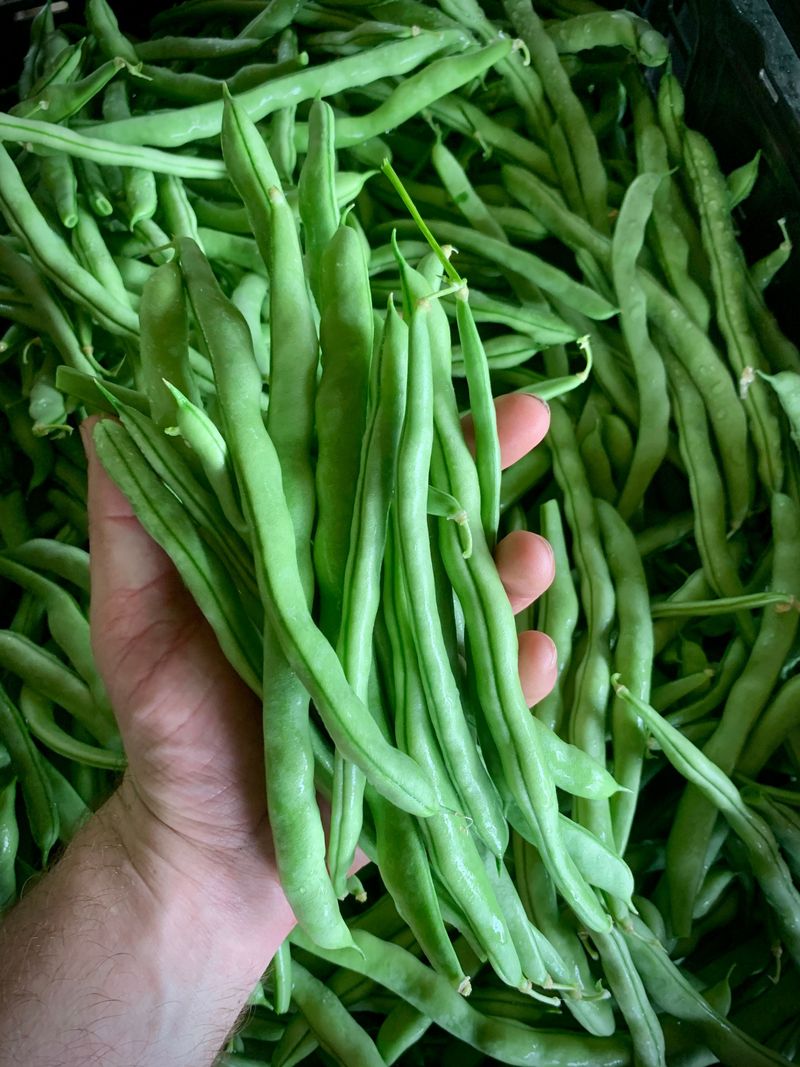
Bush beans are the sprinters of the vegetable world. They go from seed to harvest in as few as 50 days, making July the sweet spot for a fall crop in New York.
Sow seeds about one inch deep and three inches apart. Give them full sun and well-drained soil, and they will reward you fast.
Unlike pole beans, bush varieties do not need trellising. That means less setup and more time enjoying your garden on a hot July afternoon.
Water consistently, especially during germination. Dry soil at this stage can cause seeds to stall and delay germination.
One of the best things about bush beans is their productivity. A short row can produce enough pods to fill a colander multiple times over.
Pick pods when they are slim and firm. Leaving them on the plant too long causes the plant to stop producing, so harvest often.
Bush beans fix nitrogen in the soil as they grow. That means your garden bed gets a little bonus fertility boost for next season.
Sow a second small batch two weeks after your first. This staggered approach stretches your harvest window and keeps fresh beans coming to your table longer.
Direct-sowing vegetables in July is all about timing, and bush beans prove that perfectly. Plant them now and you will be snapping pods before the leaves start to turn.
2. Beets
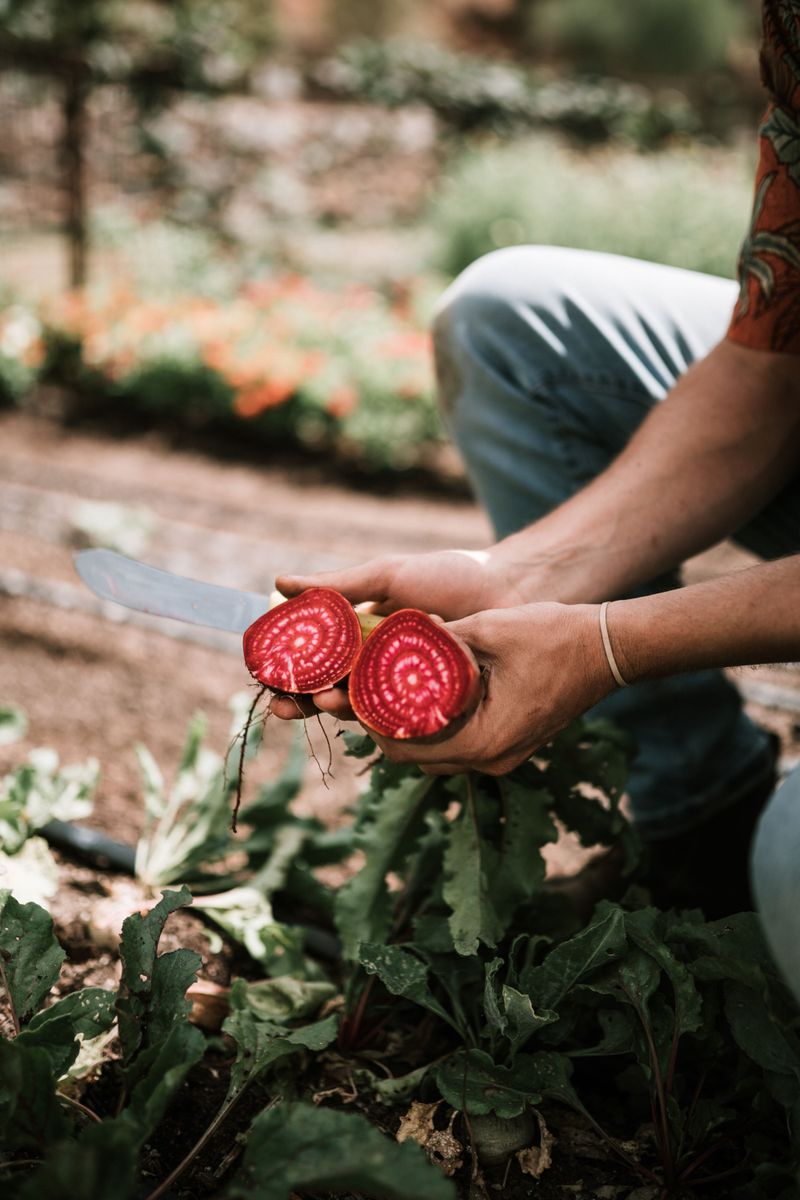
Beets are one of those vegetables that give you two harvests in one. You get the sweet, earthy roots and the tender greens, both edible and delicious.
Sow beet seeds about half an inch deep and two inches apart in loose, well-worked soil. Rocky or compacted ground will cause the roots to fork or grow stunted.
Each beet seed is actually a cluster of seeds. Thin seedlings to about four inches apart once they sprout so roots have room to swell properly.
Beets prefer cooler soil, and a July planting positions them to grow into that cooler weather as fall approaches. The roots develop the best flavor after a light frost touches the leaves.
Germination can be slow if the soil stays too warm. Watering the bed in the evening helps cool things down and encourages faster sprouting.
Your New York Garden Changes Every Week. Your Plan Should Too.
Gardening in New York changes quickly throughout the season. Every Friday you’ll receive a simple weekly plan showing exactly what to plant, prune, fertilize, harvest, and protect so you never miss the right timing.
Varieties like Detroit Dark Red and Chioggia are reliable performers for late-season planting. Chioggia has a candy-stripe interior that makes it a showstopper at the dinner table.
Beet greens can be harvested when leaves reach about six inches tall. Snip outer leaves and the plant will keep pushing out fresh growth for weeks.
Roots are typically ready in 55 to 70 days. Leave them in the ground a bit longer after the first frost for extra sweetness and a richer flavor profile.
Few crops reward a July sowing quite like beets do, delivering color, nutrition, and flavor straight into fall.
3. Carrots
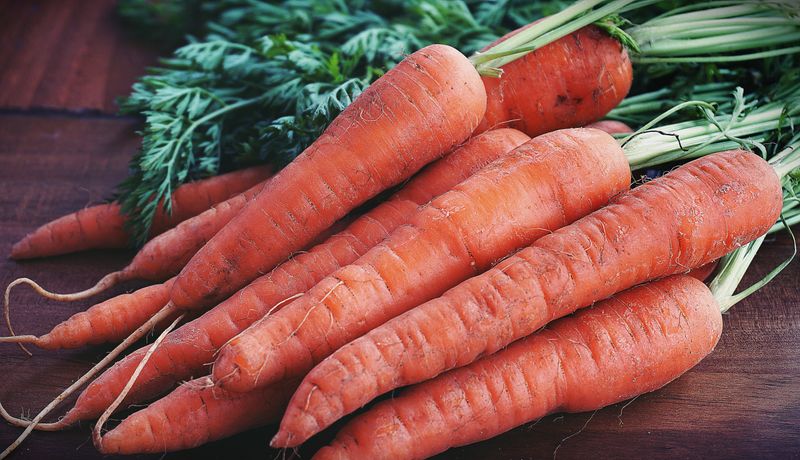
Carrots are famously slow starters, but that is exactly why July is the right month to get them in the ground for a fall harvest. They need 70 to 80 days to mature, and the math works out perfectly.
Loose, deep, stone-free soil is non-negotiable for carrots. Hard or rocky ground forces roots to split, fork, or curl in strange directions.
Sow seeds thinly, about a quarter inch deep, in rows spaced six inches apart. Covering seeds with a thin layer of compost instead of soil can improve germination rates.
Keeping the seedbed moist during germination is the biggest challenge with carrots. Seeds can take up to two weeks to sprout, and drying out even once can set the whole batch back.
A layer of burlap or damp newspaper over the bed helps hold moisture during the hottest July days. Remove it the moment you see the first tiny green sprouts poking up.
Thin seedlings to two inches apart when they reach two inches tall. Crowded carrots compete for space and end up thin and weak instead of fat and sweet.
Frost actually improves carrot flavor by converting starches into sugar. Leaving them in the ground after the first frost makes them noticeably sweeter and more complex.
Shorter varieties like Chantenay or Danvers work well in heavier soils. They are stout, sturdy, and easier to grow than long, slender types in less-than-perfect conditions.
When direct-sowing vegetables in July, carrots demand patience, but the sweet fall payoff makes every day of waiting worth it.
4. Kale
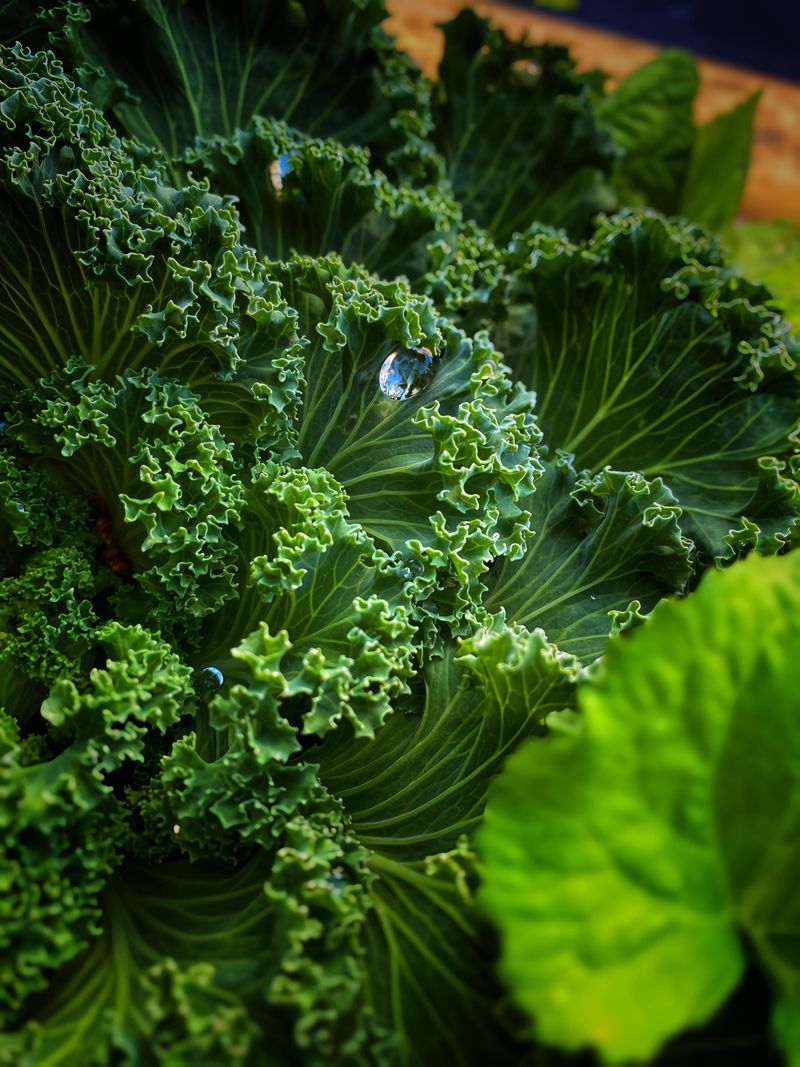
Kale is basically built for the fall garden. It thrives in cool weather, tolerates frost like a champ, and actually tastes better after temperatures drop below 40 degrees.
Sow seeds a quarter inch deep in full sun or partial shade. Kale is forgiving about light, which makes it a great fit for gardens with a mix of sunny and shady spots.
Thin seedlings to about 12 inches apart once they are three inches tall. Giving each plant enough room means bigger leaves and a longer harvest window stretching into November.
Varieties like Lacinato, Red Russian, and Winterbor all perform well in New York gardens. Lacinato, also called dinosaur kale, has a rich, slightly smoky flavor that holds up beautifully in soups.
Kale is a heavy feeder and benefits from a balanced fertilizer applied two weeks after thinning. A side dressing of compost works just as well and adds long-term soil health.
Aphids and cabbage worms are the main pests to watch for. Check under leaves regularly and knock pests off with a strong stream of water before infestations take hold.
Harvest outer leaves first, leaving the central growing point intact. This method keeps the plant producing fresh leaves for weeks, sometimes months, after the first cut.
Kale stores well in the fridge and freezes beautifully after blanching. A July sowing means you will have more kale than you know what to do with by October, and that is a wonderful problem to have.
5. Swiss Chard
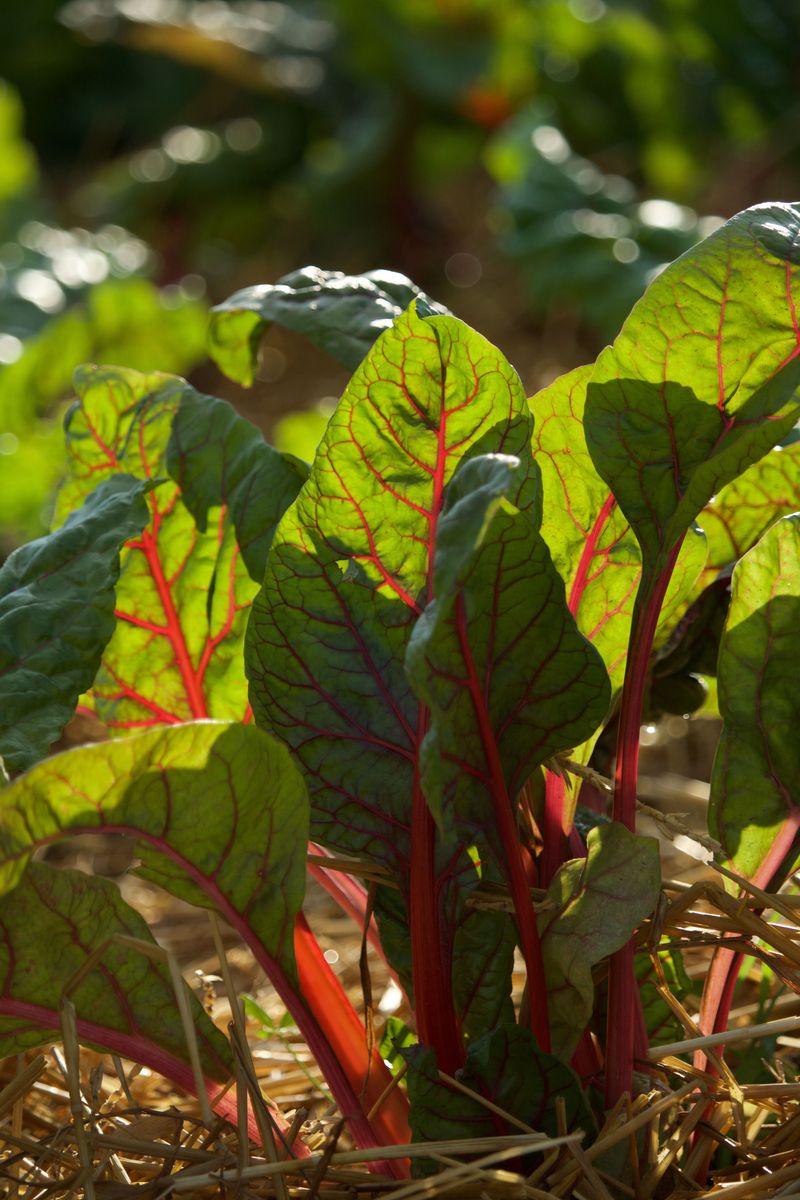
Swiss chard looks like it belongs in a flower bed. The stems come in brilliant red, yellow, orange, and white, making it one of the most visually striking crops you can grow.
Sow seeds half an inch deep and four inches apart in full sun. Chard tolerates partial shade better than most vegetables, which gives it an edge in tighter garden spaces.
Like beets, chard seeds are actually clusters. Thin plants to about six inches apart once they germinate so each one has room to grow full and leafy.
Chard handles both heat and light frost with ease. A July sowing sets it up perfectly to cruise through late summer heat and then keep growing as October cools things down.
Water deeply but not too often. Chard prefers consistent moisture rather than frequent shallow watering, which encourages shallow roots and less resilient plants overall.
Harvest leaves when they reach about eight to ten inches long. Cut from the outside of the plant and the center will keep producing fresh leaves for months without skipping a beat.
The flavor is milder than spinach but earthier than lettuce. Chard works brilliantly sauteed in olive oil with garlic or layered into a hearty fall frittata on a cool October morning.
Pests are rarely a serious issue with chard, which makes it ideal for beginner gardeners. Leaf miners can appear occasionally, but removing affected leaves keeps the problem from spreading far.
Swiss chard is proof that a productive fall garden can also be gorgeous, and a July sowing gives it exactly the time it needs.
6. Turnips
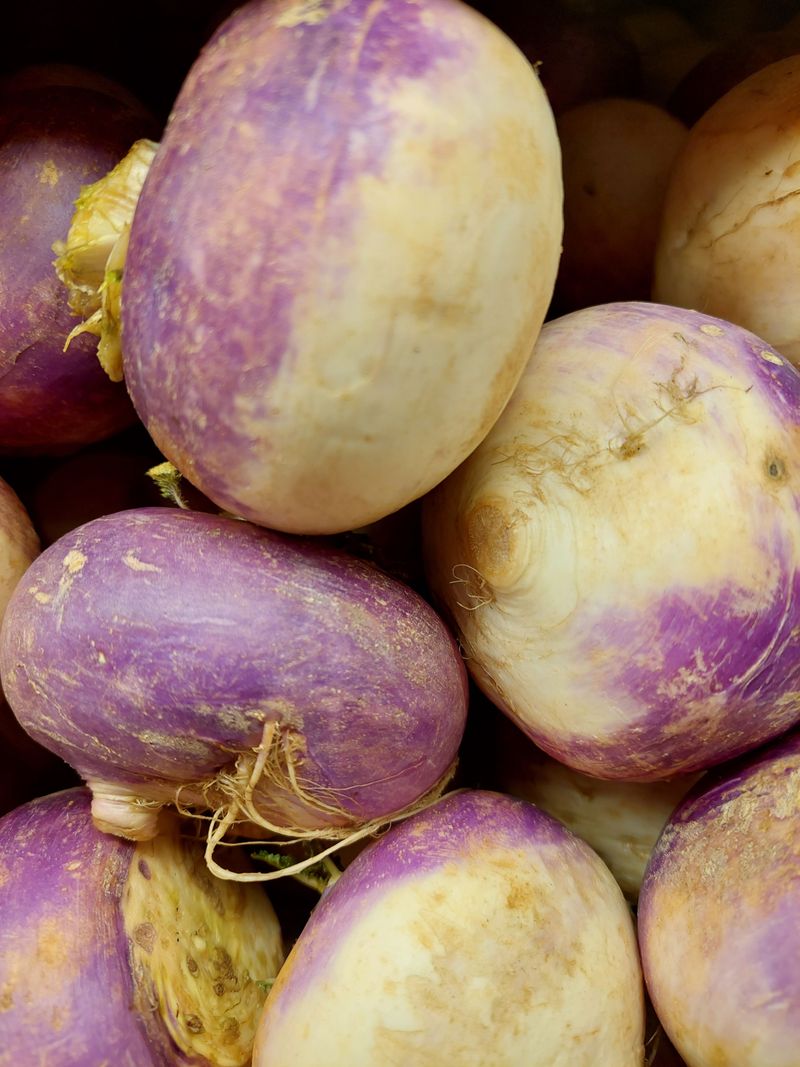
Turnips are the underdog of the fall garden, and they deserve a serious comeback. They grow fast, take up little space, and deliver both edible roots and nutritious greens.
Sow seeds directly in the ground about a quarter inch deep and one inch apart. Turnips germinate quickly, often within five to seven days, which gives you almost instant gardening satisfaction.
Thin seedlings to four to six inches apart once they emerge. Crowded turnips produce small, misshapen roots that are harder to cook and less impressive at the table.
July is ideal timing because turnips mature in just 40 to 60 days. That puts your harvest squarely in September and October, when the air is crisp and the roots are at peak flavor.
Like carrots and beets, turnips sweeten after frost exposure. The cold converts stored starches into natural sugars, giving the roots a pleasant, slightly sweet bite that surprises most first-time growers.
Hakurei is a popular Japanese variety worth trying. It is small, white, smooth-skinned, and sweet enough to eat raw, sliced thin like a radish on a salad.
Turnip greens are nutritional powerhouses packed with calcium, iron, and vitamins A and C. Saute them with a splash of apple cider vinegar for a quick and satisfying side dish.
Flea beetles can be a nuisance on young turnip seedlings. Floating row cover placed right after sowing keeps pests off without slowing growth or blocking sunlight.
Plant turnips in July and you will wonder why you ever overlooked this fast, flavorful, and fuss-free fall crop for so long.
7. Radishes
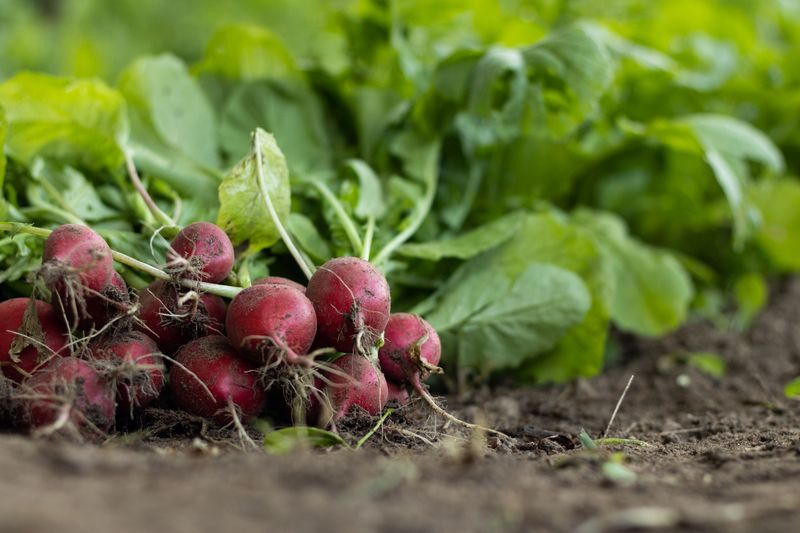
No crop in the garden moves faster than a radish. Some varieties are ready to pull in as few as 22 days after sowing, which makes them almost instant gratification in plant form.
Sow seeds half an inch deep and one inch apart in rows about six inches wide. Radishes are not picky about soil as long as it drains well and stays consistently moist.
Thin seedlings to two inches apart as soon as they emerge. Skipping this step leads to all tops and no roots, which is the most common radish-growing mistake beginners make.
A July sowing in New York sets up multiple succession plantings before fall arrives. Sow a new short row every ten days and you will have fresh radishes pulling through September with ease.
Daikon radishes are a longer-season option worth adding to the mix. They take about 60 days but grow massive, mild roots that store well and work beautifully in Asian-inspired dishes.
Radishes also make excellent companion plants. Sow them between slower-growing crops like carrots or beets to mark rows and break up soil while the main crop gets established underground.
Flea beetles love radish leaves, but the roots are usually unaffected. A light dusting of diatomaceous earth around seedlings discourages pests without any chemical intervention needed.
Harvest radishes promptly when they reach the right size. Leaving them in the ground too long causes roots to turn pithy, hollow, and unpleasantly sharp in flavor.
When direct-sowing vegetables in July, radishes are the perfect confidence booster that keeps the whole garden feeling exciting and alive.
8. Cucumbers
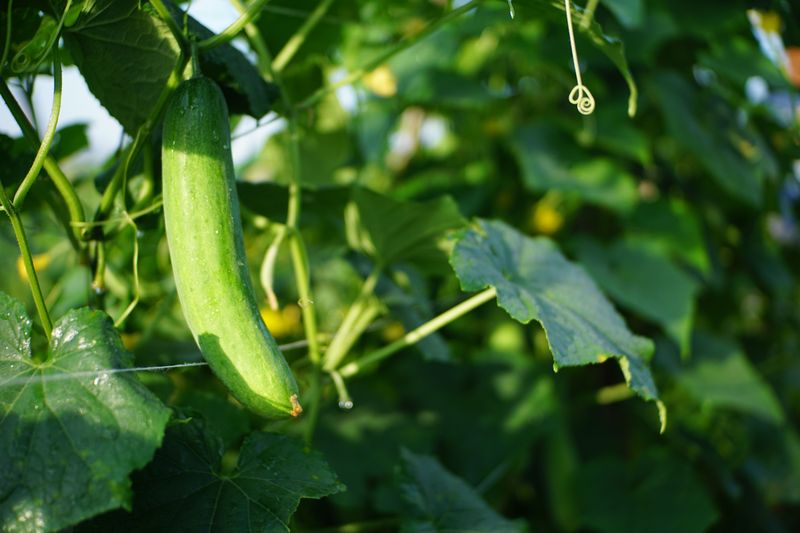
Cucumbers in July might sound like you are late to the party, but bush cucumber varieties can go from seed to harvest in just 50 to 55 days. That puts fresh cucumbers on your table well into September.
Sow seeds one inch deep and six inches apart in a spot that gets at least six hours of direct sun daily. Cucumbers are sun lovers and will sulk in shade without producing much fruit.
Bush varieties like Spacemaster or Bush Pickle are the best choice for a July sowing. They stay compact, mature quickly, and do not need a trellis, saving you time and setup work.
Consistent watering is critical once fruits start forming. Irregular moisture causes cucumbers to turn bitter or develop a condition called blossom end rot, which ruins the fruit before you can pick it.
Mulch around the base of each plant to hold soil moisture and keep roots cool. A two-inch layer of straw or wood chips makes a noticeable difference during hot July and August days.
Cucumbers are heavy feeders that respond well to a balanced liquid fertilizer every two weeks. Feeding them keeps the vines vigorous and productive through the entire growing window.
Harvest cucumbers when they reach full size but before they yellow. Once a cuke turns yellow, the seeds inside harden and the flesh loses its crisp, refreshing texture.
Powdery mildew can appear on leaves in late summer. Spacing plants well and watering at the base rather than overhead keeps air circulation good and mildew at bay.
Direct-sowing vegetables in July works beautifully with cucumbers, giving you a late-season crop that feels like a bonus gift from your own backyard.