The Spot That Rosemary Struggles With Most In Summer
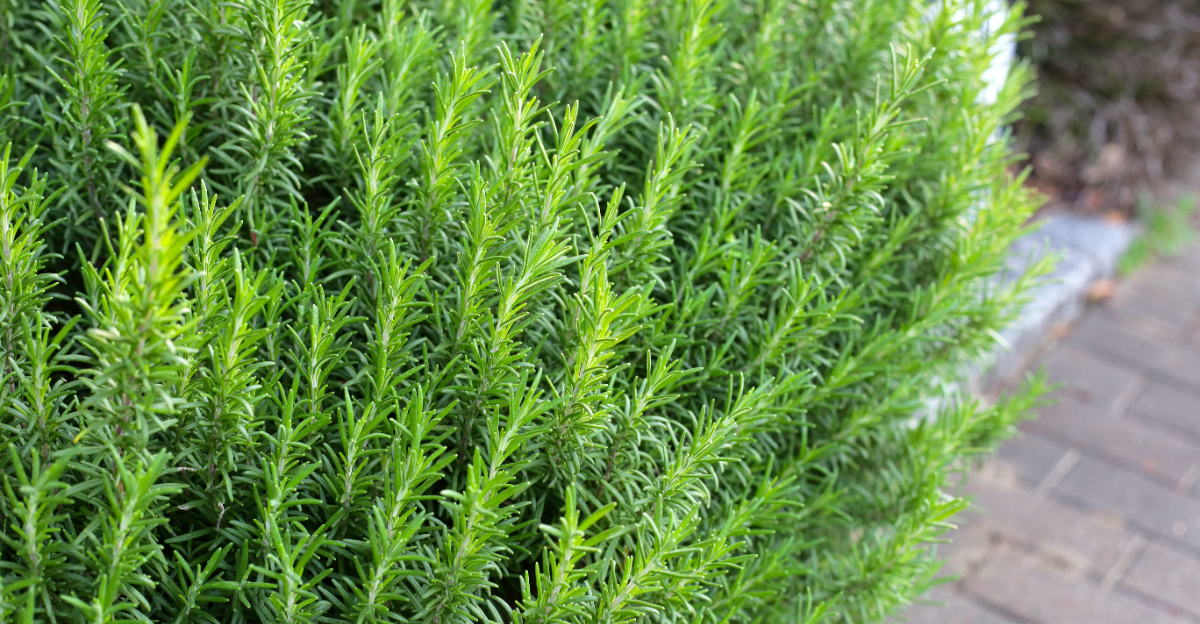
Rosemary has a reputation for surviving neglect, baking sun, and gritty soil without complaint. That reputation is exactly what trips up so many gardeners the moment July rolls around.
The plant that shrugged off a dry spring can turn brittle, pale, or strangely limp once summer storms and daily watering routines pile on.
The real trouble rarely comes from heat or a sunny spot gone wrong. It comes from roots sitting in soil that stays damp for days at a time, quietly struggling beneath a plant that still looks fine on top.
By the time needles turn brown and stems go soft, the roots have been sitting in water for weeks. Catch it early, fix the drainage, and rosemary snaps right back.
Soggy Spots And Poor Drainage Cause The Most Trouble
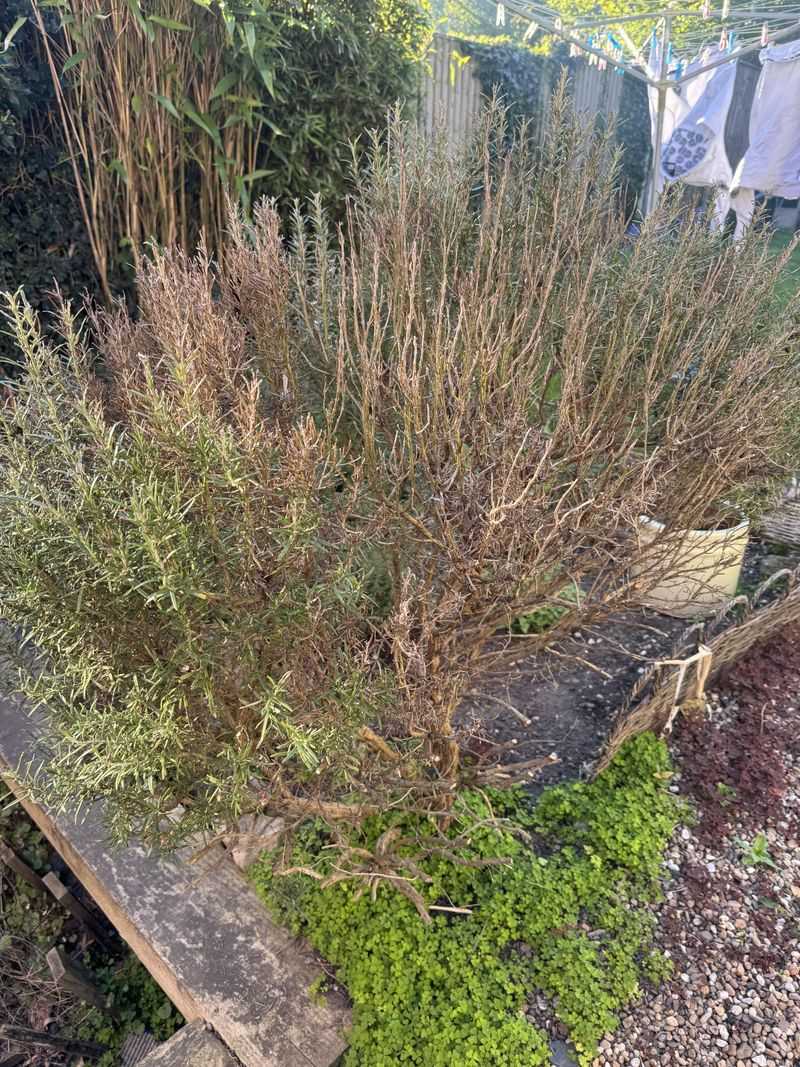
Standing water is rosemary’s biggest problem. That puddle that forms near your garden bed after every summer rain? Your rosemary is suffering in silence because of it.
Rosemary comes from the dry, rocky coasts of the Mediterranean. It evolved in places where rain drains fast and soil stays lean. Planting it in a soggy spot is like giving a cactus a swimming pool.
Poor drainage means water hangs around the roots far longer than rosemary can handle. The roots start to struggle because they need air pockets in the soil to breathe properly.
Clay-heavy soil is a common culprit in American backyards. It holds moisture like a sponge and barely lets anything pass through, even on sunny days.
Low spots in the yard collect runoff from higher ground. Even if you water carefully, your rosemary may still sit in pooled water that flows in from elsewhere.
Compacted soil around patios or walkways makes drainage even worse. Water cannot penetrate, so it spreads sideways and settles wherever the ground dips.
The fix starts with understanding your yard’s water flow. Watch where puddles form after a good rain and avoid planting rosemary anywhere near those zones.
Amending soil with coarse sand or gravel can help break up dense patches. Good drainage is the single most important factor for rosemary.
Signs Rosemary Is Struggling With Too Much Moisture

Yellowing leaves are the first red flag rosemary sends. Most gardeners mistake it for drought stress, but wet roots actually cause that same sad, droopy look.
The tips of the needles turn brown and crispy even when the soil feels damp. That combination, brown tips plus wet soil, almost always points to a moisture problem, not a dry one.
Stems near the base may start to look dark or mushy. That softness is a warning sign that rot has already begun working its way up from underground.
A healthy rosemary plant stands upright with stiff, gray-green stems. When those stems begin to bend or flop without pressure, something is seriously wrong below the surface.
The plant may also stop producing new growth entirely during summer. Rosemary that is stressed by excess moisture puts all its energy into survival, not fresh shoots.
You might notice the soil never fully dries between waterings. That is a clear sign the spot you chose does not drain fast enough for this particular herb.
Fungal issues can appear on leaves as gray or white powder. Humidity trapped around the plant from poor airflow and wet soil creates the perfect breeding ground for mildew.
Catching these signs early gives you a real chance to save the plant. Move fast, adjust conditions, and rosemary can bounce back faster than you would expect.
Root Rot Develops Quietly Before Leaves Show It
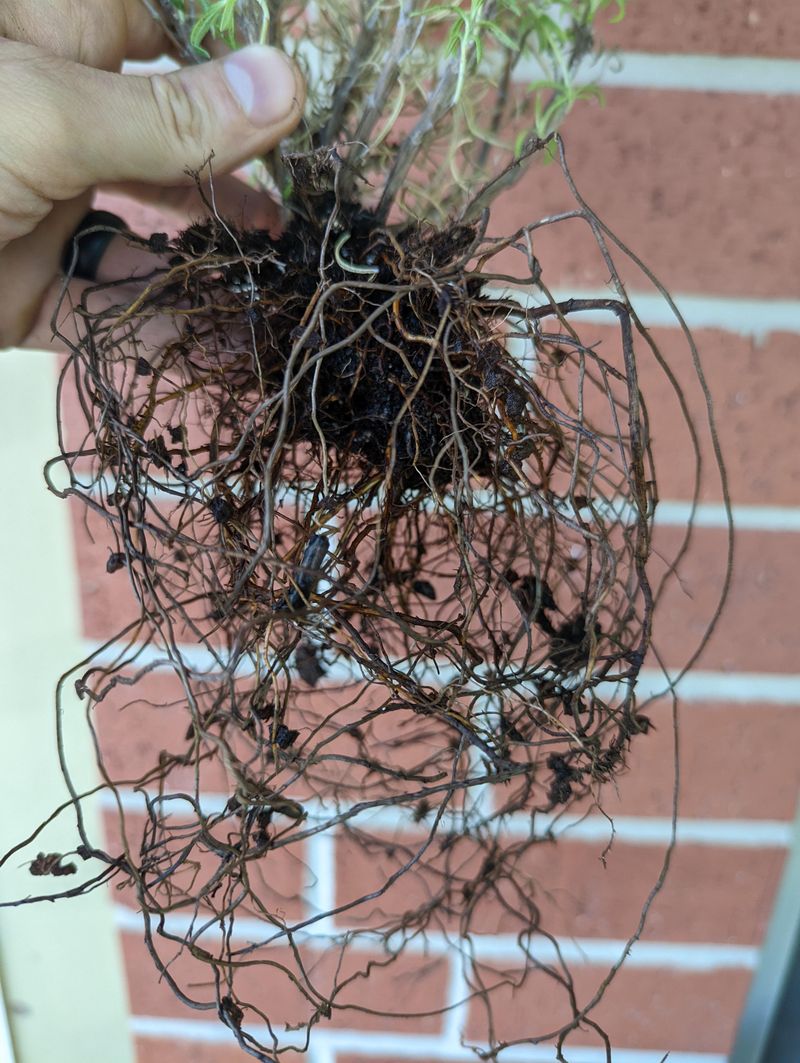
Root rot is the quiet threat that undoes rosemary plants everywhere. By the time you notice something is wrong above the soil, the damage below has often been building for weeks.
The roots turn dark brown or black and feel soft when touched. Healthy rosemary roots are firm and light-colored, so the contrast is easy to spot once you dig carefully.
A fungal pathogen called Phytophthora is often responsible for the worst cases. It thrives in warm, wet conditions, which makes a poorly drained summer garden its ideal home.
The tricky part is that early root rot looks a lot like drought. The plant wilts, leaves curl, and growth slows, so many gardeners respond by watering more and making things worse.
Gently pulling the plant from the soil is the best way to check. If the roots crumble or smell sour, root rot has already taken hold.
Mild cases can sometimes be treated by trimming the damaged roots away. Then repot or replant in fresh, well-draining soil and hold off on watering for a few days.
Severe cases are harder to recover from, but not always hopeless. Taking healthy stem cuttings and rooting them gives you a fresh start without losing the plant entirely.
Prevention is far easier than treatment once rot sets in. Choosing the right spot from the beginning saves rosemary from this invisible summer threat.
Choosing A Better Spot With Fast Draining Soil
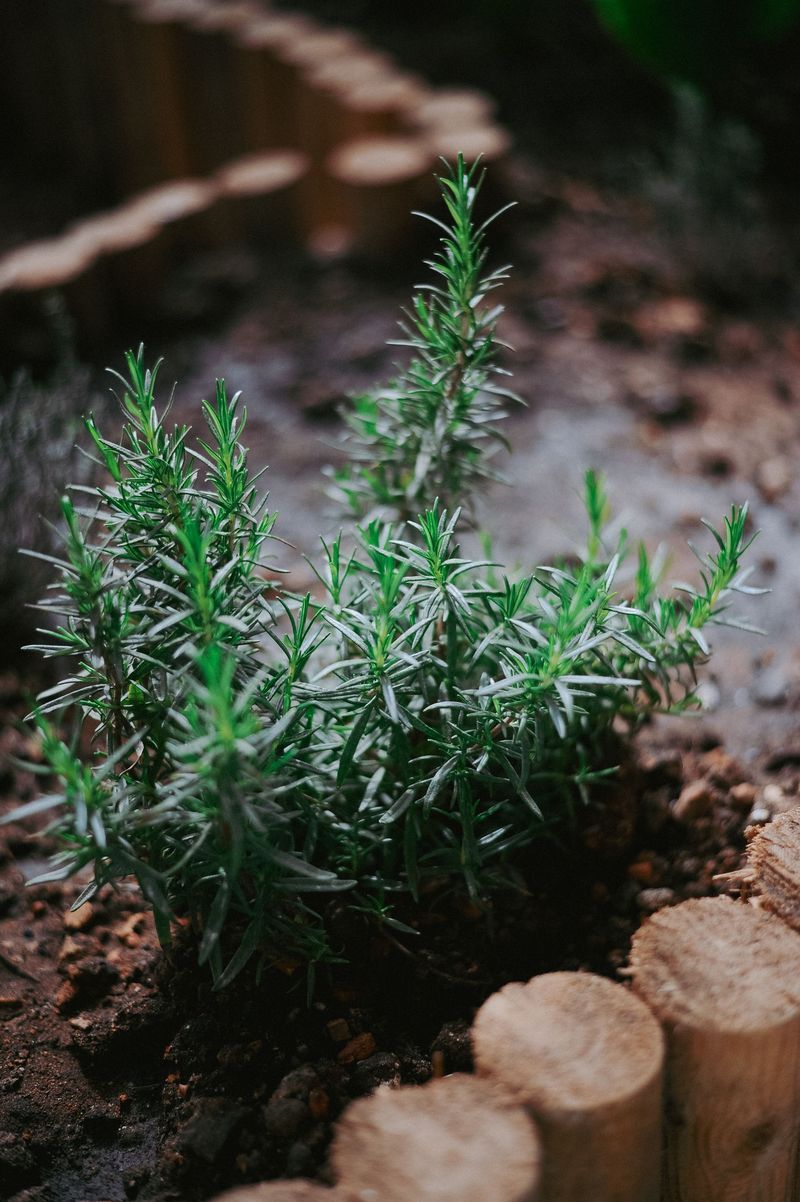
Location makes the biggest difference in rosemary success. Pick the right spot once, and the plant practically takes care of itself for years without much fuss.
Full sun matters more than almost anything else, rosemary wants at least six to eight hours of direct light daily. A south-facing or west-facing bed usually delivers that kind of consistent sun exposure through summer.
Slope matters more than most gardeners realize. Even a gentle downhill angle helps water move away from the root zone quickly after rain or irrigation.
Sandy or loamy soil is the dream texture for rosemary. It lets water pass through fast, keeping roots aerated and healthy even during summer downpours.
If your native soil is heavy clay, you have options beyond giving up. Mixing in coarse builder’s sand, perlite, or fine gravel changes the soil structure significantly.
Avoid spots near downspouts, sprinkler heads, or low-lying areas. These locations collect extra moisture that rosemary struggles with during the warm months.
A soil pH between 6.0 and 7.0 also supports strong root health. Testing your soil before planting takes about five minutes and saves a lot of guesswork later.
Think of the ideal rosemary spot as a dry hillside in southern France. Bright, breezy, slightly rocky, and never waterlogged, that mental image guides better planting decisions every time.
Raised Beds And Containers As Simple Fixes
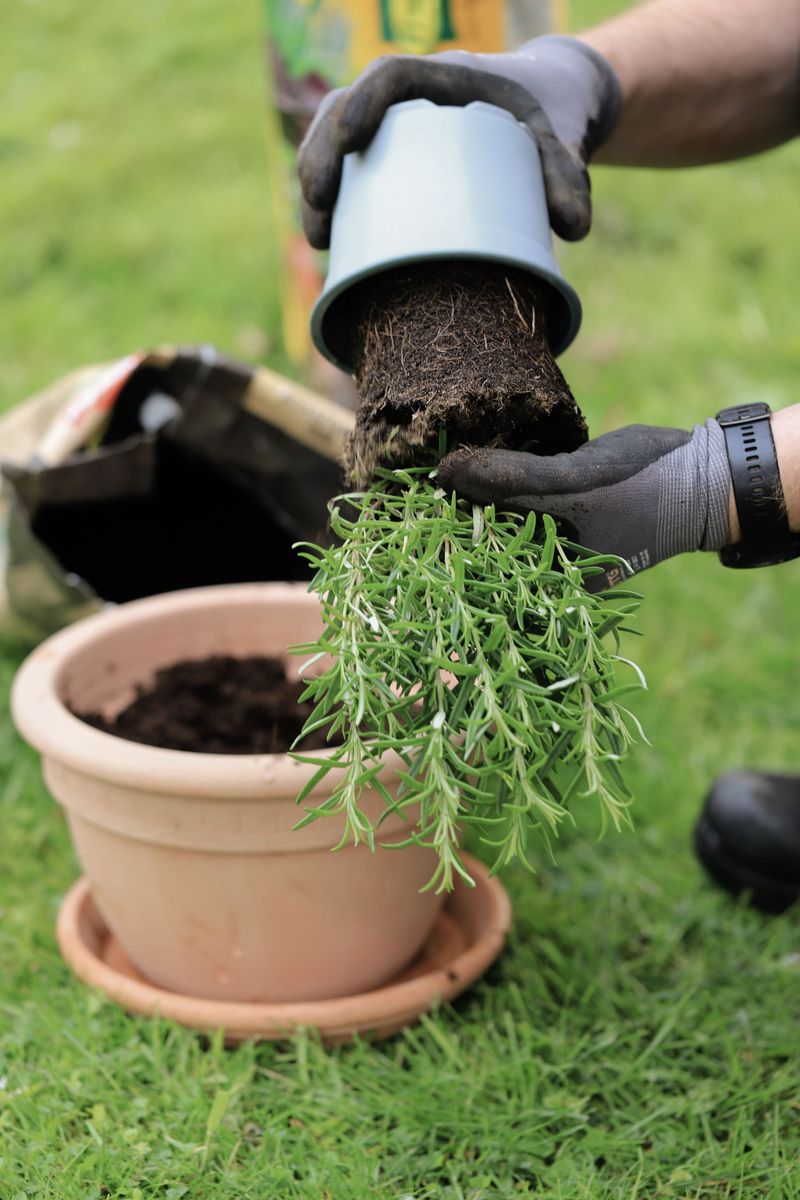
When your yard’s soil simply will not cooperate, raise the game, literally. Elevated planting setups give rosemary the drainage control it craves without requiring a full yard overhaul.
Raised beds filled with a mix of topsoil, sand, and compost drain beautifully. You control exactly what goes in, which means no more fighting with compacted clay or soggy native ground.
Even a six-inch raised bed makes a noticeable difference in moisture management. The extra height allows excess water to drain away from roots before saturation can cause harm.
Containers are an even faster solution for gardeners who rent or have limited space. A large terracotta pot with drainage holes at the bottom mimics the rocky Mediterranean conditions rosemary loves.
Terracotta is especially smart because it breathes through its walls. That natural porosity pulls extra moisture away from the soil, reducing the risk of the soggy conditions that hurt rosemary most.
Plastic pots hold moisture longer and can overheat in direct sun. If plastic is your only option, choose a light-colored container and make sure it has plenty of drainage holes.
Potting mix matters just as much as the container type. A cactus or succulent blend works perfectly for rosemary and is widely available at any garden center.
Mobility is another underrated perk of containers. If summer storms roll through, you can move the pot to a sheltered spot and protect rosemary from excessive rainfall instantly.
Watering Habits That Keep Rosemary Healthy Through Summer
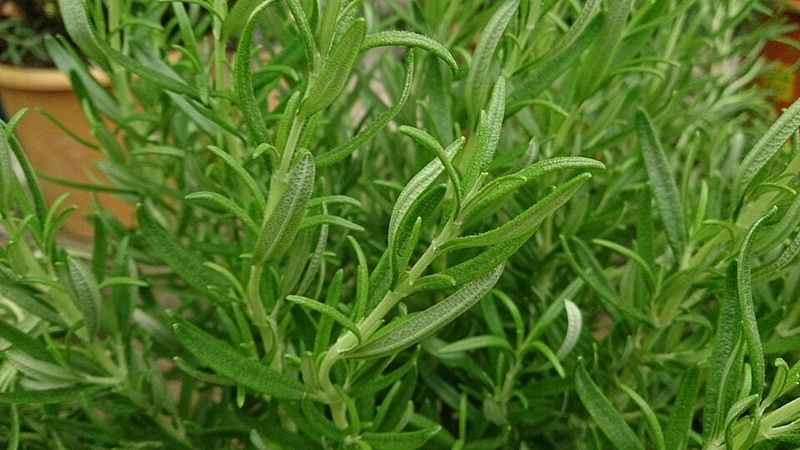
Rosemary needs far less water than most gardeners think. Most American gardeners water it far too often, especially during summer when their instinct says heat equals thirst.
Rosemary is drought-tolerant by nature and prefers to dry out between waterings. Letting the top two inches of soil go completely dry before you water again is the rule to follow.
Deep, infrequent watering beats shallow daily doses every single time. One thorough soak per week during summer encourages roots to grow deeper and stronger into the soil.
Watering in the morning gives excess moisture time to evaporate before nightfall. Wet soil overnight, especially in humid climates, creates the perfect setup for fungal problems.
Drip irrigation is a smarter choice than overhead sprinklers for rosemary. Keeping water off the foliage and delivering it directly to the base reduces humidity around the plant significantly.
Mulch can help regulate soil moisture between waterings. A thin layer of gravel or coarse sand around the base reflects heat and prevents the soil from staying wet too long.
Avoid mulching with wood chips right against the stem. Organic mulch traps moisture close to the base and can encourage the exact rot conditions you are trying to prevent.
Consistent watering habits protect rosemary from the spot that rosemary struggles with most in summer. Get the rhythm right, and this herb rewards you with years of fragrant, abundant growth.
Trimming And Airflow Help Rosemary Handle The Heat
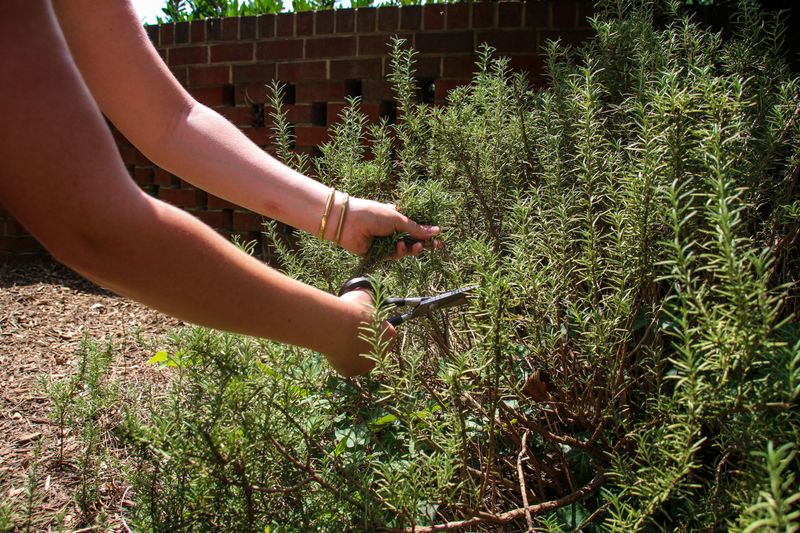
A crowded rosemary plant is a stressed rosemary plant. When branches grow dense and tangled, airflow drops and moisture gets trapped right where it causes the most damage.
Summer is actually a good time to give rosemary a light trim. Cutting back about one-third of the growth opens up the interior and lets air circulate freely through the stems.
Good airflow does more than prevent fungal issues, it also keeps the plant cooler. Moving air pulls heat and humidity away from the foliage, mimicking the breezy coastal conditions rosemary prefers.
Avoid cutting into the woody base of the plant during a summer trim. Focus only on the soft, green growth at the tips to avoid shocking the plant during an already stressful season.
Spacing between plants matters just as much as pruning individual ones. Rosemary planted too close to neighbors traps humidity and limits the air movement each plant needs.
A general rule is to leave at least two feet between rosemary plants. That gap sounds generous, but it pays off in healthier growth and far fewer disease problems over time.
Removing any bare or blackened stems helps stop rot from spreading. Those dark sections are already compromised and can introduce pathogens to otherwise healthy parts of the plant.
A well-trimmed rosemary plant handles summer heat with confidence and ease. Give it room to breathe, and it holds up as one of the toughest herbs in your garden.