Discover 2026’s Must-Have Landscaping Trends In Florida
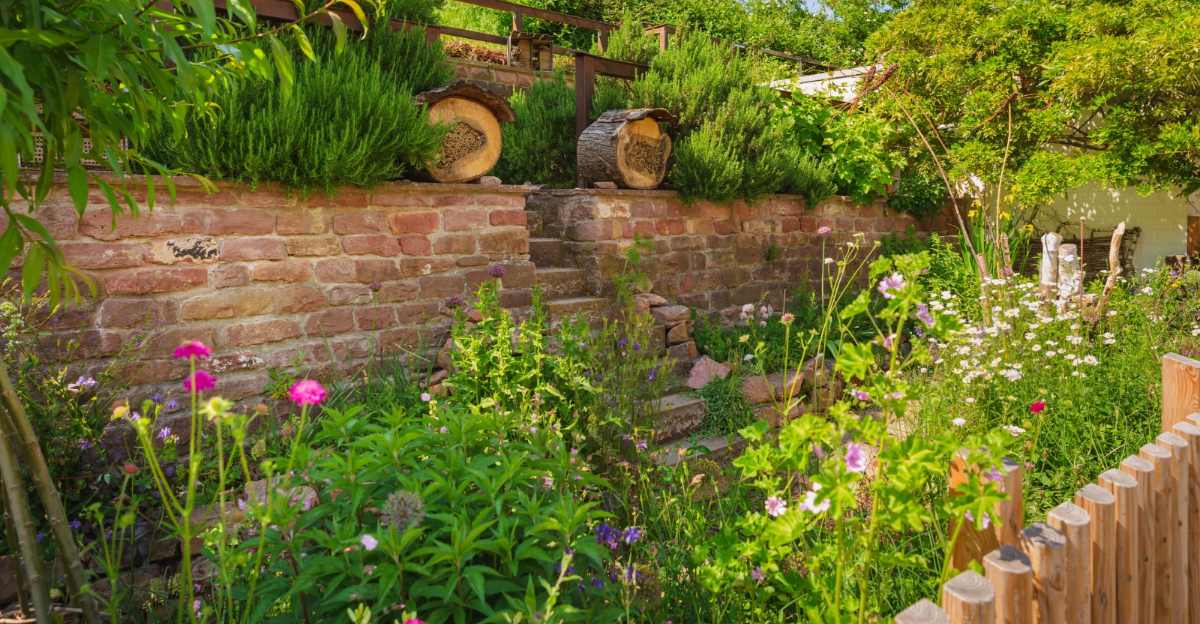
Florida yards are changing fast, and 2026 is shaping up to be a turning point.
Homeowners across the state are moving away from high-maintenance lawns and outdated designs in favor of smarter, more climate-ready landscapes that look beautiful and actually work with Florida’s heat, storms, and water restrictions.
From native plant focal gardens to outdoor living spaces that feel like open-air family rooms, the newest landscaping trends are focused on saving water, reducing upkeep, improving comfort, and creating outdoor spaces people actually use year-round. These changes are not just about curb appeal.
They impact utility bills, home value, storm resilience, and how enjoyable your backyard feels on a daily basis.
If you are planning updates or simply curious about what is becoming popular across Florida neighborhoods, this guide breaks down the biggest landscaping trends homeowners are embracing heading into 2026.
1. Florida-Native Plant Focal Gardens
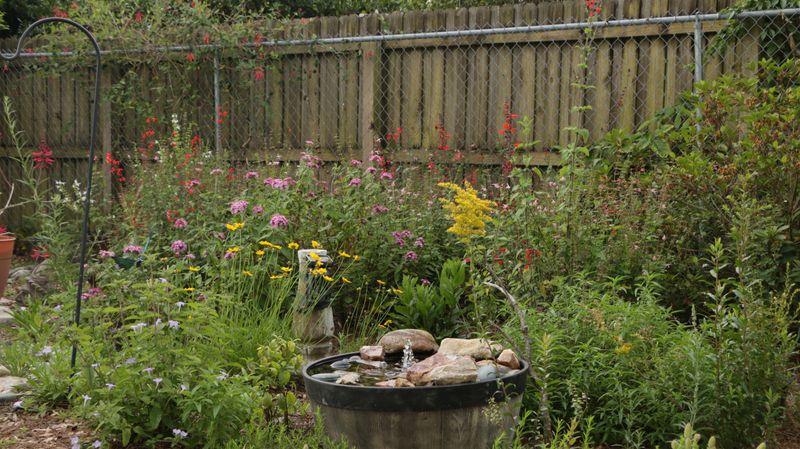
Across many Florida communities, homeowners are increasingly choosing native focal gardens instead of imported ornamentals.
Instead of rows of imported shrubs struggling in the heat, homeowners are installing bold focal gardens anchored by native beauties like coontie palms, firebush, and muhly grass that seem to glow in the afternoon sun.
These aren’t random plantings but carefully curated displays that celebrate what naturally thrives in our sandy soils and humid summers.
This trend is growing because Florida’s water restrictions and climate unpredictability make imported ornamentals increasingly risky investments. Native plants develop deep root systems that help them survive droughts and storms without constant intervention, saving you time and money on irrigation and replacement costs.
You gain landscapes that attract butterflies, require less fertilizer, and look vibrant even during our hottest months.
The biggest mistake homeowners make is assuming native means boring or wild-looking. In reality, modern native gardens blend texture, height, and seasonal color into sophisticated designs that rival any tropical import display.
Realistic implementation means working with a designer who understands how to layer natives for year-round interest while respecting your home’s architectural style and neighborhood character.
2. Climate-Smart Drought & Storm-Resilient Landscaping
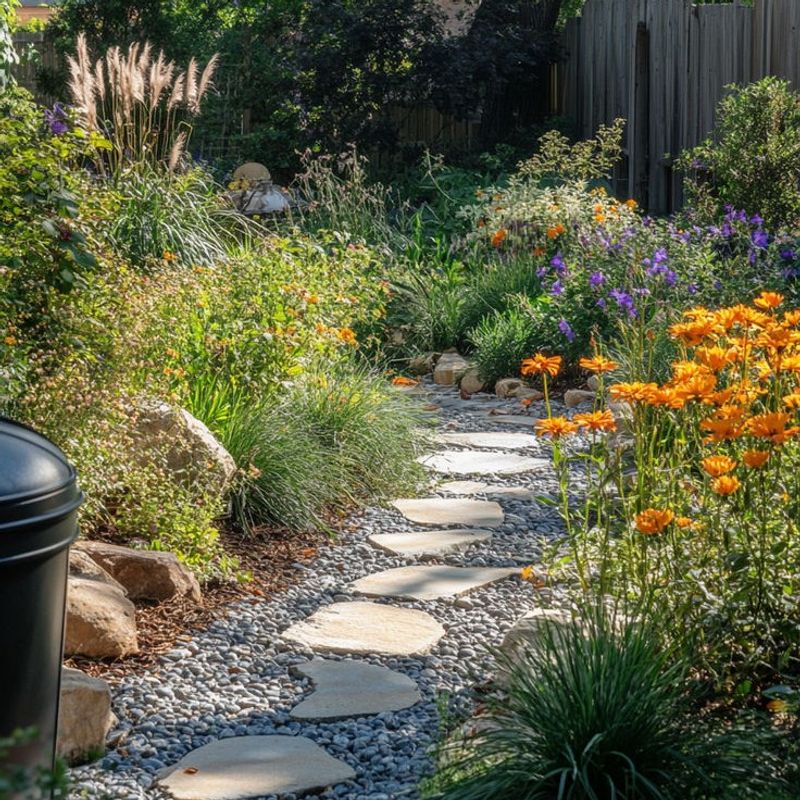
Across Central Florida subdivisions, you’re seeing homeowners rip out traditional sod and replace it with resilient groundcovers, permeable hardscaping, and strategic berming that channels water instead of fighting it. Recent storm seasons have highlighted which landscape designs and plant selections perform better under extreme weather conditions.
Rain gardens now sit where water naturally pools, and flexible plantings replace rigid hedges that snap under wind pressure.
Changing weather patterns and increasingly unpredictable storm seasons are pushing homeowners to prioritize resilient landscaping designs.
Storm-resilient designs protect your property value by reducing erosion, preventing flooding around foundations, and ensuring your outdoor spaces bounce back quickly after severe weather events.
You gain peace of mind knowing your landscape works with Florida’s climate realities rather than pretending they don’t exist.
Copying this trend poorly often means over-engineering solutions or selecting plants labeled drought-tolerant without considering their wind resistance or salt tolerance in coastal zones. What works inland near Orlando may struggle in beachside communities dealing with salt spray and higher wind exposure.
Realistic implementation requires understanding your specific microclimate, soil drainage patterns, and whether your property sits in a flood zone, then designing layers of defense that feel natural and beautiful rather than fortress-like.
3. Outdoor Living Rooms & Functional Zones
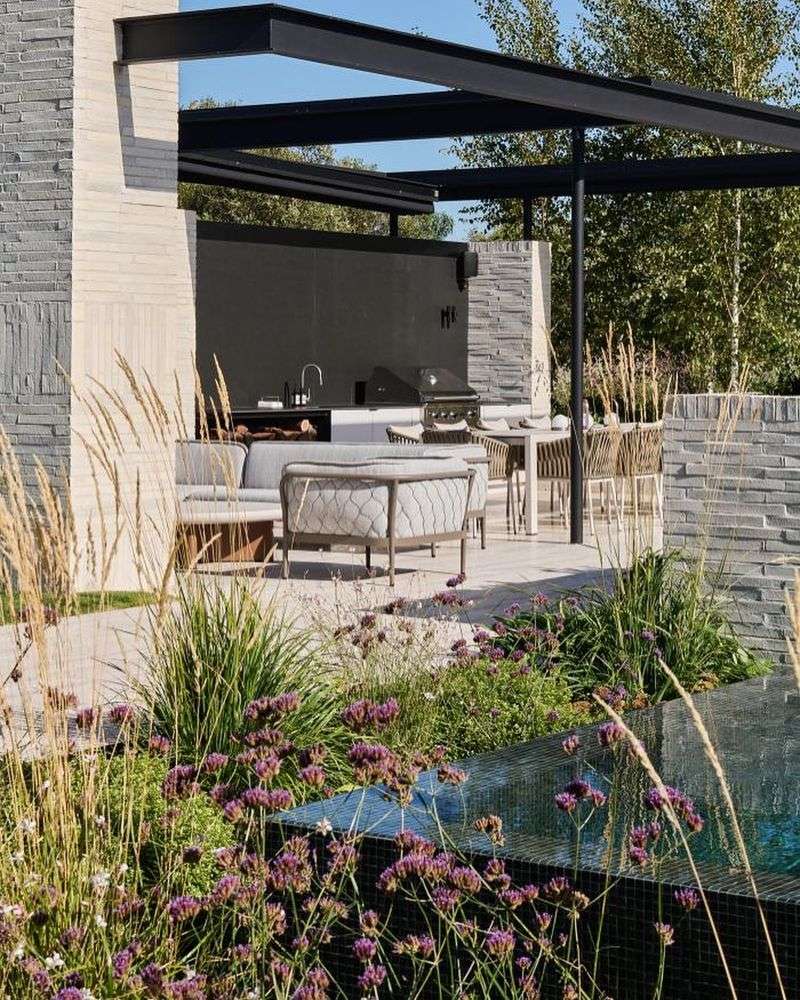
More Florida families are turning simple patios into full backyard living spaces designed for relaxing, entertaining, and everyday use. A covered lounge area with ceiling fans flows into a dining zone with string lights, which connects to a fire pit conversation circle surrounded by tropical plantings.
These aren’t random patio additions but thoughtfully designed outdoor spaces that extend your living square footage and get used nearly every day of the year.
This trend exploded because Florida’s climate allows outdoor living almost year-round, making these investments far more valuable than in northern states where backyards sit empty six months annually.
Functional zones give you flexibility to entertain large groups, enjoy quiet mornings with coffee, or let kids play while you cook outdoors, all within one cohesive landscape design.
You gain usable space that increases your home’s appeal and your family’s quality of life.
The common mistake is creating zones that look beautiful in photos but lack practical shade, bug control, or weather protection, rendering them unusable during Florida’s intense afternoon heat or sudden rain showers. Successful outdoor rooms incorporate retractable screens, strategic tree canopies, and durable materials that withstand humidity and UV exposure without constant maintenance.
Realistic implementation means designing for how you actually live outdoors, not just how magazine spreads look.
4. Low-Maintenance Tropical Edibles
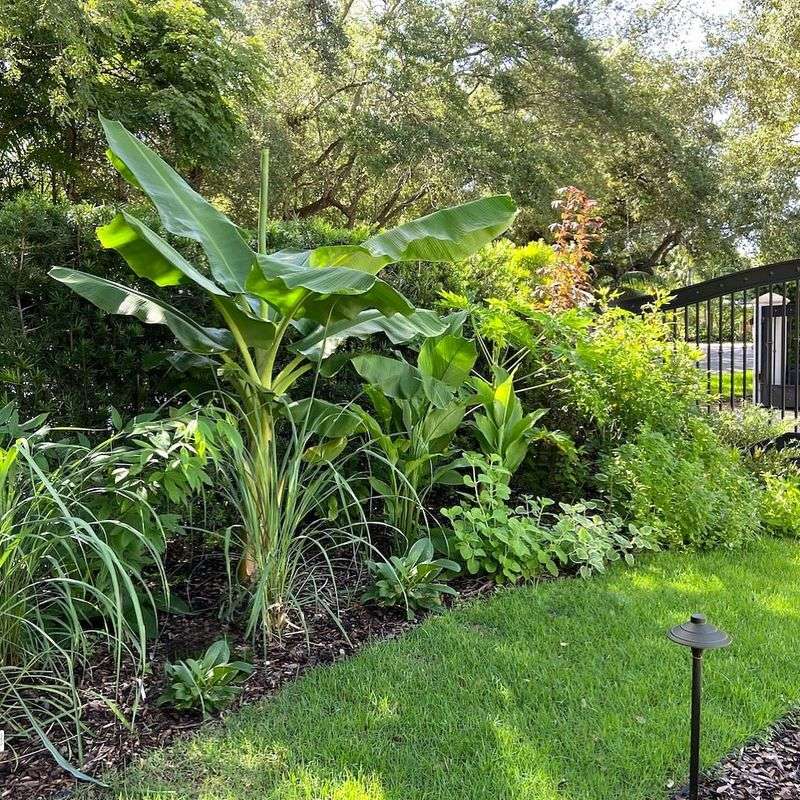
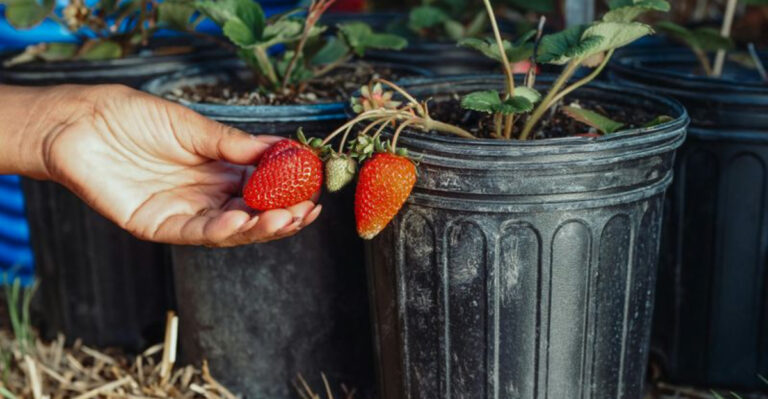
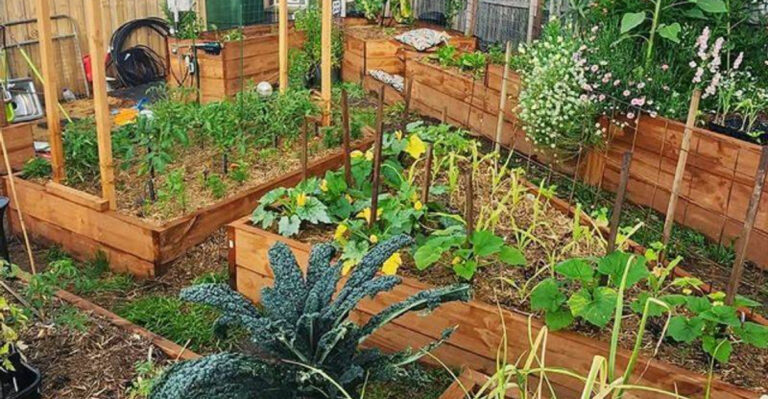
Edible landscaping is gaining popularity across Florida as homeowners look for low-maintenance ways to grow food without sacrificing curb appeal. A Meyer lemon tree anchors a corner garden, while society garlic edges a walkway and Everglades tomatoes climb a decorative trellis near the patio.
These aren’t traditional vegetable gardens but integrated edible landscapes that deliver fresh ingredients without dominating your yard’s aesthetic or demanding constant attention.
Growing interest in local food sources, combined with Florida’s ability to produce tropical fruits and herbs that cost a fortune at grocery stores, makes edible landscaping both practical and economically smart.
You gain access to fresh citrus, herbs, and unique fruits like loquats and Barbados cherries that thrive in our climate with minimal pest pressure compared to traditional vegetable crops.
The harvest becomes a bonus rather than the sole purpose of your landscape.
Homeowners often fail by planting high-maintenance edibles that require daily watering, constant pest management, or don’t match Florida’s growing seasons, leading to frustration and abandoned gardens.
Successful low-maintenance edible landscapes focus on perennials and self-sufficient varieties that produce reliably without intensive care, fitting seamlessly into your existing design rather than creating a separate garden plot.
Realistic implementation means choosing plants that match your maintenance capacity and learning which edibles actually thrive in your specific Florida zone without becoming full-time projects.
5. Smart Irrigation & Sensor-Based Watering
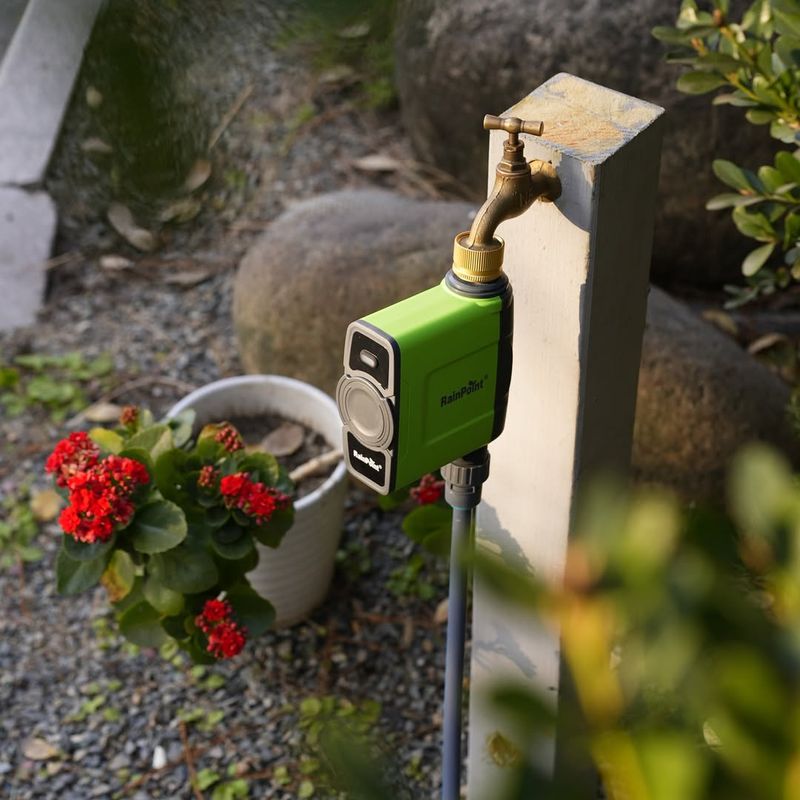
Across South Florida communities facing strict watering restrictions, you’re seeing homeowners upgrade to irrigation systems that think for themselves.
Soil moisture sensors pause watering cycles when rain is forecast, weather-based controllers adjust schedules based on temperature and humidity, and zone-specific programming delivers water only where and when it’s actually needed.
These systems quietly work in the background, eliminating the guesswork and waste that plague traditional timer-based irrigation.
Water costs are rising, restrictions are tightening, and Florida’s unpredictable rainfall patterns make fixed watering schedules increasingly ineffective and wasteful.
Smart irrigation technology saves you money on utility bills, protects plants from overwatering damage, and keeps you compliant with local water management district regulations that are only getting stricter.
You gain healthier landscapes while using significantly less water than outdated systems.
The trap homeowners fall into is installing smart controllers but never properly programming zones or calibrating sensors, essentially running expensive equipment like a basic timer and wondering why they see no savings.
Proper implementation requires understanding your landscape’s different watering needs, placing sensors in representative locations, and occasionally verifying the system is responding correctly to weather changes.
Realistic adoption means either learning the technology thoroughly or working with irrigation professionals who specialize in smart systems and can optimize settings for your specific property and plant selections.
6. Shade Creation With Canopy Trees & Vines
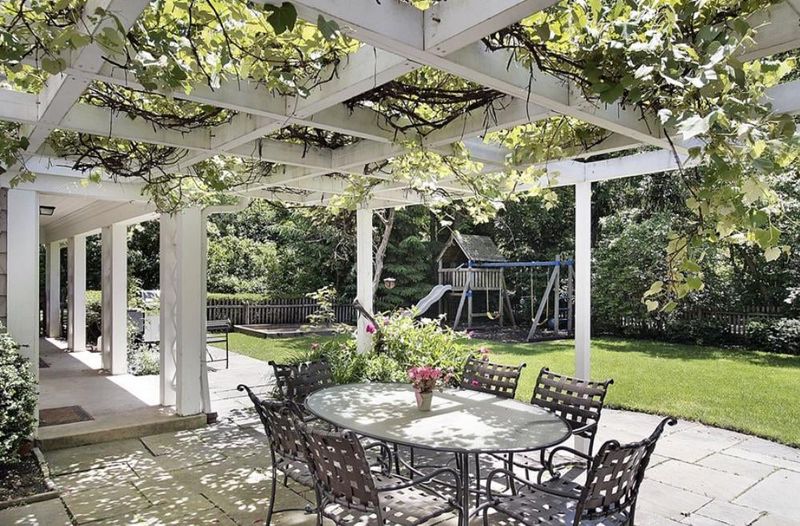
In many Florida communities, homeowners are planting fast-growing shade trees like live oaks and bald cypress in strategic positions that will cool patios and reduce air conditioning costs within just a few years.
Pergolas draped with passionflower vines and Carolina jessamine create instant overhead relief while the trees mature, layering shade solutions that work now and improve over time.
This isn’t just about aesthetics but about making outdoor spaces usable during brutal summer afternoons.
Rising temperatures and energy costs make shade creation one of the most valuable long-term investments in Florida landscaping, directly impacting both comfort and utility bills.
Properly placed canopy trees can significantly reduce cooling costs while improving outdoor comfort.
You gain outdoor spaces that can feel noticeably cooler during peak summer heat.
Homeowners frequently plant the wrong trees too close to structures or choose species with aggressive roots that eventually damage foundations, driveways, and underground utilities, creating expensive problems years down the road.
North Florida residents need to consider different species than South Florida homeowners because cold tolerance and growth patterns vary significantly across the state.
Realistic shade creation means consulting mature tree size charts, understanding root spread patterns, and working with University of Florida Extension guidelines to select appropriate species for your specific location and available space.
7. Pollinator & Butterfly Corridors
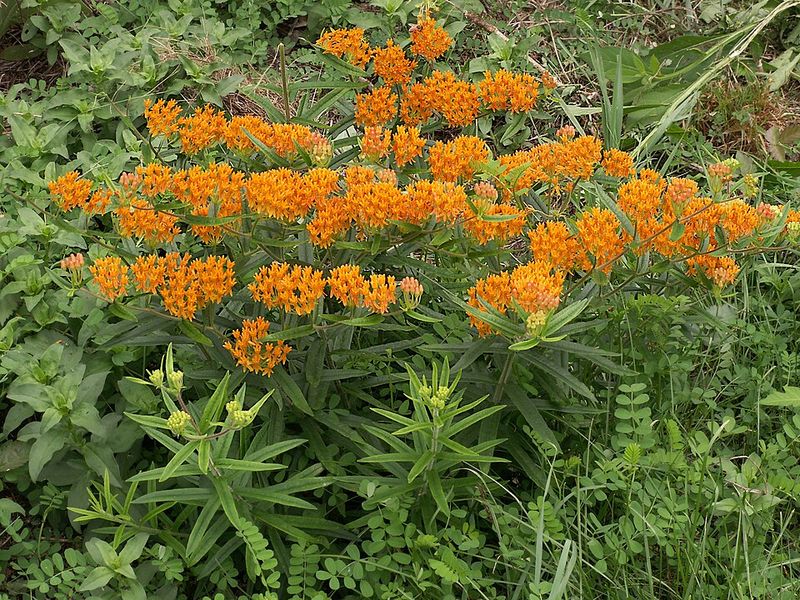
Across Florida, more homeowners are planting continuous strips of nectar-rich flowers and host plants that create pathways for butterflies, bees, and hummingbirds moving through suburban landscapes.
Milkweed clusters attract monarchs, while salvia and pentas provide year-round nectar sources, transforming ordinary side yards into living wildlife corridors.
These aren’t isolated butterfly gardens but connected plantings that work with neighbors to support pollinator populations struggling with habitat loss.
Pollinator populations are declining nationwide, but Florida homeowners have unique opportunities to make meaningful impacts because our year-round growing season supports species that migrate through or overwinter here.
You gain landscapes that feel alive with movement and color, provide educational opportunities for children, and contribute to ecosystem health in measurable ways.
The constant activity of butterflies and hummingbirds adds an enchanting quality that static landscapes simply cannot match.
The mistake many make is planting pollinator favorites but using pesticides elsewhere in the yard that destroy the very insects they’re trying to attract, or choosing showy hybrids that lack the nectar and pollen quantities beneficial insects need.
Corridors work best when multiple properties participate, creating larger connected habitats rather than isolated islands surrounded by sterile lawns.
Realistic implementation means committing to organic practices, selecting true species plants rather than ornamental cultivars, and perhaps coordinating with neighbors to create neighborhood-scale pollinator pathways that genuinely support wildlife populations throughout their life cycles.