7 Disease-Resistant Native Florida Plants And 3 That Need Extra Protection
Florida gardening can feel like a challenge when the summer sun beats down and afternoon thunderstorms soak your yard week after week. You may spend hours tending to plants, only to see leaves spotted with fungus or flowers droop under humidity.
Native plants, however, have adapted to these conditions over thousands of years and can bring color and wildlife to your landscape with far less effort.
Imagine hummingbirds visiting your firebush, butterflies dancing over blanket flowers, or birds feasting on beautyberry without you constantly spraying or fussing over your garden.
Some plants handle the wet, humid months with ease, keeping their foliage healthy and blooms vibrant. Others need more attention to thrive but reward your care with stunning flowers, edible fruits, and lush greenery.
When you pick the right natives and give a little extra care to the fussy ones, your garden stays colorful, healthy, and full of life, even during Florida’s hot, rainy summers.
1. Firebush (Hamelia patens)
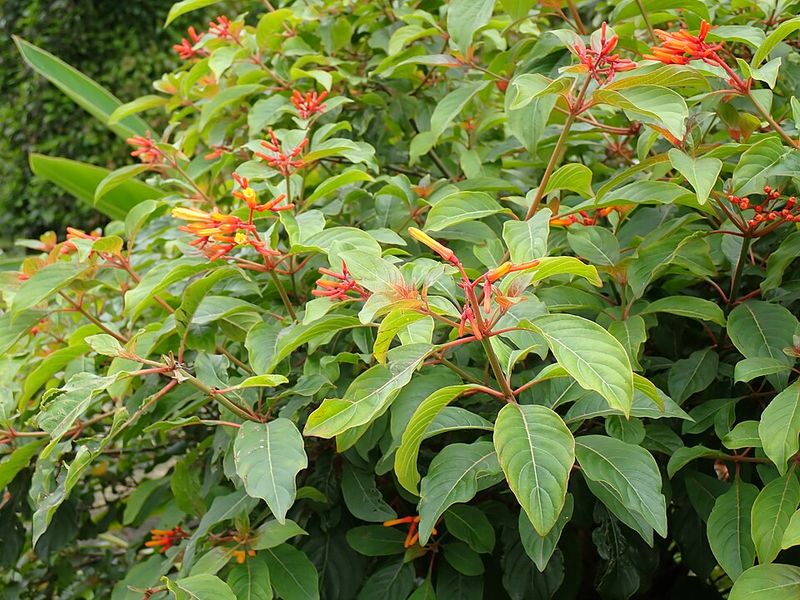
Tubular orange-red blooms cluster at branch tips throughout the warm months, attracting hummingbirds and butterflies while the plant itself seems generally resistant to most fungal issues like leaf spot or powdery mildew.
Firebush thrives in full sun to partial shade, and its naturally open branching allows air to circulate freely around every leaf, reducing moisture buildup that encourages disease.
You rarely see leaf spot or powdery mildew on this shrub, even during Central Florida’s wettest summers.
From North Florida down to the Keys, firebush adapts to varying rainfall patterns without requiring fungicide treatments or constant monitoring. Its thick, slightly waxy leaves shed water quickly, and the plant recovers rapidly from any minor stress.
Butterflies and pollinators visit constantly, yet pests and pathogens seem to pass it by.
Plant firebush where it receives morning sun and good drainage, and you will enjoy a low-maintenance native that flowers reliably year after year. Its natural disease resistance makes it ideal for gardeners who want color and wildlife value without weekly inspections or chemical interventions.
2. Coontie (Zamia integrifolia)
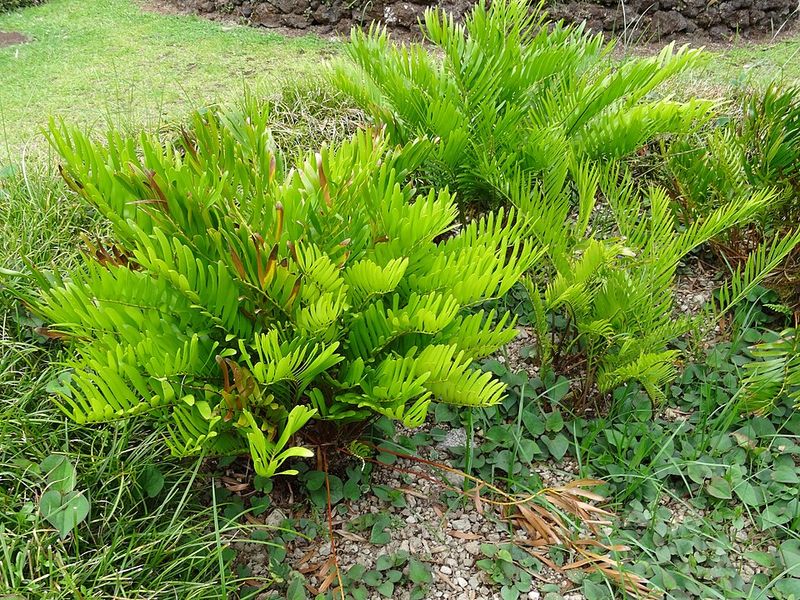
Low rosettes of dark green, glossy fronds spread slowly across the forest floor or garden bed; note that it is slow-growing and may take time to establish.
Coontie tolerates deep shade, bright filtered light, and even occasional full sun once established, all while resisting the fungal leaf spots that trouble many ferns and shade perennials.
Its thick, leathery leaflets repel moisture and discourage pathogens from taking hold.
Throughout South Florida’s extended wet season and Central Florida’s summer humidity, coontie remains unbothered by the conditions that cause root rot in less adapted plants. North Florida gardeners appreciate its cold tolerance and consistent performance through seasonal moisture shifts.
You can plant coontie under oaks, near sidewalks, or in naturalized woodland edges without worrying about disease outbreaks.
This native cycad requires almost no intervention once its roots settle into well-drained soil. Occasional trimming of older fronds keeps the plant tidy, but fungicides and pest treatments rarely enter the picture, making coontie a reliable choice for low-maintenance Florida landscapes.
3. Simpson’s Stopper (Myrcianthes fragrans)
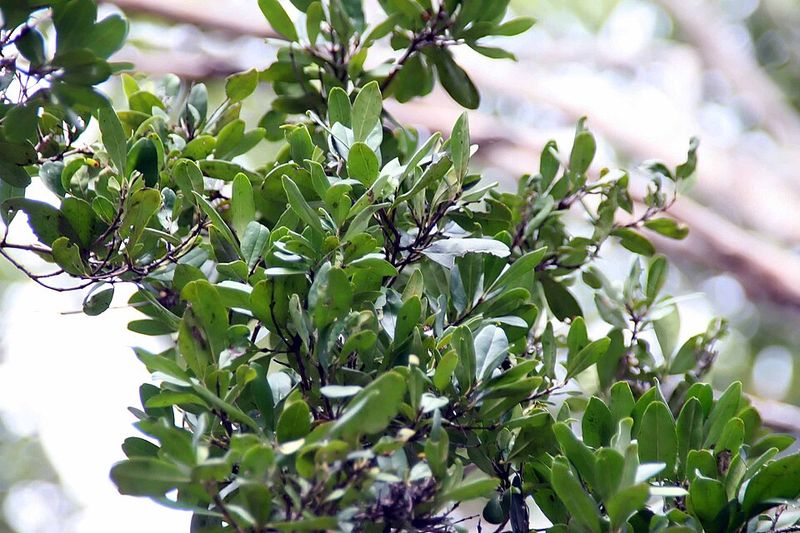
Fragrant white flowers appear in spring and early summer on a compact evergreen shrub with smooth, copper-tinted new growth that matures to deep green.
Simpson’s stopper naturally resists the leaf spot diseases and sooty mold issues that affect many Florida hedge plants, partly because its dense canopy still allows enough airflow to keep foliage dry between rain events.
The plant’s aromatic leaves seem to deter pests, and fungal problems rarely develop even in humid coastal areas.
Central and South Florida gardeners use Simpson’s stopper as a hedge, specimen, or understory planting, and it performs consistently without fungicide applications. North Florida landscapes benefit from its moderate cold tolerance and year-round greenery.
The small, edible fruits attract birds, yet the plant itself stays healthy and vigorous through wet and dry seasons alike.
Plant Simpson’s stopper in partial shade to full sun with good drainage, and you will notice how it maintains clean foliage and steady growth without constant attention. Its natural disease resistance and low-maintenance character make it a favorite among gardeners seeking reliable native shrubs for mixed borders or privacy screens.
4. American Beautyberry (Callicarpa americana)
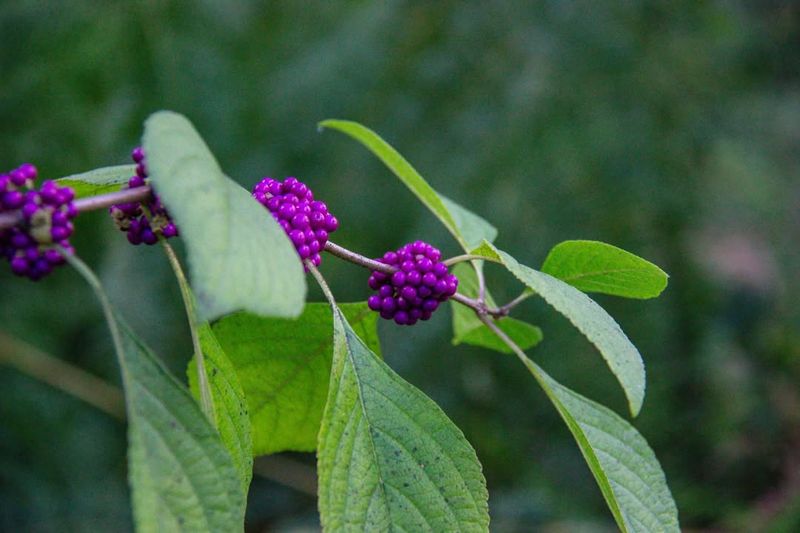
Bright magenta berries encircle arching stems in fall, creating one of the most striking wildlife displays in Florida woodlands, and this deciduous shrub handles summer humidity and rainfall and is generally resistant to most leaf diseases that trouble other ornamentals.ž
American beautyberry grows best in partial shade with moist, well-drained soil, and its naturally open habit promotes airflow that keeps fungal pressure low.
You might notice minor leaf spotting during exceptionally wet periods, but the plant recovers quickly without intervention.
North Florida gardeners enjoy beautyberry’s cold tolerance and reliable berry production, while Central Florida landscapes benefit from its adaptability to varying moisture levels. South Florida can grow it successfully in cooler microclimates with afternoon shade.
Birds and other wildlife feast on the berries, yet the shrub itself remains vigorous and disease-resistant year after year.
Prune American beautyberry in late winter to encourage fresh growth and abundant fruiting, and you will find it requires little else beyond occasional watering during dry spells. Its natural resilience and showy fall display make it an excellent choice for gardeners who want seasonal interest without constant disease management.
5. Blanket Flower (Gaillardia pulchella)
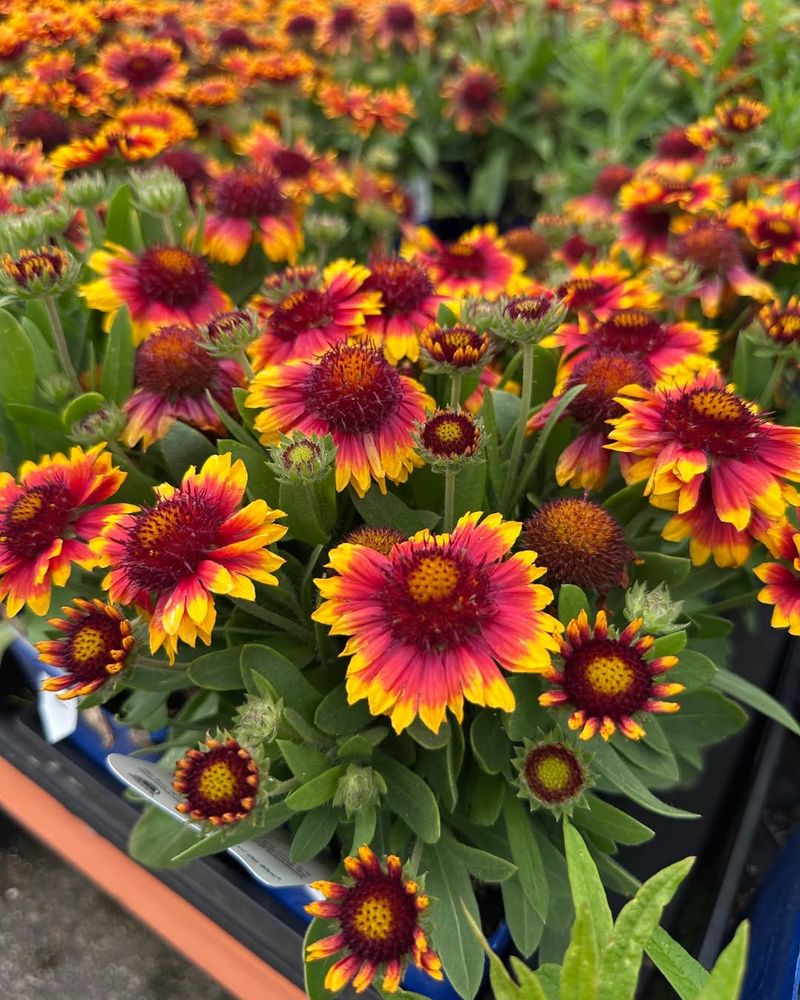
Cheerful yellow and red daisy-like blooms wave above low clumps of gray-green foliage from spring through fall, and this sun-loving perennial thrives in the sandy, well-drained soils where many plants struggle.
Blanket flower resists most fungal leaf spots and root rots that plague moisture-sensitive ornamentals, but avoid planting in poorly drained soils to prevent root rot, partly because it evolved along Florida’s coastal dunes and scrublands where drainage is excellent and humidity is tempered by ocean breezes.
Its drought tolerance and disease resistance make it ideal for low-water landscapes.
Central Florida gardeners appreciate blanket flower’s long bloom period and minimal maintenance needs, while South Florida coastal plantings benefit from its salt tolerance and heat resistance. North Florida landscapes enjoy its cold hardiness and reliable reseeding habit.
The plant attracts butterflies and pollinators constantly, yet pests and diseases rarely cause noticeable damage.
Plant blanket flower in full sun with sandy or amended soil, and deadhead spent blooms to encourage continuous flowering. You will find it requires no fungicides or special treatments, just occasional watering during extended dry periods.
Its natural resilience and vibrant color make it a favorite for gardeners seeking easy-care natives that perform beautifully year after year.
6. Saw Palmetto (Serenoa repens)
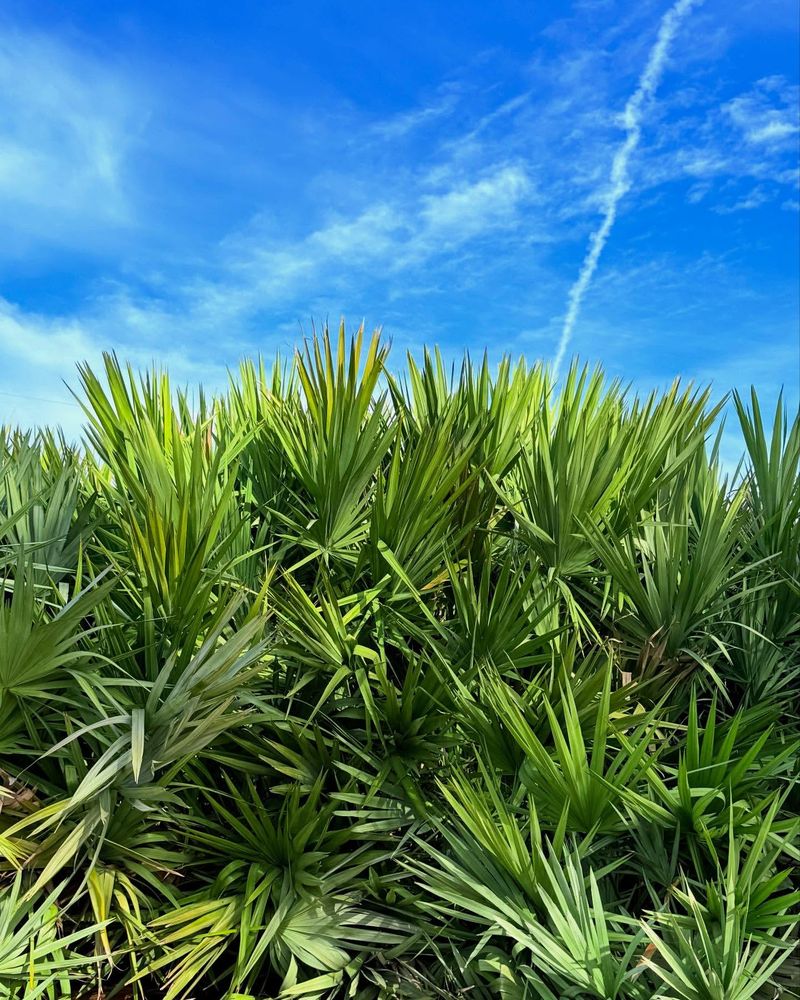
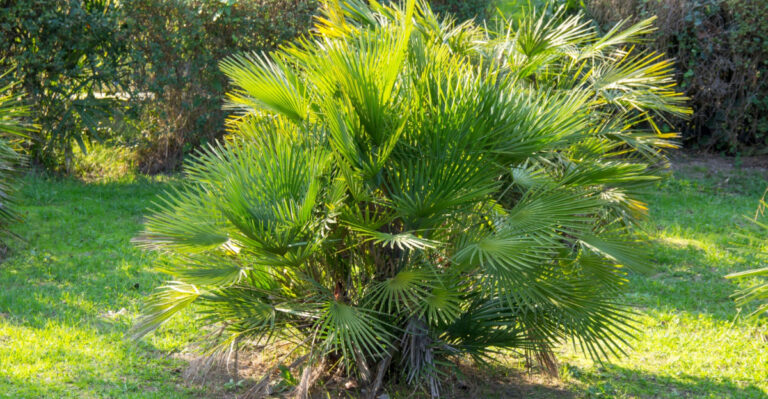
Fan-shaped fronds radiate from a low, sprawling trunk that often remains hidden beneath dense foliage, and this iconic Florida palm tolerates just about every condition the state can offer, from coastal salt spray to inland drought and seasonal flooding.
Saw palmetto resists the fungal diseases and pest issues that affect many other palms, partly because its tough, fibrous leaves shed moisture quickly and its naturally slow growth minimizes stress.
You rarely see leaf spot or bud rot on established plants, even in South Florida’s extended wet season.
North Florida landscapes benefit from saw palmetto’s cold tolerance and adaptability to seasonal moisture shifts, while Central Florida gardens appreciate its low-maintenance character and wildlife value. The small, dark fruits attract birds and mammals, yet the plant itself remains healthy and vigorous without chemical treatments.
Its natural disease resistance makes it ideal for naturalized areas and low-maintenance borders.
Plant saw palmetto in full sun to partial shade with well-drained soil, and it will establish slowly but reliably. Once settled, it requires almost no care beyond occasional trimming of older fronds, making it a perfect choice for gardeners seeking a truly resilient Florida native.
7. Southern Shield Fern (Thelypteris kunthii)
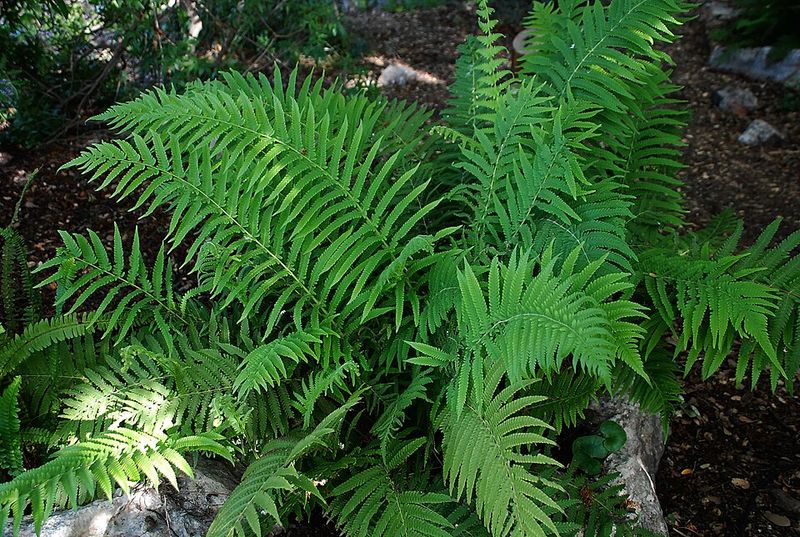
Delicate, lacy fronds emerge from spreading rhizomes, creating soft groundcover in moist, shaded areas where many ferns struggle with fungal problems.
Southern shield fern handles Florida’s summer humidity and frequent rainfall and is generally resistant to leaf spots and rust issues, though extremely waterlogged conditions may occasionally cause minor problems, partly because its naturally vigorous growth and spreading habit allow it to outpace minor disease pressure.
You might notice occasional browning on older fronds, but new growth remains clean and healthy throughout the year.
Central and South Florida gardeners use southern shield fern in wet areas, along pond edges, and under dense tree canopies where it spreads reliably without requiring fungicide treatments.
North Florida landscapes appreciate its cold tolerance and adaptability to seasonal moisture fluctuations.
The fern’s natural disease resistance makes it ideal for low-lying areas and rain gardens where standing water occasionally lingers.
Plant southern shield fern in partial to full shade with consistently moist soil, and it will establish quickly and spread to fill available space. Trim back older fronds in late winter to encourage fresh growth, and you will enjoy a low-maintenance native that stays attractive year-round without constant intervention or chemical treatments.
8. Native Hibiscus (Hibiscus coccineus / Hibiscus grandiflorus)
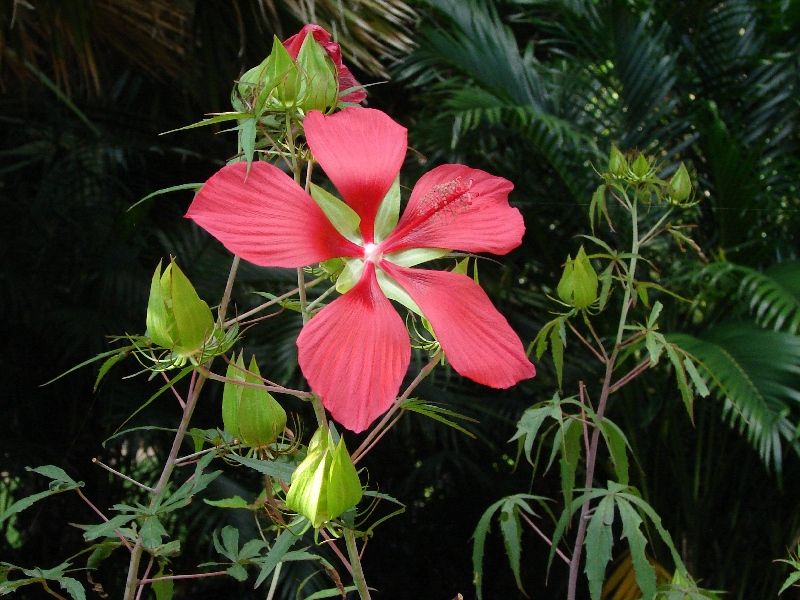
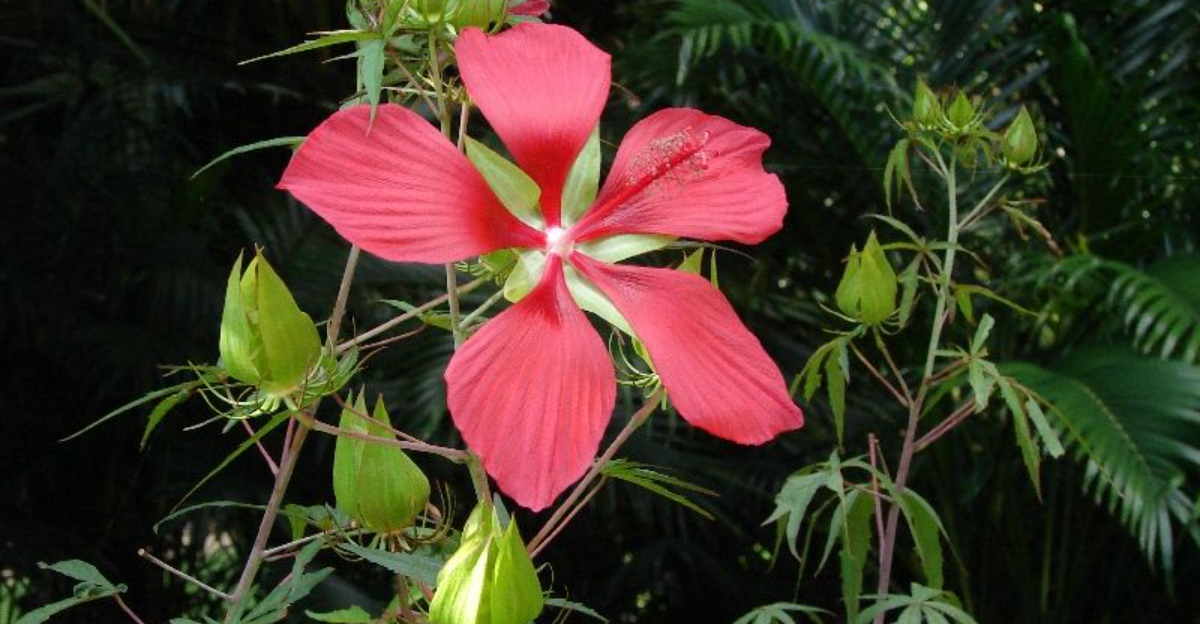
Enormous crimson or pink blooms unfold each morning on tall, herbaceous stems that wither away in winter and return vigorously each spring, creating dramatic displays along pond edges and wetland borders.
Native hibiscus needs more attention than the previous plants because its large, soft leaves and preference for wet soils create ideal conditions for fungal leaf spot, especially during Central and South Florida’s extended rainy seasons.
You will notice dark spots appearing on lower leaves first, spreading upward if humidity remains high and airflow stays poor.
North Florida gardeners see less disease pressure during cooler months, but summer humidity still encourages fungal problems. Regular inspection and removal of affected leaves help reduce spore spread, and spacing plants generously improves airflow.
Avoid overhead watering in the evening, and consider applying organic fungicides if spotting becomes severe.
Despite its susceptibility to leaf spot, native hibiscus remains a valuable pollinator plant and stunning addition to water gardens. Plant it in full sun with wet to moist soil, and accept that some leaf cleanup and monitoring will be part of your routine.
Its incredible blooms and wildlife value make the extra effort worthwhile for gardeners willing to stay attentive.
9. Red Maple (Acer rubrum)
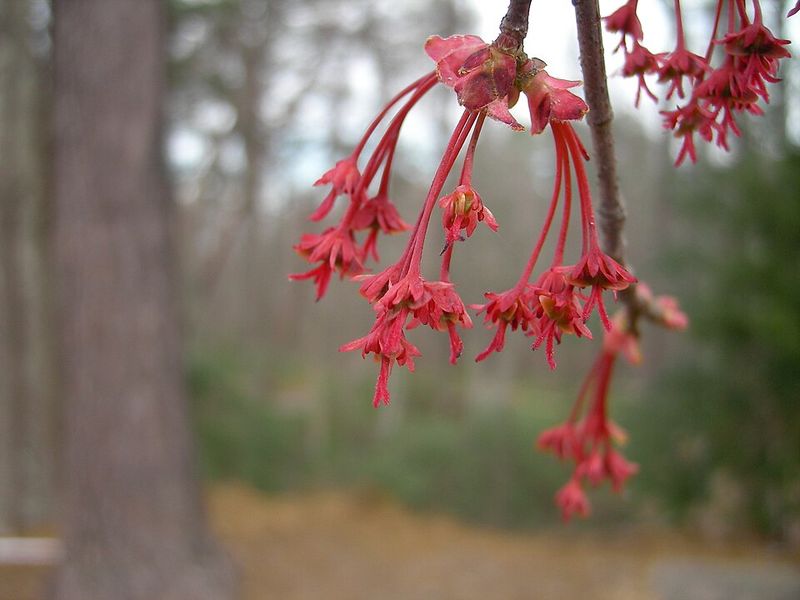
Brilliant fall color and fast growth make red maple a popular choice for Florida landscapes, but this native tree requires closer attention than many other species because it often struggles with fungal leaf spots, tar spot, and occasional anthracnose during humid summers.
You will notice dark, irregular spots appearing on leaves by midsummer, especially in Central and South Florida’s hot, humid summers where extended wet periods create ideal conditions for fungal pathogens.
North Florida sees less disease pressure during cooler months, but summer humidity still encourages problems.
Proper siting makes a significant difference in red maple’s health. Plant it in full sun with good drainage and adequate spacing from other trees to promote airflow.
Avoid low-lying areas where moisture lingers, and water at the base rather than overhead to keep foliage dry. Rake and remove fallen leaves promptly to reduce overwintering fungal spores.
Red maple remains a valuable native tree for its wildlife benefits and seasonal color, but it demands more monitoring and cleanup than disease-resistant species.
If you choose to plant it, accept that some leaf spotting is normal and focus on cultural practices that minimize disease pressure rather than relying on chemical treatments.
10. Wild Coffee (Psychotria nervosa)
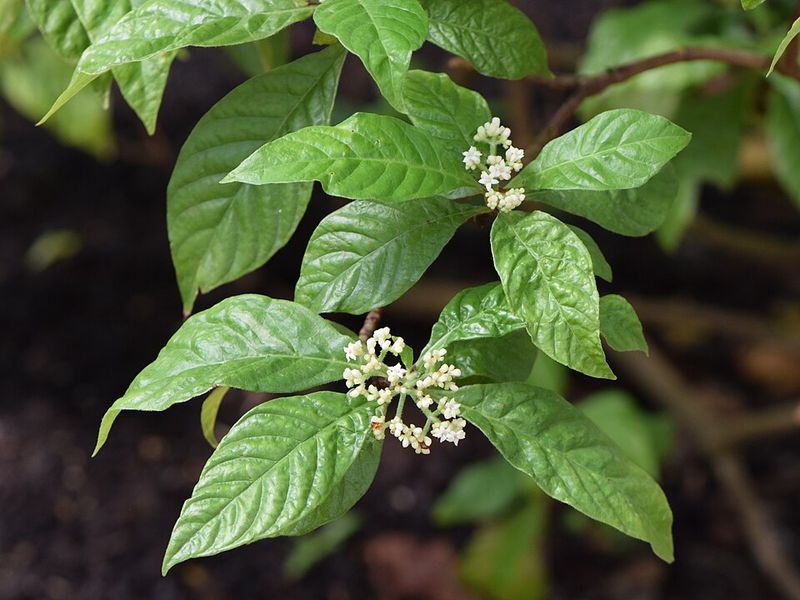
Glossy, deeply veined leaves and clusters of bright red berries make wild coffee an attractive understory shrub for shaded Florida gardens, but this native requires extra attention because it frequently develops fungal leaf spot when humidity rises and airflow remains poor, especially if planted in crowded areas or near walls.
You will notice circular brown or black spots appearing on older leaves, especially during South Florida’s wet season and Central Florida’s summer thunderstorm cycles.
North Florida gardeners see less pressure during cooler months, but summer conditions still encourage fungal issues.
Wild coffee performs best in partial to full shade with moist, well-drained soil and generous spacing between plants. Avoid crowding it against walls or fences where air cannot circulate freely, and prune out affected leaves promptly to reduce spore spread.
Mulch around the base to prevent soil splash during heavy rains, and water at ground level rather than overhead.
Despite its susceptibility to leaf spot, wild coffee remains a valuable native for its wildlife benefits and attractive foliage. Plant it where you can monitor it regularly and provide good cultural care, and accept that some leaf cleanup will be necessary.
Its red berries attract birds, making the extra effort worthwhile for gardeners who value ecological function alongside aesthetic appeal.