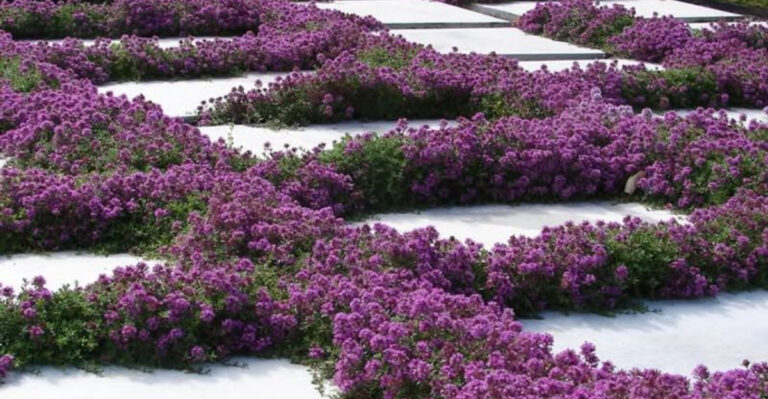
Divide These 8 Plants Now For Bigger, Healthier Montana Borders Next Year
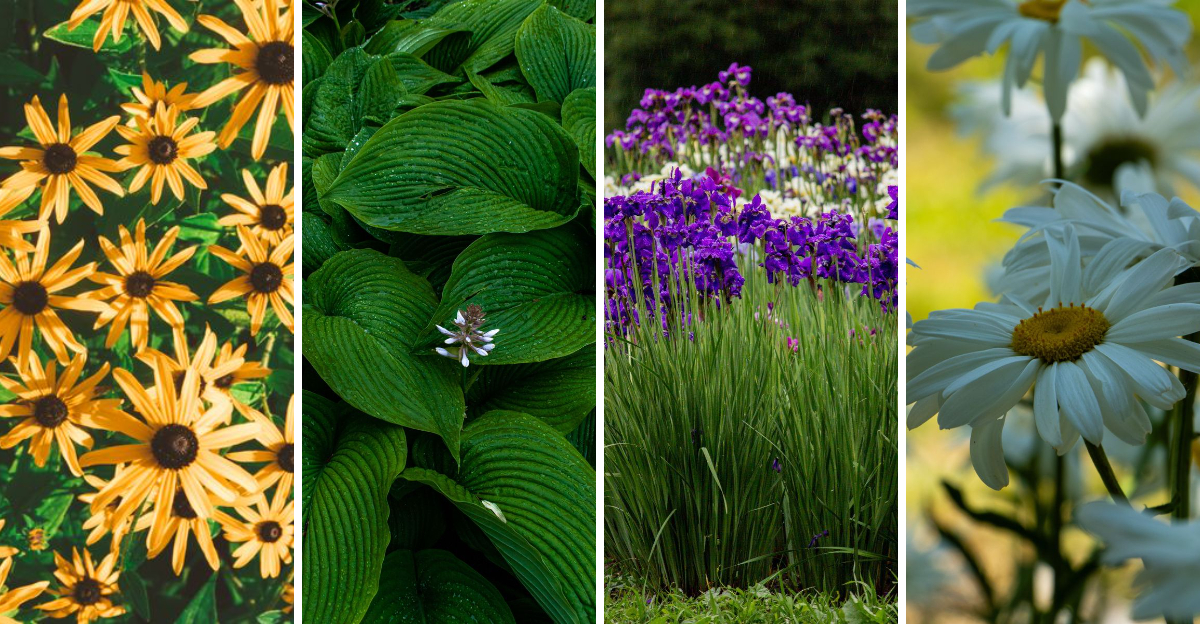
Crowded roots stop blooming before you notice decline. Your favorite perennials are quietly running out of room. Blooms fade, stems thin, and color disappears fast.
Montana ground hardens the moment cold weather settles in. Waiting past this point risks losing spring’s entire show. Established clumps crowd their own roots from within.
Splitting them now sends energy straight into fresh growth. Roots need real time to settle before frost arrives. Gardeners who move fast get thicker, fuller borders.
Skipping this window leaves you with uneven, quiet beds. You already sense which plants look worn this year. Dividing isn’t a chore, it’s a reset button for growth.
Each division you cut redirects strength toward new shoots. Denser foliage, bigger blooms, and sturdier stems follow quickly.
Perennial borders across Montana depend on this exact timing. Ignoring it now guarantees results you’ll notice by June. Nothing stops you from finding out which ones matter.
1. Peonies
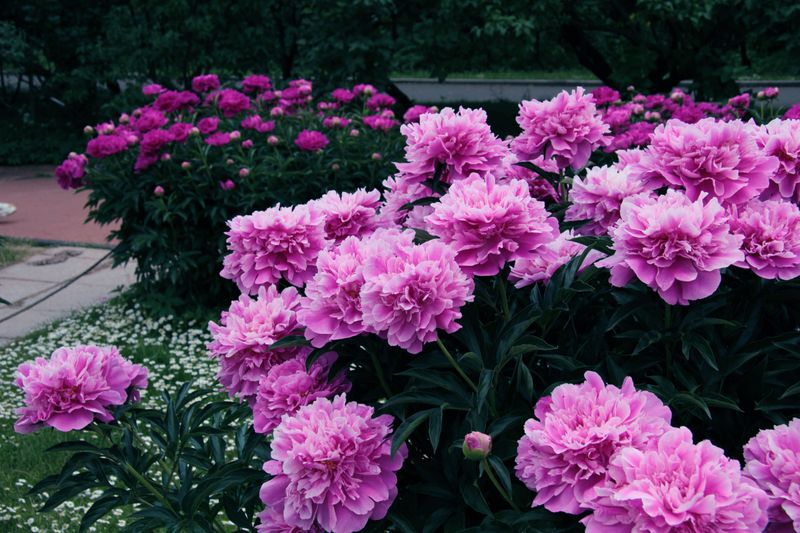
Peonies are one of the more demanding plants in the border. A clump that once put on a showstopping bloom display can turn stingy after several years of crowding.
Dividing them now, in early fall, gives the roots a chance to anchor before the ground freezes. Each division needs at least three to five “eyes,” which are the small pink buds on the root.
Plant the divisions no deeper than two inches below the soil surface. Too deep and you will wait years for a single bloom, which is a frustrating lesson every new gardener learns the hard way.
Loosen the entire clump with a garden fork before lifting. Trying to pull a mature peony straight up is very difficult without loosening it first.
Once lifted, rinse the roots with a hose so you can actually see what you are working with. A clean root system makes spotting healthy eyes much easier and faster.
Work compost into the new planting hole before settling in each division. Montana soil can be heavy and dense, so organic matter helps roots spread quickly.
Water the new divisions thoroughly after planting, then let the soil dry slightly between waterings. Overwatering fall divisions is one of the most common mistakes gardeners make.
By spring, those fresh divisions will push up strong new growth. Come June, your borders will be filled with big, fragrant blooms that draw attention.
2. Daylilies
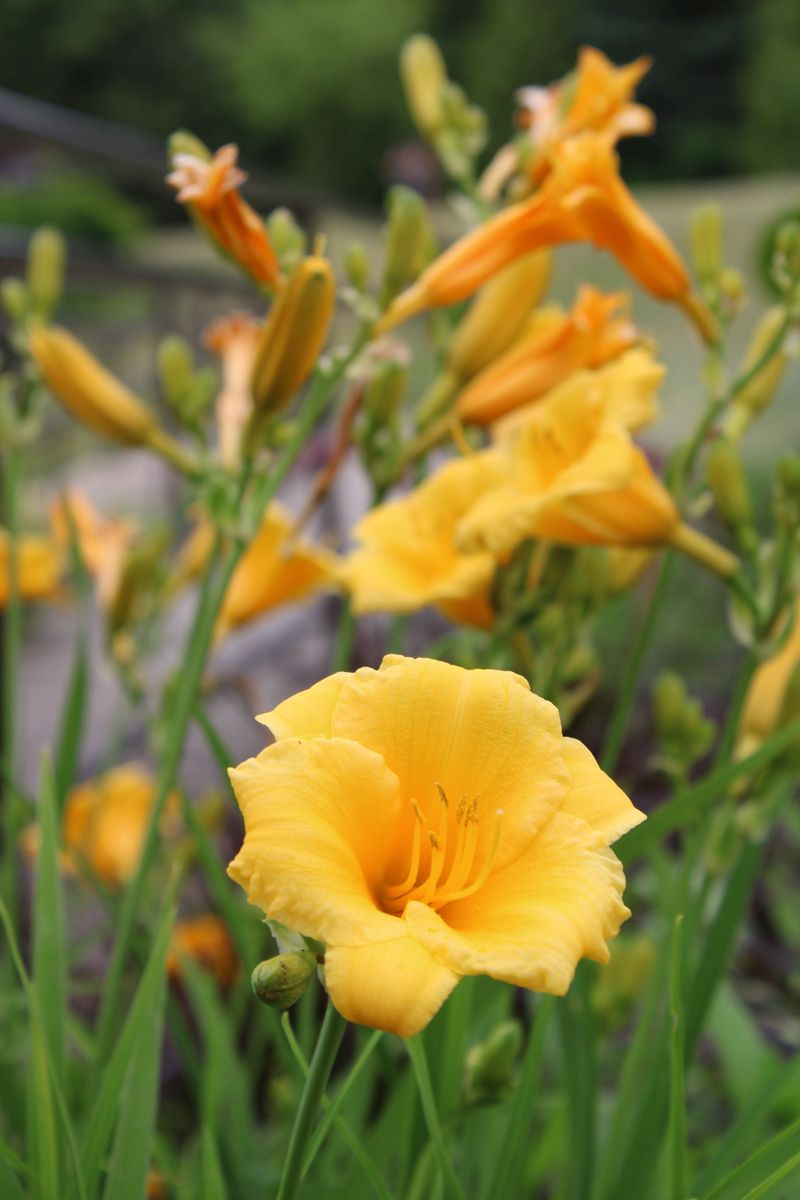
Few plants spread as quickly as daylilies, which is both a strength and a challenge. A clump left alone for five or six years starts blooming less and competing with itself for water and nutrients.
Splitting them now, before the soil gets too cold, is one of the smartest fall garden moves you can make. The divisions will establish roots quickly and produce a strong burst of color next summer.
Use two garden forks placed back-to-back in the center of the clump to pry the mass apart. This method protects the roots far better than hacking with a spade.
Each division should have several healthy fans of foliage attached to a good root mass. Some gardeners find smaller divisions bloom more vigorously, though root health matters more than size alone.
Trim the foliage back to about six inches before replanting to reduce stress on the new division. Less top growth means the plant can focus all its energy underground where it counts most.
Space new divisions at least eighteen inches apart to give them room to spread naturally. Daylilies are generous growers, and they will fill that space faster than you expect.
Montana borders benefit from the bold, long-lasting color daylilies provide through summer. Mixing early, mid, and late-season varieties means your border stays bright from June clear through August.
A well-divided daylily patch is truly one of the garden’s greatest payoffs. Put in the work now and next summer will practically take care of itself.
3. Hostas
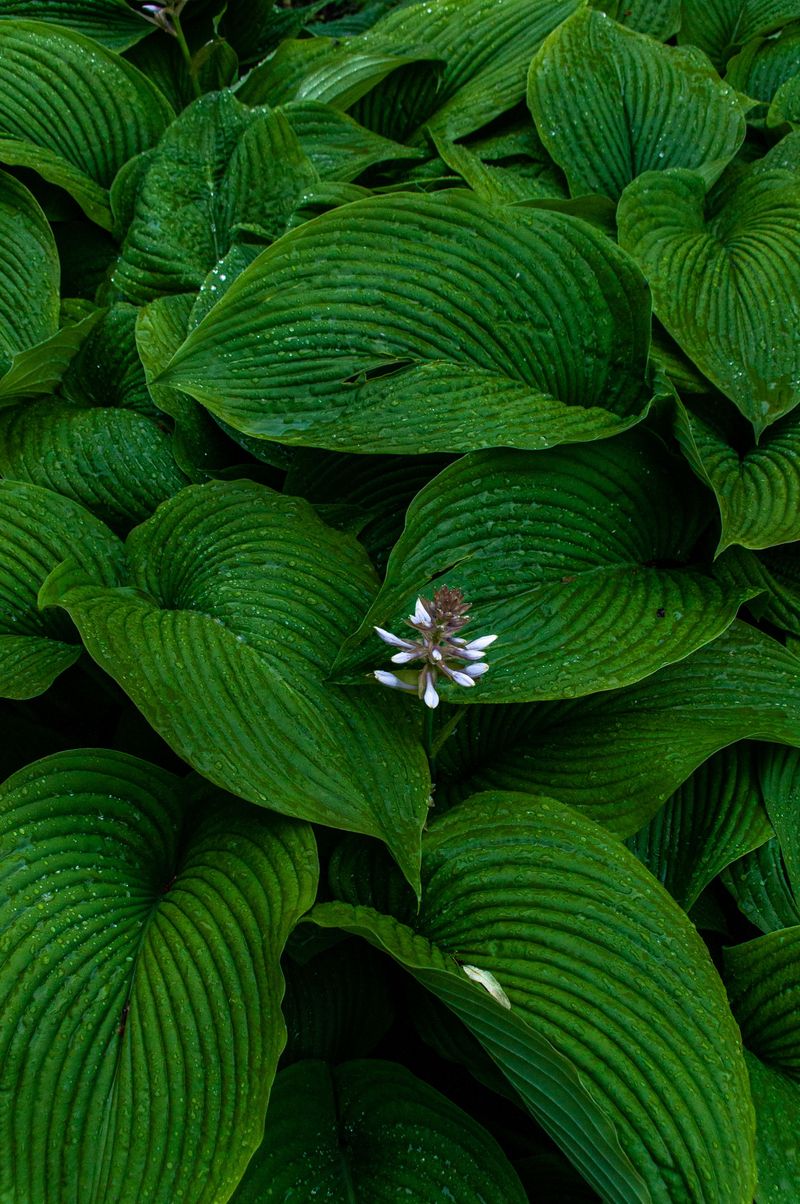
Hostas are one of the most reliable plants for shady borders, and a crowded clump clearly signals it needs division. When the center starts looking thin and the leaves get smaller, that plant clearly needs division.
Fall is a surprisingly great time to split hostas because cooler temperatures reduce transplant stress dramatically. The roots settle in without fighting summer heat, which gives them a real head start.
Dig around the entire clump first, then lift the whole mass out of the ground. You will be amazed at how large a mature hosta root system actually gets beneath the soil.
Use a sharp knife or spade to cut the clump into sections, making sure each piece has several healthy crowns attached. A dull tool tears and bruises roots, so sharpen your blade before starting.
Replant divisions at the same depth they were growing before. Planting too deep can cause crown rot, especially in heavier Montana soils that hold moisture longer into fall.
Water divisions well after planting, then add a light layer of mulch to protect roots from freeze-thaw cycles. Montana winters can be harsh, and that extra insulation makes a real difference.
Hostas are incredibly forgiving plants, which makes them perfect for gardeners who are new to dividing perennials. Even a rough division will usually bounce back strong by the following spring.
Spread those extra divisions to shady spots around your yard where other plants struggle. Hostas thrive where many plants simply give up, making them endlessly useful.
4. Irises
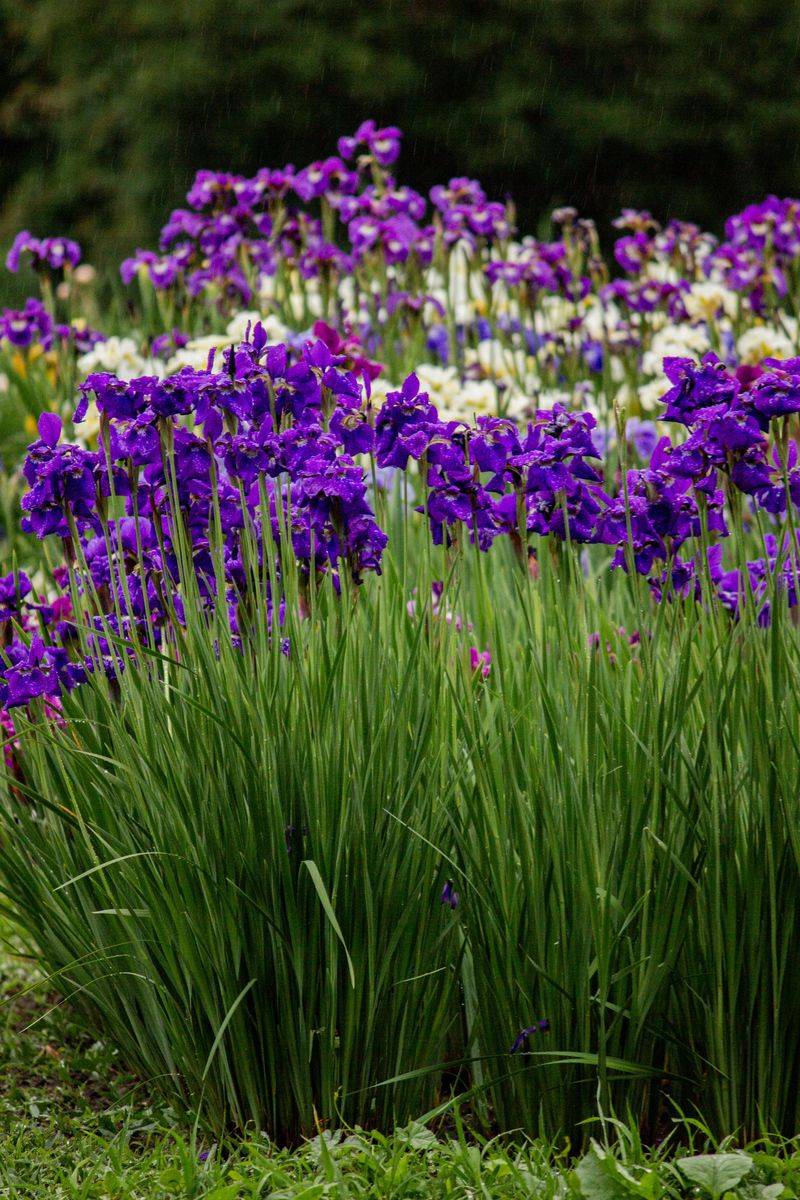
Bearded irises have a reputation for being fussy, but dividing them is actually straightforward once you understand what they need. The key is getting them in the ground early enough to root before hard frost arrives.
Overcrowded iris clumps stop blooming because the rhizomes pile on top of each other and shade themselves out. Dividing them every three to four years keeps the show going strong season after season.
After bloom time fades, dig up the entire clump and shake off the loose soil. You will find a tangled mass of rhizomes, some firm and healthy, others soft and past their prime.
Discard any rhizomes that feel mushy or show signs of iris borer damage. Only replant the firm, healthy outer sections, which are the youngest and most vigorous parts of the clump.
Trim the foliage into a fan shape about six inches tall before replanting. This classic technique reduces wind rock and helps the plant channel energy into root establishment instead of leaf production.
Plant rhizomes shallowly so the tops sit just at the soil surface or barely below it. Irises need warmth from the sun on their rhizomes to trigger blooming, so depth really matters here.
Space divisions about twelve to eighteen inches apart in well-drained soil with full sun exposure. Montana borders with good drainage and plenty of sun are practically ideal iris territory.
Next May and June, those borders will fill in with color. A well-divided iris patch in full bloom is one of spring’s most breathtaking sights.
5. Coneflowers

Purple coneflowers are a hardy prairie native known for spreading reliably. After three or four years, a clump can get so dense that blooms shrink and the center starts looking hollow.
Splitting coneflowers in fall refreshes the planting and multiplies your stock at no extra cost. New divisions will establish roots before winter and come back blooming strongly next summer.
Dig up the clump with a sturdy garden fork, working from the outside edges inward. Coneflower roots go surprisingly deep, so take your time and dig wide to avoid tearing the root mass.
Pull or cut the clump into sections, each with a healthy crown and a good bundle of roots. Avoid tiny divisions since coneflowers prefer a bit of size to get through their first winter successfully.
Choose a sunny spot with well-drained soil for replanting because coneflowers struggle in wet soil. Montana’s clay-heavy soils benefit from a generous addition of compost before new divisions go in.
Plant at the same depth the original clump was growing and firm the soil gently around each division. Watering thoroughly right after planting helps remove air pockets around the roots.
Coneflowers are also wildlife magnets, attracting butterflies through summer and goldfinches through fall and winter. Dividing them now means more plants, which translates directly into more wildlife activity next year.
These tough natives are built for Montana’s swings between blazing summers and harsh winters. Give them a fresh start now and they will reward you generously.
6. Black-Eyed Susans
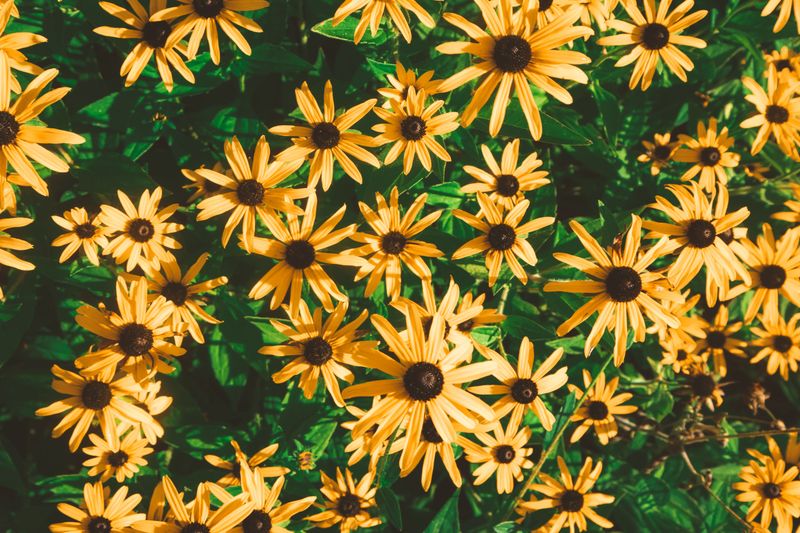
Black-eyed Susans are a dependable late-summer bloomer, in full bloom when other plants start fading. They self-seed enthusiastically and spread by root division, which means a single plant can become a massive colony in just a few years.
Dividing them now keeps that spread manageable and pumps fresh energy into each new section. Smaller, recently divided clumps consistently out-bloom older, congested ones by a noticeable margin.
Use a sharp spade to cut straight down through the clump, separating it into sections roughly the size of a dinner plate. Each section should have a solid crown and a healthy root system attached.
Replant divisions in full sun since black-eyed Susans will tolerate partial shade but bloom far less enthusiastically in lower light. Sun is non-negotiable if you want that signature golden display.
These plants thrive in lean, well-drained soil, so resist the urge to over-amend the planting area with fertilizer. Too much nitrogen pushes leafy growth at the expense of those cheerful yellow blooms.
Water new divisions consistently for the first few weeks to help roots anchor before the ground freezes. After that, black-eyed Susans are remarkably self-sufficient through Montana’s dry spells.
Leave some seedheads standing through winter to feed birds and add texture to the frozen border. That practical beauty is part of what makes this plant such a beloved native species.
Spread extra divisions throughout your border to create waves of gold next August. Few sights match a Montana border in full bloom with black-eyed Susans on a late-summer afternoon.
7. Astilbe
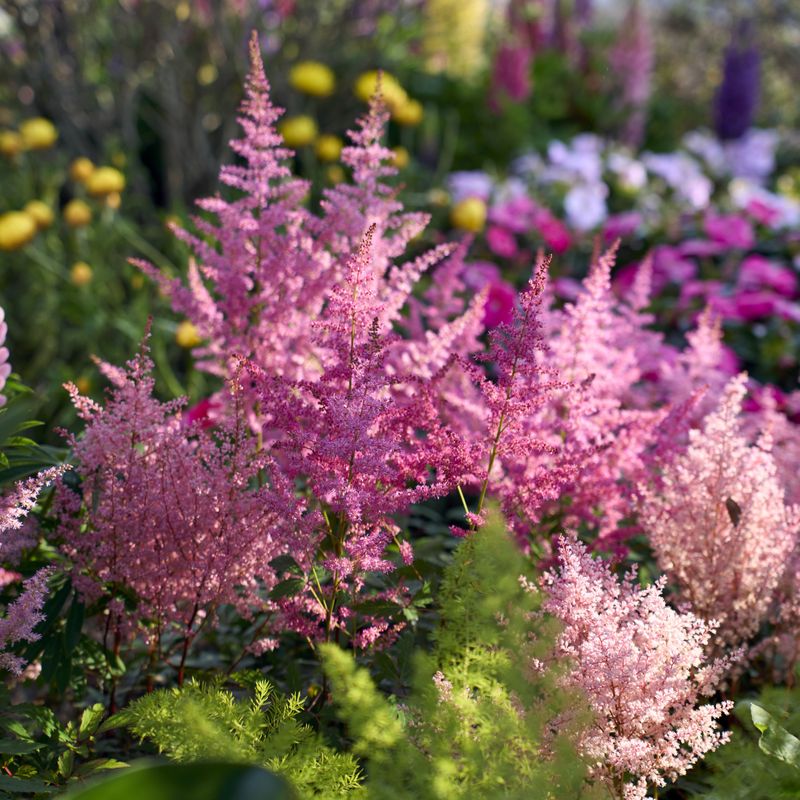
Astilbe brings feathery plumes of color to moist, shaded borders where most flowering plants simply refuse to perform. After four or five years, the woody crowns pile up and blooming drops off noticeably, indicating the plant would benefit from division.
Dividing astilbe in early fall gives new sections time to anchor roots before cold weather arrives. Waiting too long into the season makes establishment harder, so act while the soil still has some warmth.
Dig the entire clump and you will quickly discover that astilbe crowns are surprisingly tough and woody. A sharp spade or even a sturdy pruning saw may be necessary to cut through the dense mass.
Each division needs at least one healthy crown bud and a good portion of the fibrous root system. Sections without a viable crown will not regenerate, so be selective when choosing which pieces to keep.
Astilbe thrives in consistently moist, organically rich soil, so amend the new planting area generously before replanting. Montana’s alkaline soils often benefit from added compost to create the slightly acidic conditions astilbe prefers.
Plant divisions at the same depth they were previously growing and water them in thoroughly right away. Keeping moisture consistent through the fall establishment period is critical for these moisture-loving plants.
Pair divided astilbe with hostas and ferns for a layered, lush shade border that looks professionally designed. The contrast in textures creates a border that feels rich and intentional all season long.
Next summer, those feathery plumes will rise up taller and more vibrant than ever. A freshly divided astilbe patch in full bloom rewards the effort put in during fall.
8. Shasta Daisies
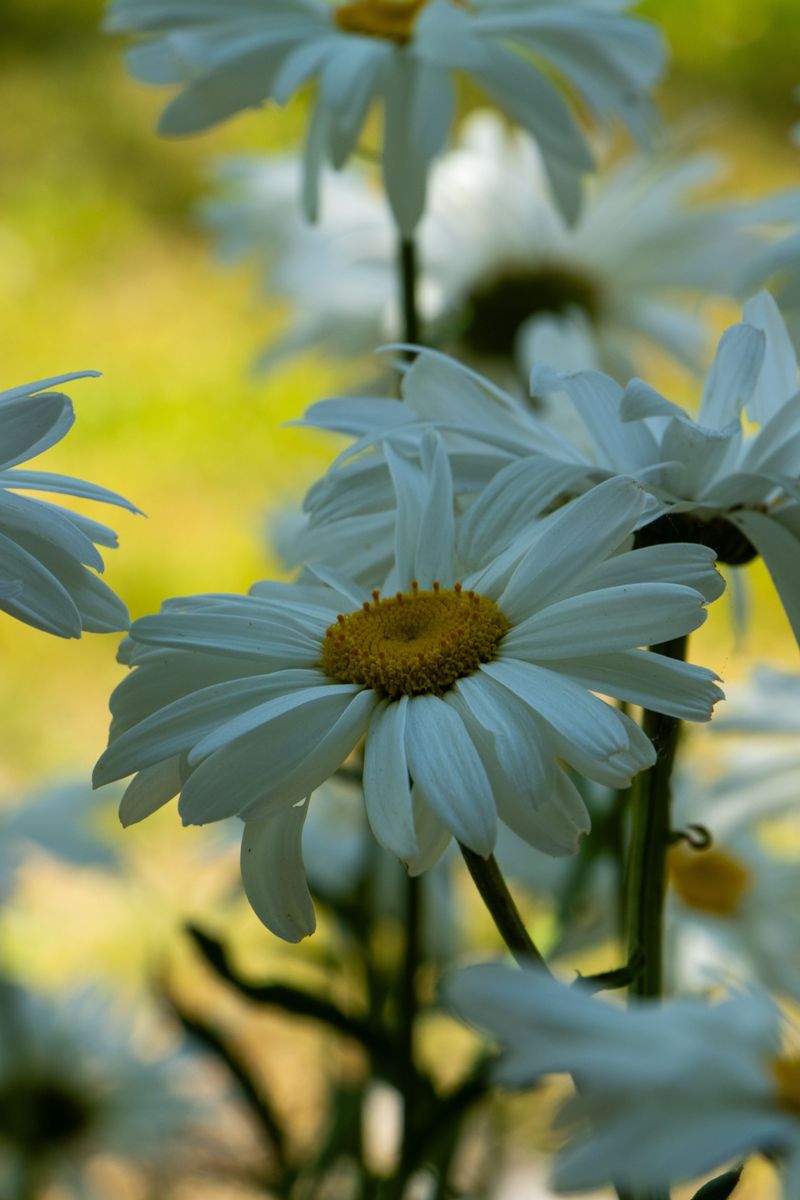
Shasta daisies are the cheerful, no-nonsense classics that have earned a permanent spot in American gardens for over a century.
Bred by Luther Burbank in the early 1900s, these bright white bloomers are tough, fast-spreading, and incredibly rewarding when managed well.
Left undivided for too long, a Shasta clump develops a bare, woody center surrounded by a thin ring of struggling growth. A hollow center indicates the clump would benefit from division.
Dig up the clump and you will find the outer sections are where all the vitality lives. Discard the woody center entirely and replant only the fresh, vigorous outer portions of the root mass.
Each division should be roughly fist-sized with healthy green growth still attached at the crown. Larger divisions establish faster, which matters a lot when fall planting time is limited in Montana.
Choose a sunny, well-drained spot since Shasta daisies struggle in soggy or heavily shaded conditions. Full sun brings out the best bloom production and keeps the foliage tight and compact through the season.
Work compost into the planting hole and set divisions at the same depth they were originally growing. Firm the soil around each division and water deeply to encourage fast root contact with the surrounding earth.
Shasta daisies bloom heavily in early to midsummer and often rebloom if trimmed consistently. Dividing them now means more plants, more blooms, and more of that classic white-and-gold border energy next year.
These are the plants that make a border feel complete and timeless. Divide them this fall and your Montana borders will reward the effort with a strong display that lasts all summer long.