10 Ordinary-Looking Montana Plants With Extraordinary Hidden Abilities
Ancient chemistry grows beneath your boots without asking permission. Montana hides plants that outwork most modern medicine. Ranchers walk past them every single day. Hikers step over them without a glance.
Scientists study them for reasons you would never guess. Underneath every scraggly stem sits a hidden strategy centuries old.
Wildlife depends on these overlooked species when winter grows long. Soil quietly rebuilds itself because certain roots refuse to quit.
Nobody teaches you this in school. Locals barely notice what grows along their own fences.
Few travelers realize Montana rewards attention it rarely receives. Each leaf carries chemistry researchers are only beginning to decode.
Curious eyes miss wonders growing right beside the trail. Every trail conceals secrets locals have long forgotten to mention.
Power does not always announce itself loudly. Sometimes it just keeps growing, spreading, adapting, waiting. You will never look at a simple weed the same way again.
1. Yarrow
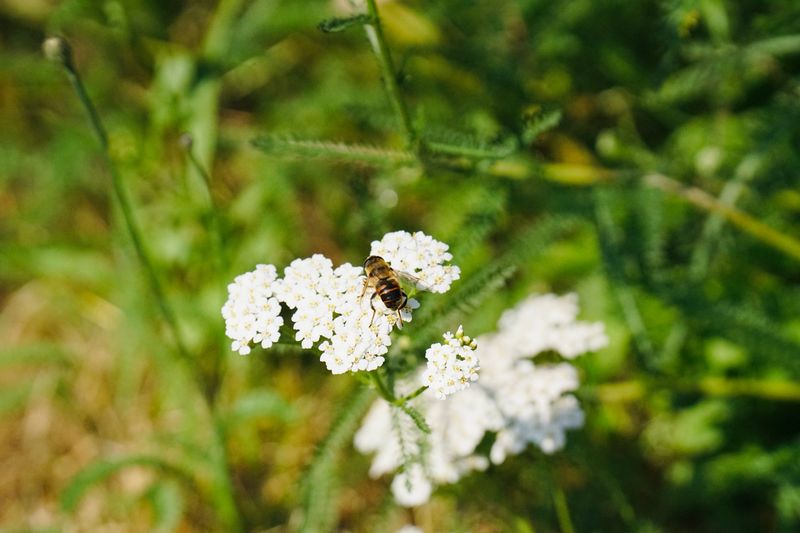
Yarrow looks like a plain white weed, but do not let that fool you. This flat-topped wildflower has been a long-used first-aid plant for thousands of years.
Native peoples across North America packed yarrow leaves directly onto cuts to slow bleeding fast. The plant contains natural compounds called achilleine that actually help blood clot more quickly.
Its scientific name, Achillea millefolium, comes from the Greek hero Achilles, who reportedly used it on wounded soldiers. That story alone gives yarrow historical significance.
Beyond wound care, yarrow works as a natural fever reducer when brewed as a tea. It encourages sweating, which helps your body cool itself down during illness.
Gardeners love it because it attracts pollinators like crazy. Butterflies, bees, and beneficial wasps flock to its blooms all summer long.
Yarrow also repels certain harmful insects, acting like a natural pesticide without any chemicals. Plant it near vegetables and watch your garden thrive with less effort.
It thrives in dry, rocky soil where most plants refuse to grow. Among all the extraordinary Montana plants, yarrow might be the toughest overachiever of the bunch.
2. Bitterroot
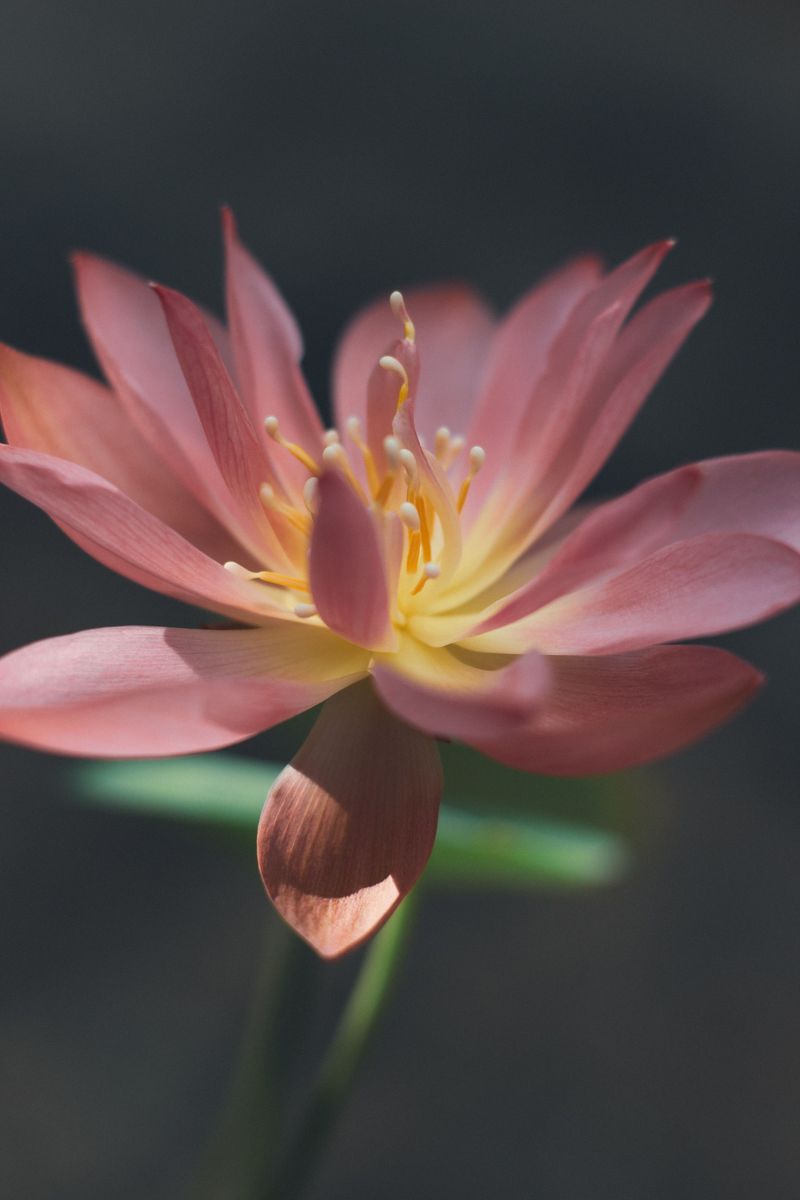
Bitterroot is Montana’s state flower, and it punches way above its weight class. This tiny pink bloom grows in gravel and dry rock where almost nothing else survives.
The plant disappears underground for most of the year, looking completely dormant. Then spring arrives and it produces vibrant pink flowers almost overnight.
The Salish people traditionally considered bitterroot a sacred food source, known to them by their own name for the plant. They harvested the starchy roots each spring, dried them, and traded them across vast distances.
The roots taste intensely bitter raw, which is exactly how the plant got its name. Cooking removes most of that bitterness and leaves behind a nutritious, high-calorie food.
Bitterroot can survive extreme drought by going completely dormant. Its thick, fleshy roots store enough moisture to keep the plant alive through harsh dry seasons.
Lewis and Clark collected specimens near present-day Missoula in 1806, sending them back east for study. According to botanical accounts, a dried specimen reportedly bloomed again after being stored for over a year.
That kind of resilience is almost unbelievable. Bitterroot proves that the smallest, quietest plants sometimes carry the most extraordinary survival secrets.
3. Wild Bergamot
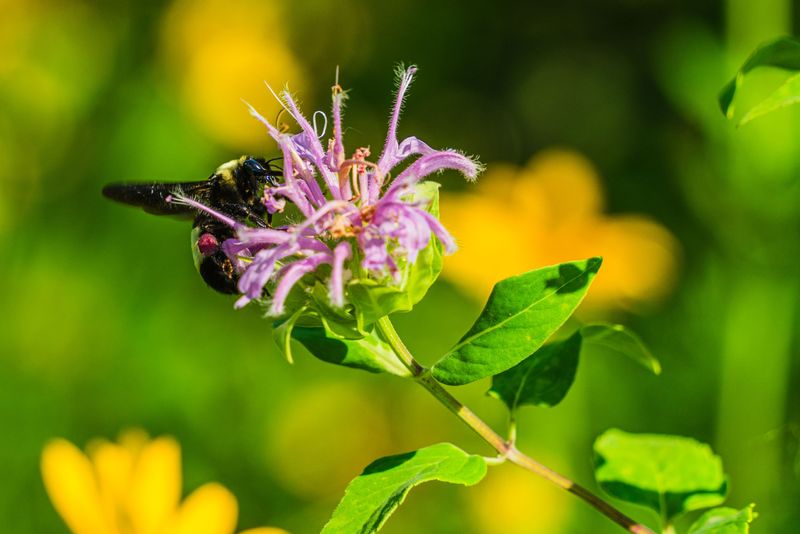
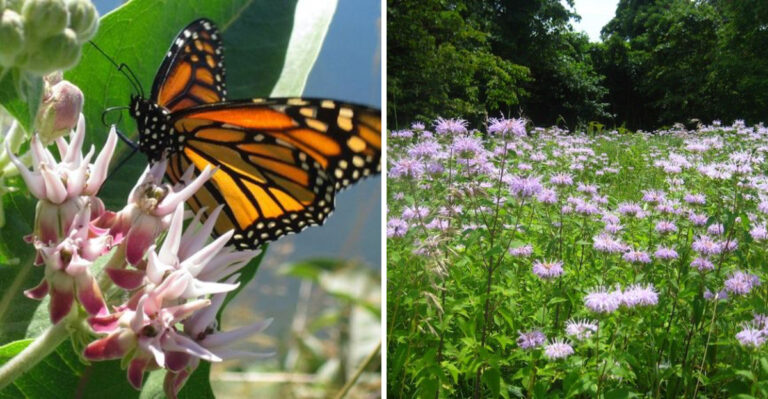
Wild bergamot smells like a herb garden and a flower shop combined. Crush one of its leaves and you get an instant burst of oregano-like fragrance.
This purple prairie flower belongs to the mint family, and its aromatic oils are surprisingly powerful. Indigenous healers used it to treat respiratory infections, colds, and even dental pain.
The plant contains thymol, the same active compound found in commercial mouthwash. That means wild bergamot was essentially a natural antiseptic long before anyone invented a pharmacy.
Pollinators are strongly attracted to this plant. Bumblebees, hummingbirds, and monarch butterflies all target wild bergamot as a top food source during summer.
Gardeners use it as a companion plant because its strong scent confuses and deters aphids and other garden pests. A row of bergamot around a vegetable bed helps deter pests naturally.
The dried leaves can be steeped into a tea that soothes sore throats and eases congestion. Many people describe the flavor as a cross between mint and spicy oregano.
Wild bergamot also improves soil health by supporting beneficial soil microbes around its roots. Ordinary in appearance, it is quietly one of the hardest-working plants on the prairie.
4. Oregon Grape
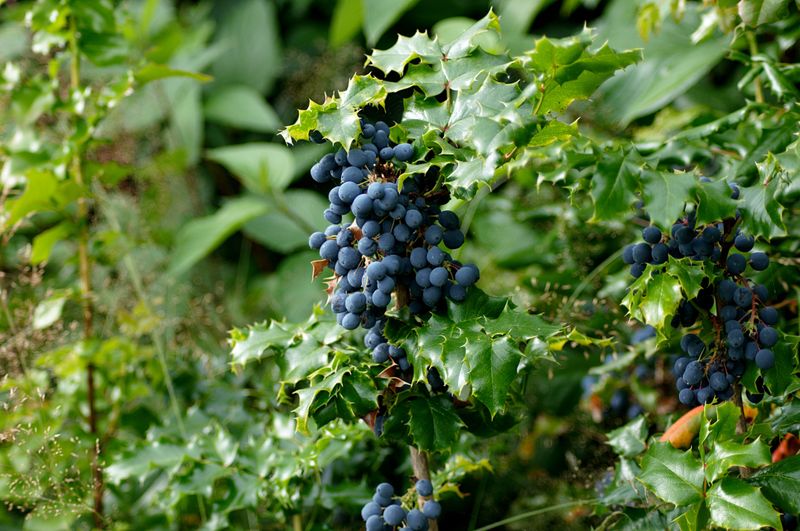
Oregon grape looks like a miniature holly bush that wandered into the wrong forest. Its spiky leaves and bright yellow spring flowers make it easy to spot on shaded hillsides.
But the real magic is hiding in its roots and bark. Oregon grape contains berberine, a natural compound with antimicrobial and anti-inflammatory properties.
Berberine has been studied by modern researchers and shows early potential against bacteria, fungi, and certain parasites in preliminary research. Indigenous healers figured this out centuries before any laboratory existed.
The small blue-purple berries look like tiny grapes and pack a serious vitamin C punch. They taste extremely tart raw but make excellent jam, jelly, and syrup when sweetened.
Many herbalists use Oregon grape root as a natural liver tonic. It supports bile production, which helps the body break down fats and filter toxins more efficiently.
The plant also produces a vivid yellow dye from its inner bark and roots. Traditional weavers used this dye to create rich golden tones in baskets and textiles.
Oregon grape thrives in dry shade where other plants give up entirely. Among the remarkable Montana plants with hidden abilities, this one is basically a one-stop natural pharmacy.
5. Prickly Pear Cactus
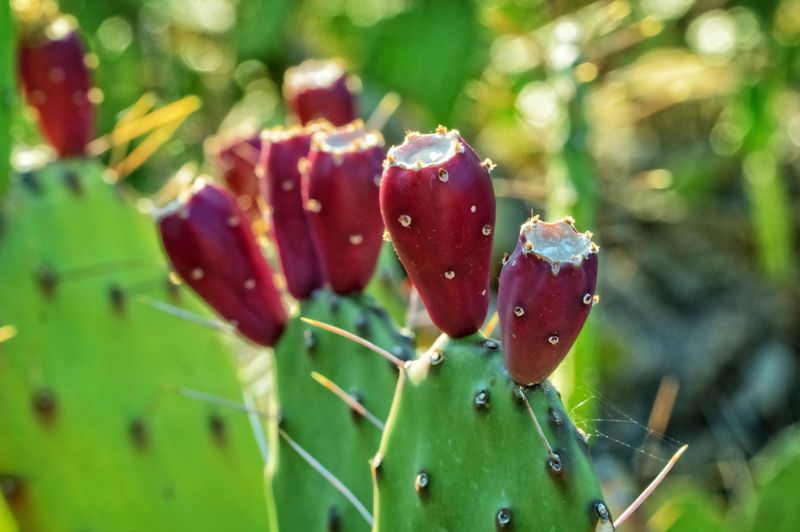
Finding a cactus in Montana surprises most people who picture the state as only cold and snowy. Prickly pear thrives in the state’s dry eastern plains and sun-baked rocky outcrops.
Its flat green pads store enormous amounts of water, acting like living canteens during droughts. Wildlife including deer, pronghorn, and birds rely on that stored moisture during the driest months.
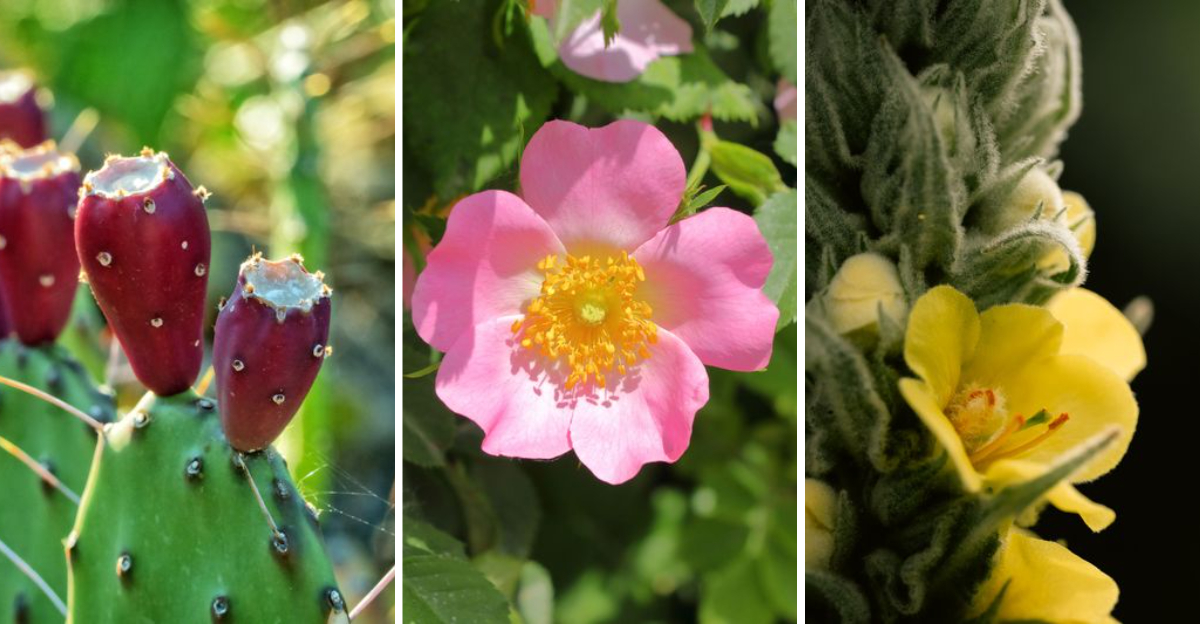
The bright yellow flowers bloom briefly in early summer, drawing in native bees with remarkable efficiency. After flowering, the plant produces deep red fruits called tunas that are well-liked for their flavor.
Native groups across the region ate the fruit fresh, dried it for winter, and pressed it into juice. The flesh is sweet, mildly earthy, and loaded with antioxidants and natural sugars.
Prickly pear pads, called nopales, contain a thick gel similar to aloe vera. Applied to skin, this gel soothes burns, reduces swelling, and speeds up minor wound healing.
Early research is drawing notable interest from scientists studying natural antimicrobials. Prickly pear cactus is proof that Montana plants with extraordinary hidden abilities show up in the most unexpected places. Never underestimate a plant covered in spines.
6. Juniper
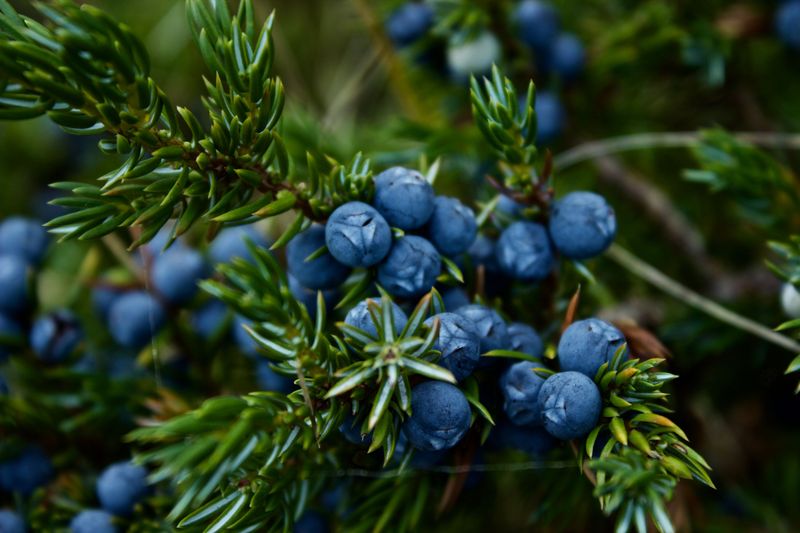
Juniper is the scrubby evergreen most hikers walk right past without a second thought. It hunches low on dry ridges and rocky slopes, looking stubborn and unremarkable.
But juniper berries are behind one of the world’s most beloved flavors: gin. Those small blue-gray berries contain aromatic oils that have been used medicinally and culinarily for centuries.
Juniper smoke was burned in Native American purification ceremonies because of its powerful antimicrobial properties. Research confirms that juniper smoke actually does reduce airborne bacteria in enclosed spaces.
The berries act as a natural diuretic, helping the kidneys flush excess fluids and toxins. Herbalists have long used juniper tea to support urinary tract health and reduce bloating.
Juniper wood resists rot with notable durability. Fence posts made from juniper are widely known for remaining solid in the ground far longer than most other woods.
Wildlife depend on juniper heavily during winter. Birds like the Townsend’s solitaire eat almost nothing but juniper berries for months at a time in cold weather.
The tree also stabilizes eroding soil on steep, dry slopes where nothing else gets a foothold. Quiet and prickly on the outside, juniper is a highly resilient plant underneath its rough exterior.
7. Kinnikinnick
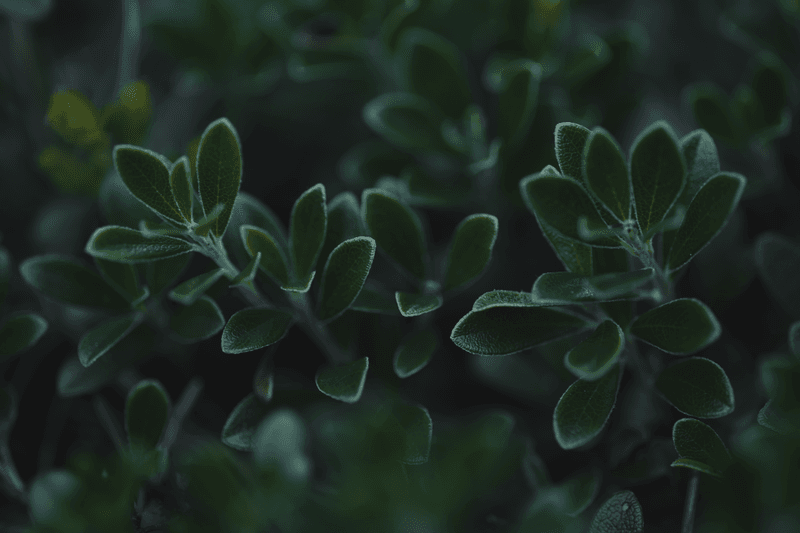
Kinnikinnick creeps so close to the ground that most hikers never notice it at all. This low-growing evergreen spreads like a carpet across rocky forest floors and sandy slopes.
Its bright red berries persist through winter, making it a critical food source when other plants are buried under snow. Bears, grouse, and deer all depend on these berries to survive cold months.
The leaves of kinnikinnick were traditionally smoked in ceremonial blends by numerous Indigenous nations across North America. The name itself comes from an Algonquin word meaning a smoking mixture.
Beyond ceremony, the leaves contain arbutin, a natural compound that converts to hydroquinone in the body. Modern skincare products use this compound to help even skin tone and reduce dark spots.
Kinnikinnick is also a powerful urinary antiseptic. Herbalists brew the leaves into a tea that helps fight urinary tract infections without synthetic antibiotics.
The plant thrives in poor, acidic soil and requires almost no moisture once established. Landscapers now use it as a tough, low-maintenance ground cover that chokes out weeds naturally.
Kinnikinnick proves that small and overlooked does not mean unimportant. Among extraordinary Montana plants, this ground-hugger quietly outperforms plants ten times its size.
8. Purple Coneflower
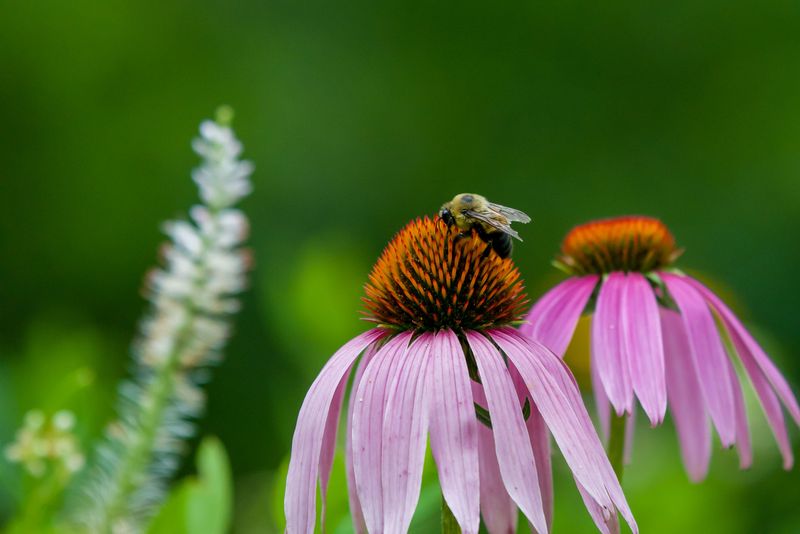
Purple coneflower is one of the most well-known immune-supporting plants, hiding in plain sight across Montana’s sunny meadows. Most people know it by its other name: echinacea.
This cheerful purple bloom has been studied more than almost any other medicinal herb. Numerous clinical trials have studied its effects on cold duration and severity, with mixed results.
Native peoples of the Great Plains used every part of this plant, from roots to petals. It was traditionally used for snakebites, toothaches, sore throats, and infected wounds.
The root contains alkylamides that create a distinct tingling numbness on the tongue. That sensation is actually a sign the plant’s active compounds are present and potent.
Echinacea stimulates white blood cell production, giving the immune system a measurable boost. Some research suggests taking it at the first sign of a cold may shorten sick time.
Beyond medicine, purple coneflower feeds goldfinches all fall long. The birds cling to the dried seed heads and pick them clean through the coldest months.
It also tolerates drought remarkably well once established, making it a smart choice for low-water gardens. Among the extraordinary Montana plants featured here, echinacea earns its reputation every single season.
9. Wild Rose
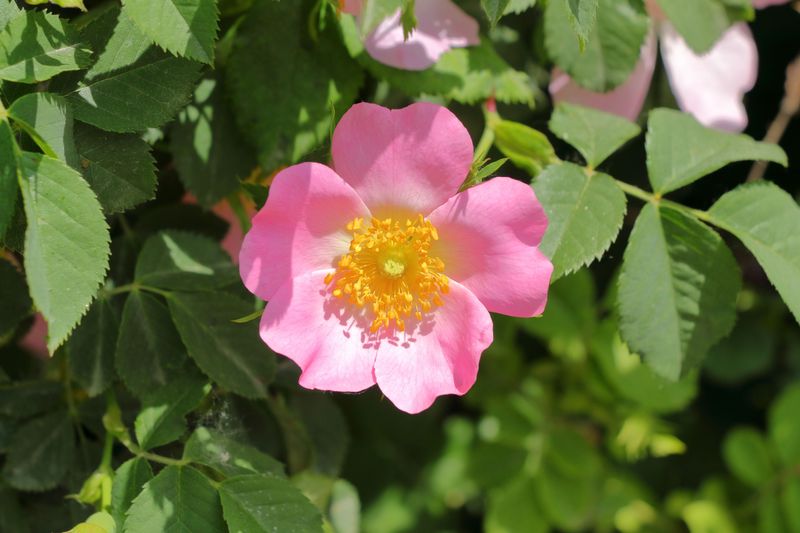
Wild rose is so common along Montana roadsides that most drivers barely glance at it. Those soft pink blooms look sweet and simple, but this plant is secretly a nutritional powerhouse.
After the petals fall, the plant develops rose hips, which are small red-orange fruits packed with vitamin C. Dried rose hips are often cited as containing more vitamin C by weight than oranges, depending on species and preparation.
During World War II, Britain’s Ministry of Health organized the collection of wild rose hips to make syrup for children after citrus imports were disrupted. The plant literally helped a nation fight vitamin deficiency.
Rose hip tea is a warm, tangy drink that supports immune health, joint comfort, and skin elasticity. Many people drink it daily as a natural anti-inflammatory supplement.
The petals themselves are edible and mildly fragrant, used in salads, syrups, and herbal teas. Rose petal jam has been made across cultures for centuries and remains a well-regarded delicacy.
Wild rose also provides dense protective thickets where small birds nest safely away from predators. Songbirds like yellow warblers and song sparrows love building homes inside the thorny branches.
Every part of this plant offers something valuable, from root to hip. Wild rose is proof that extraordinary Montana plants are often the ones you have been driving past for years.
10. Mullein
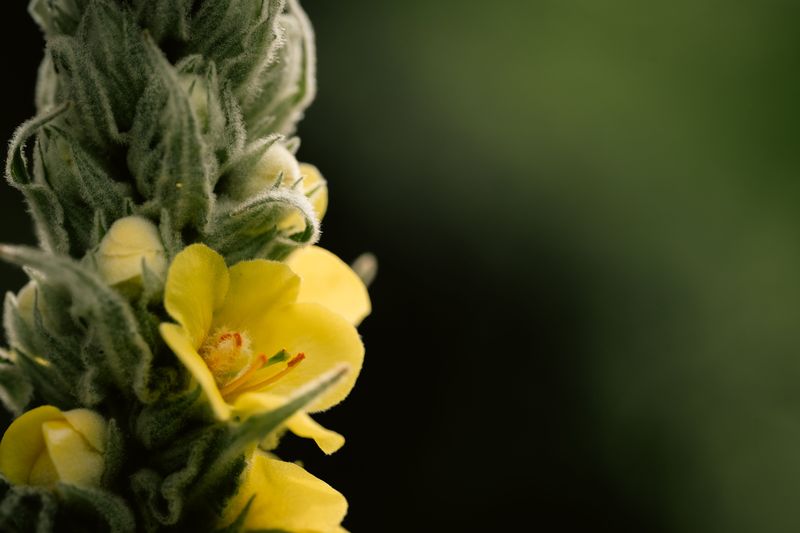
Mullein is the tall, fuzzy plant standing like a torch in every dry ditch and gravel lot across the state. Its thick, velvety leaves and towering yellow flower spike are impossible to miss once you know what to look for.
Those soft leaves were called “cowboy toilet paper” on the frontier, which tells you a lot about their texture. But mullein’s real hidden talent is far more impressive than that nickname suggests.
Herbalists have used mullein leaves to treat respiratory problems for centuries. The plant contains compounds that soothe inflamed airways, loosen mucus, and ease persistent coughs.
Mullein leaf tea or smoke was used by Native peoples to treat asthma, bronchitis, and chest congestion. Modern herbalists still recommend it as one of the best natural lung-support plants available.
The dried flower stalk was dipped in tallow and burned as a torch by ancient Romans. That practical trick earned it the nickname “hag’s taper” in European folklore.
Mullein root has also been studied for its potential to fight certain antibiotic-resistant bacteria. Early research results are showing notable interest for scientists studying natural antimicrobials.
Among all the extraordinary Montana plants with hidden abilities, mullein stands the tallest, literally and figuratively. You will never look at a roadside weed the same way again.