Do Bioplastics Actually Break Down In A Colorado Backyard Compost Pile
You toss the “compostable” cutlery into your Colorado backyard bin, feeling like an eco-warrior. Ten weeks later, it looks exactly the same, stiff and stubbornly intact among the coffee grounds and eggshells. Something isn’t adding up.
That gap between promise and reality isn’t random, and it has everything to do with conditions most backyard setups simply can’t replicate. What your pile lacks might be the exact thing standing between that fork and actual decomposition.
Your compost might hover around 90°F when these materials often require sustained temperatures closer to 140°F to break down properly. The gap between “compostable” and “backyard compostable” is where good intentions quietly stall.
This distinction shapes what actually belongs in your pile versus what belongs in a municipal composting program, if your area even has one.
Most Bioplastics Need Industrial Heat To Break Down
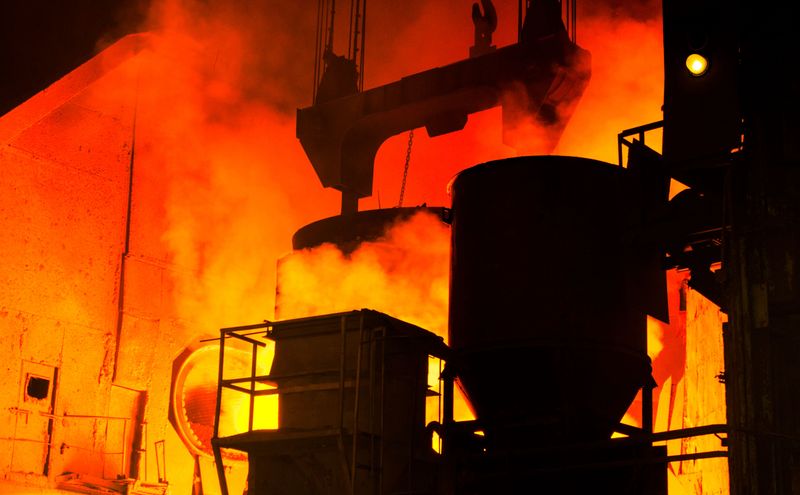
Surprise: that compostable cup needs a furnace, not a flower bed. Most bioplastics are designed to break down only under very specific industrial conditions that your backyard simply cannot match.
Industrial composting facilities heat organic material to temperatures between 130 and 160 degrees Fahrenheit. Those sustained high temps are what actually trigger the chemical breakdown of bioplastics like PLA.
Your backyard pile might hit 90 to 110 degrees on a warm summer day. That sounds hot, but it falls way short of what most bioplastics need to start degrading.
Think of it like baking bread at half the required temperature. You end up with raw dough, not a loaf.
Do bioplastics actually break down in a Colorado backyard compost pile under these conditions? The honest answer from most composting experts is no, not effectively.
The “compostable” label on packaging typically refers to industrial composting standards, not home composting. Manufacturers follow certifications like ASTM D6400, which sets rules for facility-level breakdown only.
Many consumers assume compostable means backyard-friendly. That gap between expectation and reality is exactly where confusion and frustration grow.
Understanding this distinction is the first step to making smarter choices at the grocery store. Knowing what you are actually buying changes everything about how you handle it afterward.
Backyard Piles Rarely Reach The Right Temperature
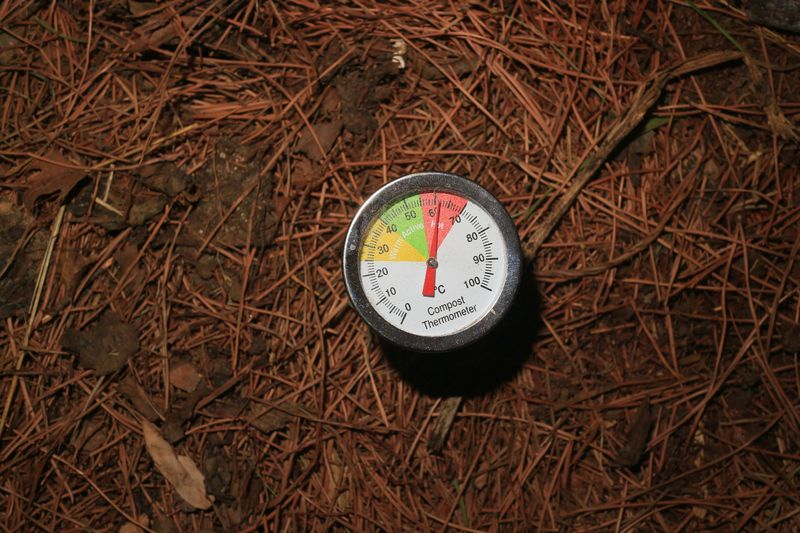
Feel the steam rising from your compost pile? If not, your pile is probably not hot enough. Backyard piles, especially in high-altitude areas, struggle to maintain consistent heat throughout the season.
At elevations common across the Front Range and mountain towns, ambient temperatures are cooler and the air is drier. Both factors pull heat away from your pile faster than it can build up.
A hot compost pile requires the right balance of carbon-rich browns, nitrogen-rich greens, moisture, and oxygen. Most home composters do not hit that perfect ratio consistently enough to sustain high heat for weeks.
Even when a backyard pile does heat up, it often cools quickly. Bioplastics need sustained high heat, not just occasional spikes, to actually begin breaking apart at a molecular level.
Do bioplastics actually break down in a Colorado backyard compost pile when temperatures fluctuate so much? Research says the breakdown is minimal at best, especially during the long cold months.
Your Colorado Garden Changes Every Week. Your Plan Should Too.
Gardening in Colorado changes quickly throughout the season. Every Friday you’ll receive a simple weekly plan showing exactly what to plant, prune, fertilize, harvest, and protect so you never miss the right timing.
Winter in this region can freeze a compost pile solid for months. Any degradation progress made in summer essentially pauses when snow arrives.
This temperature challenge is not a personal failure on your part. It is simply a climate and physics issue that affects even the most dedicated home composters in the region.
Managing expectations around your pile’s performance is genuinely useful. Knowing the limits helps you plan smarter and waste less effort on materials that will not break down anyway.
PLA Versus PHA And Their Different Breakdown Rates
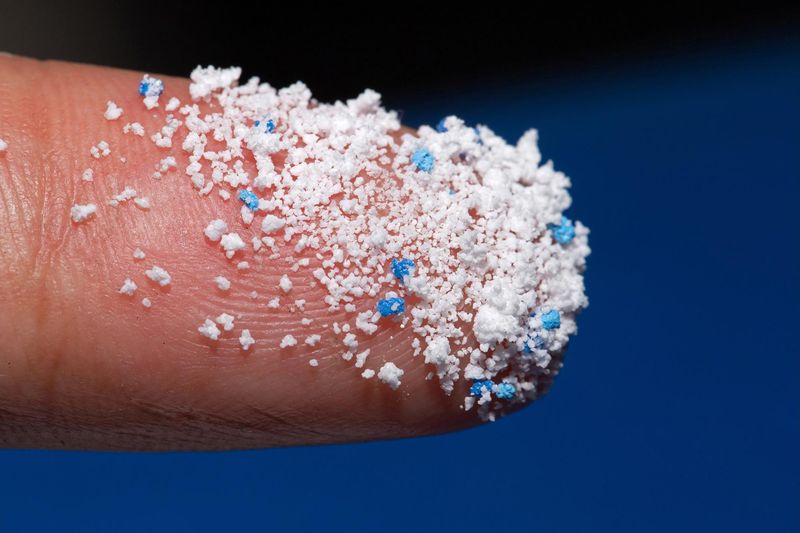
Not all bioplastics are created equal, and the difference matters enormously in your backyard bin. PLA and PHA are the two most common types, but they behave very differently once they hit the compost pile.
PLA stands for polylactic acid and is made from processed plant starches, usually corn. It looks and feels like regular plastic, which is part of why it became so popular in single-use products.
PHA stands for polyhydroxyalkanoates and is produced by bacteria feeding on organic material. Unlike PLA, PHA can break down in a much wider range of environments, including soil and water.
PLA needs industrial composting conditions to degrade within a reasonable timeframe. Left in a backyard pile, PLA can persist for years without showing meaningful breakdown.
PHA, on the other hand, is genuinely more flexible in how and where it degrades. Some PHA products can break down in home compost settings over several months, which makes them a far better choice for backyard composters.
The catch is that PHA products are less common and often more expensive to produce. You will not find them as easily at the average grocery store checkout aisle.
Knowing which type of bioplastic you are holding can save you a lot of wasted effort. Flip the package over and look for the material type printed near the recycling symbol.
That small piece of information tells you whether your compost pile has any real shot at breaking it down. Knowledge is the most powerful composting tool you own.
Certified Home Compostable Labels Worth Looking For
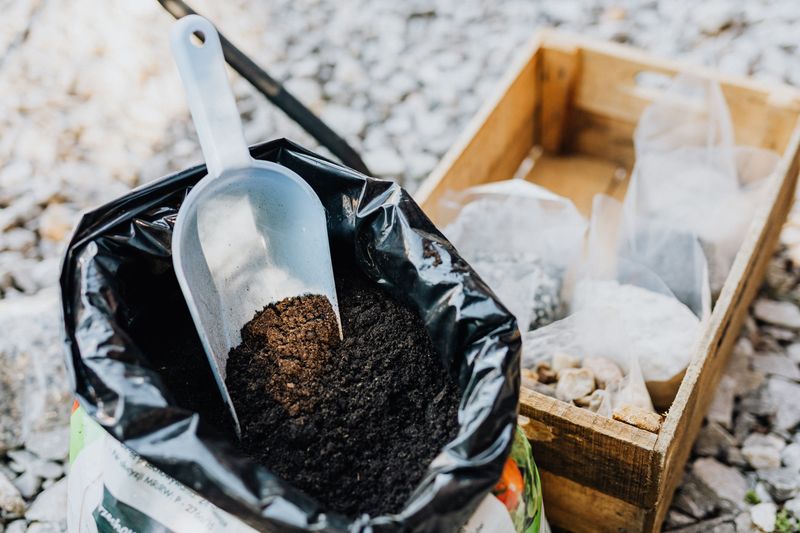
Labels can lie, or at least mislead. But some certifications are genuinely worth trusting when you are shopping for compostable products to use in your backyard setup.
The most reliable label for home composters is the TUV Austria OK Compost HOME certification. Products bearing this mark have been tested and verified to break down in real home composting conditions.
The Biodegradable Products Institute, or BPI, certifies products primarily for industrial composting. Seeing their logo does not mean the product will break down in your backyard pile.
Another label to watch for is EN 13432, the European counterpart to ASTM D6400. It confirms industrial compostability, not home compostability, so reading the fine print matters more than you might expect.
Do bioplastics actually break down in a Colorado backyard compost pile when they carry the right certification? Yes, certified home compostable products have a genuinely better chance of breaking down under home conditions.
When shopping, pull out your phone and search the certification name if you are not sure what it means. Two minutes of research can save you months of composting frustration.
Some brands now print QR codes on packaging that link directly to their composting instructions. That kind of transparency is a green flag worth rewarding with your purchase dollars.
Trusting the right labels is not about being a perfect eco-consumer. It is about making your composting effort actually count for something real in your garden.
The Real Timeline For Bioplastics Breaking Down
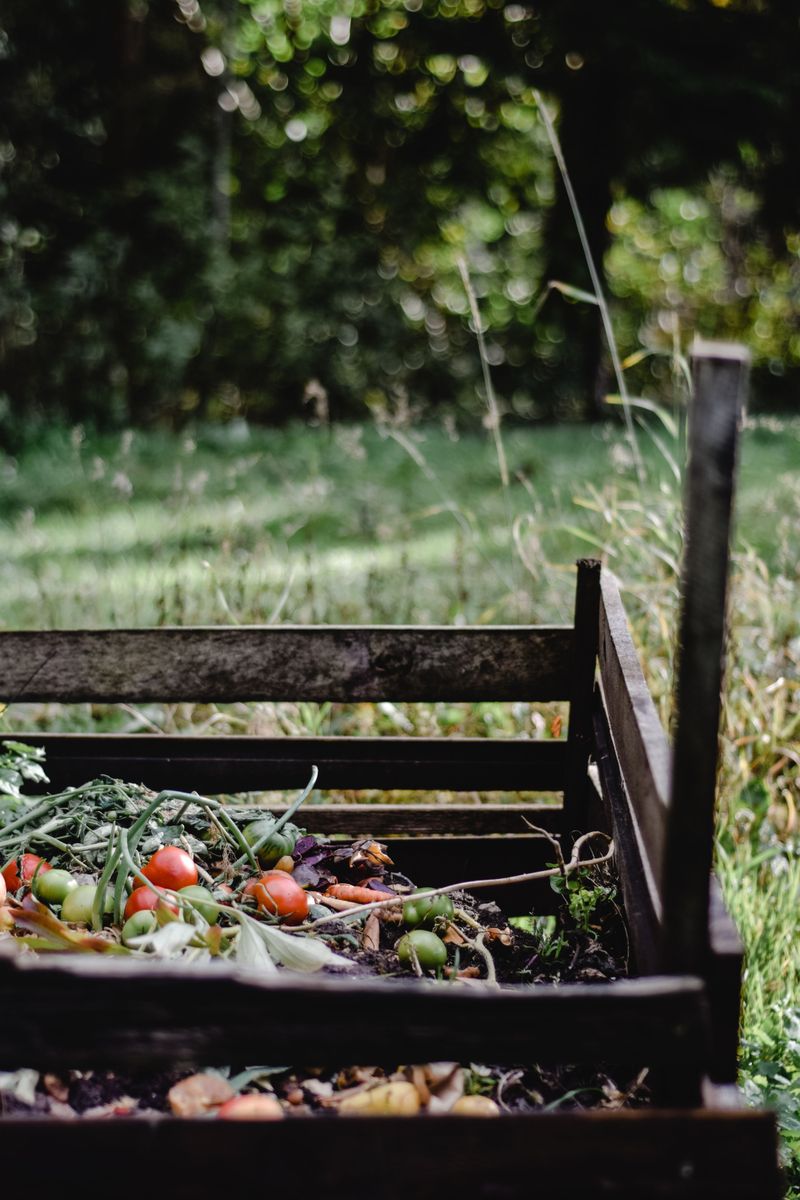
Months pass, seasons change, and that compostable spoon is still sitting there. The timeline for bioplastic breakdown in a home compost setting is far longer than most packaging suggests.
PLA products in a backyard pile can take anywhere from two to five years to show significant degradation. Some studies have found PLA pieces still largely intact after several years in non-industrial settings.
PHA products fare better, often breaking down within six to twelve months under decent home composting conditions. Even then, that timeline depends heavily on heat, moisture, and microbial activity in your specific pile.
A cool, dry pile with poor microbial diversity will slow breakdown to a crawl. This is especially relevant in arid high-elevation environments where moisture evaporates quickly.
Contrast that with food scraps, which can fully decompose in a well-managed pile within three to six months. The difference in timelines between food waste and bioplastics is striking.
Leaving slow-degrading bioplastics in your pile too long can actually contaminate finished compost. Small plastic fragments that look like degraded material may still be present when you spread compost in your garden beds.
Microplastic contamination in garden soil is a growing concern among researchers. Starting with the wrong materials can undermine the whole point of composting in the first place.
Pulling out bioplastic items before they fully break down protects your soil. Patience and awareness together make the biggest difference in keeping your compost genuinely clean and useful.
Better Options For Colorado Backyard Composting Setups
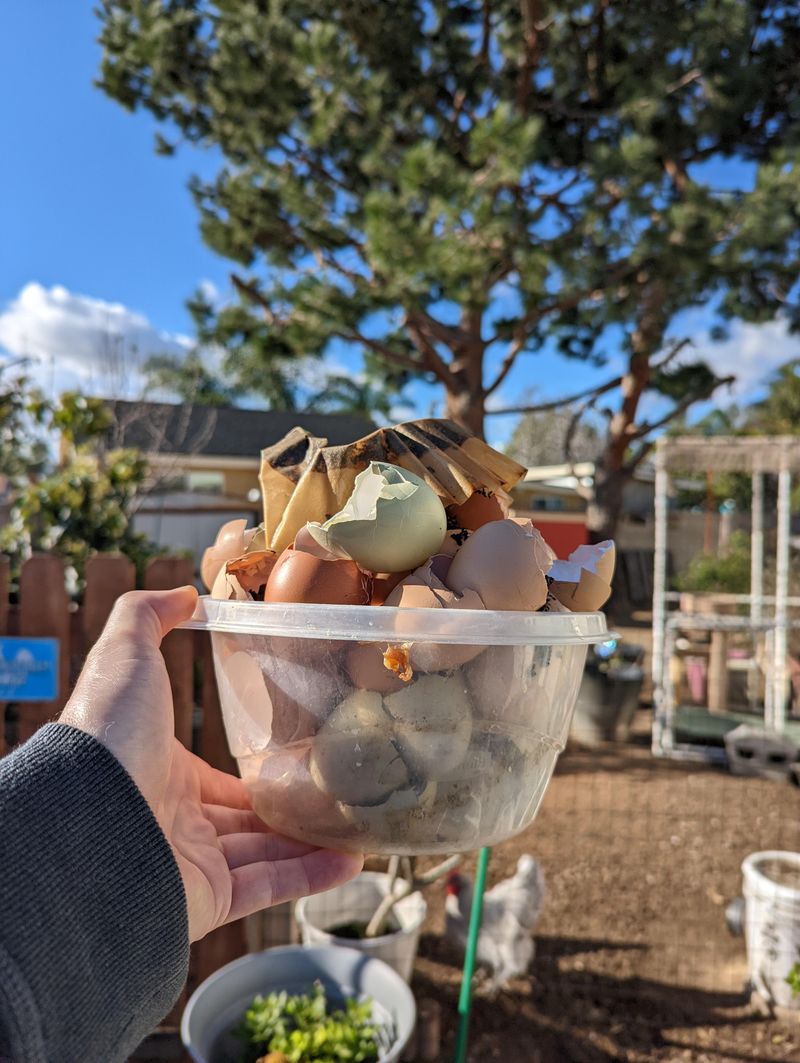
Forget the fancy packaging. The best composting materials are often the least glamorous ones sitting in your kitchen right now. Fruit peels, coffee grounds, eggshells, and cardboard are your backyard pile’s best friends.
For true home composting success, focus on materials certified with the OK Compost HOME label if you want to include any packaged goods. Skip anything labeled only for industrial composting facilities.
Worm bins, also called vermicomposting setups, are an excellent option for high-altitude homes where outdoor temperatures fluctuate wildly. Worms work at much lower temperatures than hot compost piles require.
Bokashi systems are another smart alternative for composting enthusiasts in cooler climates. Bokashi breaks down food waste using beneficial microbes and works indoors year-round regardless of outside conditions.
Do bioplastics actually break down in a Colorado backyard compost pile when paired with a worm bin or bokashi system? PHA products may fare slightly better in worm bins, but PLA still struggles even in those setups.
Sticking with natural, unprocessed organic materials removes all the guesswork from your composting routine. Banana peels do not come with certification requirements or fine print.
Local composting drop-off programs in cities like Denver and Fort Collins accept certified compostable packaging at industrial facilities. Using those programs is a smarter route for handling bioplastic items you cannot avoid buying.
Your backyard pile can thrive without bioplastics in the mix. Feed it well with the right stuff, and it will reward your garden with rich, dark compost all season long.