Can Your Oregon Neighbor Force You To Trim A Tree On Your Own Property?
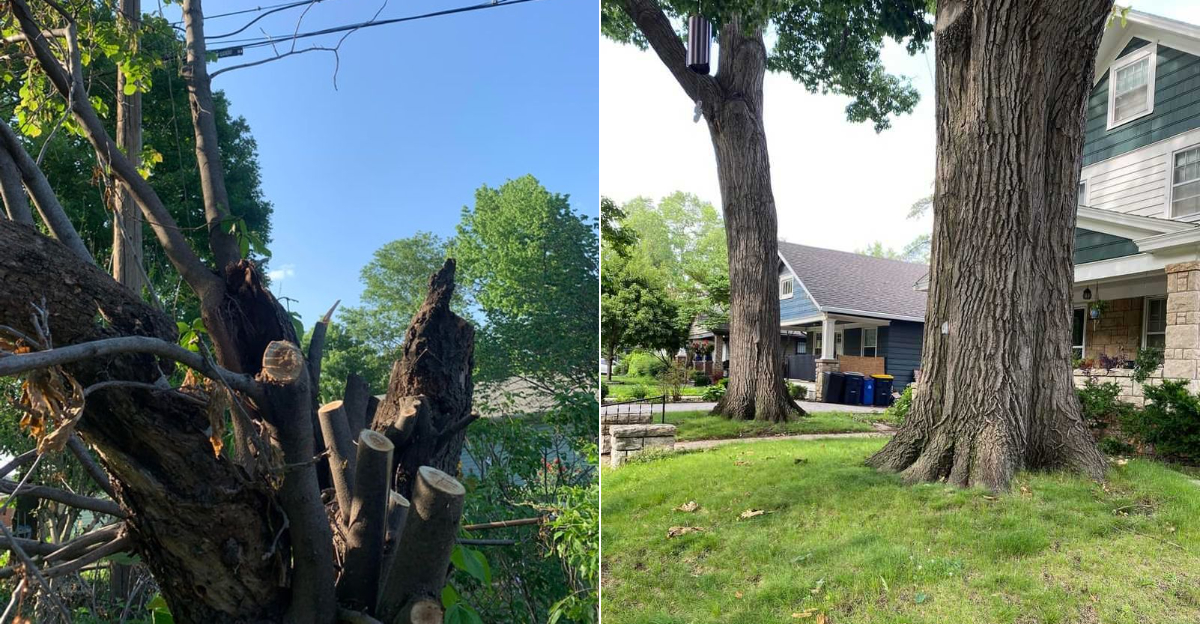
A tree can stand entirely on your Oregon property and still become the center of a neighborhood argument.
Maybe branches hang over the fence, leaves clog a nearby gutter, or roots cause trouble next door. Suddenly, your maple has its own legal drama.
A neighbor may firmly request a trim, but that does not automatically mean they can dictate what happens to the whole tree.
Property boundaries matter, yet safety concerns and the plant’s condition also deserve attention.
Tension can rise fast when one person sees a harmless branch and the other sees an expensive problem that could strike at any moment.
That difference can turn a brief conversation into weeks of awkward silence across the fence.
A clear sense of each homeowner’s rights can help calm the dispute. It may also protect the tree and prevent a simple disagreement over a few branches from becoming a much messier neighborhood feud.
1. A Neighbor Can Ask, But Not Always Force It
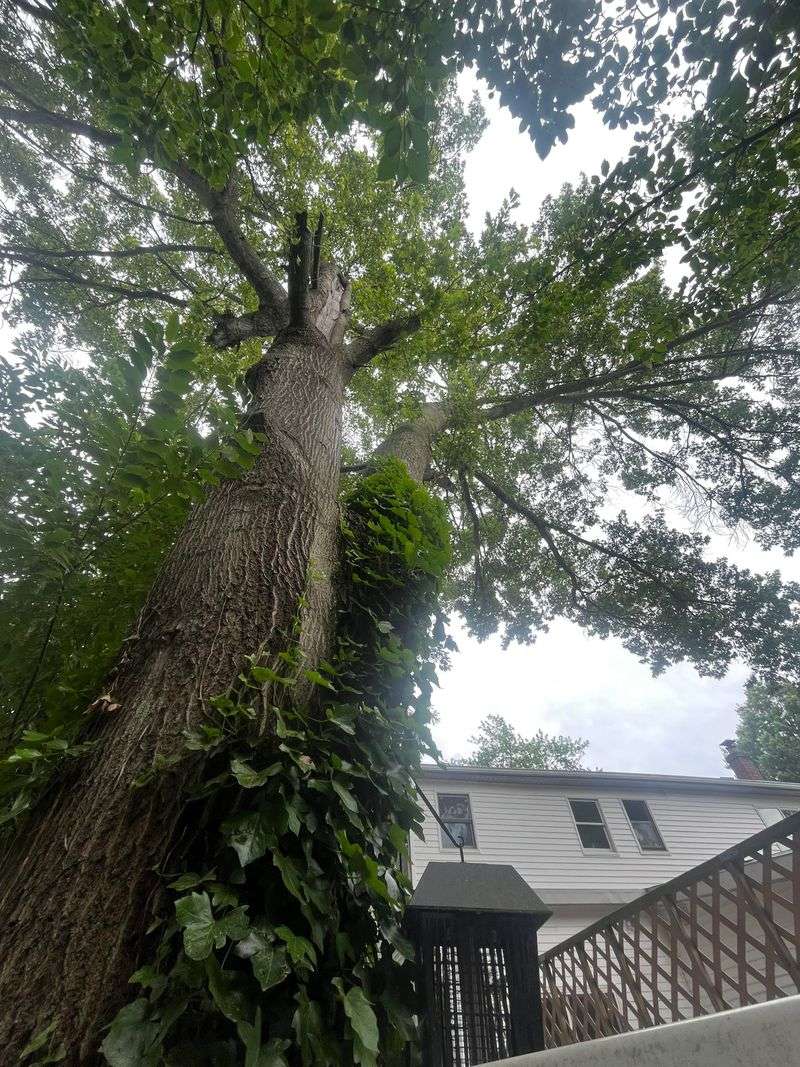
Most people assume their neighbor has some kind of legal authority to demand a tree trimming. Honestly, that is rarely the case.
In most situations across Oregon, a neighbor can ask you to trim your tree, but they generally cannot legally force you to do it just because they do not like how it looks.
Property rights are taken seriously. Your tree, your rules, for the most part.
If your tree is healthy, not posing a clear danger, and sitting entirely on your land, you have the right to keep it as is.
Your neighbor’s preference for more sunlight or a cleaner view does not override your ownership rights.
That said, communication matters a lot in these situations. Many neighbor disputes over trees never reach a legal level because both parties simply talk it out.
Being open to a conversation does not mean you have to give in. It just means you are being a reasonable neighbor, which can go a long way in avoiding bigger problems later.
If a neighbor threatens legal action over a healthy tree that is not causing real harm, they would likely have a weak case. Still, it is smart to document your tree’s condition with photos and notes.
Keeping records protects you if things ever escalate beyond a friendly chat over the fence.
2. Overhanging Branches Are Different
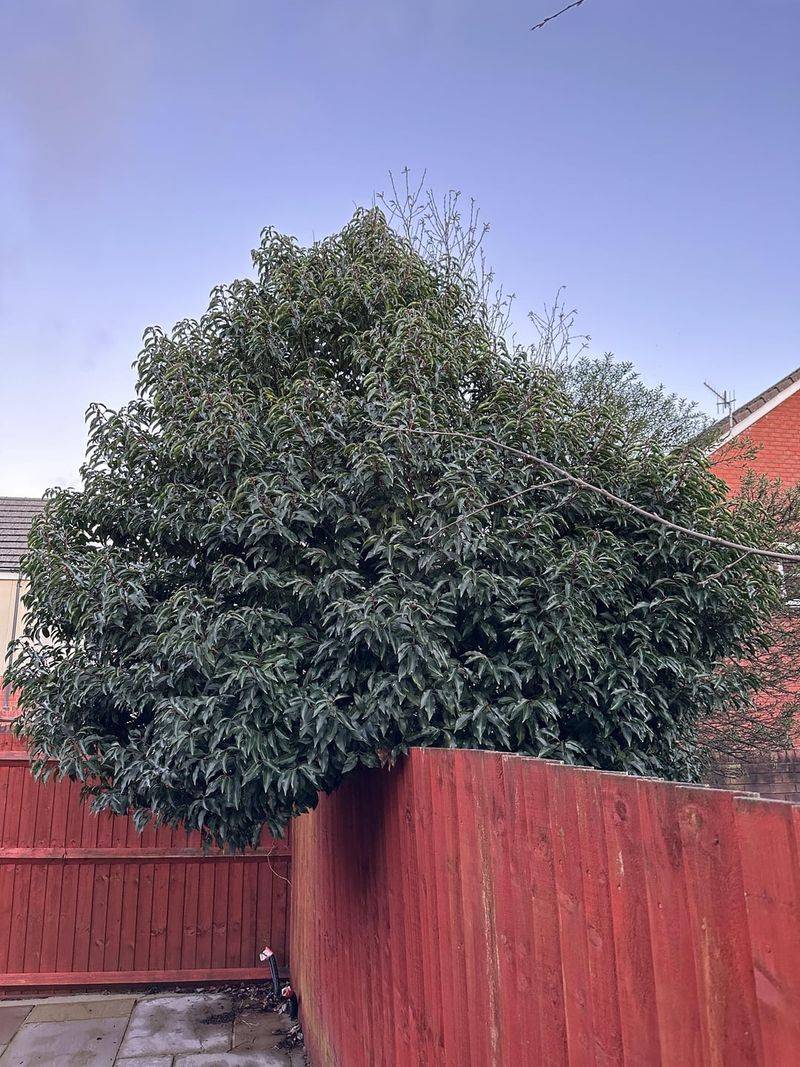
Here is where things get more interesting. Branches that hang over your neighbor’s property are treated differently under the law than the tree itself.
Even though the tree is rooted on your land, those overhanging limbs technically enter your neighbor’s airspace and yard.
Under Oregon common law, a neighbor has the right to trim branches that cross the property line, up to the boundary.
They do not need your permission to do this, as long as they only cut what is on their side.
This is a well-established legal principle that applies in most parts of the country, including Oregon.
However, your neighbor must be careful not to harm the overall health of the tree in the process.
Your Oregon Garden Changes Every Week. Your Plan Should Too.
Gardening in Oregon changes quickly throughout the season. Every Friday you’ll receive a simple weekly plan showing exactly what to plant, prune, fertilize, harvest, and protect so you never miss the right timing.
Cutting branches recklessly or too aggressively can damage the tree, and that could create a legal problem for them instead.
The right to trim stops at the property line and does not extend to doing whatever they want.
As the tree owner, you are not automatically responsible for clearing those overhanging branches yourself unless the branches are creating a specific hazard. If a branch falls and damages your neighbor’s property, liability can get complicated fast.
Talking to a local attorney or arborist early can help you understand your exact exposure and responsibilities before something goes wrong.
3. They Can Usually Trim To The Property Line
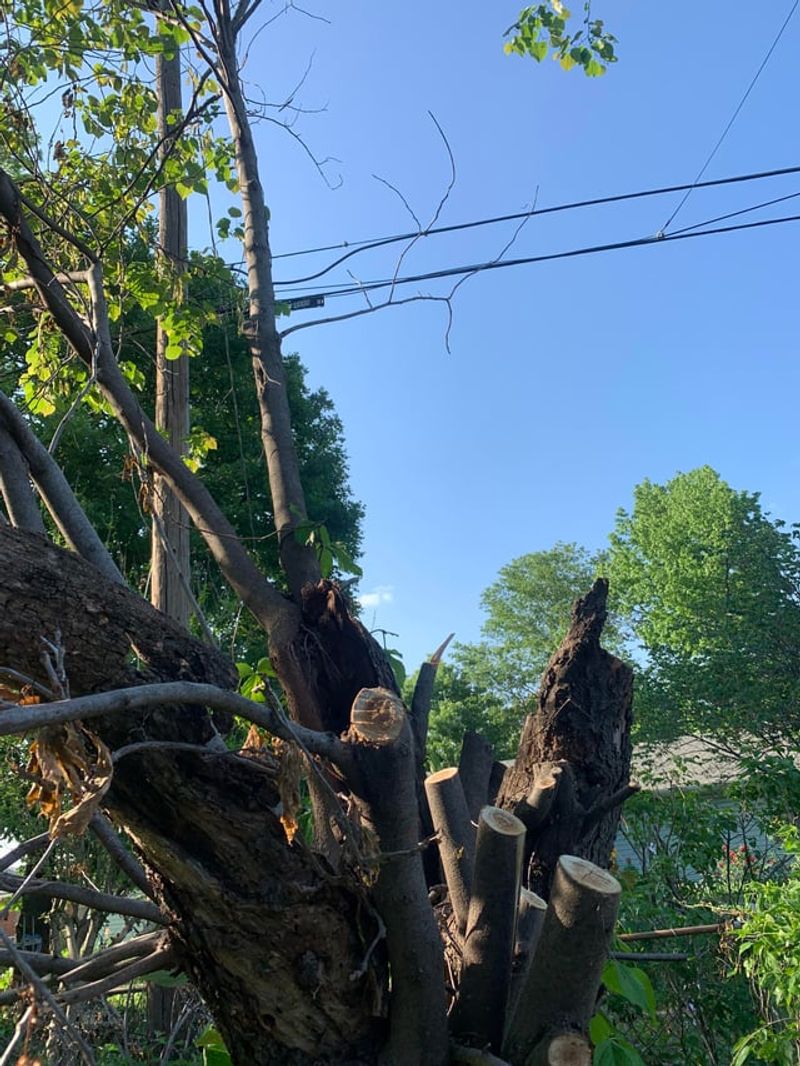
Oregon follows what is commonly called the self-help doctrine when it comes to overhanging branches.
Simply put, your neighbor has the legal right to trim branches and roots that cross onto their property, up to the boundary line. No lawsuit needed, no court order required.
This might feel frustrating if you have a tree you love. But the logic behind it is straightforward.
A person should have reasonable control over what enters their own property. If your oak tree’s branches are hanging over their fence, they can handle it themselves without waiting for you to act.
There is an important catch, though. Your neighbor must pay for the trimming themselves.
They cannot send you the bill just because the branches came from your tree. Unless local ordinances say otherwise, the cost of trimming what is on their side falls on them.
Also, they are only allowed to trim up to the property line, not beyond it. Cutting branches on your side of the line without permission could be considered trespassing or property damage.
If they come onto your land to trim without your approval, that is a different legal situation entirely. Always be clear about where the property line actually sits.
Getting a survey done can prevent a lot of arguments and protect both sides from making costly mistakes on either end of the fence.
4. They Cannot Damage Your Tree
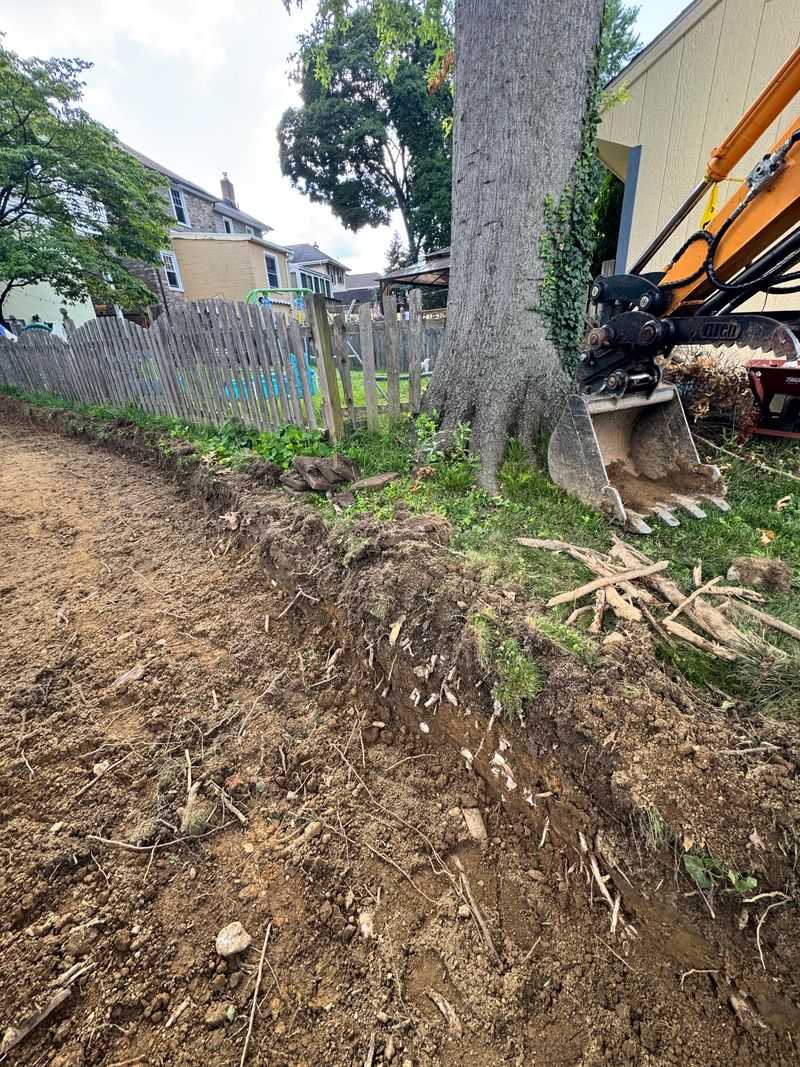
Even though neighbors have the right to trim branches on their side, that right comes with clear limits.
One of the most important rules is this: your neighbor cannot take any action that seriously harms or destroys your tree. Doing so could make them legally liable for the full value of the tree.
Oregon courts have recognized that trees can have significant monetary and aesthetic value.
If a neighbor’s trimming goes too far and causes major damage, the tree owner may have grounds to sue for damages.
In some cases, courts have awarded replacement costs, which can be surprisingly high for mature trees.
Pouring chemicals near the roots, cutting the trunk, or stripping the tree of so many branches that it cannot survive, these actions cross the line from legal trimming into property damage.
Even if your neighbor claims they were just exercising their right to trim, going beyond reasonable pruning is not protected behavior.
If you suspect your neighbor has harmed your tree on purpose, document everything right away. Take photos, note dates, and contact a certified arborist to assess the damage professionally.
Having an expert evaluate the tree gives you solid evidence if you need to pursue a legal claim.
Protecting your tree starts with knowing that the law does not give your neighbor unlimited power just because some branches cross a line.
5. Hazardous Trees Change The Conversation
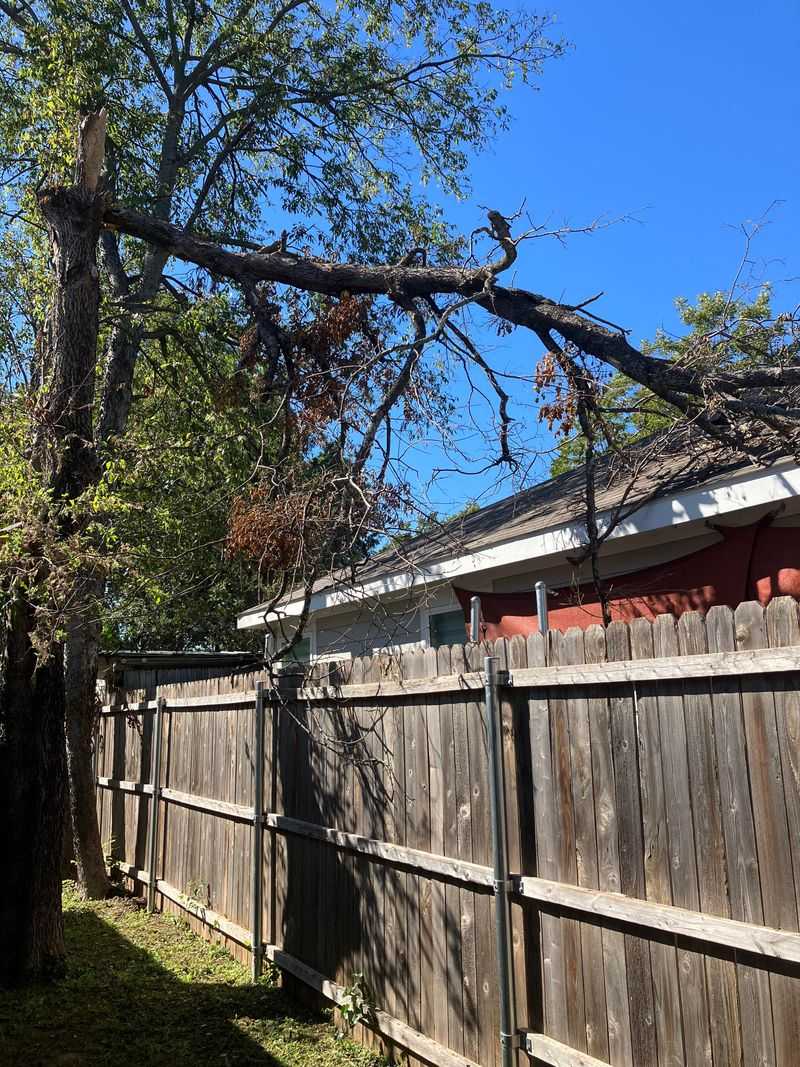
A healthy tree and a hazardous tree are treated very differently under the law. When a tree poses a genuine risk of causing harm, your neighbor’s ability to push for action becomes much stronger. At that point, the conversation shifts from preference to safety.
If your tree has damaged limbs hanging over your neighbor’s house, or if the trunk shows serious signs of decay, your neighbor has a legitimate reason to be concerned.
More than that, they may have legal standing to demand action or even report the situation to local code enforcement or the city.
In some cases, if you are notified that your tree is hazardous and you do nothing, you could be held liable if it falls and causes damage. Receiving a written notice from a neighbor about a dangerous tree creates a paper trail.
Ignoring that notice can seriously hurt your legal position later.
The smartest move is to have a certified arborist inspect any tree that someone has raised concerns about. If the arborist finds it is healthy, you have professional documentation backing you up.
If they find a real problem, addressing it early is far better than dealing with the legal and financial fallout of a fallen tree.
Safety concerns are the one area where your neighbor’s voice carries the most legal weight, and taking that seriously is just good sense.
6. A Certified Arborist Report Carries Weight
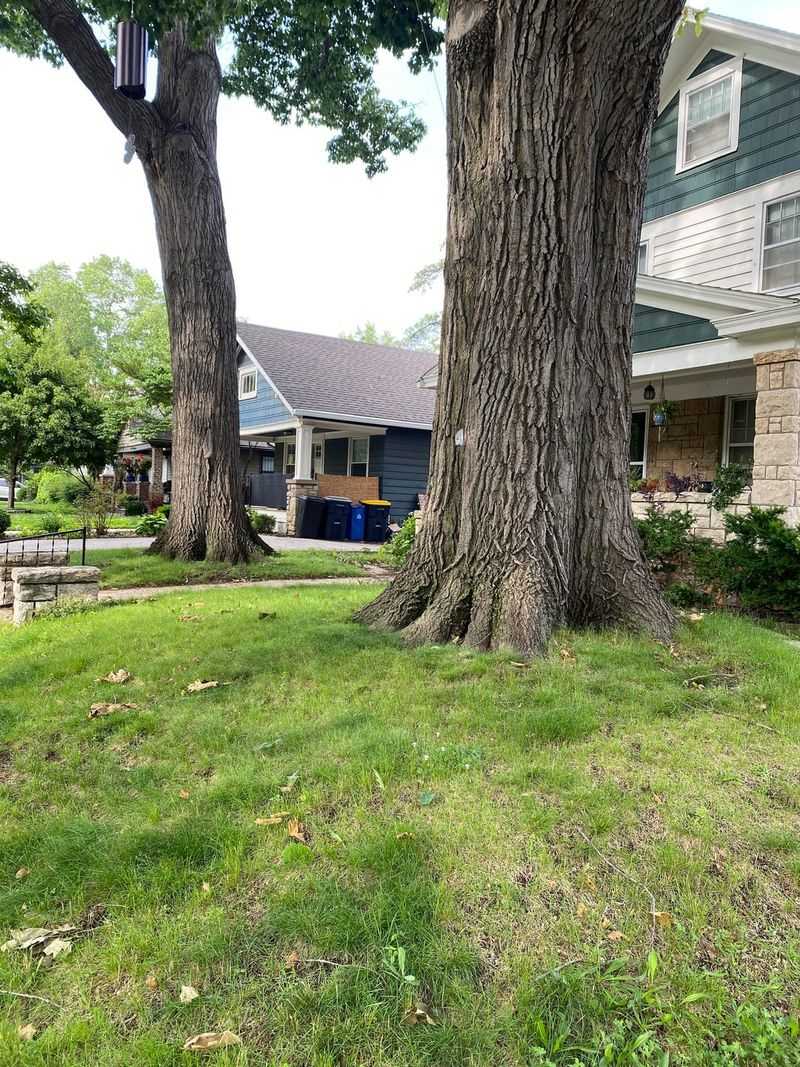
When tree disputes get serious, a certified arborist report can be one of your most powerful tools.
An arborist is a trained tree professional who can assess a tree’s health, stability, and risk level with real authority.
Their written findings carry weight with neighbors, local officials, and courts alike.
Getting an arborist report is especially smart when a neighbor is claiming your tree is dangerous.
If the report shows the tree is structurally sound and healthy, you have a professional document that directly counters their claim.
That kind of evidence is hard to argue with and can stop an escalating dispute in its tracks.
On the flip side, if the arborist finds genuine problems, you will want to know sooner rather than later.
Taking action based on a professional recommendation protects you legally and shows good faith.
Courts tend to look favorably on homeowners who took reasonable steps after being informed of a potential issue.
The cost of hiring a certified arborist is usually well worth it compared to the potential cost of a legal dispute or property damage claim.
Many arborists offer assessments for a few hundred dollars, which is a small price for peace of mind.
Look for someone with ISA certification, which stands for the International Society of Arboriculture. That credential signals real training and professional standards you can count on.
7. Local Tree Rules May Limit Pruning
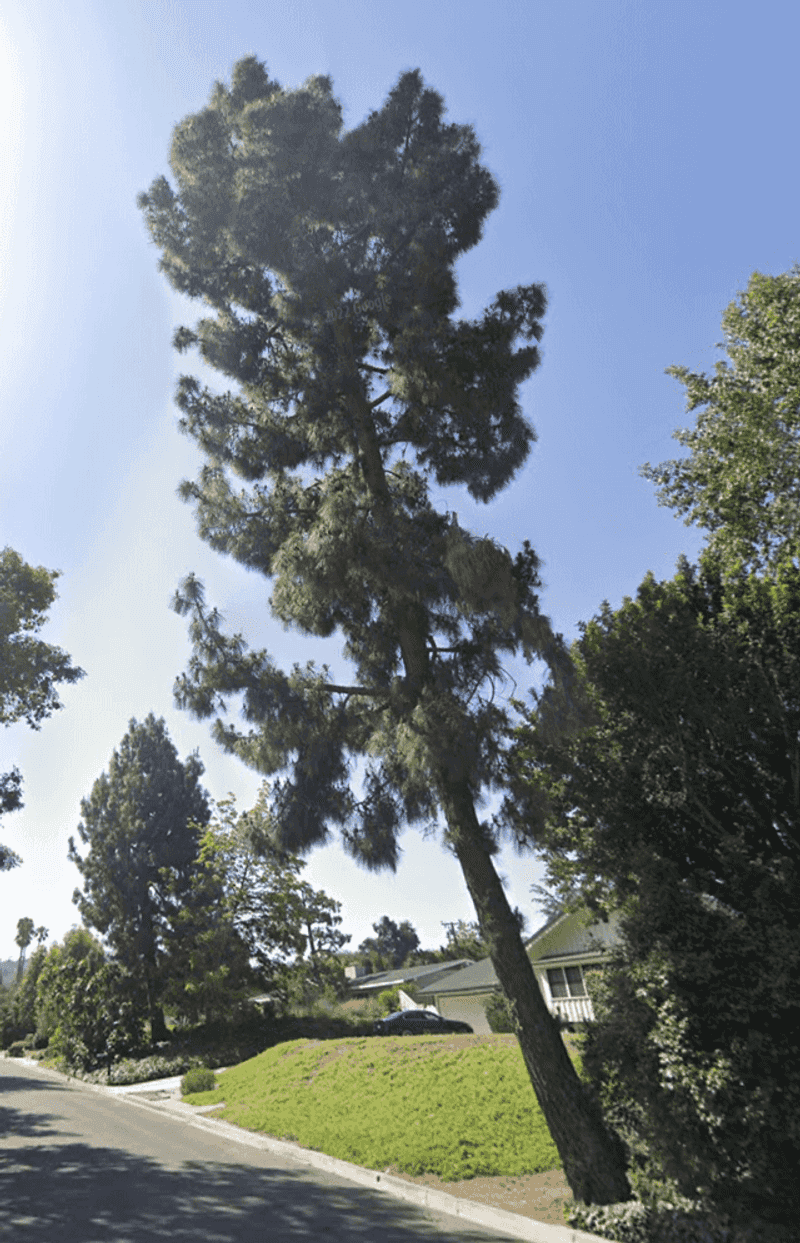
Not all tree decisions are just between you and your neighbor. Depending on where you live in Oregon, your city or county may have local tree ordinances that add another layer of rules to the situation.
These laws can limit how much pruning is allowed, even on your own property.
Some cities, like Portland, have tree codes that protect certain large or heritage trees.
Under those rules, you may need a permit before making significant cuts, even if the tree is entirely on your land. Ignoring these rules can result in fines that add up quickly.
Local ordinances sometimes also define what counts as a hazardous tree and what steps homeowners must take when one is identified.
If your city has a tree protection program, it is worth reading through the basic guidelines before doing any major work.
A quick call to your city’s urban forestry office can save you from an unexpected violation.
Your neighbor may also be bound by the same local rules. If they want to trim branches on their side, they may need to follow local guidelines about how much can be removed at once.
Many cities limit pruning to a certain percentage of the canopy per year to protect tree health.
Knowing your local rules gives you a stronger position in any dispute and helps you have a more informed conversation with your neighbor.
8. Street Trees May Need A Permit
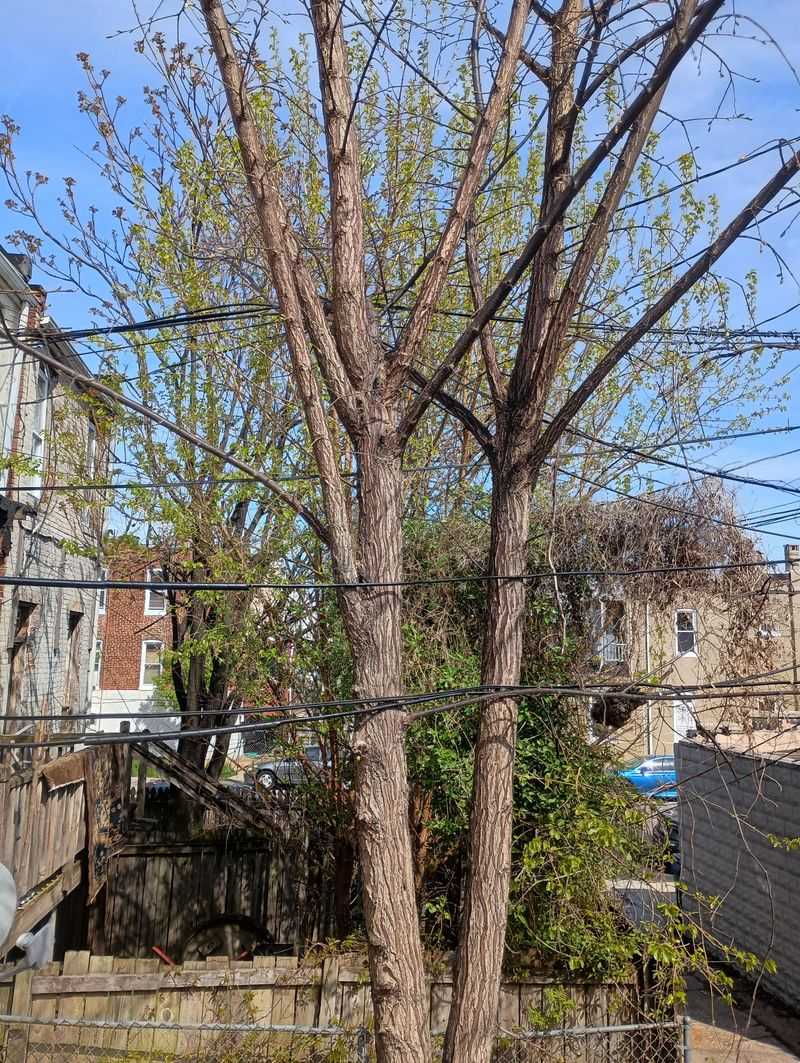
Street trees are a special category that surprises a lot of homeowners. Even if a tree sits in the strip of land between your sidewalk and the street, it may not actually be yours to trim freely.
In many Oregon cities, those trees are considered public property and fall under city jurisdiction.
Portland, for example, has a well-known street tree program managed by Portland Parks and Recreation.
Trimming, removing, or significantly altering a street tree without a permit can result in serious fines.
Even if the tree is causing problems for you or your neighbor, you cannot just go ahead and cut it without city approval.
If a street tree is the source of a neighbor dispute, the first call should be to your city’s urban forestry department, not to a tree service.
The city is responsible for maintaining those trees, and reporting a concern through the right channel is the correct approach.
Trying to handle it yourself can backfire legally and financially.
This is also relevant if your neighbor is pressuring you to trim a street tree near your home. You may not even have the authority to do so without a permit, which actually protects you in that situation.
Letting your neighbor know the city controls that tree can quickly redirect the conversation to the right place.
Always check with your local municipality before touching any tree near a public right-of-way.