Do Bird Feeders Attract Rats In Florida (What Actually Causes The Problem)
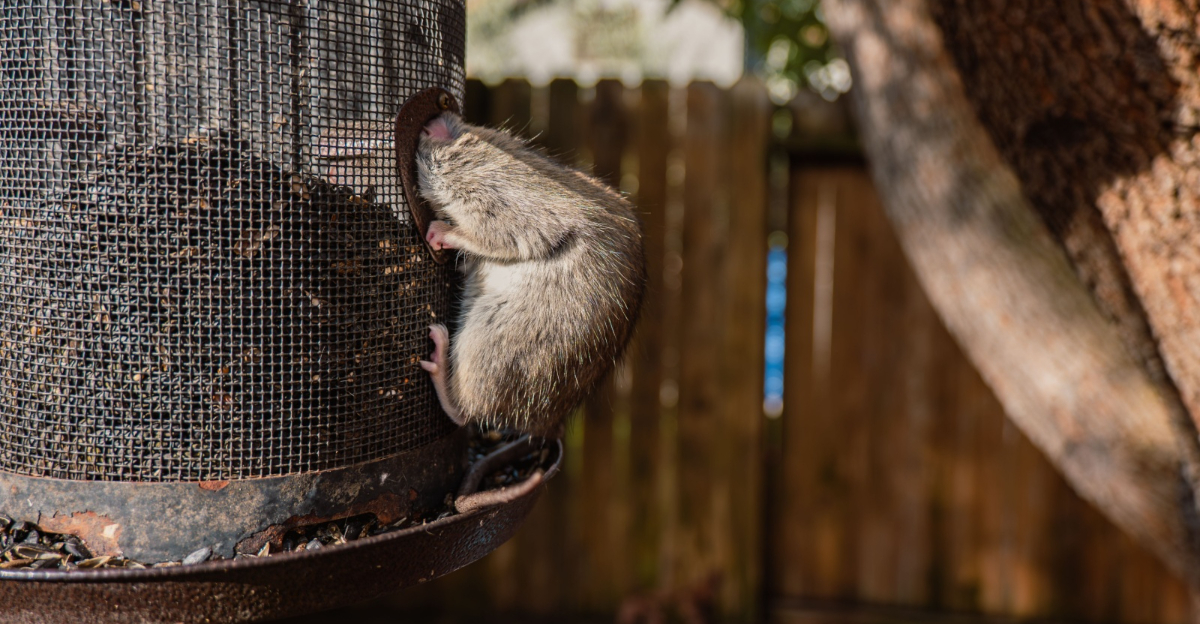
You put up a bird feeder to enjoy songbirds, not to invite trouble. Then one night, you hear it. Scratching near the fence. Rustling under the feeder.
Something moving where it should not be.
Many Florida homeowners face this moment and ask the same question: did the bird feeder bring rats into the yard?
The situation can feel unsettling, especially when activity grows after dark and signs start to appear around feeding areas.
Left unchecked, a small problem can turn into a stubborn one. The good news is you can still feed birds without feeding rats.
Once you understand what truly draws them in, you can protect your yard, your feeder, and your peace of mind with a few smart changes.
1. Bird Feeders Alone Do Not Create Rat Problems
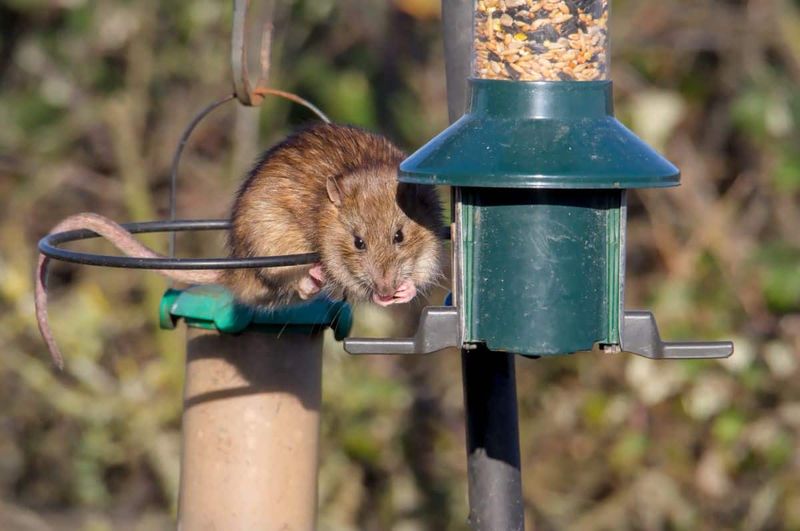
A hanging feeder by itself does not invite rodents into your space. What matters most is how you manage the food and the area around it.
Rats need consistent food sources, shelter, and water to establish themselves in any location.
When feeders are kept clean and seed waste is controlled, rodents have no reason to visit. They move through neighborhoods looking for easy meals and safe hiding spots.
Without those conditions, they simply pass by without stopping.
Florida yards often have dense vegetation, sheds, and outdoor storage that can provide shelter. Combining those hiding places with available food creates the perfect setup for rodent activity.
Remove one part of that equation and the risk drops significantly.
Feeders designed to minimize spillage and placed in open areas work well. Choosing the right equipment and keeping the ground clear makes all the difference.
Many Florida bird lovers feed successfully for years without ever seeing a single rat because they follow basic prevention steps from the start.
2. Spilled Seed Is The Real Attraction
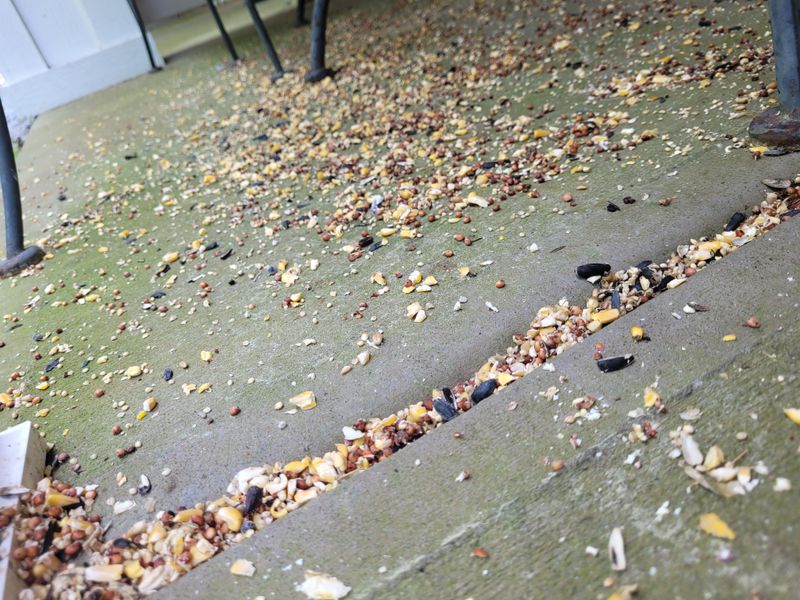
Seed that falls to the ground becomes an open buffet for any animal passing through. Birds naturally kick and scatter food while feeding, and some feeders drop more than others.
Over time, this buildup creates a reliable food source that rodents quickly discover.
Rats have excellent memories and will return to places where they find food regularly. Even small amounts of spilled seed can sustain multiple rodents over weeks.
Once they learn your yard provides meals, they visit nightly and bring others along.
In Florida’s humid environment, seed can also rot or attract insects when left on the ground. This adds another layer of problems beyond just rodents.
Moldy seed poses health risks to birds and creates unpleasant conditions in your yard.
Using trays or platforms under feeders catches most of what falls. Sweeping or raking the area weekly removes leftovers before they accumulate.
Switching to no-waste seed blends reduces hulls and rejected pieces. These simple habits eliminate the main reason rodents show up in the first place and keep your feeding area truly clean year-round.
3. Ground Feeding Encourages Unwanted Visitors
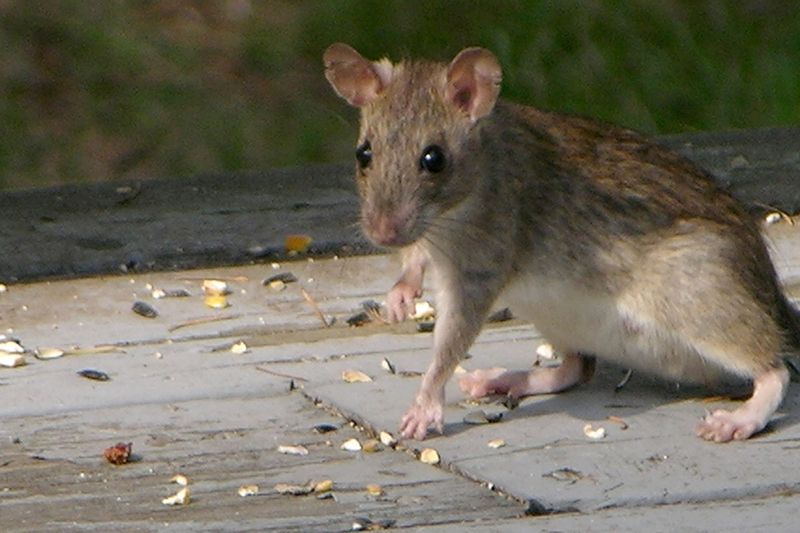
Seed sitting on soil, mulch, or grass gives rodents exactly what they prefer. They feel safer feeding at ground level where they can quickly dart into cover if threatened.
Open piles of food allow them to eat comfortably without climbing or exposing themselves.
Nighttime is when most rodent activity happens. While you sleep, rats emerge from hiding spots and feed undisturbed on anything left below your feeders.
This pattern continues silently until the problem becomes obvious.
Florida’s warm nights mean rodents stay active year-round without seasonal slowdowns. Unlike colder states where winter reduces pest activity, Florida’s mild climate allows rodent activity year-round.
Ground feeding creates a permanent invitation that never expires.
Elevating feeders and keeping the area underneath completely clear removes this advantage. Hanging feeders from poles with baffles prevents climbing.
Offering only enough food that birds consume during daylight hours eliminates leftovers for nighttime visitors. Regularly checking the ground after birds finish feeding ensures nothing remains.
When rodents find no reliable food, activity usually declines and they often move elsewhere.
4. Feeder Placement Can Make The Difference
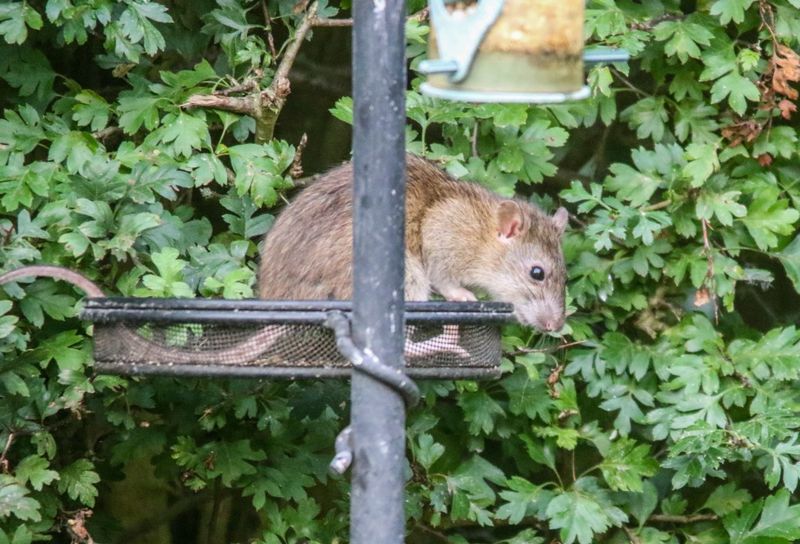
Hanging feeders right next to fences, walls, or thick bushes gives rodents easy pathways and nearby hiding spots. Rats are excellent climbers and can scale wood, brick, and plants without difficulty.
Placing feeders near these structures creates convenient access that defeats most prevention efforts.
Distance matters more than most people realize. Feeders should hang at least six feet away from anything rodents can climb.
This gap forces them to work much harder and exposes them in open space where they feel vulnerable.
Dense plantings around feeding areas provide perfect daytime shelter. Rats rest in cool, hidden spots during the day and emerge at night to feed.
Trimming back overgrown shrubs and keeping ground cover thinned reduces hiding opportunities significantly.
In Florida yards, palms, ornamental grasses, and tropical plants can create thick cover quickly. Regular landscape maintenance keeps these plants from becoming rodent highways.
Positioning feeders in open lawn areas away from structures makes your setup far less attractive. Using smooth metal poles with baffles adds another barrier.
When rodents cannot easily reach feeders or find nearby shelter, they abandon the location and search elsewhere for simpler meals.
5. Certain Seeds Attract Rodents More Than Others
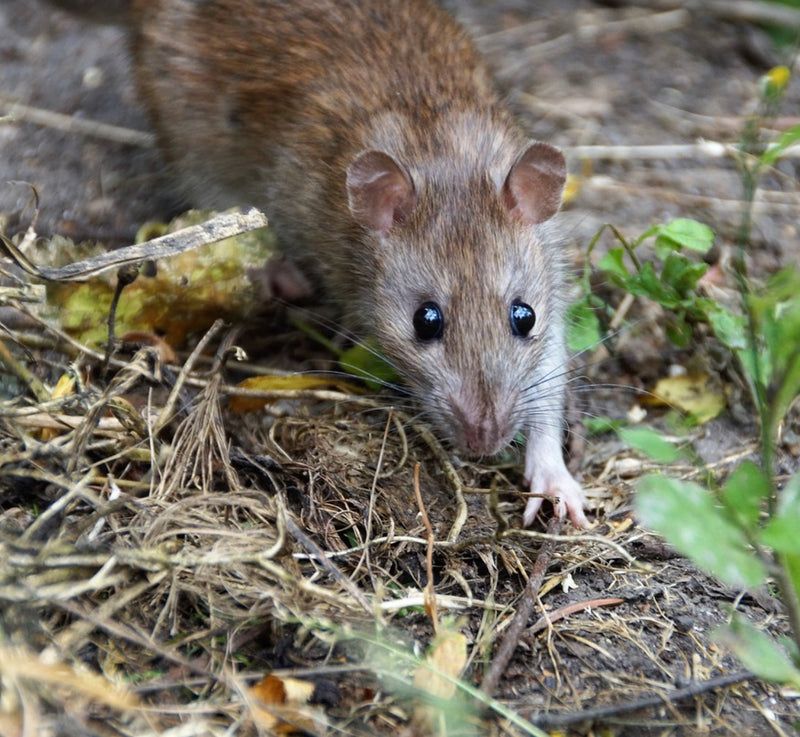
High-calorie foods like sunflower, peanuts, and corn often attract rodents because they provide dense energy. These seeds contain high oil and protein content that rats find irresistible.
Offering these types guarantees more spillage and stronger rodent interest compared to other options.
Many common seed mixes include fillers that birds reject and kick out of feeders. Milo, wheat, and cracked corn often end up on the ground untouched by birds but eagerly eaten by rodents.
Cheap mixes create more waste and bigger problems.
Switching to seeds birds actually prefer reduces ground waste dramatically. Nyjer, safflower, and shelled sunflower hearts produce fewer hulls and less mess.
These choices cost more upfront but save money and trouble by preventing rodent issues.
Florida bird species like cardinals, blue jays, and woodpeckers enjoy safflower and sunflower hearts without creating piles of debris. Offering smaller amounts of high-quality seed means birds clean up everything during daylight hours.
This approach works especially well in Florida where year-round feeding is common. Choosing the right seed types based on what local birds eat and what creates minimal waste makes prevention almost effortless while still attracting plenty of beautiful visitors.
6. Night Activity Reveals The Hidden Cause
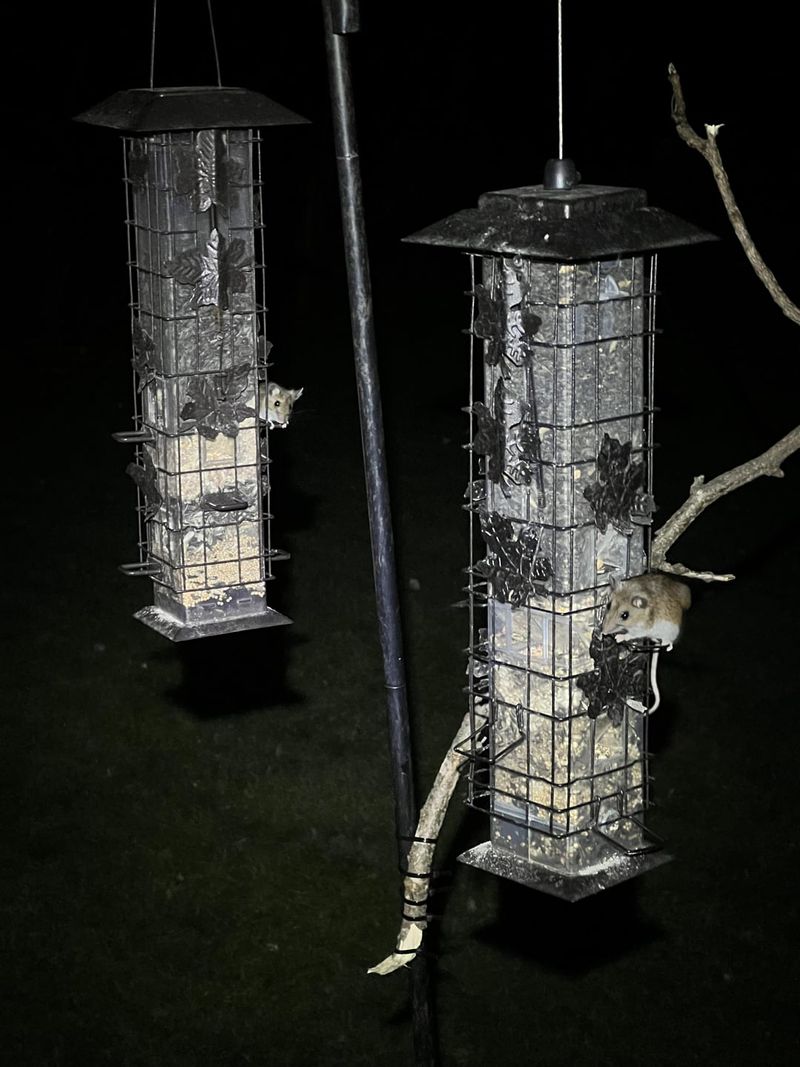
Most homeowners never see the rodents visiting their feeders. Rats are mostly nocturnal but may appear during the day if populations are high or food is scarce.
By the time you check your yard in the morning, they have already fed and returned to hiding. This invisible activity allows problems to grow unnoticed for weeks or months.
Rats have poor eyesight but excellent senses of smell and touch. They navigate easily in complete darkness using whiskers and memory.
Once they memorize a route to your feeder, they return reliably every night without hesitation.
Motion-activated lights or cameras reveal what happens while you sleep. Many Florida homeowners are shocked to discover multiple rats visiting nightly despite never seeing evidence during the day.
Droppings, gnaw marks, and greasy rub marks on surfaces provide clues even without direct sightings.
Checking your feeding area with a flashlight after dark occasionally helps you understand what is really happening. Removing food before sunset greatly reduces nighttime feeding opportunities.
Storing feeders indoors overnight works even better. When rodents arrive and find nothing available, they quickly learn your yard no longer offers meals.
Breaking this nightly routine forces them to search elsewhere and ends the hidden problem permanently.
7. Simple Changes Can Stop The Problem Fast
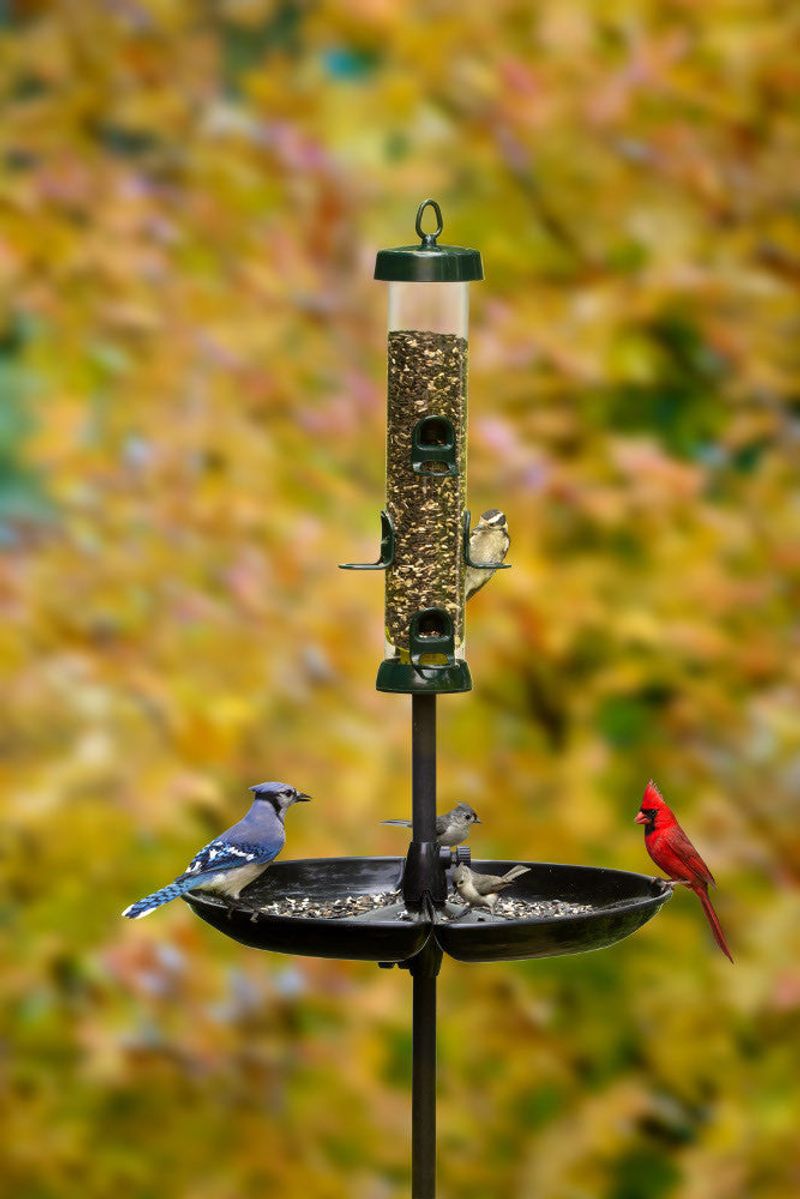
Adding a seed-catching tray under your feeder traps most spills before they hit the ground. These simple trays attach easily and make cleanup quick.
Emptying them daily takes less than a minute and removes the main food source rodents seek.
Switching to feeders designed to reduce waste makes a huge difference. Weight-activated feeders close when heavy animals land, and tube feeders with small perches limit spillage.
These designs allow birds to feed comfortably while keeping waste minimal.
Feeding only during daylight hours and bringing feeders inside at night removes food access completely after dark. This habit often reduces rodent activity significantly because it eliminates their primary feeding time.
Storing seed in sealed metal containers prevents rodents from accessing your supply indoors.
In Florida, these changes work year-round without seasonal adjustments. Combining a quality feeder, a catch tray, and controlled feeding times creates a system that supports birds without attracting pests.
Regular sweeping and keeping the area open and trimmed adds extra protection. Many people see results within days once they make these adjustments.
Rodents stop visiting when food disappears, and your yard returns to being a peaceful bird-watching spot without unwanted wildlife problems.
Feeding birds and managing your yard can easily go hand in hand. Bird feeders do not create rodent problems on their own, but careless feeding habits can invite unwanted visitors.
Keeping the area clean, limiting spilled seed, and removing easy shelter changes everything. When food disappears, rodents usually move on quickly in search of easier sources.
With the right setup, you can continue enjoying cardinals, finches, and other backyard visitors without attracting trouble. A well-managed feeder supports wildlife, keeps your space peaceful, and lets you enjoy birdwatching the way it was meant to be: calm, rewarding, and problem-free.