Do Eggshells Really Stop Slugs In Florida Gardens
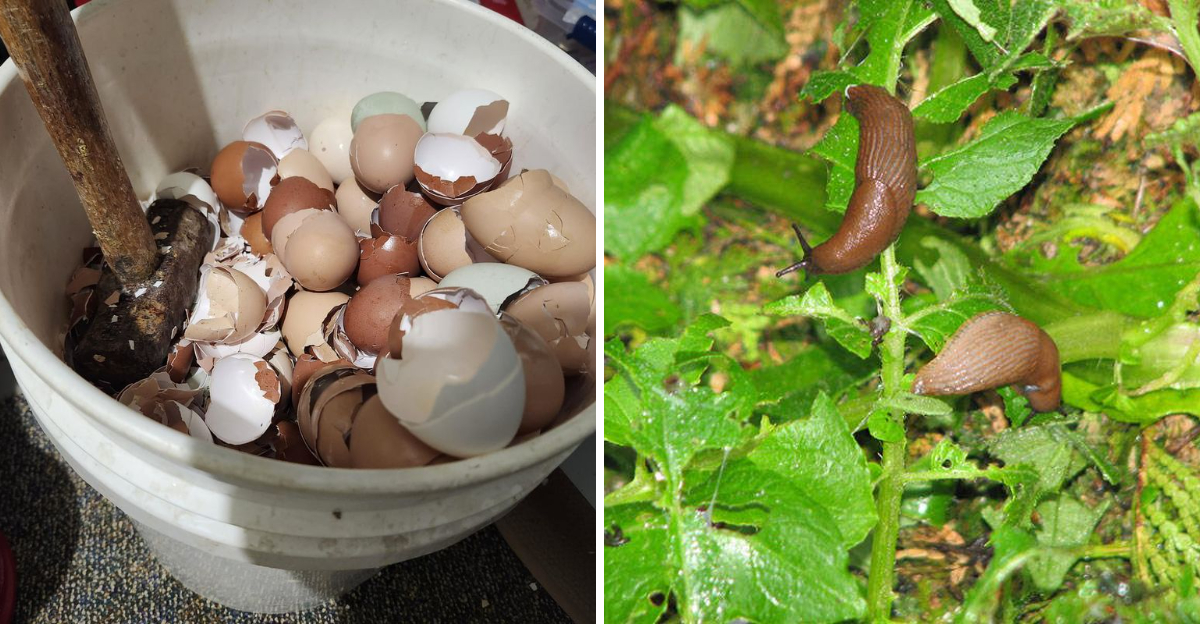
Florida gardeners swear by a simple trick passed down for years. Crush eggshells, sprinkle them around your plants, and slugs will stay far away.
It sounds smart, cheap, and perfectly natural. Garden groups, neighbors, and old advice columns keep repeating it, so it must work… right?
Yet many Florida growers still wake up to shredded leaves, slime trails, and disappearing seedlings after warm, humid nights. Something does not add up.
One small detail about slug behavior changes everything most gardeners think they know. Before you save more shells, take a closer look at what really happens in Florida gardens after dark.
1. Eggshells Sound Smart But Research Says Otherwise
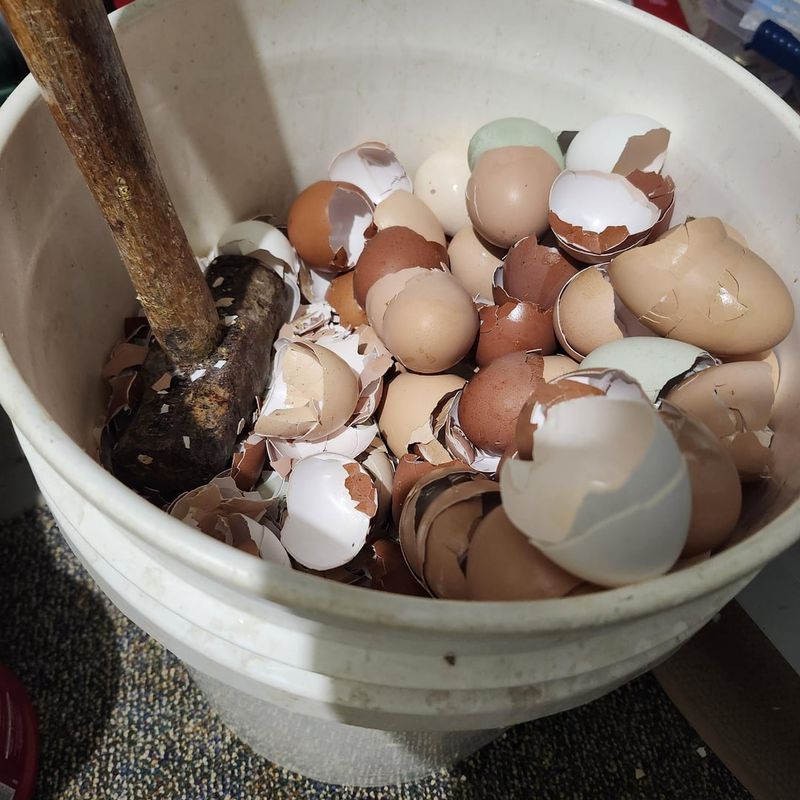
Many gardeners think they’re in advantage when they save eggshells for pest control. The logic seems solid because the sharp calcium carbonate fragments should create an uncomfortable barrier.
Recycling kitchen waste while protecting plants sounds like winning twice.
Scientists have tested this theory multiple times in controlled studies. Researchers placed slugs in containers with various barriers including crushed eggshells of different sizes.
The results consistently showed slugs crossing eggshell barriers without hesitation or visible harm.
Universities across the country have published findings that contradict the eggshell myth. Studies measured slug movement, feeding behavior, and plant damage with and without eggshell barriers.
No significant difference appeared in any category.
The calcium carbonate in eggshells does benefit soil chemistry over time. Shells slowly break down and add calcium to your garden beds.
However, this nutritional boost has nothing to do with slug deterrence.
Garden folklore often spreads faster than scientific facts. Someone tries eggshells, notices fewer slugs for unrelated reasons, and shares their success story.
The myth continues growing despite evidence showing eggshells fail as a physical barrier.
Florida gardeners waste valuable time collecting and crushing shells when simpler methods work better. Understanding why research contradicts popular advice helps you focus energy on solutions backed by actual data rather than wishful thinking.
2. Slugs Easily Cross Crushed Eggshell Barriers
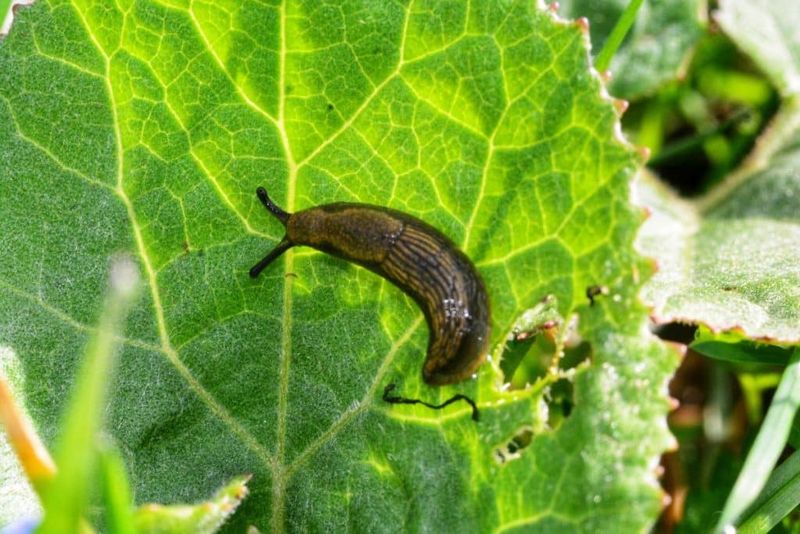
Watch a slug for just a few minutes and you’ll understand why eggshells fail. These creatures produce copious amounts of mucus that creates a protective slime layer beneath their bodies.
The mucus acts like a cushion between their soft flesh and any rough surface.
Slugs glide across razor blades in laboratory settings without injury. Their slime is that effective at protecting them.
Crushed eggshells pose far less danger than actual blades, so slugs cross them effortlessly.
The moisture that slugs need to survive actually makes eggshells less effective. Rain and irrigation soften the shells and fill the gaps between fragments.
Florida’s frequent summer thunderstorms quickly turn sharp shell edges into a mushy paste.
Slug behavior changes based on hunger levels. When food is scarce or plants smell particularly appealing, slugs will cross almost any barrier.
A ring of eggshells around your prized hosta means nothing to a hungry slug detecting delicious leaf chemicals.
Some gardeners use very finely crushed shells thinking smaller pieces work better. Unfortunately, fine particles are even easier for slugs to cross.
The slime layer bridges tiny gaps without difficulty.
Morning dew in Florida gardens adds another problem. Shells stay damp most nights, which is exactly when slugs are most active.
The combination of moisture and nighttime feeding makes eggshell barriers completely ineffective during peak slug hours.
3. What UF IFAS Says About Eggshells And Slug Control
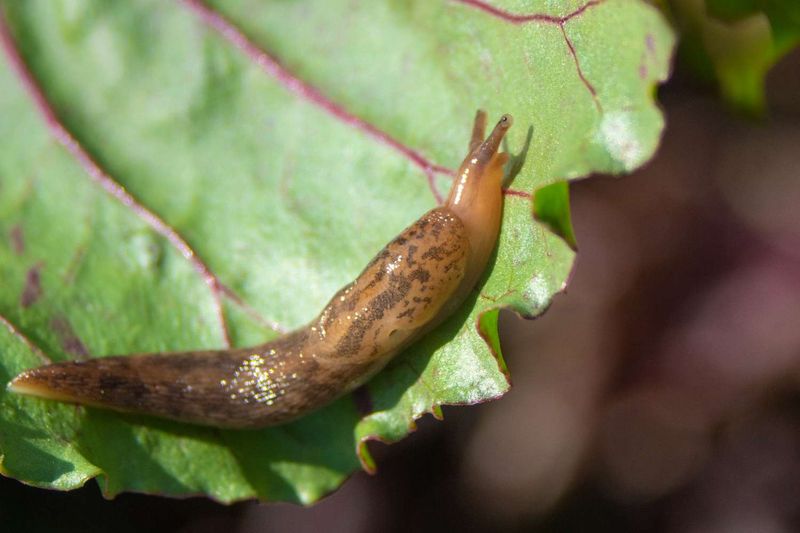
The University of Florida Institute of Food and Agricultural Sciences conducts extensive research on garden pests. Their Extension service provides science-based recommendations for Florida homeowners.
IFAS publications specifically address common garden myths including eggshell barriers.
Extension agents across Florida receive frequent questions about using eggshells for slug control. The consistent answer is that eggshells are not recommended as an effective deterrent.
Research trials at university facilities found no measurable impact on slug populations or feeding damage.
IFAS recommends focusing on proven methods instead of folk remedies. Their publications emphasize habitat modification, handpicking, and targeted baiting when necessary.
These approaches show documented results in Florida conditions.
University researchers understand that Florida’s climate presents unique challenges. High humidity and warm temperatures year-round mean slugs never truly go dormant.
Control methods must account for continuous activity rather than seasonal patterns.
The Extension service also notes that eggshells do provide calcium for soil health. Gardeners can still use them as a soil amendment without expecting pest control benefits.
Separating the nutritional value from the pest control myth helps set realistic expectations.
County Extension offices throughout Florida offer free soil testing and personalized advice. Master Gardener volunteers trained by IFAS can help identify your specific slug species and recommend appropriate control strategies.
Consulting these local experts beats relying on internet myths every time.
4. How Slugs Actually Damage Plants In Florida Gardens
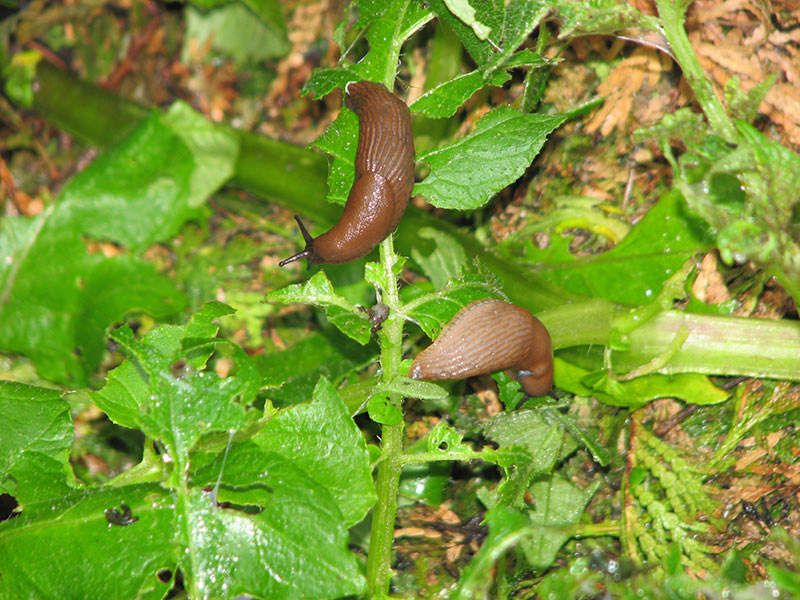
Slugs feed using a specialized tongue-like organ called a radula. This structure contains thousands of tiny teeth arranged in rows.
As slugs rasp across leaf surfaces, they scrape away plant tissue leaving characteristic irregular holes and shredded edges.
Young seedlings suffer the most severe damage from slug feeding. A single night of heavy feeding can eliminate entire rows of newly sprouted vegetables.
Lettuce, beans, and squash seedlings are particularly vulnerable during their first few weeks.
Mature plants show different damage patterns. Slugs create large ragged holes in leaves, often working from the edges inward.
They prefer tender new growth but will feed on older leaves when hungry enough.
Florida gardeners often discover damage at dawn when slime trails still glisten on leaves. These silvery mucus tracks confirm slug activity even when the pests have hidden for the day.
Following trails backward leads to daytime hiding spots.
Fruit and vegetable crops suffer cosmetic and structural damage. Slugs hollow out tomatoes, strawberries, and peppers from the inside.
They also feed on root crops like potatoes, creating entry points for rot and disease organisms.
The warm humid nights common in Florida create perfect feeding conditions. Slugs can remain active year-round rather than going dormant in winter.
This continuous pressure means gardens face slug damage during every growing season without natural breaks.
5. Moisture, Mulch And Shade Are The Real Reasons Slugs Thrive
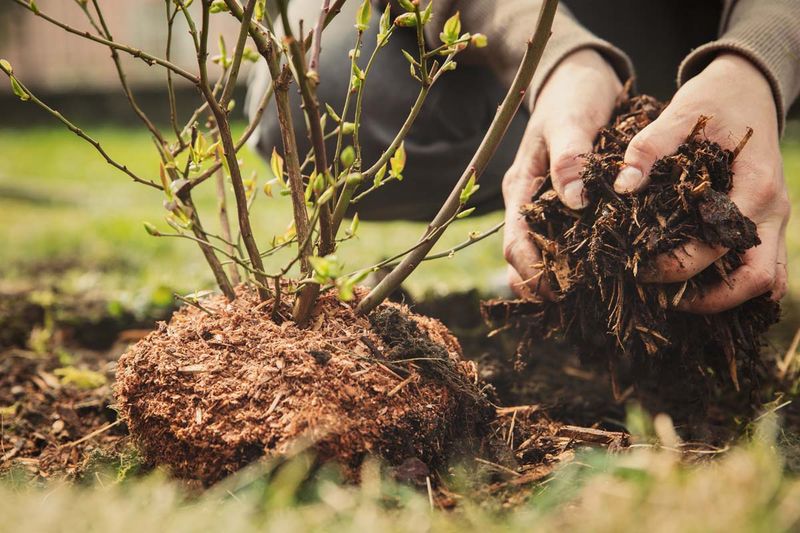
Slugs require constant moisture to survive because their bodies lack protective shells. Dehydration happens quickly in dry conditions, so they gravitate toward consistently damp areas.
Florida gardens naturally provide moisture through frequent rain, high humidity, and irrigation systems.
Organic mulches create perfect slug habitat. Wood chips, straw, and compost hold moisture while providing dark hiding places during daylight hours.
The same mulch that conserves water and suppresses weeds also shelters slug populations.
Shaded garden areas stay cooler and retain moisture longer. Dense plantings, overhanging trees, and structures create microclimates where slugs thrive.
North-facing beds and areas under decks become slug magnets in Florida landscapes.
Overwatering compounds the problem significantly. Gardens that stay soggy from excessive irrigation or poor drainage support larger slug populations.
Evening watering is particularly problematic because it provides moisture exactly when slugs become active.
Ground covers and low-growing plants trap humidity near the soil surface. Ivy, ajuga, and similar spreading plants create a perpetually damp layer where slugs hide and reproduce.
These plantings look attractive but harbor pests.
Understanding these habitat preferences helps you modify conditions. Reducing moisture, increasing air circulation, and limiting hiding places all make gardens less hospitable.
Changing the environment works better than trying to create barriers because you address the root causes rather than treating symptoms.
6. Simple Mechanical Tricks That Reduce Slug Numbers
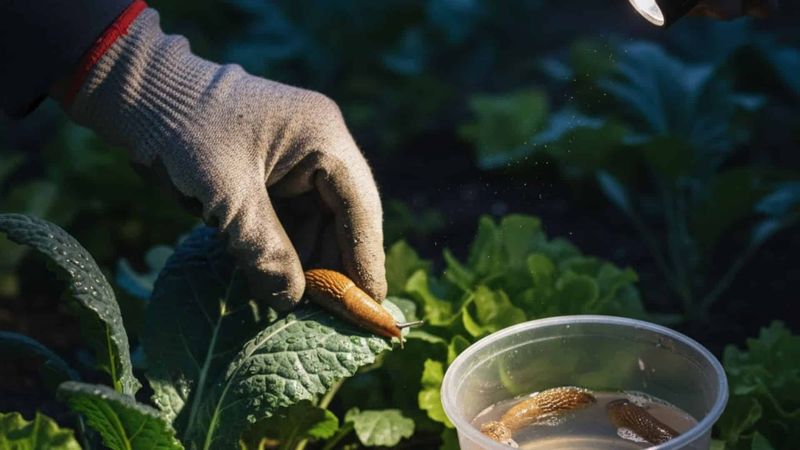
Handpicking remains one of the most effective control methods available. Going out after dark with a flashlight reveals slugs actively feeding on plants.
Dropping collected slugs into soapy water provides immediate control without chemicals.
Beer traps work through fermentation odors that attract slugs. Shallow containers filled with beer and buried to rim level catch slugs that crawl in and drown.
Empty and refill traps every few days for continued effectiveness.
Copper tape creates a genuine barrier unlike eggshells. The metal reacts with slug mucus creating an unpleasant electrical sensation.
Wrapping copper tape around container rims or raised bed edges actually stops slugs from crossing.
Diatomaceous earth provides a physical barrier when kept dry. The microscopic sharp edges of fossilized algae damage slug tissue.
However, Florida’s humidity and rain quickly reduce effectiveness, requiring frequent reapplication.
Creating dry zones around vulnerable plants helps protect them. Removing mulch in a six-inch circle around seedlings eliminates hiding spots.
The exposed soil dries faster, creating an uncomfortable zone slugs avoid.
Boards or overturned pots serve as trap shelters. Place them in garden paths where slugs hide underneath during the day.
Check traps each morning and remove the slugs you find. This method works especially well in Florida where slugs seek daytime shelter from heat and sun.
7. Cultural Changes That Make Your Garden Less Slug-Friendly
Adjusting watering schedules makes a tremendous difference. Switching to morning irrigation allows soil surfaces to dry before evening when slugs emerge.
Plants still receive adequate moisture while conditions become less favorable for pests.
Reducing mulch depth from four inches to two inches limits hiding places. Pulling mulch away from plant stems creates a dry zone around vulnerable areas.
Inorganic mulches like gravel provide less slug habitat than organic materials.
Improving drainage prevents standing water and soggy conditions. Adding compost to clay soils increases permeability.
Installing French drains or adjusting grade directs water away from planting beds.
Spacing plants properly increases air circulation and light penetration. Crowded gardens stay damp and shaded, creating ideal slug conditions.
Following recommended spacing guidelines on plant tags reduces humidity around foliage.
Removing garden debris eliminates hiding spots. Old boards, empty pots, and plant trimmings all shelter slugs during daylight.
Keeping garden edges clean and organized reduces available habitat significantly.
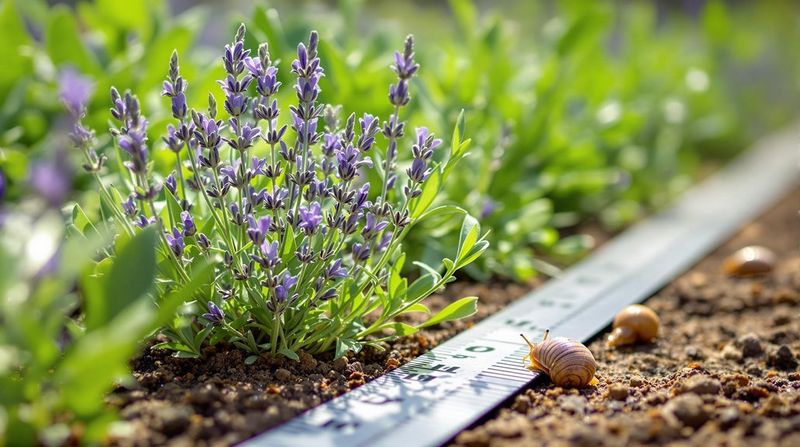
Selecting plants less attractive to slugs helps too. Herbs like rosemary, lavender, and sage rarely suffer damage.
Plants with fuzzy or tough leaves discourage feeding compared to tender leafy vegetables.
These cultural practices work together to create an environment where slugs struggle to thrive. Changing multiple factors produces better results than relying on any single method.
Florida gardeners who modify growing conditions see lasting improvements rather than temporary fixes.
8. These Work Better Than Eggshells In Florida
Iron phosphate baits provide effective control with minimal environmental impact. Nematodes offer biological control for persistent problems.
Beneficial nematode species parasitize slugs and reduce populations over time. Applying nematodes to moist soil during cool periods gives best results.
This method works well for Florida gardeners willing to invest in long-term solutions.
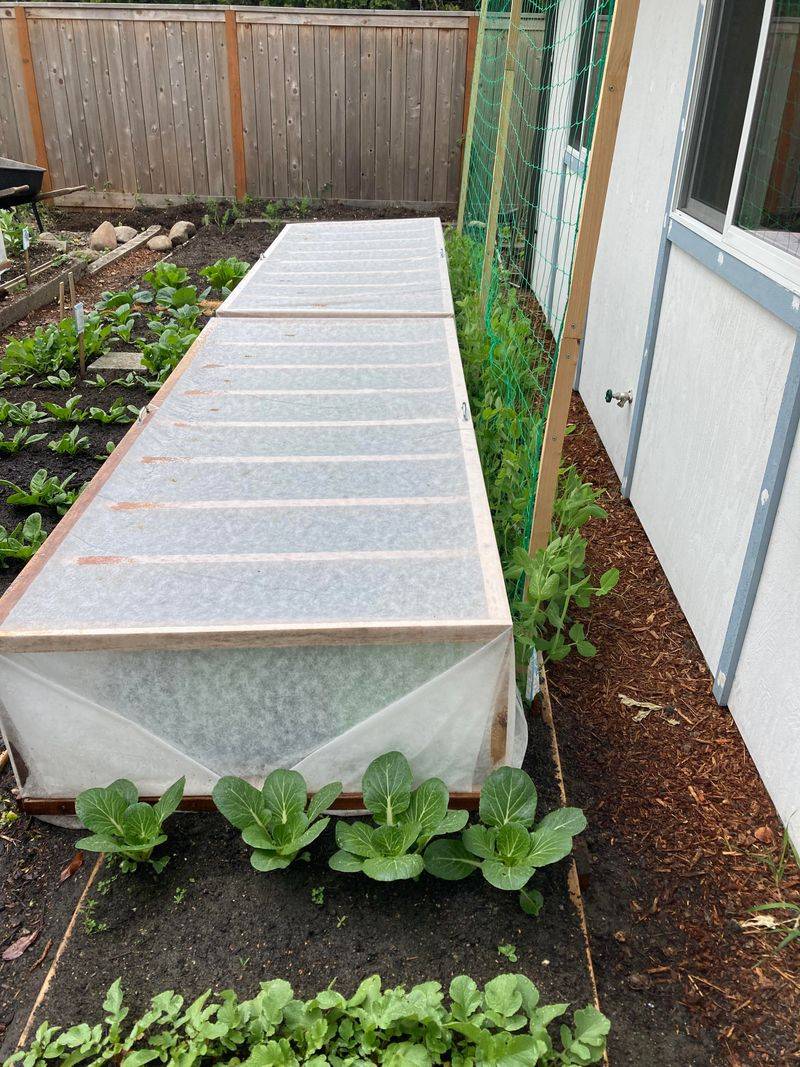
Row covers physically exclude slugs from vulnerable crops. Lightweight fabric draped over seedlings prevents access while allowing light and water through.
Securing edges with soil or stakes keeps slugs out completely. This method protects transplants during their most vulnerable stage.
Encouraging natural predators helps maintain balance. Ground beetles, toads, and garter snakes all feed on slugs.
Creating habitat for these beneficial creatures provides ongoing control. Leaving some wild areas in your landscape supports predator populations.
Raised beds with copper barriers combine multiple strategies. Elevating planting areas improves drainage and air circulation.
Adding copper strips around the perimeter creates an effective barrier. This investment pays off through reduced slug pressure year after year.
Combining several proven methods works better than any single approach. Florida’s slug-friendly climate requires persistent effort using science-based strategies.
Forget the eggshells and focus your energy on techniques that university research and experienced gardeners actually recommend.