Do Not Plant These 8 Popular Annuals In Florida Spring
Florida spring feels like a gardener’s green light. Garden centers overflow with bright annuals, hanging baskets spill with color, and it is tempting to load the cart with every bloom that catches your eye.
Mild mornings create the illusion of a long, gentle growing season ahead. That illusion does not last.
In Florida, spring flips fast. Heat surges early, humidity builds, and soil temperatures climb before many popular annuals have time to settle in.
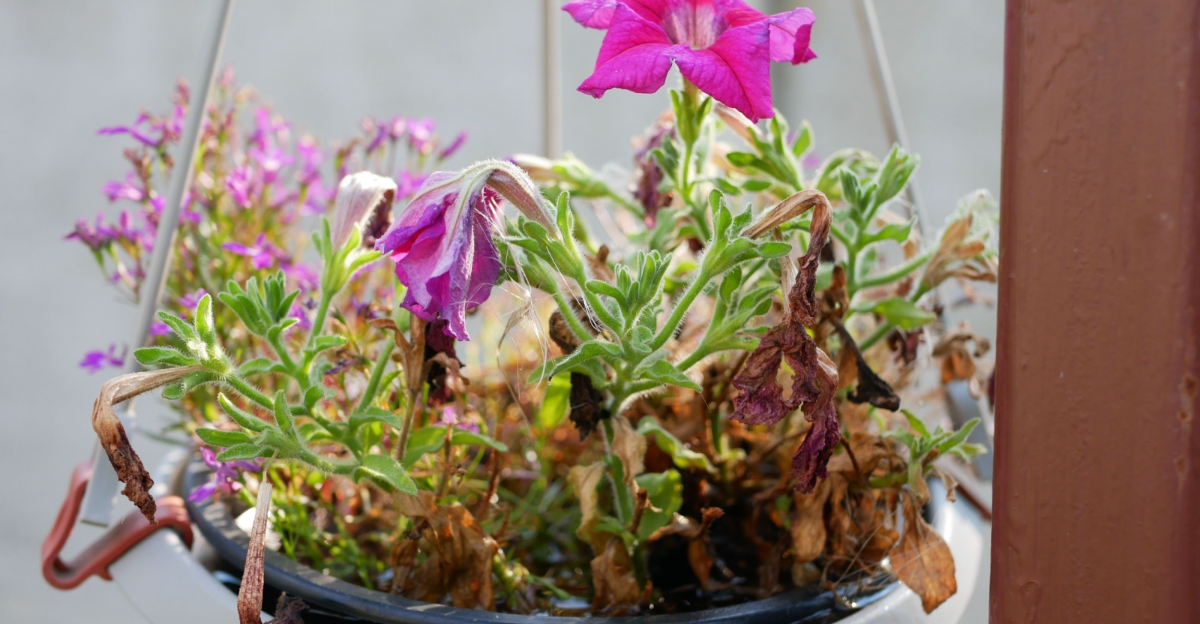
Plants that thrive in northern spring gardens can collapse within weeks under intense sun and rising moisture. Faded flowers, leggy stems, and constant replacements turn excitement into frustration.
Smart planting in Florida demands strategy, not impulse. Choosing the wrong annual now can mean wasted money and disappointing beds by May.
Before you dig and plant, know which crowd favorites struggle in Florida spring and why skipping them saves your garden from an early meltdown.
1. Skip Pansies Once Florida Spring Starts Warming Up
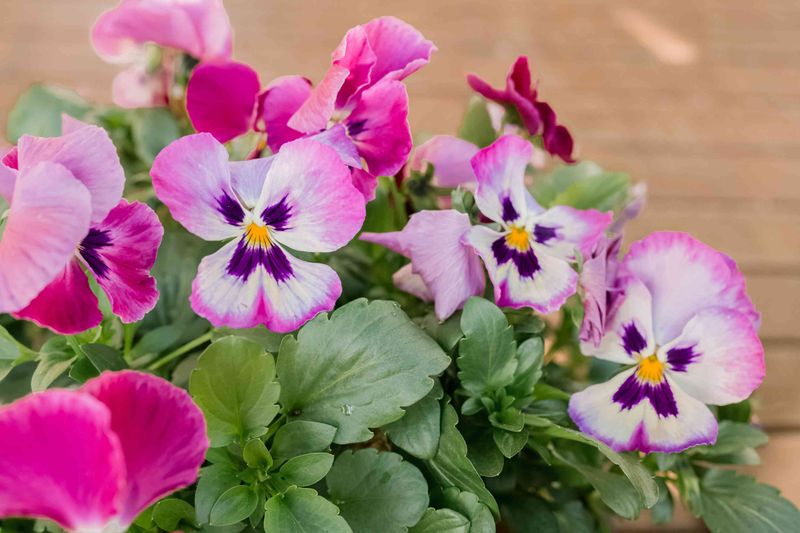
Pansies rank among the most beloved cool-season annuals nationwide, but their performance in Florida depends entirely on planting time. University of Florida IFAS Extension classifies pansies as cool-season annuals best planted between October and January statewide.
They flourish during Florida’s mild winter months, providing cheerful color when many other plants rest.
South Florida gardeners often see pansies begin declining by March as temperatures climb and humidity increases. Central Florida gets a slightly longer window, with pansies usually performing well through April before heat stress becomes visible.
North Florida offers the most generous timeline, where pansies planted in late fall can sometimes last into May if weather stays mild.
Planting pansies in spring means missing their prime performance season entirely. They need cool nights and moderate days to produce abundant blooms and maintain compact growth.
Once nighttime temperatures consistently stay above 70 degrees, pansies stretch, bloom less, and develop a stressed appearance.
For spring and summer color in Florida, consider heat-loving alternatives like pentas, torenia, or angelonia. These annuals thrive in conditions that overwhelm pansies.
Save pansy planting for fall when they can establish strong roots during cool weather and bloom beautifully throughout winter months across all Florida regions.
2. Avoid Planting Petunias As Temperatures Climb
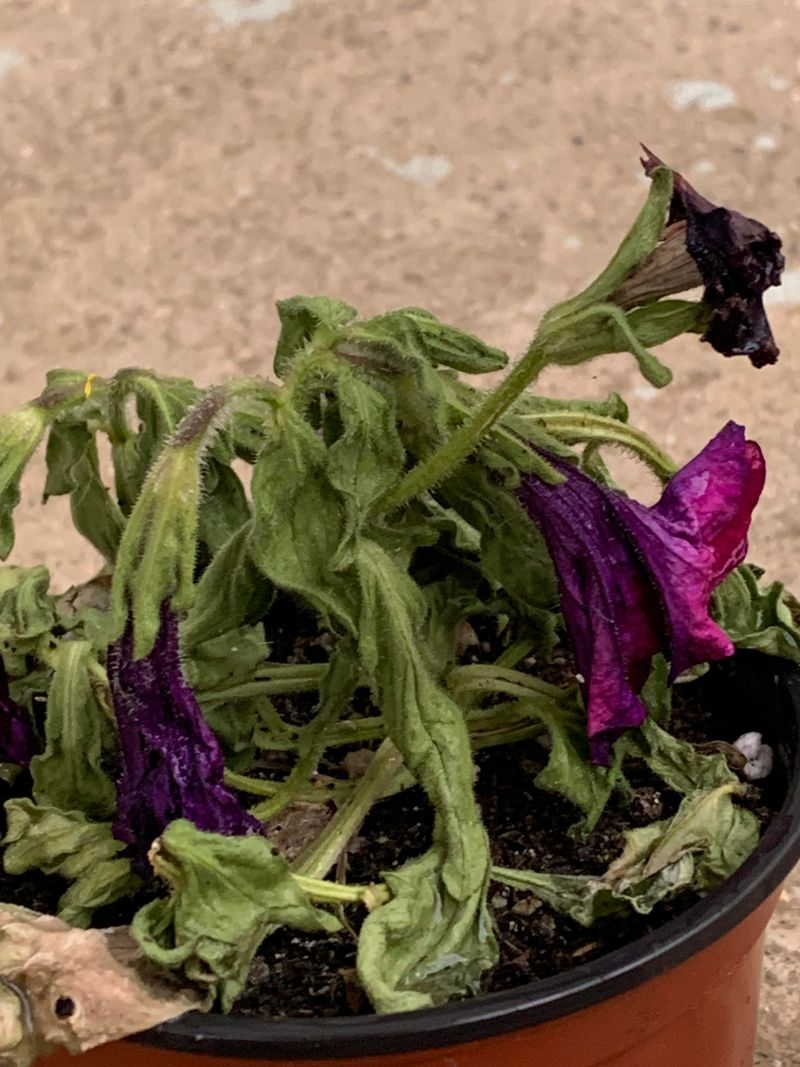
Petunias bring vibrant color to gardens nationwide, but Florida’s climate presents unique challenges for these popular annuals. Humidity proves particularly problematic for petunias, as their delicate blooms can quickly develop fungal issues when moisture levels stay high.
Heavy afternoon thunderstorms common in Florida spring and summer batter the flowers, leaving them tattered and unattractive.
According to IFAS guidelines, petunias perform best in Florida when planted from October through February. This timing allows them to establish during drier, cooler months and bloom prolifically before heat arrives.
South Florida gardeners typically see petunias decline by April, while Central Florida can enjoy them into early May. North Florida occasionally gets good performance through mid-May if planted early.
Late spring planting dramatically shortens petunia lifespan in Florida gardens. The combination of rising temperatures, increasing humidity, and frequent rain creates conditions where petunias struggle rather than thrive.
They require more maintenance, deadheading, and often develop leggy growth or stop blooming altogether.
Better warm-season choices include vinca, purslane, or lantana, which handle Florida heat and humidity with ease. These alternatives provide continuous color without the maintenance headaches petunias create when planted out of season.
Reserve petunia planting for fall to enjoy months of beautiful blooms during Florida’s most comfortable weather.
3. Do Not Add Sweet Alyssum In Late Spring Beds
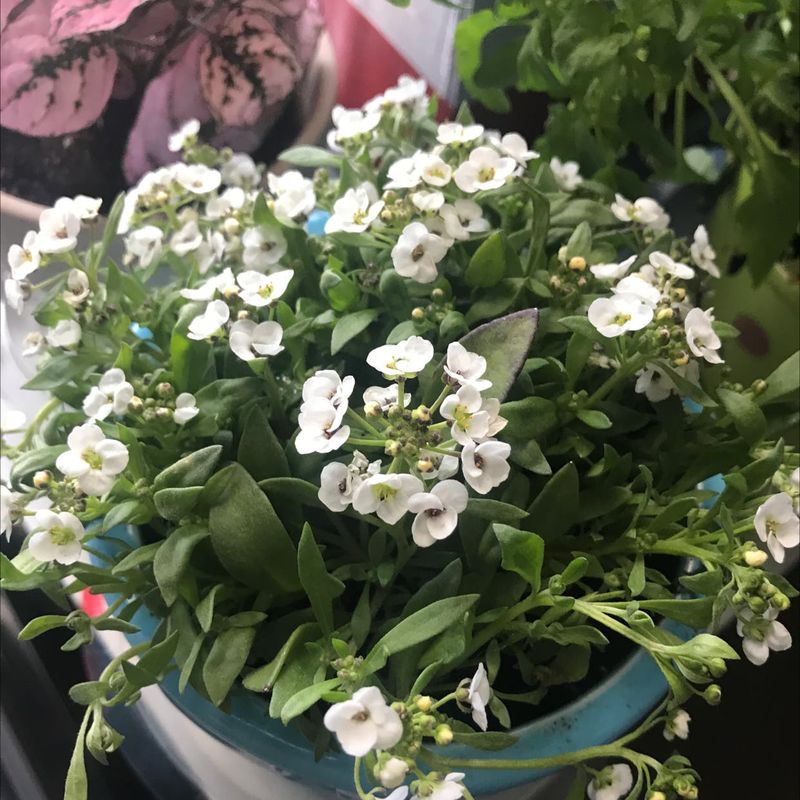
Sweet alyssum creates delicate carpets of tiny flowers that gardeners love for edging beds and filling containers. However, IFAS Extension clearly categorizes this charming annual as a cool-season performer throughout Florida.
Its fragrant blooms and low-growing habit work beautifully during fall and winter months when temperatures stay moderate.
Heat stress appears quickly in sweet alyssum once Florida temperatures rise consistently above 80 degrees. South Florida gardeners see this plant decline rapidly if planted after February, as warm conditions arrive early in the southern region.
Central Florida offers a slightly longer window, with alyssum potentially lasting into April when planted in winter. North Florida provides the best spring performance, where fall-planted alyssum sometimes continues blooming into May.
The plant’s fine texture and small leaves make it particularly vulnerable to moisture loss during hot days. Even with regular watering, sweet alyssum struggles to maintain its lush appearance once heat intensifies.
Blooming slows dramatically, and the plant often develops a sparse, stressed look rather than the full carpet effect gardeners desire.
For warm-season groundcover color, try spreading types of purslane or low-growing lantana varieties. These alternatives love Florida heat and provide reliable color through summer.
Plant sweet alyssum in October or November instead, allowing it to thrive during its preferred season and deliver months of fragrant blooms throughout winter.
4. Pass On Snapdragons As Summer Approaches
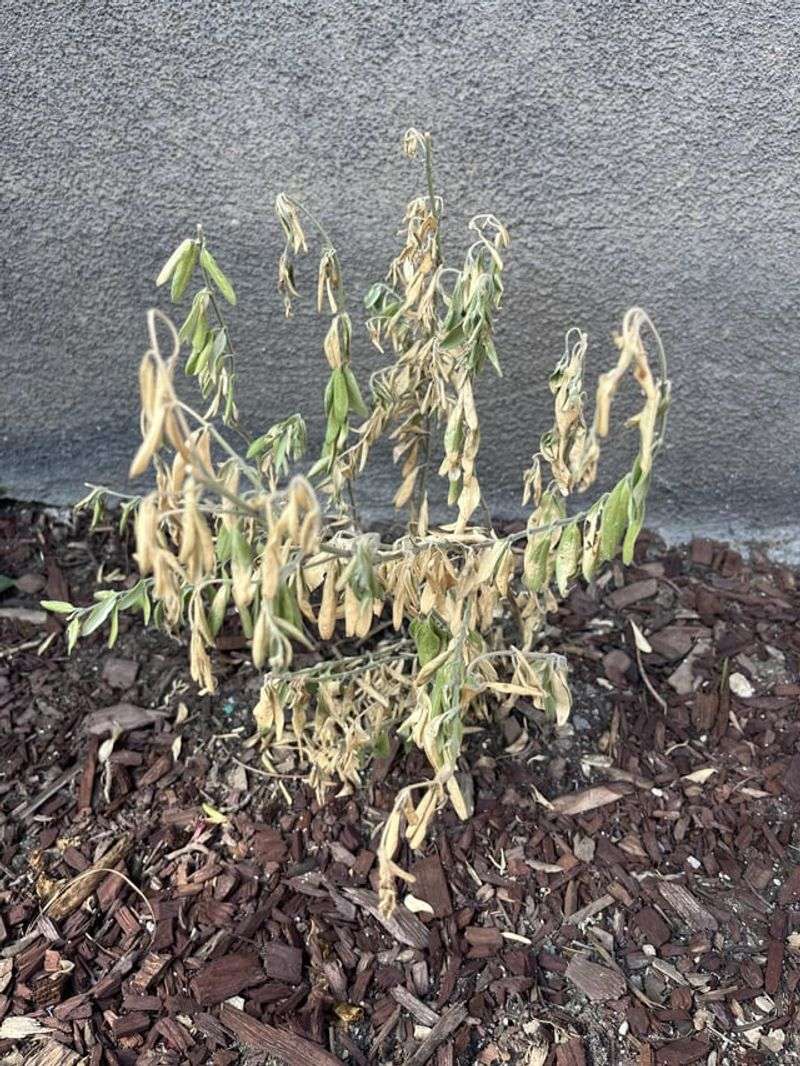
Snapdragons produce stunning vertical flower spikes that add height and drama to garden beds. Children especially love squeezing the individual blooms to make them “snap” like dragon mouths.
Despite their popularity, snapdragons perform poorly when planted during Florida spring because they need cool weather to thrive.
University of Florida IFAS Extension recommends planting snapdragons between October and January for best results statewide. They excel during Florida’s winter months, producing tall flower spikes and vibrant colors when temperatures stay mild.
Once nighttime temperatures remain consistently above 65 degrees, snapdragons rapidly decline in vigor and bloom production.
Regional timing matters significantly with snapdragons. South Florida gardeners typically see them finish their display by March as warmth increases.
Central Florida can enjoy snapdragons through April if planted early in fall. North Florida occasionally gets snapdragon performance into early May, particularly in shadier locations that stay slightly cooler.
Spring planting means snapdragons barely establish before heat causes them to stretch, stop blooming, and develop weak growth. The investment in plants and time yields disappointing results compared to fall planting.
For vertical interest during warm months, consider angelonia, celosia, or salvia, which all handle Florida heat beautifully.
Plant snapdragons in October instead, giving them the cool-season window they need to create spectacular displays throughout winter and early spring.
5. Skip Lobelia When Heat And Humidity Rise
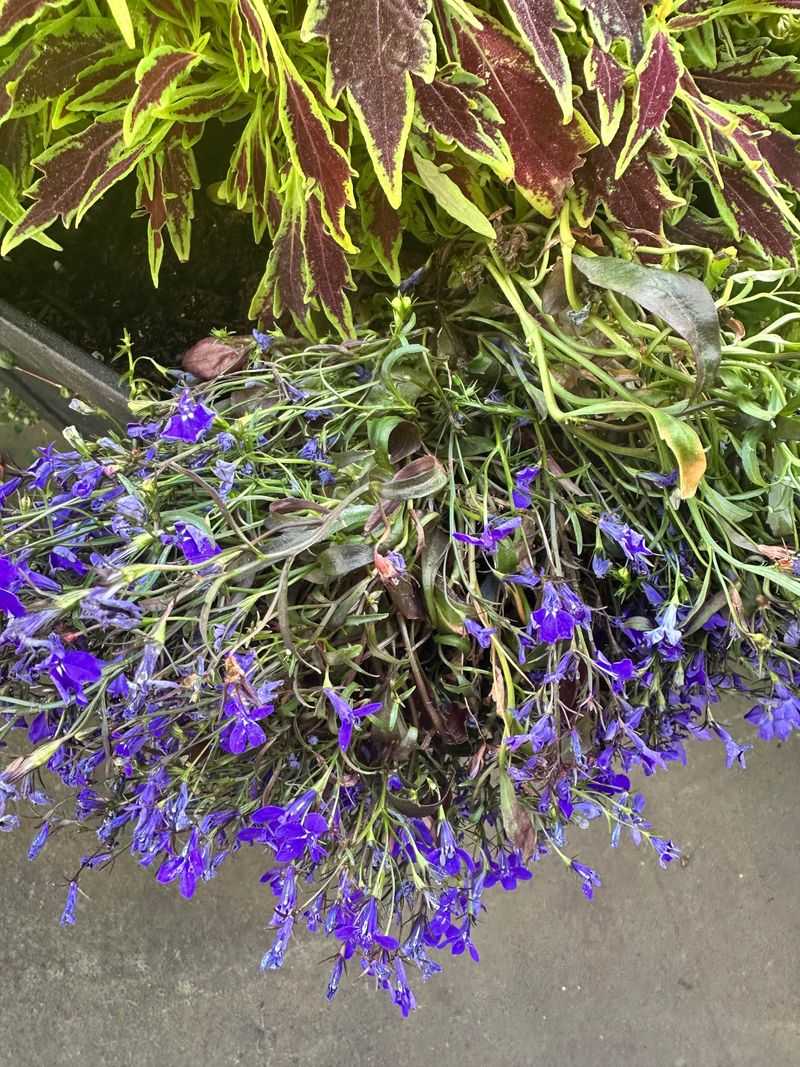
Lobelia produces cascades of small, jewel-toned flowers perfect for hanging baskets and container edges. Its trailing habit and intense blue, purple, or white blooms make it a favorite for adding color to vertical spaces.
Unfortunately, lobelia ranks among the most heat-sensitive annuals commonly sold in Florida garden centers.
This cool-season annual simply cannot tolerate sustained heat and high humidity. IFAS planting guides recommend lobelia for winter months across all Florida regions, typically planted between November and January.
The plant thrives when daytime temperatures stay below 75 degrees and nights remain cool, conditions that exist during Florida winters but disappear quickly in spring.
South Florida sees the shortest lobelia season, with plants often declining by late February or early March as heat builds. Central Florida might get performance through March if planted early and given afternoon shade.
North Florida offers the longest window, where lobelia can sometimes last into April before succumbing to warmth.
Planting lobelia in spring means watching it struggle almost immediately as temperatures climb. The plant stops blooming, develops sparse growth, and often looks stressed within weeks of planting.
For trailing color that loves Florida heat, try scaevola, trailing lantana, or sweet potato vine. These alternatives cascade beautifully and thrive in conditions that overwhelm lobelia.
Save lobelia for fall planting to enjoy its stunning winter display when weather suits its preferences perfectly.
6. Avoid Dianthus Once Days Turn Hot
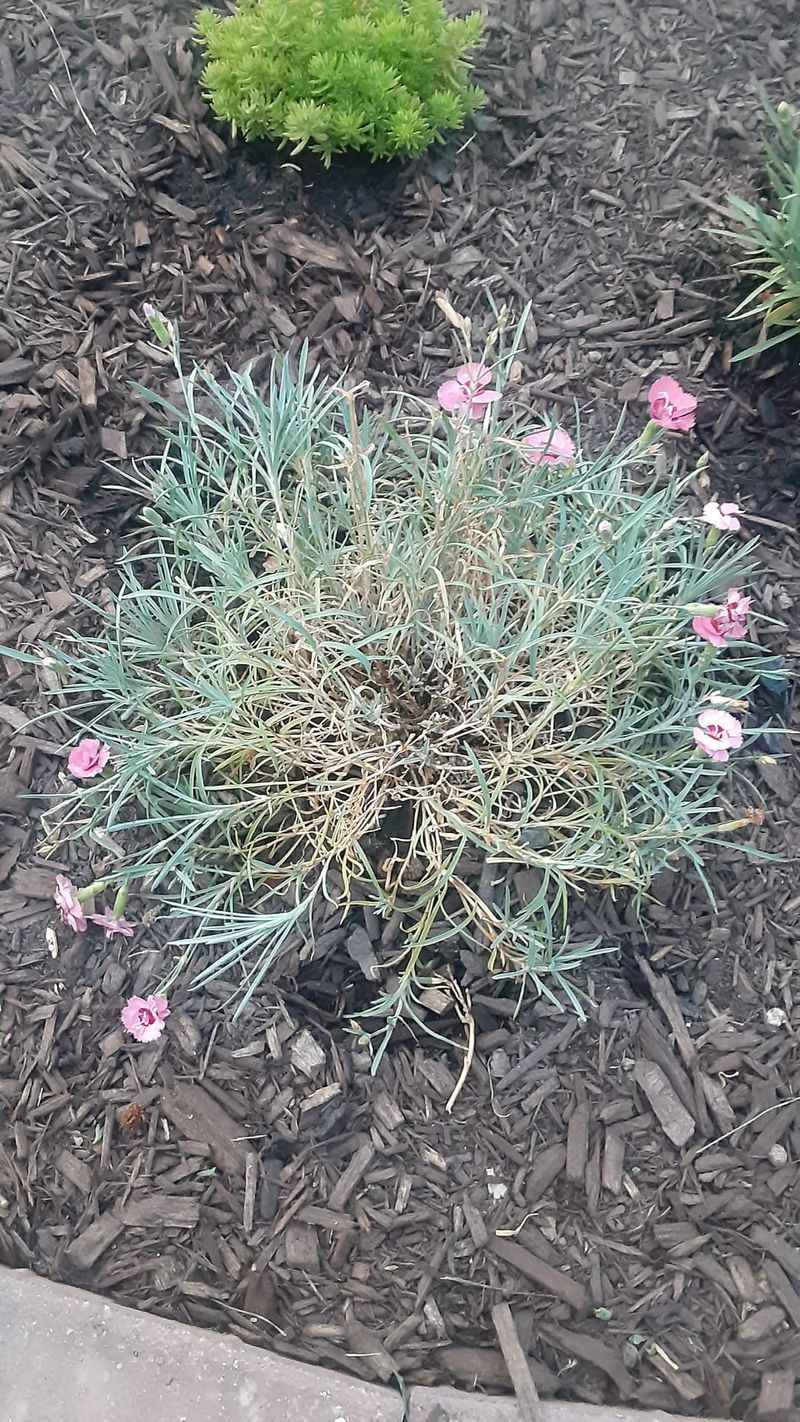
Dianthus offers frilly, often fragrant flowers in shades of pink, red, white, and bicolors. Gardeners appreciate its tidy mounding habit and the spicy-sweet scent many varieties produce.
However, University of Florida IFAS Extension clearly classifies dianthus as a cool-season annual that performs best when planted in fall rather than spring.
Cool nights and moderate days allow dianthus to produce abundant blooms and maintain compact growth. Once temperatures consistently reach the 80s during the day and stay warm at night, dianthus performance drops dramatically.
The plant blooms less, stretches, and often develops a tired appearance rather than the neat mounds gardeners expect.
South Florida rarely sees good dianthus performance after March, as heat arrives early in the southern region. Central Florida can sometimes enjoy dianthus into mid-April if planted during fall or early winter.
North Florida offers a brief early spring window where dianthus planted the previous fall might continue performing into May, especially in locations with some afternoon shade.
Spring planting means missing the entire season when dianthus looks its best. For warm-season color with a similar growth habit, consider gaillardia, gomphrena, or dwarf zinnias.
These alternatives handle Florida heat beautifully and provide continuous color through summer.
Plant dianthus in October or November instead, allowing it to establish during cool weather and bloom prolifically throughout winter when it truly shines in Florida gardens.
7. Do Not Plant Calendula For Summer Color
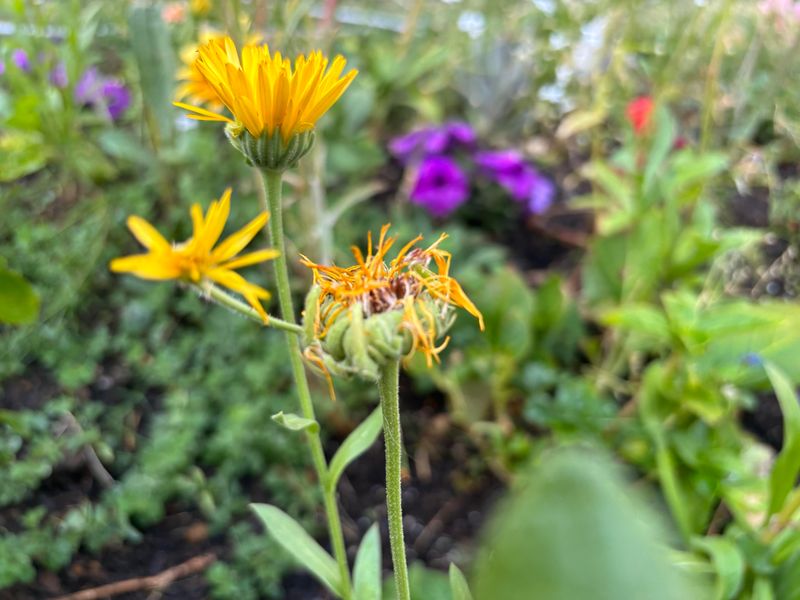
Calendula produces cheerful daisy-like flowers in warm shades of orange and yellow that brighten winter gardens. Also known as pot marigold, calendula offers edible petals that gardeners sometimes use in salads or teas.
Despite its sunny appearance, calendula strongly prefers cool weather and struggles significantly once Florida temperatures rise.
IFAS Extension guidelines recommend fall planting for calendula throughout Florida, typically between October and December. The plant blooms abundantly during cool months, producing flowers continuously when temperatures stay moderate.
As heat increases, bloom quality decreases noticeably, with flowers becoming smaller and less vibrant before the plant declines altogether.
South Florida gardeners typically see calendula finish its display by March as warmth builds. Central Florida can enjoy calendula through April if planted early in fall and given adequate water.
North Florida sometimes gets calendula performance into early May, particularly in gardens with morning sun and afternoon shade that moderates heat exposure.
Planting calendula in spring means it barely establishes before heat causes reduced blooming and overall decline. The plant invests energy in surviving rather than producing the abundant flowers gardeners expect.
For warm-season color in similar sunny shades, try marigolds, zinnias, or Mexican sunflowers, all of which thrive in Florida heat.
Reserve calendula for fall planting when cool weather allows it to flourish and provide months of beautiful blooms throughout winter and early spring across Florida.
8. Pass On Nemesia As Florida Warms Up
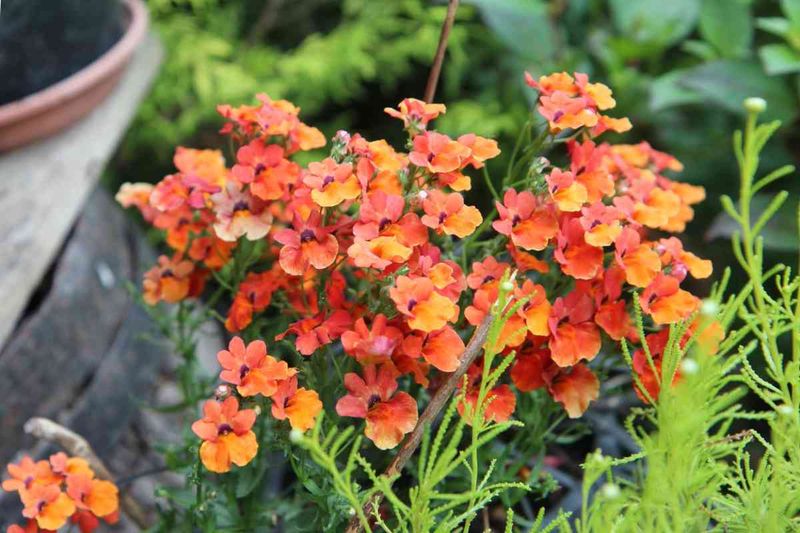
Nemesia produces small, fragrant flowers in a rainbow of colors that create eye-catching displays in containers and beds. This South African native might seem suited to warm climates, but it actually prefers the cool conditions of its native highland regions.
Florida’s heat and humidity create challenging conditions that nemesia simply cannot tolerate well.
University of Florida IFAS Extension classifies nemesia as a cool-season annual best planted in fall or winter across the state. The plant performs beautifully when temperatures stay below 75 degrees, producing abundant blooms and maintaining compact growth.
Once heat intensifies, nemesia rapidly declines regardless of care provided.
South Florida sees the shortest nemesia season, with plants often struggling by late February or early March. The combination of heat and humidity in southern regions proves particularly challenging for this cool-season annual.
Central Florida might get performance through March if planted in November or December. North Florida offers slightly better spring performance, where fall-planted nemesia sometimes lasts into April before heat causes decline.
Spring planting guarantees a short-lived, disappointing display as temperatures climb. Nemesia planted out of season blooms sparsely if at all before declining within weeks.
For similar colorful displays that love Florida warmth, try pentas, torenia, or portulaca. These alternatives provide reliable color throughout warm months without the struggle nemesia faces.
Plant nemesia in fall instead, giving it the cool-season window it needs to create beautiful winter displays.