Do Not Prune These Florida Spring Bloomers In March
If you’ve spent years tending to your Florida garden, you know the excitement of seeing spring blooms push through. There’s a rhythm to pruning, planting, and caring for the shrubs and flowering natives.
For those familiar with this cycle, a single wrong cut at the wrong time can change the whole display.
Certain spring bloomers in Florida set their flowers on last year’s growth, and pruning in March risks removing all the buds before they open. It’s a small window where patience is more valuable than shears.
Knowing which shrubs to hold off on this month ensures the garden bursts with color when the season peaks. Stay alert, because the next steps could dramatically boost the blooms you’ve been waiting for.
1. Azaleas With Colorful Spring Blossoms
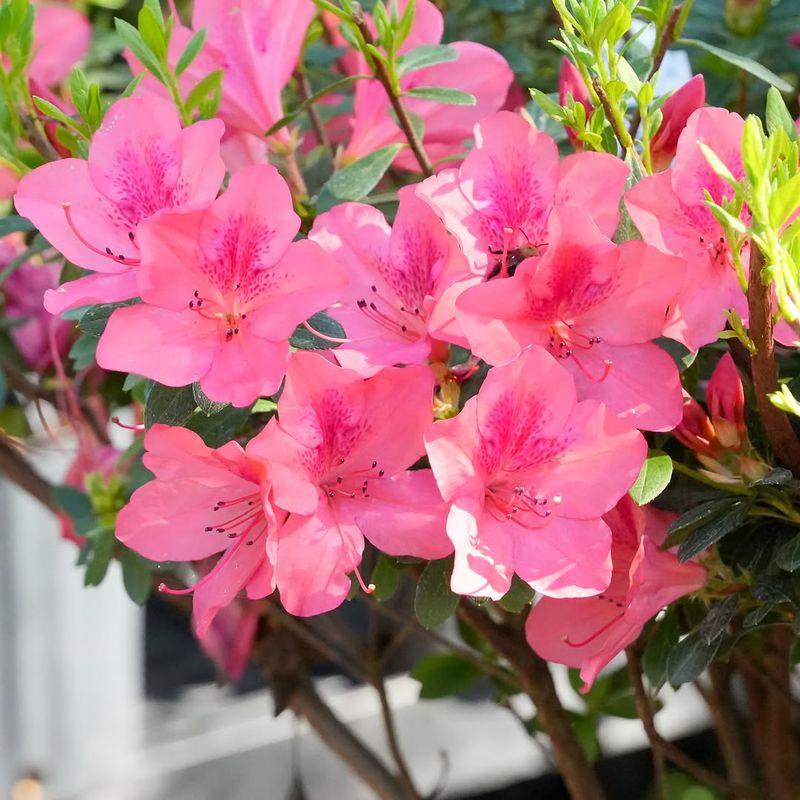
Walk through almost any Florida neighborhood in early spring, and chances are you will spot a burst of hot pink, coral, or white blooms spilling over a fence or lining a front porch. That stunning display belongs to the azalea, one of Florida’s most beloved flowering shrubs, admired for its vibrant colors and ability to brighten any garden space.
Azaleas set their flower buds on old wood, meaning the buds that will open this spring were actually formed during the previous growing season.
Pruning azaleas in March can remove buds that were set the previous season, potentially reducing the number of flowers that will open this spring. The result is a season without flowers, and nobody wants that after waiting all winter for color.
Florida gardeners often make this mistake simply because March feels like the perfect time to tidy up the yard or prepare beds for summer plantings.
The good news is that azaleas are forgiving plants and very easy to work with once you know the right timing. The best time to prune azaleas in Florida is immediately after they finish blooming, usually sometime in April or early May.
That window gives the plant plenty of time to set new buds for the following year before summer heat arrives.
Avoid heavy pruning, and instead focus on shaping the outer edges and removing any crossing or crowded branches. Light trimming keeps azaleas looking neat without sacrificing next year’s flowers.
Florida’s warm climate actually helps azaleas recover quickly after pruning, so you can enjoy a full, healthy bloom every single spring, year after year, with minimal effort.
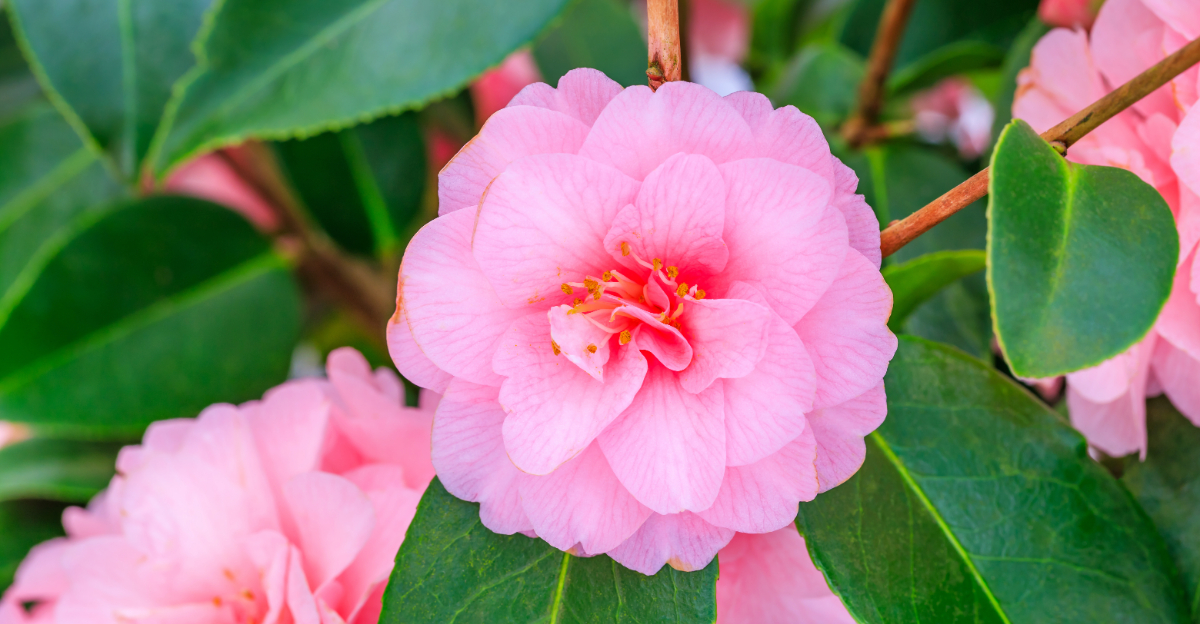
2. Camellias That Bloom On Old Wood
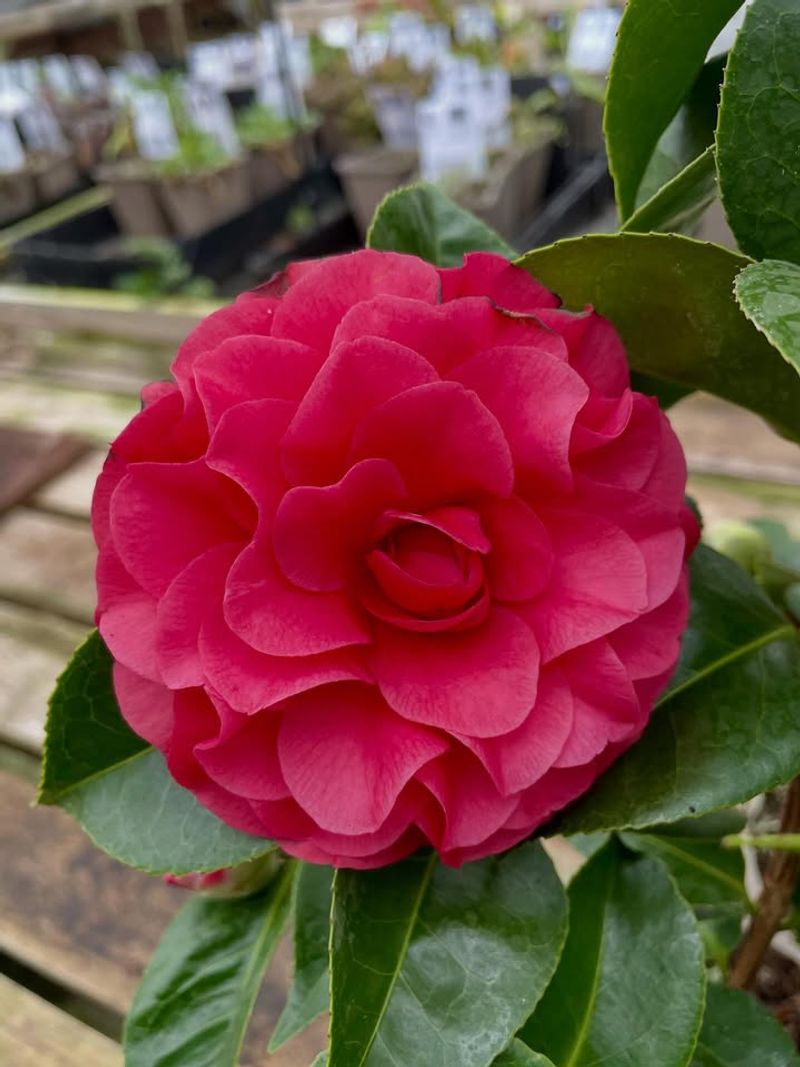
Few plants carry the elegance of a camellia in full flower. With their perfectly layered petals that look almost too beautiful to be real, camellias have been a staple of Southern gardens for centuries and are often admired by visitors.
In Florida, these stunning shrubs bloom from late fall through early spring, making them one of the longest-blooming plants you can grow in the state.
Here is where timing becomes really important. Camellias, like azaleas, bloom on old wood.
That means the flower buds were set months before March ever arrived. Grabbing the pruning shears in March risks snipping off buds that are just about to open or are already in the middle of their blooming cycle.
Pruning camellias in March can reduce or eliminate flowers that would otherwise bloom over several beautiful weeks.
Florida gardeners who are new to growing camellias sometimes see a few leggy branches and feel the urge to clean things up in early spring. Resist that urge.
Wait until your camellia finishes its last bloom before making any cuts. In most parts of Florida, that window falls somewhere between late March and early April, depending on the variety and your local climate.
When you do prune, keep it light. Remove damaged branches, thin out crowded growth to improve airflow, and shape the plant gently.
Camellias do not need aggressive pruning to look their best. A thoughtful trim after blooming keeps them healthy, encourages strong new growth, and sets the stage for an even more spectacular, colorful show next season.
3. Wild Azalea Varieties With Vibrant Natives
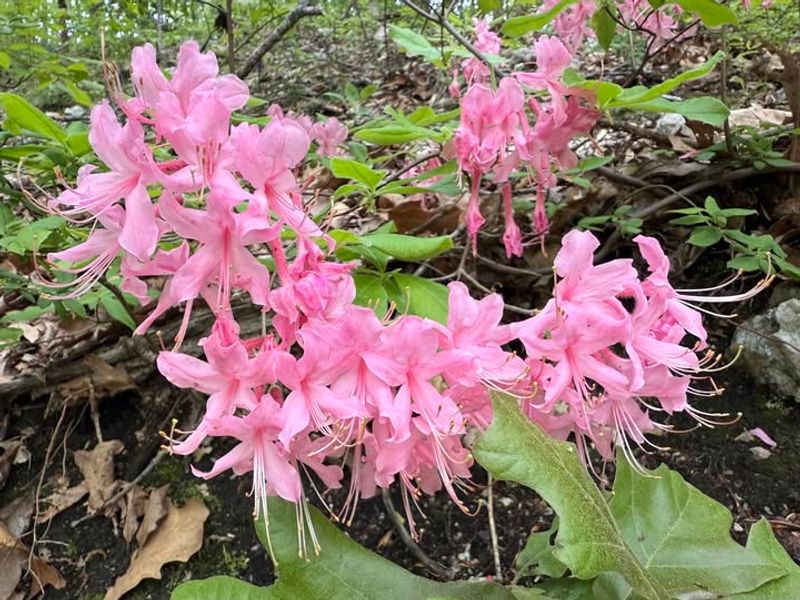
Most people are familiar with the classic landscape azaleas planted in yards across Florida, but the wild azalea varieties are something truly special and often overlooked by gardeners seeking unique native plants. Florida is home to several native azalea species, including the Florida Flame Azalea and the Pinxter Azalea, both of which put on a breathtaking show in spring with clusters of tubular, often fragrant flowers in shades of orange, pink, and white, attracting both the eye and a variety of pollinators.
Wild azaleas tend to have a looser, more natural growth habit compared to their cultivated cousins. They thrive in Florida’s native woodland settings and work beautifully in naturalistic garden designs, providing texture, color, and seasonal interest throughout the landscape.
Because wild azaleas bloom on old wood, pruning in March can remove buds and reduce the overall flower display for the season.
Native plant enthusiasts across Florida often plant wild azaleas specifically to support pollinators like native bees and hummingbirds, which depend on early spring blooms for food. Cutting back these plants before they flower means cutting off an important food source at a critical time of year, negatively impacting both your garden’s vibrancy and local wildlife populations.
If your wild azalea needs shaping or size control, wait until the blooms have completely faded, usually by late April or May in most Florida regions. Then prune lightly, working with the plant’s natural shape rather than forcing it into a rigid form.
Wild azaleas are resilient and low-maintenance once established, making them one of the most rewarding and visually stunning native plants you can grow in a Florida landscape.
4. Walter’s Viburnum That Bursts With Flowers
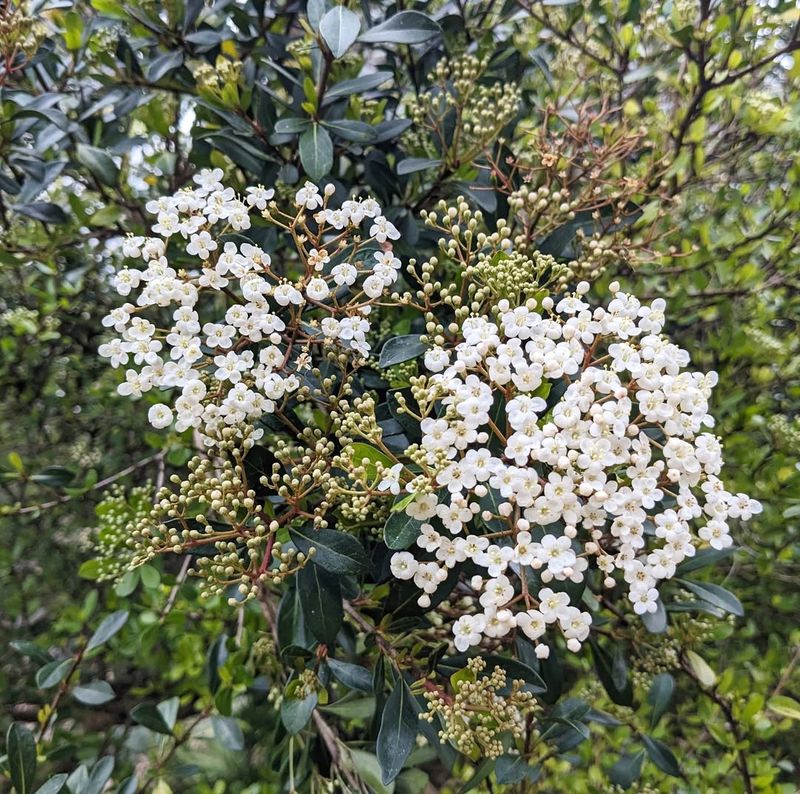
Not every gardener in Florida has heard of Walter’s Viburnum, but those who grow it quickly become devoted fans. This native Florida shrub produces clouds of tiny white flowers in spring that are absolutely stunning against its dark, glossy leaves.
It is also incredibly tough, handling Florida’s heat, humidity, and even occasional drought with ease once it gets established.
Walter’s Viburnum is a popular choice for Florida wildlife gardens because its spring flowers attract butterflies and bees, and its berries later in the year bring in birds. It can grow into a large shrub or small tree, making it versatile for hedges, screens, or naturalistic plantings throughout the state, and it pairs well with other native shrubs and flowering plants for a layered, dynamic garden design.
Since Walter’s Viburnum sets flower buds before March, pruning in late winter or early spring may remove some buds and reduce spring blooms. You might not even notice the damage until the shrub fails to bloom, which is a disappointing surprise after months of anticipation.
Florida gardeners who prune in March often wonder why their viburnum skipped a season, and timing is almost always the answer.
The right time to prune Walter’s Viburnum in Florida is shortly after it finishes blooming in spring. Focus on removing any dead wood, thinning crowded interior branches, and shaping the outer edges if needed.
Because it grows fairly quickly in Florida’s warm climate, light annual pruning after bloom time keeps it looking tidy without sacrificing next year’s floral display, ensuring a healthy, vibrant plant year after year.
5. Spring‑Flowering Viburnums With Showy Blooms
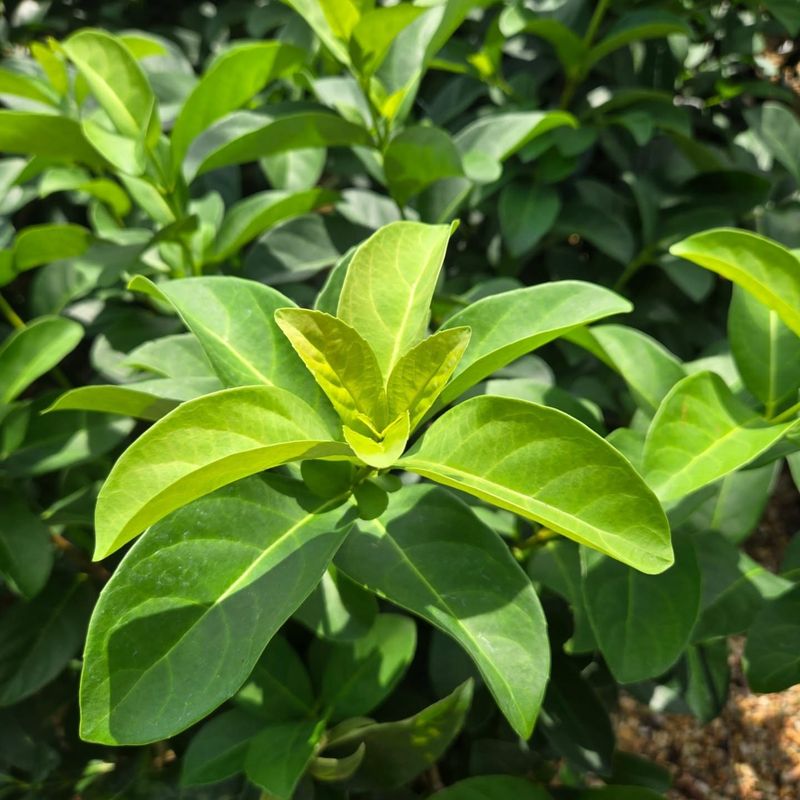
Beyond Walter’s Viburnum, Florida gardens are home to several other spring-flowering viburnum species and cultivars that deserve the same careful treatment when it comes to pruning, adding beauty, fragrance, and seasonal interest to a variety of landscapes. Varieties like Sweet Viburnum and Sandankwa Viburnum are widely planted across Florida for their fragrant flowers, attractive foliage, and reliability in the state’s warm climate, making them favorites among both experienced and new gardeners.
All spring-flowering viburnums share one important characteristic: they bloom on buds that formed the previous season. Pruning spring-flowering viburnums in March can reduce the number of flowers that appear this season.
Gardeners who cut back their viburnums in early spring to control size or remove winter damage often find themselves looking at a green but flowerless shrub for the entire season, which can be frustrating after months of careful planning.
One of the best things about viburnums in Florida is how little maintenance they actually need. Many varieties are naturally well-shaped and do not require frequent pruning at all.
If yours is getting too large or spreading into a walkway, make a note to address that after blooming wraps up in late spring, not before.
Pruning viburnums right after their spring flowers fade gives the plant the rest of spring and the entire summer to push out new growth and set fresh buds for next year. In Florida’s long growing season, that is plenty of time.
Keep cuts clean and angled, avoid removing more than one-third of the plant at once, and your spring-flowering viburnum will reward you with a fuller, more impressive bloom display every single year you grow it in Florida, adding lasting color and interest to your garden space.
6. Spring‑Flowering Clematis That Climbs Gracefully
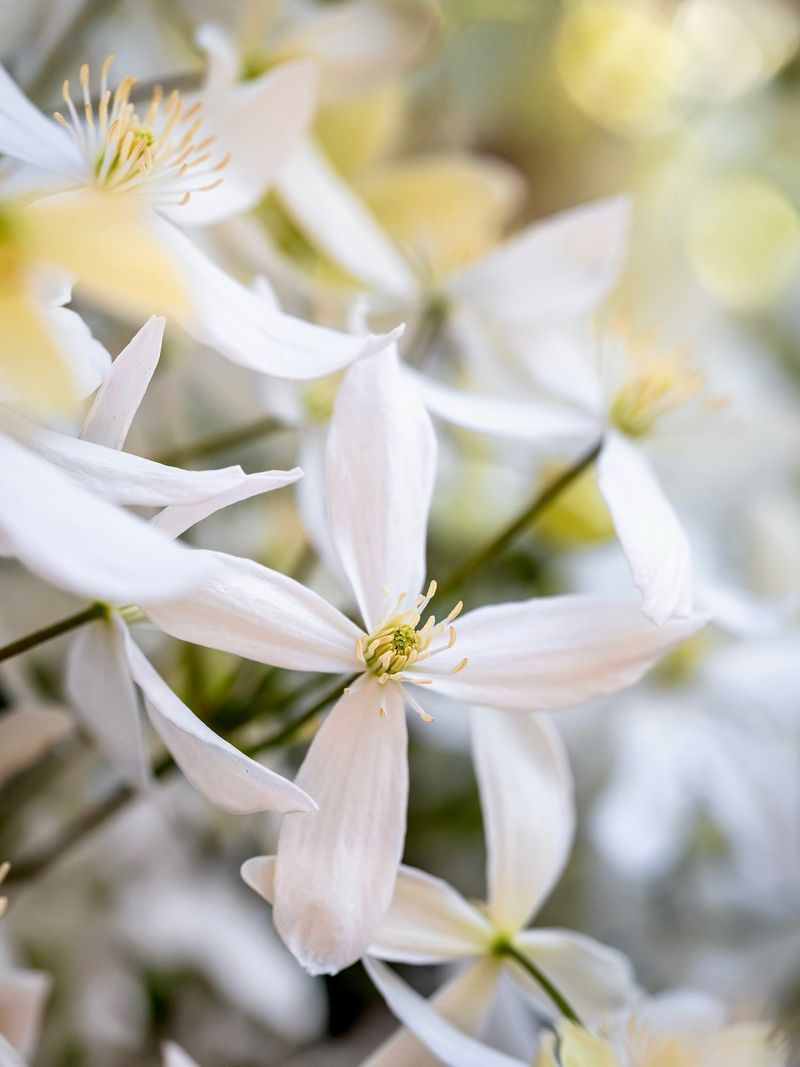
Clematis vines climbing over a fence or trellis covered in large, showy blooms are one of the most eye-catching sights in any Florida garden, adding instant vertical interest and a sense of elegance to the space. Spring-flowering clematis varieties, like the popular Clematis armandii or early large-flowered hybrids, produce their blooms on old wood, which sets them apart from summer-blooming types that can be pruned more freely and aggressively without affecting flower production.
Many Florida gardeners do not realize there are different pruning groups for clematis, and treating a spring-bloomer like a summer-bloomer is a common mistake that leads to a flowerless vine. Pruning a spring-flowering clematis in March can remove branches with flower buds, reducing blooms for the season.
The result is a healthy, leafy vine with zero flowers, which is not the look anyone is going for and can be very discouraging after months of anticipation.
Identifying which type of clematis you have before picking up the shears can save a season of blooms. Spring-flowering types should only be pruned right after their flowers fade, typically in late spring.
At that point, you can trim lightly to remove dead stems, tidy up the growth, and encourage the vine to fill in more densely for a fuller, more dramatic display.
Florida’s warm winters mean clematis vines often hold their leaves year-round, making it harder to spot dead wood without close inspection. Take your time in spring, let the vine bloom fully, then do your pruning with confidence.
With proper timing, a spring-flowering clematis in Florida can put on a spectacular show year after year, turning any ordinary fence or garden structure into something truly remarkable and admired by all who pass by.
7. Spring‑Flowering Hydrangeas With Lush Petals
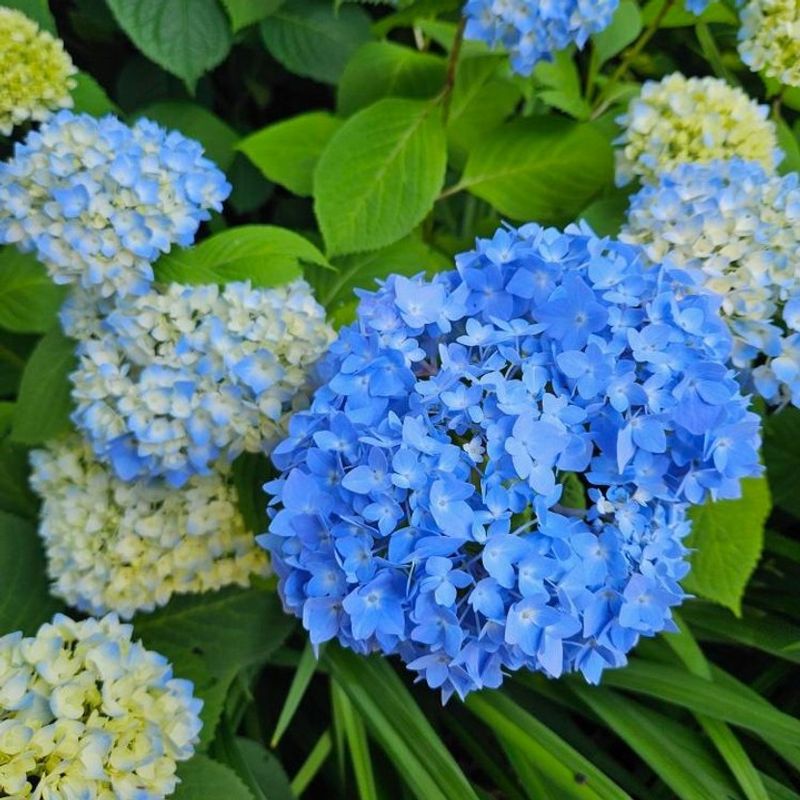
In Florida gardens, a special place is held by hydrangeas. These plants also offer a wonderful way to attract pollinators and add seasonal texture to mixed borders, making them a favorite among both new and experienced gardeners.
But not all hydrangeas are created equal when it comes to pruning, and spring-flowering types are the ones that get into the most trouble in March.
Certain hydrangea varieties, including the classic Bigleaf Hydrangea, bloom on old wood. That means the flower buds were set during the previous growing season and are sitting on the stems right now, ready to open as temperatures warm across Florida.
Pruning spring-flowering hydrangeas in March can remove buds, potentially reducing or delaying flower production for the season. Gardeners who are eager to tidy up their yards often make this mistake without realizing the consequences.
Florida’s mild winters can actually make this problem worse, because the plants often look healthy and full in late winter, tempting gardeners to shape them up early. The plant may look like it needs pruning, but the buds are there, even if you cannot easily see them yet.
The safest approach for spring-flowering hydrangeas in Florida is to wait until after bloom time to do any significant pruning. Once the flowers fade, usually by early summer, you can remove spent blooms, cut back any winter-damaged stems, and lightly shape the plant.
Avoid cutting into healthy old wood unless absolutely necessary. With a little patience and the right timing, your hydrangeas will fill your Florida garden with color that makes every neighbor stop and stare.