Do These 10 Garden Tasks In Florida Before February Starts
January is winding down across Florida, and something exciting is happening beneath the soil and in the branches of your garden.
Subtle changes in temperature and daylight signal the start of a new growing season, even if it still feels like winter.
Late January to early February is the perfect time to prepare, because many plants are just beginning to wake up and respond to care.
What you do during this short window can shape your entire garden for the months ahead.
Smart timing now leads to stronger plants, better blooms, and heavier harvests later.
A few simple tasks done before February arrives can prevent common problems, save time, and reduce frustration when the busy spring season begins.
Florida’s climate offers a unique advantage, allowing gardeners to get an early start while much of the country is still frozen.
With the right steps, this brief period becomes a powerful opportunity.
From pruning and planting to soil care and planning, each small action works together to build a healthier, more productive garden that will keep rewarding you long after winter fades.
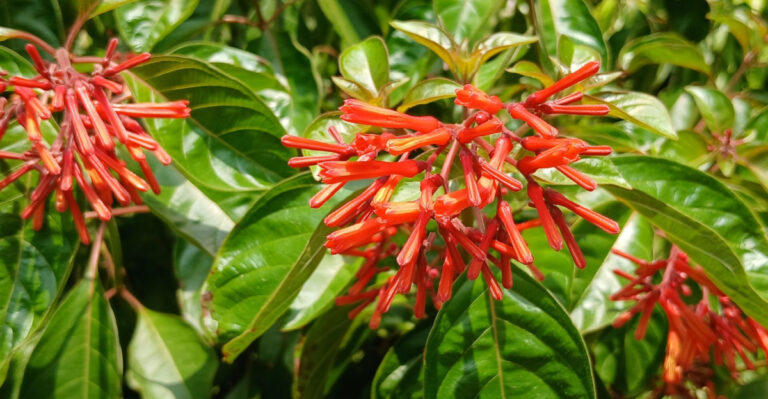
1. Prune Roses And Shrubs
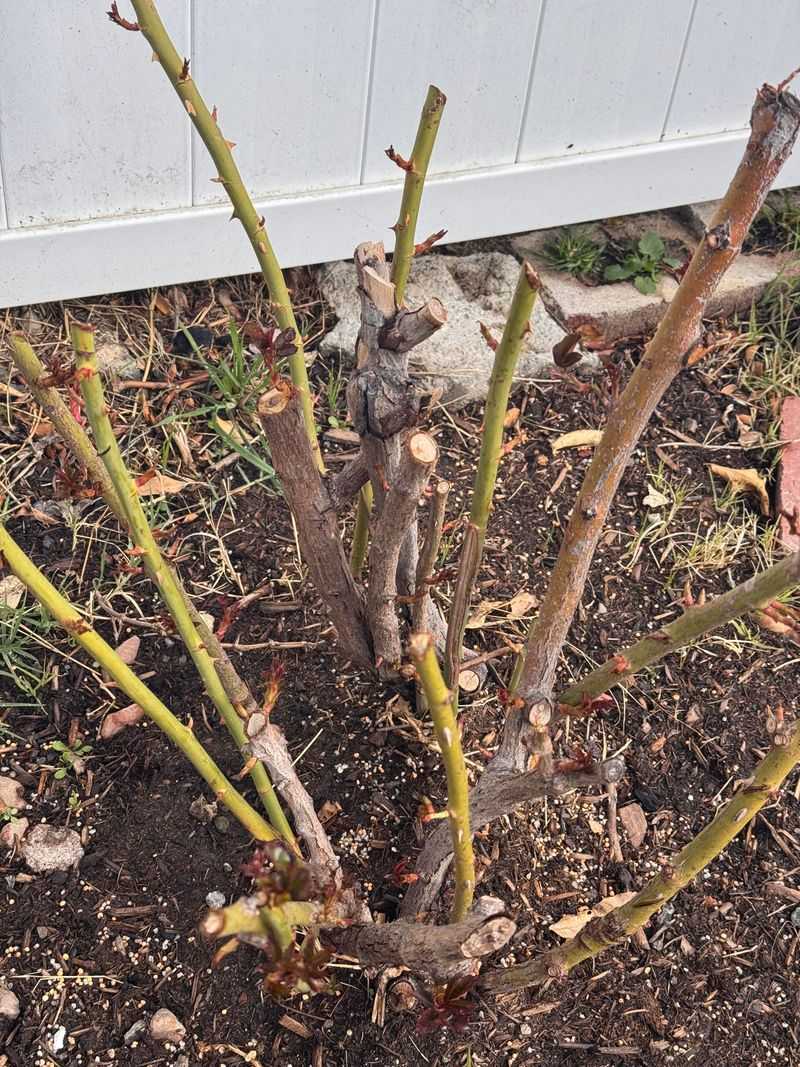
Late January to early February is a good window for pruning roses and many non-spring-flowering shrubs in most of Florida.
Shrubs that bloom in spring, such as azaleas, camellias, and gardenias, should be pruned after they finish flowering, or you will remove this year’s buds.
For roses and non-spring-flowering shrubs, waiting too long can mean cutting off buds that are already forming.
Now is when plants are still somewhat dormant, making it easier to see their structure and shape them properly.
Start by removing any branches that cross or rub against each other.
Look for wood that looks brown or brittle inside, and cut it back to healthy growth.
Use sharp, clean pruning shears to make smooth cuts at a 45 degree angle just above an outward facing bud.
Avoid leaving stubs, as they invite disease.
Also, resist the urge to over prune.
Removing more than one third of the plant can stress it unnecessarily.
For roses, aim to open up the center for good air circulation.
Once you finish, rake up all the clippings and toss them in your yard waste bin.
This helps prevent fungal spores from hanging around.
Your roses and shrubs will respond with vigorous new growth and plenty of flowers come spring.
2. Plant Cool Season Vegetables
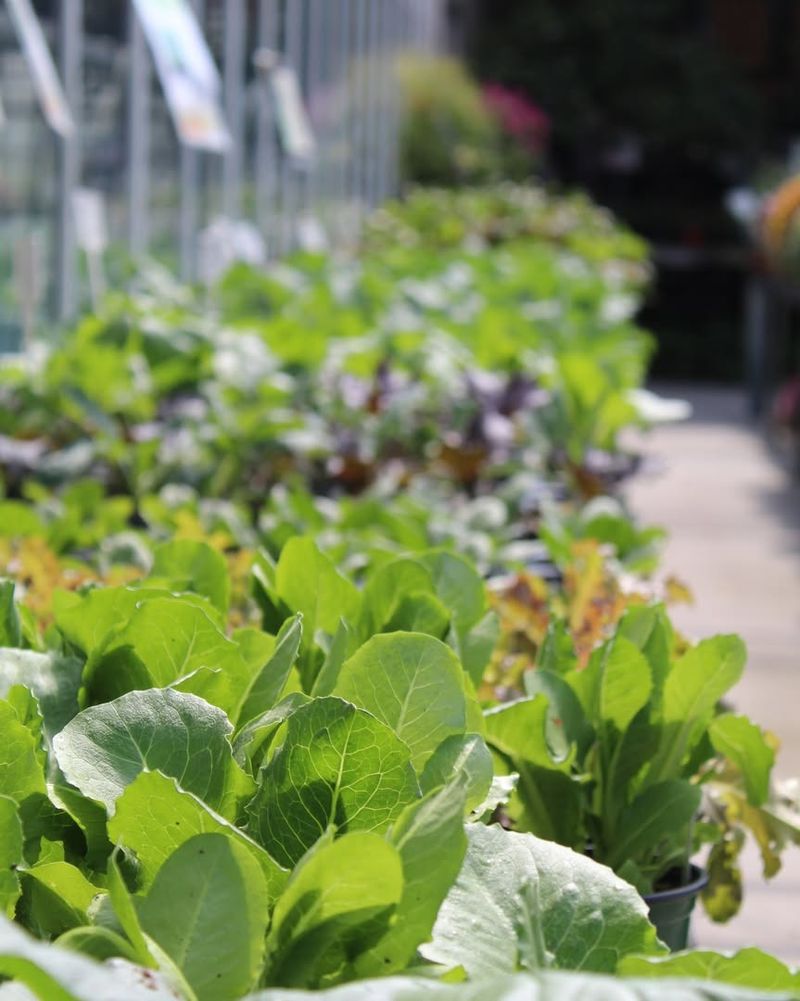
Your veggie garden is calling, and January is one of the best months to answer.
Cool season crops like lettuce, broccoli, carrots, and snap peas thrive in Florida’s mild winter temperatures.
If you get them in the ground now, they’ll have time to mature before the heat arrives in late spring.
Choose a spot with at least six hours of sun and well draining soil.
Work in some compost or aged manure to boost nutrients.
Plant seeds or transplants according to packet directions, spacing them properly to avoid crowding.
Water gently after planting and keep the soil consistently moist while seedlings establish.
Mulch lightly around plants to help retain moisture and keep roots cool.
Watch out for slugs and caterpillars, which love tender young greens.
Avoid planting warm season crops like tomatoes and peppers just yet.
They need warmer soil and air temperatures to really take off.
Stick with cool lovers now, and you’ll be harvesting fresh salads and stir fry veggies by March.
There’s nothing quite like homegrown flavor straight from your backyard.
3. Refresh Mulch In Beds
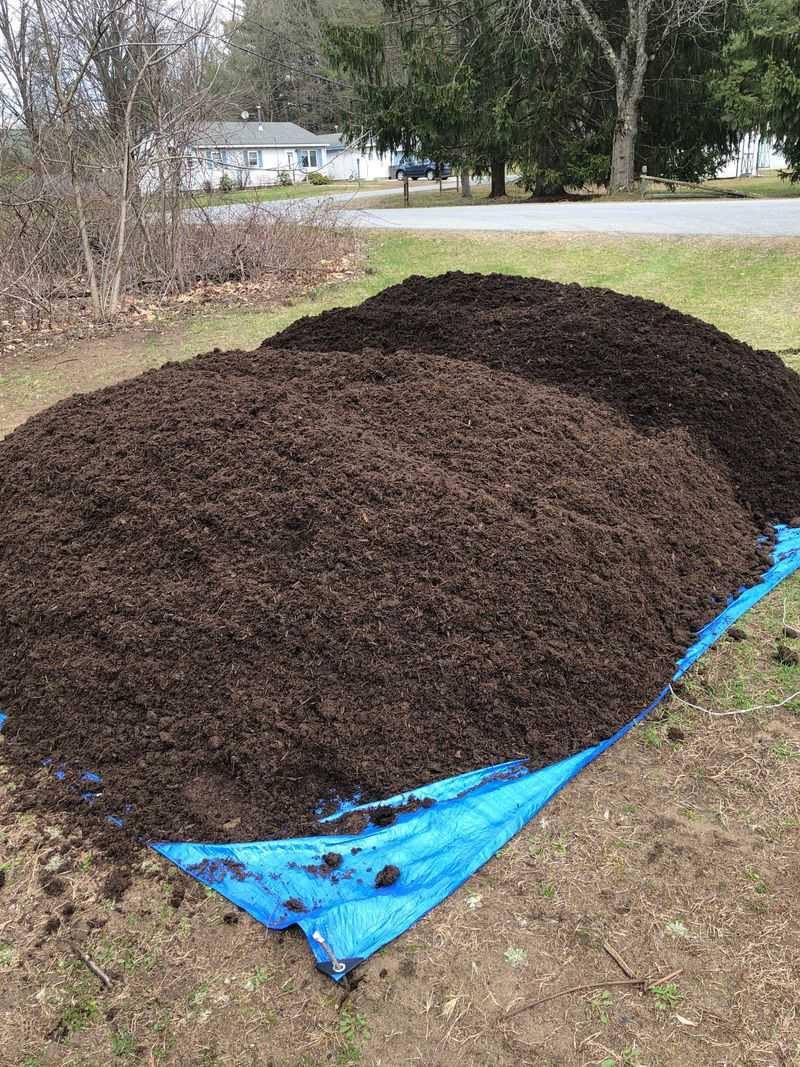
Mulch breaks down over time, especially in Florida’s warm, humid climate.
By late January, many beds look thin and patchy.
Adding a fresh layer now helps protect plant roots, conserves moisture, and keeps weeds from sprouting as temperatures rise.
Walk around your garden and check the depth of existing mulch.
You want about two to three inches covering the soil.
Pull back any old mulch that’s piled against tree trunks or plant stems, as this can cause rot.
Choose a quality mulch like pine bark, cypress, or eucalyptus.
Spread it evenly across beds, keeping it a few inches away from plant bases.
This allows air to circulate and prevents moisture from sitting against stems.
Avoid piling mulch too thick, which can suffocate roots and create a haven for pests.
Use mulch labeled safe for garden use, especially near edible plants.
Fresh mulch not only looks neat and tidy but also feeds the soil as it decomposes.
Your plants will stay healthier and your watering chores will be easier all season long.
4. Fertilize Citrus Trees
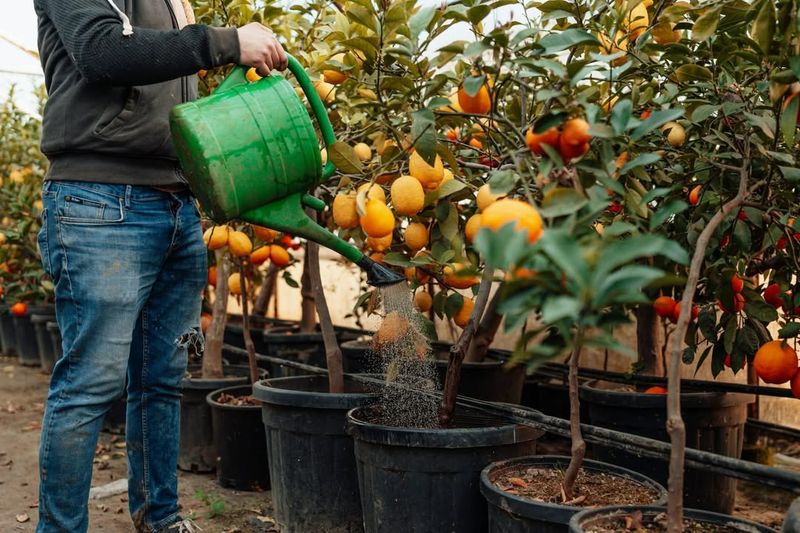
Citrus trees are waking up from their winter rest and getting ready to push out new growth.
Late January to early February is a good time to give them a nutrient boost, as long as no hard freezes are expected.
Fertilizing now supports healthy foliage, strong blooms, and a great fruit set for the coming season.
If a freeze is forecast, wait to fertilize until temperatures have stabilized, because tender new growth is easily damaged by cold.
Use a fertilizer formulated specifically for citrus, which contains the right balance of nitrogen, phosphorus, and potassium plus essential micronutrients like magnesium and iron.
Follow the label directions based on the size and age of your tree.
Spread the fertilizer evenly under the canopy, starting a foot away from the trunk and extending out to the drip line.
Water deeply after applying to help nutrients soak into the root zone.
Avoid fertilizing too close to the trunk, which can burn roots and harm the tree.
Also, resist the temptation to overfeed.
More is not better when it comes to citrus nutrition.
Young trees benefit from lighter, more frequent feedings, while mature trees do well with heavier applications three to four times a year.
Healthy, well fed citrus trees produce sweeter fruit and resist pests and diseases better than neglected ones.
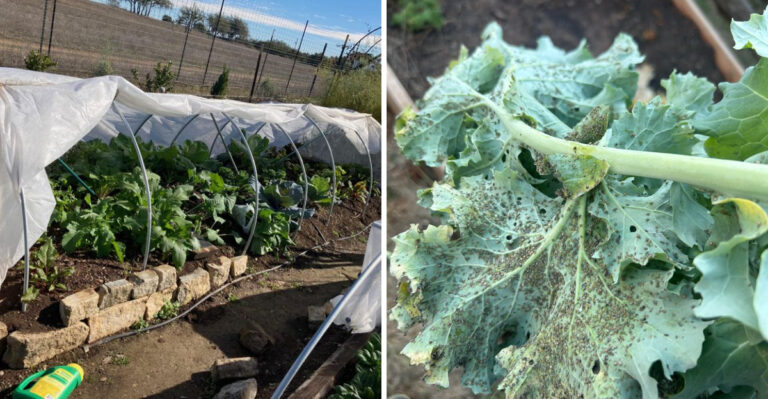
5. Inspect For Pests
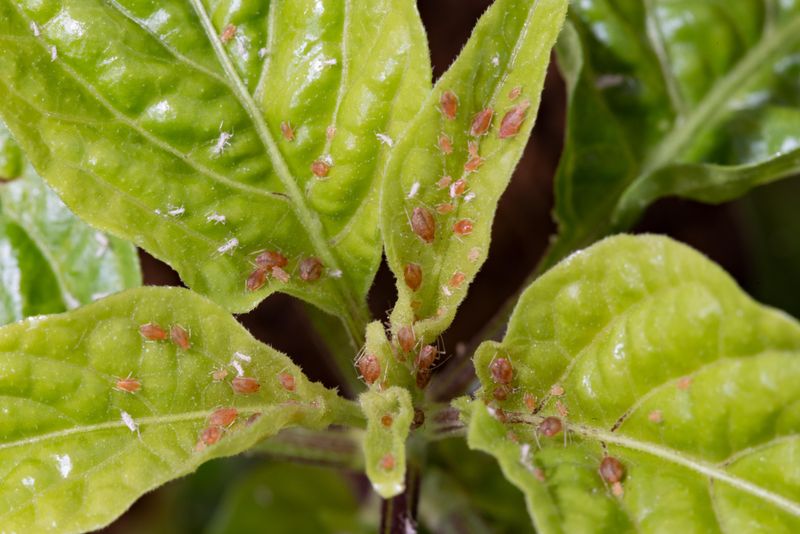
Pests don’t take a winter vacation in Florida.
Aphids, whiteflies, scale, and mealybugs are all active year round, and they love to hide on the undersides of leaves and in new growth.
Catching them early makes control much easier and prevents damage before it gets out of hand.
Walk through your garden with a keen eye.
Check the undersides of leaves, along stems, and around buds.
Look for sticky residue, tiny insects, or distorted foliage.
Shake branches gently over a white cloth to spot small critters that might be lurking.
If you find pests, start with the gentlest control method.
A strong spray of water can knock off aphids and whiteflies.
Insecticidal soap or neem oil works well for many soft bodied insects.
For tougher problems, consult your local extension office for recommendations.
Avoid using broad spectrum pesticides, which can harm beneficial insects like ladybugs and lacewings.
Also, don’t wait until plants are heavily infested to take action.
Early intervention saves time, money, and plant health.
A few minutes of scouting now can prevent major headaches later on.
6. Prepare Garden Beds
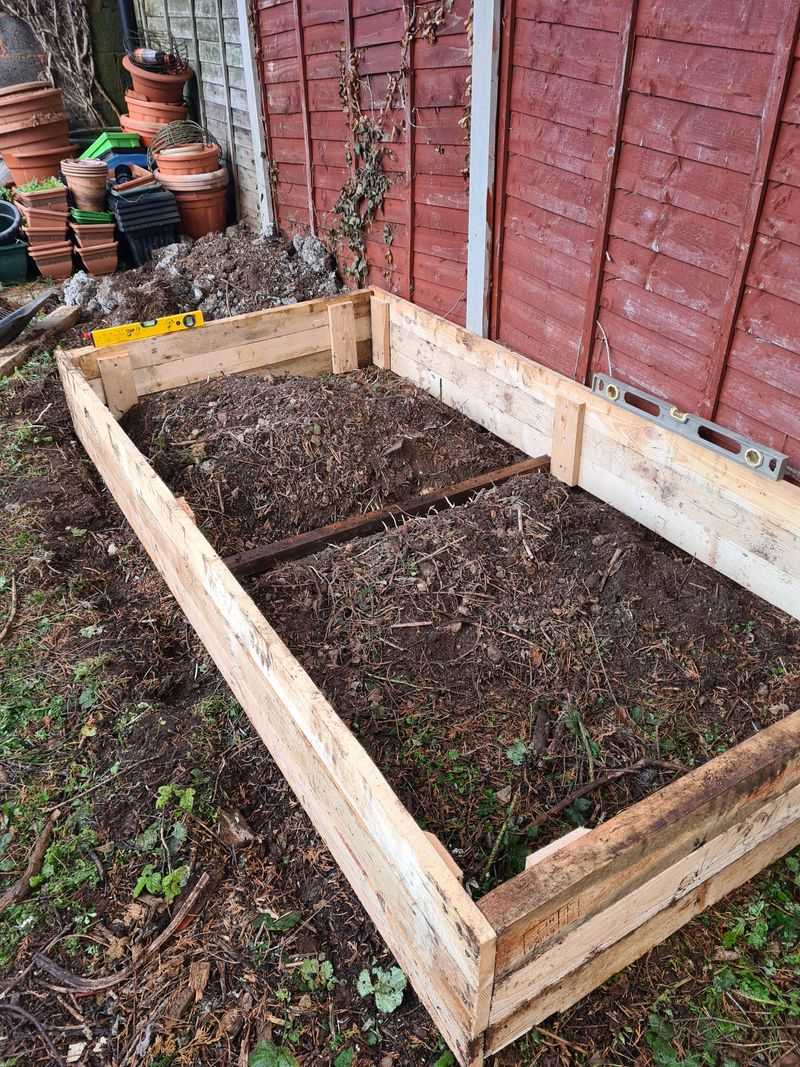
February is planting season for many warm season crops, so late January is the time to get beds ready.
Preparing soil now gives it time to settle and allows amendments to start breaking down.
You’ll also have everything ready to go when the weather warms up and planting fever hits.
Start by pulling any weeds and removing old plant debris.
Loosen the soil with a garden fork or tiller to a depth of about eight to ten inches.
Work in compost, aged manure, or other organic matter to improve texture and fertility.
If your soil tends to be sandy, organic matter helps it hold moisture and nutrients better.
For heavy clay soils, it improves drainage and root penetration.
Rake the bed smooth and level, breaking up any clumps.
Avoid working soil when it’s too wet, as this can compact it and damage structure.
Also, don’t add fresh manure, which can burn plants and introduce weed seeds.
Well prepared beds make planting easier and give your crops the best possible start.
You’ll notice stronger growth and better yields all season long when you take time to build healthy soil.
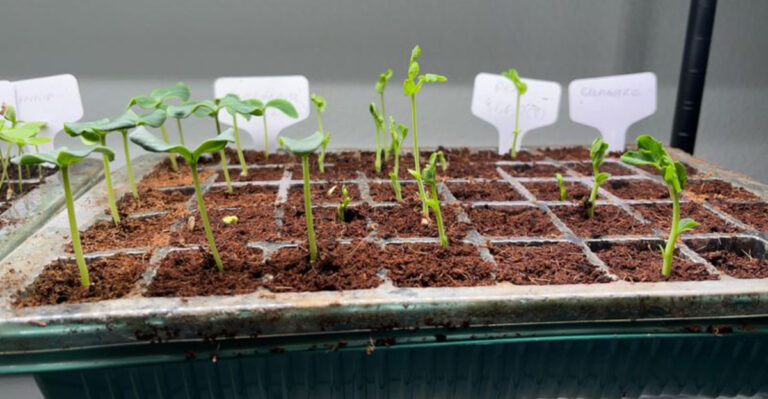
7. Start Warm Season Seeds Indoors
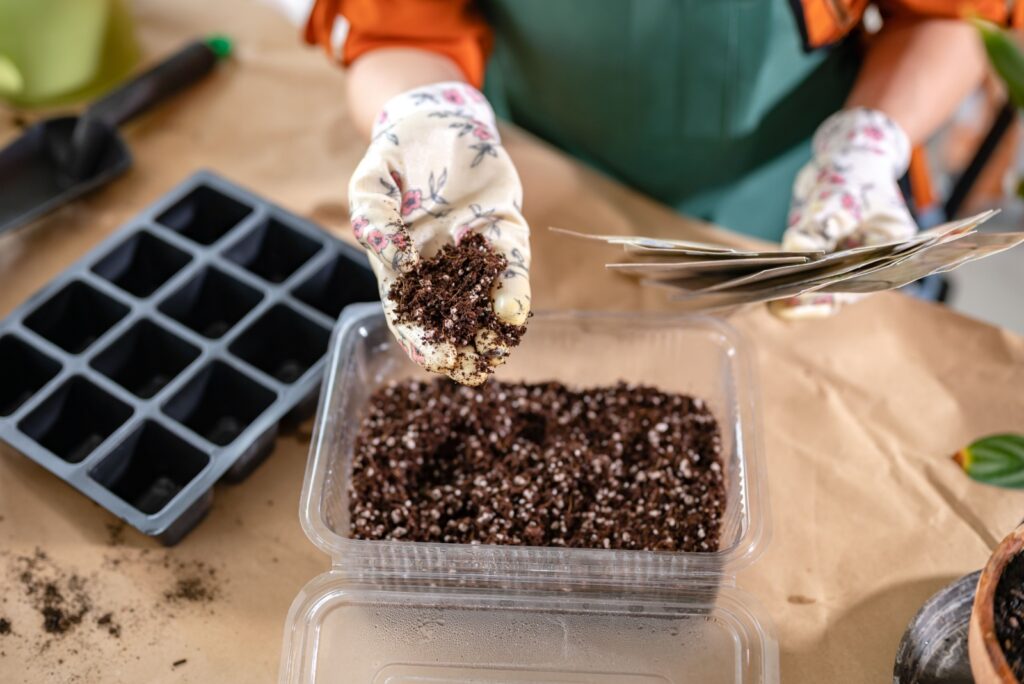
Tomatoes, peppers, and eggplants take a while to grow from seed, so starting them indoors 6 to 8 weeks before your area’s last frost gives them a head start.
For most of Florida, this falls between late January and early February.
By the time it’s safe to transplant them outside in March or early April, they’ll be sturdy seedlings ready to take off.
Indoor starting also protects tender young plants from unpredictable late winter weather.
Fill seed trays or small pots with a quality seed starting mix.
Plant seeds at the depth recommended on the packet, usually about twice the seed’s diameter.
Water gently and cover trays with plastic to hold in moisture and warmth.
Place trays in a warm spot with bright light.
A sunny windowsill works, but a grow light ensures even, strong growth.
Keep the soil evenly moist but not soggy.
Once seedlings emerge, remove the plastic cover and provide good air circulation.
Avoid using garden soil for seed starting, as it’s too heavy and may contain disease organisms.
Also, don’t start seeds too early.
Transplanting overgrown seedlings stresses them and sets back growth.
Timing is everything when it comes to warm season crops in Florida, and starting seeds indoors now puts you right on track.
8. Water Deeply During Dry Spells
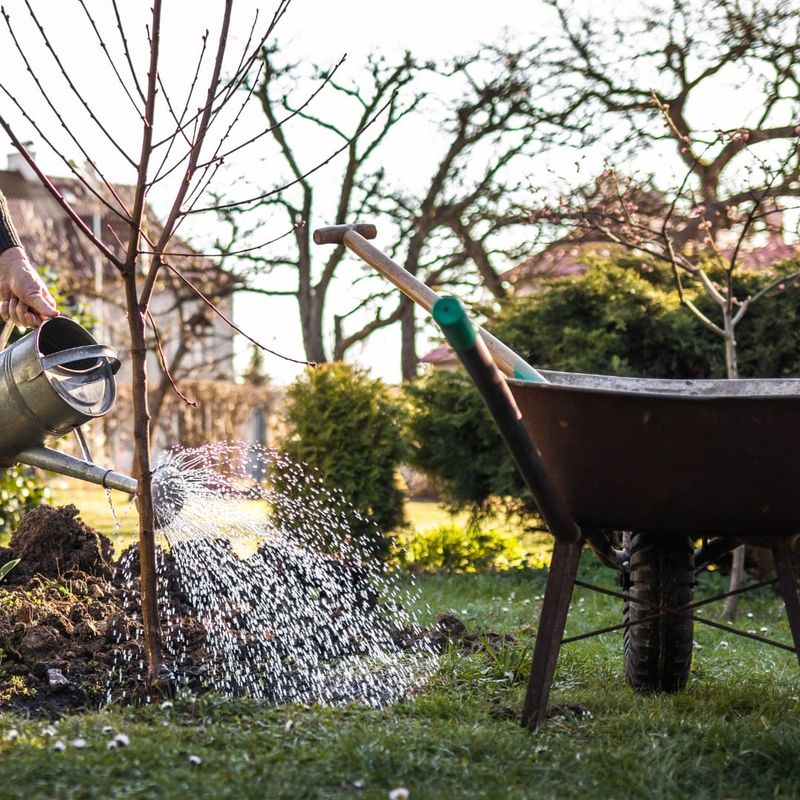
Florida winters can be surprisingly dry, and plants still need water even when temperatures are cooler.
Late January often brings stretches without rain, and shallow rooted plants can suffer if they don’t get enough moisture.
Deep watering now keeps roots healthy and helps plants handle stress better when warm weather returns.
Check soil moisture by sticking your finger a few inches into the ground.
If it feels dry, it’s time to water.
Apply water slowly and deeply, allowing it to soak down to the root zone rather than running off the surface.
Early morning is the best time to water, as it reduces evaporation and gives foliage time to dry before evening.
This helps prevent fungal diseases.
Use a soaker hose or drip irrigation for efficient, targeted watering.
Avoid frequent shallow watering, which encourages roots to stay near the surface where they’re more vulnerable to heat and drought.
Also, don’t assume cooler weather means plants don’t need water.
Many ornamentals and edibles are actively growing right now and rely on consistent moisture.
A little attention to watering now pays off with healthier, more resilient plants all year long.
9. Check Irrigation Systems
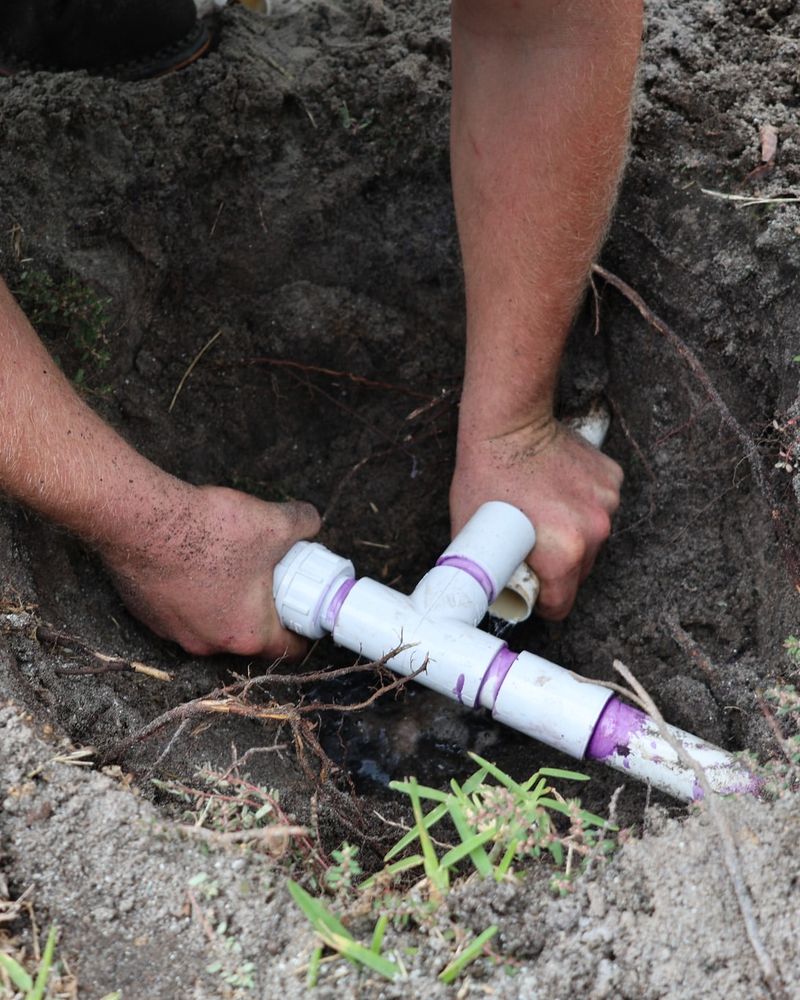
Your irrigation system has been running all winter, and now is a great time to make sure everything is working properly.
Clogged emitters, broken sprinkler heads, and leaky connections waste water and leave parts of your garden thirsty.
A quick inspection now prevents problems when the busy spring season arrives.
Turn on each zone and walk through your yard, watching for uneven coverage or dry spots.
Look for sprinkler heads that are tilted, clogged, or spraying in the wrong direction.
Check drip lines for kinks, leaks, or clogged emitters.
Clean or replace any parts that aren’t working right.
Adjust spray patterns to avoid watering sidewalks, driveways, or walls.
Make sure timers are set correctly for current weather conditions, not summer schedules.
Avoid ignoring small leaks, which can add up to a lot of wasted water over time.
Also, don’t assume your system is fine just because plants look okay.
Some areas might be getting too much water while others get too little.
A well maintained irrigation system saves money, conserves water, and keeps your landscape looking its best with minimal effort.
10. Plan Spring Plantings
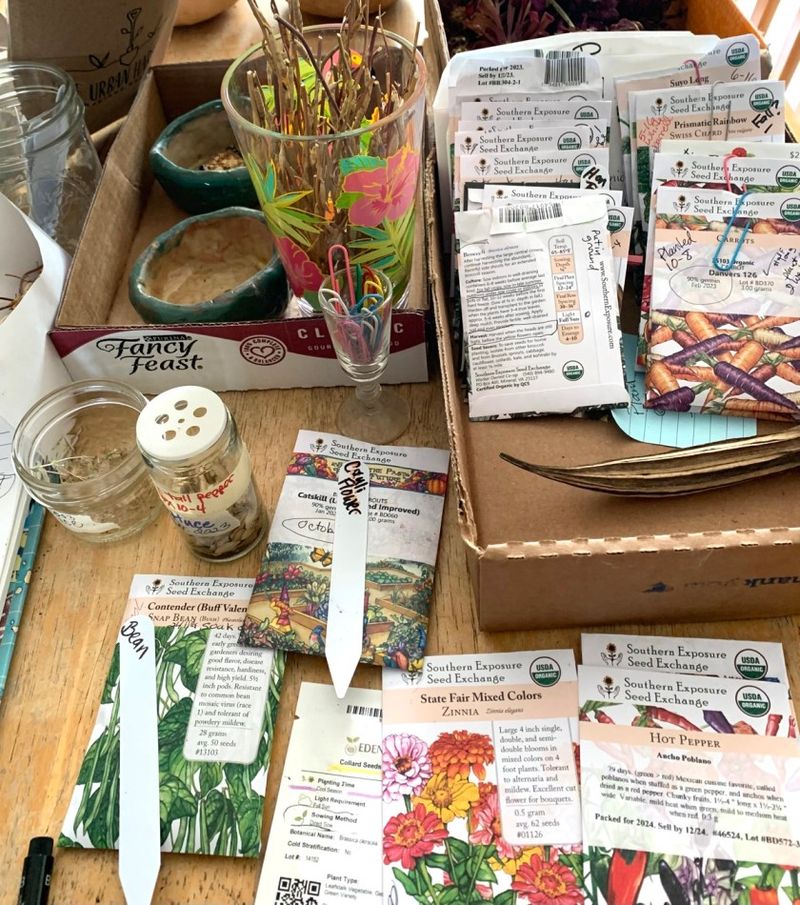
Late January is the perfect time to sit down with a cup of coffee and dream about your spring garden.
Planning now helps you order seeds, choose plants, and map out beds before the rush begins.
You’ll avoid impulse buys and make smarter choices that fit your space, climate, and gardening goals.
Grab a notebook or open a spreadsheet and jot down what you want to grow.
Think about what worked well last year and what didn’t.
Check your seed stash and make a list of varieties you need to order or buy.
Sketch out your garden beds, noting sun exposure, soil type, and spacing requirements.
Research new plants or techniques you’d like to try.
Look up recommended planting dates from the University of Florida IFAS to time everything just right.
Avoid the temptation to plant everything at once.
Stagger plantings for continuous harvests and better use of space.
Also, don’t forget to plan for succession crops and fall plantings later in the year.
A little planning now makes the whole growing season smoother, more productive, and a lot more enjoyable.
You’ll feel organized and ready to tackle whatever comes your way.