Do These 7 Things And Your Texas Hydrangea Will Bloom More
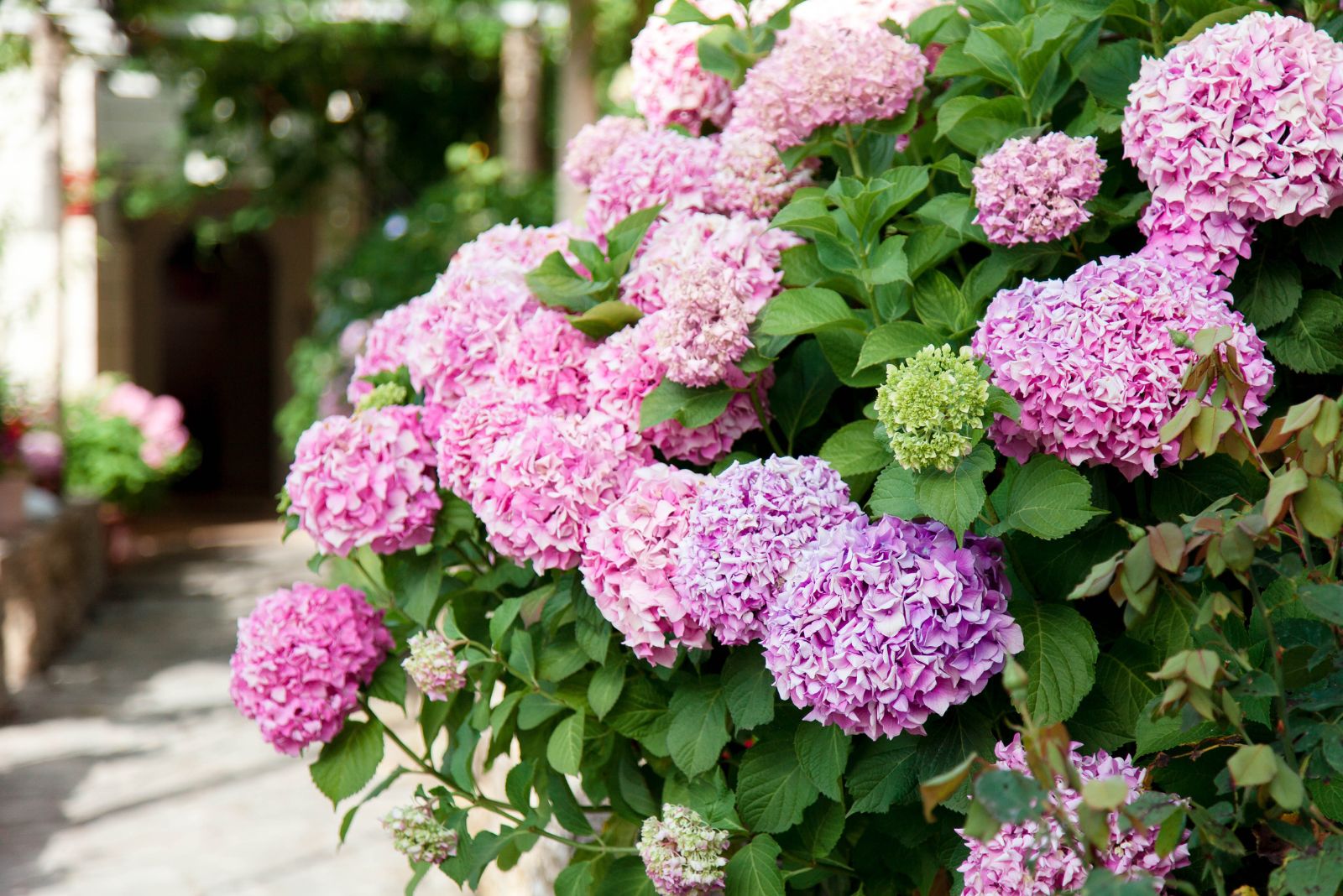
Big, fluffy hydrangea blooms can make any Texas yard feel bright and full of life. When the flowers pop with rich color, people notice right away.
Still, many gardeners end up with small blooms, fewer flowers, or plants that look tired before the season even peaks. That can feel frustrating, especially after weeks of care and watering in the Texas heat.
The truth is, hydrangeas need more than basic attention to truly shine. Sun exposure, watering habits, soil balance, and pruning timing all shape how well they bloom.
A few simple changes can wake up your plant and push it to produce bigger, fuller flower heads. Even small adjustments can lead to stronger growth and longer blooming periods.
Texas weather can be harsh, but hydrangeas respond fast when treated right. Give them what they need, and you will see healthier leaves, brighter color, and blooms that keep coming back strong throughout the season.
1. Choose Heat-Tolerant Hydrangea Varieties
Picking the right hydrangea variety makes all the difference in Texas. Many hydrangeas simply cannot handle the intense summer heat that blankets the state from June through September.
When you plant varieties that weren’t bred for hot climates, you’re setting yourself up for disappointment.
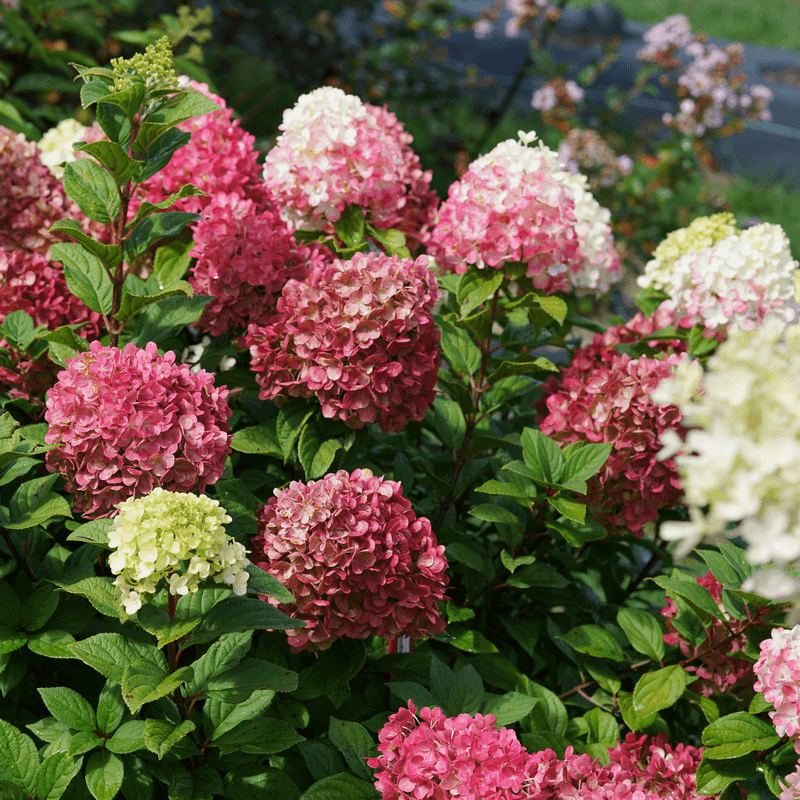
Panicle hydrangeas are your best bet for Texas gardens. These tough plants produce cone-shaped flower clusters that start white and often turn pink as they age. They can handle full sun better than other types and bounce back quickly from heat stress.
Some bigleaf hydrangeas also work well if you choose newer heat-tolerant varieties. Look for cultivars specifically labeled as suitable for hot climates.
These plants have been bred to withstand higher temperatures while still producing those classic rounded flower heads.
Your specific Texas region matters too. North Texas gets colder winters than South Texas, which affects which varieties will thrive.
East Texas has more humidity and rainfall than West Texas, where drought tolerance becomes critical.
Consider your yard’s sun exposure before making your final choice. A spot that gets morning sun and afternoon shade will give you more variety options. Areas with all-day sun require the toughest heat-tolerant types.
Visit local nurseries and ask which hydrangeas perform best in your exact area. Local experts know which plants succeed and which ones struggle.
Starting with the right variety saves you years of frustration and gives you beautiful blooms from the beginning.
2. Give Morning Sun And Afternoon Shade
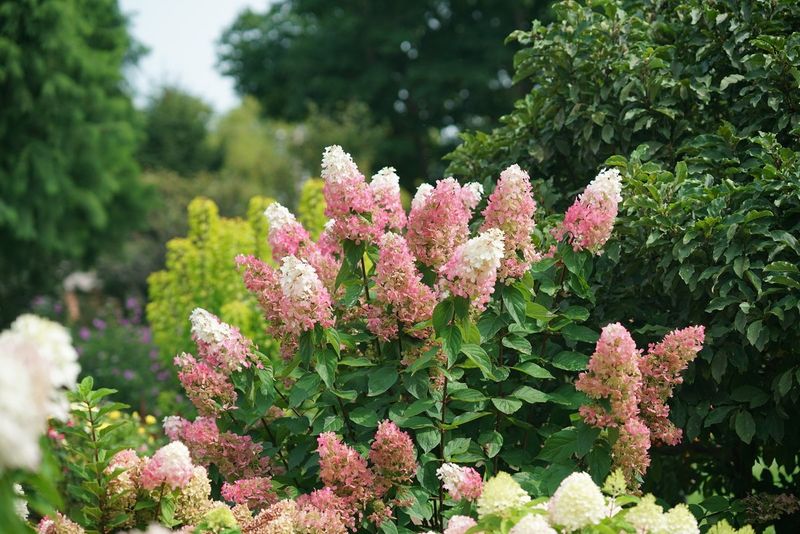
Location determines everything when it comes to hydrangea blooms. These plants need sunlight to produce flowers, but Texas afternoon sun is simply too harsh.
The scorching heat from noon to evening causes stress that reduces flowering and damages leaves.
Morning sun provides the perfect balance. Those gentle rays give your hydrangeas the energy they need without overwhelming them.
Plants that receive four to six hours of morning light typically bloom better than those in constant shade.
Afternoon shade becomes essential during Texas summers. When temperatures climb above 95 degrees, hydrangeas desperately need protection.
The shade helps them conserve water and energy that would otherwise go toward survival instead of blooming.
East-facing locations work beautifully for hydrangeas throughout Texas. Plant them on the eastern side of your house, fence, or large trees. This positioning naturally provides morning sun and afternoon protection.
Filtered shade offers another excellent option. Planting under tall trees with high canopies lets dappled sunlight reach your hydrangeas throughout the day. This mimics their natural woodland habitat while protecting them from extreme heat.
Avoid southern and western exposures unless you can provide artificial shade. These areas receive the most intense afternoon sun that Texas has to offer. Even heat-tolerant varieties struggle when planted in these hot spots.
Watch your plants closely during their first summer. If leaves look scorched or wilted by mid-afternoon, your hydrangea needs more shade. Adjust by adding a shade cloth or relocating the plant during its dormant season.
3. Water Deeply And Consistently
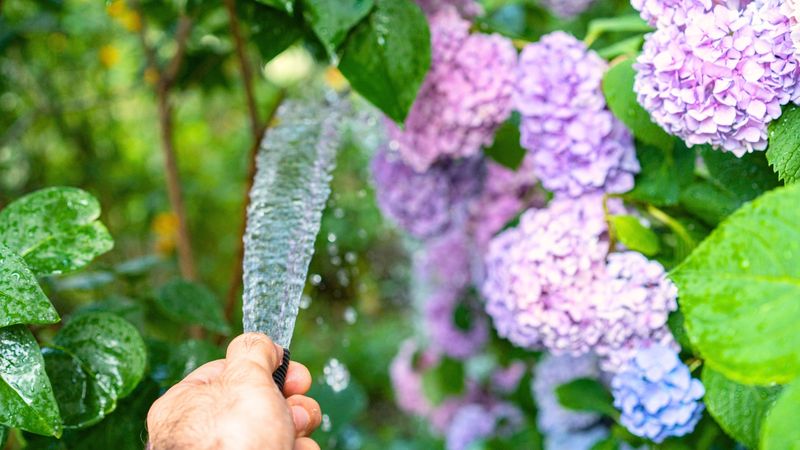
Texas heat evaporates moisture faster than almost anywhere else in the country. Hydrangeas have large leaves that lose water quickly, making consistent watering absolutely critical.
Without steady moisture, these plants cannot form buds or support large, healthy blooms.
Deep watering encourages roots to grow downward where soil stays cooler and holds moisture longer.
Shallow watering keeps roots near the surface where they’re vulnerable to heat and drought. Aim to moisten soil at least six to eight inches deep with each watering session.
Frequency matters more than you might think. During hot Texas summers, hydrangeas may need water every other day or even daily during extreme heat waves.
Check soil moisture by sticking your finger two inches deep into the ground near the plant.
Early morning watering works best for hydrangeas in Texas. This timing allows foliage to dry before nightfall, reducing disease risk. It also ensures plants have plenty of moisture before facing afternoon heat.
Mulch becomes your best friend when growing hydrangeas in Texas. Apply a three to four inch layer of organic mulch around your plants, keeping it a few inches away from the stems. Mulch dramatically slows evaporation and keeps roots cooler during summer.
Drip irrigation or soaker hoses provide the most efficient watering method. These systems deliver water directly to roots without wasting moisture on foliage. They also maintain consistent soil moisture that hydrangeas love.
Never let your hydrangeas completely dry out during bud formation in spring and early summer. This critical period determines how many flowers you’ll enjoy later in the season.
4. Improve Soil With Organic Matter
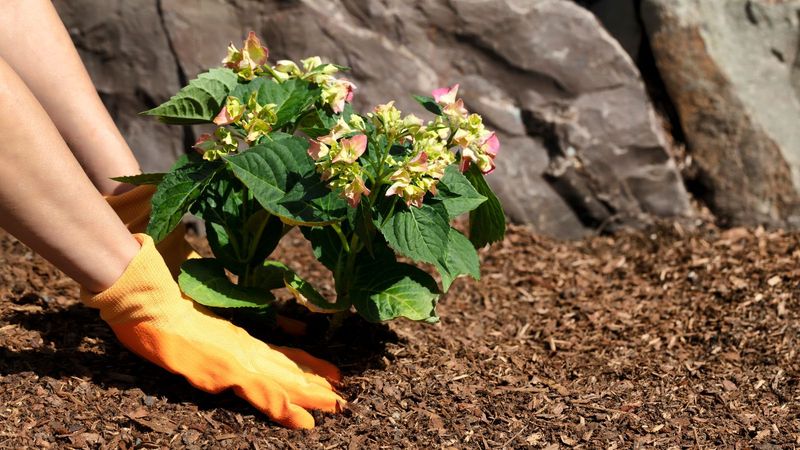
Soil quality directly impacts how well your hydrangeas bloom in Texas. These plants prefer rich, well-drained soil that holds moisture without becoming waterlogged.
Unfortunately, much of Texas has heavy clay soil that either drains poorly or becomes rock-hard when dry.
Adding organic matter transforms problem soil into hydrangea heaven. Compost improves soil structure by creating spaces for air and water to move through.
It also feeds beneficial microorganisms that help plants absorb nutrients more efficiently.
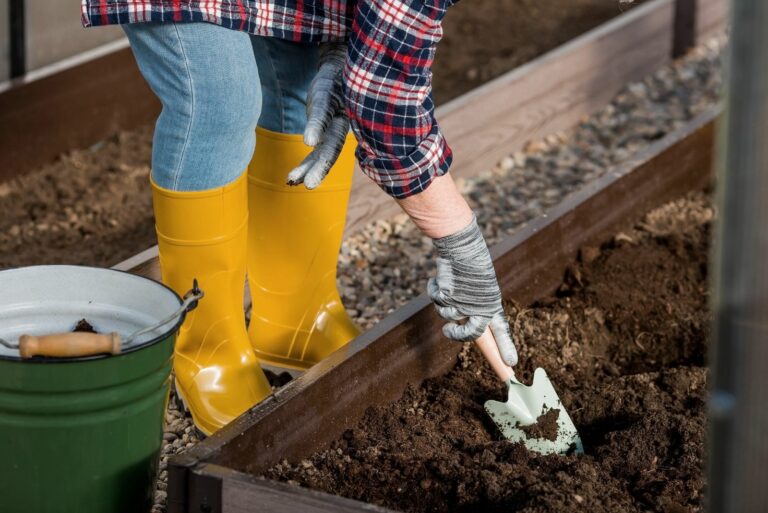
Work compost into your planting area before setting hydrangeas in the ground. Mix at least three to four inches of quality compost into the top twelve inches of soil. This preparation gives roots an excellent foundation for growth.
Organic matter helps regulate soil temperature in Texas heat. The dark material absorbs less heat than bare soil, keeping roots cooler during brutal summer days. Cooler roots mean healthier plants that can focus energy on producing blooms.
Well-amended soil supports better flowering by improving nutrient availability. Hydrangeas need consistent access to nutrients throughout the growing season. Organic matter slowly releases nutrients as it breaks down, providing steady nutrition.
Continue adding compost around established plants each spring. Spread a one to two inch layer over the root zone and gently work it into the top layer of soil. This annual addition maintains soil quality and supports vigorous blooming.
Consider using aged manure, leaf mold, or mushroom compost along with regular compost. These materials add different nutrients and beneficial organisms. Variety in organic amendments creates the richest possible soil for your Texas hydrangeas.
5. Use The Right Fertilizer At The Right Time
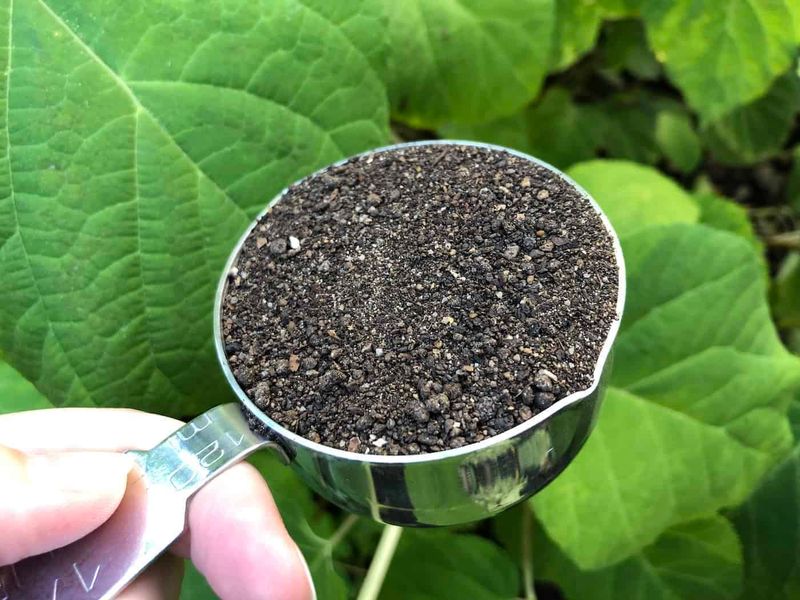
Fertilizer mistakes cause more blooming problems than most Texas gardeners realize. Too much nitrogen creates lush green foliage at the expense of flowers. Your hydrangea looks healthy and full but produces disappointing blooms or none at all.
Balanced fertilizers work best for promoting abundant hydrangea flowers. Look for products with equal or similar numbers in their NPK ratio, such as 10-10-10 or 14-14-14. These formulas support overall plant health without pushing excessive leaf growth.
Bloom-boosting fertilizers offer another excellent option for Texas hydrangeas. These products contain higher phosphorus levels, the middle number in the NPK ratio. Phosphorus specifically supports flower bud formation and development.
Timing your fertilizer applications makes a huge difference in bloom production. Feed hydrangeas in early spring just as new growth begins to emerge. This application fuels the plant as it comes out of dormancy and starts forming flower buds.
A second light feeding in late spring or early summer can boost bloom size and color. Apply fertilizer about six weeks after your first application.
Avoid fertilizing after mid-summer in Texas, as this can encourage tender new growth that suffers in extreme heat.
Follow package directions carefully to avoid over-fertilizing. More is definitely not better when it comes to hydrangea fertilizer. Excess fertilizer can burn roots and actually reduce blooming.
Slow-release granular fertilizers work wonderfully for Texas hydrangeas. These products break down gradually over several weeks or months. They provide steady nutrition without the risk of burning plants during hot weather.
Organic fertilizers like fish emulsion or seaweed extract offer gentle nutrition that improves soil health too.
6. Prune Correctly Based On Hydrangea Type
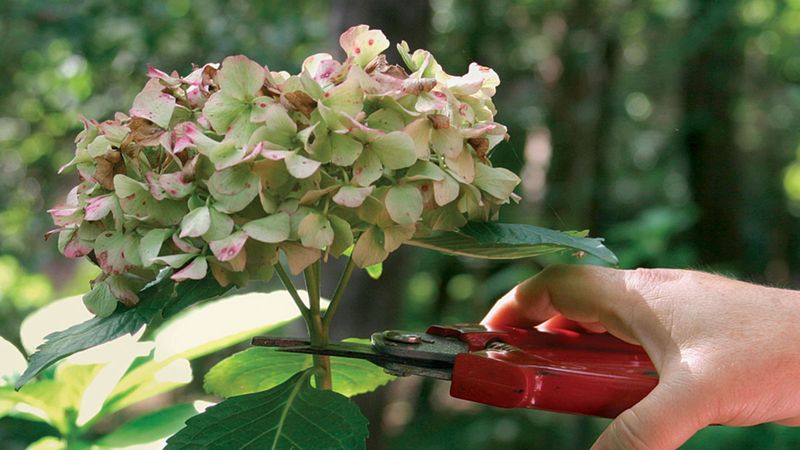
Wrong pruning timing destroys flower buds before they ever open. Many Texas gardeners accidentally remove next season’s blooms by pruning at the wrong time. Understanding your hydrangea type prevents this frustrating mistake.
Panicle and smooth hydrangeas bloom on new wood, meaning current season growth. You can prune these types in late winter or early spring before new growth starts. Cut them back fairly hard without worrying about removing flower buds.
Bigleaf, oakleaf, and climbing hydrangeas bloom on old wood from the previous season. These types form flower buds in summer and fall for next year’s display. Prune them right after flowering ends, typically in mid to late summer in Texas.
Light pruning encourages stronger bloom production on all hydrangea types. Remove dry or damaged stems anytime you notice them. Thin out crowded branches to improve air circulation and light penetration.
Avoid heavy pruning unless absolutely necessary for plant health. Hydrangeas bloom best when allowed to maintain their natural shape and size. Severe cutting back often results in fewer flowers the following season.
Deadheading spent blooms keeps plants looking tidy but doesn’t increase flowering on most hydrangea types.
However, removing old flower heads prevents plants from putting energy into seed production. This saved energy can support healthier growth and potentially better blooming next year.
Texas gardeners should prune cautiously during drought periods. Pruning stimulates new growth that requires extra water.
Wait until moisture levels improve before doing major pruning work on your hydrangeas. Keep your pruning tools clean and sharp for the healthiest cuts.
7. Protect Plants From Heat Stress And Harsh Conditions
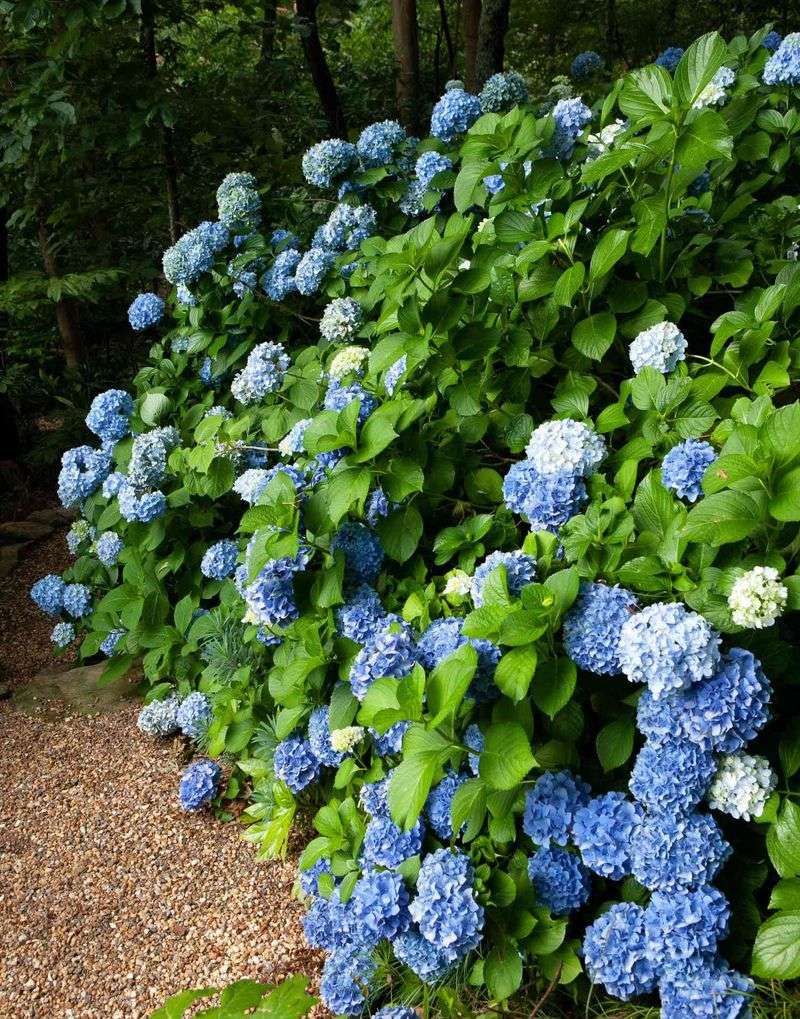
Extreme conditions threaten hydrangea blooms more in Texas than anywhere else. Heat waves above 100 degrees put tremendous stress on these moisture-loving plants.
Drought during bud formation in spring and early summer dramatically reduces flower production.
Mulch provides the first line of defense against Texas heat. A thick layer insulates roots from scorching soil temperatures that can exceed 120 degrees at the surface. Organic mulches like pine bark, wood chips, or shredded leaves work best.
Refresh mulch annually or whenever it becomes thin. Aim for three to four inches of coverage extending out to the drip line.
Proper mulching can lower root zone temperatures by ten to fifteen degrees during peak summer heat.
Temporary shade structures help hydrangeas survive extreme heat waves. Set up shade cloth, umbrellas, or even old sheets to protect plants during the hottest days.
This extra protection prevents bloom damage and keeps plants healthy through crisis periods.
Monitor weather forecasts during spring in Texas. Late freezes can damage emerging buds and young foliage. Cover plants overnight when temperatures drop below freezing after growth has started.
Maintain consistent moisture during bud formation from March through June in most Texas regions. This critical period determines your bloom display for the entire season. Even brief drought stress during these months reduces flower numbers.
Healthy plants always produce more blooms than stressed ones. Watch for signs of trouble like wilting, yellowing leaves, or stunted growth.
Address problems quickly to keep your hydrangeas thriving. Consider container growing for hydrangeas in the hottest parts of Texas. Pots allow you to move plants to optimal locations as seasons and conditions change throughout the year.