Do This To Stop Fire Ants Before They Take Over Your Texas Garden
You step into your Texas garden expecting calm, only to spot fresh mounds of soil and sudden stinging surprises underfoot.
One persistent pest is often behind this fast spreading problem, and ignoring it can quickly turn a peaceful yard into a frustrating battleground.
Fire ants are aggressive, highly organized, and capable of building large colonies that expand before you even notice. They disturb soil, damage roots, and make gardening uncomfortable with painful bites that drive people away from their own space.
The key to controlling them is early action, stopping colonies before they multiply and spread across your lawn and beds. You can reduce their numbers, protect your plants, and keep your garden safer to enjoy.
A few smart, timely steps can prevent these unwelcome invaders from taking over and help you maintain a comfortable, thriving Texas garden.
1. The Threat Of Fire Ants In Texas Gardens
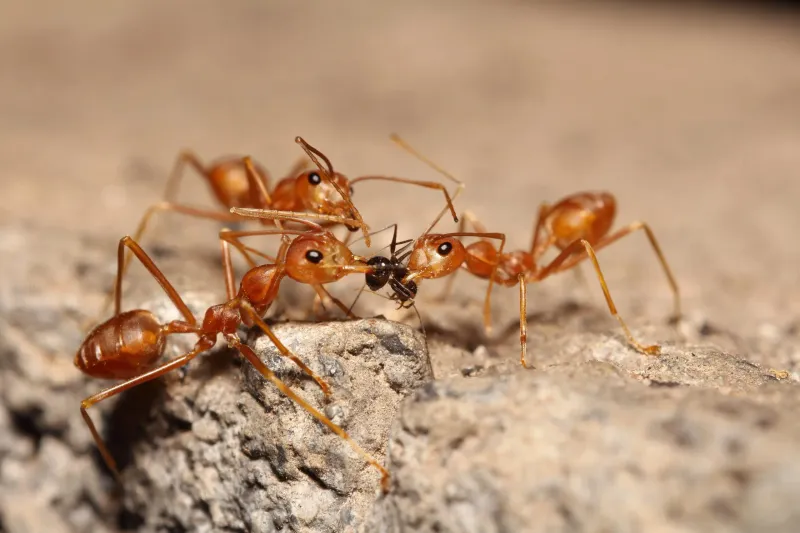
Fire ants pose one of the biggest challenges for gardeners in Texas. These small reddish-brown insects arrived in the United States decades ago and have thrived in the warm climate of the Lone Star State.
Unlike other ant species that mostly stay out of sight, fire ants are aggressive defenders of their territory and will swarm anything that disturbs their mounds.
When fire ants sting, they inject venom that causes intense burning and painful welts that can last for days. For children, elderly individuals, and anyone with allergies, these stings can be especially dangerous.
Pets that accidentally step on a mound can suffer multiple stings before they even realize what happened.
Beyond the pain they cause, fire ants damage gardens in several ways. They build large mounds that smother grass and plants, making your lawn look patchy and unhealthy.
Fire ants feed on seeds, which means newly planted vegetables and flowers may never get a chance to sprout. They also chew on young plant shoots and can girdle stems, causing plants to wither.
Fire ants disrupt the soil structure around plant roots, which affects water absorption and nutrient uptake. Their tunneling can destabilize the ground under pavers and garden structures.
In vegetable gardens, they protect aphids and other pests that damage crops because they feed on the honeydew these insects produce.
Understanding the full scope of the fire ant threat helps Texas gardeners take the problem seriously and act quickly before a small colony becomes a major infestation.
2. Identify Fire Ants And Their Mounds
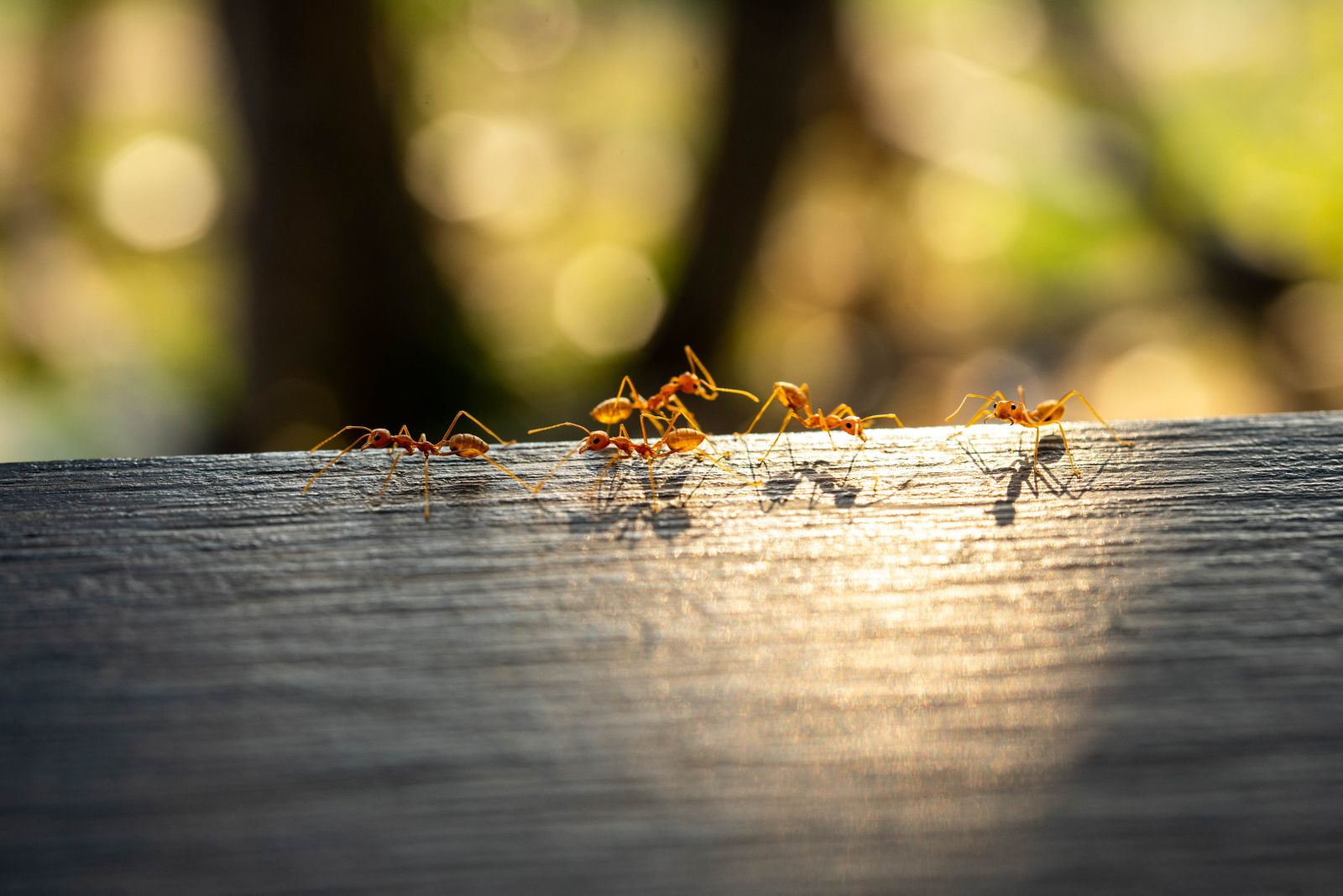
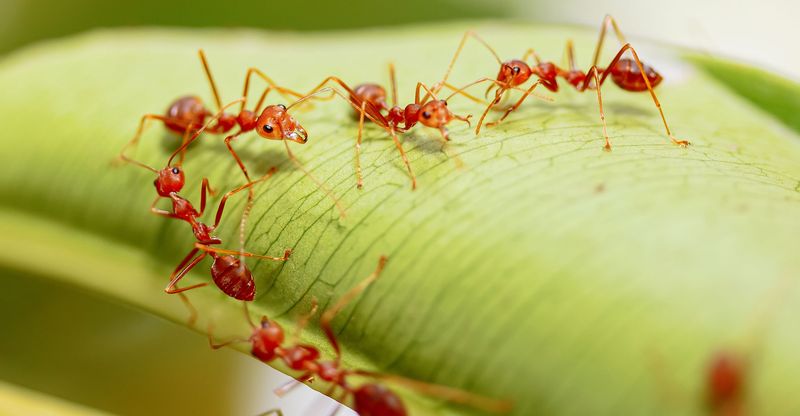
Recognizing fire ants early gives you the best chance to control them before they spread. Fire ants are small, usually between one-eighth and one-quarter inch long, with a reddish-brown to dark brown color.
Unlike many other ants, fire ants come in different sizes within the same colony, which helps you tell them apart from other species.
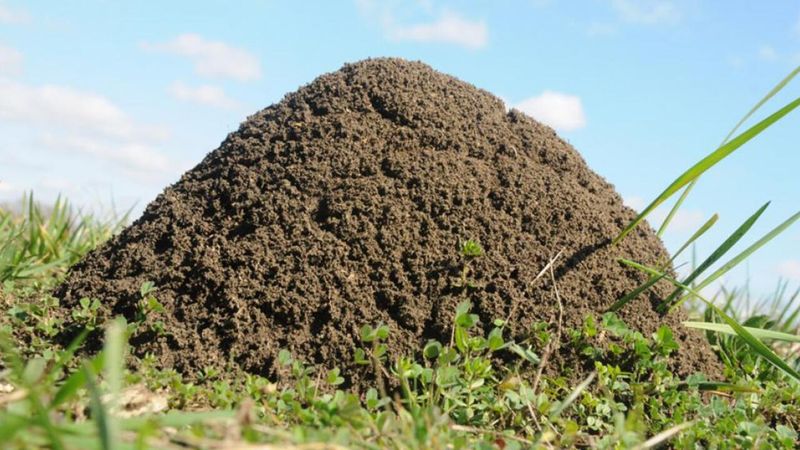
Fire ant mounds are the most obvious sign of infestation. These mounds look like loose piles of dirt without a visible entrance hole on top.
They can range from a few inches to over a foot tall and two feet wide. Regular ant hills usually have a clear opening at the peak, but fire ant mounds have entrances hidden around the base.
The mounds appear most often in open, sunny areas of your Texas garden. You might find them in lawns, along sidewalks, near garden beds, or around the base of trees.
After heavy rain, fire ants rebuild their mounds quickly, often within 24 hours, which makes them easy to spot.
If you disturb a fire ant mound, thousands of angry workers pour out within seconds. This aggressive swarming behavior is a key identifier.
Regular ants might scatter or retreat, but fire ants immediately attack whatever disturbed them. They climb quickly onto shoes, legs, or garden tools.
Fire ants also leave visible trails between food sources and their mounds. Watch for lines of ants moving across your patio, driveway, or garden paths.
Early detection of these signs allows you to take action while the colony is still manageable and before it spreads throughout your entire Texas property.
3. Maintain A Clean Garden Environment
Keeping your garden clean removes the food sources that attract fire ants in the first place. Fire ants are opportunistic feeders that eat almost anything, including seeds, insects, plant material, and food scraps.
When you reduce available food, fire ants are less likely to establish colonies in your Texas garden.
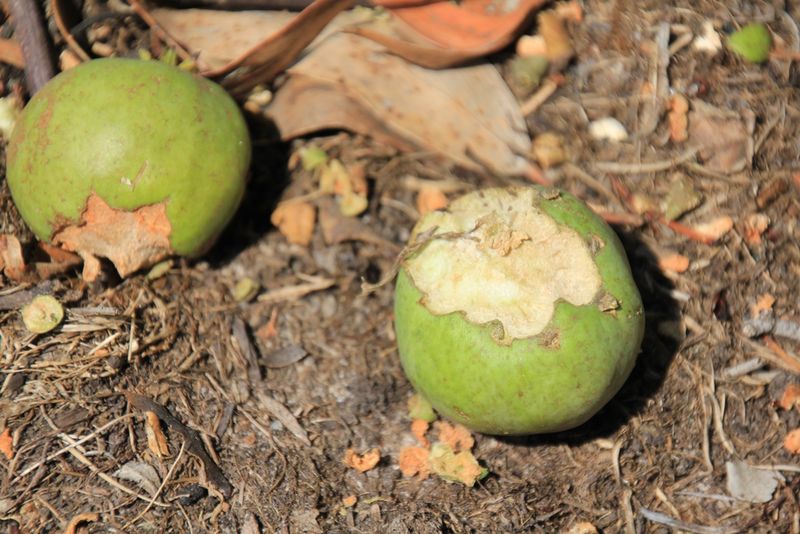
Start by picking up fallen fruit regularly. Citrus trees, peach trees, and berry bushes drop fruit that ferments and attracts ants from far away.
Check under trees daily during harvest season and remove any fruit on the ground. Even small pieces can feed an entire colony for days.
Pet food left outdoors is another major attractant. Feed your pets indoors whenever possible, or pick up bowls immediately after feeding time.
If you must feed pets outside, place their bowls on elevated stands surrounded by a shallow moat of water, which creates a barrier ants cannot cross easily.
Compost piles need careful management in Texas. Fire ants love the warmth and food scraps in compost bins.
Use enclosed composters with tight-fitting lids rather than open piles. Turn your compost regularly and avoid adding meat, dairy, or oily foods that attract ants more strongly than plant material.
Clear away garden debris like piles of leaves, grass clippings, and dry plant material. These create shelter and nesting sites for fire ants.
Remove old lumber, stacks of bricks, and unused pots where moisture collects. Standing water in saucers, clogged gutters, or low spots provides drinking water for ant colonies, so improve drainage and empty containers after rain.
4. Use Physical Barriers
Physical barriers create obstacles that slow down fire ant movement and make it harder for them to establish mounds near your valuable plants.
While barriers alone will not eliminate existing colonies, they work well as part of a larger prevention strategy for Texas gardens.
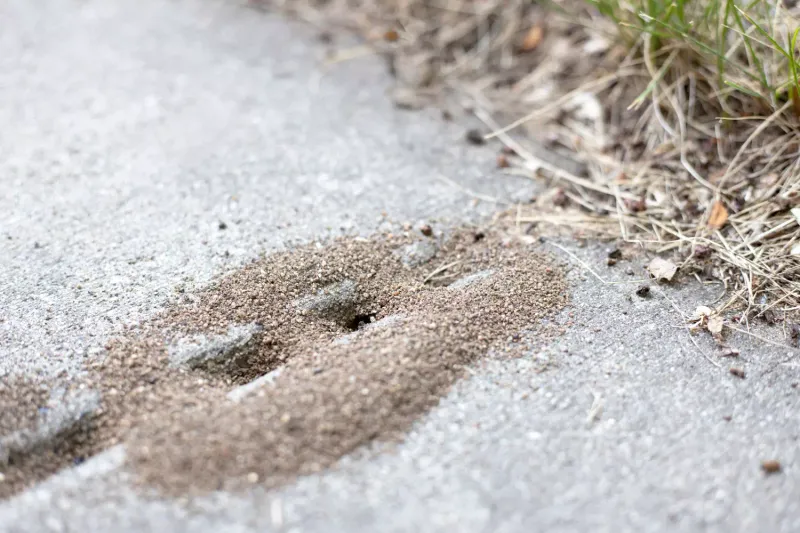
Sand barriers work surprisingly well around garden beds. Fire ants prefer to build mounds in soil rather than loose sand.
Create a border of coarse sand about six inches wide around vegetable beds and flower gardens. The sand drains quickly and stays dry on the surface, which makes it less attractive for mound building.
Mulch serves a dual purpose in your garden. A thick layer of mulch around plants helps retain moisture and suppress weeds, but it also creates an unstable surface where fire ants struggle to build permanent mounds.
Use three to four inches of pine bark, cedar chips, or hardwood mulch around shrubs and in flower beds. Refresh the mulch annually as it breaks down.
Landscape borders made from plastic, metal, or stone edging help contain fire ant activity. These barriers prevent ants from easily moving between your lawn and garden beds.
Install edging at least four inches deep and two inches above ground. This forces ants to travel over or around the barrier, which disrupts their usual pathways.
For raised vegetable beds, line the bottom with hardware cloth before filling with soil. This prevents fire ants from tunneling up from below.
Around the outside of raised beds, maintain a clear zone of at least 12 inches where you remove all vegetation and keep the ground bare or covered with gravel.
5. Apply Natural Remedies
Natural remedies offer effective ways to control fire ants without harsh chemicals that might harm beneficial insects, pets, or children in your Texas garden. These methods work best on small colonies or as part of regular maintenance to prevent new infestations.
Boiling water remains one of the simplest and most effective natural treatments for individual fire ant mounds. Heat a large pot of water to a rolling boil and carefully pour it directly onto the mound.
Use at least three gallons per mound and pour quickly so the water penetrates deep into the colony chambers. This method works best early in the morning or late evening when most ants are inside the mound.
Boiling water can harm nearby plants, so pour carefully and avoid root zones of valuable vegetation.
Diatomaceous earth is a powder made from fossilized algae that damages the waxy coating on insect bodies, causing them to dry out. Sprinkle food-grade diatomaceous earth around mounds and along ant trails.
Reapply after rain since water reduces its effectiveness. This method works slowly but poses no danger to pets or wildlife.
Beneficial nematodes are microscopic worms that parasitize fire ant larvae and queens. Mix nematodes with water according to package directions and apply to mounds and surrounding soil in the evening when temperatures are cooler.
Keep the soil moist for several days after application. Nematodes work best in spring and fall when soil temperatures are moderate.
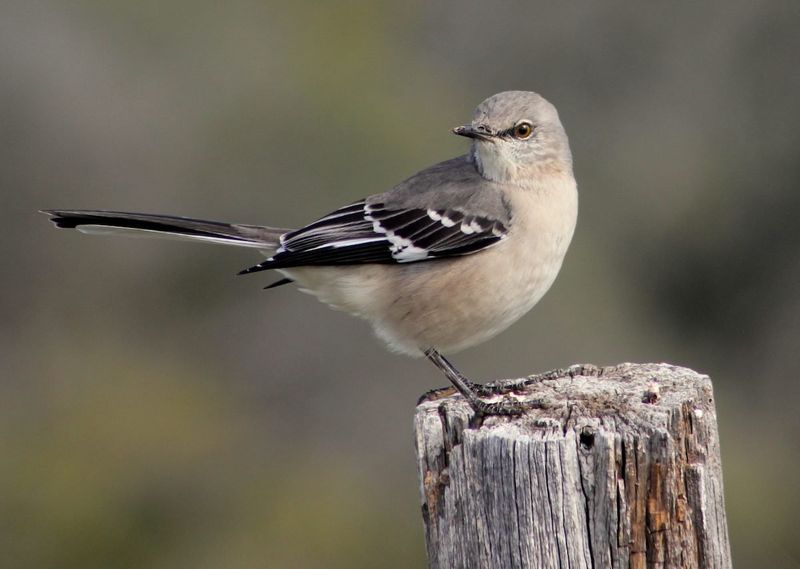
Encourage natural predators in your Texas garden. Birds like mockingbirds and robins eat fire ants.
Toads, lizards, and predatory insects also help control ant populations. Create habitat for these helpful creatures by providing water sources, shelter, and native plants.
6. Use Targeted Baits And Treatments

Targeted baits and treatments provide powerful control when natural methods are not enough or when you face large fire ant populations across your Texas property.
Modern products are designed to be effective while minimizing risks to people, pets, and beneficial insects when used correctly.
Fire ant baits work by attracting worker ants who carry the poisoned food back to the colony and share it with other ants and the queen. Baits containing hydramethylnon, fipronil, or spinosad are highly effective.
Apply baits in spring and fall when fire ants are actively foraging. Scatter bait around individual mounds or broadcast it across your entire lawn using a spreader. Fresh bait works best, so check expiration dates and store products in airtight containers.
Timing matters greatly with baits. Apply when temperatures are between 70 and 90 degrees and ants are actively searching for food.
Avoid applying before rain, which washes away the bait before ants find it. Do not water the lawn for at least 24 hours after application. Results take one to two weeks as the poison slowly spreads through the colony.
For faster results on individual mounds, use mound drenches or dust treatments. Pour liquid treatments directly onto mounds following label directions.
Dust formulations work well in dry weather. Always wear gloves and closed-toe shoes when applying treatments.
Safety is important in Texas gardens where children and pets play. Keep people and animals away from treated areas until products dry completely.
Store all treatments in locked cabinets out of reach. Read labels carefully and follow all instructions.
Apply treatments only to target areas rather than broadcasting across your entire property unnecessarily.
7. Ongoing Prevention And Monitoring
Long-term success against fire ants requires consistent monitoring and prevention rather than one-time treatments.
Fire ants are persistent insects that quickly recolonize treated areas if you let your guard down. Regular inspection and maintenance keep your Texas garden protected year-round.
Walk through your garden at least once a week during warm months to check for new mounds. Look in sunny open areas first since fire ants prefer these spots.
Check along fence lines, near trees, around garden beds, and in any bare patches of lawn. Mark new mounds with flags so you can treat them promptly before colonies grow large.
Rotate between different treatment methods to prevent fire ants from developing resistance. If you used bait treatments in spring, try natural methods or different chemical formulations later in the season.
This approach keeps fire ants off balance and maintains effectiveness of your control program.
Maintain good garden hygiene as an ongoing practice. Continue removing fallen fruit, storing pet food properly, and managing compost carefully.
Keep mulch refreshed and repair any irrigation leaks that create moist areas attractive to ants. These small efforts add up to make your property less inviting for fire ant colonies.
Plan for seasonal vigilance since fire ant activity peaks in spring and summer across Texas. Colonies grow fastest during warm weather, so increase your inspection frequency from April through September.
After the first frost, fire ants move deeper underground but colonies survive winter and become active again when temperatures warm.
Keep records of where you find mounds and what treatments you used. This information helps you identify problem areas and evaluate which methods work best in your specific garden conditions.