Do This When Planting North Carolina Crocuses Or They May Skip Blooming Next Spring
Crocus corms are small, and that makes them easy to plant badly. A common mistake is putting them too shallow. Squirrels dig them up in an afternoon, and shallow corms tend to produce weak flowers.
Planting them too deep causes trouble as well. The right depth sits in a narrow range, and it depends on the corm size. Direction matters too, because a corm planted upside down wastes energy finding the surface.
North Carolina’s heavy clay adds another challenge. Crocuses hate sitting in water, so drainage can decide whether they bloom.
Sun also plays a part, since they need light before the trees leaf out. Get these details right in fall, and the first flowers of spring will appear on schedule.
1. Plant Once The Soil Has Cooled
Timing can make or break a crocus planting. Those little corms may look tough, but they are picky about when they go into the ground. Get the timing right, and you set the stage for a strong spring bloom.
Soil that still holds summer heat is a problem. Warm, moist dirt invites fungus and rot, and a soft, mushy corm will never send up a flower.
On the other hand, planting too late leaves little time for roots to grow before winter arrives, which can mean weak blooms or none at all.
So when is the sweet spot? A good clue is the nights. Once evenings stay cool on a regular basis, the soil starts to follow, and that is your signal to grab the trowel.
North Carolina covers a lot of ground, so the calendar shifts depending on where you live. In the Mountains, aim for early to mid October.
Piedmont gardeners usually do best planting from October into November, while folks in the Coastal Plain can wait until November or even early December.
Why the big spread? Fall in the Piedmont and Coastal Plain often feels like an extended summer, with soil staying warm well past the first cool breezes.
A sunny 80 degree afternoon in October is nothing unusual in Raleigh or Wilmington, and the ground notices.
A cheap soil thermometer can take the guesswork out of the job. Many gardeners wait until the soil reads below about 60 degrees at planting depth.
If you buy corms early, store them in a cool, dry, airy spot until the moment is right, and you will give them the best possible start.
2. Make Sure They Get Enough Winter Chill
Cold is not the enemy of crocuses. In fact, these flowers count on a long, chilly winter nap before they will bloom. Without enough cool weeks underground, the corm simply never gets the message that spring has arrived.
Inside each corm is a kind of internal clock. Many weeks of cool soil through winter wind that clock up and trigger flowering. When winters turn mild and short, the clock may not finish, and the result can be a thin bloom or just leaves.
Luckily, most of the state has plenty of chill to offer. Gardeners in the Mountains and the Piedmont can usually plant and relax, since natural winter cold handles the job. Things get trickier closer to the coast.
Your North Carolina Garden Changes Every Week. Your Plan Should Too.
Gardening in North Carolina changes quickly throughout the season. Every Friday you’ll receive a simple weekly plan showing exactly what to plant, prune, fertilize, harvest, and protect so you never miss the right timing.
In warmer parts of the Coastal Plain, a little help goes a long way. Try chilling your corms in the refrigerator for about 12 to 15 weeks before planting.
Keep them in paper bags so they can breathe, and store them away from fruit, because ripening apples and bananas give off ethylene gas that can harm the flower buds inside.
Choosing the right type also helps. Snow crocus, known as Crocus tommasinianus, tends to perform well in milder areas and often blooms early with soft lavender petals. It is a smart pick for gardeners who want reliable color without fussing.
North Carolina winters swing from snowy mountain peaks to breezy beach towns that rarely freeze. Knowing where your garden falls on that range lets you plan ahead.
A few weeks in the fridge might be the small trick that turns a quiet bed into a burst of spring color.
3. Plant Corms At The Right Depth
Three to four inches. That small number holds a lot of power when it comes to crocus success. Dig too shallow, and your corms face a rough winter right near the surface.
Depth works like a cozy blanket. Corms set about 3 to 4 inches down stay protected from sudden temperature swings and are less likely to dry out. Down there, the soil changes slowly, which keeps the corm calm and steady while roots grow.
Shallow corms tell a different story. Freezing and thawing can push them right out of the ground, a process gardeners call heaving. Once exposed, they dry out fast or become an easy snack for curious animals.
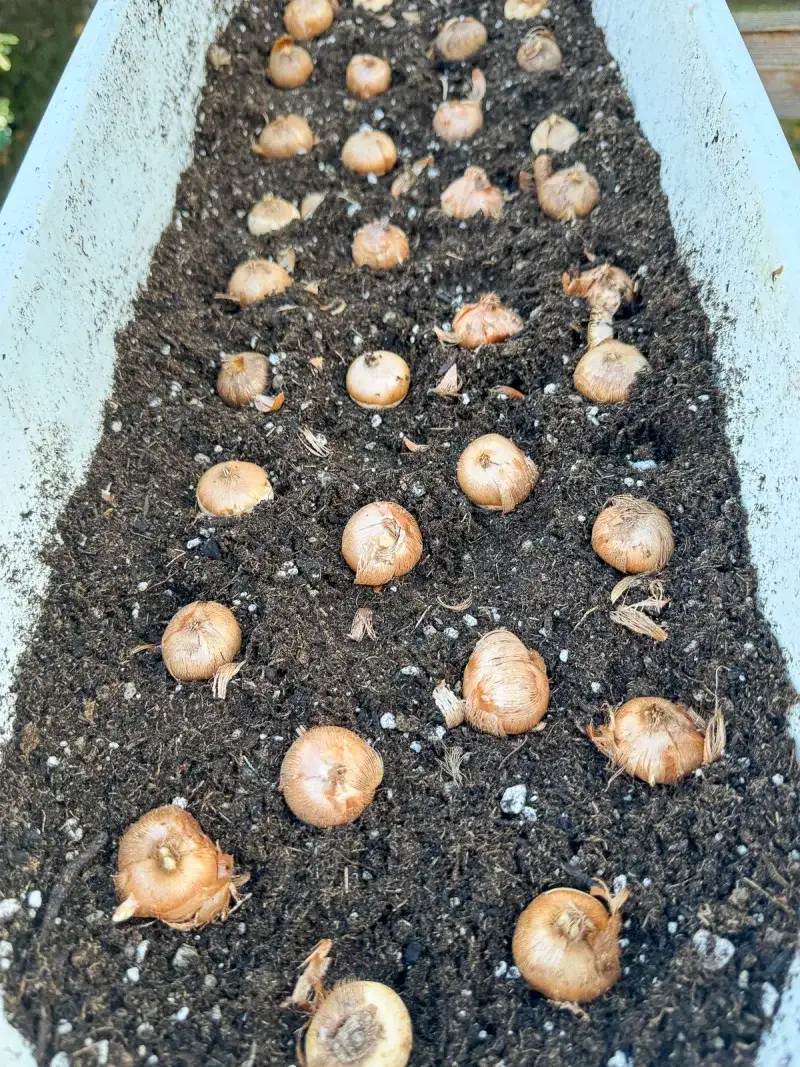
The method is simple and quick. Dig each hole about 3 to 4 inches deep, then set the corm in with the pointed side facing up. If you cannot tell which end is the top, look for a flat bottom with a few root scars and plant that side down.
After placing the corms, cover them and press the soil firmly with your hand. Firm soil removes air pockets that can dry out roots. If the ground feels dry, give the bed a good drink to help roots settle in.
Here in North Carolina, winter rarely stays frozen for long. The Piedmont especially sees frequent cycles of frosty mornings followed by mild afternoons, sometimes many times a month. Each cycle nudges shallow corms a little closer to the surface.
Planting at the proper depth keeps them snug and secure, ready to push up bright blooms when late winter warms the ground.
4. Choose A Sunny Spot
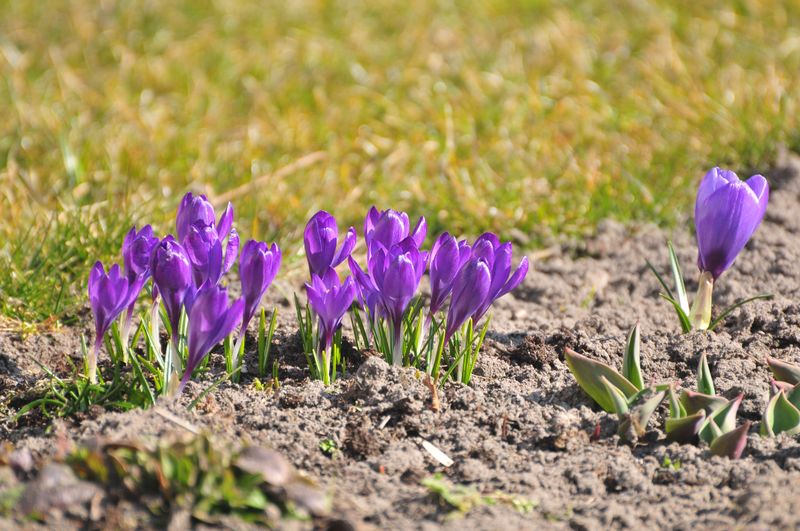
Crocuses are true sun lovers. On a bright day, their petals open wide like tiny cups, showing off the golden centers inside. When clouds roll in, they close up tight and wait for better weather.
Sunlight matters long after the flowers fade, too. The grassy leaves soak up light and turn it into food, which the corm stores for next year. Without enough sun, the corm grows weaker each season, and blooms slowly fade away.
Full sun is the best choice for most plantings. Still, you have another great option that many people overlook. Spots under deciduous trees, the kind that drop their leaves in fall, can work beautifully.
Timing is the secret behind that trick. In North Carolina, crocuses bloom in late winter while oaks, maples, and dogwoods are still bare. Sunlight pours through empty branches, and the crocuses get all the light they need before the canopy fills in.
Deep shade is a different matter. Evergreens like pines, hollies, and magnolias block light all year long. The north side of a house or garage can also stay shadowy through winter, so skip those areas.
Think about your own enjoyment while you plan. Crocuses are small, so a patch hidden in the back corner may go unnoticed. Place them near a window, along a walkway, or beside the mailbox where you pass every day.
A sunny spot by the front steps can turn a dull February morning into something special. Spotting the first open blooms on the way to work feels like a little gift from your garden.
5. Give Them Well-Drained Soil
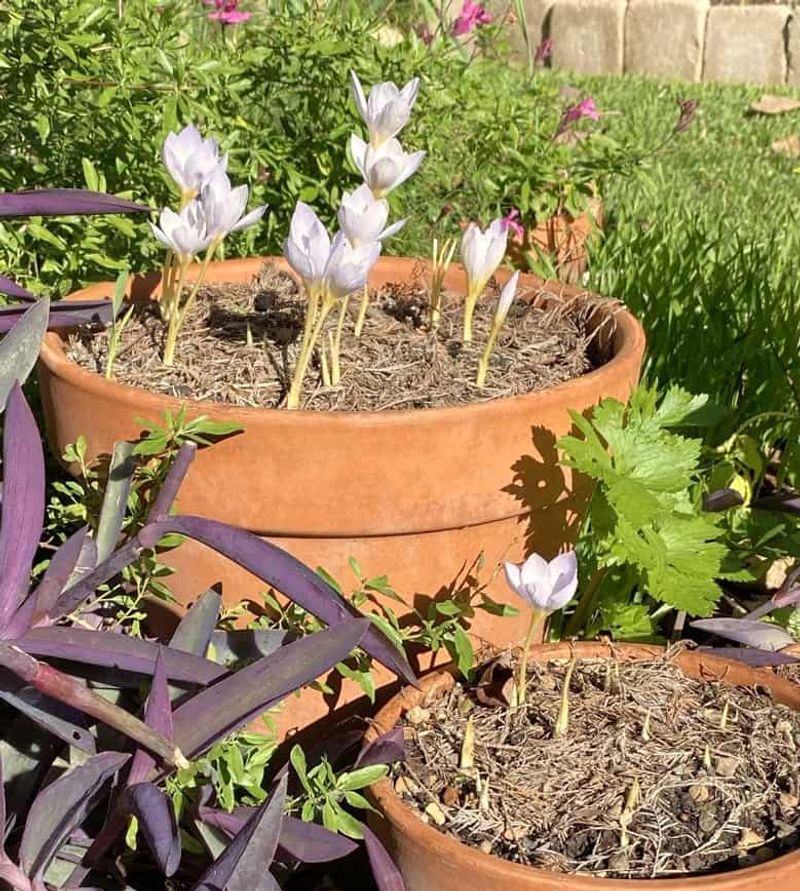
Ask any experienced North Carolina gardener about clay, and you might hear a groan. That sticky red soil holds onto water like a sponge. For crocuses, soggy ground is one of the biggest threats around.
Wet soil slowly breaks corms down. When the ground stays damp for long stretches, especially during cold, rainy winters, rot sets in. A rotted corm turns soft and brown, and it will not send up a single flower.
Watch your yard after a heavy rain to find the best spot. Areas that drain within a few hours are winners. Low places where puddles linger for a day or more are best left for other plants.
Heavy soil can still be improved with a bit of effort. Work compost into the whole planting area, not just the individual holes.
Mixing it across the bed helps water move evenly, while amending only the holes can create little bowls that trap water around each corm.
Got serious clay? Raised beds are a fantastic fix. Even a bed six to eight inches tall lifts corms above the wettest soil. Slopes and hillsides also work well, since gravity pulls extra water away naturally.
The Piedmont is famous for its heavy clay, and winter in North Carolina often brings steady, soaking rain.
Together, those conditions can keep soil soggy for weeks. Taking a little time now to improve drainage can save your crocuses from a mushy fate and reward you with healthy blooms for many springs to come.
6. Protect Them From Squirrels And Other Diggers
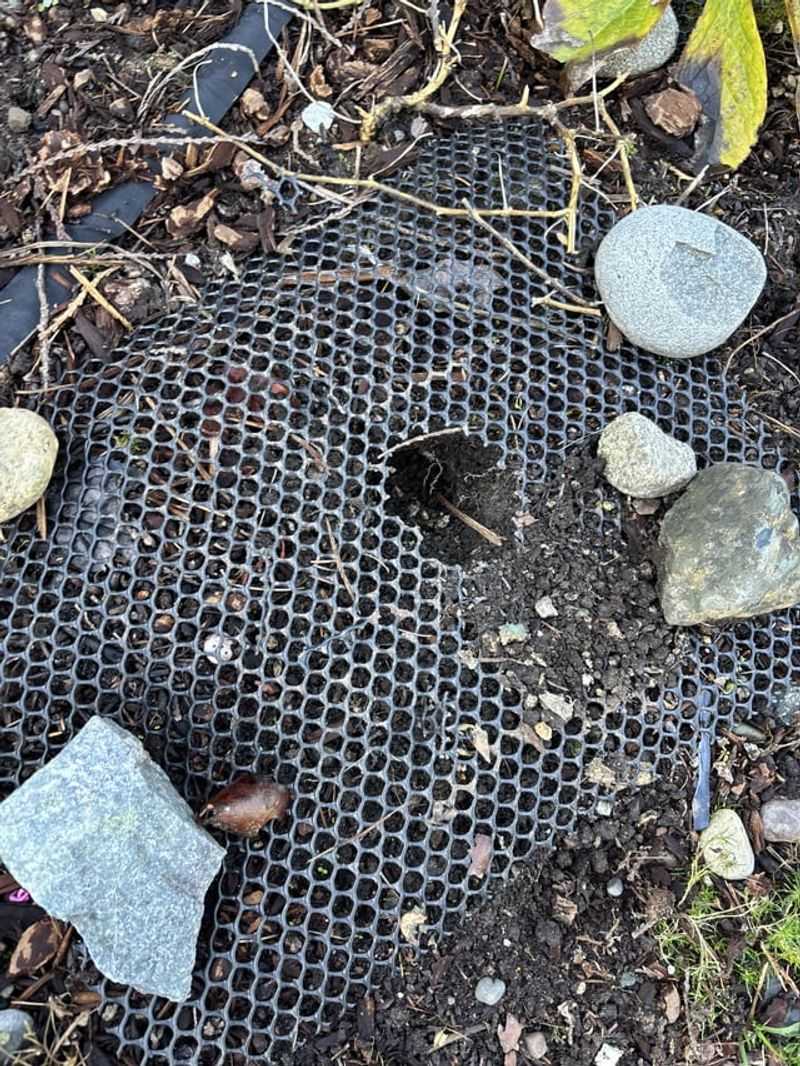
You plant fifty crocuses on Saturday afternoon. By Monday morning, little holes dot the bed and the corms are gone. Sound familiar? Plenty of gardeners have learned this lesson the hard way.
Crocus corms are a tasty treat for many critters. Squirrels, chipmunks, and voles happily dig them up and eat them, often within a day or two of planting. Corms that get eaten or carried off will not bloom where you hoped, if they bloom at all.
Start with a quick cleanup. The papery husks that flake off corms during planting leave a scent trail that animals follow. Gather those bits and toss them in the trash instead of leaving them on the bed.
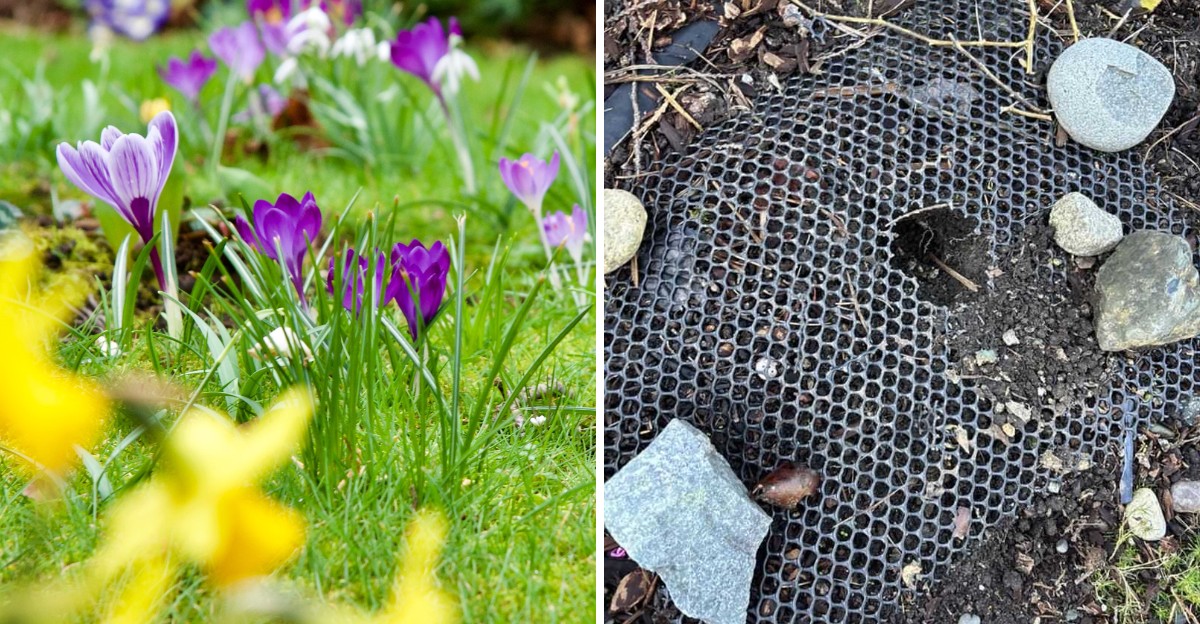
Next, add a physical barrier. Lay chicken wire or hardware cloth over the planted area, pin it down, and cover it with a thin layer of mulch. Shoots can grow right through the openings in spring, but digging paws hit a frustrating wall.
Skip the bone meal, too. Its smell can actually draw animals to your beds and encourage digging. A balanced bulb fertilizer is a safer choice if your soil needs a boost.
Variety choice can help as well. Snow crocus tends to be bothered less by hungry wildlife than large Dutch types, making it a clever option for problem areas. North Carolina is home to plenty of eastern gray squirrels, and fall is their busiest season.
They spend those weeks burying acorns and digging through fresh soil for anything edible. A loose, newly planted bed looks like an open invitation, so a little protection pays off.
7. Let The Leaves Fade Naturally After Blooming

Once the flowers fade, the real work begins underground. Many gardeners think the show is over, but those skinny green leaves are busy preparing for next year. Treat them kindly, and the reward comes the following spring.
Crocus leaves act like solar panels. They catch sunlight and make food, which travels down and gets stored in the corm. That stored energy powers the next round of blooms, so cutting or mowing too soon leaves the corm hungry and weak.
Patience is the main tool here. Leave the grassy leaves in place until they turn yellow and wither on their own. That usually takes several weeks after blooming, sometimes a bit longer during a cool spring.
Lawn plantings need extra care. Crocuses scattered through grass look charming, but the first spring mowing can chop off their leaves. Wait until the foliage has yellowed before firing up the mower, or raise the blade high for the first few cuts.
Want to tidy things up while you wait? Try planting crocuses near perennials that leaf out later in spring. Their growing foliage helps hide the fading crocus leaves without harming them.
Healthy crocuses do more than return. Over time, the corms multiply and form bigger clumps, and some types even spread by seed. In North Carolina, a small handful planted today can become a wide carpet of color in just a few years.
All it takes is a little restraint each spring. Let those leaves finish their job, and your crocuses will keep coming back stronger, brighter, and fuller with every passing season.