Don’t Rake Your Michigan Leaves Yet Until You Know What They Can Do For Your Garden
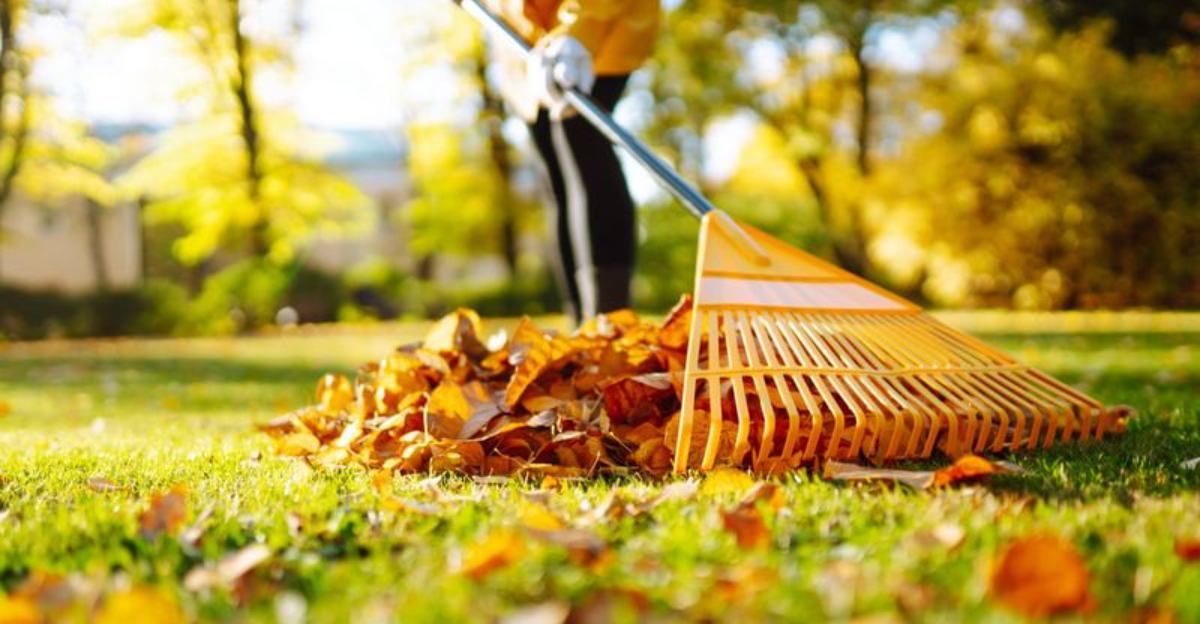
As leaves start piling up across Michigan yards, the instinct to rake and bag them right away is strong. But doing so too quickly can mean missing out on a free resource that benefits the garden all winter long.
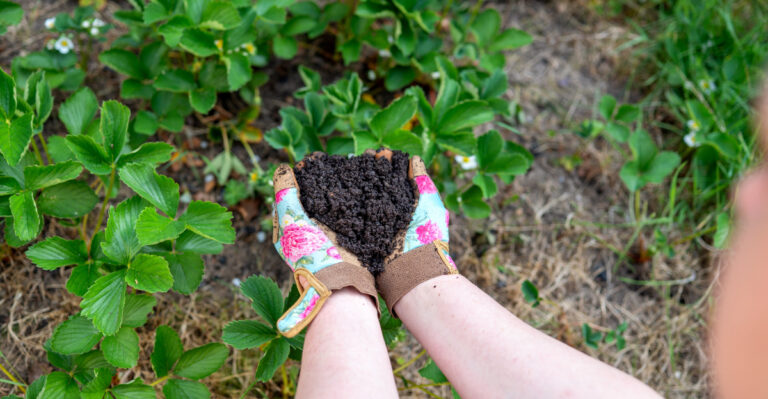
Fallen leaves break down over time and add organic matter back into the soil, improving its structure and helping it retain moisture more effectively.
This process also feeds the microorganisms and earthworms responsible for keeping soil healthy, creating better growing conditions without spending a dime on store-bought amendments.
Leaves left in garden beds or worked into the soil can quietly improve things for months.
Before reaching for the rake and trash bags this fall, it’s worth understanding what those leaves can actually do for a Michigan garden if given the chance to work their way in instead.
1. Use Leaves As Free Organic Mulch
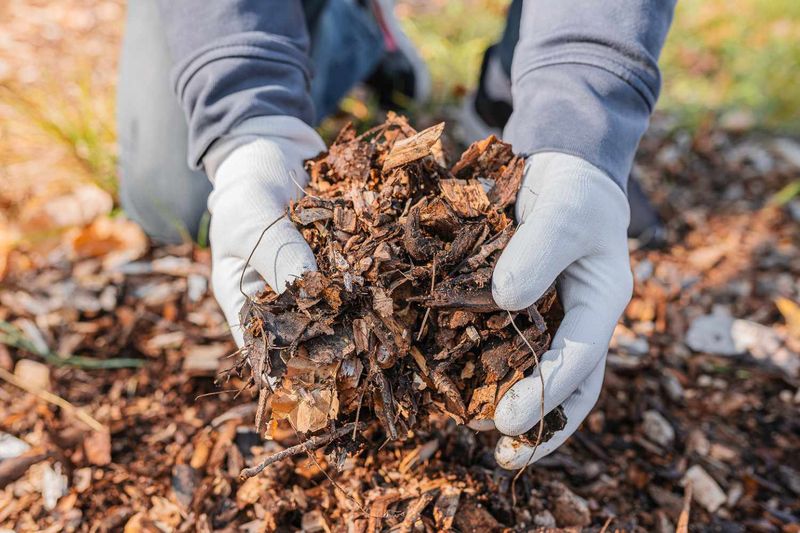
Picture a free bag of plant food falling right out of your trees each October. That is basically what happens when leaves drop across your yard. Spreading them over your garden beds gives you mulch without spending a dime.
As leaves sit on top of the soil, they slowly break down. Worms, fungi, and tiny soil creatures pull them apart and mix them into the earth.
Over the weeks and months, this process feeds the ground with organic matter and gentle nutrients your plants love.
A layer about two to three inches deep works well for most beds. Tuck the leaves around your vegetables, flowers, and shrubs, but keep a little space near the stems.
That way air still moves freely and moisture does not get trapped against tender plant parts.
Michigan trees like maple, oak, and birch all make wonderful mulch. Oak leaves break down a bit slower, so they last longer through the season. Softer leaves melt into the soil faster and give a quicker boost.
The best part is how this mulch improves your dirt over time. Sandy soil holds more water, and heavy clay loosens up and drains better. Your plants get stronger roots and a healthier home.
Come spring, most of those leaves will have blended into the ground. Any leftovers can stay put or get worked in with a hand tool. Free, easy, and great for the earth, leaf mulch is one of the simplest gifts your yard offers.
2. Shred Leaves Before Using Them In Most Beds
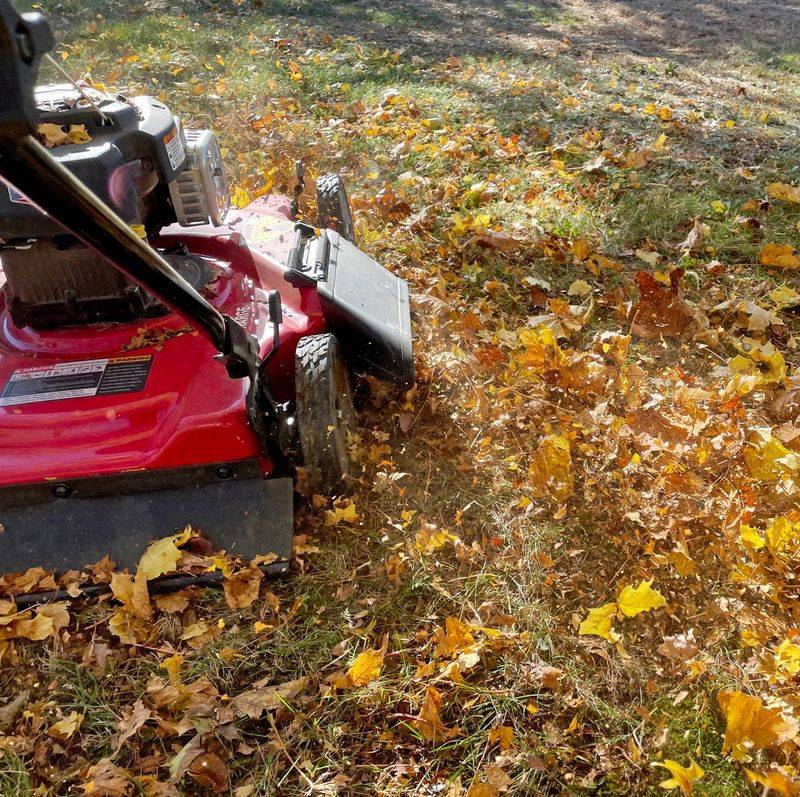
Whole leaves can be sneaky troublemakers if you pile them on too thick. When wet leaves stack up flat, they stick together and form a soggy mat. Water then slides right off instead of soaking down to the roots.
Shredding fixes this problem fast. Chopped leaves stay fluffy and let air and rain pass through easily.
They also settle nicely around plants without smothering them. You do not need fancy gear to shred leaves. A regular lawn mower does the job well.
Just rake leaves into a row, run the mower over them a few times, and collect the small pieces from the bag. A leaf blower with a vacuum setting works too.
Your Michigan Garden Changes Every Week. Your Plan Should Too.
Gardening in Michigan changes quickly throughout the season. Every Friday you’ll receive a simple weekly plan showing exactly what to plant, prune, fertilize, harvest, and protect so you never miss the right timing.
Smaller pieces have another big advantage. They break down much faster than whole leaves because more of their surface touches the soil creatures that feed on them.
What might take a full year as whole leaves can finish in a few months once shredded.
For flower beds and vegetable gardens, shredded leaves are a top choice. Spread a couple of inches over the surface and let nature take over. The bits knit together just enough to stay in place during Michigan wind and rain.
Shredded leaves also mix beautifully into compost piles and garden soil. They add carbon that balances out wet kitchen scraps and grass clippings.
So before you dump giant piles on your beds, take a few minutes to chop them up. Your plants and your soil will reward the extra effort.
3. Let Leaves Protect Bare Soil
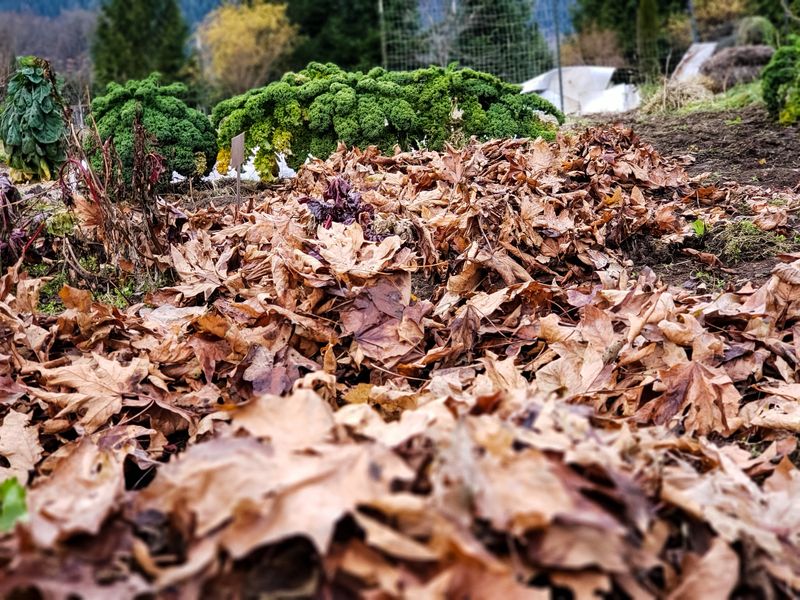
Empty garden beds may look tidy, but bare soil takes a beating over winter. Rain and snow wash away the top layer, and harsh weather packs the ground hard. A simple leaf cover changes everything.
Think of leaves as a cozy blanket for your dirt. When you spread them over open spots, they shield the surface from pounding rain that causes erosion. The soil stays in place instead of running off with the next big storm.
Michigan winters bring wild temperature swings, with warm spells followed by deep freezes. These changes can heave plants right out of the ground and crack the soil.
A leaf layer softens those swings and keeps the earth more steady from top to bottom. Underneath that cover, life keeps humming along. Earthworms, beetles, and helpful microbes stay active longer and find shelter from the cold.
They keep working on the soil, breaking down material and building richer ground for spring planting.
Small animals and insects also appreciate the extra cover. Leaf layers give them a safe spot to wait out the chilly months. A garden full of that kind of life tends to be healthier and more balanced.
To protect bare beds, simply rake a loose layer of leaves across the open dirt. There is no need to press them down or make it perfect. Loose is better because air still flows through.
When warmer days return, pull the leaves aside or work them in. Your soil will be softer, richer, and ready to grow.
4. Use Leaves To Help Hold Soil Moisture
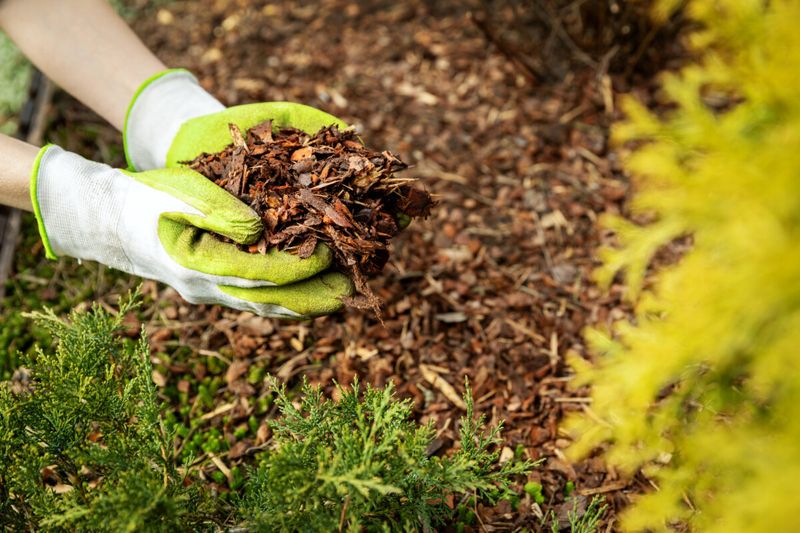
Water is precious in the garden, and a lot of it slips away into thin air. On hot, breezy days, the sun pulls moisture right out of open soil. Leaf mulch acts like a shield that keeps that water where your roots can use it.
When a layer of leaves covers the ground, less sunlight hits the surface directly. That means the top of the soil stays cooler and damper for much longer. Your plants get a steadier drink instead of drying out between waterings.
Steady moisture matters more than most people think. Plants that swing from soaking wet to bone dry get stressed and grow slowly. A calm, even level of water helps roots stay strong and happy.
Leaf mulch also cuts down on your work. With less evaporation, you do not have to drag the hose out as often. That saves time, water, and money during Michigan’s warm summer stretches.
For the best results, spread two to three inches of leaves around your plants. Keep the mulch just off the stems so moisture does not sit against them. Refresh the layer if it thins out over the season.
This trick works great for vegetables, flowers, and young shrubs. It even helps container gardens and raised beds hold their water longer.
Rain also soaks in better with mulch on top. Instead of running off hard, dry ground, water slows down and sinks in.
Your whole garden drinks deeper and grows greener with this simple, natural cover.
5. Leave Some Intact Leaf Litter For Wildlife
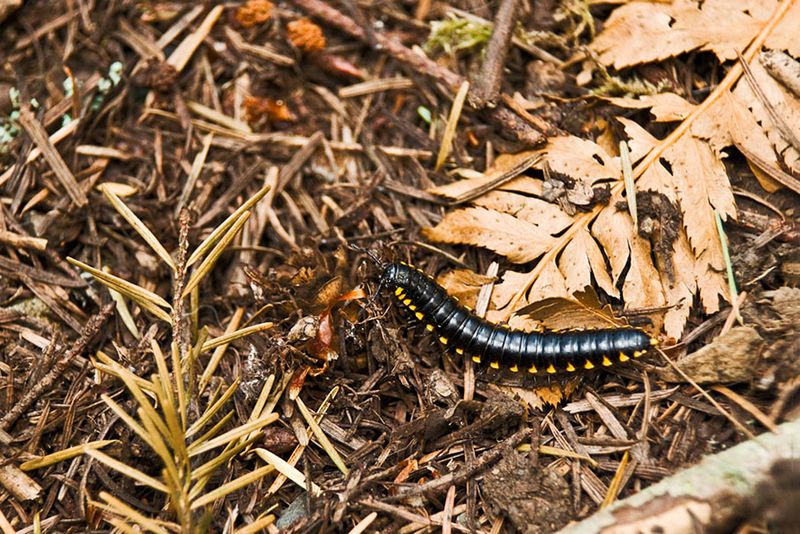
Not every leaf needs to be chopped or cleaned up. In fact, leaving some whole leaf litter in quiet corners of your yard does real good. Those messy-looking piles are actually busy little neighborhoods.
Many helpful insects spend the cold months tucked inside fallen leaves. Butterflies, moths, and native bees hide in the layers as eggs, cocoons, or resting adults.
Rake it all away and you lose the very creatures that pollinate your flowers next year. Fireflies also depend on leaf litter. Their young live in that damp layer, feeding and growing before they light up your summer evenings.
A tidy, bare yard leaves them nowhere to go. Small animals get help too. Toads, frogs, and salamanders shelter under leaves, and they eat pests that bother your plants.
Chipmunks and songbirds hunt through the litter for food during lean months. You do not have to turn your whole yard wild. Just pick a few spots under trees, along fences, or behind shrubs and let the leaves stay.
These calm zones become a safe home for backyard wildlife all winter. Leaving litter also saves you effort, which is a nice bonus. Less raking means more time to enjoy the crisp Michigan air.
Come spring, the leaves will have started breaking down into rich material for the soil. By then, most of the sleeping insects will have moved on to their next stage of life.
A little wildness goes a long way toward a lively, balanced garden. Your local critters will thank you.
6. Mulch Leaves Into The Lawn
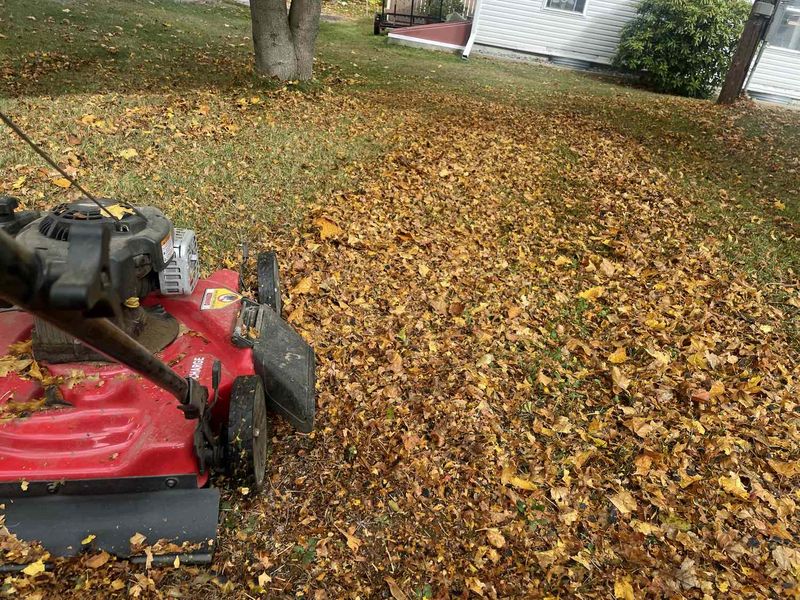
Here is a trick that saves your back and feeds your grass at the same time. Instead of raking leaves off the lawn, you can chop them up right where they fall. Your mower does all the heavy lifting.
Simply run the mower over the leaves as they cover the grass. The blades cut them into tiny bits that drop down between the blades of grass. From a few steps away, your lawn looks clean and green again.
Those little pieces do not just disappear. They settle onto the soil and break down over the next few weeks.
As they melt away, they feed your lawn with nutrients and add organic matter that helps grass grow thick.
Studies from Michigan State University show this method works great for turf. Mulched leaves can cut down on the amount of fertilizer your lawn needs the following year.
That is a win for your wallet and the environment. Timing helps a lot. Mow when the leaves are dry, since wet leaves clump and jam the mower.
You may need to go over the same area two or three times for a fine chop. One important rule keeps things healthy. Do not leave thick blankets of whole leaves sitting on the grass.
Too much cover blocks sunlight and air, and it can smother the lawn over winter. If leaves pile up faster than you can mulch, gather the extra for your beds or compost. Balance is the secret to a strong, happy lawn.
7. Keep Thick Leaf Mats Off Plant Crowns
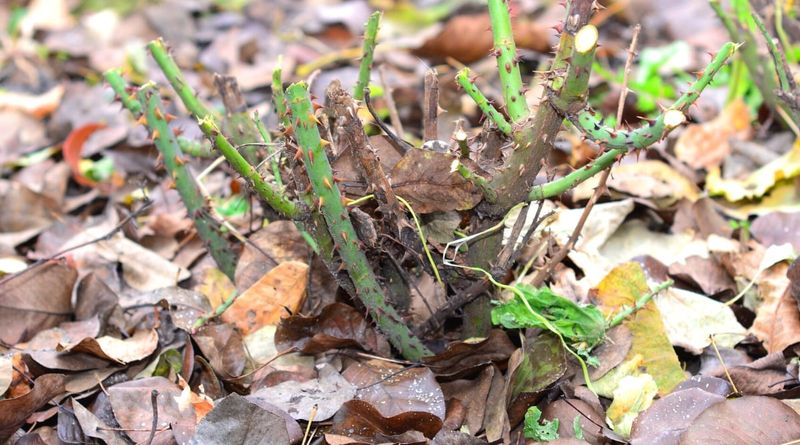
Leaves are wonderful helpers, but too many in the wrong spot can cause trouble. When a heavy, wet layer piles up right on top of a plant’s crown, it traps moisture against the growing point.
That soggy blanket can smother the plant instead of helping it. The crown is the spot where the stems meet the roots at the soil line. It needs air and light to stay healthy.
A thick mat sitting there blocks both and can lead to rot during Michigan’s wet, cold months.
Perennials like hostas, daylilies, and coneflowers deserve special care. Gently pull excess leaves away from their centers so the crowns can breathe. You can spread that extra material out over open ground instead.
Evergreen plants also dislike heavy leaf cover. Their low branches and needles can get squished and damp under a soggy pile. Keep leaves loose and light around them, not packed down tight.
Check your beds after big windstorms, since leaves love to drift and gather in deep piles. A few minutes of raking spreads them out and keeps any single plant from getting buried.
Loose and thin is the goal everywhere. A couple of inches of fluffy leaves protects the soil without choking your plants. Anything thicker should be moved, shredded, or added to the compost pile.
Think of it like tucking your garden in without covering its face. The plants stay cozy but still get plenty of air. That simple balance keeps your perennials and shrubs strong through the season.
8. Turn Extra Leaves Into Leaf Mold Or Compost
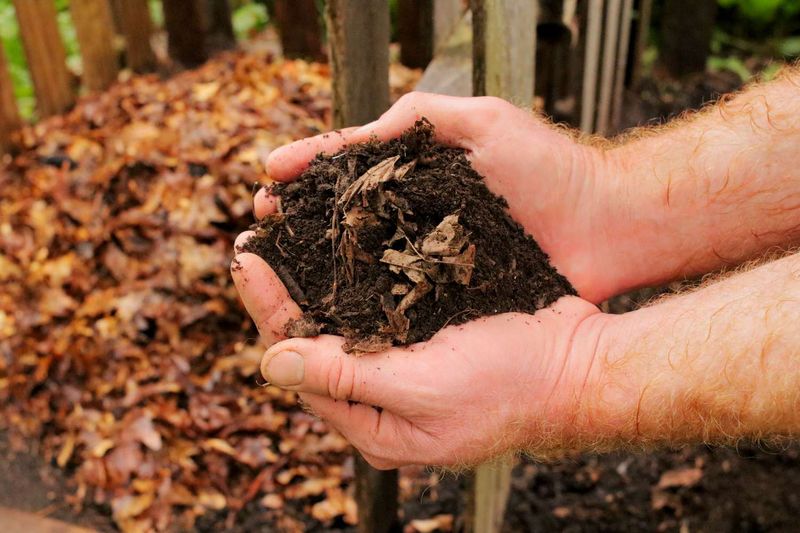
When you have more leaves than your beds can hold, do not send them off as yard waste. Those extras can become some of the best soil food around.
All it takes is a little patience and a spare corner of the yard. Leaf mold is the simplest option. Pile up your leaves in a heap or a wire bin and let them sit.
Over a year or two, fungi break them down into a dark, crumbly material that smells like a forest floor.
That finished leaf mold is pure garden gold. Mixed into soil, it helps the ground hold water like a sponge and gives roots a soft place to grow.
It also feeds the tiny life forms that keep dirt healthy. Composting is another great path. Leaves add carbon, often called the brown ingredient, to your compost pile.
Mix them with green scraps like vegetable peels and grass clippings for a balanced blend. Turn the pile now and then to keep air moving through it. In a few months, you will have rich, dark compost ready to spread.
Your plants will grow greener and stronger with that boost. Shredding leaves first speeds up both methods. Smaller pieces break down faster and pack down less.
A quick run with the mower gets them ready. Making leaf mold and compost keeps valuable material in your own yard. You save on bags, trips, and store-bought soil.
Best of all, your garden gets fed with something you made yourself, straight from the trees.