Don’t Touch The Bug With A Gear On Its Back Crawling Up Indiana Siding
A bug with a tiny saw blade sticking out of its back is crawling up houses right now. I did a double take the first time I saw one, because it looked like a toy someone built from spare clock parts.
It moves slowly, almost lazily, across sunny walls. That calm pace hides a sharp secret tucked under its head. Scientists say it is the largest assassin bug in North America.
Here in Indiana, late summer and fall bring more of these armored visitors into view. You might spot one near the porch light or creeping past a window frame. Honestly, I find them more fascinating than frightening.
Still, curiosity has a price with this one. People who grabbed it barehanded describe a jolt worse than a bee sting. So what exactly is this odd crawler, and should you be glad it showed up?
That Cogwheel Crest Belongs To A Wheel Bug
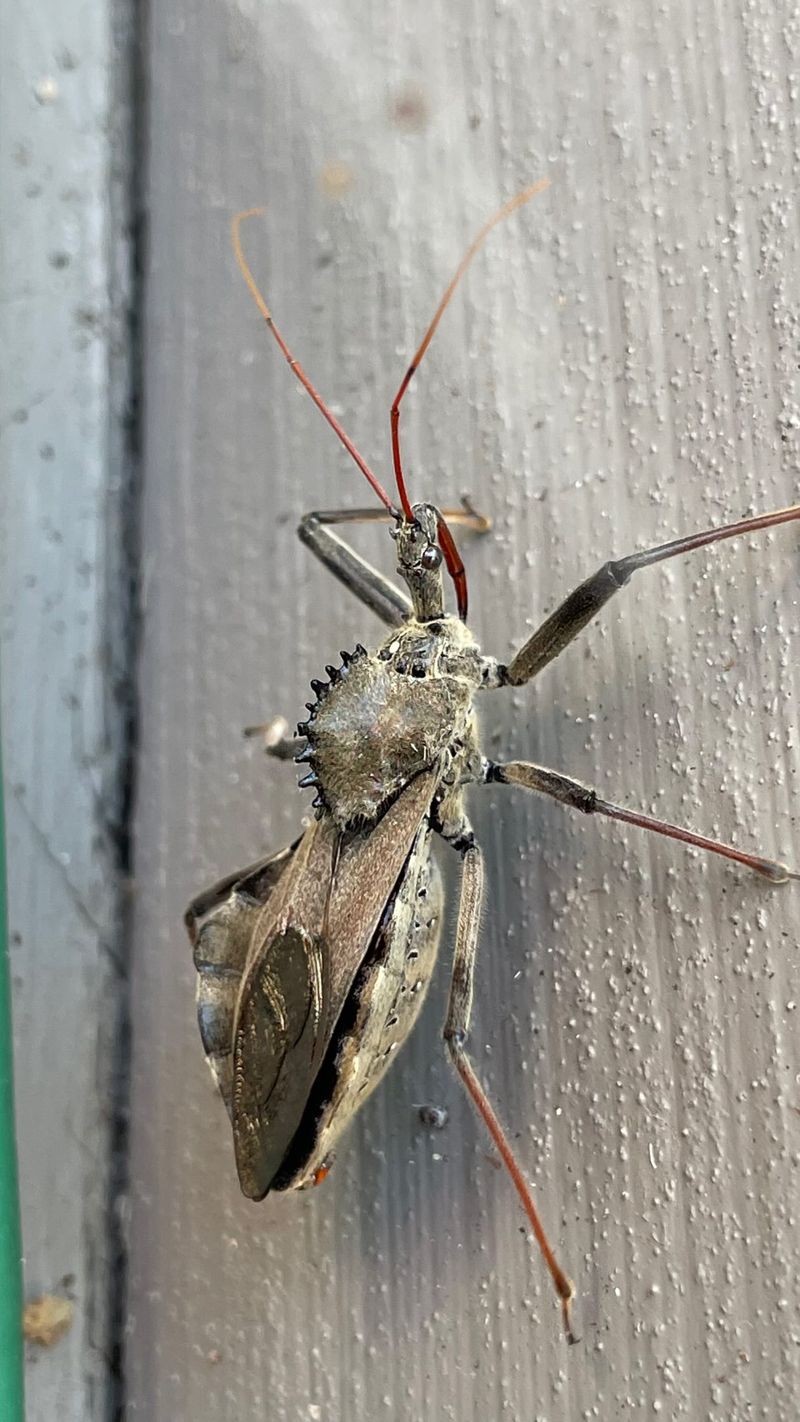
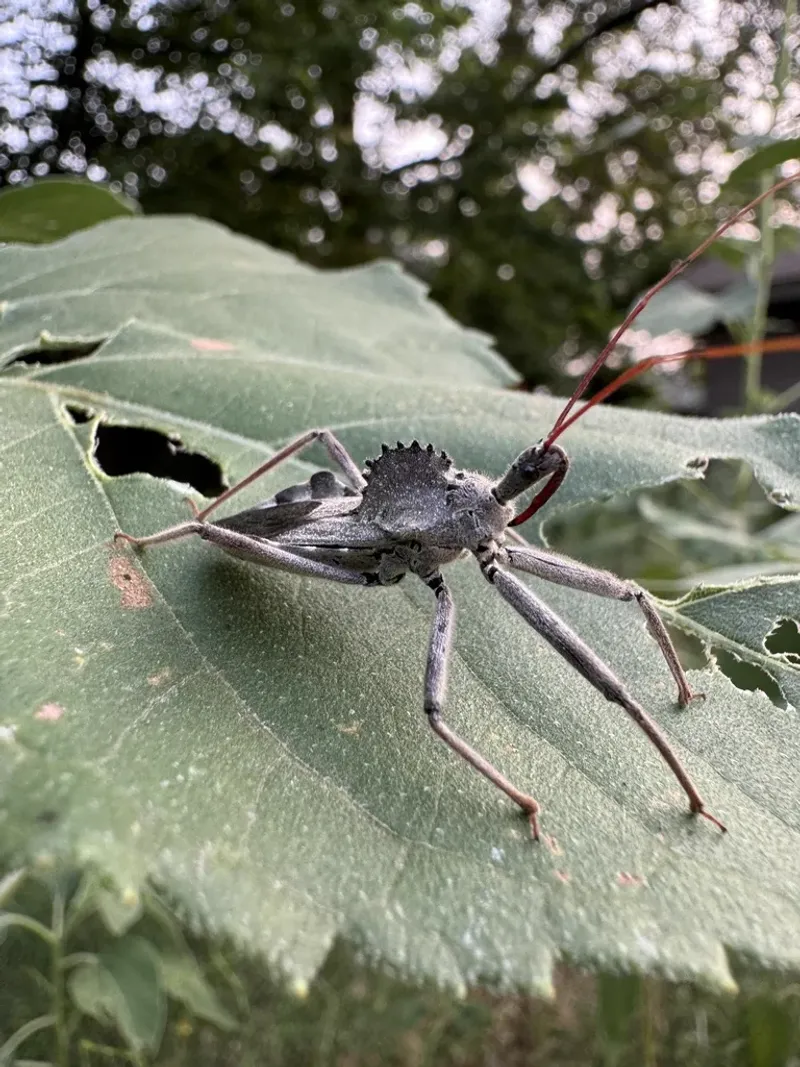
Spotting a little cogwheel on a bug feels like finding a secret gear from grandpa’s pocket watch. The creature wearing it is the wheel bug, known to scientists as Arilus cristatus.
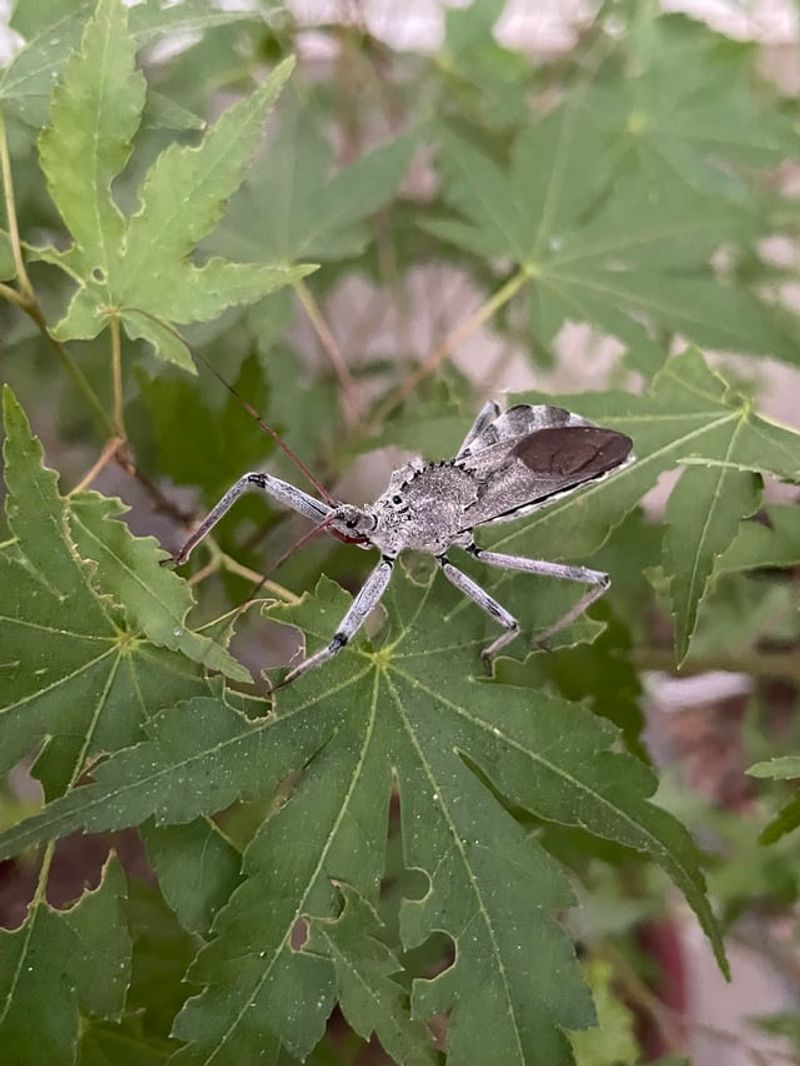
It belongs to the assassin bug family, a group of insects that hunt other insects. Adults grow to roughly 1 to 1.5 inches long, which makes them one of the biggest true bugs you will see in Indiana. Their bodies are grayish brown, and the wings can show a faint bronze shine.
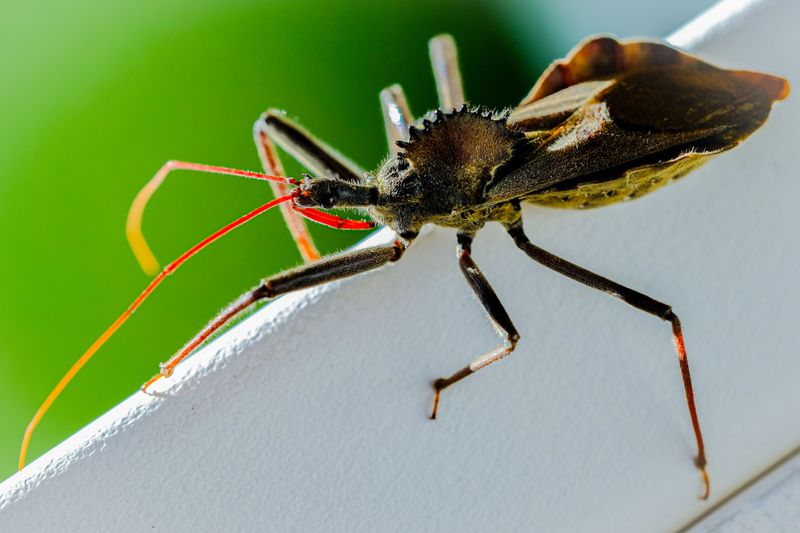
The famous crest sits on the thorax, just behind the head. It is a raised ridge with about 8 to 12 tooth-like points. No other common insect in the eastern United States has a crest quite like it.
Other clues help too. Look for a long, narrow head, a thick curved beak folded underneath, and long, skinny legs. Antennae are usually dark and slender.
Did you know? The wheel bug is the only member of its genus found in the U.S. That makes your siding visitor a one-of-a-kind design rather than one of a big lookalike crowd.
Once you know that crest, you will recognize this bug from across the yard.
Bare Hands And Wheel Bug Beaks Are A Painful Mix
My best advice is simple. Leave this bug alone, and especially keep your fingers away from it.
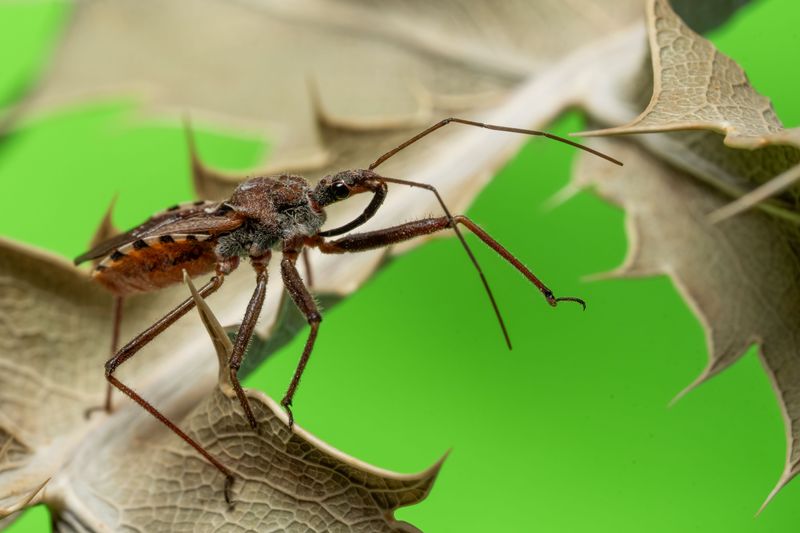
The wheel bug carries a stiff, curved beak called a rostrum. It uses that beak to pierce prey and inject saliva that breaks down the insides of its meal. When a person squeezes or traps one, it may use the same tool in self-defense.
People who have been jabbed often compare it to a wasp or hornet sting, and many say it feels worse. University extension sources describe intense burning pain right away. The area can turn numb, and some folks report soreness lasting days or even weeks.
Thankfully, wheel bugs do not chase people. They are not aggressive, and most jabs happen when someone grabs one, rolls onto one, or reaches into a plant without looking. Kids are the most likely to try picking one up, so a quick family chat helps.
If you do get jabbed, wash the spot with soap and water. A cold pack and an over-the-counter pain reliever can ease discomfort. Watch for signs of infection or an allergic reaction, and call a doctor if swelling spreads or breathing feels hard.
A Gentle Paper Scoop Moves That Spiky Bug Outdoors
So one is crawling across your siding or sitting on the screen door. Relax, because you have easy, safe options.
Outside on the house, the best plan is usually doing nothing. A wheel bug on siding is often just passing through, sunning itself, or searching for a mate. It will move along on its own.
Indoors is a different story, and a cup works wonders. Set a clear plastic cup over the bug, slide a stiff piece of paper or thin cardboard underneath, and carry it outside. Release it near shrubs or a flower bed instead of tossing it on the porch.
Wearing thick garden gloves adds another layer of protection. Avoid using thin latex gloves, since that beak can poke through soft material. Never press one against your skin or pinch it with your fingers.
If one lands on your arm or shirt, stay calm. A quick flick or gentle brush with a piece of mail usually sends it off. Swatting with your palm is the move that tends to end in a jab.
A vacuum works in a pinch, though relocating it outdoors keeps a helpful hunter on the job.
This Assassin Bug Eats Caterpillars And Japanese Beetles
Honestly, I cheer a little when I find one of these in my vegetable patch. Wheel bugs are hunters, and their menu reads like a list of garden troublemakers.
They eat caterpillars, including tomato hornworm types and tent caterpillars. They also catch Japanese beetles, aphids, sawfly larvae, and even brown marmorated stink bugs. Purdue and other land-grant schools list them as beneficial predators.
Their hunting style is patient. A wheel bug will creep slowly toward a target, then grab it with its front legs and strike with the beak. Saliva turns the prey’s insides to liquid, and the bug sips its meal.
Fair warning, they are not picky. Wheel bugs sometimes catch bees, butterflies, and other helpful insects too. Most gardeners still find the trade worth it, since the pest control is real and free.
Spraying broad insecticides to get rid of them often backfires. You lose the predator while the pests bounce back quickly. Leaving wheel bugs alone lets nature handle part of the work.
If you see one in your roses or beans, think of it as an unpaid security guard. Just give it plenty of personal space.
Late Summer And Fall Bring Wheel Bugs To Your Walls
Ever notice how these bugs seem to pop up out of nowhere around September? There is a solid reason for that timing.
Wheel bugs have one generation per year. Eggs hatch in spring, and the young spend summer growing in trees and shrubs. By late summer, they reach adult size, and that is when people finally notice them.
Fall is mating season. Adults wander more as they look for partners, and females search for places to lay eggs. Houses become part of their travel route, especially walls near trees, gardens, or shrubs.
Warm siding matters too. On cool autumn mornings, sun-heated walls feel cozy to cold-blooded insects. South and west sides of a home often collect the most visitors.
Porch lights add to the effect. Lights attract moths and other small insects at night, and hungry wheel bugs follow the food. That explains why you might find one near a door the next morning.
Across Indiana, sightings usually fade after the first hard frosts. Adults do not survive winter, so the bug you see in October will not move in for months. Only the eggs carry the species into spring.
Bright Red Wheel Bug Nymphs Look Nothing Like Mom
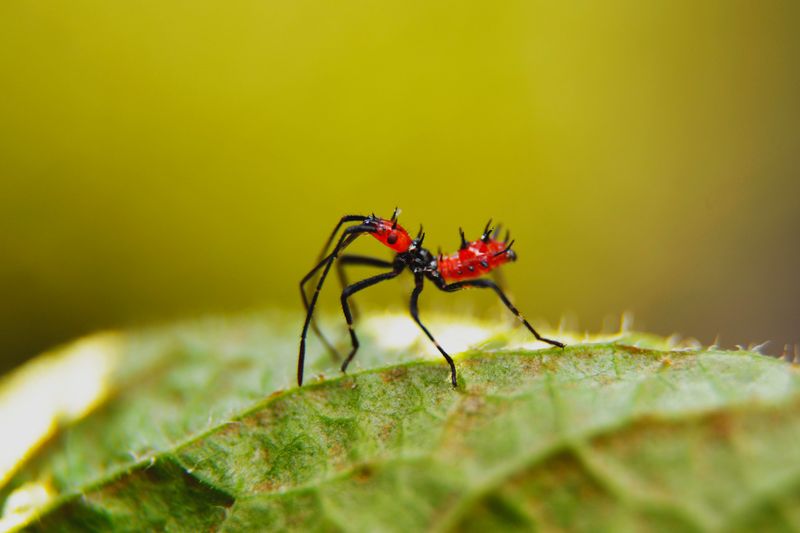
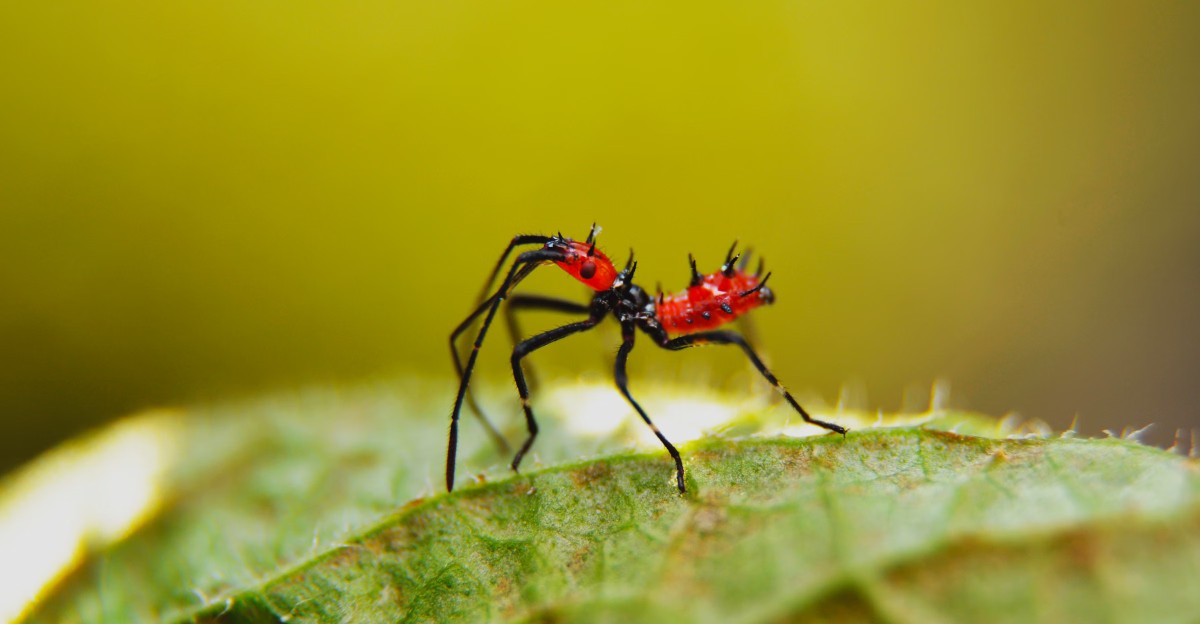
Spring brings a totally different look. Baby wheel bugs, called nymphs, are bright red and black with no gear at all.
Many people never connect the two. The nymphs have long legs, a raised abdomen, and a narrow head, giving them a spidery, punk-rock vibe. They often gather in small groups right after hatching.
As they grow, nymphs shed their skin several times. With each molt, they get a bit larger and darker. The famous crest appears only after the final molt, when they become adults.
Do not handle nymphs either. They have beaks too and can deliver a painful poke. Their small size can fool kids into thinking they are harmless little beetles.
Eggs are another clue worth learning. Females lay clusters of small, barrel-shaped brown eggs, often in a hexagon-like patch. You might find them on tree bark, twigs, fence posts, or the edge of your siding.
Those egg clusters look a bit like tiny bundles of brown pegs with white tops. Leaving them alone means next year’s garden gets a fresh crew of pest hunters. Scraping them off is optional, but most gardeners let them be.
Stink Bugs And Kissing Bugs Are Easy Wheel Bug Mixups
Plenty of folks post photos online asking if they found a kissing bug. Most of the time in Indiana, the answer is no.
Kissing bugs belong to the same family as wheel bugs, but they look different. They are flatter, often with red or orange stripes along the body edges. Crucially, kissing bugs lack the gear-shaped crest. Wheel bugs are not kissing bugs and do not spread Chagas disease.
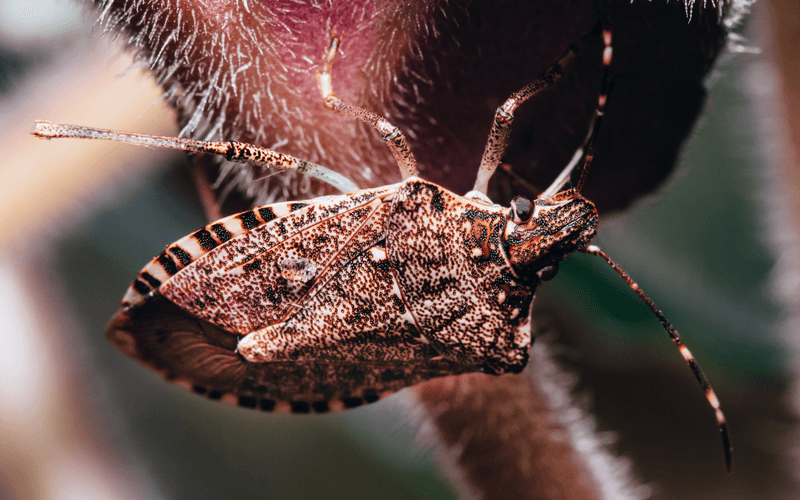
Brown marmorated stink bugs cause confusion too. They are shield-shaped, wider, and much shorter, with banded antennae. Stink bugs also crowd onto houses in fall, so both insects can appear on the same wall.
Squash bugs and leaf-footed bugs are other lookalikes. Neither has the toothed ridge, and their heads are shorter and blunter. Leaf-footed bugs show flat, leaf-like flares on their back legs.
A quick checklist helps. Look for the crest, the long narrow head, and the thick curved beak. If all three are there, you have a wheel bug.
Still unsure? Snap a clear photo and send it to your county Purdue Extension office. Their experts can help with insect ID questions.
Sealed Gaps And Yellow Porch Lights Keep Wheel Bugs Outside
Wheel bugs are welcome in the garden, yet nobody wants one in the laundry basket. A few easy home fixes keep them where they belong.
Start with a walk around your house. Check window frames, door edges, and spots where pipes or cables enter the wall. Fill small cracks with caulk and repair torn screens.
Door sweeps make a big difference. A gap under an exterior door is like an open invitation for fall insects. The same work also blocks stink bugs, lady beetles, and boxelder bugs.
Lighting comes next. Yellow LED bug lights attract fewer moths and flies, which means less food drawing wheel bugs to your doorway. Motion-sensor lights cut nighttime traffic too.
Be careful with outdoor gear. Shake out gloves, shoes, and towels left on the patio before using them. Wheel bugs sometimes hide in folds of fabric.
Most of all, teach kids to look but not touch. A wheel bug on Indiana siding is a sign your yard supports a healthy mix of predators and prey. Admire that tiny gear from a step away, snap a photo, and let it keep patrolling your garden.