Loud Booms Some Indiana Homeowners Hear On Frigid Nights Are Coming From The Ground Itself
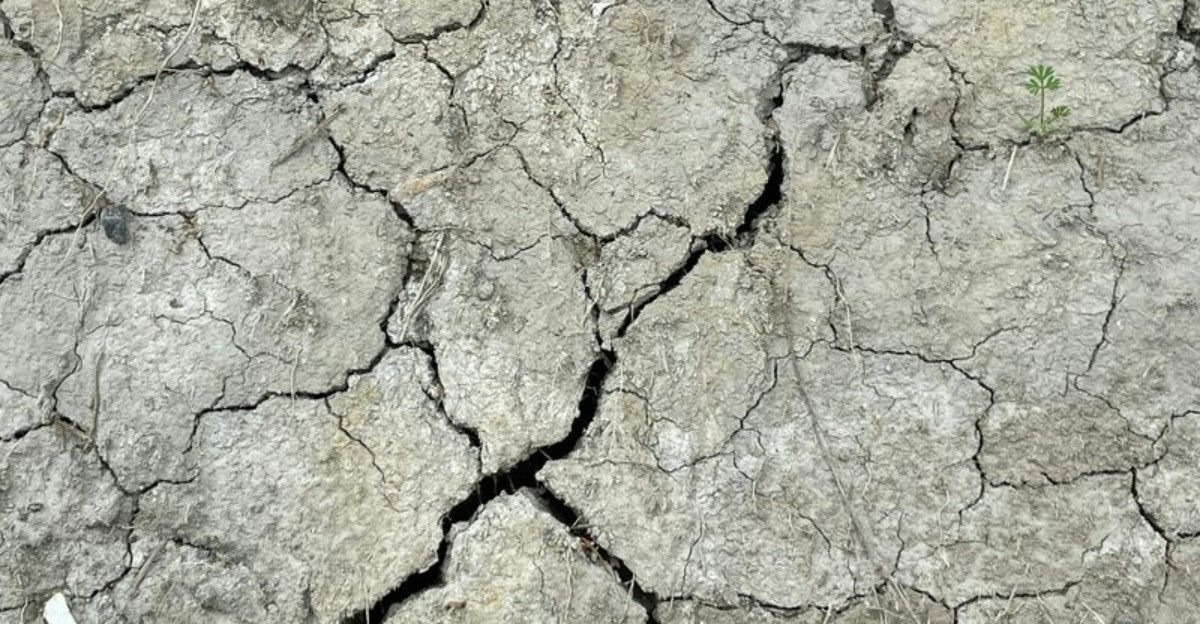
The frozen ground under an Indiana lawn can crack so hard that it sounds like a gunshot hitting the side of the house. Some folks have even called police after hearing it at 3 a.m.
Not going to lie, the first time I read the reports, I assumed someone was setting off fireworks in January. Neighbors describe a sharp crack, a heavy thud, or a jolt that rattles windows and pictures on the wall.
Scientists have a name for this odd winter racket, and it has nothing to do with ghosts, furnaces, or settling floorboards. It comes from soil, water, and a sudden plunge in temperature working together in the dark.
I’ll say this much, it changed how I look at my sleeping garden beds in winter. So what exactly is happening under the snow and frozen mulch out there, and should you worry?
That Midnight Crack Under Your Frozen Lawn Has A Hidden Source
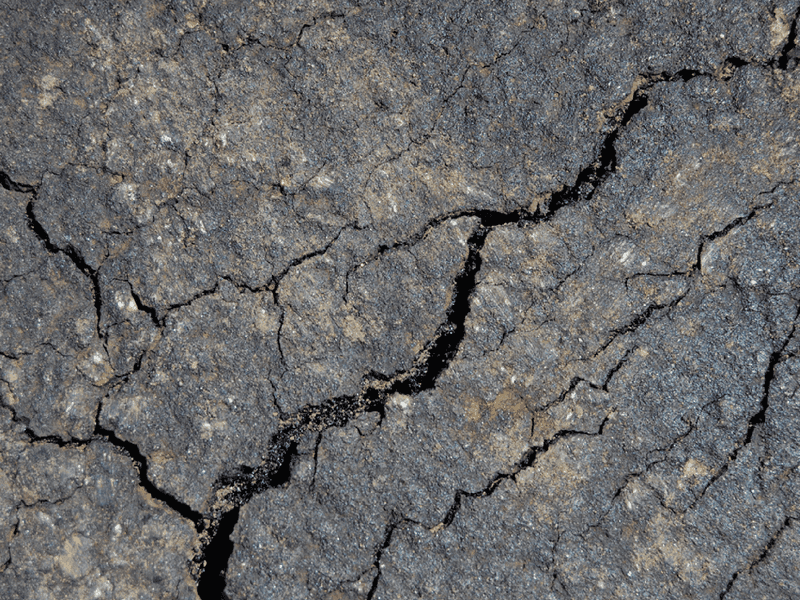
Late one bitter night, a homeowner wakes to a boom so sharp it seems like a car slammed into the garage. Outside, nothing looks wrong at all. No smoke, no broken glass, just frosty grass glittering under the porch light.
The answer sits a few inches below that grass. Scientists call it a cryoseism, though most people say frost quake. It happens when water soaked into the ground freezes very quickly, and the soil suddenly cracks under the strain.
Reports often describe the noise as a gunshot, a loud crack, or a deep thud. Some people also feel a short shake, like a heavy truck rumbling past. Pictures may tilt, and windows can buzz for a second.
These booms tend to show up between midnight and dawn. That timing makes sense, since overnight hours are usually the coldest part of the day. The world is also quiet then, so a sudden crack sounds much louder than it would at noon.
If you have ever blamed the furnace, the roof, or a raccoon in the attic, you are in good company. Plenty of people search for answers inside the house when the real source is out in the yard.
Soggy Soil Plus A Fast Freeze Equals A Booming Backyard
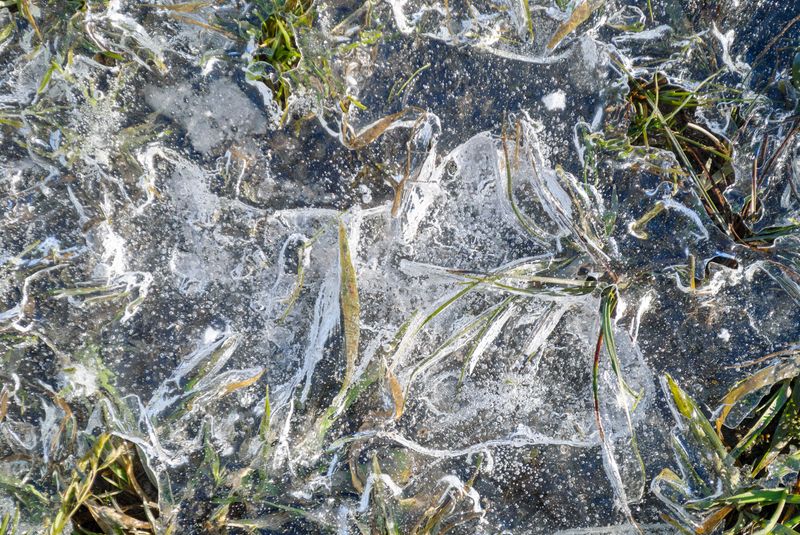
Water is a strange liquid. Unlike most substances, it expands by roughly 9 percent when it turns to ice. That small stretch is what drives a frost quake.
Here is how the recipe usually comes together. First, rain, sleet, or melting snow soaks deep into the ground and fills the tiny spaces between soil particles. Then a blast of arctic air pushes temperatures sharply lower, often in a matter of hours.
The top layer of soil freezes fast and forms a hard, tight crust. Water trapped below keeps freezing and pushing outward, but it has nowhere to go. Pressure builds until the frozen ground snaps, much like an ice cube cracking when you drop it into a warm drink.
That snap releases stored energy as sound and a small vibration. Speed is the key ingredient. A slow, gradual freeze lets water shift around and relieve the pressure, so the ground stays quiet.
Soil type matters too. Clay and fine silty soils hold water well, while sandy spots drain quickly. Low areas that stay soggy after a thaw are more likely to crack than high, well-drained ground.
Hoosier Cold Snaps After A January Thaw Set The Stage
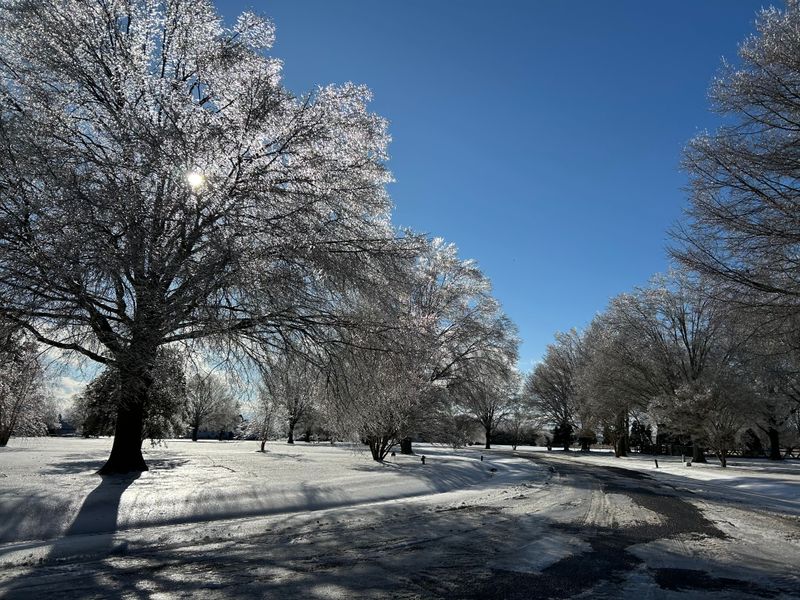
Indiana winters love a plot twist. A few mild, rainy days can melt the snow and turn yards into mush, and then a polar air mass rushes in from Canada and drops temperatures below zero.
That swing is exactly what frost quakes need. Local stations, including WBIW and ABC57, have covered Hoosiers reporting mystery booms during harsh cold snaps. Deep cold tends to hit harder in central and northern parts of the state.
The Midwest and Great Lakes region see these events more often than warmer states. Neighbors in Ohio, Michigan, Illinois, and Wisconsin share similar stories. Southern Indiana can get them too, but milder winters there make the right conditions a bit less common.
Experts often point to a big temperature drop over a short window as a warning sign. When soil is saturated and the thermometer falls fast, the odds of hearing a boom go up.
Paying attention to forecasts can help you connect the dots. If the weather app shows a thaw followed by a sudden deep freeze, there is a decent chance someone in your county will be posting about strange noises the next morning.
A Frost Quake Is Not The Same As A Real Earthquake
Feeling the floor jump at 2 a.m. can send anyone straight to an earthquake website. Understandably so, since the shake and the sound can feel similar at first.
The big difference is depth and source. Earthquakes start miles underground when rock along a fault slips. Frost quakes happen right near the surface, in the top few feet of frozen soil, and they have nothing to do with tectonic plates.
Because they are so shallow, the effects stay local. A frost quake might rattle one neighborhood while people a mile away hear nothing. Seismographs sometimes pick them up, but the readings tend to be small and short.
Indiana does get real earthquakes now and then, especially in the southwest near the Wabash Valley seismic zone. So if shaking happens on a mild day with no recent freeze, a frost quake is an unlikely explanation.
Other look-alikes deserve a thought as well. Tree limbs snapping under ice, lake ice cracking, house framing popping in the cold, and sonic booms from aircraft can all mimic the sound. Checking the weather and asking neighbors usually clears things up fast.
Cracked Driveways And Rattled Windows Are Usually The Worst Of It
Take a deep breath. Experts widely agree frost quakes are mostly harmless to people and homes, even when they sound alarming.
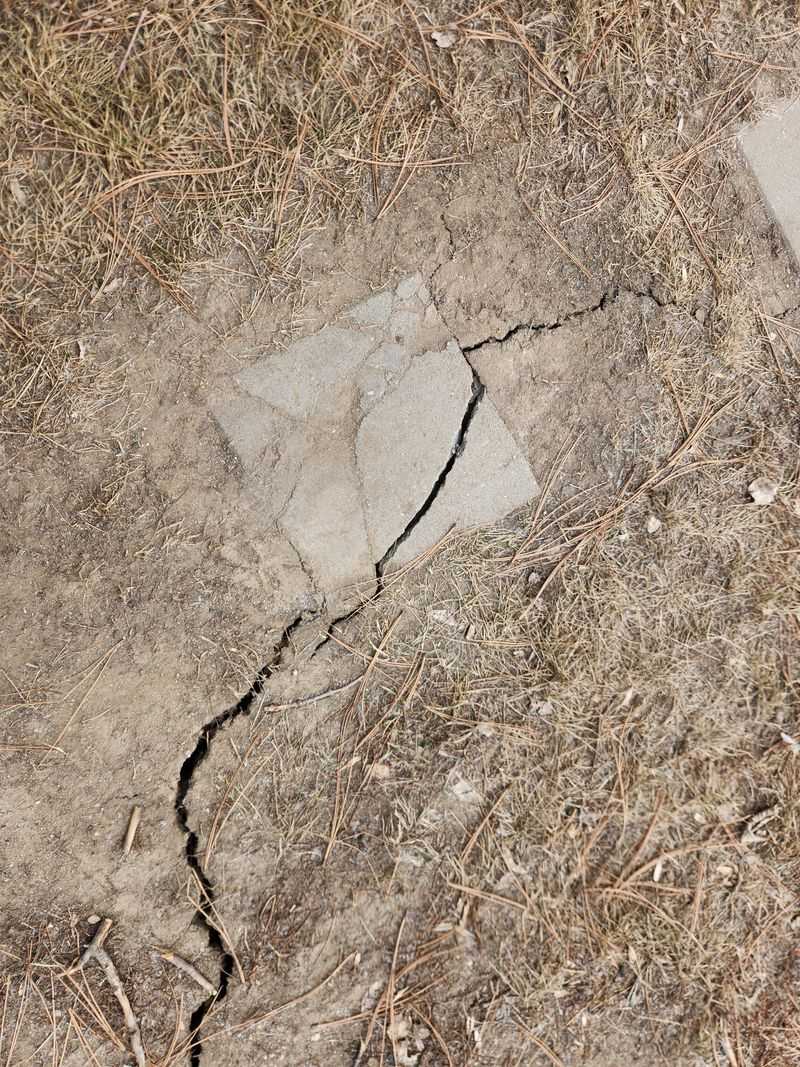
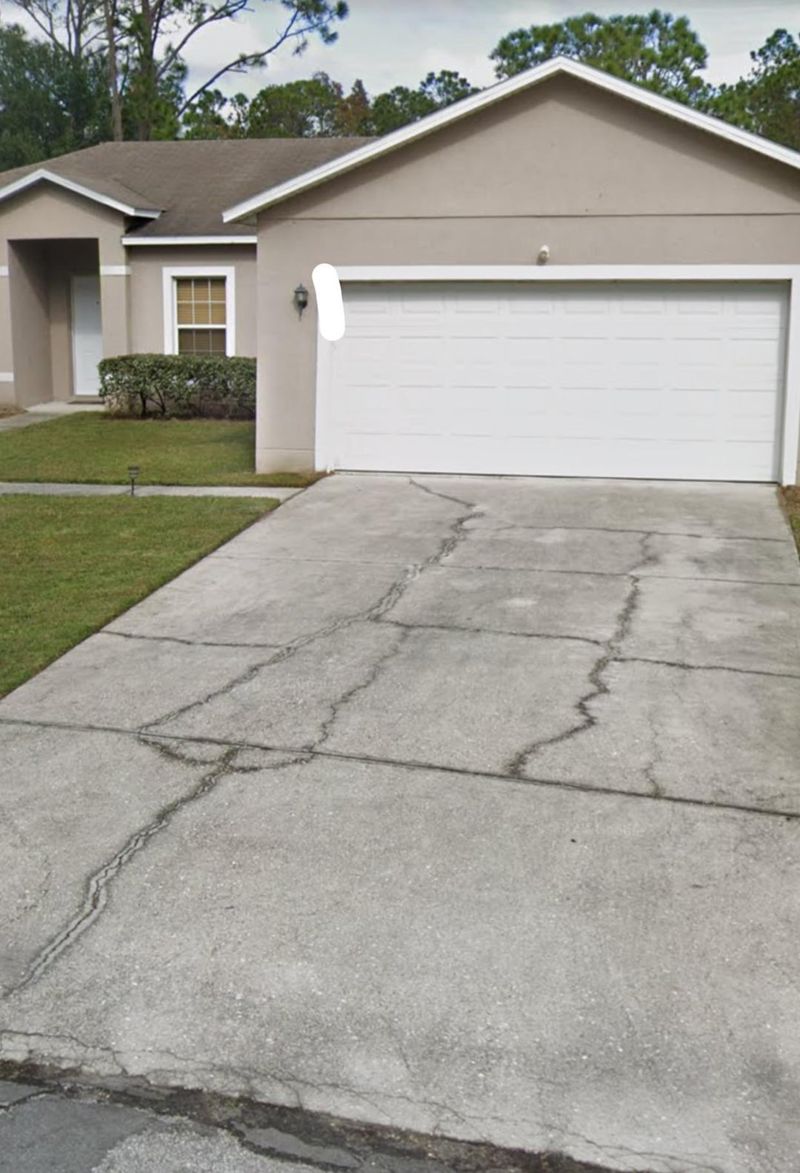
That said, they can leave small calling cards. Some homeowners find fresh hairline cracks in driveways, sidewalks, or patio slabs after a noisy night. Occasionally a crack shows up in the yard itself, a narrow line in the frozen turf that closes as the ground thaws.
After a cold snap ends, take a slow walk around your property. Look at foundation walls, concrete steps, and any paths you shovel often. Snap a photo of anything new so you can track whether it grows over time.
Small surface cracks in concrete can let water seep in, and repeated freezing can widen them. Sealing them with a concrete crack filler in spring helps slow that process.
Underground pipes are another thing to keep in mind. Frozen, shifting ground can stress older water or sewer lines. If you notice low water pressure, wet spots in the basement, or soggy areas in the yard after a thaw, call a plumber rather than waiting it out.
A Thick Snow Blanket Keeps Garden Soil Quiet And Cozy
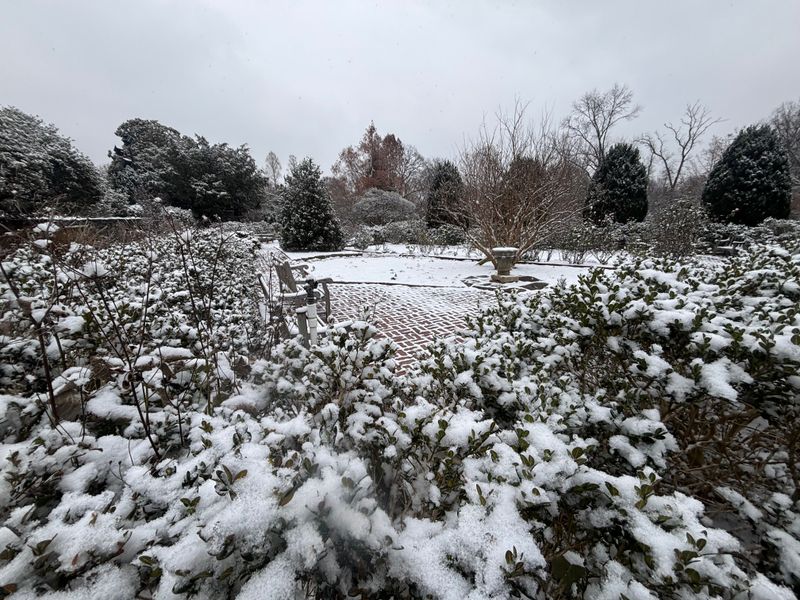
Gardeners have grumbled about shoveling forever, yet snow quietly does us a favor. A deep, fluffy layer works like a down comforter for the soil.
Fresh snow is full of trapped air, which makes it a surprisingly good insulator. It slows how fast cold reaches the ground, so soil temperatures change gradually instead of crashing overnight. That steady pace makes frost quakes much less likely.
Bare ground is the opposite story. When a thaw melts the snow and arctic air follows, soaked soil sits exposed with nothing to slow the freeze. That is the setup where booms tend to happen.
The same insulation helps your plants. Perennial crowns, bulbs, and shallow roots handle winter better when the ground stays evenly frozen. Rapid freeze and thaw cycles can push plants right out of the soil, a problem called frost heaving.
You can mimic snow’s benefit with mulch. A 2 to 4 inch layer of shredded leaves, straw, or bark around perennials, applied after the ground freezes, helps keep soil temperatures more stable. Fluffy chopped leaves from your own yard work beautifully and cost nothing.
Your Spring Garden Checklist After A Noisy Winter Night
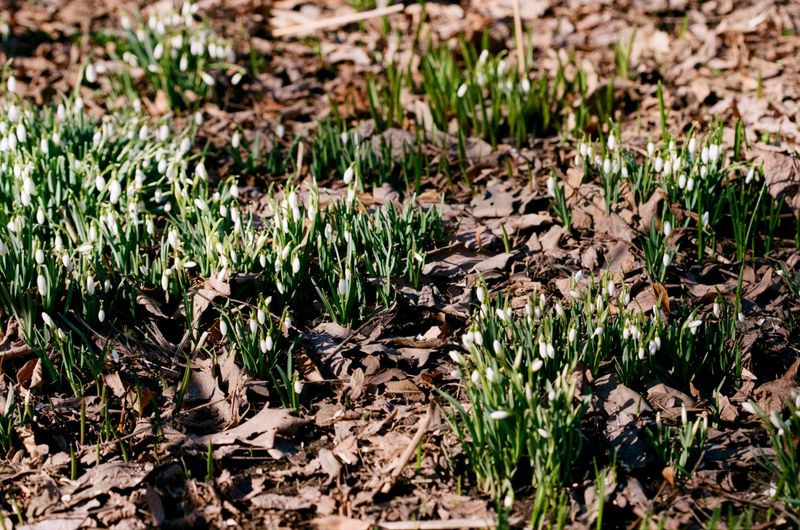
Once the booms fade and the ground softens, it is time for a little detective work. A few simple checks can save plants and prevent bigger repairs later.
Start with your perennial beds. Look for plants whose crowns sit higher than usual or have exposed roots. Gently press them back into the soil with your hands or boot, then add a bit of compost and mulch around them.
Next, check drainage. Spots that stay soggy after a thaw are the same places most likely to crack in a freeze. Improving those areas with compost, a rain garden of native plants like swamp milkweed or blue flag iris, or a simple gutter extension can reduce waterlogging.
Walk your hardscape too. Patch hairline cracks in paths and patios, and reset any pavers that shifted.
Finally, jot down what you heard and when. Local weather offices and news stations enjoy hearing from Hoosiers, and your notes help track these quirky events. Next winter, when a deep freeze follows a soaking rain, you will know exactly what that boom means, and you might even sleep right through it.