Don’t Forget To Fertilize These Tropical Plants In Late Winter In Florida
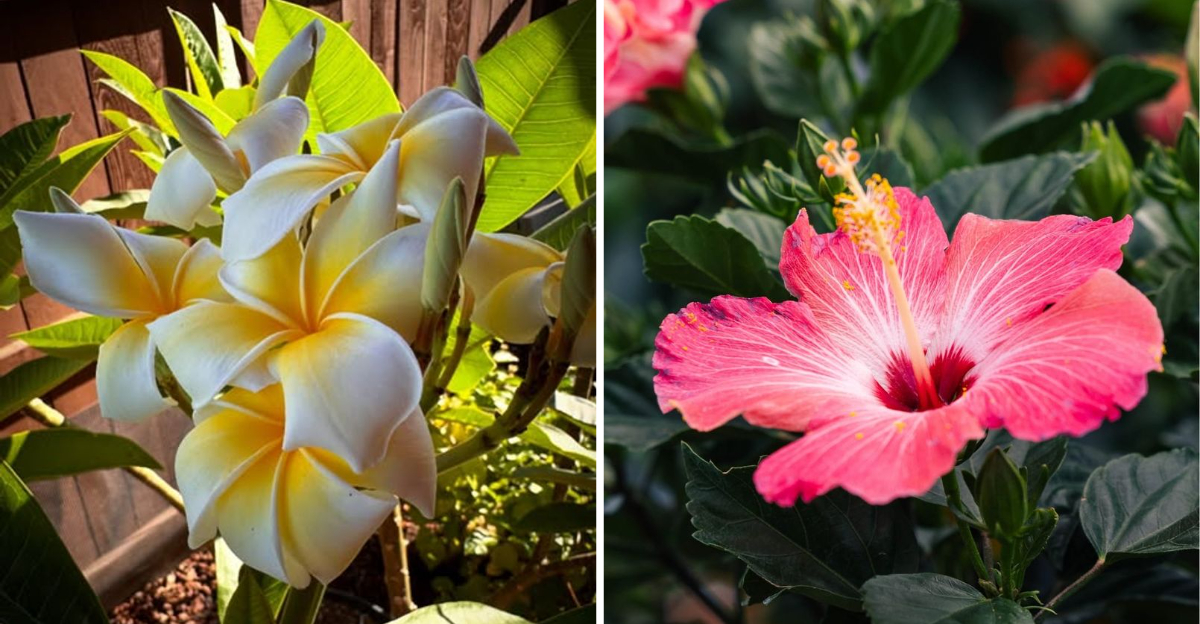
Warm days are quietly slipping back into Florida, and your garden can feel it long before you do.
After weeks of cooler nights and slower growth, tropical plants begin to stir, sending energy into their roots and preparing for the burst of leaves and flowers that will soon take over your yard.
This short window in late winter is when a little care makes an enormous difference.
Many gardeners notice their hibiscus, plumeria, and bougainvillea starting to wake up, yet they are not always sure what those first signs of life really mean.
This is the moment when feeding becomes a powerful tool rather than a routine chore.
The nutrients your plants receive now help determine how full their blooms will be, how rich their colors become, and how strong their growth remains through the long Florida summer.
A timely dose of fertilizer can turn an ordinary landscape into a tropical showcase that keeps shining for months.
1. Hibiscus
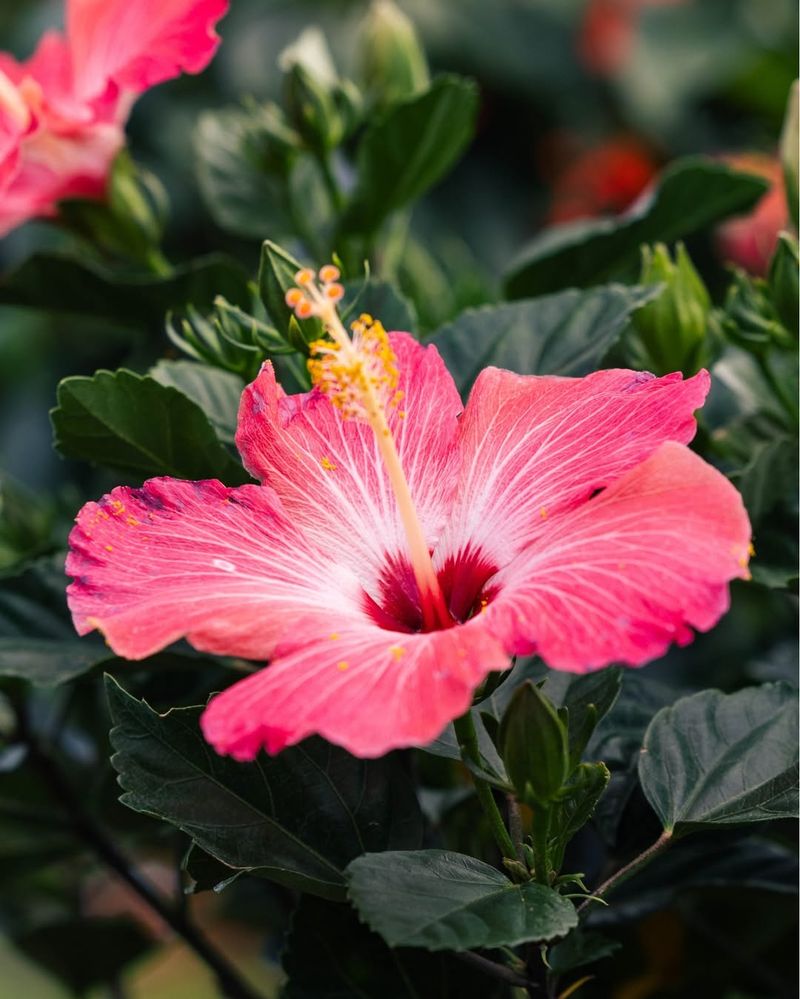
Your hibiscus is about to put on the most spectacular show of the year, but only if you give it the nutrients it craves right now.
Late winter is when these tropical beauties start building the energy reserves they need for those dinner plate sized blooms that make your neighbors stop and stare.
Without proper feeding during this critical window, your hibiscus might produce smaller flowers or fewer buds throughout the growing season.
A hibiscus fertilizer that is lower in phosphorus and higher in potassium works best in Florida soils.
Look for a formula like 12-4-16 or 10-4-12 with added micronutrients like iron and magnesium, which prevent those telltale yellow leaves.
Apply it every four to six weeks starting in late February, sprinkling the granules around the drip line and watering deeply afterward.
You want to avoid piling fertilizer right against the trunk because that can burn the sensitive bark and cause long term damage.
Instead, spread it evenly in a circle about six inches away from the base, extending outward to where the branches end.
Your hibiscus will reward your efforts with blooms that last from spring clear through fall, painting your garden in shades of red, pink, yellow, and orange that practically glow in the Florida sunshine.
2. Plumeria
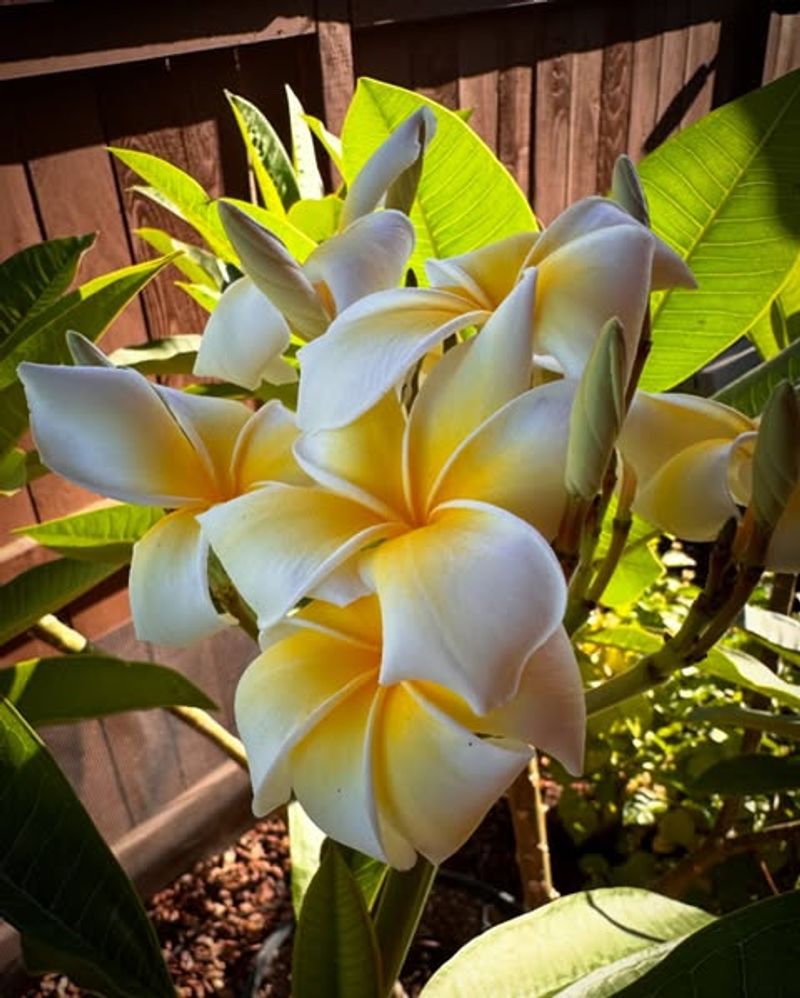
Plumeria trees spend the cooler months taking a well deserved rest, often dropping their leaves and looking a bit bare and lonely in your landscape.
But come late winter, these fragrant tropical treasures start waking up from their dormancy, and that is your signal to start feeding them.
Fertilizing now helps them develop strong new branches and sets the stage for those incredibly sweet smelling flowers that fill your entire yard with perfume.
Choose a fertilizer that is low in phosphorus and higher in potassium, which supports flowering without causing nutrient lock-up in Florida soils.
A formula like 12-6-8, 10-20-10, or a palm fertilizer such as 8-2-12 works best.
Apply a slow-release fertilizer every 2–3 months from late February through October, following the package directions carefully to avoid overfeeding.
Sprinkle the granules in a wide circle around the tree, staying away from the trunk itself, and then water it in thoroughly so the nutrients can reach the root zone.
You might also consider adding a slow release fertilizer at the beginning of the season, which breaks down gradually and feeds your plumeria steadily over several months.
This approach saves you time and ensures your tree never goes hungry during its active growing period.
3. Bird of Paradise
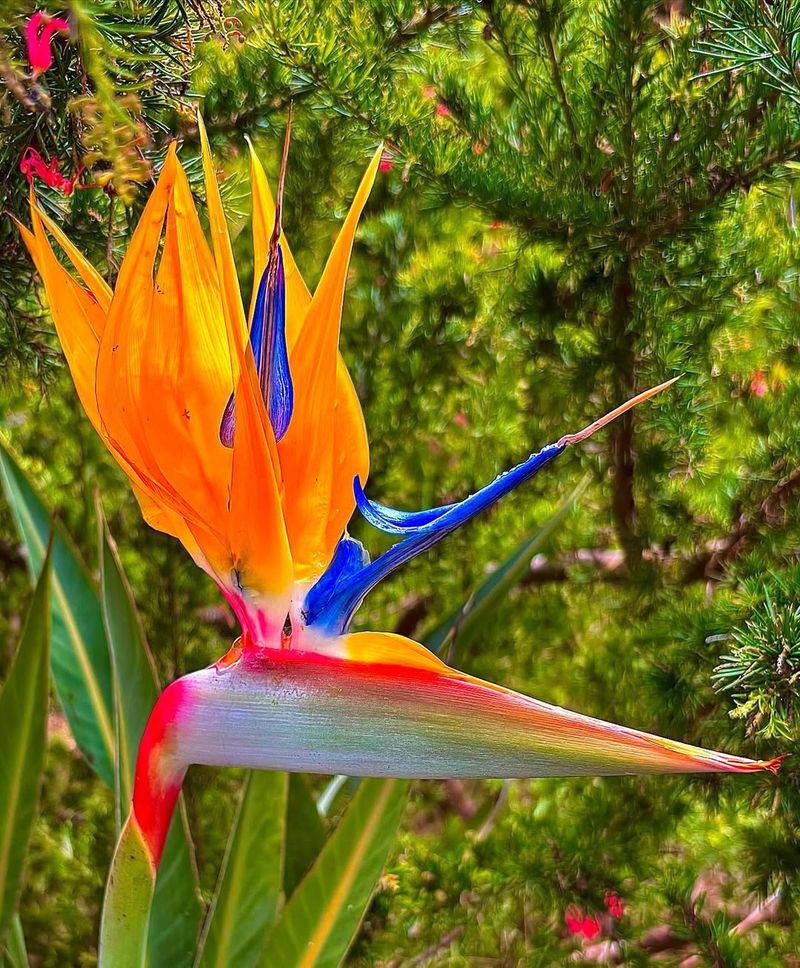
Nothing says tropical Florida quite like the exotic blooms of bird of paradise, with their orange and blue petals that look like they belong in a rainforest.
These architectural plants start their growth cycle in late winter, pushing up fresh green leaves and preparing to send out those dramatic flower spikes.
Feeding them now means you will see blooms sooner and enjoy more of them throughout the warmer months ahead.
Bird of paradise plants appreciate a balanced fertilizer that supports both foliage and flower production, so reach for something like a 10-10-10 or 12-4-8 formula.
Apply it every six to eight weeks during the growing season, starting in late February when you notice new growth emerging from the center of the plant.
Scatter the fertilizer evenly around the base, extending outward to cover the entire root zone, and then water deeply to help it soak in.
If the leaves show yellowing between the veins, an occasional Epsom salt treatment can supply magnesium, but it is not needed unless deficiency symptoms appear.
Just dissolve a tablespoon in a gallon of water and pour it around the base once every few months.
Your bird of paradise will respond with vigorous growth and those stunning blooms that make everyone do a double take when they visit your garden.
4. Bougainvillea
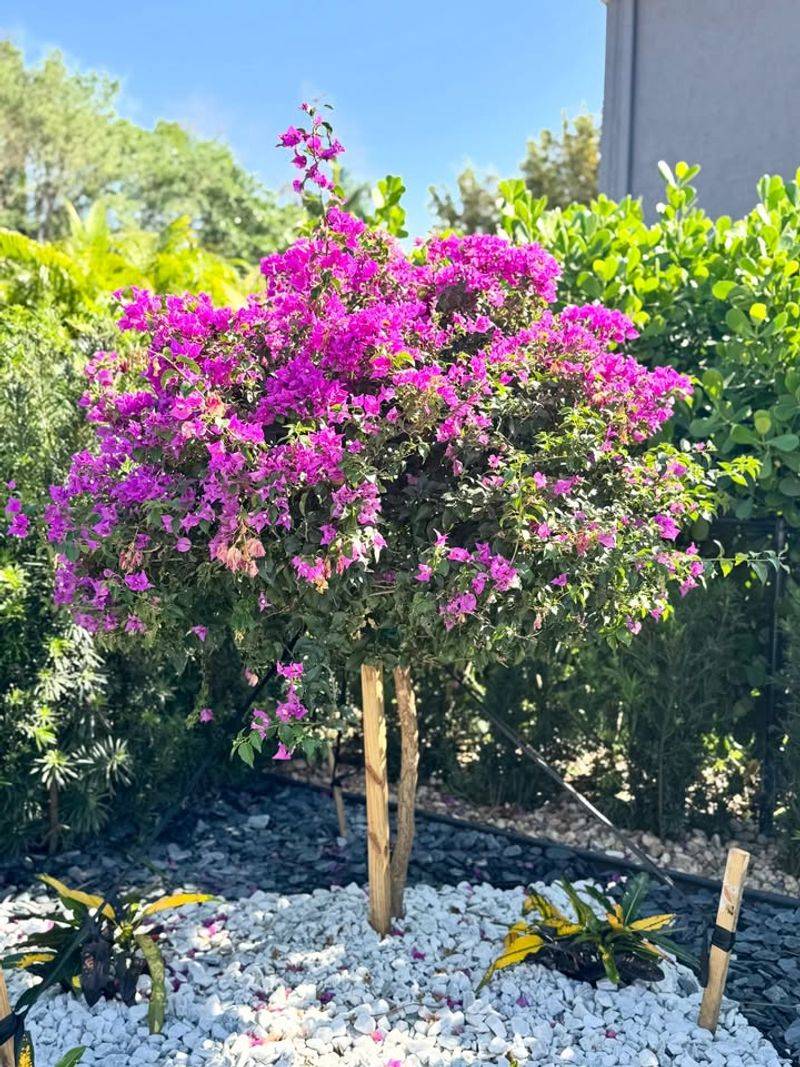
Bougainvillea vines bring an explosion of color to Florida gardens, covering fences, arbors, and walls with brilliant bracts in shades of magenta, red, orange, and white.
Late winter is when these vigorous growers start putting out new shoots, and fertilizing now ensures they have the fuel they need to create that waterfall of color you love so much.
Skip this feeding and you might end up with more green leaves than colorful bracts, which is not the look you are going for.
A fertilizer that is slightly lower in nitrogen works best for bougainvillea because too much nitrogen encourages leafy growth at the expense of those stunning bracts.
Try a formula like 6-8-10 or something similar that emphasizes potassium, which promote flowering and vibrant color.
Apply it every four to six weeks during the growing season, starting in late February and continuing through fall when the plant is actively blooming.
Spread the fertilizer around the base of the plant, covering the entire root zone, and then water it in well to prevent any risk of burning the roots.
You can also use a slow release formula at the beginning of the season, which feeds your bougainvillea gradually over several months and saves you from having to remember monthly applications.
With proper feeding, your bougainvillea will reward you with months of breathtaking color that transforms your entire outdoor space into a tropical paradise.
5. Ixora

Ixora shrubs are the workhorses of Florida landscapes, producing clusters of tiny tubular flowers in shades of red, orange, yellow, and pink almost year round.
Late winter is when these reliable bloomers start ramping up their flower production, and feeding them now helps ensure they have the strength to keep blooming through the long, hot summer ahead.
Proper fertilization also keeps the foliage a deep, glossy green that sets off those bright flower clusters beautifully.
A balanced fertilizer with added micronutrients is ideal for ixora because these plants are prone to nutrient deficiencies, especially iron and manganese, which cause the leaves to turn yellow between the veins.
Look for an acid loving plant fertilizer or something labeled for azaleas and gardenias, which usually contains the trace elements ixora needs.
Apply it every six to eight weeks starting in late February, spreading it evenly around the base of each shrub.
Water the fertilizer in thoroughly after application to help the nutrients reach the root zone and prevent any potential burning of the shallow roots.
You might also consider adding a layer of mulch around your ixora plants, which helps retain moisture and slowly releases nutrients as it breaks down.
With consistent feeding and proper care, your ixora will bloom almost continuously, providing reliable color and attracting butterflies and hummingbirds to your Florida garden throughout the year.
6. Croton
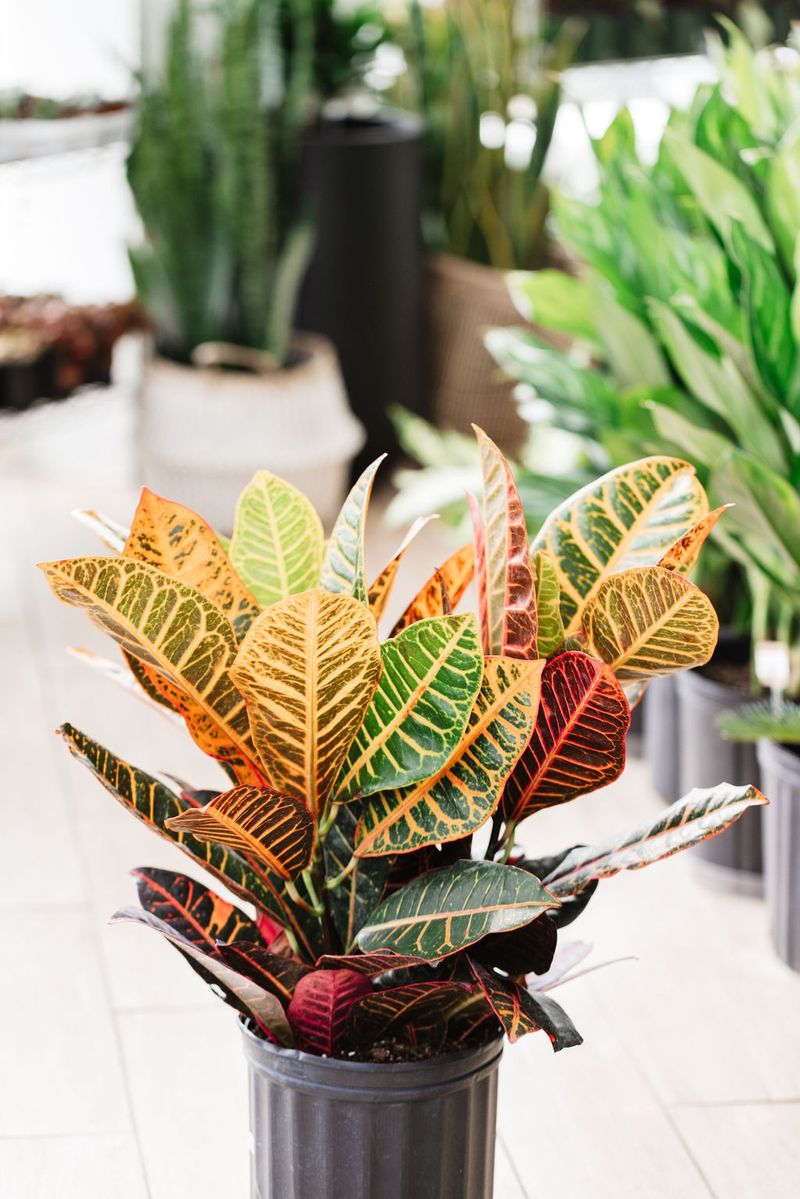
Croton plants are grown for their wildly colorful foliage, with leaves that swirl together shades of red, orange, yellow, green, and purple in patterns that look almost painted on.
Late winter is when these tropical showstoppers start pushing out fresh new growth, and fertilizing now ensures those new leaves develop the most intense, vibrant colors possible.
Without adequate nutrition, croton leaves can fade and lose that eye catching brilliance that makes them such popular landscape plants in Florida.
A balanced fertilizer with slightly higher nitrogen is perfect for crotons because nitrogen supports the lush foliage growth that makes these plants so spectacular.
Try a formula like 8-2-10 or 10-10-10, applying it every six to eight weeks during the growing season starting in late February.
Spread the granules evenly around the base of each plant, covering the entire root zone, and then water deeply to help the nutrients soak down to the roots.
Crotons also appreciate occasional applications of liquid fertilizer, which provides a quick boost of nutrients that shows up almost immediately in the form of brighter, more colorful leaves.
Mix it according to package directions and apply it every few weeks during the active growing season for best results.
Your crotons will respond with vigorous growth and foliage so colorful it practically glows, creating stunning focal points and adding tropical flair to every corner of your Florida landscape.
7. Heliconia
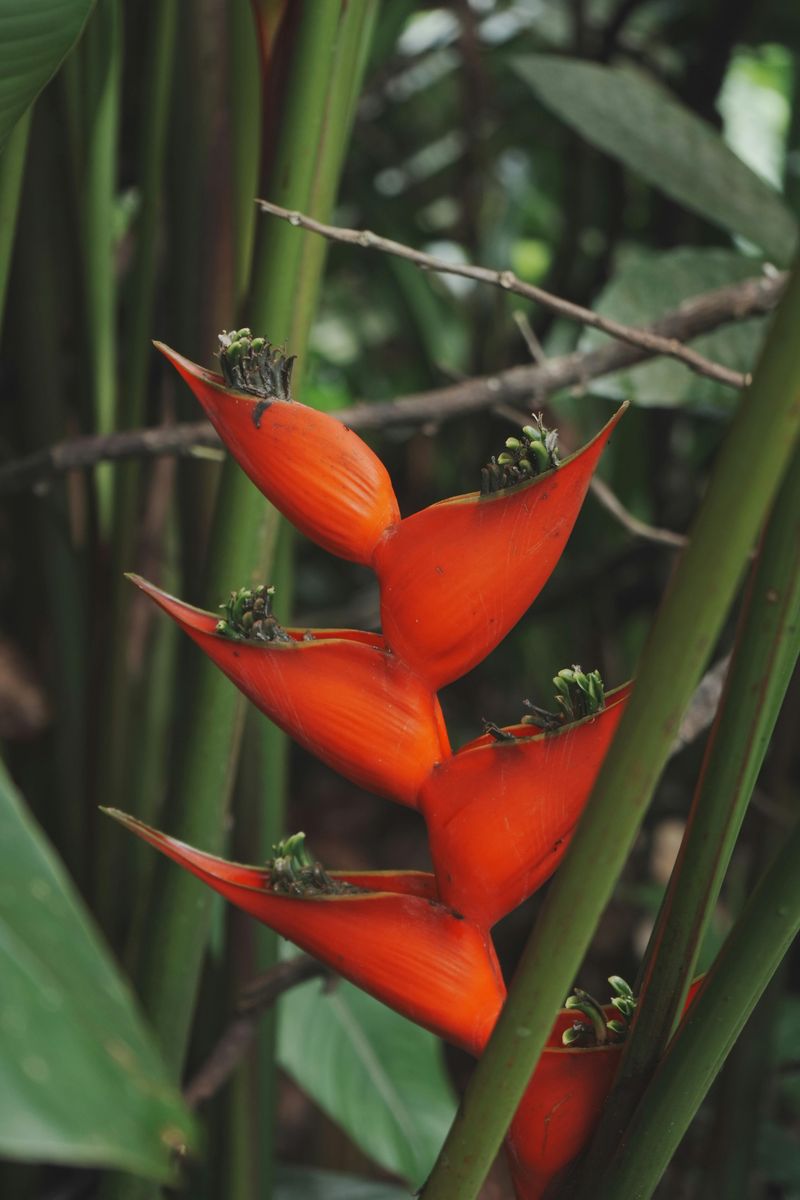
Heliconia plants bring a touch of the rainforest to your Florida garden with their spectacular flower spikes that look like they belong in a botanical illustration.
Late winter is when these tropical beauties start their growth cycle, sending up new shoots from the rhizomes underground and preparing to produce those dramatic blooms.
Fertilizing now gives them the energy they need to grow tall, strong stems and develop those incredible flowers that attract hummingbirds and make your neighbors wonder where you found such an exotic plant.
A fertilizer that is high in potassium, the last number on the package, works wonderfully for heliconias because potassium promotes strong stem development and enhances flower quality.
Look for a formula like 10-5-20 or something similar that also includes trace elements like iron and manganese.
Apply it every six to eight weeks starting in late February, spreading it around the base of each clump and watering it in thoroughly afterward.
Heliconias are heavy feeders and appreciate rich, organic soil, so consider adding compost or well rotted manure around the plants in addition to your regular fertilizer applications.
This provides a slow, steady release of nutrients and improves soil structure, which helps the rhizomes spread and produce more flowering stems.
With proper feeding and care, your heliconias will reward you with those stunning tropical blooms that make your garden feel like a vacation destination every single day.
8. Canna Lily
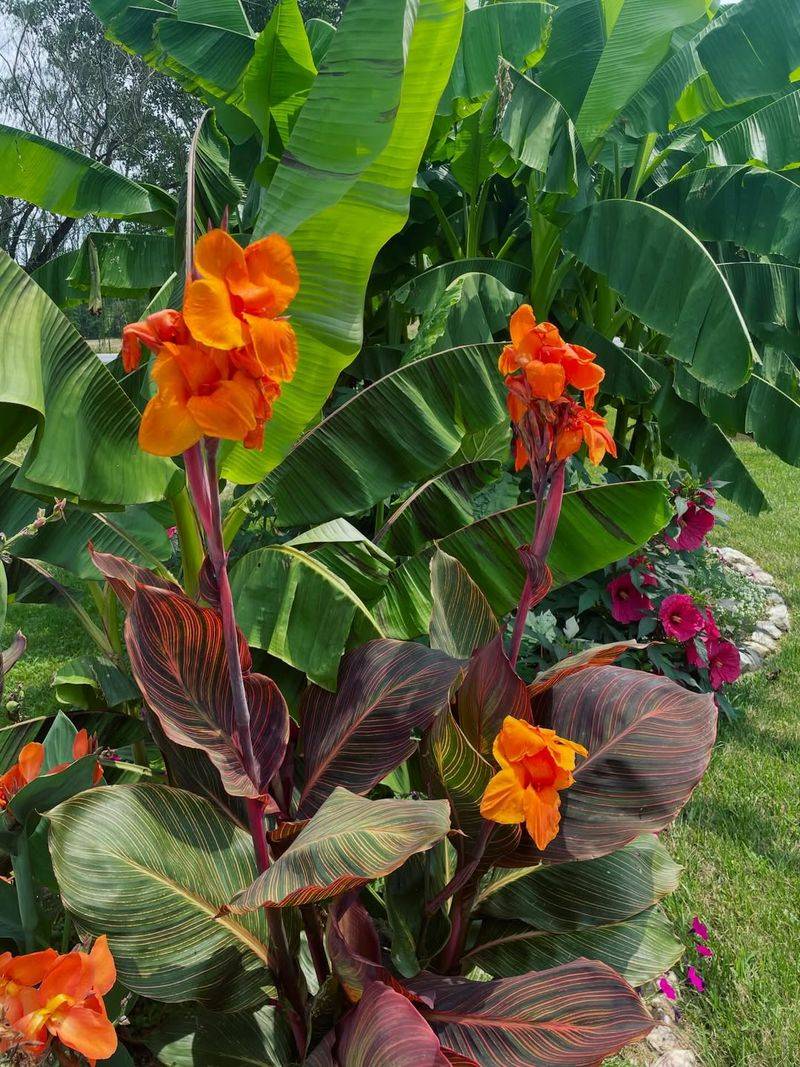
Canna lilies are the bold, beautiful workhorses of Florida gardens, producing tall spikes of flowers in shades of red, orange, yellow, and pink above large, tropical looking leaves.
Late winter is when these rhizomatous plants start waking up from their winter rest, sending up fresh shoots and preparing for a season of nonstop blooming.
Feeding them now ensures they have the nutrients they need to grow tall and strong, producing flowers that tower above other plants and create dramatic focal points in your landscape.
A balanced fertilizer with equal parts nitrogen, phosphorus, and potassium is perfect for cannas, supporting both the lush foliage and the abundant flowers these plants are known for.
Apply a formula like 10-10-10 every four to six weeks starting in late February, spreading it evenly around the base of each clump and watering it in well.
Cannas are heavy feeders and will use up those nutrients quickly, so do not be shy about fertilizing them regularly throughout the growing season.
You can also top dress your cannas with compost or composted manure in late winter, which provides a slow release of nutrients and improves the soil structure around the rhizomes.
This encourages vigorous growth and helps the plants spread to fill in bare spots in your garden.
With consistent feeding and plenty of water, your canna lilies will bloom from spring through fall, providing months of vibrant color and tropical beauty that makes your Florida garden the envy of the neighborhood.