Don’t Grow These Vegetables Near Tomatoes In North Florida (And What To Plant Instead)
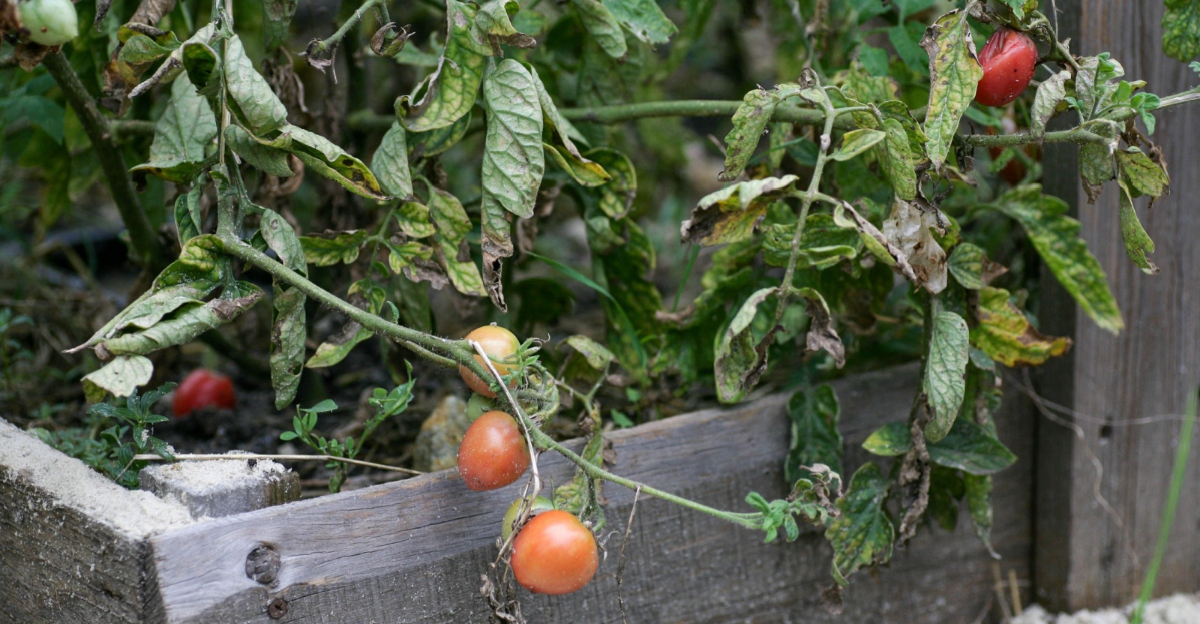
Tomatoes may rule North Florida gardens, but one bad neighbor can bring their reign crashing down fast. Plant the wrong vegetables nearby and you can trigger pest invasions, slow vine growth, and slash your harvest before summer even peaks.
What seems like a harmless planting choice can quietly turn into yellow leaves, weak stems, and fruit that never fully delivers. North Florida’s heat, humidity, and unpredictable spring weather already push tomato plants to their limits.
Adding incompatible companions makes the struggle even worse. Some vegetables steal nutrients.
Others attract insects and diseases tomatoes are especially vulnerable to. Suddenly your garden is fighting itself instead of thriving.
If you want heavier yields, healthier plants, and better-tasting tomatoes, smart placement is non-negotiable. Avoid growing these vegetables near tomatoes in North Florida and discover the plants that actually protect your crop, boost growth, and help your garden perform at its best.
1. Cabbage Steals Nutrients
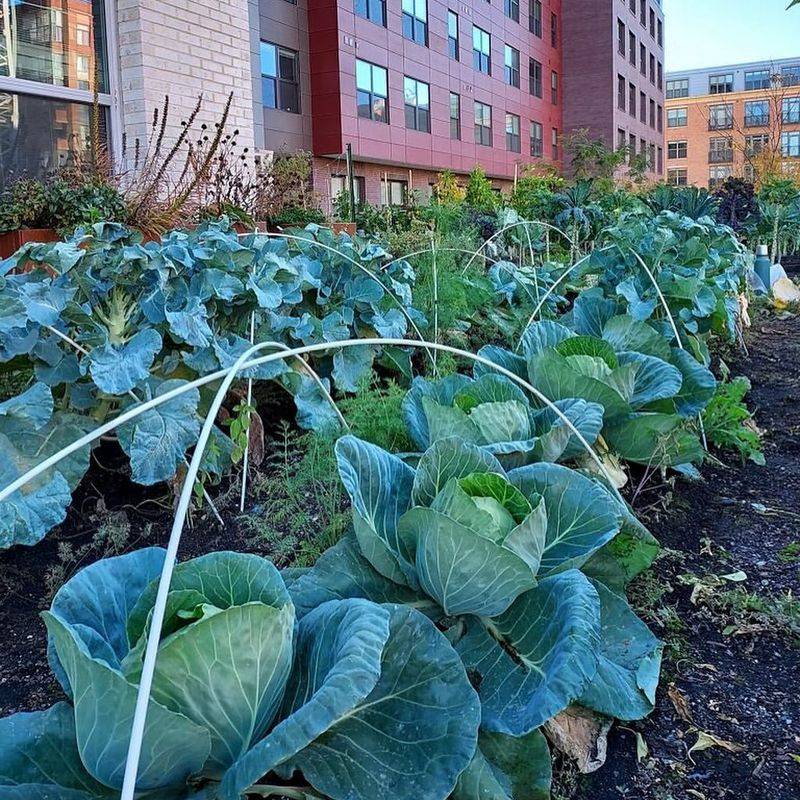
Cabbage is a heavy-feeding crop that competes strongly with tomatoes for nitrogen and other essential soil nutrients. Both vegetables need similar nutrients, especially nitrogen and phosphorus, which means they’re constantly fighting for the same resources.
Your tomatoes will struggle to produce healthy fruit when cabbage roots dominate the surrounding soil. North Florida’s sandy soils make this competition even worse because nutrients leach away quickly during heavy summer rains.
Because cabbage has high nutrient demands, tomatoes growing nearby often struggle to access enough nitrogen for healthy growth and fruit production. The result is smaller tomatoes, yellowing leaves, and reduced overall production from plants that should be thriving.
Instead of cabbage, plant basil alongside your tomatoes for a winning combination. Basil helps deter some pests and is commonly planted with tomatoes, with many gardeners reporting improved growth and flavor.
French marigolds are commonly used to help reduce nematode pressure in tomato beds while adding color and beneficial insect attraction.
2. Broccoli Can Stunt Tomato Growth
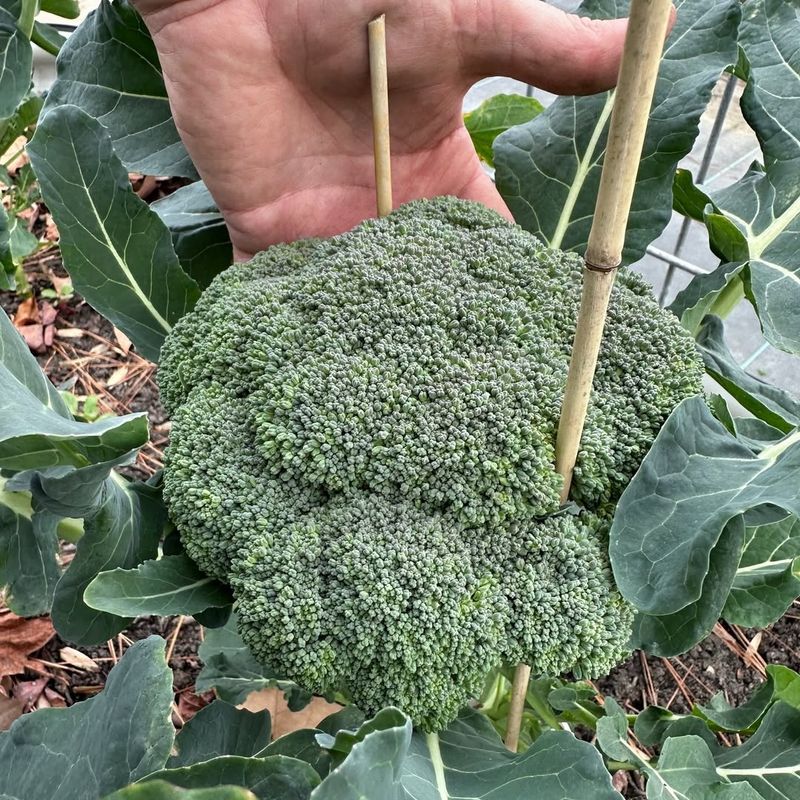
Broccoli belongs to the brassica family, and these heavy feeders demand enormous amounts of nutrients from your North Florida soil. When planted near tomatoes, broccoli creates an underground battle for calcium, potassium, and trace minerals that both plants require for proper development.
Tomatoes growing near broccoli may experience nutrient stress, which combined with uneven watering can increase the risk of problems like blossom end rot.
The dense foliage of broccoli plants also blocks sunlight from reaching lower tomato leaves, reducing photosynthesis and overall plant vigor.
North Florida’s humid conditions make this shading problem worse by limiting air circulation around tomato plants, which increases disease risk. Your tomato plants need full sun exposure and good airflow to produce their best fruit throughout the long growing season.
Consider planting carrots near your tomatoes instead of broccoli. Carrots grow deep underground and won’t compete with tomato roots for space or nutrients.
Lettuce makes another excellent companion, maturing quickly in North Florida’s spring weather before tomatoes need maximum space, and its shallow roots stay out of the way completely.
3. Cauliflower Competes For Soil Resources
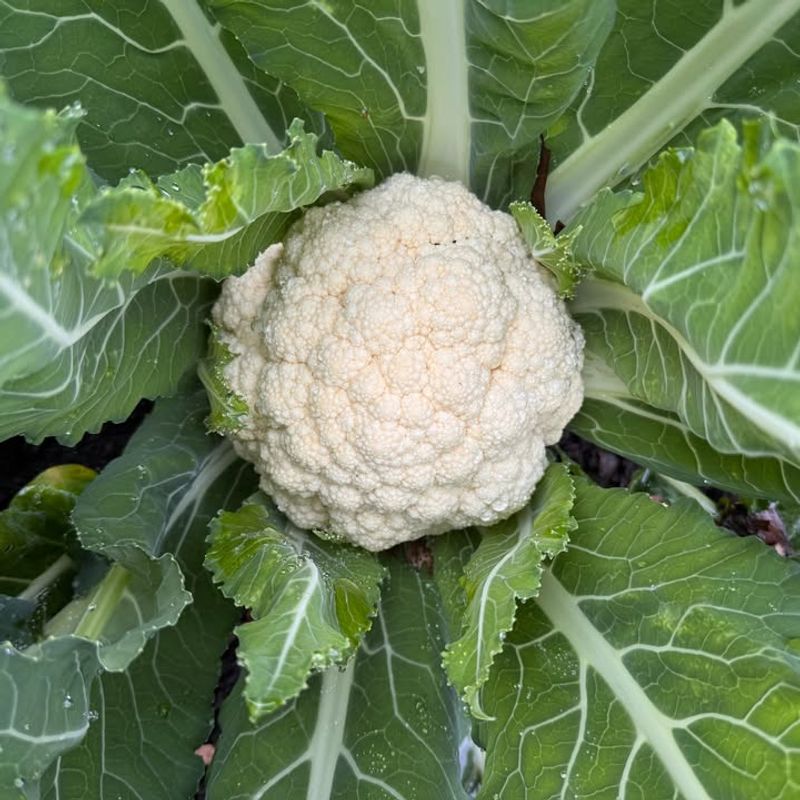
Cauliflower ranks among the most demanding vegetables you can grow in North Florida, requiring consistent moisture and rich soil packed with nutrients. These plants pull massive amounts of nitrogen from the ground, the same element tomatoes need to develop strong vines and healthy foliage.
When cauliflower and tomatoes share garden space, neither plant reaches its full potential because they’re constantly competing for limited resources.
North Florida gardeners face additional challenges with cauliflower because it prefers cooler temperatures and struggles during hot summer months when tomatoes thrive.
This timing mismatch means cauliflower often depletes soil nutrients early in the season, leaving tomatoes to struggle later when they’re trying to set fruit. The different watering needs also create problems, as cauliflower demands more frequent irrigation than established tomato plants can tolerate.
Plant nasturtiums around your tomatoes for better results. These colorful flowers attract beneficial insects that prey on tomato pests while acting as trap crops for aphids.
Chives planted nearby repel aphids naturally and improve tomato health without competing for nutrients, making them perfect companions for North Florida tomato beds throughout the growing season.
4. Corn Attracts Pests
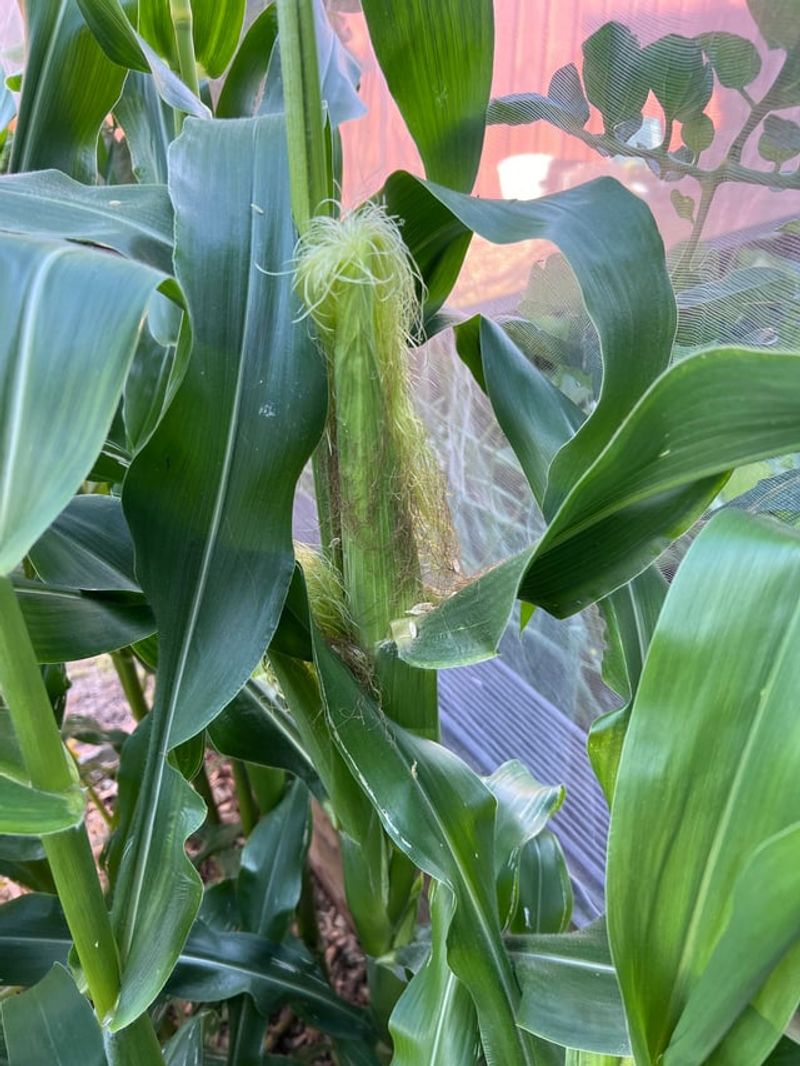
Corn and tomatoes share several destructive pests that move freely between both crops when planted together in North Florida gardens. Tomato hornworms particularly love both plants, and having corn nearby provides these voracious caterpillars with additional food sources and breeding grounds.
Corn earworms also attack tomato fruit, boring into ripening tomatoes and ruining your harvest with their tunneling damage. The tall height of corn plants creates dense shade that blocks sunlight from reaching tomatoes planted nearby.
North Florida’s intense summer sun is essential for tomato fruit development, and corn’s towering stalks prevent proper light exposure throughout the day.
Additionally, corn requires heavy nitrogen fertilization, depleting soil nutrients that tomatoes need for producing abundant fruit during the peak growing season.
Grow borage near your tomatoes instead of corn. This herb attracts pollinators and beneficial predatory insects while improving tomato growth through companion planting benefits.
Parsley planted around tomato bases repels asparagus beetles and provides ground cover that helps retain soil moisture during North Florida’s hot, dry periods. Both alternatives support tomato health without attracting shared pests or creating shade problems that reduce your overall harvest quality and quantity.
5. Fennel Releases Chemicals
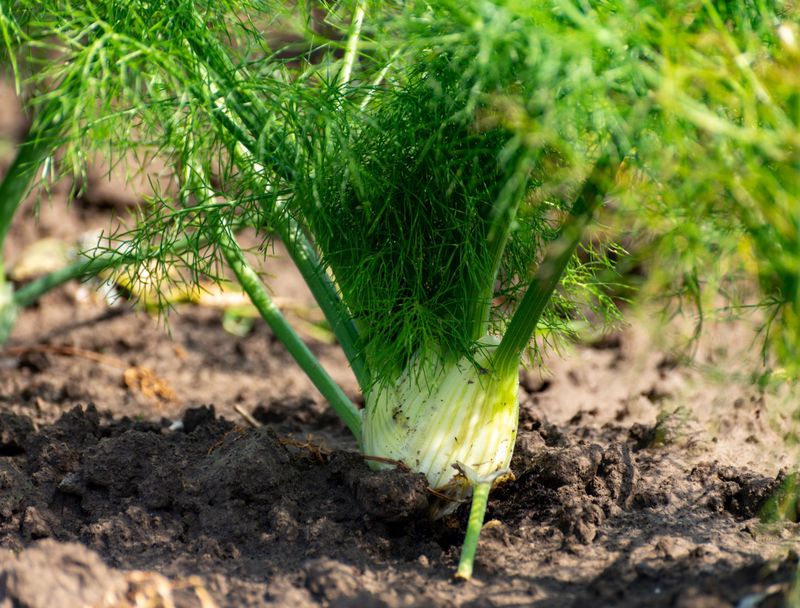
Fennel is known to release allelopathic compounds that can inhibit tomato growth when planted nearby. These biochemical substances interfere with tomato root development, preventing proper nutrient and water absorption even when soil conditions seem ideal.
Most gardeners don’t realize fennel is sabotaging their tomatoes until plants show unexplained wilting and stunted growth despite adequate care. The aromatic oils in fennel foliage also seem to negatively affect tomato plants through above-ground interactions.
North Florida’s heat and humidity increase plant stress, which can make poor plant pairings more noticeable. Tomatoes planted within several feet of fennel rarely produce well, developing pale leaves and dropping blossoms before fruit can set properly.
Plant oregano near your tomatoes for aromatic benefits without the harmful chemical interference.
Oregano repels aphids and provides ground cover that suppresses weeds while supporting beneficial insects.
Thyme works beautifully too, deterring whiteflies and cabbage worms while thriving in North Florida’s heat without competing with or chemically inhibiting your tomato plants throughout the entire growing season.
6. Mature Dill Can Sabotage Your Tomatoes
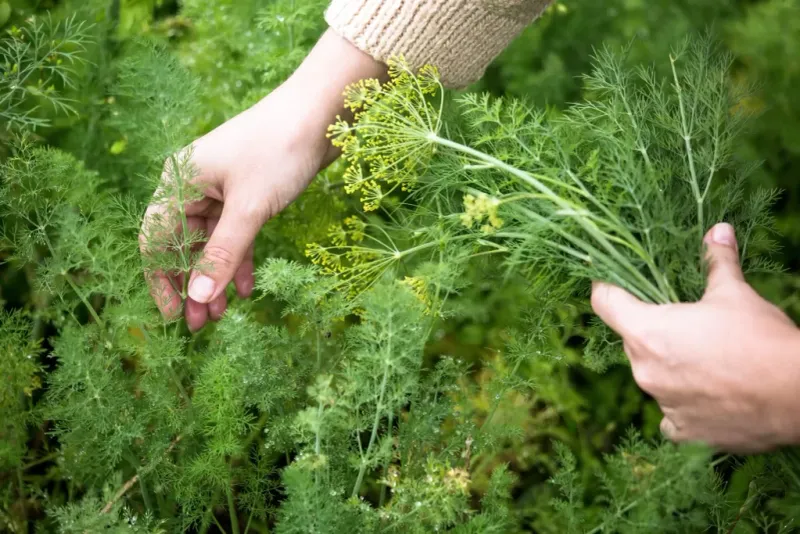
Young dill seedlings actually benefit tomatoes by attracting beneficial wasps and other helpful insects to North Florida gardens. However, mature dill plants that have bolted and gone to seed create significant problems for nearby tomatoes.
Once dill reaches full size and begins producing seeds, it can compete heavily for water and space, reducing tomato vigor. Large dill plants can compete with tomatoes for moisture and root space, especially in sandy North Florida soils.
The tall, feathery foliage also blocks airflow around tomato plants, increasing humidity levels that promote fungal diseases like early blight and septoria leaf spot.
These disease problems become especially severe during North Florida’s humid summer months when tomatoes are most vulnerable to infection.
Try growing young dill at the edges of your tomato beds, harvesting it regularly before it matures and goes to seed. Alternatively, plant cilantro near tomatoes for similar pest-deterring benefits without the growth inhibition problems.
French marigolds offer excellent protection against nematodes and whiteflies while never interfering with tomato development, making them ideal long-term companions for North Florida tomato gardens throughout spring and summer growing seasons.
7. Potatoes Share Diseases!
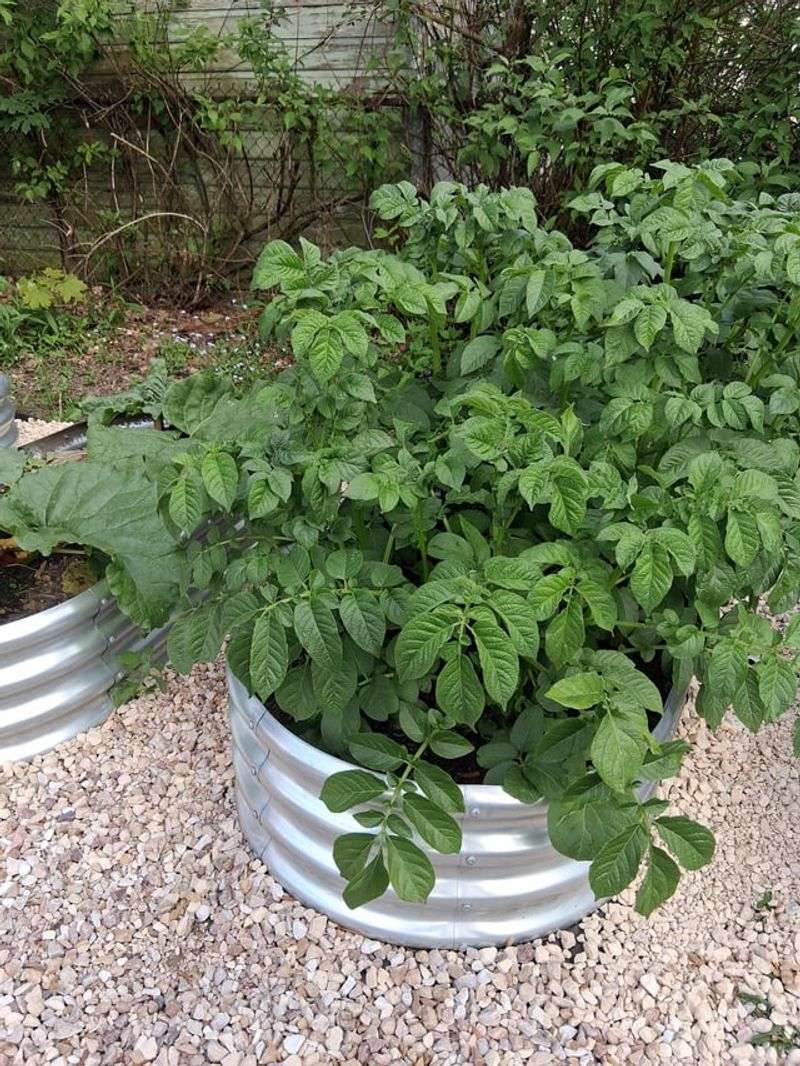
Potatoes and tomatoes belong to the same nightshade family, making them vulnerable to identical diseases that spread rapidly between plants in North Florida gardens. Early blight, late blight, and verticillium wilt affect both crops, and having them close together creates a disease superhighway where infections jump easily from one plant to another.
Once these pathogens establish themselves, they can devastate your entire harvest within days. Colorado potato beetles love both potatoes and tomatoes equally, moving between plants and multiplying rapidly in North Florida’s warm climate.
These striped pests defoliate plants quickly, and their larvae cause even more damage by consuming massive amounts of foliage daily.
Growing potatoes and tomatoes together essentially provides a continuous buffet for these destructive insects throughout the growing season.
Keep potatoes in a completely separate area of your North Florida garden, at least thirty feet from tomatoes if possible. Plant bush beans near your tomatoes instead, as they fix nitrogen in the soil while providing no habitat for shared pests or diseases.
Spinach works wonderfully too, growing during cooler months before tomatoes are planted and adding organic matter to beds when turned under before tomato transplanting begins.
8. Eggplant Competes And Spreads Pests
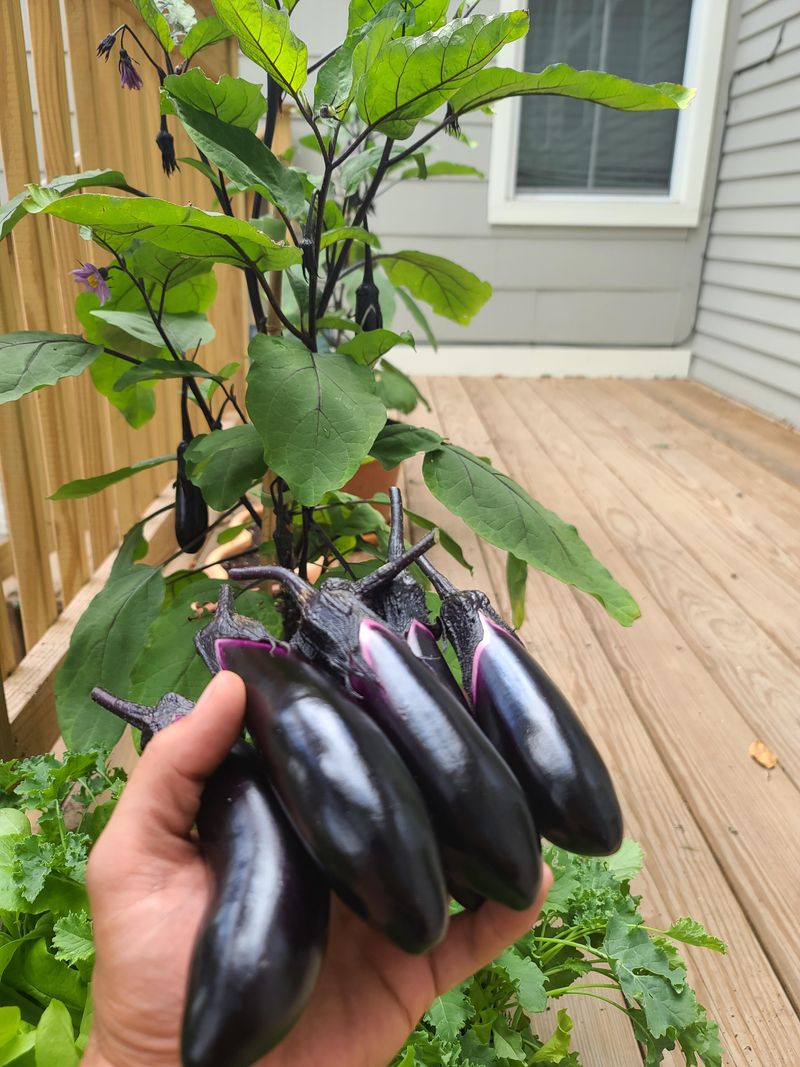
Eggplant shares the nightshade family connection with tomatoes, creating similar disease and pest problems when grown together in North Florida gardens.
Flea beetles particularly love eggplant foliage, and these tiny jumping insects quickly move to nearby tomato plants once they’ve damaged eggplant leaves.
Spider mites also thrive on both crops, multiplying explosively during North Florida’s hot, dry spring weather before summer rains arrive. Both vegetables require similar nutrients and growing conditions, leading to intense competition for soil resources when planted close together.
Eggplants develop extensive root systems that compete directly with tomato roots for water during drought periods common in North Florida springs. The similar fertilizer requirements mean you’ll struggle to meet both plants’ needs adequately without overfeeding one crop while starving the other.
Space eggplants far from your tomato beds to prevent pest sharing and disease transmission. Plant onions or garlic near tomatoes instead, as their pungent compounds repel aphids, spider mites, and other common tomato pests naturally.
Radishes make excellent early-season companions too, breaking up compacted North Florida soils while maturing quickly before tomatoes need maximum space for root expansion and nutrient uptake during their peak growing period.