Don’t Plant These Fall Crops In Georgia Until The Soil Cools A Little
Georgia fall planting can feel like a prank.
The calendar says autumn is close. The garden says absolutely not. Soil still holds August heat, raised beds radiate warmth, and red clay can feel like it spent the afternoon under a broiler.
Cool-season seeds do not care that you bought them with good intentions.
That leftover heat matters.
Some crops sprout poorly in warm soil. Some germinate, then grow tough, bitter, spotty, or weak. Some sit there while the gardener waters, checks, mutters, and wonders why fall gardening suddenly feels harder than summer.
The trick is patience with a thermometer, not patience with a packet.
North Georgia may cool first. Middle Georgia often needs a little more time. South Georgia can make gardeners wait even longer before certain seeds behave.
So which fall crops should stay in the packet until the ground finally loses that summer edge?
Start with the ones that need a cooler seedbed more than they need your enthusiasm.
1. Wait On Lettuce Until Nights Ease
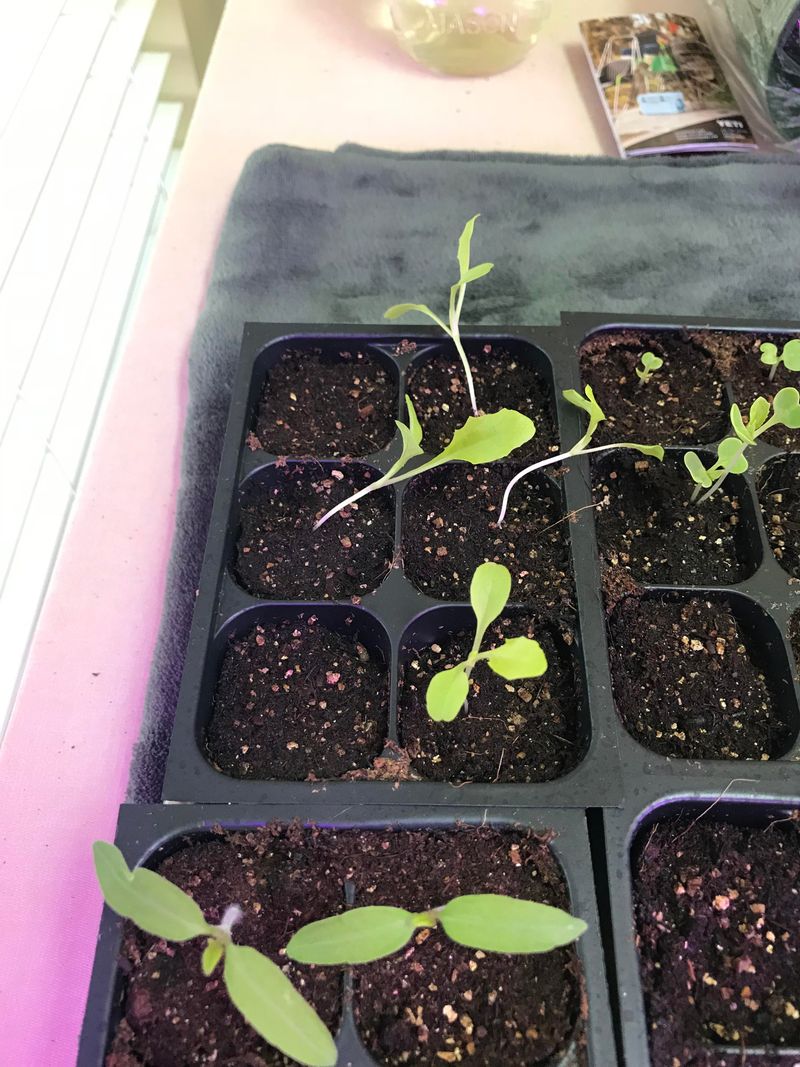
Lettuce is the crop that makes impatient fall gardeners pay attention.
It looks easy. The seeds are tiny. The harvest feels quick. The packets start showing up at the perfect moment, right when everyone is tired of tomatoes and ready for salads that do not taste like August.
Then warm soil ruins the mood.
Lettuce seed can refuse to sprout when the seedbed stays too hot. You can water, whisper, shade, and stare at the row, but heat may still hold germination back. That is why waiting for cooler nights matters so much in Georgia.
The goal is not just cooler air. It is cooler soil.
In North Georgia, that may happen around late summer into early fall. In Middle and South Georgia, the wait can stretch longer, especially in raised beds, dark containers, and spots near brick, concrete, or gravel.
Use shade cloth if you want to start a little sooner. A light shade over the seedbed can lower heat stress without turning the row into a cave.
Keep the surface evenly moist. Lettuce seed sits shallow, and a dry crust can stop seedlings before they get started.
Loose-leaf types are the best fall bet because they mature faster than heading lettuce. Sow small batches every couple of weeks once conditions improve.
Lettuce does not reward bravery in hot soil. It rewards timing, light shade, and gardeners willing to wait a few more nights.
2. Delay Spinach Until Soil Loses Summer Heat
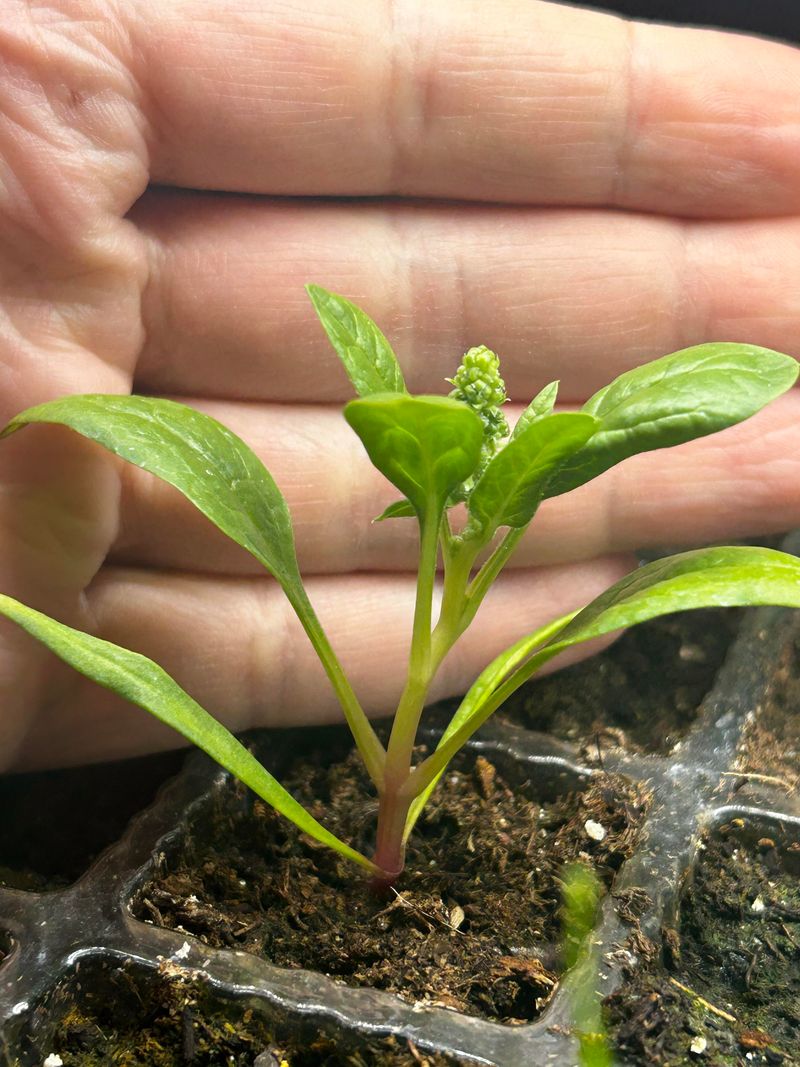
Spinach is not interested in proving itself in hot dirt.
That is why so many early fall sowings look patchy, weak, or completely missing. Spinach seed prefers cool conditions, and Georgia soil can stay stubbornly warm long after the first fall planting urge hits.
Plant too early, and seeds may germinate poorly. Some may rot. Some may sprout unevenly. Others may emerge and then sit there looking offended by the whole situation.
Waiting gives spinach a better start.
This crop has shallow roots and small seedlings, so the first stage matters. It needs moisture near the surface, but it also needs soil that does not feel like summer is still sitting on top of it.
Your Georgia Garden Changes Every Week. Your Plan Should Too.
Gardening in Georgia changes quickly throughout the season. Every Friday you’ll receive a simple weekly plan showing exactly what to plant, prune, fertilize, harvest, and protect so you never miss the right timing.
In the mountains and cooler northern counties, gardeners may get a head start before the rest of the state. Farther south, patience usually pays better than rushing.
Prepare the bed before the window opens. Work in compost to improve moisture retention and drainage. Spinach likes steady moisture, not soggy soil and not a dry crust.
Sow in short rows rather than one huge planting. Succession sowings every couple of weeks give you better odds if one round catches a warm spell.
Covering the seedbed lightly with row cover can help hold moisture while seedlings emerge. Remove or lift it if heat builds underneath.
Once spinach catches cool weather, it can grow quickly and handle light frost with confidence.
The wait feels annoying. The full stand of healthy leaves makes it worth it.
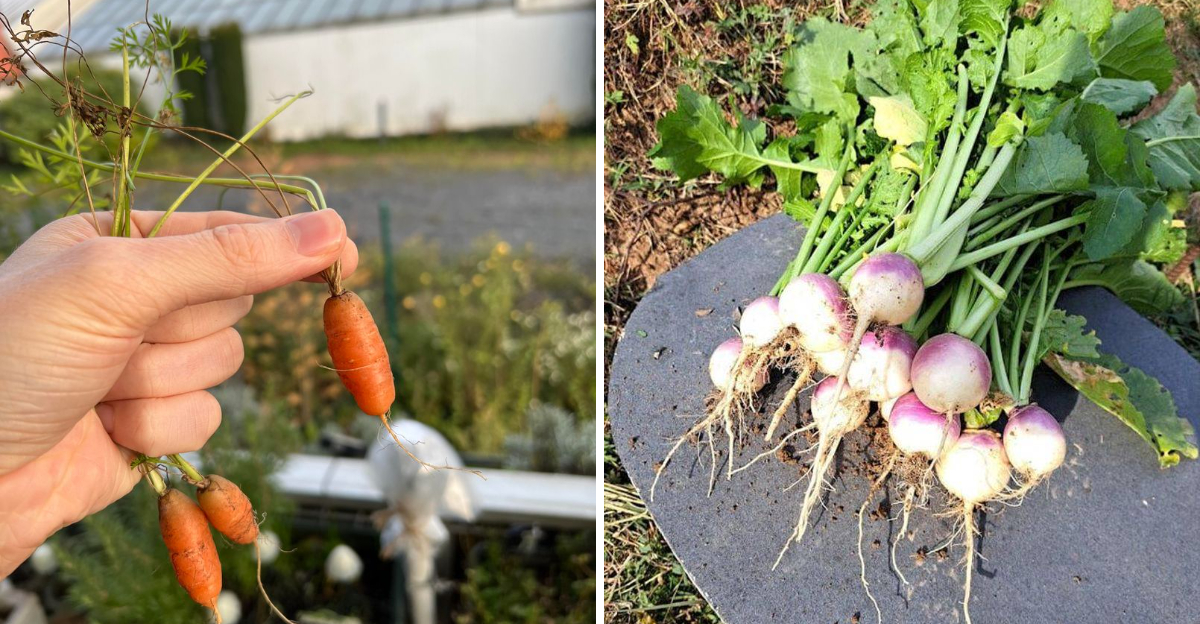
3. Sow Carrots In A Cooler Seedbed
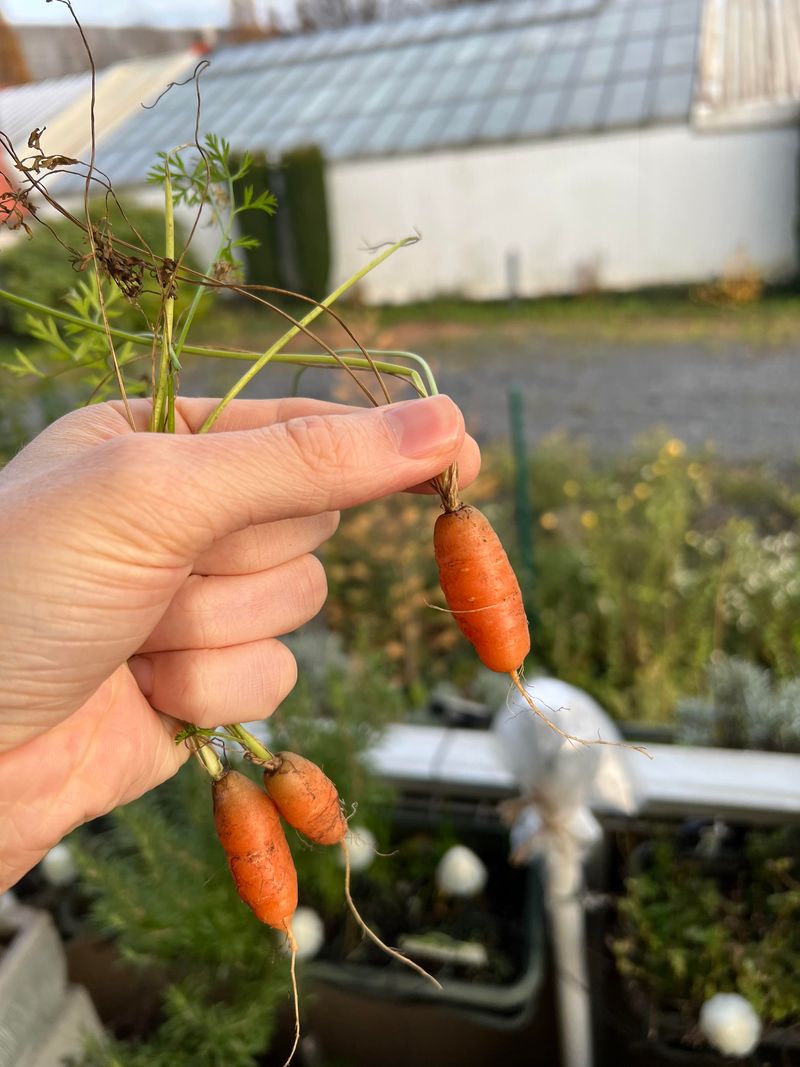
Carrot seed has no patience for sloppy timing.
It is tiny, slow, and fussy about moisture right at the soil surface. That makes hot Georgia soil a real problem.
The top layer can dry out in hours, especially in raised beds or sandy spots, and once that surface crusts, carrot seedlings struggle to break through.
A cooler seedbed changes the whole game.
Wait until the soil eases down from summer heat before sowing. Carrots germinate more reliably when the bed stays evenly moist and temperatures no longer spike hard every afternoon.
Prepare the row carefully. Carrots need loose, deep soil without clods, rocks, or compacted layers. If the root hits resistance, it may fork, twist, or stop short.
Do not bury the seed deeply. A quarter inch is plenty. Press the seed into the soil gently, cover lightly, and water with care so the row does not wash away.
Moisture is the daily job until sprouts appear. A strip of burlap, row cover, or a light board can help keep the surface damp, but remove the cover as soon as seedlings emerge.
Thin early. Crowded carrots may look like success at first, but they turn into a tangle of skinny roots later. Aim for about 2 inches between plants once seedlings are large enough to handle.
In Georgia clay, raised beds can make fall carrots much easier.
Carrots are not difficult because they are dramatic. They are difficult because their first two weeks demand consistency. Cooler soil finally gives them a fair start.
4. Hold Peas Until Heat Stress Drops
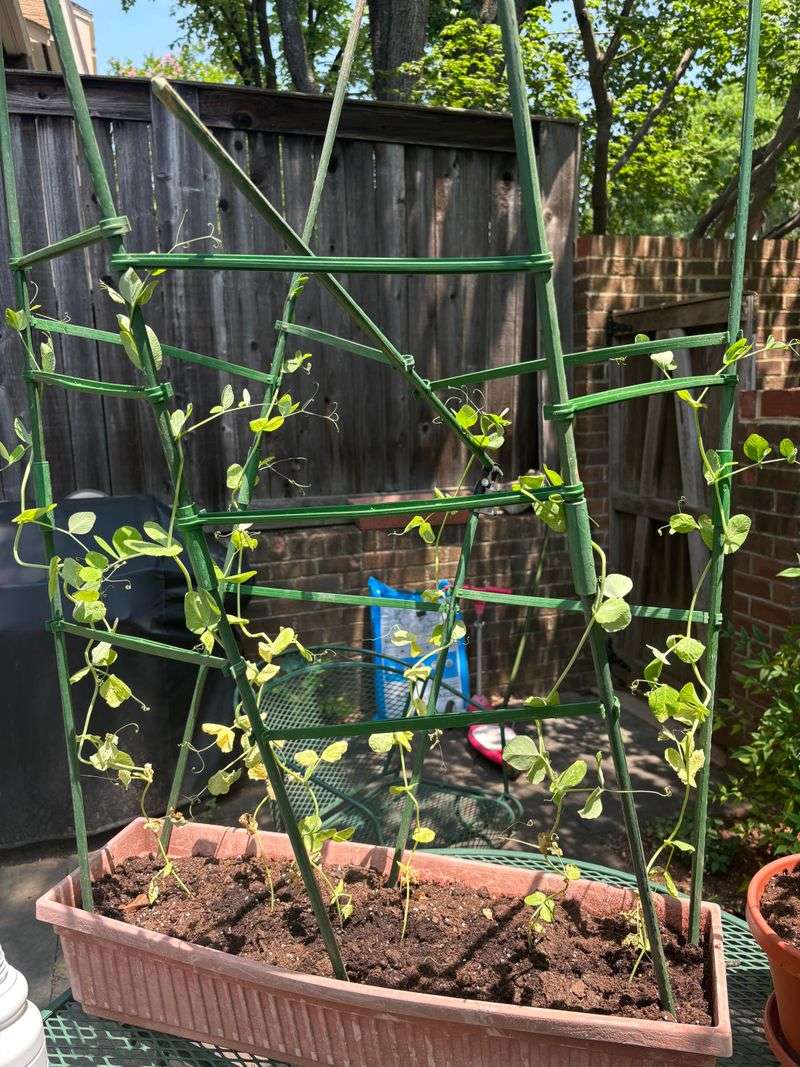
Peas are where Georgia gardeners need to check the name twice.
Southern peas love heat. English peas and snap peas do not. That mix-up can turn a fall planting into a confusing little failure before the vines ever have a chance.
Cool-season peas need the heat to back off.
Plant them while soil and air still feel like summer, and germination may be uneven. Young plants can stall, wilt, or struggle before they build enough strength to flower and set pods.
Wait until the garden feels genuinely cooler, especially at night. North Georgia may reach that point earlier. South Georgia often needs more time, and the planting window may shift later.
Set the trellis before you sow. Pea roots dislike disturbance, and installing support after seedlings appear can turn a simple job into a root-wrecking mess.
Sow seeds about 1 inch deep along the base of the support. Keep the soil evenly moist, but avoid soaking the row until it stays wet. Pea seeds can rot when warm soil and excess water team up.
Use inoculant if your soil has not grown peas or beans recently. It can help the plants form nitrogen-fixing nodules, though peas still need decent soil to perform well.
Do not overfertilize with nitrogen. Too much can push leafy growth instead of flowers and pods.
Once cool weather settles in, peas grow with much more confidence.
The plant does not need August courage. It needs a cooler start, steady moisture, and a trellis ready before the first tendril goes searching.
5. Start Radishes After The Hottest Stretch
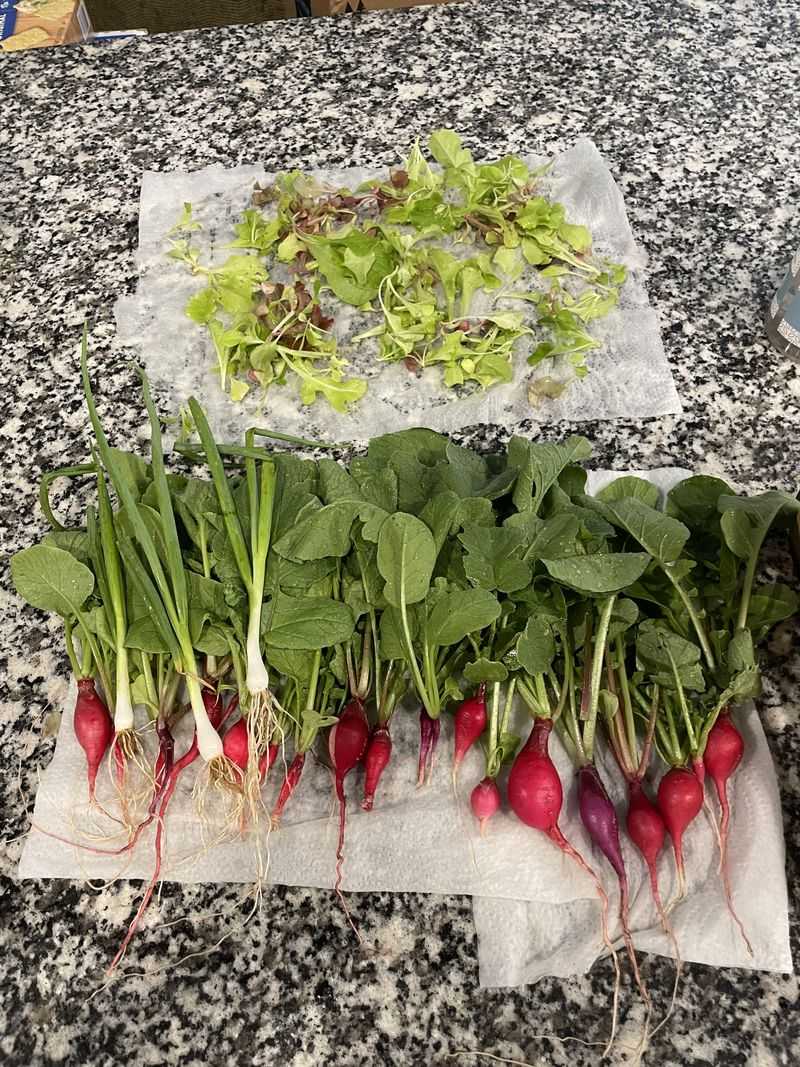
Radishes are fast, but fast does not mean foolproof.
They tempt gardeners because the harvest can come quickly. A few weeks from seed to table sounds perfect for fall.
But if the soil is still hot, radishes can turn harsh, hollow, pithy, or disappointing before you even get the satisfaction of pulling them.
Warm soil may not stop germination completely. That is the sneaky part. The seeds can sprout, the leaves can grow, and the gardener can feel encouraged.
Then the roots fail to deliver.
Wait until the hottest stretch has passed, especially in Middle and South Georgia. North Georgia gardeners may be able to start earlier, but soil temperature still matters more than the calendar.
Sow small batches instead of one long row. A short sowing every 10 days gives you a steadier harvest and keeps roots from maturing all at once.
Plant seeds about half an inch deep and thin seedlings to around 2 inches apart. Crowding makes leafy tops and small roots, which is not the radish bargain anyone wanted.
Keep moisture consistent. Dry soil followed by heavy watering can cause cracking and poor texture.
Flea beetles can be worse during warm weather. Row cover helps if it goes on immediately after sowing, before pests find the seedlings.
Harvest as soon as roots reach usable size. Leaving radishes in the ground too long can ruin the texture even in cooler weather.
Radishes are still one of the best quick fall crops. They just need the soil to stop acting like July first.
6. Seed Beets When Moisture Stays Steady
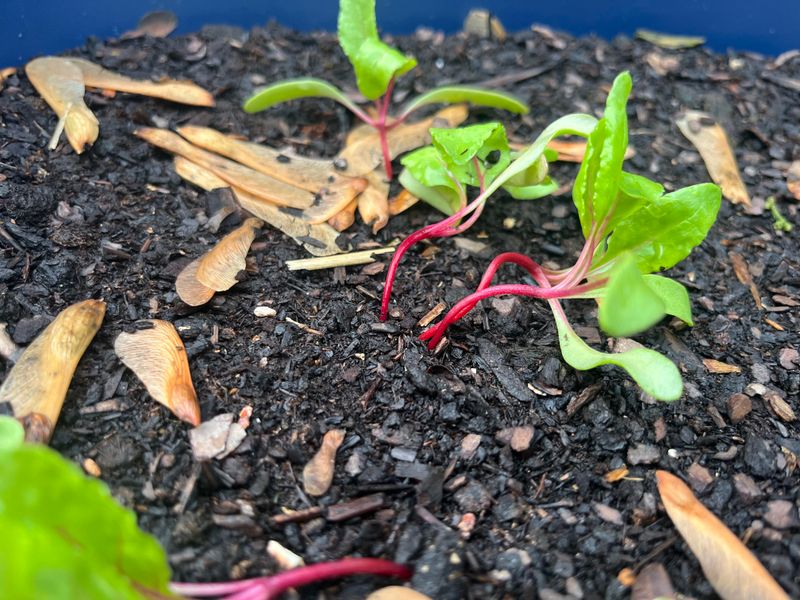
Beets need moisture that does not play games.
Their seed clusters have to soften before sprouts can push out, and hot Georgia soil can dry that surface layer too quickly. That leads to patchy rows, uneven seedlings, and roots that mature at different times.
A cooler, steadier seedbed helps beets start strong.
The “seed” you plant is actually a cluster, which is why several seedlings often emerge in one spot. That is normal. It also means thinning is not optional.
Sow about half an inch deep in moist soil. Once seedlings reach a couple of inches tall, thin them to about 3 inches apart for roots. Save the thinnings for salads or quick cooking, because young beet greens are tender and useful.
Mulch lightly after seedlings establish. That helps keep the soil from crusting and reduces moisture swings during warm fall afternoons.
Beets can handle some warmth better than lettuce or spinach, but early plantings still need reliable water. If the bed dries between waterings, germination may turn uneven and root quality can suffer.
Avoid planting where soil stays soggy. Moist is good. Waterlogged is not. Georgia clay can swing between brick-hard and sticky fast, so raised beds or amended rows can help.
The greens can be harvested lightly while roots size up. Do not strip the plant bare, though. It needs leaves to feed the root below.
In North Georgia, get beets started early enough for roots to size before hard freezes slow growth. Farther south, the planting window lasts longer.
Beets reward a gardener who keeps the seedbed steady from the start.
7. Plant Turnips As Soil Temperatures Fall
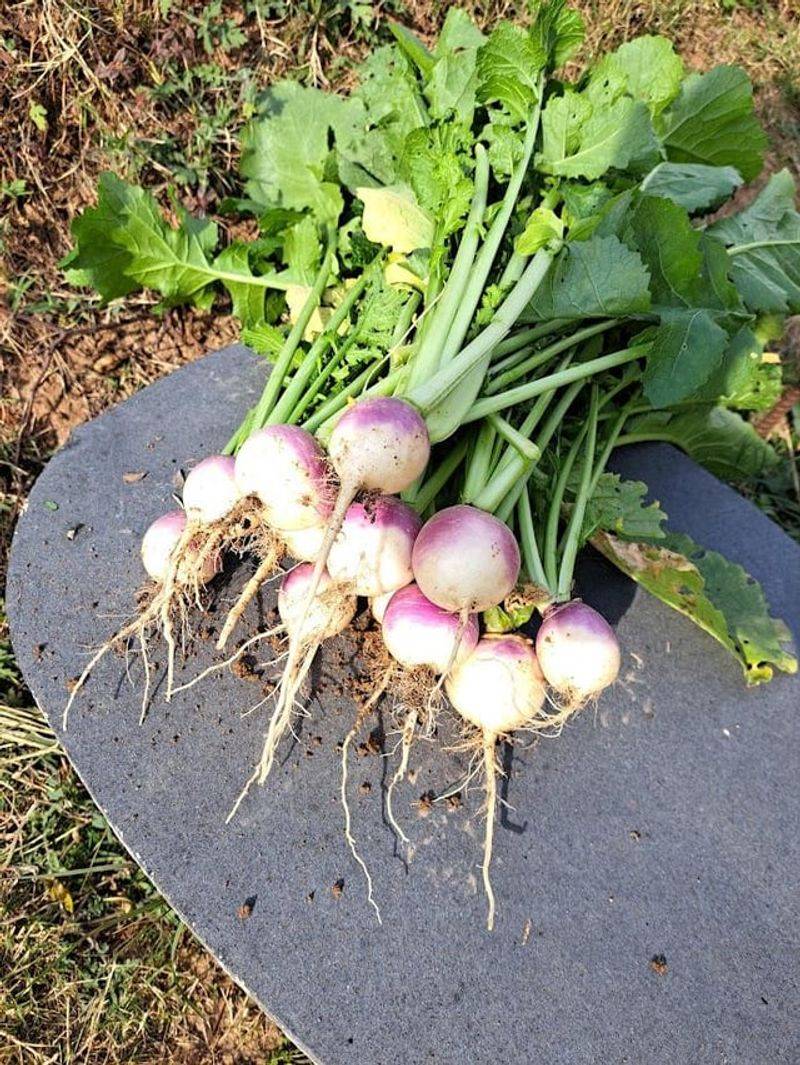
Turnips are forgiving, but they are not immune to bad timing.
Plant too early, and hot soil can produce weak seedlings, tough greens, or roots that never develop the mild sweetness fall gardeners want. Plant too late, and the roots may stay small before cold slows everything down.
The goal is that cooler middle window.
Turnips can be grown for greens, roots, or both. That choice changes the timing. Greens mature faster and tolerate closer spacing. Roots need more room, more time, and steadier moisture.
For roots, sow seeds about a quarter to half an inch deep, then thin plants to 4 to 6 inches apart. Crowded turnips will give you plenty of leaves but fewer good roots.
For greens, closer spacing can work, especially if you harvest young leaves often.
Wait until the hottest stretch starts to fade for the best root quality. In many Georgia gardens, that means mid-September or later, with later timing farther south.
Keep the seedbed moist during germination. Turnip seeds sprout quickly when conditions suit them, but dry surface soil can still ruin a row.
Mulch lightly once seedlings are up. That helps soil moisture stay more even and keeps roots from dealing with constant hot-cold, wet-dry swings.
Harvest greens while they are tender. Pull roots when they reach usable size, before they get woody or overly sharp.
A light frost can improve flavor, which is the whole reward for waiting.
Turnips are simple, fast, and generous when the soil finally cools enough to meet them halfway.