Don’t Prune Texas Oak Trees Until You Read This
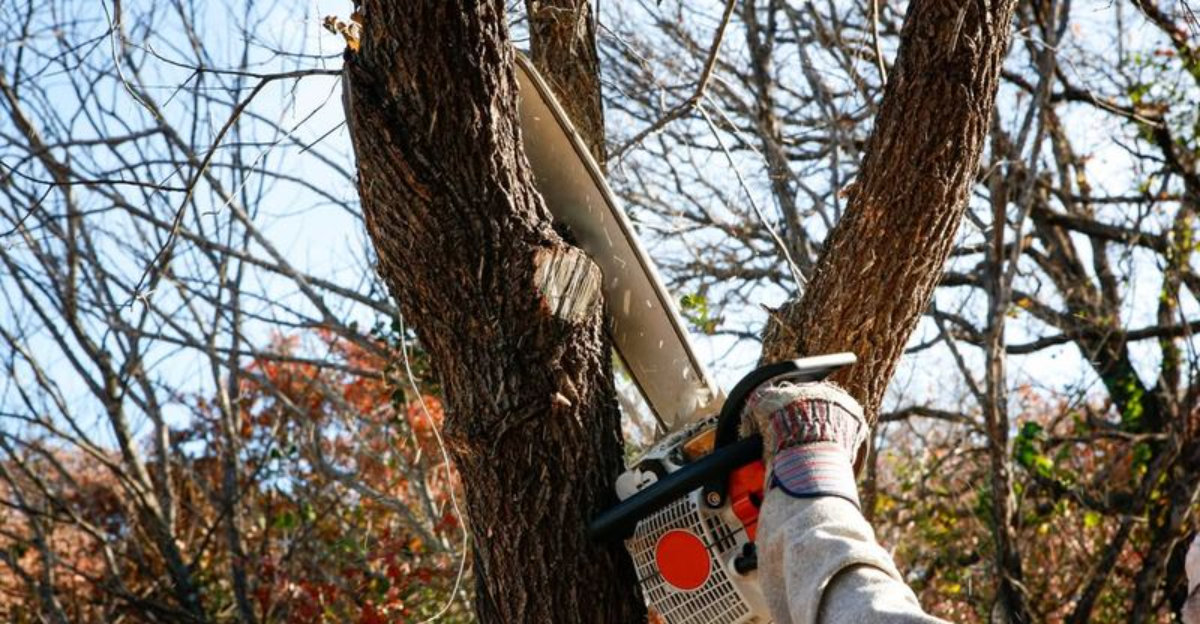
Pruning oak trees might seem like a simple weekend project, but in Texas, timing and technique matter more than you might think.
If done the wrong way or at the wrong time, trimming your oak could actually harm the tree and invite a serious threat: oak wilt.
This fast-spreading disease has been devastating oak populations across the state, and one of the easiest ways it spreads is through fresh pruning wounds. That’s why knowing when not to prune is just as important as knowing how.
Beyond disease risk, pruning incorrectly can also stress your tree, weaken its shape, and impact growth for years. So before you pick up those shears or call in a landscaper, it’s worth learning the dos and don’ts.
Learn the safest seasons to prune, how to spot trouble signs, and simple ways to keep your Texas oaks healthy for the long haul.
1. February Through June: The Danger Zone For Oak Wilt
Oak wilt spreads fastest during the warmer months in Texas, making this period extremely risky for pruning. The fungus that causes oak wilt travels through beetle activity and root connections between trees.
Beetles attracted to fresh pruning cuts carry the disease from infected trees to healthy ones.
February marks the beginning of increased beetle activity across the state. Temperatures rise and insects become more active in their search for food and breeding sites.
Your freshly cut oak branches send out chemical signals that draw these beetles like magnets.
March through May represents peak danger time for oak wilt transmission in most Texas regions.
Sap beetles move from tree to tree during these months, spreading spores on their bodies. Even a small pruning wound can become an entry point for this devastating disease.
June continues to pose significant risks as temperatures climb higher. The combination of active beetles and vulnerable fresh cuts creates perfect conditions for infection.
Many Texas oak trees have been lost because homeowners pruned during these months without understanding the consequences.
Red oaks are especially vulnerable during this danger period. Live oaks can also contract the disease, though they sometimes show symptoms more slowly. Both species need protection from pruning wounds during beetle season.
Professional arborists in Texas avoid scheduling oak pruning work during these months whenever possible. Emergency situations may require pruning, but immediate wound treatment becomes critical.
Paint or spray sealant must be applied to cuts within minutes to block beetle access. Planning your tree maintenance around this danger zone protects your oaks from unnecessary risk and keeps your landscape healthy for years ahead.
2. July Through January: The Safe Pruning Window
July marks the beginning of safer pruning conditions for Texas oak trees. Beetle activity drops significantly as summer heat intensifies across the region.
Your oak trees can receive necessary trimming with much lower risk of disease transmission.
Late summer pruning works well for removing storm damage or correcting structural problems. The hot, dry conditions of July and August discourage beetle movement between trees.
Wounds heal more slowly in extreme heat, but the reduced disease risk outweighs this concern.
Fall months bring ideal pruning conditions to most Texas locations. September through November offers moderate temperatures and minimal beetle activity. Trees begin preparing for dormancy, which helps them seal wounds more effectively.
Winter provides the absolute safest time for major oak pruning projects in Texas. December and January see almost no beetle activity because of cooler temperatures.
Dormant trees dedicate energy to wound closure rather than leaf production. January stands out as the preferred month for extensive pruning work.
Trees remain fully dormant while weather conditions allow comfortable outdoor work. Arborists can see the tree structure clearly without leaves blocking their view.
Cold snaps during winter months completely halt beetle movement across Texas. This natural pause in insect activity creates a perfect opportunity for tree care.
Your oaks can receive shaping, thinning, or removal of damaged limbs without disease concerns.
Professional tree services in Texas schedule most oak work during these safer months. Planning ahead ensures your trees receive care when conditions protect them best.
The safe window gives you plenty of time to address pruning needs without rushing or taking unnecessary chances with tree health.
3. Emergency Pruning: When Waiting Isn’t An Option
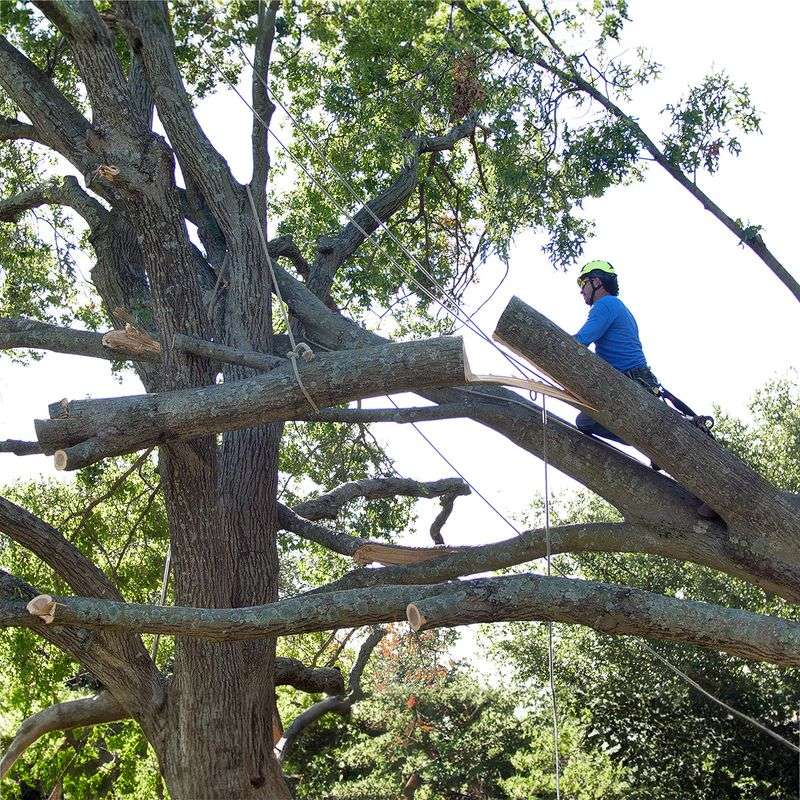
Storms can strike Texas at any time, leaving broken branches hanging dangerously from your oak trees. Safety concerns sometimes override the normal pruning schedule.
A large limb threatening your home or blocking a driveway needs immediate attention regardless of the season.
Branch failures create hazards that cannot wait for the safe pruning window. Heavy limbs can cause property damage or injure people walking beneath the tree.
Your responsibility to protect family and property comes first in these situations.
Emergency pruning during the danger months requires extra precautions to protect your tree. Fresh cuts must receive wound dressing immediately after each cut is made.
Latex paint or commercial wound sealant blocks beetles from accessing the vulnerable wood.
Apply wound treatment within five minutes of making the cut for maximum protection. The chemical signals from fresh wounds attract beetles quickly during warm months.
Speed matters when you must prune oaks between February and June in Texas.
Remove only what poses an immediate danger during emergency situations. Leave additional pruning work for the safe season when your tree faces less risk. Minimal cutting reduces the number of entry points for potential infection.
Contact a professional arborist for emergency oak work whenever possible. Experienced tree care providers understand proper wound treatment protocols. They carry specialized equipment and sealants designed for high-risk pruning situations.
Document the emergency condition with photos before pruning begins. Insurance claims or future tree health issues may require evidence of why pruning occurred during the danger period.
Keep records of all wound treatments applied and monitor the tree closely for signs of disease in following months.
4. Proper Wound Care After Pruning Cuts
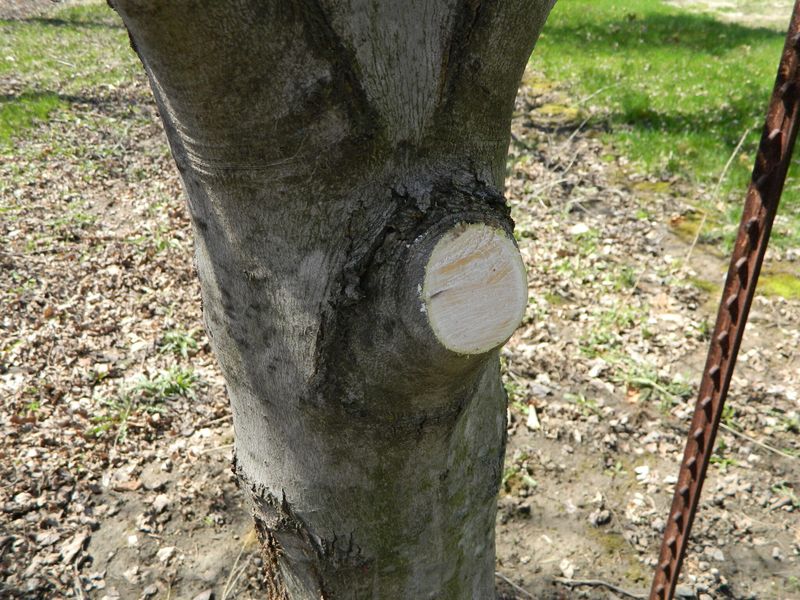
Wound dressing serves as your oak tree’s first line of defense after pruning cuts. The protective barrier prevents beetles and spores from entering fresh wounds. Texas arborists rely on this simple step to reduce infection risk significantly.
Latex paint works effectively as an affordable wound sealant for oak trees. Choose a neutral color that won’t look too obvious on your tree bark. Apply a thin, even coat that covers the entire cut surface without dripping.
Commercial wound dressings designed specifically for trees offer another option. These products often contain fungicides that provide extra protection. Follow manufacturer instructions carefully for application timing and coverage.
Timing matters more than the product you choose for wound protection. Apply sealant within minutes of making each cut, not hours later.
Beetles can find and contaminate wounds remarkably fast during the danger season.
Spray applicators work well for treating multiple cuts quickly. Brush application gives you more control on larger pruning wounds. Keep your chosen sealant readily available before starting any oak pruning work.
Wounds larger than two inches across need especially careful treatment. These big cuts take longer to seal naturally and present bigger targets for beetles. Extra attention to complete coverage pays off in better tree protection.
Avoid pruning paint on cuts made during the safe winter months. Research shows wound dressing may actually slow healing when disease risk is minimal. Save your sealant for emergency pruning or work done during risky periods.
Monitor treated wounds for several weeks after pruning to ensure sealant remains intact. Reapply if you notice cracking or peeling of the protective coating.
Your vigilance during this period helps guarantee your oak stays healthy after necessary trimming.
5. Understanding Oak Wilt Symptoms And Spread
Oak wilt moves through Texas neighborhoods faster than most people realize. The disease can travel underground through connected root systems between nearby trees. One infected oak can spread the problem to every oak within a hundred feet.
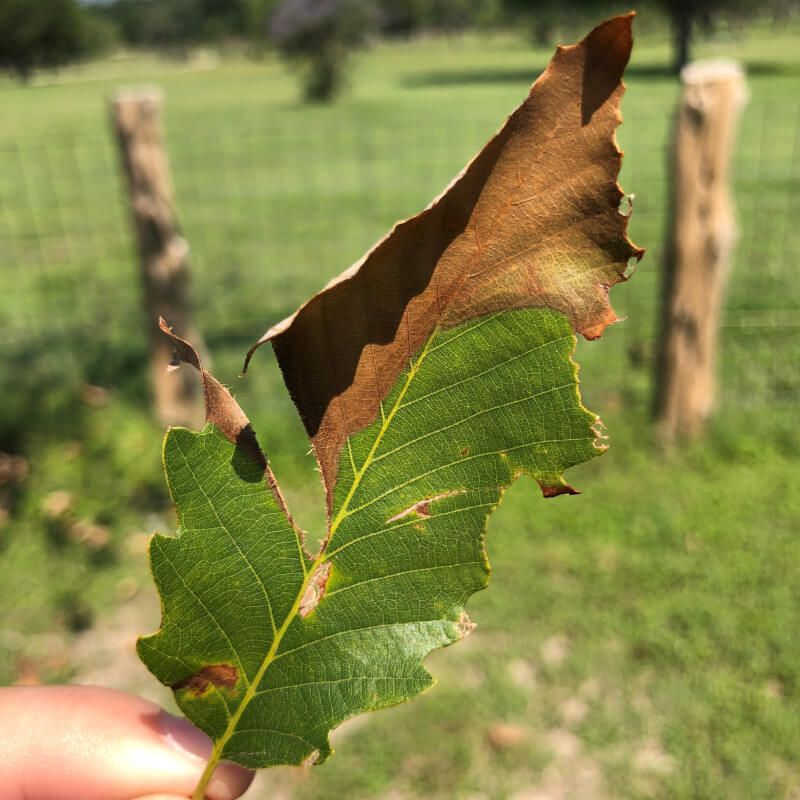
Red oak species show symptoms quickly, often within weeks of infection. Leaves turn brown from the outer edges inward, creating a distinctive pattern. The tree may lose all its leaves in just a few months after disease takes hold.
Live oaks display symptoms more gradually over many months or even years. You might notice leaves dropping from one branch while the rest appears healthy. This slow progression makes live oak infections harder to detect early.
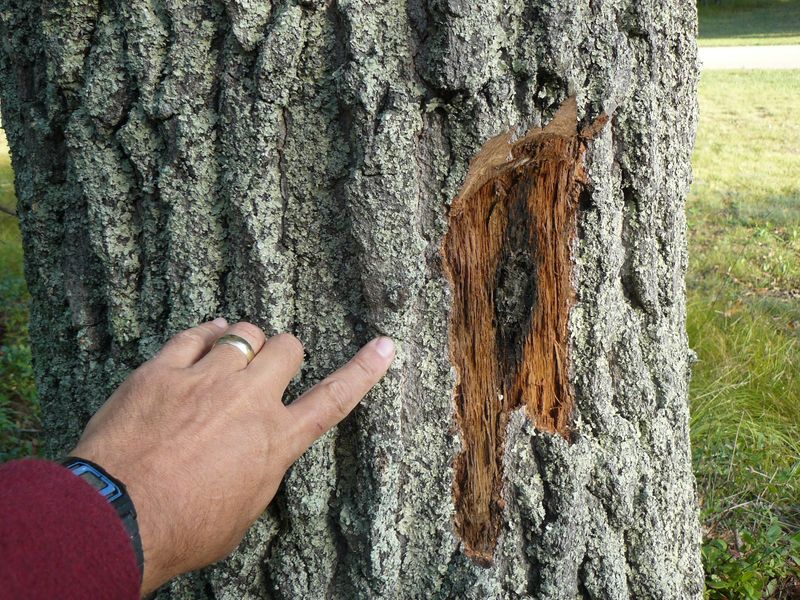
Fungal mats form under the bark of infected red oaks during spring months. These mats produce a fruity smell that attracts the beetles responsible for spreading spores. Bark cracks and bulges where mats develop beneath the surface.
Sap beetles feed on the fungal mats and pick up sticky spores on their bodies. They fly to other oak trees and enter through fresh wounds or natural openings. The spores germinate inside the tree and begin blocking water flow through the trunk.
Trees in Texas neighborhoods often share root connections through natural grafting underground. The fungus spreads through these connections without needing beetles as carriers.
This underground movement explains why multiple trees in a row sometimes show symptoms.
Early detection gives you the best chance to save surrounding trees. Watch for leaf discoloration, premature leaf drop, or sudden branch decline.
Professional diagnosis confirms whether oak wilt caused the symptoms you observe. Quick action to break root connections can stop the spread to nearby healthy oaks.
6. Hiring Professional Arborists For Oak Care
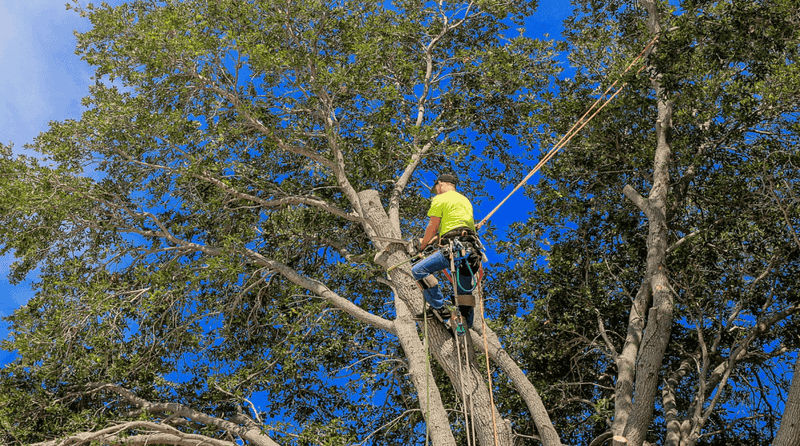
Professional tree care companies understand the specific challenges of maintaining oaks in Texas. Certified arborists receive training about oak wilt prevention and proper pruning timing.
Their expertise protects your valuable trees from mistakes that homeowners often make.
Look for arborists certified by the International Society of Arboriculture when hiring. This certification requires passing comprehensive exams about tree biology and care practices.
Certified professionals stay current on the latest research about oak diseases and management.
Local arborists familiar with Texas conditions offer advantages over national chains. They understand regional beetle activity patterns and local oak wilt hot spots. Their experience with Texas weather helps them schedule work during optimal conditions.
Request references from previous clients before hiring any tree service. Ask specifically about their oak tree work and pruning timing practices. Good arborists willingly provide contact information for satisfied customers.
Professional liability insurance protects you if something goes wrong during tree work. Verify coverage before allowing anyone to work on your property. Reputable companies carry substantial insurance and provide proof upon request.
Quality arborists inspect your entire tree before recommending specific pruning. They identify structural problems, disease signs, and overall tree health. Their assessment guides decisions about what work your oak actually needs.
Expect detailed explanations about timing and methods for proposed oak work. Professional arborists educate clients about oak wilt risks and prevention strategies. They should clearly explain why they schedule work during particular months.
Get written estimates that specify pruning timing and wound treatment procedures. The contract should mention oak wilt prevention measures explicitly.
Clear documentation protects both you and the tree service from misunderstandings about critical care details.