Downsides To Growing Zucchini In Michigan Gardens That Catch Gardeners Off Guard
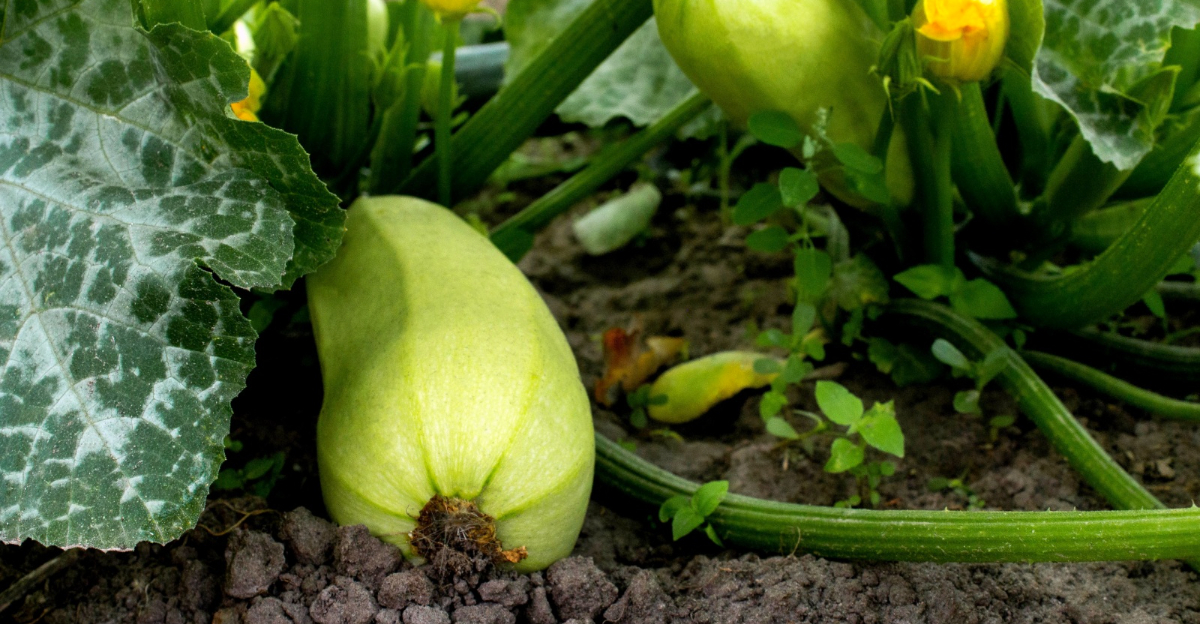
Zucchini is often called one of the easiest vegetables to grow, so it’s no surprise many Michigan gardeners expect fast, generous harvests.
Then the season starts, and things don’t always go as planned.
Cool, damp spring soil, sudden heat, and swings in rainfall can create conditions where zucchini runs into unexpected issues.
What begins as a simple crop can quickly turn into a lesson in pests, spacing, and timing.
Across Michigan, both new and experienced gardeners run into the same surprises. Knowing what to expect before planting can make a big difference in how smoothly your zucchini grows through the season.
1. Squash Vine Borers Can Destroy Plants Quickly
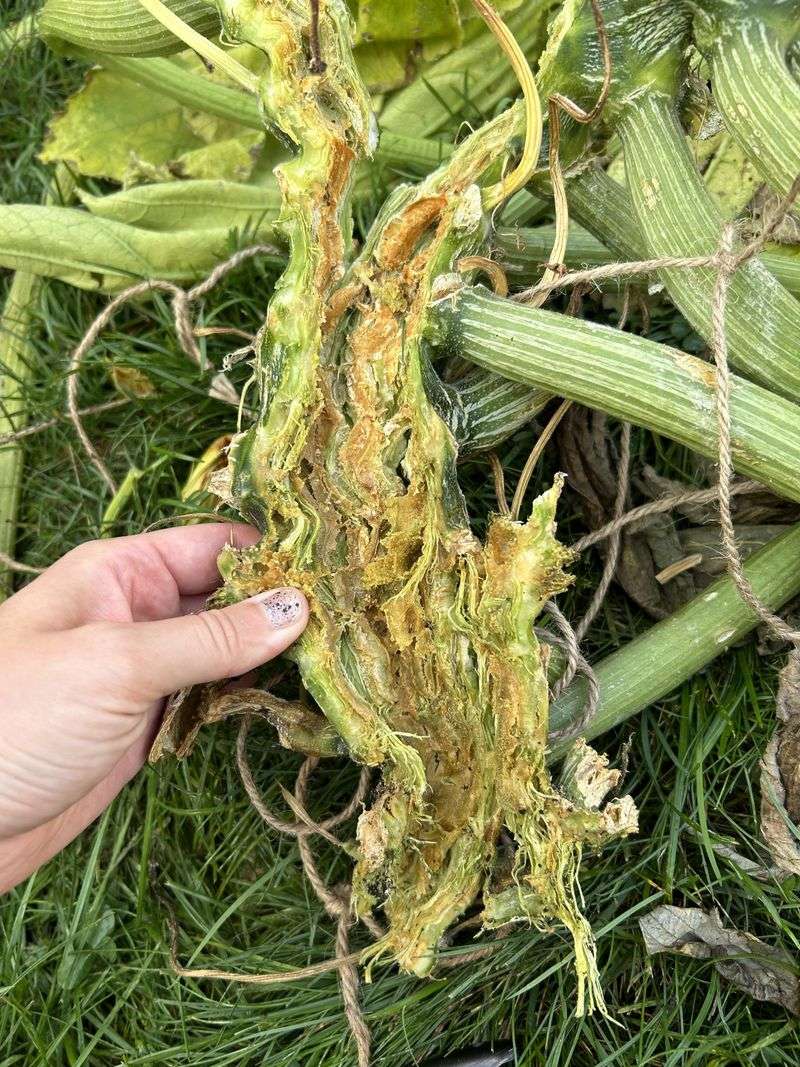
Few pests in the Michigan vegetable garden strike as fast or as decisively as the squash vine borer. One week your plant looks full and healthy, and the next it collapses without warning.
The damage happens from the inside out, which is part of what makes this pest so frustrating to deal with.
The adult squash vine borer is a moth that lays its eggs at the base of zucchini stems, usually starting in late June in Michigan.
Once the eggs hatch, the larvae burrow directly into the stem and begin feeding on the tissue that carries water and nutrients up through the plant.
By the time you notice wilting leaves or a sawdust-like material near the stem base, the damage is often already severe.
Gardeners who have never dealt with this pest often assume the plant has a watering problem and respond by adding more water, which rarely helps.
Row covers placed over young plants can block egg-laying moths early in the season.
Checking stems weekly is a smart habit, and some gardeners have success cutting out larvae with a small knife and mounding soil over the wound to encourage re-rooting. Early detection makes a real difference in plant survival.
2. Powdery Mildew Shows Up Late In The Season
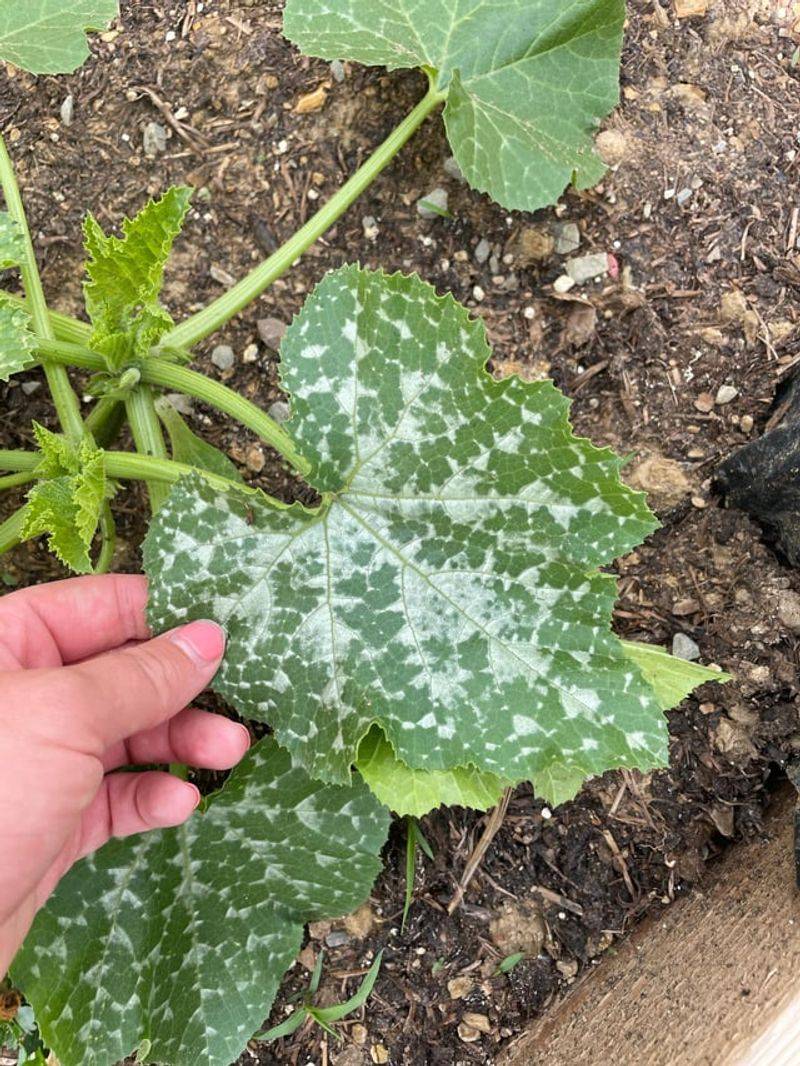
Walk through almost any Michigan vegetable garden in August and you are likely to spot the chalky white coating of powdery mildew on zucchini leaves.
It tends to show up just when plants are hitting their peak production, which makes it especially aggravating for gardeners who have put in months of effort.
Powdery mildew is a fungal disease that thrives when warm days are followed by cool nights – a pattern that is very common in Michigan’s late summer weather. Unlike many fungal problems, it does not actually need wet leaves to spread.
Spores travel through the air and land on leaf surfaces, where they take hold quickly, especially when plants are crowded and airflow is limited.
The white coating reduces the leaf’s ability to photosynthesize, which gradually weakens the plant and can shorten the overall harvest window. Leaves may yellow, curl, and gradually decline.
While powdery mildew rarely causes severe plant loss, it can noticeably slow fruit production.
Spacing plants well apart, watering at the base rather than overhead, and removing heavily infected leaves early can all slow the spread.
Your Michigan Garden Changes Every Week. Your Plan Should Too.
Gardening in Michigan changes quickly throughout the season. Every Friday you’ll receive a simple weekly plan showing exactly what to plant, prune, fertilize, harvest, and protect so you never miss the right timing.
Selecting mildew-resistant varieties is one of the most effective long-term strategies Michigan gardeners can use.
3. Plants Can Take Over Garden Space Fast
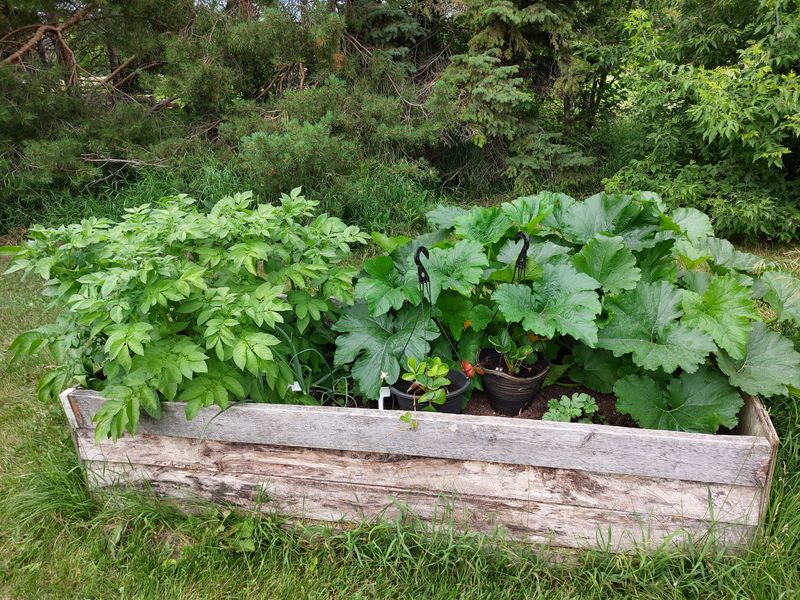
Seasoned gardeners will tell you that zucchini does not share space politely.
What starts as a modest seedling in late May can turn into a sprawling, leaf-covered giant by mid-July, often crowding out tomatoes, peppers, and herbs that were planted nearby with the best intentions.
A single standard zucchini plant can easily spread four to six feet in every direction under good growing conditions. Michigan’s fertile soils and warm summer temperatures give these plants plenty of encouragement to grow aggressively.
Gardeners who plan their garden beds on paper often underestimate just how much physical room a mature plant actually occupies once it is fully leafed out.
The large leaves do more than take up ground space – they also cast significant shade over neighboring plants, which can reduce yields for sun-loving crops planted nearby.
In smaller Michigan backyard gardens, this can become a real problem by midsummer.
Bush varieties tend to stay more compact than vining types and are a practical choice when space is limited. Vertical trellising works well for some squash relatives but is less common with standard zucchini due to the weight of the fruit.
Giving each plant at least three to four feet of clearance from the start helps prevent the most common overcrowding issues.
4. Pollination Problems Can Reduce Harvest
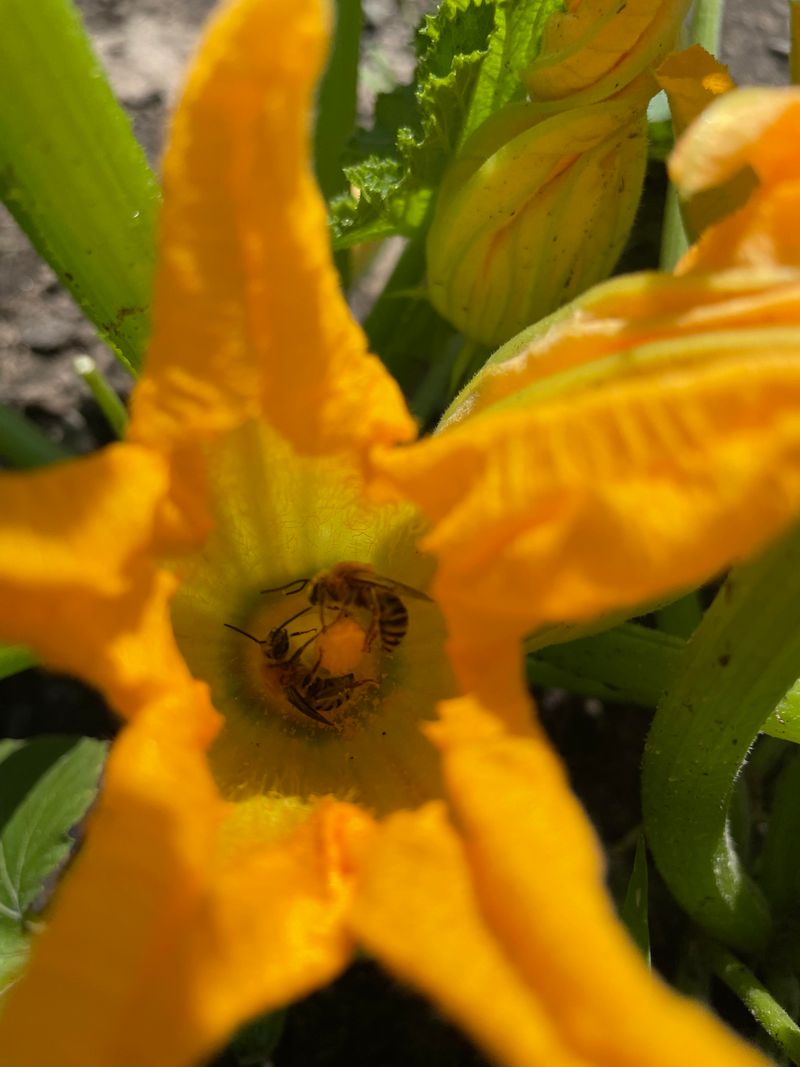
Spotting a zucchini plant covered in bright yellow blossoms feels exciting, but flowers alone do not guarantee fruit. Pollination has to happen first, and in Michigan gardens, that process does not always go smoothly.
Many gardeners are surprised to find shriveled, undeveloped zucchini at the base of unpollinated female flowers after expecting a strong early harvest.
Zucchini produces separate male and female flowers on the same plant. Male flowers typically open first, sometimes by a week or more, before female flowers are ready.
Even when both are open at the same time, successful pollination depends heavily on bee activity.
Cool, rainy stretches in early summer – which Michigan sees fairly regularly – can keep bees inactive for several days, leaving female flowers unpollinated and causing them to drop without setting fruit.
Planting pollinator-friendly flowers nearby, such as marigolds or borage, can help attract more bees to the garden area.
Hand pollination is a reliable backup option that involves using a small brush or a male flower to transfer pollen directly to the center of an open female flower.
Identifying the difference between male and female flowers is straightforward once you know that female flowers have a small, swollen base that will develop into the fruit if pollination is successful.
5. Frequent Harvesting Is Needed To Keep Production Going
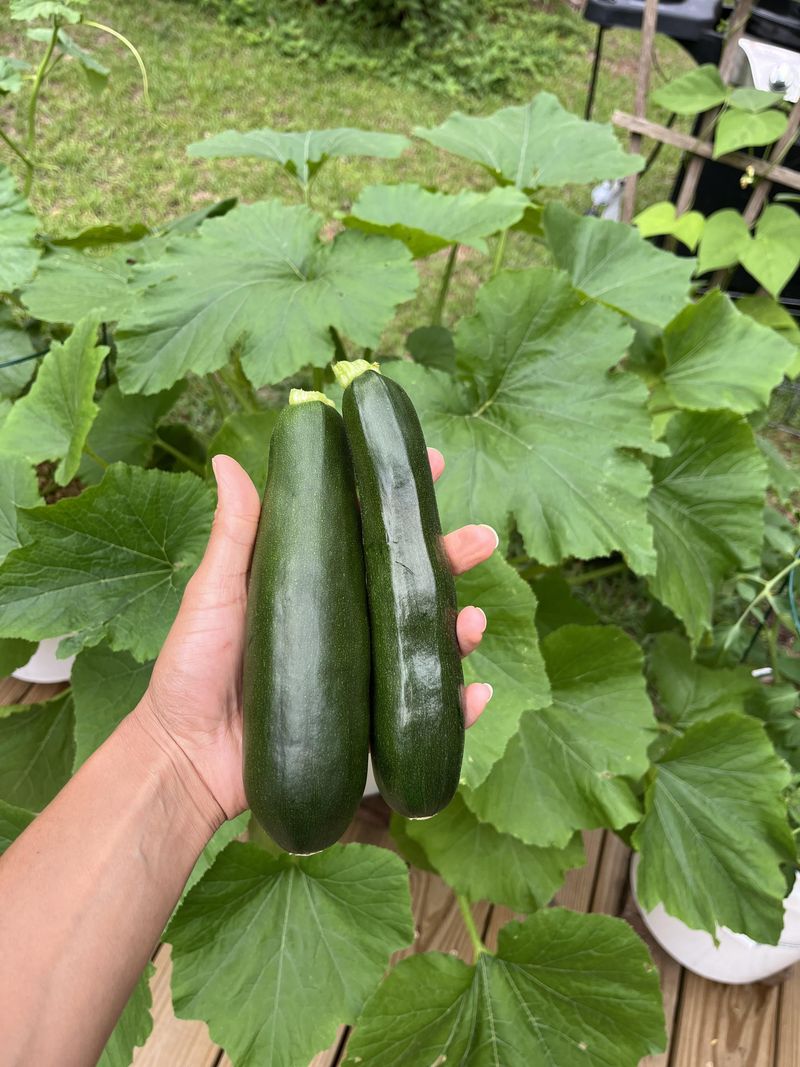
Zucchini has an almost legendary ability to grow fast, and if you miss a few days of harvesting, you will come back to find fruits the size of a baseball bat sitting in the garden.
That is not an exaggeration – zucchini can go from a perfect six-inch harvest size to an oversized, seedy club in just two or three days during warm Michigan summers.
Leaving oversized fruit on the plant sends a signal to slow down fruit production. The plant shifts its energy toward maturing those large fruits rather than setting new ones, which significantly reduces overall yield.
Regular harvesting, ideally every one to two days during peak season, keeps the plant focused on producing new fruit continuously throughout the summer.
For many Michigan gardeners, especially those who travel or have busy schedules, keeping up with zucchini’s harvesting demands can feel like a part-time job.
Missing even a few days during a hot stretch in July or August can result in a plant full of oversized, tough-skinned zucchini that are less enjoyable to cook.
Smaller fruits tend to have better flavor and texture, and consistent picking genuinely does encourage the plant to keep flowering and setting new fruit. Staying on top of the harvest schedule pays off noticeably in total seasonal production.
6. Blossom End Rot Can Occur In Inconsistent Conditions
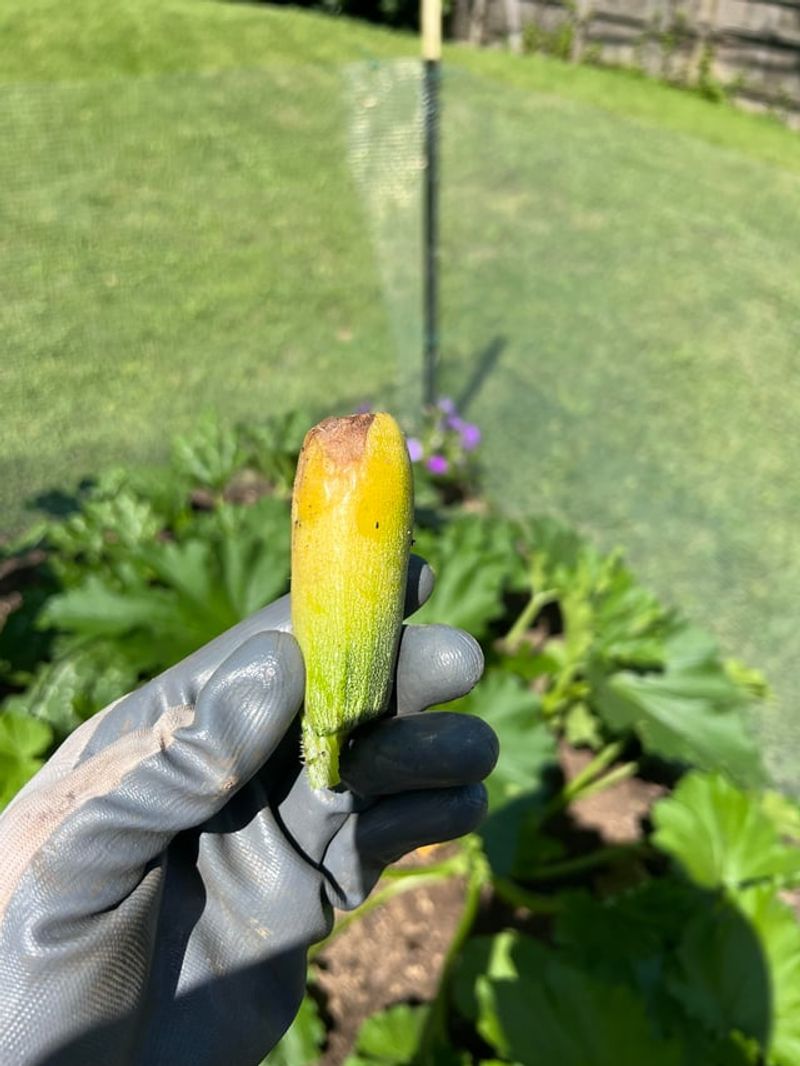
Finding a zucchini with a dark, mushy, sunken tip is a discouraging sight, especially when the rest of the fruit looks perfectly healthy.
Blossom end rot is one of those problems that confuses new gardeners because it looks like a disease but is actually a physiological disorder rooted in inconsistent growing conditions.
The underlying cause is a calcium deficiency at the developing fruit tip, but that does not necessarily mean the soil lacks calcium. More often, the issue comes down to irregular watering.
When soil moisture fluctuates – going from very dry to very wet and back again – the plant struggles to absorb and transport calcium efficiently to fast-growing fruit tissue.
Michigan’s variable summer rainfall patterns, combined with sandy or inconsistently amended soils, make this problem more common than many gardeners expect.
Mulching around the base of the plant helps stabilize soil moisture significantly and is one of the most effective preventive steps available.
Deep, consistent watering is more beneficial than frequent shallow watering, as it encourages roots to grow deeper and access more stable moisture.
Avoiding over-fertilization with nitrogen-heavy products can also help, since excessive vegetative growth can compete with the plant’s ability to move calcium into fruit.
Affected fruits should be removed promptly so the plant redirects energy toward healthy development.
7. Cucumber Beetles Spread Disease
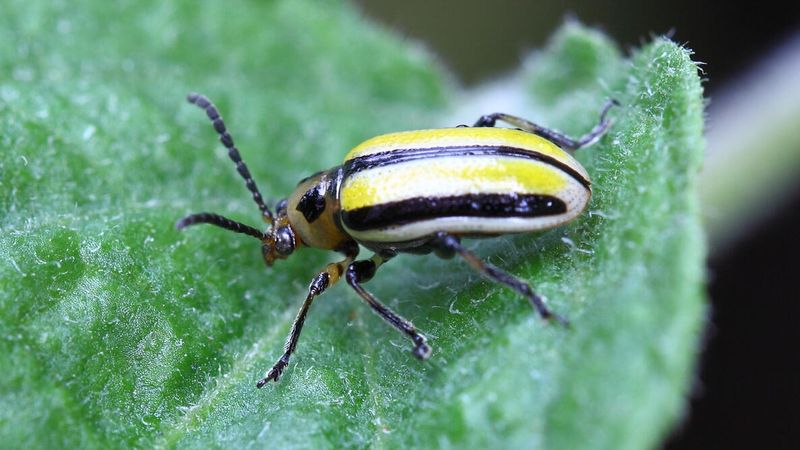
Small, colorful, and surprisingly destructive, cucumber beetles are a persistent problem in Michigan vegetable gardens throughout the summer months.
They show up on zucchini plants early in the season and can cause two separate types of damage that compound each other in frustrating ways.
The direct feeding damage – chewed leaves, scarred stems, and damaged blossoms – is visible and annoying, but the bigger concern is what these beetles carry with them.
Cucumber beetles are known vectors of bacterial wilt, a disease that spreads through the beetle’s digestive system and infects plant tissue as the insect feeds.
Once bacterial wilt takes hold in a zucchini plant, there is no effective treatment. The plant wilts rapidly, and removal is typically the only option to prevent further spread in the garden.
Michigan’s warm summers provide ideal conditions for cucumber beetle populations to build up quickly, especially in gardens where cucurbits are planted in the same location year after year.
Row covers used early in the season can reduce beetle access, though they must be removed once flowering begins to allow pollination.
Yellow sticky traps help monitor population levels. Rotating zucchini to a different part of the garden each year and keeping the area free of plant debris after the season can reduce overwintering beetle populations in the soil.
8. Short Growing Season Limits Late Plantings
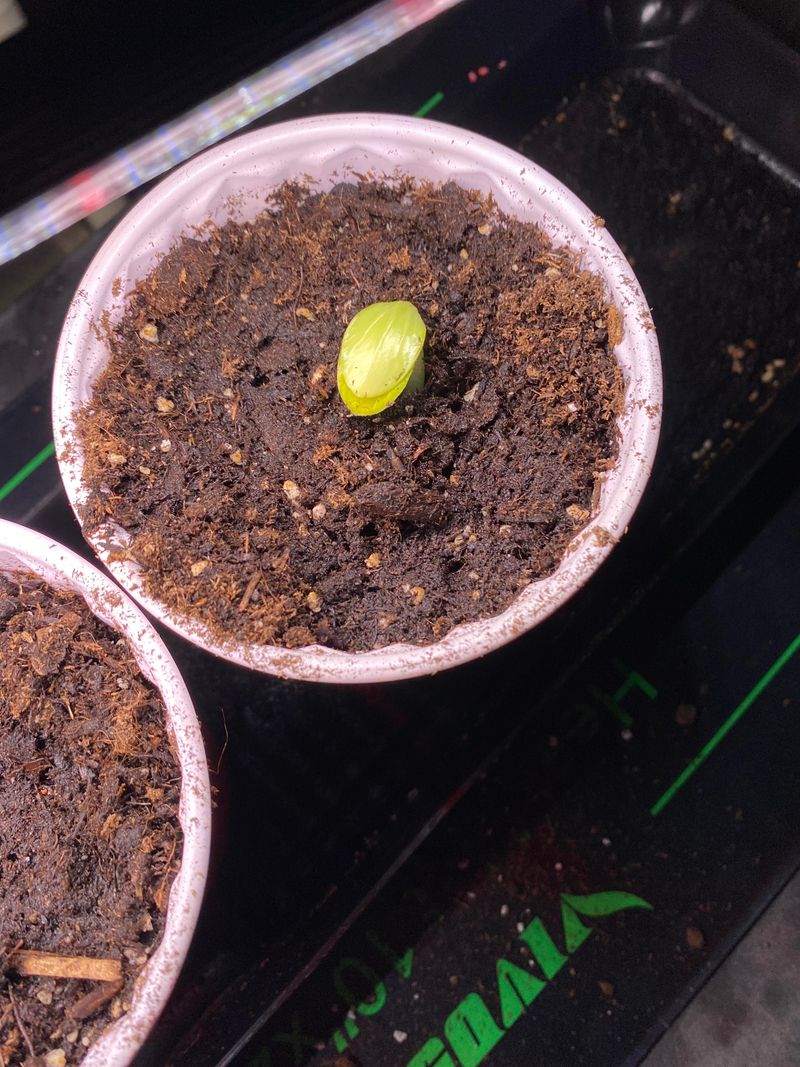
Michigan’s growing season is genuinely shorter than many gardeners realize, and zucchini – despite being a warm-season crop – needs a solid stretch of frost-free weather to produce well.
Gardeners in northern Michigan especially feel this pressure, where the last spring frost can stretch into late May and the first fall frost may arrive as early as mid-September.
Planting too late in the season means plants may just be hitting their stride when cooler temperatures begin to slow growth and reduce pollinator activity.
Zucchini needs consistent soil temperatures above 60 degrees Fahrenheit to germinate and grow reliably.
Starting seeds indoors two to three weeks before the last expected frost date gives plants a head start, but transplanting too early into cold soil can stunt growth or stress seedlings in ways that set them back for weeks.
Succession planting – starting a second round of seeds a few weeks after the first – is a strategy some gardeners use to extend harvest, but in Michigan’s shorter northern growing zones, that second planting sometimes does not have enough warm days to mature fully before frost arrives.
Focusing on early-maturing varieties suited to Michigan’s climate helps maximize the available growing window.
Watching local frost date records for your specific region rather than relying on general state averages makes a meaningful difference in planting success.
9. Large Leaves Can Trap Moisture And Encourage Disease
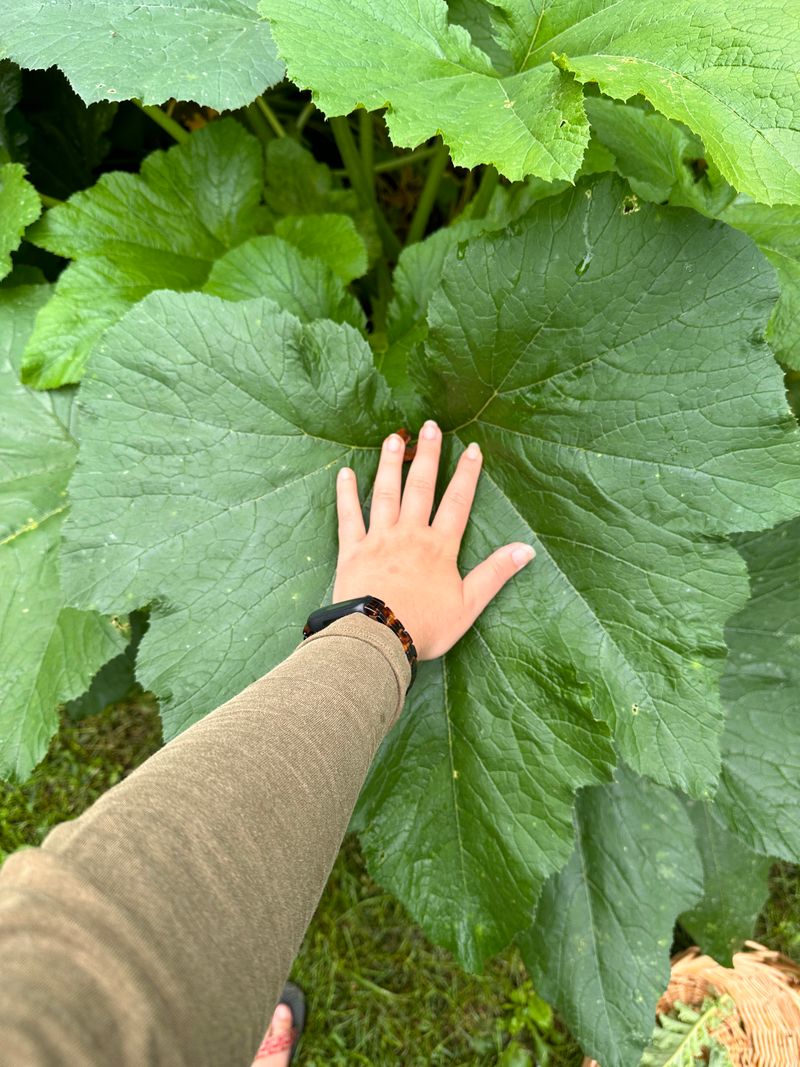
One of the most visually impressive things about a mature zucchini plant is its enormous, deeply lobed leaves. They can span over a foot across, creating a dense canopy that shades the soil below.
While that shade can help retain some moisture and suppress weeds, it also creates a consistently humid microclimate that many fungal pathogens find very welcoming.
When air cannot circulate freely through and around a plant, moisture from rain, irrigation, and morning dew lingers on and beneath the leaves for much longer than it would in a more open plant.
In Michigan’s humid summer conditions, this trapped moisture becomes a reliable trigger for diseases like powdery mildew, downy mildew, and various leaf spots.
Plants grown too close together amplify this problem considerably, as neighboring canopies merge into one large, poorly ventilated mass.
Pruning some of the older, lower leaves as the season progresses can open up airflow significantly without harming plant productivity. Watering at soil level rather than overhead helps keep foliage drier overall.
When overhead watering is necessary, doing it in the morning allows leaves to dry out during the day rather than staying wet overnight.
Maintaining adequate spacing from the start – rather than trying to correct it later – is the most straightforward way to reduce moisture-related disease pressure in Michigan zucchini plantings.
10. High Yield Can Become Overwhelming
There is a well-known joke among vegetable gardeners that the only time you lock your car in summer is when you are parked near a garden – otherwise, you might come back to find it full of zucchini left by a neighbor.
The humor lands because the overabundance is so real and so relatable for anyone who has grown this crop in Michigan.
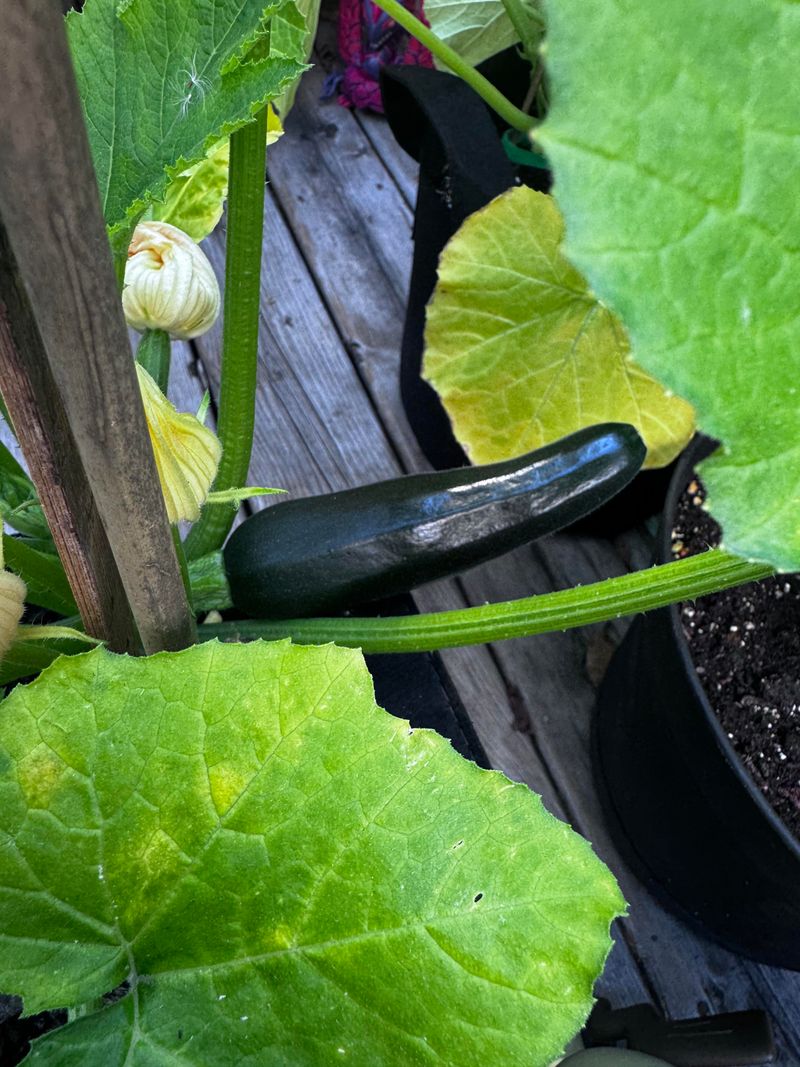
A single healthy zucchini plant can produce anywhere from six to ten pounds of fruit per week during peak season. With two or three plants in the garden, that adds up to more zucchini than most households can reasonably use, even with daily cooking.
The challenge is not just the volume but the pace – fruit comes in fast and does not slow down until the plant is stressed or the season ends.
Freezing shredded zucchini in measured portions works well for use in baked goods throughout the year. Local food pantries and community sharing groups often welcome surplus garden vegetables during summer.
Some gardeners intentionally plant just one zucchini plant to keep things manageable, which still provides a generous harvest for a family of four.
Planning for what to do with the surplus before planting – rather than scrambling mid-season – makes the high-yield nature of this crop feel like a benefit rather than a burden.