8 Drought-Tolerant Perennials That Don’t Look Like Desert Plants
Why do you keep pouring water onto blooms that still sag by noon? You can pause, and October is your window.
Summer heat challenges thirsty petals, yet you can plant varieties that flourish on minimal care. Cool, crumbly soil lets your roots settle deep before summer returns.
Catmint, yarrow, coneflower, and Russian sage sip sparingly yet bloom boldly. Bees will gather around your blossoms while butterflies linger at your fence.
Neighbors will slow down just to ask what you planted. Picture your hose coiled in the garage, happily idle.
August arrives, and you can greet it with confidence. Soil temperature, bloom timing, and spacing shape whether your garden flourishes.
Smart placement matters more than extra water, and you can learn it quickly. Your planting window narrows as temperatures drop. Meet the bloomers that thrive through July and leave neighbors staring.
1. Catmint Brings Soft Purple Clouds
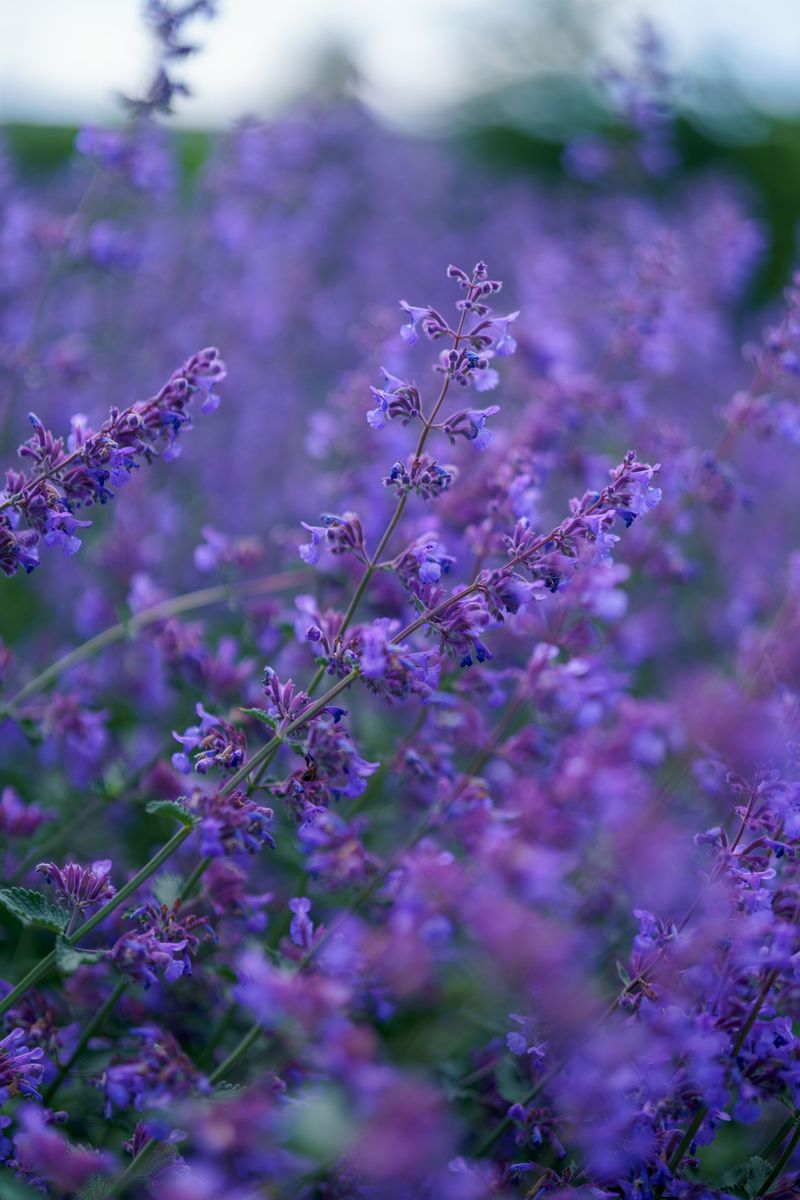
Cats often love it, bees flock to it, and gardeners brag about it at backyard barbecues. Catmint forms a loose mound of gray-green leaves topped with lavender-blue flower spikes.
Once its roots settle in, this tough plant handles weeks without rain. Its fuzzy, scented leaves lose less moisture than thin, shiny foliage usually does.
Most varieties grow one to three feet tall and spread about as wide. ‘Walker’s Low’ is a popular pick, though it can stretch nearly three feet across.
Plant catmint in full sun and soil that drains quickly after a heavy storm. Heavy, soggy clay can damage the roots more than dry weather does.
Blooms start in late spring and keep coming in waves until fall. After the first flush fades, shear the whole plant back by about one third.
That quick haircut tidies the mound and often triggers a second round of flowers. It takes five minutes and feels oddly satisfying, like trimming a shaggy dog.
Deer and rabbits usually skip catmint because the minty smell turns them off. Pollinators feel the opposite, so expect a steady buzz on sunny mornings.
October is a great month to plant new catmint while the soil still holds warmth. Water it weekly until the ground freezes, then let winter do the rest.
Try lining a sunny walkway with it for a soft, billowy border. Brushing past the leaves releases a fresh scent that smells like mint mixed with herbs.
2. Yarrow Shows Off Flat, Lacy Blooms
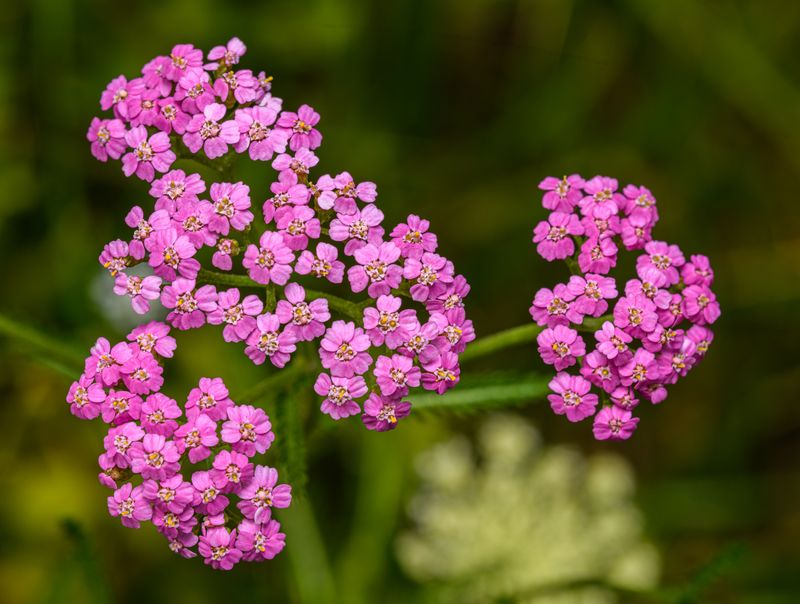
Legend says the Greek hero Achilles used yarrow to treat injured soldiers. Its scientific name, Achillea, still honors that old story today.
Modern gardeners love it for a simpler reason: it tolerates dry weather. Feathery, fern-like leaves give it a softer look than typical dry-garden plants.
Flat flower clusters sit on top of sturdy stems like tiny dinner plates. Colors range from creamy white and butter yellow to coral, pink, and deep red.
Yarrow handles poor, rocky, or sandy soil better than rich garden beds. In fact, too much fertilizer makes the stems flop over like wet noodles.
Give it full sun and at least six hours of bright light daily. Plants usually reach two to three feet tall, depending on the variety.
Butterflies and helpful insects adore the landing-pad shape of the blooms. Ladybugs and lacewings also snack on aphids, which helps protect nearby plants.
The flowers dry beautifully for crafts and bouquets. Hang a bunch upside down in a dark closet for two weeks, and the color stays bright.
Yarrow can spread with underground runners, so give it room or divide clumps every few years. Fall is a fine time to dig, split, and replant extra pieces.
This October, leave a few seed heads standing for winter interest. Then cut stems back in early spring when fresh green growth peeks out.
Pair yarrow with ornamental grasses for a breezy meadow feel. A small patch can turn a plain corner into a buzzing, colorful hangout.
3. Purple Coneflower Offers Pink-Purple Petals
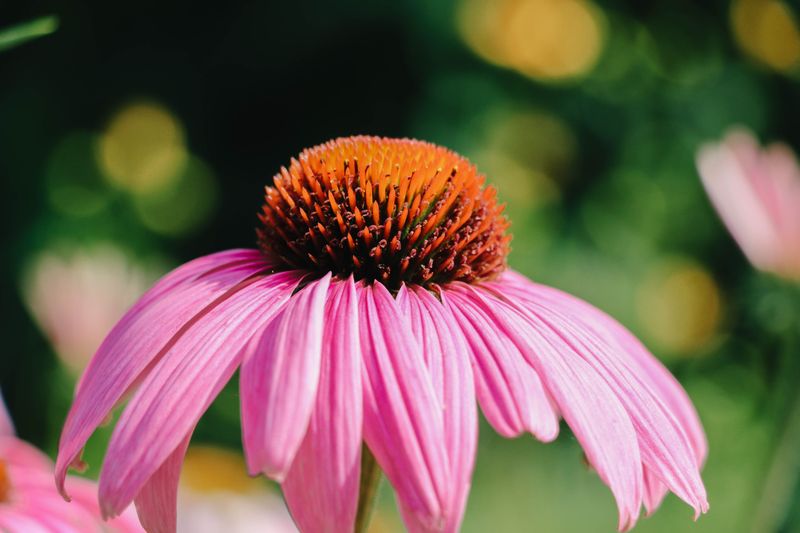
Ever notice how goldfinches cling to tall flower heads in late summer? They are probably feasting on purple coneflower, one of North America’s toughest prairie natives.
Echinacea purpurea grew wild across the eastern and central prairies of North America long before anyone planted a garden there. Prairie life taught it to handle intense sun and dry spells.
The secret lies underground, where a dense root system helps it find hidden moisture. Once established, the plant needs little extra water, even in a hot August.
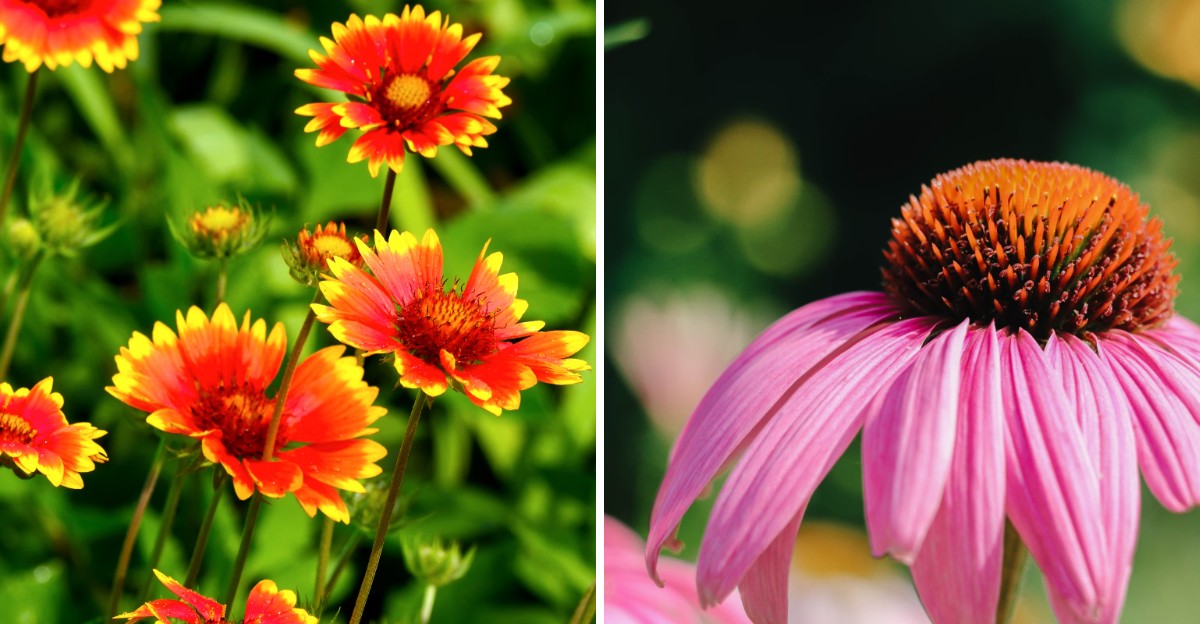
Above ground, it looks like a cheerful daisy wearing a spiky orange crown. Pinkish-purple petals droop slightly downward, giving each bloom a relaxed, friendly shape.
Breeders have created versions in white, orange, yellow, and even lime green. Classic purple types tend to live longer and handle tough conditions best, though.
Coneflowers grow two to four feet tall and bloom from early summer into fall. Plant them in full sun with average soil that drains well.
Skip the urge to clip faded flowers in autumn. Seed heads feed hungry birds through cold months and add nice texture to a frosty garden.
Plants also drop seeds that sprout into free baby coneflowers next spring. Share extras with friends, or move them to fill empty sunny spots.
October planting gives roots several cool weeks to settle before winter arrives. Mulch lightly around the base, but keep it away from the crown to prevent rot.
Bees and butterflies visit the blooms for sweet nectar, and hummingbirds sometimes stop by. A single clump can become a busy spot in your yard by July.
4. Black-Eyed Susan Adds Golden Cheer

Grandma’s fence line probably had a row of black-eyed Susans glowing like little suns. Those golden petals and chocolate centers have brightened country roadsides for generations.
Rudbeckia is the scientific name of the genus, and Maryland even chose it as its official state flower. It feels homey and familiar, nothing like the prickly look of desert plants.
Once established, this sunny favorite handles dry spells better than many fussier flowers. Hairy leaves also slow water loss on hot summer days.
Many types grow two to three feet tall with flowers about three inches across. ‘Goldsturm’ is a classic perennial choice known for heavy blooming and long life.
Some black-eyed Susans act as short-lived perennials or reseeding annuals. Letting a few flowers go to seed keeps new plants popping up year after year.
Plant them in full sun, though they tolerate a bit of afternoon shade. Ordinary garden soil works fine, and fertilizer is mostly unnecessary.
Blooms open in midsummer and often hang on well into October. That timing helps fill the gap when spring flowers fade and fall mums are not ready.
Cut a handful for the kitchen table, and they can last a week in water. Change the water every couple of days to keep the stems fresh.
This month, enjoy the last blooms and leave the dark seed cones standing, then plant new ones next spring. Chickadees and finches will thank you by visiting all winter long.
Plant them beside purple flowers for a bright, cheerful color contrast. The mix looks like a summer picnic blanket spread across your yard.
5. Russian Sage Casts A Silvery Haze
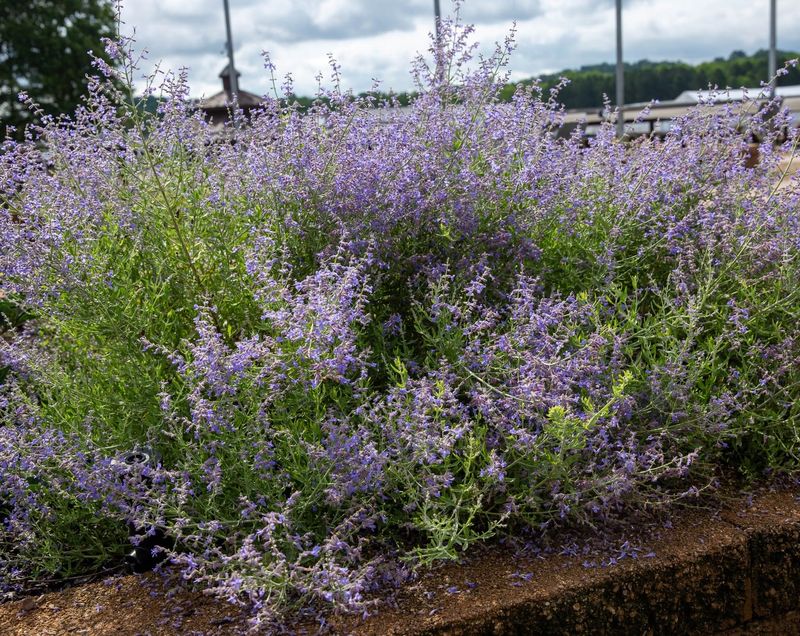
Russian sage has a misleading name, since it does not come from Russia. It actually hails from Central Asia and belongs to the mint family.
Scientists moved it into the Salvia genus in 2017, so it is now technically a true sage. Gardeners adore it for its airy, silvery charm.
Tall, wispy stems carry tiny lavender-blue flowers that look like purple smoke from a distance. The silver leaves smell a bit like a spicy herb rub.
Those pale leaves reflect intense sunlight, which helps the plant stay cool and save water. It thrives in heat, wind, and lean soil that would challenge many flowers.
Expect plants to reach three to four feet tall and almost as wide. Give each one plenty of space, or it may lean on its neighbors.
Full sun is a must, since shade makes the stems sprawl and flop. Sandy or gravelly soil suits it better than thick, wet clay.
Flowers appear from midsummer through early fall, drawing bees by the dozen. Deer usually leave it alone because the scent is too strong for them.
In October, resist cutting it down right away. The silvery stems look magical with frost on them and give the winter garden some sparkle.
Wait until early spring, then trim stems back to about twelve inches tall. Fresh shoots will sprout quickly from the woody base.
Planted in a long row, Russian sage creates a dreamy, misty hedge. It pairs wonderfully with orange or yellow flowers for a striking contrast.
6. Baptisia Sends Up Blue Pea Spikes
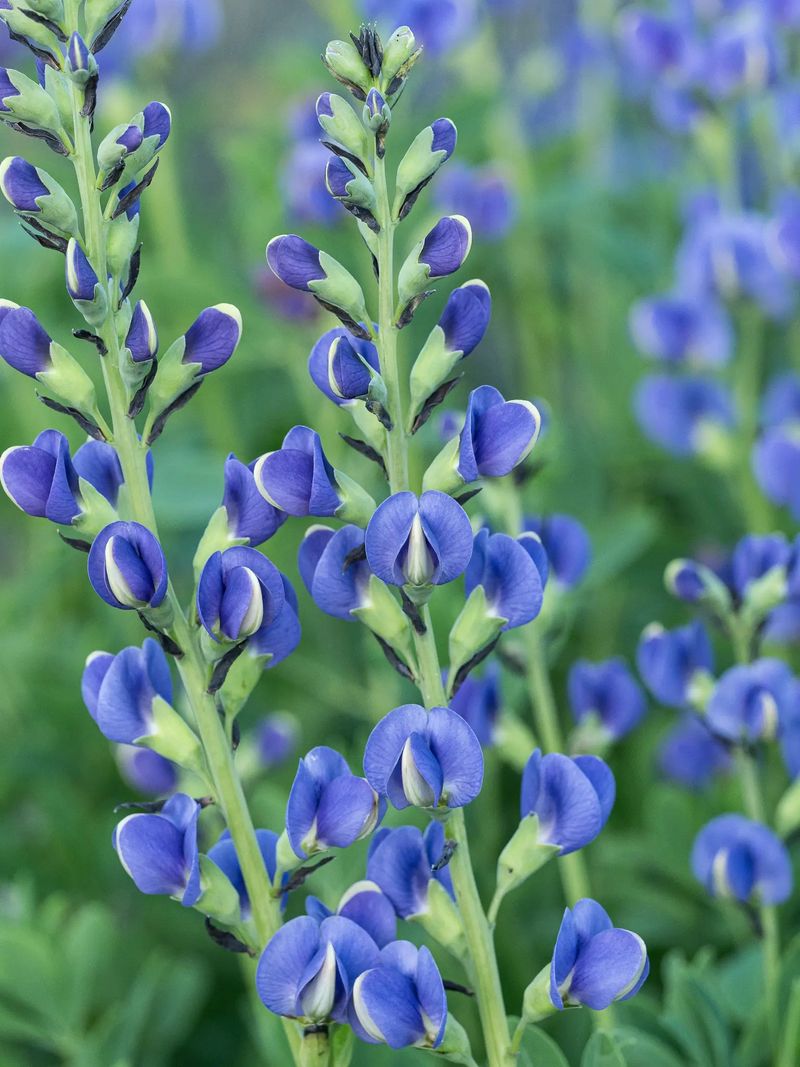
Some baptisia plants have roots that dig down ten feet or more into the earth. That hidden plumbing explains why this tough native hardly blinks during a summer drought.
Also called false indigo, baptisia was once used by early settlers to make blue dye. Today, gardeners grow it for its gorgeous spikes of pea-shaped flowers.
Classic types bloom in deep blue, while newer varieties come in yellow, white, and purple. The blossoms appear in late spring and look a lot like lupines.
After flowering, the plant forms a tidy, shrub-like mound of blue-green leaves. Plump seed pods follow, turning charcoal black and rattling in autumn breezes.
Baptisia plays the long game, so patience pays off. It may take two or three years to bloom well, but it can live for decades.
Because the taproot grows so deep, moving an older plant is difficult. Choose a sunny, permanent home before you put it in the ground.
It grows three to four feet tall and wide, almost like a small bush. Average or even poor soil works, since its roots add nitrogen naturally.
Pests and deer mostly ignore it, and it needs little to no fertilizer. A single clump can become a low-effort anchor for a sunny border.
October is perfect for planting young baptisia from a nursery pot. Water it well for the first few weeks, then let nature handle things.
Snip the black pods for fall arrangements, as they add drama to a vase. Kids may enjoy shaking them to hear the seeds rattle, but keep the pods away from mouths, since the plant is mildly toxic if eaten.
7. Coreopsis Flashes Sunny Little Daisies
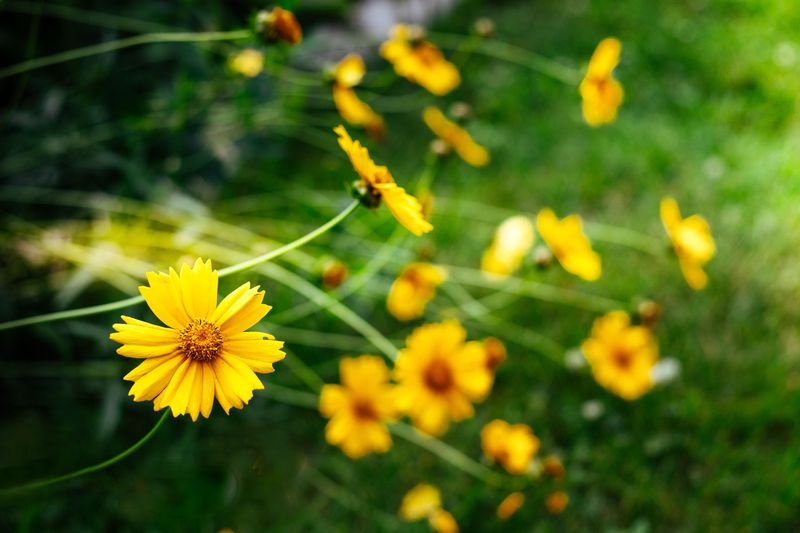
Think of coreopsis as the class clown of the flower bed, cheerful and hard to ignore. Its bright yellow daisies seem to grin at everyone walking by.
The common name is tickseed, because the seeds look a little like tiny bugs. Thankfully, the flowers are far prettier than that nickname suggests.
Many types are native to North America and grew wild in dry meadows and open woods. That background makes them tough against heat and skimpy rainfall.
Threadleaf coreopsis, like the variety ‘Moonbeam,’ has fine, needle-thin leaves and pale butter-yellow flowers. It forms a soft, frothy mound about eighteen inches tall.
Other kinds offer bigger blooms in gold, pink, red, or two-tone patterns. Some even look like tiny pinwheels spinning in a summer breeze.
Coreopsis loves full sun and soil that drains fast. Rich, wet soil can make it grow floppy and shorten its life.
Flowers keep coming from early summer into fall if you trim faded blooms. A quick shearing in midsummer often sparks a fresh burst of color.
Butterflies and native bees flock to the open, easy-to-reach centers. Goldfinches also nibble the seeds once the petals drop.
Early fall or early spring is a smart time to divide crowded clumps that have stopped blooming well. Dig them up, split them into chunks, and replant in sunny spots.
Coreopsis also looks adorable spilling over the edge of a pot or rock wall. Plant several together, and you will have a sunny party all season.
8. Blanket Flower Flaunts Bold Banded Petals
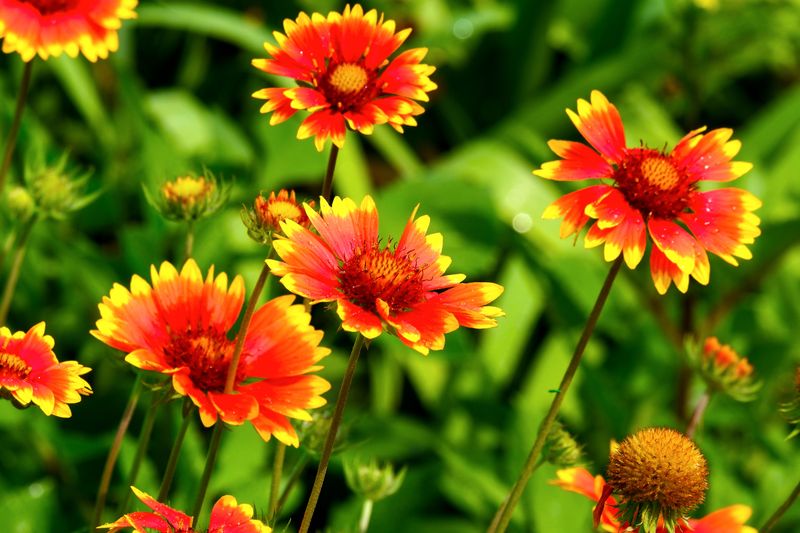
A hot, dusty corner by the mailbox can challenge a gardener until blanket flower moves in. By July, it can be one of the most colorful spots on the street.
Gaillardia is often said to get its nickname from bold patterns that resemble woven Native American blankets. Petals often blend red centers with bright yellow tips, like tiny sunsets.
This native wildflower grows naturally across the plains and along sandy coastlines. Salty air, strong heat, and poor soil do not hold it back.
Most plants stay compact, around one to two feet tall and wide. That small size makes them great for borders, rock gardens, and containers.
Blanket flower blooms from early summer until frost, which is impressive stamina. Removing old flowers keeps fresh ones coming, though leftover seed heads feed birds.
Full sun and sharp drainage are the key factors. Rich soil and frequent watering can shorten its life, so give it lean conditions.
Plants may fade after a few seasons, but they often reseed nearby. Let a few blooms ripen, and new seedlings will keep the show going.
Butterflies stop by often, and deer usually walk right past. The fuzzy leaves and stems feel slightly rough, which seems to discourage nibbling.
In October, you may still spot a few cheerful blooms hanging on. In mild climates, cut stems back by half in late fall to help the plant stay sturdy.
In cold zones, wait until spring. Try pairing blanket flower with blue or purple neighbors for a bold contrast. Your once-boring corner might just become the talk of the block.