This Fall Flower Is Still Blooming Across Indiana, But Not For Much Longer
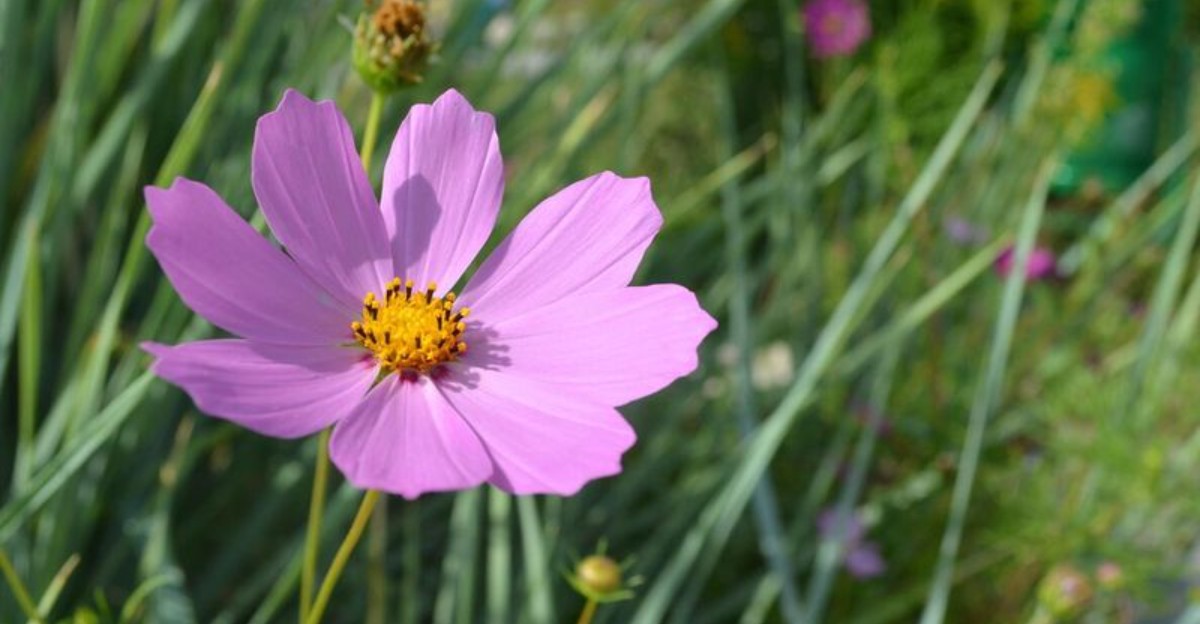
The tall pink flowers swaying beside Indiana mailboxes right now actually come from the mountains and meadows of Mexico. I still grin when I spot their papery petals waving in October, long after many summer blooms have faded.
They look delicate enough to snap in a breeze, yet they shrug off chilly mornings with surprising ease. Bees still drift from flower to flower on sunny afternoons, collecting the last pollen before the weather turns.
The catch is simple, because one hard freeze can turn those bright petals into limp brown tissue overnight. Across Indiana, that first frost often arrives sometime in October, with northern counties usually feeling it first.
I believe a few simple tricks can stretch the show for days or even a couple of extra weeks. You need nothing fancy, just a pair of sharp snips and an old bedsheet from the closet.
Better still, those faded flower heads hide a free gift for next year’s sunny garden beds. So how much time do your blooms really have left before the cold moves in for good?
A Hard Freeze Ends The Blooming Season
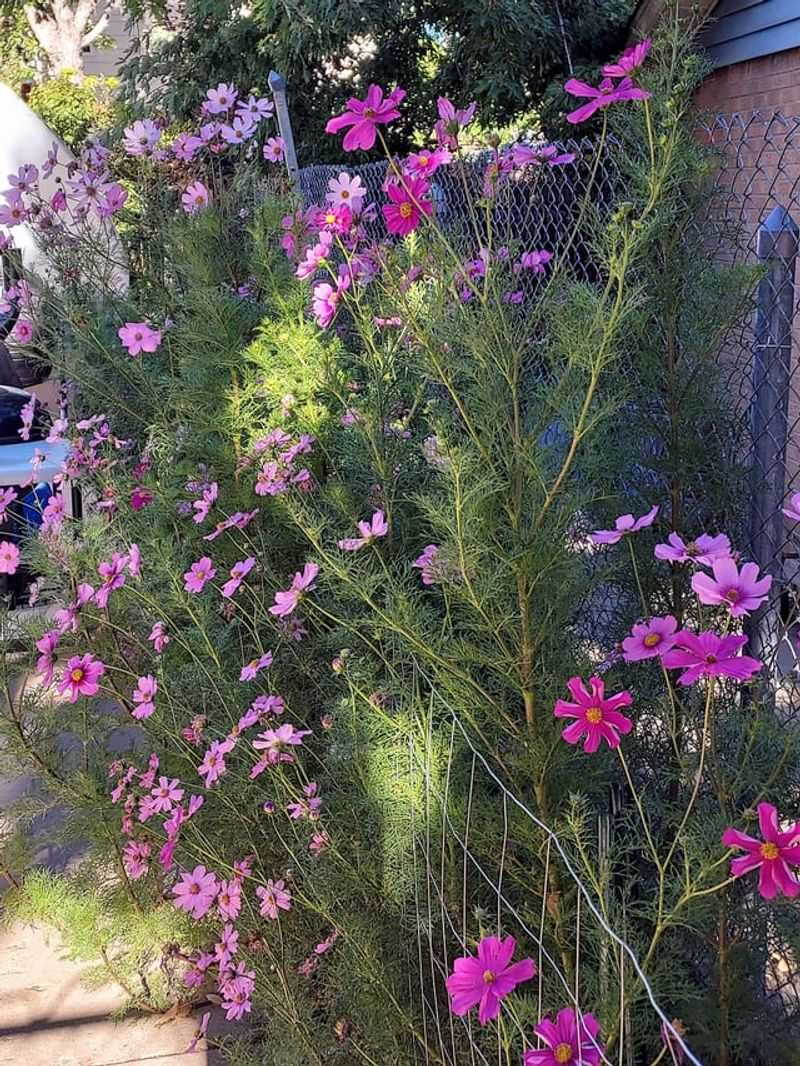
Cold air settles first in low spots, so a garden near a creek may lose flowers before the hilltop. Cosmos, the cheerful daisy-like annual filling fall beds right now, usually dies once temperatures drop to about 28°F, while a light frost may only damage the tender tips.
Frost-tender plants like these hold lots of water inside their soft thin stems and lacy leaves. When that water freezes, ice crystals damage the cells, and the plant turns dark and droopy by morning.
Purdue Extension notes that average first frost dates in Indiana mostly fall between early and late October. Northern counties often see frost a week or two before southern counties near the Ohio River.
Those dates are only averages, so an early cold snap or a mild autumn can shift things quite a bit. Nobody can promise exactly when your last cosmos flower will fade, which makes each sunny day feel special.
You can watch the local forecast each evening and look for nights dropping into the middle thirties. Clear skies with calm wind are the biggest warning sign, because heat escapes quickly from the ground.
A light frost may only nip the top petals, while a deeper freeze usually ends the season for good. Once the stems turn black and mushy, you can pull the plants and toss them in the compost pile.
Until that night arrives, enjoy every pink, white, and orange blossom swaying along your fence line. Snip a few for a kitchen vase too, since cut stems can last nearly a week indoors.
Cosmos Keep Blooming On Mild Fall Days
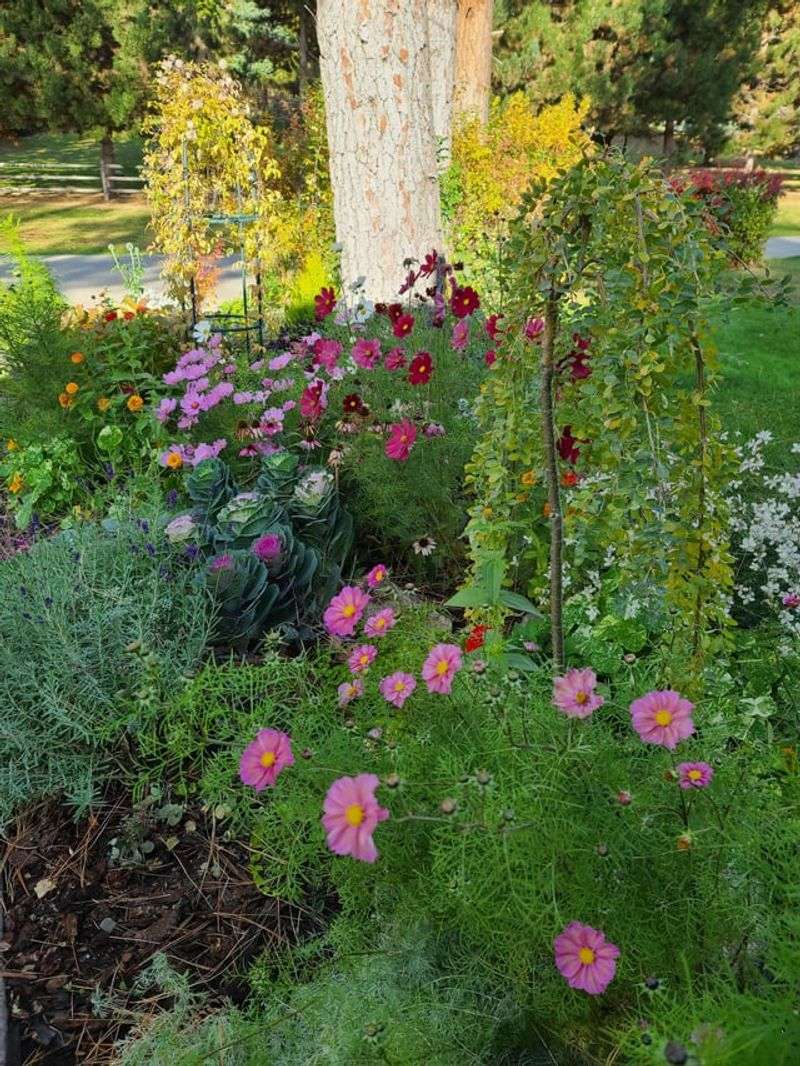
Funny enough, a plant from the warm highlands of Mexico keeps blooming happily when Indiana mornings turn crisp. Cosmos bipinnatus and its orange cousin, Cosmos sulphureus, both handle mild fall weather well, though they also tolerate summer heat.
Mild daytime temperatures in the sixties and seventies keep the plants blooming without stressing their thin, feathery leaves. Many gardeners notice a fresh burst of buds once the sticky heat of August finally breaks.
Your Indiana Garden Changes Every Week. Your Plan Should Too.
Gardening in Indiana changes quickly throughout the season. Every Friday you’ll receive a simple weekly plan showing exactly what to plant, prune, fertilize, harvest, and protect so you never miss the right timing.
The flowers also respond to shorter days, which is one reason some varieties really hit their stride in autumn. Older, taller types can be especially slow to bloom until late summer, then keep going strong until frost.
Pollinators love this timing, since fewer flowers are open in October and food gets harder to find. You may spot bumblebees, small butterflies, and hoverflies resting on the flat yellow centers during warm afternoons.
Goldfinches are another fun visitor, because they enjoy pulling the ripening seeds right out of the heads. Leaving a few faded blooms standing gives these little birds a snack as the season winds down.
Cool weather also means less watering, since the soil holds moisture longer when the sun feels gentler. Check the top inch of soil with your finger and water only when it feels dry and dusty.
Tall plants may flop after a windy fall storm, so a simple stake or twine loop helps. With a little support, those lanky stems can keep waving their colorful heads well into the month.
Spent Bloom Removal Keeps New Buds Coming
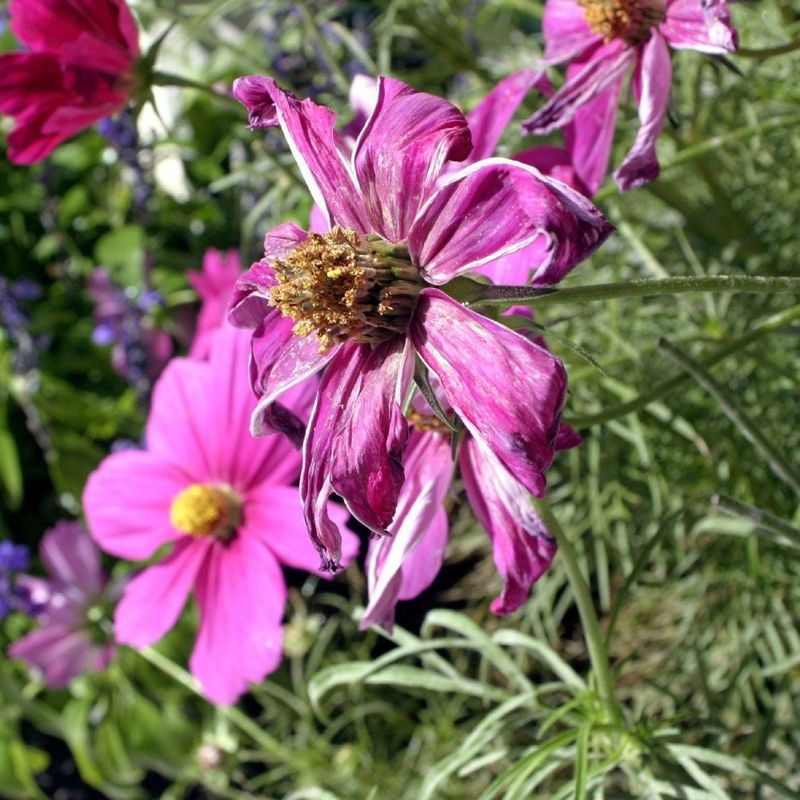
Every faded flower left on the plant sends a quiet signal that the job of making seeds has begun. Cosmos, like most annuals, slows down blooming once enough seeds start forming on those old heads.
Snipping off spent blooms tricks the plant into trying again, so it pushes out fresh buds instead. University extension gardeners often recommend this simple chore for annual flowers that bloom over a long season.
I like making a slow lap around the flower bed with snips in hand on cool October mornings. Look for flowers with drooping petals or a swollen green center that is starting to turn brown.
Cut the stem just above the next set of leaves or a small side bud you can see. That new bud will often open into a fresh flower within a week or two in mild weather.
Pinching with your fingers works fine on thin stems, but clean scissors make neater cuts on thicker ones. Wiping the blades now and then helps reduce the spread of plant diseases between different garden beds.
Late in the season, you can ease up a bit and let some heads stay on the plants. Those seeds will feed birds or give you a stash for next year, which we will cover soon.
A good rule is to keep snipping until frost looks likely within the next week or so. After that point, new buds may not have enough warm days left to open into full flowers.
Frost Cloth On Cold Nights Buys You Extra Time
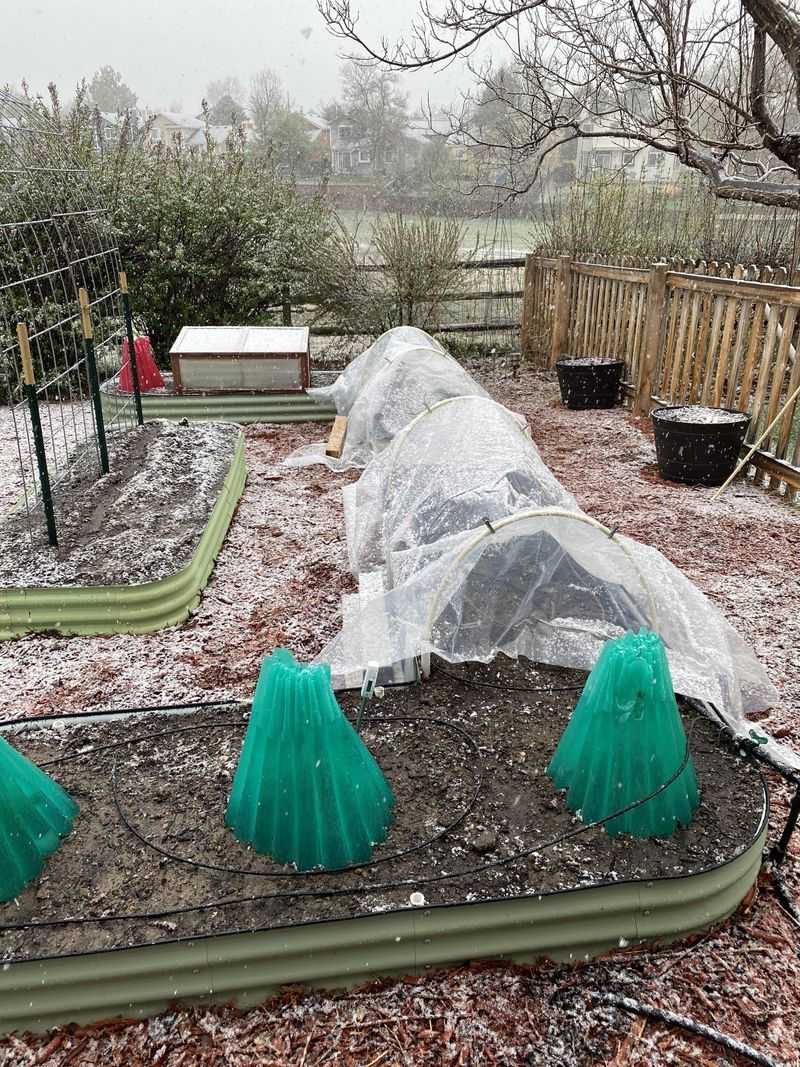
An old bedsheet pulled from the linen closet has helped plenty of fall flower beds survive a surprise chilly night. Garden centers also sell lightweight frost cloth, which lets in air and light while trapping warmth below.
Covers work because soil releases heat at night, and the fabric holds some of that warmth near your plants. Extension experts say a cover may protect plants by a few degrees, which can matter during a light frost.
Drape the cloth in late afternoon, before the sun goes down and the ground starts losing heat. Let the edges reach all the way to the soil, then hold them down with rocks or bricks.
Avoid plastic sheets touching the leaves, because plastic can transfer cold straight to the plant tissue. If plastic is all you have, prop it up with stakes so it does not rest on the flowers.
Tall cosmos can be tricky to cover, so loosely bundling the stems with soft twine first really helps. Watering the soil earlier in the day also helps, since moist ground holds more heat than dry ground.
Remove the covers the next morning once temperatures climb above freezing and the sun hits the bed. Leaving them on all day can trap too much heat and moisture under the fabric on sunny Indiana afternoons.
Early frosts are sometimes followed by mild stretches, so one covered night can buy you extra days or even weeks of color. A hard freeze in the low twenties, though, is usually too much for any sheet to handle.
Less Fertilizer Gives You More Flowers
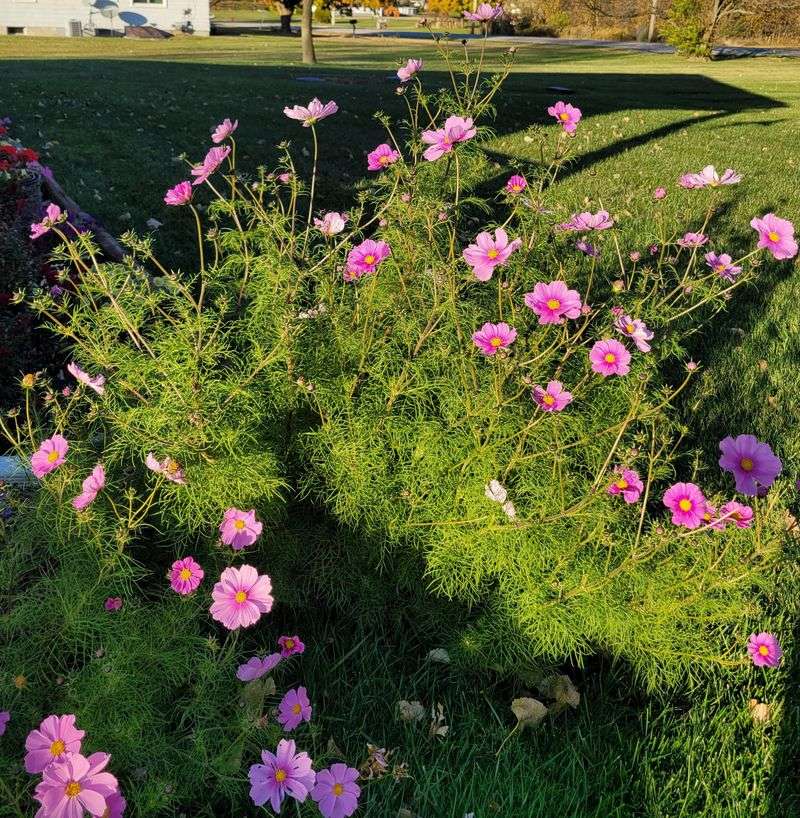
Cosmos is one of those garden flowers that blooms better when you mostly leave it alone. Its wild ancestors grew in rough, dry ground, so rich soil and heavy feeding can work against it.
Too much nitrogen pushes the plant to grow huge leafy stems instead of putting energy into flowers. Many extension services list cosmos as a plant that performs best in average or even poor soil.
If your cosmos towered over the fence this year with only a handful of blooms, fertilizer may be the reason. Lawn food drifting into nearby beds can cause the same issue, since most lawn products are high in nitrogen.
For the rest of this fall, skip feeding your cosmos and let the plants finish their season naturally. Fertilizer added in October mostly encourages soft new growth that frost can damage very easily anyway.
Next year, a soil test from a certified lab, with guidance from Purdue Extension, can show what your garden beds need. Many Indiana soils already hold plenty of nutrients, especially in beds that get compost or mulch each year.
Plant cosmos in a sunny spot with decent drainage, and skip the bags of rich potting mix. Six or more hours of direct sunshine matters far more to these flowers than any bottle of plant food.
Honestly, it feels a little freeing to grow something that rewards a lazy approach with so much color. Save your fertilizer for hungry vegetables, and let these easygoing blooms handle things their own way.
You Can Collect Seeds From Dry Flower Heads
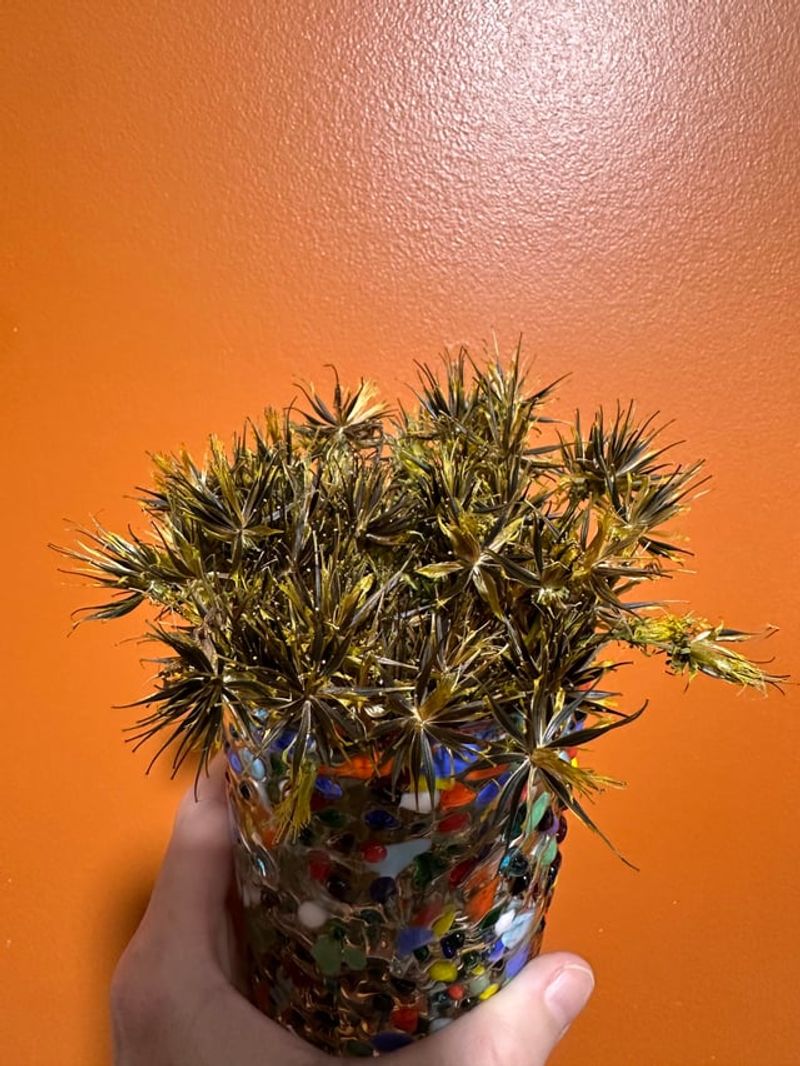
My first packet of saved cosmos seeds came from a coffee filter full of skinny black needles. Those odd little seeds look nothing like a flower, yet each one holds a whole plant for next year.
Wait until the flower heads turn brown and dry, with the seeds pulling slightly away from the center. Ripe seeds usually look dark brown or black and come loose with a gentle tug of your fingers.
Pick on a dry afternoon, since damp seeds can grow mold while they sit in storage over winter. Hold a paper bag under each head and gently rub the seeds loose so they drop inside.
Spread the seeds on a plate or paper towel for about a week to finish drying indoors. Then store them in a labeled paper envelope in a cool, dark spot like a closet shelf.
Seeds from hybrid varieties may not look exactly like the parent plant, which can be a fun surprise. Open-pollinated types like Sensation or Bright Lights tend to come back closer to the original colors.
Next spring, wait until frost danger passes before sowing the seeds right into warm Indiana soil. Cosmos sprouts quickly and often reseeds by itself, so a few volunteer seedlings may pop up anyway.
Extra envelopes make sweet gifts for neighbors, teachers, or friends who admired your fall garden this year. Sharing a handful of seeds feels like passing along a small piece of October sunshine to someone else.